

We may earn a commission when you buy through links on this page, at no extra cost to you. Learn more.
What does nebbiolo taste like? Nebbiolo tastes like tart red cherries, raspberries, dried roses, violets, and earthy spices, with firm tannins and high acidity that give the wine a powerful, structured finish. This Italian red grape produces wines that are usually dry, relatively pale in color, and surprisingly intense on the palate. With age, Nebbiolo develops additional aromas of leather, tobacco, tar, mushrooms, and truffle.
Nebbiolo is one of Italy’s most distinctive red wine grapes, best known for producing Barolo and Barbaresco in Piedmont. Its combination of delicate floral aromas, bright red fruit, and substantial tannins can make it seem contradictory at first: the wine looks relatively light in the glass but feels powerful when you drink it. Understanding its flavors, structure, regional differences, and aging characteristics makes it easier to recognize what is in your glass and choose a bottle that suits your preferences.
The Main Flavors and Aromas in Nebbiolo
Nebbiolo typically combines tart red fruit, fragrant flowers, and savory spice. Cherry, raspberry, rose, violet, and licorice are among its most recognizable characteristics, while older bottles can introduce deeper earthy and savory aromas.

Red cherry is often the first fruit impression, particularly in younger Nebbiolo. The flavor can resemble fresh sour cherries rather than the sweet, concentrated black cherry associated with some fuller-bodied red wines. Raspberry and strawberry provide additional fruit character, sometimes accompanied by cranberry or red plum. These flavors give Nebbiolo a lively profile without making it taste sweet.
Floral aromas are another important part of the grape’s identity. Fresh or dried roses are especially characteristic, while violet can contribute a delicate perfume. These scents may appear more noticeable on the nose than the fruit, particularly in wines from cooler growing conditions. Swirling the glass gently can help release these aromatic details.
Beyond fruit and flowers, Nebbiolo can show anise, licorice, nutmeg, and dried herbs. Some examples have a balsamic quality that recalls resin, mint, or aromatic woodland plants. These notes are not necessarily signs of oak aging; they can be part of the grape’s natural aromatic complexity and the influence of its growing environment.
Older Nebbiolo develops a different set of aromas. Leather, tobacco, dried leaves, forest floor, mushroom, truffle, and tar can become more prominent as the wine matures. Fresh cherry may evolve toward dried cherry, while the floral character can become more delicate and integrated. The result is a wine that smells increasingly savory rather than simply fruity.
Not every bottle displays every descriptor. A young Langhe Nebbiolo may emphasize raspberry and fresh cherry, while a mature Barolo might show dried roses, leather, and earthy complexity. The producer, vineyard location, vintage, and winemaking choices all influence which aromas become most noticeable.
Body, Acidity, Tannins, and Dryness
Nebbiolo is generally a dry red wine with high acidity and high tannins. Its body can range from medium to full, but its firm structure makes even a relatively light-looking wine feel substantial.
Dryness is the usual starting point when describing Nebbiolo. The wine generally contains little perceptible sweetness, although ripe fruit aromas can create an impression of fruitiness that some drinkers mistake for sugar. Sour cherry, raspberry, and floral notes are aromatic qualities rather than evidence that the wine is sweet.
Acidity is one of the grape’s defining characteristics. It produces a fresh, mouthwatering sensation that can make the fruit seem bright and sometimes tart. This acidity helps balance the wine’s tannins and alcohol, keeping a structured red from feeling entirely heavy. It also explains why Nebbiolo works particularly well with rich foods that benefit from a refreshing wine alongside them.
Tannins are equally important. They create a drying, gripping sensation on the gums, tongue, and inside of the cheeks. In a young Barolo, this sensation can be quite pronounced, sometimes making the wine feel more powerful than its color or initial aroma suggests. Tannins are not the same as bitterness, although an especially firm young wine may have a slightly bitter or austere finish.
The relationship between acidity and tannin is what gives Nebbiolo its distinctive character. Acidity provides freshness, while tannins supply texture and structure. Neither should be considered an isolated characteristic. Together, they support the red-fruit flavors and help explain why many Nebbiolo wines can develop over extended bottle aging.
Alcohol can contribute additional warmth, particularly in ripe examples from Barolo and Barbaresco. However, this warmth is generally balanced by the grape’s acidity and tannic structure. The overall impression is a dry, structured wine with aromatic complexity rather than a soft, sweet red.
How Nebbiolo Compares With Other Red Wines
Nebbiolo can look lighter than many powerful red wines but deliver more grip and structure than its color suggests. Comparing it with Pinot Noir, Sangiovese, and Cabernet Sauvignon helps explain its unusual combination of elegance and intensity.
Nebbiolo versus Pinot Noir: Both grapes can produce translucent ruby-colored wines with red cherry, raspberry, and floral aromas. Pinot Noir usually has low-to-medium tannins and high acidity, creating a softer texture. Nebbiolo typically has considerably firmer tannins, so its palate feels more gripping and structured even when the two wines look similar in the glass.
Nebbiolo versus Sangiovese: Both are important Italian red grapes, and both can display bright acidity, cherry flavors, and earthy characteristics. Sangiovese often shows sour cherry, dried herbs, and savory notes, particularly in Chianti and Brunello di Montalcino. Nebbiolo generally has more pronounced floral aromas and a more substantial tannic grip. Its rose and tar characteristics make the difference especially noticeable in mature examples.
Nebbiolo versus Cabernet Sauvignon: Cabernet Sauvignon is typically darker in color and often has blackcurrant, blackberry, cedar, and herbal flavors. It is also high in tannin, but its fruit profile is generally darker and more concentrated. Nebbiolo tends toward red fruit, dried flowers, and earthy complexity. Both wines can feel firm in their youth, although their aromatic personalities are quite different.
Nebbiolo versus Merlot: Merlot usually has medium, softer tannins and flavors of plum, black cherry, and sometimes chocolate. Its texture tends to feel rounder and more approachable than young Nebbiolo. Drinkers who enjoy Merlot but want a more structured red may find Nebbiolo interesting, although the difference in tannin intensity can be substantial.
| Red grape | Typical fruit flavors | Acidity | Tannin | General character |
|---|---|---|---|---|
| Nebbiolo | Cherry, raspberry, cranberry | High | High | Floral, earthy, structured |
| Pinot Noir | Cherry, raspberry, strawberry | High | Low-medium | Delicate, aromatic, fresh |
| Sangiovese | Sour cherry, red plum | High | Medium-high | Savory, lively, earthy |
| Cabernet Sauvignon | Blackcurrant, blackberry | Medium-high | High | Dark-fruited, powerful |
| Merlot | Plum, black cherry | Medium | Medium | Round, softer, approachable |
These comparisons describe typical grape characteristics rather than fixed rules for every bottle. Climate, vineyard conditions, vintage, and winemaking can change the balance of fruit, acidity, and tannin. For another useful comparison across wine styles, explore what does Chenin Blanc taste like, particularly if you want to understand how acidity and fruit expression differ between red and white wines.
How Barolo, Barbaresco, and Other Regions Change the Flavor
Nebbiolo’s flavor changes considerably depending on where it grows and how the wine is made. Barolo and Barbaresco are its best-known expressions, while Langhe Nebbiolo, Roero, Gattinara, and Ghemme offer additional interpretations of the grape.
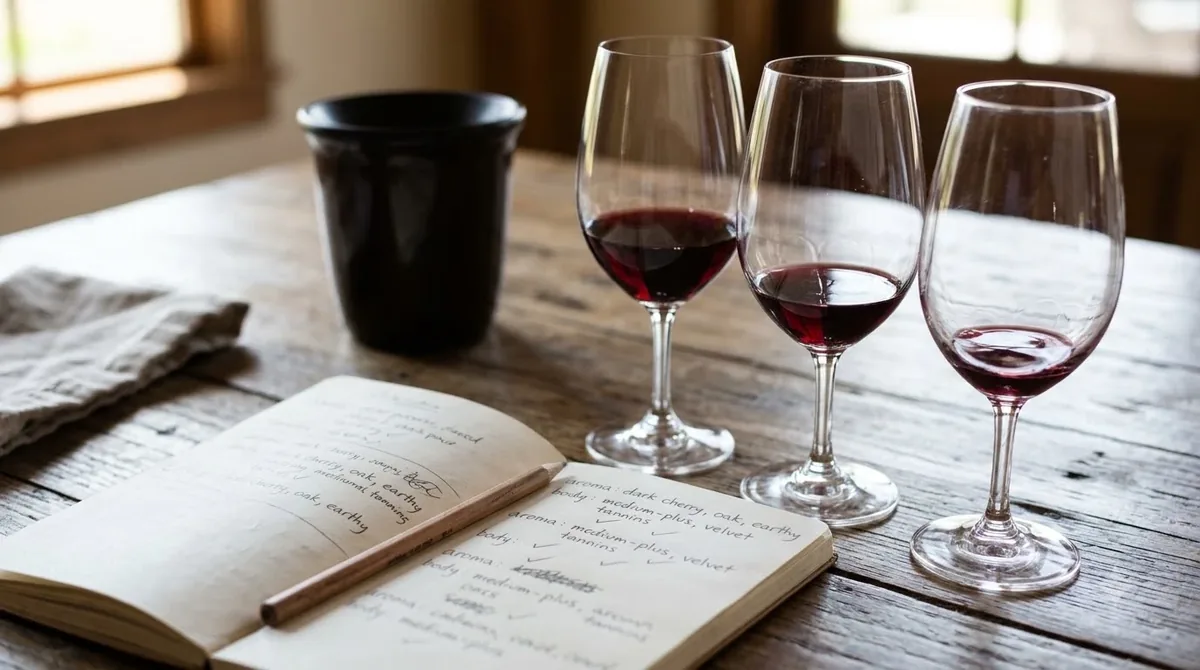
Barolo is often the most structured and powerful expression associated with Nebbiolo. It comes from a designated growing area in the Langhe hills of Piedmont. Typical flavors include sour cherry, raspberry, dried rose, licorice, anise, and earthy spice. With bottle age, tobacco, leather, truffle, and tar can become more apparent. Firm tannins and high acidity give traditional Barolo considerable aging potential.
Barbaresco is another major Nebbiolo appellation in Piedmont. Its aromatic profile overlaps with Barolo, featuring red cherry, rose, violet, and savory notes. It is often described as relatively elegant and approachable, although serious examples can still have considerable tannin and aging potential. The distinction is not absolute: producer decisions, vineyard conditions, and vintage can create significant differences between individual bottles.
There are also regulatory differences between these two appellations. According to Berry Bros. & Rudd’s guide to Nebbiolo wine and its regional styles, standard Barolo requires at least 38 months of aging, including 18 months in wood, while standard Barbaresco requires at least 26 months, including nine months in wood. These minimum periods help explain why the two wines can reach the market at different stages of development.
Langhe Nebbiolo is often a useful introduction to the grape. It commonly emphasizes fresh cherry, raspberry, and floral aromas, with tannins that can feel more approachable than those in a traditional Barolo. Some examples are designed for earlier drinking and can show the grape’s fruit character without requiring extensive cellaring.
Roero offers another Piedmont interpretation. Depending on the producer and vineyard, Roero Nebbiolo can show raspberry, rose, anise, and spice, sometimes with a softer tannic impression than more structured Barolo. Its combination of fragrance and freshness makes it an interesting alternative for someone exploring different expressions of the same grape.
Gattinara and Ghemme, in northern Piedmont, can produce more restrained, delicate styles. Their wines may emphasize tart red fruit, floral aromas, earthy notes, and high acidity. Nebbiolo is also grown in Lombardy, where it is known locally as Chiavennasca. These northern and Alpine expressions demonstrate how the same grape can produce wines with noticeably different textures and aromatic intensity.
The Langhe wine-growing area’s official description identifies limestone-rich and tufaceous soils as favorable for Nebbiolo, and notes that the grape is sensitive to climate, exposure, and soil composition. Its Nebbiolo variety profile from the Langhe Consortium also describes how vineyard position and growing conditions influence the wines. Even vineyards separated by only a few kilometers can produce substantially different results. For that reason, the regional name is a useful starting point, but the producer and specific vineyard can be just as informative.
How Aging Changes Nebbiolo’s Flavor
Young Nebbiolo generally emphasizes fresh red fruit, flowers, and firm tannins, while mature examples develop dried fruit, leather, tobacco, truffle, and earthy complexity. Aging can soften the wine’s texture and integrate its flavors without eliminating its underlying acidity.
In its early years, Nebbiolo often smells of fresh cherries, raspberries, strawberries, and roses. Its tannins can be assertive, particularly in Barolo and Barbaresco. The acidity may make the fruit taste tart, while the tannins create a dry sensation that lingers after each sip.
As the wine develops in the bottle, primary fruit aromas can become less prominent. Fresh cherry may shift toward dried cherry or preserved fruit, and floral aromas can take on a dried-petal character. Tobacco, leather, forest floor, mushrooms, and truffle may emerge, creating a more savory profile.
The tannins also change. They can become more integrated and feel less aggressive, allowing the wine’s aromatic complexity to stand out. This does not mean every older Nebbiolo becomes soft or delicate. Well-structured examples can retain substantial grip and acidity even after years of development.
Different Nebbiolo styles have different drinking windows. A straightforward Langhe Nebbiolo may be enjoyable while relatively young, when its red-fruit character is fresh and expressive. Barolo and Barbaresco often benefit from additional time, but the ideal drinking point depends on the producer, vintage, storage conditions, and personal preference.
Why Some Nebbiolo Needs More Time
The grape’s high tannin content is a major reason that traditional Nebbiolo wines can require patience. When tannins are especially prominent, they can mask some of the subtler floral and savory aromas. Additional bottle aging gives the wine time to develop a more integrated impression.
However, aging is not automatically better. Some drinkers prefer the lively cherry and raspberry flavors of young Nebbiolo, while others enjoy the leather, tobacco, and earthy notes that develop later. A bottle’s maturity should be considered in relation to its style rather than its age alone.
According to the Langhe wine consortium, Nebbiolo is a late-ripening variety that is typically harvested in October, with the harvest period occurring in the second half of the month in its regional growing calendar. Its demanding growing conditions and naturally structured wines help explain why producers pay close attention to vineyard location, ripeness, and maturation.
Serving Temperature, Decanting, and Tasting Nebbiolo
Nebbiolo generally shows its best balance when served slightly below ordinary room temperature, around 60–65°F for fuller-bodied examples. Young, tannic bottles often benefit from decanting for 30–60 minutes, which gives the wine time to open and makes its aromas easier to appreciate.
Serving temperature matters because excessive warmth can make alcohol feel more prominent and can reduce the impression of freshness. A bottle served too cold, on the other hand, may seem more austere, with its tannins and acidity standing out while the aromas remain muted. A moderate temperature allows the wine’s fruit, floral notes, and structure to work together.
For a full-bodied Barolo or Barbaresco, begin around 60–65°F. A lighter Langhe Nebbiolo can also be served toward the cooler end of that range. If the bottle has been stored at ordinary room temperature, a short period in a cool environment can help bring it closer to the desired serving temperature.
Decanting is especially useful for young examples with firm tannins. Pouring a young Barolo into a decanter for 30–60 minutes can help expose its cherry, rose, spice, and savory aromas. Some particularly closed bottles may need longer, but there is no universal decanting time for every producer and vintage.
Older Nebbiolo requires a little more care. Mature wines may have sediment, so careful pouring can help keep it out of the glass. They may also be more sensitive to extended exposure to oxygen. A gentle decant shortly before serving is often preferable to leaving an older bottle open for several hours.
A Simple Nebbiolo Tasting Method
Start by looking at the wine against a white background. Nebbiolo often has a translucent ruby color, sometimes showing garnet or orange tones as it ages. Its relatively pale appearance is one of the easiest visual characteristics to recognize.
Next, smell the wine before swirling. Look for cherry, raspberry, rose, and violet. Swirl gently and smell again to see whether additional aromas emerge, such as licorice, dried herbs, tobacco, or earthy notes. The difference between the first and second aromas can be particularly interesting in mature Barolo and Barbaresco.
Finally, take a small sip and pay attention to three sensations: acidity, tannin, and finish. Notice whether the acidity makes your mouth water, whether the tannins dry your gums, and whether the finish retains fruit or shifts toward savory flavors. This approach helps distinguish Nebbiolo’s structure from its aromatic profile.
Tip: Taste Nebbiolo in small sips and give the wine a little time in the glass. Compare the first impression with the aromas that appear after 15–20 minutes. The changes can reveal the difference between its fresh fruit, floral character, and deeper savory notes.
Food Pairings That Work With Nebbiolo
Nebbiolo pairs particularly well with rich, savory foods that can balance its high acidity and firm tannins. Braised beef, grilled steak, mushroom risotto, truffle pasta, and aged cheeses are classic choices, especially with structured Barolo and Barbaresco.
The wine’s tannins interact particularly well with protein and fat. Fat helps soften the perception of tannin, while protein-rich dishes provide a satisfying counterbalance to the wine’s structure. This makes fatty cuts of beef, slow-cooked meats, and dishes prepared with butter or olive oil particularly suitable.
Beef and lamb: Braised short ribs, grilled ribeye, roast beef, and lamb shanks work well with Nebbiolo. Their rich textures complement the wine’s firm tannins, while savory cooking juices echo its earthy and herbal notes. A simple preparation with rosemary, thyme, or black pepper can complement the wine without overwhelming its floral aromas.
Pasta and risotto: Mushroom risotto, beef ragù, and tajarin with meat sauce are natural matches for Piedmontese Nebbiolo. The richness of butter, cheese, and slow-cooked sauces helps balance the wine’s acidity and tannins. Truffle-based preparations can also complement its earthy and savory characteristics.
Mushrooms and vegetables: Roasted mushrooms, grilled radicchio, braised leeks, and dishes featuring roasted garlic can work particularly well. Mushrooms echo the earthy qualities that develop in mature Nebbiolo, while roasted vegetables contribute savory flavors that connect with the wine’s herbal notes.
Cheese: Aged Parmigiano Reggiano, Pecorino, and other firm, flavorful cheeses are good choices. Salt and fat can soften the perception of tannin, making the wine seem less drying. Richer soft cheeses can also work, especially when served with bread or other foods that provide additional texture.
Young Langhe Nebbiolo is generally more flexible at the table. Pizza with savory toppings, tomato-based pasta, roasted chicken, and charcuterie can suit its fresher fruit and sometimes gentler tannins. More concentrated Barolo and Barbaresco often benefit from richer dishes with greater depth of flavor.
Very spicy food is usually less suitable because alcohol and tannins can amplify the perception of chili heat. Extremely delicate seafood can also be overwhelmed by a strongly tannic red. For a different Italian grape with a distinct fruit profile, see what does Corvina taste like. You can also explore the wider selection of styles in Wine by Type.
Food preparation is important, too. A tomato sauce with sufficient richness can work better than a very lean, acidic preparation, while a fatty meat dish can provide more balance than a delicate cut served without sauce. The aim is to match the wine’s intensity and give its tannins something substantial to complement.
Frequently Asked Questions
Does Nebbiolo taste like tar?
Tar is a recognized aroma associated with Nebbiolo, particularly in traditional Barolo and mature examples. It is generally a savory, smoky impression rather than a literal taste of burning material. The descriptor can appear alongside dried roses, leather, licorice, and earthy aromas.
Why is Nebbiolo wine often orange around the edges?
Older Nebbiolo can develop garnet, brick, or orange tones as its pigments change and evolve during bottle aging. These changes are part of the wine’s visual development and are particularly noticeable around the rim of a glass. Young examples generally show brighter ruby or red coloring.
What does Nebbiolo smell like before tasting?
Nebbiolo often has a pronounced floral fragrance, especially rose and violet, alongside red cherry and raspberry. Some examples also show anise, dried herbs, and balsamic notes. These aromas can be noticeable before the wine reaches the palate.
What is the difference between Nebbiolo and Spanna?
Spanna is a local name for Nebbiolo used in parts of northern Piedmont, particularly the Novara province. It refers to the same grape variety rather than a separate red grape. The resulting wine’s character still depends on its appellation, vineyard, and production methods.
Is Nebbiolo suitable for someone new to red wine?
Yes, although its tannins can be challenging for someone accustomed to softer reds. A young Langhe Nebbiolo or a fruit-forward Roero example can provide a more approachable introduction than a particularly structured young Barolo. Comparing these styles side by side can help new drinkers understand the grape’s range.
Nebbiolo offers a distinctive combination of tart red fruit, fragrant flowers, high acidity, and firm tannins, with mature wines developing fascinating savory aromas of leather, tobacco, and truffle. Whether you choose an approachable Langhe Nebbiolo or an age-worthy Barolo, the grape provides a rewarding way to explore the wines of Piedmont. Start with its cherry and rose character, then pay attention to how its texture and earthy complexity develop in the glass.
More in Wine Types & Grapes
 Zinfandel Sugar Content: Dry Red vs. White Zinfandel GramsUpdated Nov 21, 2026
 Best Zinfandel Substitute Options for Sipping and CookingUpdated Nov 21, 2026
 Zweigelt Food Pairing: Best Dishes, Cheeses, and Serving TipsUpdated Nov 21, 2026
 Zinfandel Tannins Explained: How Structure Shapes Every BottleUpdated Nov 21, 2026
 Zinfandel Sweetness Level: Dry Red vs. Sweet White Zin ExplainedUpdated Nov 21, 2026
 Xinomavro Food Pairing: Best Dishes, Styles, and Serving TipsUpdated Nov 21, 2026