

We may earn a commission when you buy through links on this page, at no extra cost to you. Learn more.
What does barolo taste like? Barolo tastes dry, full-bodied and complex, with flavors of sour cherry, raspberry, rose, violet, licorice and earthy spice, supported by high acidity and firm tannins. Made entirely from Nebbiolo grapes in Piedmont, Italy, this celebrated red wine combines delicate floral aromas with a powerful, structured palate. Younger bottles emphasize fresh fruit and assertive tannins, while mature examples develop deeper notes of leather, tobacco, dried herbs and truffle.
Barolo is sometimes called the king of Italian wines, but its appeal is not simply about power or concentration. It is a distinctive combination of pale garnet color, aromatic intensity, lively acidity and substantial tannic structure. Understanding its fruit, floral, savory and earthy characteristics makes it easier to recognize Barolo, choose a bottle and decide what to serve alongside it.
The Main Flavors and Aromas Found in Barolo
Barolo combines bright red-fruit flavors with delicate floral aromas and savory complexity. Its signature combination is often described as tar and roses, although cherries, raspberries, violets, licorice and spices are equally important parts of its character.
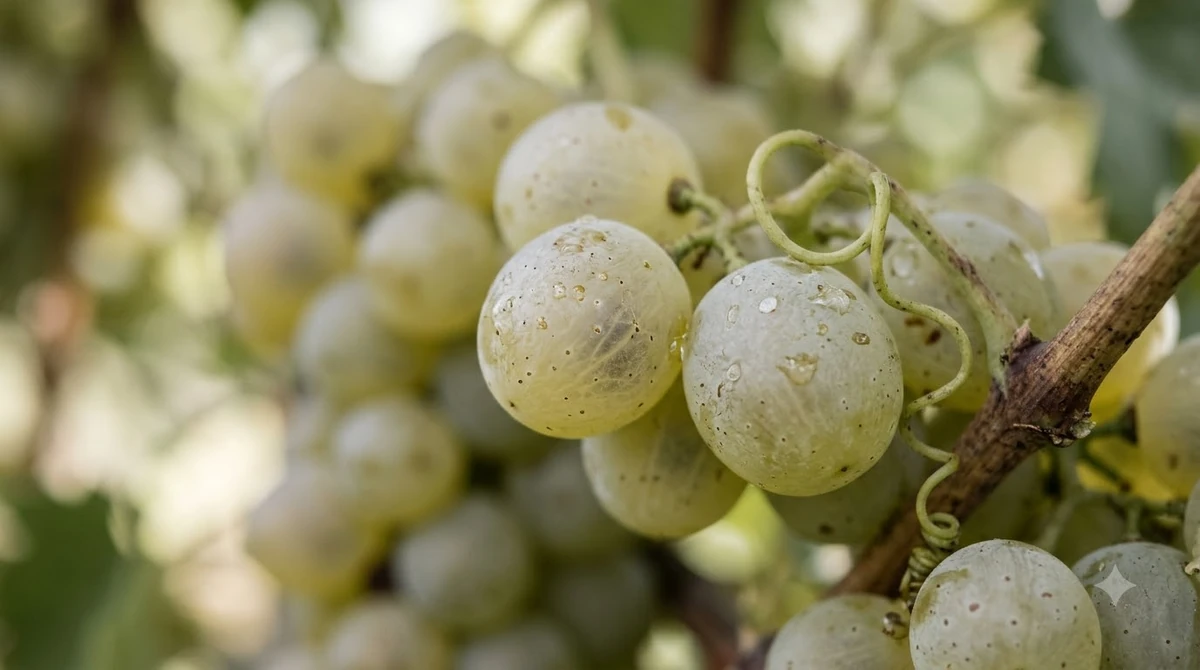
Red fruit is usually the easiest characteristic to recognize. Sour cherry, raspberry, redcurrant and cranberry create a tart, fresh impression rather than the dense sweetness associated with many ripe-fruited red wines. Some examples also suggest pomegranate, red apple or preserved cherries. The fruit can seem particularly concentrated in wines from warmer growing seasons or bottles that have spent time developing in the cellar.
Floral aromas give Barolo much of its distinctive perfume. Fresh rose petals, dried rose, violet and sometimes dried flowers appear alongside the fruit. These aromas can be especially noticeable when the wine first enters the glass, although they may become more expressive after some time exposed to air.
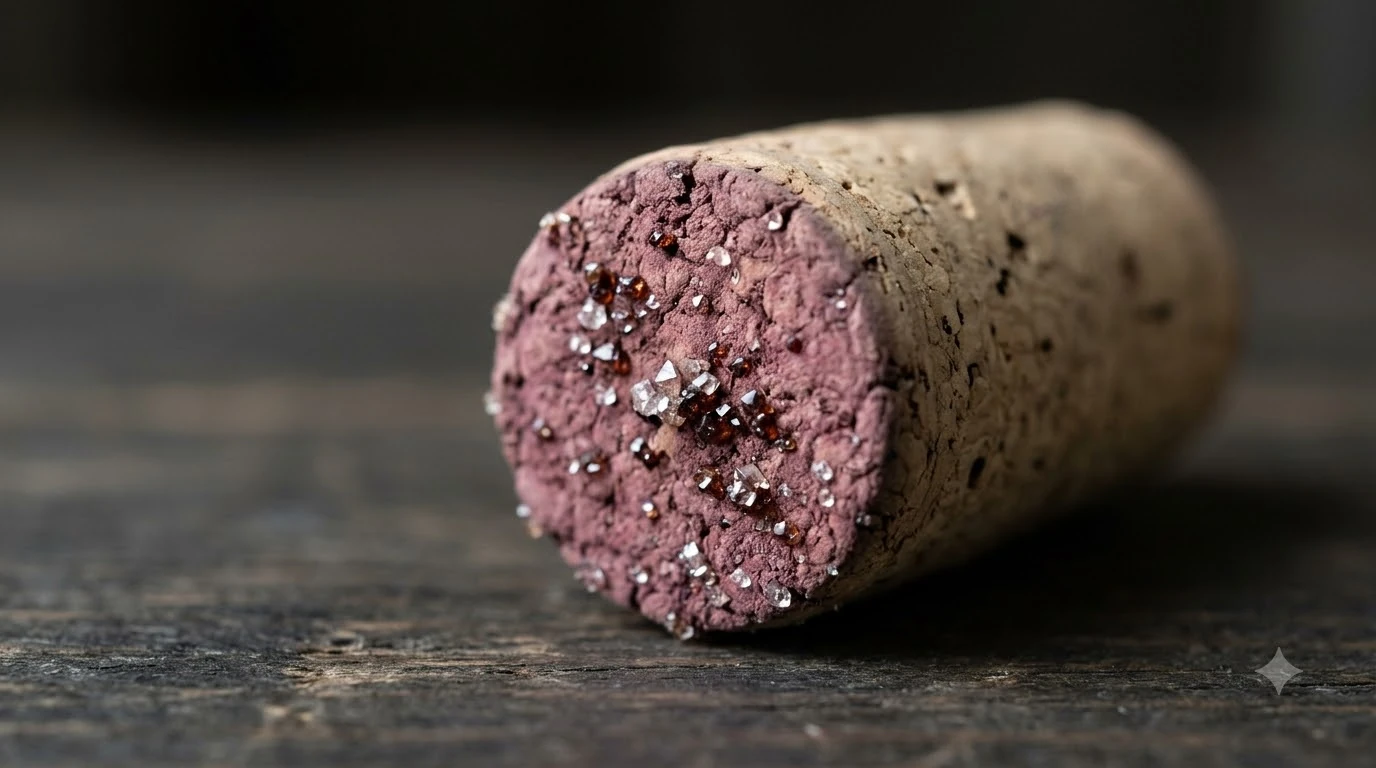
Spice and savory notes provide another layer. Cinnamon, black pepper, nutmeg, anise and licorice can appear in varying combinations. With maturity, tobacco, leather, earthy mushrooms and truffle-like aromas may become more prominent. Some wines also show cocoa, vanilla and subtle woody characteristics from oak aging.
The famous phrase tar and roses describes the contrast between Barolo’s delicate floral perfume and its darker, more savory personality. Tar does not mean the wine tastes literally like a road surface. It refers to a distinctive smoky, mineral-like and earthy aromatic impression that can accompany the floral notes.
Not every bottle displays all these characteristics. Producer decisions, vineyard location, vintage conditions, oak treatment and bottle age influence which aromas stand out. One Barolo may emphasize fresh cherry and rose, while another leans toward tobacco, licorice and dried herbs.
The Barolo DOCG information published by the Barolo and Barbaresco Consortium describes this combination of red fruit, cherries, rose, violet, spices and complex tannins, providing a useful reference for recognizing the wine’s traditional profile.
For a useful comparison, what does Chenin Blanc taste like explores another grape whose flavor profile can change considerably depending on its growing conditions and winemaking approach.
Dryness, Acidity and Tannin: What Barolo Feels Like
Barolo is a dry red wine with high acidity and high tannins. Its combination of freshness and a firm, gripping texture makes it feel structured and powerful, even though its color can look surprisingly light.
There is little obvious sweetness in a typical Barolo. Its fruit flavors can smell ripe or suggest preserved cherries, but that does not mean the wine contains noticeable residual sugar. The finish is generally dry, sometimes with a savory bitterness from tannins, herbs or licorice.
Acidity is another defining feature. Nebbiolo naturally produces wines with lively acidity, which gives Barolo freshness and helps balance its substantial body and alcohol. On the palate, acidity creates a mouthwatering sensation, particularly around the sides of the tongue. It also helps the wine maintain energy alongside rich foods.
Tannins are often the most immediately noticeable part of the experience. They create a drying, slightly rough or gripping sensation on the gums, cheeks and tongue. Young Barolo can feel particularly firm because its tannins may seem more prominent than its fruit.
These characteristics explain why Barolo can seem paradoxical. It may smell delicate and floral, yet feel powerful and substantial in the mouth. Rather than relying on dark color or jammy fruit, its intensity comes from aromatic complexity, acidity, tannin and a persistent finish.
| Characteristic | Typical Barolo profile | What it means when drinking |
|---|---|---|
| Sweetness | Dry | No noticeable sugary finish |
| Body | Full | Substantial presence on the palate |
| Acidity | High | Fresh, mouthwatering sensation |
| Tannins | High | Firm, drying grip on the gums |
| Alcohol | At least 13% ABV | Can contribute warmth and weight |
| Color | Garnet to garnet-orange | Often lighter than its structure suggests |
| Finish | Long and savory | Fruit, spice and earthy notes linger |
These characteristics also explain why Barolo benefits from food. Protein and fat can soften the perception of tannin, while the wine’s acidity helps refresh the palate between bites. Rich beef dishes, slow-cooked meats and aged cheeses are particularly effective matches.
Tip: Do not judge Barolo by its color alone. A relatively translucent garnet wine can have considerably more tannin and structure than its appearance suggests. Taste it slowly, paying attention to how the tannins develop after each sip.
How Young Barolo Tastes Compared With Aged Barolo
Young Barolo generally emphasizes fresh red fruit, floral aromas and pronounced tannins, while aged Barolo develops more savory, earthy and tertiary characteristics. Bottle aging gradually changes the balance between these elements, often making the wine feel more integrated and complex.
A relatively young bottle may show sour cherry, raspberry, cranberry and violet, with hints of licorice, pepper and fresh herbs. Its acidity is usually noticeable, and its tannins can feel angular or somewhat aggressive. The finish may be long but dominated by a drying sensation rather than the layered complexity associated with mature examples.
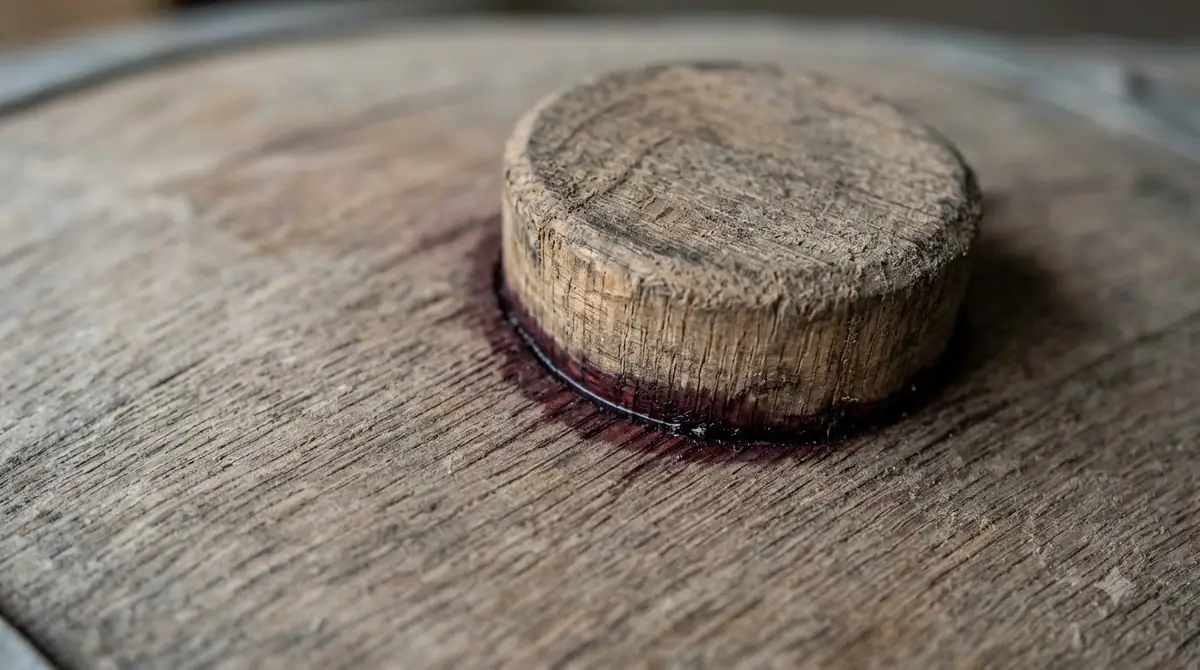
With additional bottle age, the fruit can shift from fresh berries toward dried cherry, preserved fruit and more subdued red-fruit aromas. Floral notes may become less immediate, while leather, tobacco, dried leaves, mushroom, earth and truffle-like characteristics become easier to recognize.
The tannins also change in their perceived texture. They do not simply disappear, but they can become more integrated with the fruit, acidity and other components. A mature Barolo may therefore feel smoother and more harmonious than a young bottle, even though it retains substantial structure.
The Wine Society’s guide to Barolo’s aromas, tannins and aging potential notes that some modern examples can become approachable around five years after harvest, while many reach a particularly appealing stage around 10–15 years.
Typical differences by bottle age
| Stage | Common characteristics |
|---|---|
| Young, approximately 3–5 years | Fresh cherry, raspberry, violet, pronounced tannins and bright acidity |
| Developing, approximately 6–10 years | More integrated tannins, dried herbs, spice and developing savory notes |
| Mature, approximately 10–15 years | Dried cherry, leather, tobacco, earthy aromas and greater aromatic harmony |
| Older, 15+ years | Potentially complex tertiary aromas, softened fruit and evolving earthy characteristics |
These age categories are useful reference points rather than guarantees. Vintage quality, storage conditions, producer choices and vineyard origin can significantly change how quickly an individual bottle develops. A well-made Barolo from a structured vintage may need more time than a more approachable example.
It is also important to distinguish between aging requirements and ideal drinking maturity. The minimum time a wine must spend aging before release does not mean it will necessarily show its best immediately after reaching the market.
How Barolo’s Villages and Vineyards Influence Its Taste
Barolo comes from 11 municipalities in the Langhe hills of Piedmont, and differences in vineyard location, soil and exposure contribute to noticeable variations in style. Some wines emphasize fragrance and elegance, while others show more muscular tannins, darker fruit and pronounced structure.
La Morra is frequently associated with fragrant, expressive wines. Bottles from this area can emphasize rose, violet, red cherry and an attractive aromatic lift. Their tannins may seem more approachable in some examples, although the wines remain unmistakably structured Nebbiolo.
Serralunga d’Alba is often associated with more powerful, firmly structured Barolo. Wines from this area can display substantial tannins, mineral-like impressions and a concentrated character that rewards bottle aging. They are often appealing to drinkers who enjoy a more assertive red wine.
Monforte d’Alba produces a range of styles, but its wines are commonly associated with depth and considerable structure. Depending on the vineyard and producer, the palate can combine ripe red fruit, spice and firm tannins with a persistent finish.
Castiglione Falletto occupies a position that can produce wines combining aromatic complexity and structural strength. Red fruit, floral aromas and firm tannins may appear together, giving some examples an appealing balance between elegance and intensity.
The municipality of Barolo itself also contains vineyards with differing exposures and soil compositions. Therefore, a village name should be treated as a useful indication of origin rather than a guarantee that every bottle will taste identical.
Barolo labels may also identify an Additional Geographical Mention, commonly abbreviated as MGA. The Barolo Consortium recognizes these geographical designations to identify particular production areas. A vineyard or geographical name can help buyers understand where the grapes originated and explore differences between individual sites.
When comparing two bottles, consider the producer, vintage and vineyard designation together. A village name can offer an initial clue, but winemaking choices and growing conditions also have a meaningful effect on the final wine.
How to Serve Barolo and Bring Out Its Flavors
Barolo is best served slightly below typical room temperature, around 60–65°F, in a large wine glass that gives its aromas space to develop. Proper serving temperature and thoughtful aeration can make its fruit, flowers and savory characteristics easier to recognize.
The regional tourism authority recommends a serving temperature of 18–20°C, equivalent to approximately 64–68°F. For many American homes, however, a slightly cooler starting point of 60–65°F can help prevent the alcohol from becoming too prominent, especially in a warm room.
A large Burgundy-style glass or another generously shaped red wine glass works well. The wider bowl allows the wine to release its aromatic compounds, making it easier to notice the differences between cherry, rose, spice and earthy notes. Avoid filling the glass too high; a standard 5-ounce pour leaves sufficient room to swirl the wine.
Decanting can help younger Barolo become more expressive. A young, tightly structured bottle may benefit from approximately 30–60 minutes of aeration. This gives the wine an opportunity to open up and can make its aromas easier to distinguish.
Older bottles require more care. A mature Barolo may already be expressive when opened, and excessive aeration can cause delicate aromas to fade. If sediment is present, careful decanting can separate it from the wine, but the bottle should be handled gently.
A simple tasting sequence
Start by examining the color. Look for a garnet center and possibly orange or brick-colored reflections around the rim, particularly in an older bottle. The relatively light appearance is characteristic of Nebbiolo and should not be mistaken for a lack of concentration.
Next, smell the wine before and after gently swirling the glass. Look for red cherry, raspberry and rose first, followed by violet, licorice, spice, tobacco or leather. There is no need to identify every aroma; recognizing two or three dominant characteristics is enough to understand the wine’s style.
Finally, pay attention to acidity and tannins separately. Acidity makes the mouth water, while tannins create a drying sensation. Notice how long the fruit and savory flavors remain after swallowing. A particularly expressive Barolo can evolve considerably in the glass over the course of a meal.
Best Food Pairings for Barolo
Barolo pairs particularly well with rich meat dishes, mushrooms, truffles and aged cheeses because its high acidity and firm tannins complement savory flavors, protein and fat. Traditional Piedmontese cooking offers some of the most natural combinations.
Beef is an excellent starting point. Braised beef, slow-cooked short ribs, roasted beef and brasato al Barolo provide the protein and richness needed to balance Nebbiolo’s tannins. The wine’s acidity also cuts through fatty textures, keeping each bite from feeling too heavy.
Game meats are another classic choice. Venison, wild boar and richly prepared game stews have savory depth that works well with Barolo’s dried herbs, earthy flavors and mature tobacco notes. Roasted poultry, particularly preparations with mushrooms or a rich pan sauce, can also work nicely.
Mushroom dishes are especially suitable because their earthy flavors complement Barolo’s savory side. Mushroom risotto, porcini pasta and dishes finished with truffle can bring out the wine’s more complex aromas without overwhelming its floral character.
Cheese offers another excellent pairing opportunity. Aged Parmigiano-Reggiano, Castelmagno and other firm, strongly flavored cheeses have enough richness and intensity to stand alongside Barolo. Their fat and protein can soften the wine’s tannic grip, making the overall combination feel more balanced.
For pasta, try tajarin with a meat ragù, agnolotti del plin with a rich filling or handmade pasta with mushroom sauce. These dishes provide savory depth without relying on excessive sweetness or sharp acidity.
Foods that can be difficult to pair
Very spicy food can make Barolo’s alcohol and tannins seem more aggressive. Dishes dominated by hot chili, particularly those with strong heat and little fat, may overwhelm the wine’s delicate floral aromas.
Sweet sauces and desserts are also difficult matches. A dry red wine generally tastes more bitter and acidic beside food that is significantly sweeter than the wine. For dessert, a sweet wine is usually a better choice.
Delicate white fish and oily fish can also be challenging. Barolo’s substantial tannins are not naturally suited to the texture and flavor of fish, particularly preparations that do not provide enough richness or protein to balance the wine.
For a different Italian grape and a lighter red-wine comparison, what does Corvina taste like explains the fruit, acidity and texture associated with another important Italian wine variety.
Barolo is also worth exploring alongside the wider range of wine by type, particularly if you want to understand how its structure differs from other full-bodied reds and aromatic white wines.
Frequently Asked Questions
Does Barolo contain only Nebbiolo grapes?
Yes. Barolo DOCG regulations require the wine to be made from 100% Nebbiolo. This distinguishes it from several other famous Italian red wines that permit multiple grape varieties in their blends. The grape’s naturally late-ripening character also contributes to its distinctive growing conditions in Piedmont.
Why is Barolo sometimes called the king of wines?
The nickname reflects Barolo’s historical prestige and its association with European royal courts. Its development in the mid-nineteenth century is closely connected with Giulia Colbert Falletti and Count Camillo Benso di Cavour. The phrase is traditionally expressed as the king of wines and the wine of kings.
What is the difference between Barolo and Barbaresco?
Both wines come from Piedmont and are made entirely from Nebbiolo, but they have separate production areas and aging requirements. Barolo generally requires three years of aging, while Barbaresco has a shorter minimum aging period. Their individual vineyard locations and production traditions contribute to differences in structure and style.
What does Barolo Riserva mean on a wine label?
Riserva is a regulated aging designation rather than a different grape variety or sweetness category. Barolo must undergo at least five years of aging to qualify for the designation. The additional time can allow its tannins, aromas and other structural components to develop greater integration before release.
Is Barolo always a high-alcohol wine?
Barolo has a minimum alcohol requirement of 13% ABV, and individual bottles can be higher depending on ripeness and production conditions. The alcohol level contributes to the wine’s warmth and overall weight, but it does not determine sweetness. A Barolo with considerable alcohol can still taste completely dry.
Barolo offers a distinctive combination of sour cherry, rose, violet, spice, earthy complexity, high acidity and firm tannins. Its character changes with age, vineyard origin and winemaking choices, making it a rewarding red wine to explore across different producers and vintages. Whether enjoyed with braised beef, mushroom risotto or aged cheese, Barolo is best appreciated slowly, with enough time for its aromas and flavors to unfold.
More in Wine Types & Grapes
 Zinfandel Sugar Content: Dry Red vs. White Zinfandel GramsUpdated Nov 21, 2026
 Best Zinfandel Substitute Options for Sipping and CookingUpdated Nov 21, 2026
 Zweigelt Food Pairing: Best Dishes, Cheeses, and Serving TipsUpdated Nov 21, 2026
 Zinfandel Tannins Explained: How Structure Shapes Every BottleUpdated Nov 21, 2026
 Zinfandel Sweetness Level: Dry Red vs. Sweet White Zin ExplainedUpdated Nov 21, 2026
 Xinomavro Food Pairing: Best Dishes, Styles, and Serving TipsUpdated Nov 21, 2026