

We may earn a commission when you buy through links on this page, at no extra cost to you. Learn more.
Sauvignon Blanc acidity is naturally high, giving this popular white wine its crisp, refreshing taste and mouthwatering finish. Its lively acidity creates flavors that can range from green apple, lime, and grapefruit to gooseberry and passion fruit. Climate, vineyard location, harvest timing, and winemaking techniques influence how sharp or rounded the acidity feels in the finished wine.
Sauvignon Blanc is a dependable choice for anyone who enjoys fresh, energetic white wines. Its acidity makes it particularly appealing alongside seafood, goat cheese, fresh vegetables, and dishes seasoned with lemon or herbs. However, not every bottle tastes equally tart. A lean Sancerre from France can feel noticeably different from a ripe Marlborough Sauvignon Blanc from New Zealand or an oak-influenced California example. Understanding acidity helps explain these differences and makes it easier to select the right bottle, recognize its flavors, and serve it at its best.
What Makes Sauvignon Blanc a High-Acidity Wine?
Sauvignon Blanc is naturally a high-acidity grape variety, and that acidity is one of the main reasons its wines taste so fresh and lively. It provides structure, balances ripe fruit flavors, and creates the mouthwatering sensation that distinguishes the variety from softer white wines.
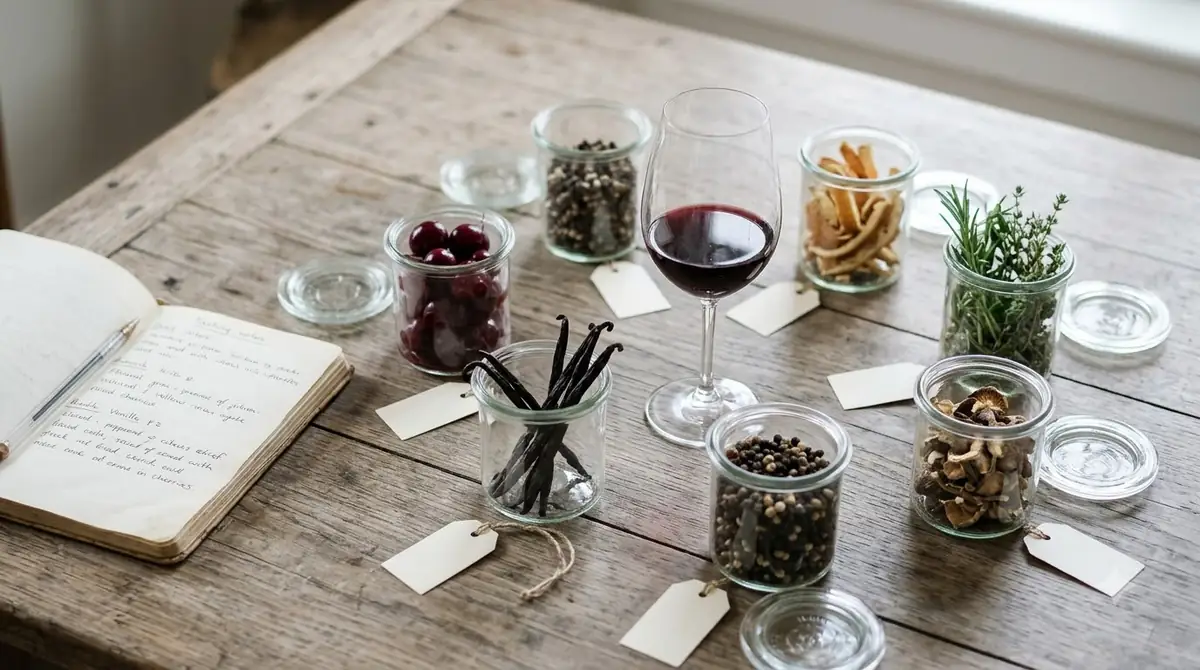
Acidity is a fundamental component of wine alongside alcohol, sweetness, tannin, and body. In white wine, it is especially noticeable because there is little or no tannin to create a competing drying sensation. Sauvignon Blanc typically has very little tannin, allowing its freshness to stand out clearly. When you take a sip, you may notice your mouth watering, particularly along the sides of your tongue. This is a familiar response to the wine’s natural acidity.
Several natural acids contribute to the character of wine. Tartaric acid is particularly important in grapes, while malic acid contributes a sharper, green-fruit impression. During malolactic fermentation, malic acid can be converted into softer lactic acid, reducing the wine’s perceived sharpness. This process is more commonly associated with fuller-bodied Chardonnay than with the crisp, aromatic Sauvignon Blanc style.
Acidity is not the same thing as sourness. A wine can have high acidity and still taste balanced, especially when its fruit concentration, alcohol, and texture complement that freshness. For example, a Sauvignon Blanc with ripe passion fruit and grapefruit flavors can taste lively without being unpleasantly sharp. A leaner wine with green apple and lime characteristics may feel more piercing, even when both wines have comparable acidity.
Understanding pH and total acidity
Wine professionals use two different measurements to understand acidity. The first is pH, which indicates the strength of the wine’s acidic environment. The second is titratable acidity, which measures the amount of acid present using a laboratory method. These measurements are related, but they do not describe exactly the same thing.
A lower pH generally indicates a more acidic environment. Total acidity, meanwhile, provides information about the concentration of acids in the wine. Two Sauvignon Blanc wines can have similar total acidity but different pH readings, and they may not taste identical. Residual sugar, alcohol, temperature, and other components also influence how acidity is perceived.
For everyday wine drinkers, there is no need to memorize laboratory measurements. The most useful clues are the wine’s mouthwatering sensation, citrus character, and finish. A refreshing Sauvignon Blanc should have enough acidity to make the fruit flavors feel bright rather than heavy or flat.
How Climate and Growing Conditions Affect Acidity
Growing conditions have a major influence on Sauvignon Blanc acidity. Cool and moderate climates generally help grapes retain their natural freshness, while warmer conditions encourage faster ripening and can produce rounder, fruitier wines.
Grapes undergo several changes as they ripen. Their sugar concentration increases, their acid levels generally decrease, and their flavor compounds develop. If the growing season is too warm, this process can happen quickly. The resulting wine may have more ripe fruit character, higher potential alcohol, and less noticeable acidity than a comparable wine from a cooler location.
Sauvignon Blanc is particularly well suited to cooler vineyard environments because the variety is prized for its aromatic freshness. The Wine and Spirit Education Trust identifies cool to moderate climates as favorable conditions for the grape. Its Sauvignon Blanc grape-growing and winemaking overview also explains how altitude and ocean breezes can moderate temperatures in warmer growing areas.
Harvest timing and grape ripeness
Harvest timing gives winemakers another opportunity to influence the finished wine. Picking grapes earlier can preserve a sharper acid profile and encourage green fruit and herbaceous characteristics. Picking later generally produces riper flavors, including tropical fruit, melon, and peach, while natural acidity tends to decline as the grapes mature.
Neither approach is automatically better. An early-picked Sauvignon Blanc can be refreshing but overly aggressive if its acidity is not balanced by sufficient fruit. A later-picked wine can be deliciously expressive but may lose some of the crispness that many drinkers associate with the grape.
Vineyard exposure also affects flavor development. According to the Wine and Spirit Education Trust, Sauvignon Blanc grapes grown in shade can contain nearly twice as much of certain green aromatic compounds as grapes exposed to sunlight. Producers can combine fruit from differently exposed vineyard areas to create a balance between herbaceous and tropical aromas.
Soil and vineyard location contribute to the overall expression as well. The Loire Valley contains diverse geological formations, including limestone, flint clay, granite, and schist. These conditions influence vine growth, drainage, and the character of individual vineyards. They do not independently determine acidity, but they contribute to the distinctive regional styles associated with Sauvignon Blanc.
How Sauvignon Blanc Acidity Changes Between Wine Regions
Sauvignon Blanc is grown in several important wine regions, but climate and winemaking create recognizable differences in acidity and flavor. France’s Loire Valley and Marlborough in New Zealand are particularly useful starting points when comparing crisp, aromatic examples.
Loire Valley, France: Sancerre and Pouilly-Fumé are among the best-known Sauvignon Blanc appellations. Their wines are generally dry, high in acidity, and relatively restrained in fruit expression. Green apple, lemon, grapefruit, fresh herbs, and mineral impressions are common characteristics. Some examples also show subtle smoky or flinty notes.
Touraine, farther west in the Loire Valley, produces approachable Sauvignon Blanc with fresh fruit characteristics. The broader Loire region has changing climatic influences, including oceanic conditions toward the west and increasing continental influence farther inland. These differences help explain the variety of expressions produced across the valley.
Marlborough, New Zealand: Marlborough Sauvignon Blanc is famous for its intense aromatics and bright acidity. Gooseberry, lime, grapefruit, passion fruit, and fresh-cut grass are common descriptors. The wines often have a more immediately expressive tropical and herbal character than restrained Loire examples, while retaining a refreshing finish.
Chile: Coastal wine regions such as Casablanca and Leyda are important sources of fresh Sauvignon Blanc. The influence of cooler coastal conditions helps maintain aromatic intensity and lively acidity. Expect citrus, green herbs, grapefruit, and sometimes a subtle saline character.
California and other warmer regions: California Sauvignon Blanc can show riper fruit and a fuller palate, depending on the vineyard location and production approach. Some producers use oak or lees aging to introduce additional texture. Australia and South Africa also produce Sauvignon Blanc in styles ranging from crisp and herbaceous to more generous and tropical.
Regional style comparison
| Region | Typical acidity impression | Common flavors | General style |
|---|---|---|---|
| Sancerre, France | High, focused | Lemon, green apple, flint | Lean and mineral |
| Pouilly-Fumé, France | High, crisp | Citrus, herbs, smoky notes | Dry and restrained |
| Marlborough, New Zealand | High, lively | Passion fruit, gooseberry, lime | Aromatic and expressive |
| Casablanca, Chile | High, refreshing | Grapefruit, green herbs, citrus | Fresh and coastal |
| California, USA | Moderate to high | Grapefruit, peach, tropical fruit | Riper and sometimes fuller |
This comparison describes general regional tendencies rather than fixed rules. Individual vineyards, harvest conditions, grape maturity, and cellar decisions can produce significant differences between bottles from the same region.
For a useful comparison, open a Loire Valley Sauvignon Blanc and a Marlborough example together. Look for differences in fruit ripeness, herbal intensity, and the way acidity carries through the finish. Both can be highly acidic, but their aromatic profiles and textures may make them feel quite different.
How to Recognize Acidity When Tasting Sauvignon Blanc
You can recognize Sauvignon Blanc acidity through its mouthwatering sensation, crisp fruit flavors, and refreshing finish. Paying attention to the first impression, middle of the palate, and finish makes it easier to understand how acidity contributes to the wine’s structure.
Start by noticing the aromas. Sauvignon Blanc often displays lime, lemon, grapefruit, green apple, gooseberry, and fresh herbs. These aromas do not prove that a wine has high acidity, but they can create an impression of freshness before you even take a sip.
Next, take a small sip and allow the wine to move across your palate. High acidity often produces a lively sensation that stimulates saliva. The wine may seem especially bright along the sides of the tongue, and its fruit flavors can feel sharper and more defined than those of a softer white wine.
Finally, pay attention to the finish. A well-balanced Sauvignon Blanc usually leaves a clean, refreshing impression rather than a heavy or cloying one. Citrus flavors may linger, and the mouthwatering sensation can encourage another sip.
Comparing Sauvignon Blanc with other white wines
Comparing Sauvignon Blanc with Chardonnay and Pinot Grigio is a practical way to understand its acidity. Sauvignon Blanc is generally a high-acidity white wine. Chardonnay typically has medium acidity, although cooler-climate examples can be quite fresh. Pinot Grigio can also have refreshing acidity, but its overall impression depends on the region and production style.
Riesling is another useful comparison because it can have equally high or even more noticeable acidity. However, Riesling is produced in dry, off-dry, and sweet styles. Its sweetness can balance its acidity, creating a different impression from the generally dry Sauvignon Blanc style.
Here are some useful tasting characteristics to compare:
- Sauvignon Blanc: High acidity, citrus flavors, green herbs, and a crisp finish.
- Chardonnay: Medium acidity in many examples, with apple, pear, citrus, and sometimes creamy or buttery characteristics.
- Pinot Grigio: Often light-bodied, with citrus, pear, and apple flavors and refreshing acidity.
- Riesling: High acidity, often with lime, green apple, floral aromas, and varying sweetness levels.
- Moscato: Low to medium acidity in many examples, with floral and ripe fruit characteristics.
Oak aging can also change the way acidity feels. An oak-aged Sauvignon Blanc may have more body, a rounder texture, and flavors of vanilla, spice, or toast. These additions can make the wine seem less sharp, even though oak does not automatically remove its natural acidity. Lees contact can similarly contribute a fuller mouthfeel that balances the wine’s freshness.
Best Food Pairings for High-Acidity Sauvignon Blanc
Sauvignon Blanc’s high acidity makes it an excellent partner for seafood, goat cheese, fresh vegetables, and herb-driven dishes. Its freshness can cut through rich textures, complement citrus flavors, and match foods that would overwhelm softer white wines.
Seafood is one of the most reliable categories for Sauvignon Blanc pairings. Oysters, shrimp, scallops, cod, halibut, and other light fish work particularly well with its citrus and herbal characteristics. The wine’s acidity provides a refreshing contrast to the delicate sweetness of shellfish and the clean flavors of simply prepared fish.
Goat cheese is another classic match, particularly with Loire Valley Sauvignon Blanc. The wine’s acidity complements the cheese’s tangy flavor and prevents the pairing from feeling too rich. Fresh chèvre, goat cheese salads, and soft cheeses served with herbs are all useful options.
Vegetable dishes also work well. Try asparagus, zucchini, green peas, cucumber, green beans, and salads with fresh herbs. Sauvignon Blanc’s grassy and citrus notes can complement the green flavors of these ingredients, creating a coherent pairing rather than a contrast between unrelated flavors.
Pairing by acidity and food intensity
Acidic foods need wines with equal or higher acidity. This is especially important when serving Sauvignon Blanc with dishes containing lemon juice, vinegar, tomatoes, or citrus-based dressings. A wine with insufficient acidity may taste flat beside a strongly acidic dish.
Salt and fat can soften the perception of tannin in red wines, but Sauvignon Blanc has very little tannin. Its acidity instead provides contrast to rich and salty ingredients. Feta, olives, lightly fried seafood, and salty goat cheese can all make enjoyable pairings.
For creamy dishes, choose a fuller-bodied Sauvignon Blanc or one with some lees influence. A simple lemon-and-herb chicken dish can work beautifully with a crisp, unoaked example, while chicken with a richer cream sauce may benefit from a rounder style.
Spicy food requires a little more care. Sauvignon Blanc’s freshness can work with aromatic herbs, cilantro, and mild chili, but high alcohol can amplify the sensation of chili heat. Choose a moderate-alcohol wine and avoid very hot dishes if you want the wine’s citrus and fruit flavors to remain prominent.
Tip: Match the wine’s acidity to the food’s acidity. If you are serving Sauvignon Blanc with lemon-dressed seafood, a citrus salad, or vinaigrette, choose a bottle with a similarly lively profile. For creamy goat cheese or richer chicken dishes, consider a slightly fuller-bodied style.
One important exception is oily fish served with strongly tannic red wine, which can create an unpleasant combination. Sauvignon Blanc avoids that particular problem because it has almost no tannin and offers the freshness that many fish dishes need.
For more pairing ideas, Total Wine’s Sauvignon Blanc food-pairing suggestions include seafood, chicken, citrus, fresh herbs, goat cheese, and vegetables.
How to Serve and Store Sauvignon Blanc
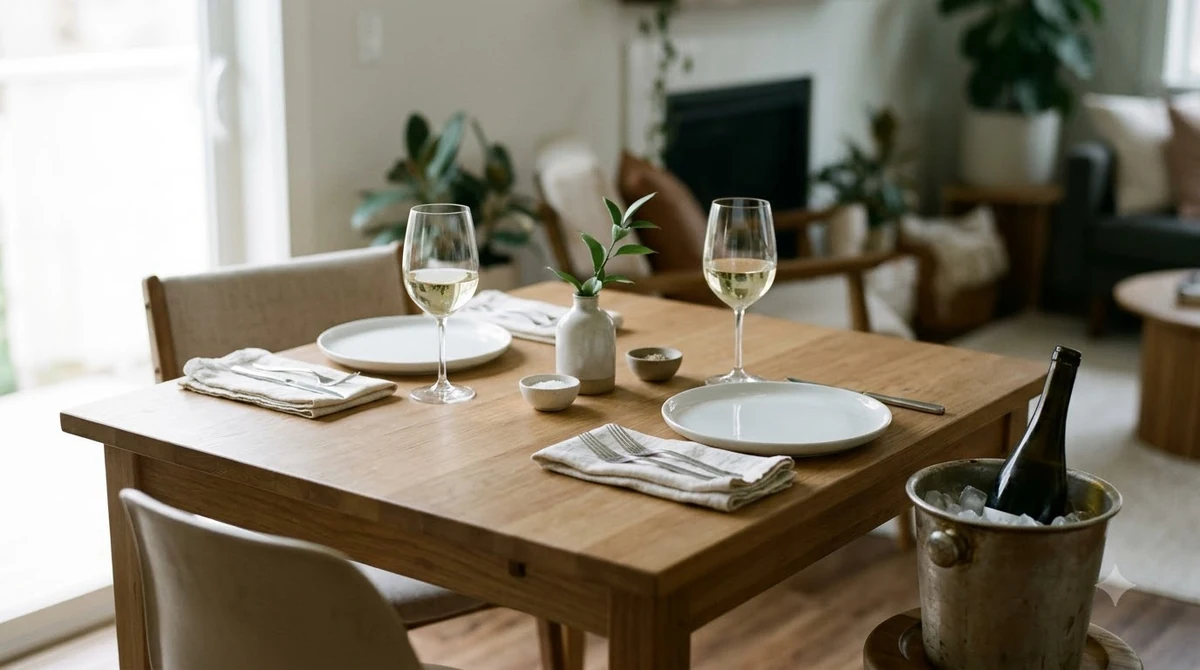
Serve Sauvignon Blanc chilled, generally around 45–50°F for a light, crisp style. Proper temperature preserves its refreshing character while allowing citrus, green fruit, and herbal aromas to remain recognizable.
Temperature makes a noticeable difference to how acidity is perceived. A wine served too warm may seem softer and less refreshing, while an excessively cold bottle can suppress aromas and make its flavors difficult to appreciate. A temperature around 45–50°F is a practical starting point for most unoaked Sauvignon Blanc.
Fuller-bodied examples, especially those with oak influence or extended lees contact, can benefit from slightly warmer service around 50–55°F. This allows their richer textures and more complex aromas to become apparent without losing the variety’s characteristic freshness.
Glassware and serving technique
A standard white wine glass is suitable for Sauvignon Blanc. Choose a glass with enough bowl space to collect aromas but an opening that directs them toward your nose. You do not need specialized glassware to appreciate the wine’s acidity.
Decanting is generally unnecessary. Sauvignon Blanc is usually made to be opened and enjoyed immediately, particularly when its primary appeal is fresh fruit and aromatic intensity. Pour a moderate amount and allow the wine to warm slightly in the glass if it initially seems too sharp.
A standard 750 ml bottle provides approximately five 5-ounce glasses. This makes it straightforward to serve Sauvignon Blanc at a dinner for several people without overfilling glasses or allowing the wine to warm too quickly.
Keeping an opened bottle fresh
After opening, replace the closure and refrigerate the remaining wine. Most opened still Sauvignon Blanc should remain enjoyable for approximately three to five days when properly chilled and protected from excess oxygen.
Air exposure gradually changes the wine’s aromatic character. Fresh citrus and green fruit aromas may become less expressive, and the wine can eventually develop dull or oxidized characteristics. A suitable wine stopper helps reduce unnecessary exposure, while refrigeration slows the changes.
For unopened bottles, store Sauvignon Blanc away from direct sunlight and major temperature fluctuations. A cool storage environment near 55°F is a useful general target, and bottles with traditional cork closures are best stored on their sides. Many fresh, aromatic Sauvignon Blanc wines are intended to be enjoyed relatively young rather than held for extended aging.
If you are planning to serve a bottle soon, you can read more about how to serve Sauvignon Blanc for additional guidance on temperature and glassware. You may also want to understand how long Sauvignon Blanc lasts unopened before deciding when to open a bottle.
Frequently Asked Questions
Does Sauvignon Blanc have more acidity than Pinot Grigio?
Generally, Sauvignon Blanc is considered a high-acidity variety, while Pinot Grigio ranges from moderate to high depending on its growing conditions and production style. A cool-climate Pinot Grigio can still be very crisp. Comparing bottles from the same general climate is a useful way to identify the difference.
Can Sauvignon Blanc acidity cause a wine to taste bitter?
Acidity and bitterness are different taste sensations. Acidity creates tartness and mouthwatering freshness, while bitterness can come from phenolic compounds or other wine components. A wine that seems bitter may have more than one structural characteristic contributing to that impression.
Is Sauvignon Blanc naturally sweeter than other white wines?
No. Most Sauvignon Blanc is made in a dry style, although some sweet wines and blends also use the grape. Ripe tropical fruit aromas can create an impression of sweetness even when the wine contains little residual sugar. This distinction is particularly useful when choosing a bottle for someone who prefers dry wine.
Does Sauvignon Blanc acidity change as the wine ages?
The wine’s overall balance and perception of acidity can change during bottle aging as its aromas and other structural components develop. Fresh citrus and green fruit characteristics may become less prominent, while more mature aromas can emerge. Most simple, aromatic Sauvignon Blanc is best enjoyed while its fresh primary fruit remains expressive.
Is Sauvignon Blanc suitable for people who dislike sour flavors?
It depends on the individual wine and personal preference. A ripe Marlborough example or a fuller-bodied California Sauvignon Blanc may feel rounder than a particularly lean Sancerre. Looking for tropical fruit characteristics, moderate alcohol, and some texture can help identify a less sharply perceived style.
Sauvignon Blanc’s high acidity is a defining part of its appeal, bringing freshness, structure, and versatility to the table. From mineral-driven Sancerre to aromatic Marlborough wines, different regions offer distinct expressions of that natural crispness. Once you understand how climate, ripeness, and winemaking influence acidity, choosing a Sauvignon Blanc that suits your palate and food becomes much easier. For more comparisons and recommendations, explore our Wine by Type collection and discover how other grape varieties express their own distinctive characteristics.
More in Wine Types & Grapes
 Zinfandel Sugar Content: Dry Red vs. White Zinfandel GramsUpdated Nov 21, 2026
 Best Zinfandel Substitute Options for Sipping and CookingUpdated Nov 21, 2026
 Zweigelt Food Pairing: Best Dishes, Cheeses, and Serving TipsUpdated Nov 21, 2026
 Zinfandel Tannins Explained: How Structure Shapes Every BottleUpdated Nov 21, 2026
 Zinfandel Sweetness Level: Dry Red vs. Sweet White Zin ExplainedUpdated Nov 21, 2026
 Xinomavro Food Pairing: Best Dishes, Styles, and Serving TipsUpdated Nov 21, 2026