
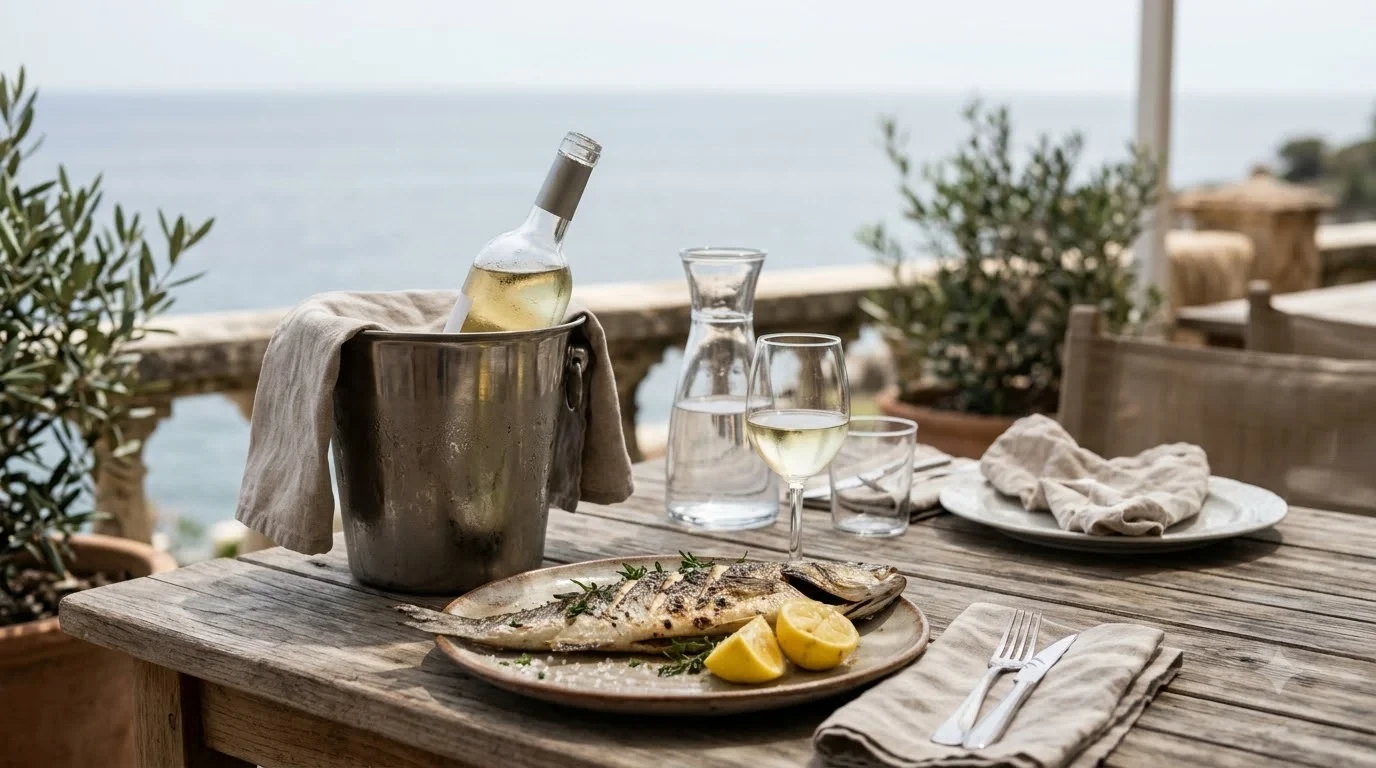

We may earn a commission when you buy through links on this page, at no extra cost to you. Learn more.
Pinot grigio acidity is generally medium to high, giving this popular white wine its crisp, refreshing character and making it especially appealing with seafood, salads, and light meals. Italian Pinot Grigio often has brighter acidity, while some American examples are softer and fruitier. Climate, harvest timing, grape ripeness, and winemaking decisions all influence how sharp or rounded the finished wine tastes.
Pinot Grigio is known for its clean fruit flavors, refreshing finish, and easygoing style, but acidity is one of the most important reasons it tastes so lively. Understanding this characteristic helps explain why two bottles made from the same grape can feel noticeably different. It also makes choosing a bottle, matching it with food, and serving it at the right temperature much easier.
How Much Acidity Does Pinot Grigio Have?
Pinot Grigio generally has medium to high acidity, although individual bottles vary according to their growing region and production style. Its refreshing character usually comes from enough natural acidity to balance ripe fruit flavors without making the wine aggressively sharp.

In a typical glass, acidity appears as a crisp sensation that makes the mouth water. The wine may remind you of green apple, lemon, pear, or citrus peel. These flavors can suggest freshness, although fruit aromas and actual acidity are separate characteristics. A wine can smell like ripe peaches and still have a lively acidic structure.
Pinot Grigio is not necessarily the most acidic white wine available. Sauvignon Blanc and Riesling are generally higher-acidity varieties, while Chardonnay often has medium acidity. Pinot Grigio occupies a useful middle ground: it usually provides more freshness than a soft, low-acid white but is often less sharply acidic than a particularly zesty Sauvignon Blanc.
Its relatively light body also influences how acidity is perceived. A lighter wine with crisp acidity can feel especially refreshing because there is less weight on the palate to soften that sensation. By contrast, a fuller-bodied Pinot Gris with more concentrated fruit can seem rounder, even if it still contains a substantial amount of acid.
There is also a difference between acidity and sourness. Acidity is a structural feature that contributes balance and freshness. Sourness is the sensory impression associated with that acidity, particularly when it becomes pronounced. A well-balanced Pinot Grigio should feel refreshing rather than unpleasantly sharp.
For everyday wine selection, medium-to-high acidity is a useful expectation. If you enjoy wines that taste clean, bright, and refreshing, this grape is generally a dependable option. If you prefer softer whites with a richer texture, look for a fuller-bodied Pinot Gris rather than assuming every bottle labeled Pinot Grigio will taste identical.
What Makes Pinot Grigio Taste Crisp and Refreshing?
The refreshing sensation in Pinot Grigio comes primarily from natural grape acids, especially tartaric and malic acid. Their proportions, together with alcohol, residual sugar, fruit concentration, and texture, determine whether the wine tastes sharply citrusy or gently rounded.
According to the Wine and Spirit Education Trust (WSET), acidity helps balance a wine’s components and prevents the overall taste from becoming flat. It also contributes freshness and definition. In a white wine such as Pinot Grigio, this structure supports delicate fruit flavors rather than allowing them to seem overly soft or heavy.
Malic acid is particularly important during grape ripening. As temperatures rise, vines metabolize malic acid, which means grapes grown in warmer conditions can lose some of their natural acidity. Tartaric acid is generally more stable during ripening, so the final balance depends on several factors rather than one acid alone.
Winemaking can change the way these acids are expressed. Malolactic fermentation converts sharper malic acid into softer lactic acid, often creating a rounder, creamier impression. Some producers use this process to soften the wine, while others limit or prevent it to preserve a brighter style.
Residual sugar also influences how acidity feels. A dry Pinot Grigio may seem particularly crisp because there is little remaining sugar to soften its sharpness. A slightly off-dry Pinot Gris can feel rounder because sweetness balances the acidity, even if the wine retains a similar acidic backbone.
Alcohol and body matter as well. A wine with higher alcohol or a fuller texture may feel warmer and heavier, changing the impression of freshness. Acidity helps counterbalance those characteristics, which is one reason a carefully made, fuller-bodied Pinot Grigio can still finish cleanly.
Tip: To recognize acidity, take a small sip and notice how quickly your mouth starts producing saliva. A persistent mouthwatering sensation is a practical clue that the wine has noticeable acidity. Lemon, green apple, and grapefruit flavors can provide additional clues.
For a more detailed explanation of the science behind this characteristic, read the WSET explanation of acidity in wine.
How Growing Regions Change Acidity
Growing conditions have a major influence on Pinot Grigio acidity. Cooler temperatures, high-altitude vineyards, and substantial differences between daytime and nighttime temperatures can help grapes retain their natural freshness, while warmer conditions can encourage lower acidity and riper fruit flavors.
Italian Pinot Grigio from northeastern regions such as Veneto, Trentino-Alto Adige, and Friuli-Venezia Giulia is frequently associated with a crisp, citrus-driven style. Producers often harvest grapes relatively early to preserve acidity and maintain a dry, light-bodied profile. Green apple, lemon, pear, and subtle mineral notes are common descriptions.
Alto Adige provides a useful example of how local conditions influence the finished wine. Vineyards at higher elevations benefit from cooler nighttime temperatures, even when daytime conditions are relatively warm. Cantina Kurtatsch describes its Pinot Grigio vineyards as situated at elevations of 300–500 meters, with soils containing dolomite, loam, sand, and gravel.
Its listed Alto Adige Pinot Grigio has 6.0 grams per liter of total acidity, 2.0 grams per liter of residual sugar, and 13% alcohol. The producer describes a combination of pear, flowers, citrus, creamy texture, and fresh acidity. This illustrates how a wine can have both a rounded mouthfeel and a lively finish.
American Pinot Grigio and Pinot Gris can show a broader range of styles. California examples may emphasize ripe peach, melon, and other soft fruit characteristics, while Oregon and Washington producers can preserve considerable freshness through cooler growing conditions.
Oregon’s Willamette Valley is particularly interesting for Pinot Gris. Cooler conditions can help maintain natural acidity while allowing the grapes to develop attractive pear, peach, and citrus flavors. These wines may have more texture and fruit concentration than a simple Italian Pinot Grigio, without losing their refreshing character.
Alsace in France is another important region, where the grape is usually called Pinot Gris. Wines from this region can range from dry to medium-sweet, with greater body and more concentrated flavors than many familiar Italian examples. Later harvesting and different winemaking choices can create richer wines with medium acidity and a softer overall impression.
The distinction is not absolute. A cool-site Italian Pinot Grigio may taste rounded, while a carefully produced American Pinot Gris can be very crisp. Region provides a useful starting point, but the producer’s approach and the conditions of an individual vineyard matter just as much.
For additional producer-specific information, Cantina Kurtatsch’s Alto Adige Pinot Grigio description provides a practical example of the relationship between vineyard elevation, acidity, and wine texture.
Pinot Grigio Acidity Compared With Other White Wines
Pinot Grigio typically has medium-to-high acidity, placing it between softer white wines and some of the more sharply acidic varieties. Comparing it with Sauvignon Blanc, Riesling, and Chardonnay helps establish what to expect when choosing a bottle.
Sauvignon Blanc generally has high acidity and often delivers pronounced citrus, green fruit, and herbal flavors. Its sharper profile can make it seem more intense than a typical Pinot Grigio. Both wines work well with seafood and fresh salads, but Sauvignon Blanc is often the better choice when you want a particularly zesty white.
Riesling also commonly has high acidity. Its combination of refreshing structure and possible residual sweetness makes it especially versatile. A dry Riesling can taste very crisp, while an off-dry example balances noticeable acidity with sweetness. Pinot Grigio is generally less aromatic and more restrained in comparison.
Chardonnay usually has medium acidity, although climate, harvest decisions, and winemaking can change the impression considerably. Cool-climate Chardonnay can feel quite fresh, while some fuller-bodied examples with malolactic fermentation and oak aging seem rounder and creamier.
Pinot Grigio generally offers a lighter, more straightforward profile than many of these alternatives. It is particularly suitable for drinkers who want a dry white wine with recognizable fruit flavors and refreshing acidity without pronounced herbal aromas or substantial oak influence.
| White wine | Typical acidity | Common flavor profile | General impression |
|---|---|---|---|
| Pinot Grigio | Medium to high | Apple, pear, lemon | Light and crisp |
| Sauvignon Blanc | High | Lime, grapefruit, herbs | Zesty and bright |
| Riesling | High | Lime, green apple, peach | Fresh and expressive |
| Chardonnay | Medium | Apple, citrus, melon | Rounder and broader |
| Moscato | Low to medium | Grape, peach, floral notes | Often aromatic and sweet |
These categories describe typical grape characteristics rather than fixed analytical measurements. A particular Pinot Grigio can be more acidic than a particular Sauvignon Blanc, depending on its growing conditions and production. The table is most useful as a general guide when deciding which style suits your palate.
If you enjoy crisp Pinot Grigio but want something more aromatic, try Sauvignon Blanc or Riesling. If you prefer a softer texture and more rounded fruit, Chardonnay may be a better alternative. For an overview of additional grape varieties and wine styles, explore Wine by Type.
How to Pair Pinot Grigio With Food
Pinot Grigio’s refreshing acidity makes it a natural match for foods with delicate flavors, moderate richness, and fresh ingredients. Seafood, salads, poultry, and lightly seasoned pasta are particularly good choices because they complement the wine without overwhelming its relatively subtle fruit character.
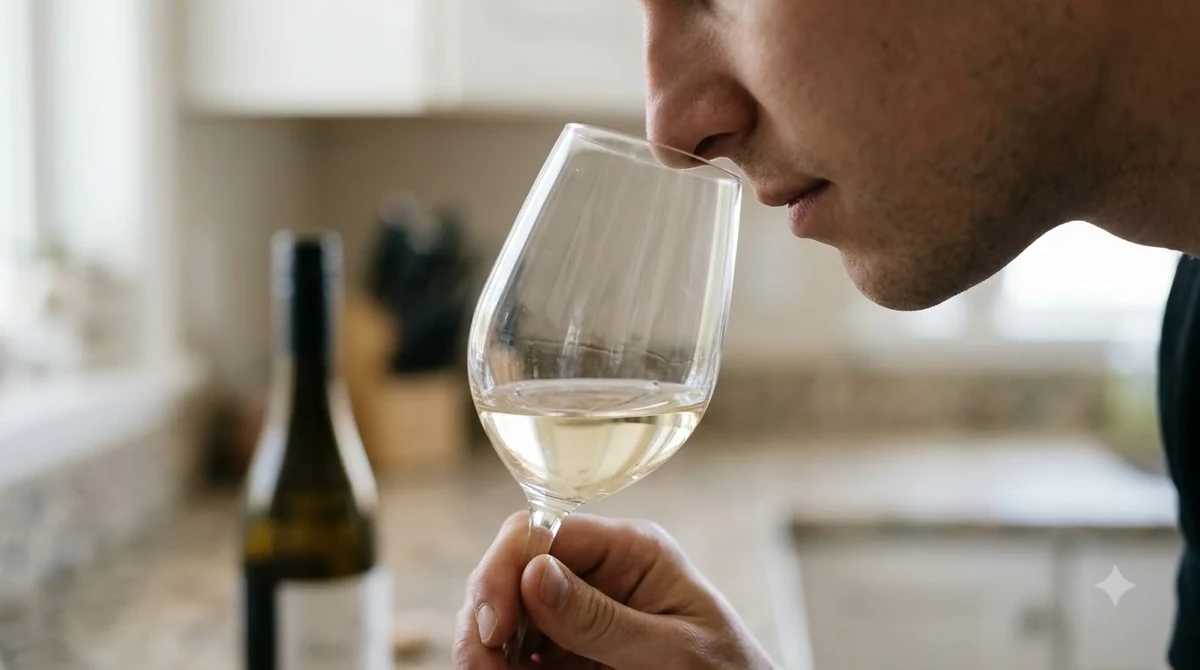
Seafood is one of the most reliable pairing categories. Shrimp, scallops, white fish, oysters, and grilled sea bass work well with the wine’s citrus and pear notes. Acidity also helps balance the richness of butter sauces and lightly fried seafood, leaving the meal feeling less heavy.
Salads are another excellent match. A simple green salad with lemon dressing, goat cheese, cucumber, or fresh herbs can complement Pinot Grigio’s bright character. For tomato-based salads, choose a wine with enough acidity to stand up to the tomatoes rather than a particularly soft, low-acid white.
Italian dishes offer plenty of opportunities. Try Pinot Grigio with pasta primavera, seafood linguine, grilled vegetables, Caprese salad, or chicken with lemon and herbs. Its relatively light body makes it especially suitable for dishes that do not rely on rich cream sauces or intense seasoning.
Cheese pairings work best when the cheese is not overwhelmingly strong. Fresh mozzarella, ricotta, young goat cheese, and mild Brie are useful options. Salt and fat can soften the perception of acidity, helping the wine feel rounder and more balanced alongside richer foods.
Fried dishes can also be successful. Fried calamari, lightly battered fish, and vegetable fritters benefit from the contrast between crisp food textures and refreshing wine acidity. A squeeze of lemon on the dish reinforces the wine’s citrus character.
Be more careful with heavily spiced food. Chili heat can become more pronounced alongside alcohol and tannin, so strongly spicy dishes are generally less suitable for Pinot Grigio than gently seasoned alternatives. If you are serving spicy food, consider a lower-alcohol wine with a touch of sweetness instead.
Very rich meat dishes can also overpower a light Pinot Grigio. A heavily grilled steak or a strongly seasoned barbecue dish generally needs a wine with more body and structure. For chicken or turkey, however, simple preparations with herbs, citrus, and light sauces are excellent choices.
The key is to match the wine’s intensity with the food. Pinot Grigio is rarely intended to dominate a meal. Its role is to refresh the palate, complement subtle flavors, and provide enough acidity to balance moderate richness.
How to Serve Pinot Grigio for the Best Acidity
Serving temperature affects how Pinot Grigio’s acidity and fruit flavors are perceived. A temperature of 45–50°F is a good target for a crisp, light-bodied example, allowing the wine to feel refreshing while retaining enough aroma to enjoy its apple, pear, and citrus notes.
Serving the wine too warm can make its alcohol seem more noticeable and reduce the impression of freshness. If the bottle has been sitting on a kitchen counter, place it in the refrigerator before serving. A standard refrigerator generally provides sufficient cooling, although the exact time depends on the starting temperature and bottle size.
Serving the wine too cold can also be a problem. Very low temperatures can mute fruit aromas and make the wine seem less expressive. If the first sip tastes unusually neutral, allow the glass to warm slightly before deciding that the wine lacks flavor.
A standard white wine glass works well. A moderately sized bowl provides room for the aromas to develop, while the narrower opening helps concentrate them. There is no need for a special decanter or complicated preparation for most young Pinot Grigio bottles.
Pouring approximately 5 ounces per glass is a practical serving size. A standard 750 ml bottle provides about five such glasses. This amount leaves enough space in the glass to swirl the wine gently and appreciate its aroma.
Pinot Grigio is generally best enjoyed while young and fresh. Some fuller-bodied Pinot Gris examples can develop more complex flavors with additional bottle aging, but the majority of straightforward Pinot Grigio is intended for relatively early consumption. Cantina Kurtatsch, for example, gives its listed Alto Adige Pinot Grigio an optimum maturity period of 1–3 years.
For a complete explanation of chilling, glassware, and pouring, see how to serve pinot grigio. Proper serving conditions can make a noticeable difference between a wine that seems merely cold and one that expresses its fruit and refreshing structure clearly.
Once opened, keep the bottle sealed with a suitable stopper and refrigerated. Most still wines retain reasonable quality for approximately 3–5 days after opening, although their aromas and freshness gradually change. Keep the wine chilled between servings rather than leaving it exposed to warm room conditions.
How to Choose a Pinot Grigio With the Right Acidity
Choosing a bottle starts with identifying the style you enjoy. If you prefer a particularly crisp white wine, Italian Pinot Grigio from Veneto, Trentino-Alto Adige, or Friuli-Venezia Giulia is a useful starting point. If you prefer ripe fruit and a softer mouthfeel, explore American Pinot Gris or fuller-bodied French examples.
Regional descriptions can provide helpful clues. Alto Adige wines often combine freshness with more concentrated fruit and texture. Veneto Pinot Grigio is widely associated with a light, straightforward style. Friuli-Venezia Giulia offers examples with greater aromatic detail and structure, depending on the producer and vineyard site.
American bottles labeled Pinot Gris are particularly interesting for drinkers who want to explore a broader style. Oregon producers often work with cool growing conditions, while warmer areas of California may produce wines with riper peach, melon, and tropical fruit characteristics.
Look at the wine’s residual sugar if the information is available. A dry wine with low residual sugar can make its acidity feel especially prominent. A wine with a little more residual sugar may seem softer, although sweetness does not necessarily mean that the wine has low acidity.
Alcohol content can also help set expectations. A relatively light-bodied wine with moderate alcohol often feels more refreshing than a fuller, more alcoholic example. However, alcohol alone does not establish acidity, so it should be considered alongside the region, style, and tasting description.
Producer descriptions can be useful when they mention specific characteristics such as crisp citrus, green apple, fresh acidity, mineral notes, or creamy texture. These terms provide a better indication of the wine’s overall character than simply relying on its grape name.
Color can offer another visual clue, although it is not a dependable measurement of acidity. Pinot Grigio can range from pale straw to deeper golden shades, depending on ripeness, skin contact, and winemaking. A darker color does not automatically indicate lower acidity or sweetness. Learn more about these visual differences in our article on pinot grigio color.
Finally, consider the occasion. A bright, light-bodied bottle is a good choice for an aperitif, casual lunch, or seafood dinner. A richer Pinot Gris can be more suitable for roasted poultry, creamy dishes, or a meal with stronger flavors. Neither style is inherently better; the best option is the one that fits the food and the level of freshness you prefer.
Frequently Asked Questions
Is Pinot Grigio more acidic than Pinot Noir?
Pinot Grigio generally has medium-to-high acidity, while Pinot Noir commonly has medium-to-high acidity as well, depending on its climate and growing conditions. The important difference is that Pinot Noir also contains tannin, which changes its structure and mouthfeel. A cool-climate Pinot Noir can be particularly lively, even though it is a red wine.
Does Pinot Grigio have a higher pH than Sauvignon Blanc?
Not necessarily, because pH varies between individual bottles. Wines with lower pH generally have greater perceived acidity, but pH and total acidity measure different chemical characteristics. A producer’s technical information may include both measurements, making a direct comparison more meaningful than relying on the grape variety alone.
Can Pinot Grigio acidity change after opening?
The wine’s basic acid composition does not normally change dramatically during a few days of ordinary storage after opening. However, exposure to oxygen gradually changes aromas and flavors, which can make the wine seem less fresh. Refrigeration and a good closure help preserve its original character for approximately 3–5 days.
Is Pinot Grigio suitable for making a wine spritzer?
Yes. Its refreshing acidity and relatively light body make it a useful base for a simple white wine spritzer. A common preparation combines 3 parts chilled Pinot Grigio with 1 part sparkling water over ice. A lemon slice or fresh peach garnish adds aroma without requiring additional sweetness.
Does Pinot Grigio have the same acidity as Pinot Gris?
Pinot Grigio and Pinot Gris are names for the same grape variety, but the wines do not necessarily have identical acidity. Italian Pinot Grigio is commonly made in a crisp, dry style, while Alsace Pinot Gris can be fuller-bodied and range from dry to sweeter expressions. Growing conditions, harvesting decisions, and winemaking explain much of the difference.
Pinot Grigio is a versatile white wine with medium-to-high acidity, a refreshing finish, and a wide range of regional expressions. Start with a crisp Italian example if you enjoy citrus and green apple, or explore a fuller American or Alsace Pinot Gris for softer texture and richer fruit. Understanding its acidity makes it easier to choose the right bottle, serve it well, and find food pairings that bring out its best qualities.
More in Wine Types & Grapes
 What Does Mourvèdre Taste Like? Flavor Profile, Regions, and PairingsUpdated Nov 20, 2026
 What Does Marsanne Taste Like? Flavors, Styles, and Food PairingsUpdated Nov 20, 2026
 What Does Malvasia Taste Like? Styles, Flavors, and Food PairingsUpdated Nov 20, 2026
 What Does Grenache Blanc Taste Like? Flavor Profile, Styles, and PairingsUpdated Nov 20, 2026
 What Does Garnacha Taste Like? Key Flavors, Styles, and Pairing TipsUpdated Nov 20, 2026
 What Does Fruit Wine Taste Like? A Complete Flavor and Style BreakdownUpdated Nov 20, 2026