

We may earn a commission when you buy through links on this page, at no extra cost to you. Learn more.
The best nerello mascalese food pairing starts with pork or poultry, roasted tomatoes, red peppers, and Mediterranean herbs. This Sicilian red typically has lively acidity, a light-to-medium body, red-fruit aromas, and enough tannin to stand up to savory food. Think grilled pork chops, roast chicken, tomato-rich pasta, eggplant, mushrooms, and moderately aged cheese rather than very sweet sauces or aggressively hot dishes.
Nerello Mascalese is most closely associated with Mount Etna, where altitude, volcanic soils, and changing exposures shape wines that can feel both delicate and structured. Its pale ruby color can suggest a lighter red, but its acidity and tannin give it more grip than the color alone might imply. The useful pairing goal is to match its freshness and savory character without burying its red-fruit and herbal notes.
What Nerello Mascalese Brings to the Table
Nerello Mascalese pairs best with food that has savory depth, clear acidity, and moderate richness. Its red-cherry and berry character, herbal notes, and mineral edge work especially well with pork, poultry, tomato, eggplant, and earthy vegetables.
Start by thinking of it as a structured, aromatic red rather than a heavy, dark-fruited wine. Wine Folly describes a typical profile as medium-light in body, with medium tannins and medium-high acidity; it lists dried cherry, orange zest, dried thyme, allspice, and crushed gravel among the grape’s primary flavors. That profile lets the wine accompany roasted meat while staying lively beside vegetables and tomato. Acidity refreshes the palate; tannin meets savory proteins and browned surfaces.
Mount Etna is the grape’s best-known home. The Consorzio Etna DOC identifies Nerello Mascalese as the principal variety in Etna Rosso, Etna Rosso Riserva, Etna Rosato, and Etna Spumante. For Etna Rosso, the appellation permits a single-variety wine or a blend with at least 80% Nerello Mascalese; Nerello Cappuccio may account for up to 20%. That still leaves room for differences in color, structure, ripeness, and oak influence.
Decanter describes Etna reds with aromas that can include violet, sour red cherry, berry, sweet spice, herbs, marzipan, and a smoky or flinty mineral note. The publication also notes the variety’s natural acidity and the freshness it brings. It can echo herbs on a roast, brighten tomato sauce, or complement mushrooms. Some bottlings are finely textured and lifted; others show firmer tannins and a denser finish.
Pork, Poultry, and Grilled Meats
Pork and poultry are among the most reliable partners for Nerello Mascalese, especially when the recipe includes roasted tomato, red pepper, or herbs. Aim for browned or roasted surfaces, moderate fat, and seasoning such as oregano, thyme, sage, or coriander.
Roast chicken is an easy first choice. Season a whole bird with lemon zest, garlic, thyme, and black pepper to echo the wine’s citrus and herbal accents. Crisp skin, pan juices, and roasted potatoes add savory depth. For a Sicilian direction, add warm tomato and red pepper relish: tomato acidity meets the wine’s freshness, and browned pepper bridges to its ripe fruit.
Pork offers even more flexibility. Grilled pork chops, fennel-scented sausage, pork tenderloin with sage, or slow-roasted shoulder can all work, but the preparation changes the best match. A lean tenderloin suits a lighter, fragrant bottle; sausage or shoulder can support firmer tannins and more concentration. If the dish includes a sweet glaze, keep it restrained: a sugary barbecue sauce can make a dry red seem sharper and less fruit-forward.
For grilled food, rely on char, herbs, and a little acidity rather than heavy sweetness. Try pork kebabs with red onion, bell pepper, and oregano, or grilled chicken with a tomato marinade. The wine’s acidity helps cut through meat juices and olive oil, while its tannin works with the protein. Avoid scorching the meat until it tastes bitter, since heavy char can make the wine’s tannins seem harsher. A fresh herb sauce or squeeze of lemon provides a cleaner finish.
Tomato, Eggplant, and Sicilian Pasta Dishes
Tomato-based dishes are a natural match because Nerello Mascalese has enough acidity to keep pace with tomatoes and enough savory character for roasted vegetables. Sicilian combinations such as pasta alla Norma, caponata, and tomato-brushed grilled eggplant let the wine’s cherry, herb, and mineral notes stay in focus.
Pasta alla Norma is a particularly useful pairing. Its main components—tomato sauce, fried or roasted eggplant, basil, and ricotta salata—offer acidity, savory depth, herbal lift, and salt. These ingredients suit the wine better than cream-heavy pasta. Keep the tomato sauce bright, not sweet, and let the eggplant add browned texture. The salty cheese can soften the impression of tannin, while basil connects with the grape’s herbal character.
Caponata can also work, but its sweet-and-sour balance deserves attention. Eggplant, tomato, celery, olives, and capers bring browned flavor, acidity, salt, and a slight bitter edge. The sugar in some versions can make a very dry red taste more tart, so choose a version that leans savory and tangy instead of jammy-sweet. A little extra caper or olive can help the dish meet the wine’s structure.
Try tomato-braised white beans, garlic-roasted red peppers, or vegetable lasagna with tomato, eggplant, and herbs. Their texture can stand up to a medium-bodied red without meat. Tomato acidity is important: acidic food generally needs a wine with equal or higher acidity, and Nerello Mascalese usually supplies that freshness. By contrast, a delicate vegetable dish built around cream, sweet corn, or mild squash may make the wine seem more angular.
Lamb, Mushrooms, Beans, and Aged Cheese
For richer meals, choose lamb, mushroom dishes, braised beans, and savory cheeses rather than very fatty or heavily sweet preparations. Nerello Mascalese’s acidity gives lift to slow-cooked food, while its tannin can meet the protein and savory intensity of grilled or roasted meat.
Roast lamb with rosemary, garlic, and a pan sauce is a strong option, especially with a bottle that has firm structure. Lamb brings out dried-herb and earthy notes, while rosemary echoes the grape’s aromatics. A leg of lamb served with roasted tomatoes or peppers is a more direct fit than lamb coated in a sweet fruit glaze. For a smaller meal, try lamb meatballs with tomato, oregano, and a little grated aged cheese.
Mushrooms are a good match when they are browned enough to develop deep flavor. Serve grilled portobello, porcini risotto, or roasted mushrooms over soft polenta with thyme. Mushrooms connect with the wine’s mineral, savory character and add substance without red meat. If the recipe includes a rich cream sauce, use a lighter hand; too much cream can flatten the wine’s acidity and make its tannins more noticeable.
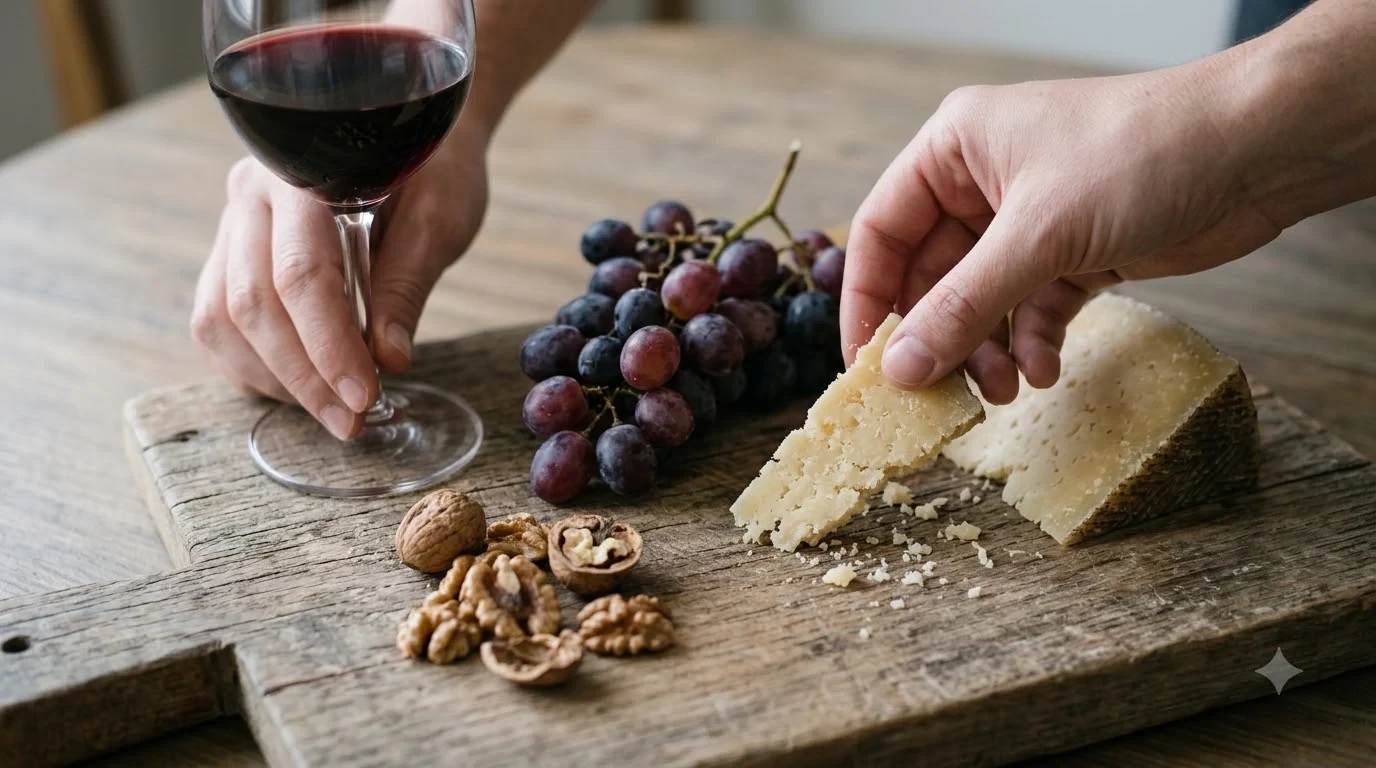
Cheese can make a useful bridge between the wine and the rest of the meal. Try aged pecorino, mature provolone, or a firm sheep’s-milk cheese with olives and roasted peppers. Salt and fat soften the perception of tannin, which is helpful if the bottle feels grippy. Very mild cheese may lack flavor; pungent blue cheese can dominate the wine’s red fruit. For a simple board, include two cheeses, toasted bread, olives, and a few slices of cured pork rather than a crowded mix of competing flavors.
Seafood, Spice, and Pairings to Approach Carefully
Seafood can be a more difficult match for red Nerello Mascalese, particularly when the fish is oily or the wine is tannic. Choose a lighter, less extracted bottle for seafood, firm fish with browned edges, and restrained seasoning.
Grilled swordfish or tuna may work with a supple, fresh example, especially when the preparation includes roasted tomato, capers, olives, or herbs. However, fish with a high oil content can clash with the tannin in red wine, so salmon, mackerel, and other oily fish are less dependable matches. Tomato and capers help connect the flavors, but cannot fix a pronounced tannin mismatch. When the fish is the centerpiece, a crisp Sicilian white is often the easier choice.
Spice needs similar care. Black pepper, fennel, oregano, thyme, and mild paprika suit its savory profile. Fresh hot chilies, very spicy sausage, or a sauce built around intense chili heat can make the alcohol and tannin feel more forceful and the fruit seem less generous. Keep heat moderate with fuller or higher-alcohol bottles. If the dish must be spicy, serve a cooling side such as white beans, plain potatoes, or a herb and olive-oil dressing, and avoid adding extra pepper to the wine pairing.
Very sweet glazes and dessert sauces are also poor choices. Sweet food can make dry red wine taste more tart and less fruity, so honey-glazed pork, sticky ribs, and sugary chutney can unbalance the pairing. Choose savory tomato, roasted pepper, herbs, mushrooms, and salt instead. For dessert, switch to a wine at least as sweet as the dish rather than trying to stretch a dry Nerello Mascalese past the main course.
Serving Temperature and Practical Pairing Plans
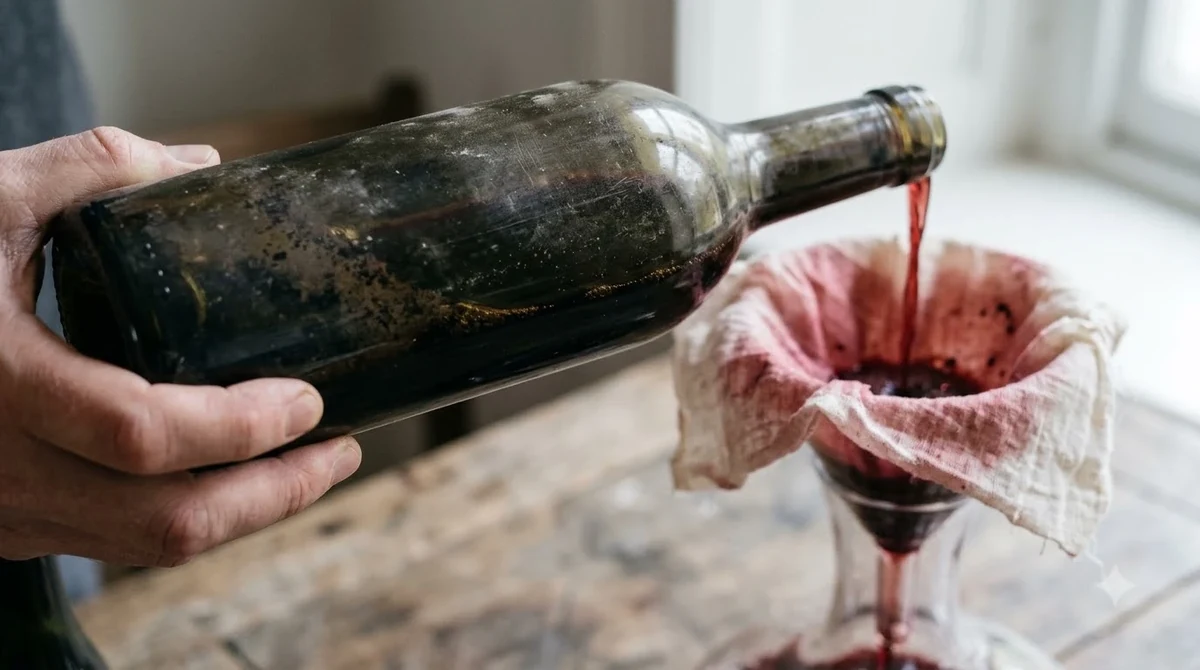
Serve Nerello Mascalese slightly cool, around 55–60°F, and give a young, structured bottle about 30 minutes of air if it seems tight. A modest chill preserves freshness and highlights cherry, herbal, and mineral notes.
Wine Folly lists 55–60°F as the serving range and recommends a 30-minute decant. It is cooler than most rooms but warmer than a refrigerator, so briefly chill a bottle stored at room temperature. Too warm, and alcohol can seem prominent; too cold, and aroma can mute while tannin feels firmer. Pour a small taste first, then adjust the bottle’s temperature before the meal.
Etna Rosso is a useful starting point when choosing a bottle, but the appellation’s rules help explain why two examples may feel different. The Consorzio Etna DOC states that Etna Rosso Riserva follows the same grape rules as Etna Rosso and requires at least four years of aging, including at least one year in wood. A younger, fresher wine may suit roast chicken or tomato pasta; a more structured or wood-aged example can handle lamb, sausage, or aged cheese. Consider the bottle’s weight and tannin when planning the menu.
| Pairing or serving point | Useful reference | How to use it |
|---|---|---|
| Serving temperature | 55–60°F | Serve lightly cool to keep the red fruit and acidity vivid. |
| Initial aeration | About 30 minutes | Give a young, tight wine time to open before the main course. |
| Etna Rosso blend | At least 80% Nerello Mascalese | The appellation allows a single-variety wine or a blend led by this grape. |
| Nerello Cappuccio in Etna Rosso | Up to 20% | The permitted blending partner can change the finished wine’s profile. |
| Etna Rosso Riserva aging | At least 4 years; 1 year in wood | Expect a more developed style than a standard young Etna Rosso. |
For an uncomplicated dinner, put the wine beside roast chicken with thyme, pork sausage with roasted peppers, or pasta alla Norma. For a more substantial menu, start with grilled eggplant and olives, serve roast lamb or mushroom polenta as the main course, and finish with pecorino. If guests prefer lighter reds, a bottle with less extraction and oak is likely to be more versatile; if they enjoy firmer wines, choose a more structured Etna Rosso and serve it with protein and salt.
Tip: Build the meal around one shared flavor bridge. Roasted tomato and oregano can connect the wine to chicken, pork, or pasta, while mushrooms and aged pecorino can carry it into a richer, cooler-weather menu.
When comparing this grape with other reds, look at both acidity and tannin rather than color alone. A Blaufränkisch food pairing can also favor bright acidity and savory meat dishes, but the wines may differ in fruit profile and tannin. A Carignan food pairing is another useful reference for tomato, grilled meat, and Mediterranean herbs, while Grenache Blanc food pairing offers a contrasting route when the menu calls for a white wine with more texture. Readers building broader tasting knowledge can explore Wine by Type to compare grape varieties and styles.
For a concise reference to its characteristic flavors and classic food matches, see Wine Folly’s Nerello Mascalese profile. The Etna appellation’s blend and aging requirements are explained by the Consorzio Etna DOC wine guide.
Frequently Asked Questions
These answers cover details that can help when selecting a bottle, including other Etna styles, blending grapes, vineyard areas, and aging potential.
Is Nerello Mascalese used in wines other than Etna Rosso?
Yes. The Consorzio Etna DOC also identifies it as the principal grape in Etna Rosato and Etna Spumante, where it may be used alone or as at least 80% of a blend. That means the variety is not limited to still red wine.
What does Nerello Cappuccio add to an Etna blend?
The Consorzio Etna DOC describes Nerello Cappuccio as deeper in ruby color than Nerello Mascalese, with violet nuances and more delicate tannins. It can therefore add color and a softer tannic impression to a blend dominated by Nerello Mascalese.
Can Nerello Mascalese age in the bottle?
Some examples have meaningful aging potential. Wine Folly lists a cellar horizon of more than 10 years for the variety, although that is a style reference rather than a promise for every bottle. Producer, vintage, vineyard, and winemaking choices all affect how long a particular wine will develop.
What does a contrada name mean on an Etna wine label?
A contrada is a named growing area on Etna, and wines from different contrade can show distinct profiles. Decanter gives Guardiola as an example of a more austere, structured expression and Feudo di Mezzo as a riper, more forward one.
Is Nerello Mascalese always similar to Pinot Noir?
The comparison usually refers to pale color, aromatic red fruit, and freshness, not an identical flavor or structure. Decanter also compares the grape aromatically with Mencía and Nebbiolo, while noting that Nerello Mascalese can show more tannin than Pinot Noir.
Nerello Mascalese is at its most useful at the table when the food is savory, moderately rich, and seasoned with herbs, tomato, or roasted vegetables. Start with pork, poultry, pasta alla Norma, or mushrooms, serve the wine slightly cool, and adjust the menu to the bottle’s tannin and weight.
More in Wine Types & Grapes
 Zinfandel Sugar Content: Dry Red vs. White Zinfandel GramsUpdated Nov 21, 2026
 Best Zinfandel Substitute Options for Sipping and CookingUpdated Nov 21, 2026
 Zweigelt Food Pairing: Best Dishes, Cheeses, and Serving TipsUpdated Nov 21, 2026
 Zinfandel Tannins Explained: How Structure Shapes Every BottleUpdated Nov 21, 2026
 Zinfandel Sweetness Level: Dry Red vs. Sweet White Zin ExplainedUpdated Nov 21, 2026
 Xinomavro Food Pairing: Best Dishes, Styles, and Serving TipsUpdated Nov 21, 2026