

We may earn a commission when you buy through links on this page, at no extra cost to you. Learn more.
moscato d asti food pairing works especially well with fruit desserts, pastries, salty cheeses, cured meats, and gently spicy dishes. This lightly sparkling wine from Piedmont combines pronounced grape and peach aromas with sweetness, fresh acidity, and usually about 5% alcohol. Its range extends well beyond dessert: the same sweetness that complements a fruit tart can soften the impression of chili heat or balance a salty bite.
The best match depends on whether the food is sweet, savory, spicy, or rich. Start with the wine’s natural strengths—fresh fruit, floral aromas, lively acidity, and delicate bubbles—then choose dishes that complement rather than bury them. The following pairings work for a relaxed snack, a holiday dessert course, or a full meal built around several small plates.
Why Moscato d’Asti Works With So Many Foods
Moscato d’Asti is made from Moscato Bianco in Piedmont, where the denomination spans 52 towns across the provinces of Asti, Alessandria, and Cuneo, according to the regional tourism organization. It is gently sparkling rather than forcefully fizzy, and its sweetness is balanced by acidity and freshness. The Piedmont wine region’s overview of Moscato d’Asti also identifies pastries, savory dishes, and spicy food among its possible companions.
That balance explains its versatility. The wine commonly carries around 5% alcohol, while individual bottlings vary in sweetness and aromatic intensity. Peach, apricot, citrus, sage, orange blossom, and honey are familiar reference points. These flavors make it easy to connect the wine with ripe fruit, baked goods, herbs, and dishes that include a little heat.
Its bubbles also matter at the table. Gentle effervescence can refresh the palate after buttery pastry, creamy cheese, or cured meat. Acidity keeps the sweetness from feeling flat, while the modest alcohol level makes the wine less forceful than many full-bodied whites or fortified dessert wines. For a fuller description of its aromas and texture, see what Moscato d’Asti tastes like.
Think of the wine as a partner for contrast as well as similarity. Fruit desserts echo its peach and floral notes; salty foods create a sweet-savory counterpoint; and chili-based dishes benefit from a wine that has enough sweetness to stand alongside spice. The most reliable pairings preserve that balance instead of making the wine seem thin or the food taste unusually sharp.
Fruit Desserts, Tarts, and Italian Pastries
Fruit-based desserts and lightly sweet pastries are the safest first choices for Moscato d’Asti. Match the wine with a dessert that is no sweeter than the glass, and favor fruit, almond, vanilla, or delicate cream over dark chocolate and heavy coffee flavors.
Fresh strawberries, sliced peaches, apricots, and fruit salad are natural companions. Their fresh acidity and juicy texture echo the wine’s fruit character without adding a dense layer of sugar. A peach tart is especially straightforward: the fruit mirrors the wine’s stone-fruit aromas, while a crisp pastry shell adds richness that the bubbles help refresh.
Italian baked sweets offer several classic options. Panettone, pandoro, and colomba have soft, enriched doughs that work with Moscato d’Asti’s gentle sparkle. A slice of panettone with candied citrus or raisins is particularly compatible because the fruit and light sweetness connect with the wine’s aromatic profile. Dry cookies, almond biscuits, and simple tea cakes also work well, especially when they are not heavily spiced.
For a plated dessert, try a fruit tart, poached pear, peach galette, or a small serving of zabaglione with berries. The egg-based cream gives the wine a richer texture to balance, while fresh fruit keeps the finish lively. A simple vanilla panna cotta can work too, provided the topping is fruit-forward and the dessert is not sweeter than the wine.
Keep portions moderate if the dessert is rich. Moscato d’Asti is aromatic and sweet, but it is not as concentrated as a fortified dessert wine. A large serving of dense pastry cream or a very sugary frosting can make its delicate flavors fade. Choose a smaller slice, add fresh fruit, or serve the wine alongside a lighter component of the dessert.
Cheese, Cured Meats, and Salty Snacks
Salt is one of the easiest ways to take Moscato d’Asti beyond dessert. Salty cheese, cured meat, and crisp savory snacks create contrast with the wine’s sweetness, while its acidity and fine bubbles help refresh the palate after fatty bites.
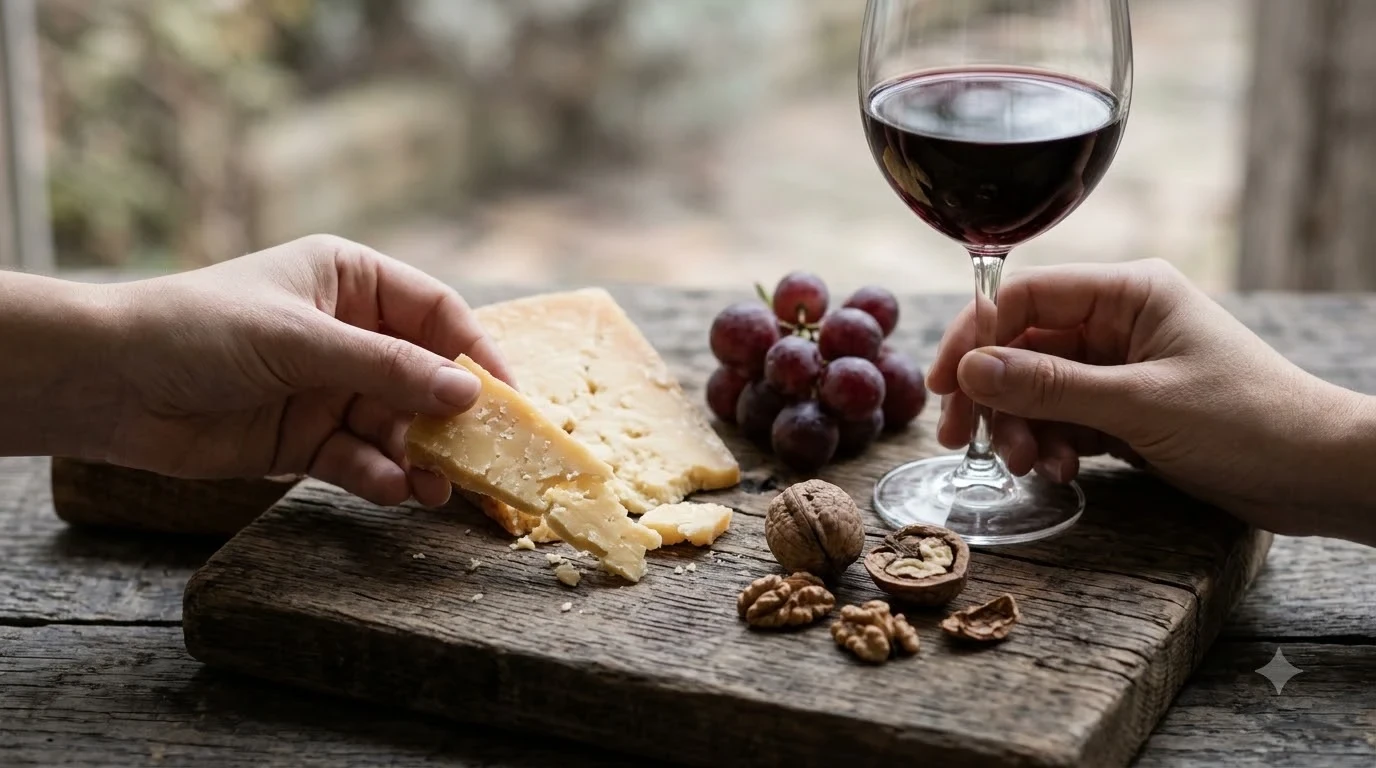
Blue cheese is a particularly useful match because its salt and pungent flavor stand up to the wine’s sweetness. Start with a small portion of Gorgonzola dolce or another creamy blue cheese, then add pear slices, toasted walnuts, or plain crackers. A milder blue cheese lets the fruit aromas remain clear; a more assertive aged version creates a bolder sweet-and-salty contrast.
Fresh cheeses can work when they have enough flavor and salt to register beside the wine. Try ricotta with a little black pepper, fresh goat cheese on toast, or a young sheep’s milk cheese with ripe pear. Avoid very bland, watery cheeses, which can make the wine seem disproportionately sweet. A small amount of honey is possible, but fruit or nuts usually provide better balance.
Cured meats are another strong option. Prosciutto, salami, and thin slices of coppa bring salt and fat, two elements that soften the perception of sweetness and make the pairing feel more complete. A traditional Piedmontese snack combines bread, butter, and anchovies with Moscato d’Asti; the saltiness of the fish and the richness of butter provide a striking counterpoint to the wine.
For an easy appetizer board, arrange prosciutto, mild salami, blue cheese, fresh pear, toasted hazelnuts, and plain bread. Keep heavily smoked meats, very hot mustard, and intensely peppered salami in smaller portions so they do not overwhelm the wine. The goal is a sequence of salty and creamy bites, not a board dominated by aggressive seasoning.
Spicy Asian, Indian, and Mexican Dishes
Moscato d’Asti can be an excellent partner for spicy food because its sweetness balances chili heat, while its acidity and fruit character keep the pairing refreshing. Choose dishes with aromatic spices, herbs, and moderate heat rather than dishes whose bitterness or extreme chili intensity dominates every other flavor.
Thai food is a natural starting point. Pair the wine with a mildly spicy green curry, pad Thai with chili on the side, fresh spring rolls with a sweet-spicy dipping sauce, or a coconut-based soup with ginger and lime. The wine’s peach and floral notes can complement herbs such as basil and cilantro, while its sweetness softens the burn of fresh chili. Keep very sharp lime or vinegar elements restrained because highly acidic marinades can make the wine taste less balanced.
Indian dishes also offer promising matches. Try chicken tikka, vegetable korma, lightly spiced samosas, or a mild curry with basmati rice. The wine’s sweetness can balance warming spices such as cumin, coriander, and ginger. For hotter dishes, serve a slightly sweeter bottling and keep the chili heat at a level that allows the food’s aromatics to remain distinct. The Wine Enthusiast discussion of Moscato d’Asti pairings also highlights Thai, Southeast Asian, and chili-forward dishes.
Chinese hotpot can work when the broth is gently or moderately spicy and the dipping sauces are not dominated by vinegar. A sweet-and-spicy sauce, ginger, scallions, and mushrooms can connect with the wine’s fruit and herbal notes. In Mexican cooking, grilled chicken with a mild chile glaze, roasted corn with lime kept in check, or tacos with fruit salsa can create a similar balance.
Alcohol can intensify the perception of chili heat, so Moscato d’Asti’s relatively low alcohol level is useful, but it does not make very hot food automatically comfortable. Start with a small pour and a bite of food. If the chili overwhelms the wine, reduce the heat or choose a dish with more coconut, rice, dairy, or sweetness to soften the overall combination.
Tip: For spicy food, chill Moscato d’Asti well and begin with medium heat. A Thai curry or mildly spicy Indian dish is a more dependable first match than an extremely hot chili challenge.
Seafood, Salads, and Lighter Savory Plates
Light savory dishes can suit Moscato d’Asti when they include salt, gentle sweetness, herbs, or a little richness. The most successful plates avoid sharp acidic dressings and strong bitterness, which can make the wine’s sweetness seem disconnected.
Anchovy crostini is a particularly useful example. Toasted bread provides a crisp base, olive oil adds richness, and anchovies contribute concentrated salt. A little parsley or finely sliced fennel adds freshness without overwhelming the wine. The combination reflects a traditional Piedmontese way of enjoying Moscato d’Asti with everyday savory food rather than reserving it only for the end of a meal.
Seafood can be more challenging, but it is not out of the question. Try lightly salted shrimp, crab salad with ripe melon, or scallops served with a subtle fruit garnish. Delicate shellfish can work when the seasoning is restrained and the dish is not dressed with a very acidic citrus marinade. Oysters are a more adventurous option: their briny character creates contrast, but the pairing is best treated as a small tasting experiment rather than a universal match.
For salads, choose ingredients that provide sweetness or texture. A salad with pear, toasted hazelnuts, mild greens, and a modest amount of blue cheese is more suitable than one built around bitter radicchio and a sharp vinaigrette. A dressing with a little honey can connect the ingredients, but avoid making the salad itself taste sugary.
Rich or oily fish generally call for care. Moscato d’Asti is not a tannic red, so the usual red-wine clash with oily fish is not the issue; instead, the fish’s strong flavor and the wine’s sweetness may pull in different directions. Lightly seasoned shellfish and mild seafood preparations are safer than oily fish with assertive sauces. If the dish relies on lemon, vinegar, or a strong tomato marinade, choose a drier, more acidic wine instead.
Serving Temperature, Portions, and Menu Planning
Serve Moscato d’Asti cold, around 43–50°F, to keep its sweetness lively and its bubbles refreshing. Many producers recommend a narrower range near 43–46°F; Gancia, for example, specifies 6–8°C for its bottling.
Chilling is not just about making the wine feel refreshing. A cool serving temperature helps restrain the impression of sweetness and makes the wine’s acidity and delicate effervescence more noticeable. If the bottle has been stored at room temperature, allow time in the refrigerator before serving. Avoid leaving it in the freezer for an extended period, where it can be forgotten and become overchilled or freeze.
A standard wine pour is about 5 ounces, and a 750-milliliter bottle provides roughly five such glasses. For a dessert course, a smaller pour may be enough because the wine is sweet and aromatic. For a snack board or spicy meal, a 3- to 4-ounce pour gives guests room to taste the food and wine together without filling the glass too heavily.
Use a small white-wine glass or a tulip-shaped glass rather than a very wide bowl. The narrower opening helps focus the floral and fruit aromas, while enough space remains for the wine’s light fizz. Open the bottle shortly before serving and pour gently to preserve the bubbles. Keep the remaining bottle chilled and reseal it with a sparkling-wine stopper.
Build a menu around contrast. Start with prosciutto, anchovy toast, or a mild blue cheese; move to a moderately spicy dish such as Thai curry or chicken tikka; and finish with a peach tart or fresh strawberries. Alternatively, serve Moscato d’Asti only with dessert after a savory meal. It can also be used as a base for a simple Moscato d’Asti cocktail, although the wine is often most expressive on its own.
For a gathering, place the bottle in an ice bucket and bring it out in small intervals rather than letting it warm on the table. If guests prefer different levels of sweetness, offer water and a neutral, unsalted cracker between pairings. A quick palate reset makes it easier to notice the differences between fruit, cheese, spice, and pastry.
When planning portions, remember that Moscato d’Asti is a low-alcohol wine, not a nonalcoholic drink. A typical bottling around 5% ABV still contains alcohol, and sweetness can make it easy to drink quickly. Serve it thoughtfully alongside food and provide nonalcoholic choices for guests who want them. For general background on styles and categories, browse Wine by Type.
Common Pairing Mistakes and Easy Fixes
The most common mistake is choosing food that is much sweeter, more bitter, or more aggressively acidic than the wine. Moscato d’Asti is aromatic but relatively delicate, so it is easily overshadowed by dark chocolate, espresso, strong vinegar, or very intense savory sauces.
Chocolate is a frequent point of confusion. A small amount of white chocolate or a mild milk-chocolate accent may be less challenging than a dense dark chocolate dessert, but chocolate is rarely the strongest match. Cocoa bitterness can make the wine taste simpler and sweeter by comparison. For a chocolate-centered dessert, a richer red dessert wine or fortified wine is usually a better choice.
Coffee desserts can create a similar problem. Tiramisu, espresso mousse, and desserts with a pronounced roasted-coffee finish often bring bitterness that clashes with Moscato d’Asti’s floral fruit. If serving a mixed dessert platter, place coffee and dark chocolate items beside a different wine and keep Moscato d’Asti with fruit tarts, almond cookies, or cream-based pastries.
Another mistake is pairing the wine with a dish that is both very hot and very alcoholic. Chili heat can feel stronger alongside alcohol, while a fiery sauce can erase the wine’s delicate aromas. Choose moderate heat and avoid adding a high-proof spirit sauce to the same plate. Likewise, avoid very sharp citrus marinades and vinegar-heavy dressings; a gentler seasoning with herbs, salt, or a little fruit is more compatible.
Finally, do not assume that every cheese or seafood dish will work simply because sweet wine can pair with savory food. Match the intensity of the ingredients. A small piece of blue cheese or a slice of prosciutto is more dependable than an entire plate of pungent washed-rind cheese, smoked fish, and pickled vegetables. A little contrast is appealing; too many competing flavors can make the pairing confusing.
If a pairing seems unbalanced, adjust one element at a time. Chill the wine a little more, reduce the chili, add fresh fruit, or choose a saltier but milder cheese. Small changes are usually more effective than adding more ingredients or seasoning.
Frequently Asked Questions
Is Moscato d’Asti the same as Asti Spumante?
No. Moscato d’Asti is generally gently sparkling, while Asti Spumante is fully sparkling with more pronounced bubbles. Both are associated with the Asti denomination in Piedmont, but they are distinct styles with different textures and levels of carbonation.
Can Moscato d’Asti be served as an aperitif?
Yes. Its freshness and modest alcohol level make it suitable before a meal, especially with salty snacks such as olives, plain breadsticks, or lightly seasoned nuts. Keep the snacks relatively simple so the wine’s floral and fruit aromas remain clear.
Does Moscato d’Asti need to be decanted?
No. It is made to be enjoyed young and fresh, and decanting would disperse its delicate bubbles. Chill the bottle, open it shortly before serving, and pour gently into clean glasses.
How long does an opened bottle of Moscato d’Asti keep?
For the best freshness, finish it within about one to three days and keep it refrigerated with a sparkling-wine stopper. The bubbles and aromatic lift fade after opening, so the wine is usually most enjoyable soon after the bottle is first poured.
Can Moscato d’Asti be used in cooking?
It can be used in fruit poaching liquid, light dessert sauces, or a small amount of zabaglione, where its grape and floral aromas complement fruit and cream. Avoid reducing it aggressively over high heat, since cooking drives off its fresh aromatics and leaves the sweetness more concentrated.
Moscato d’Asti is at its best when its sweetness has something to balance: ripe fruit, buttery pastry, salty cheese, cured meat, or moderate chili heat. Keep the wine cold, match dessert sweetness carefully, and use small savory plates to explore its versatility. With those simple principles, it can move comfortably from an aperitif to the final course.
More in Wine Types & Grapes
 What Does Muscadet Taste Like? Flavor Notes, Styles, and PairingsUpdated Nov 21, 2026
 What Does Mourvèdre Taste Like? Flavor Profile, Regions, and PairingsUpdated Nov 20, 2026
 What Does Marsanne Taste Like? Flavors, Styles, and Food PairingsUpdated Nov 20, 2026
 What Does Malvasia Taste Like? Styles, Flavors, and Food PairingsUpdated Nov 20, 2026
 What Does Grenache Blanc Taste Like? Flavor Profile, Styles, and PairingsUpdated Nov 20, 2026
 What Does Garnacha Taste Like? Key Flavors, Styles, and Pairing TipsUpdated Nov 20, 2026