

We may earn a commission when you buy through links on this page, at no extra cost to you. Learn more.
Monastrell food pairing works best with grilled beef, lamb, pork, smoky barbecue, roasted vegetables, and aged cheeses because the wine’s dark-fruit flavors, substantial body, and firm tannins complement rich, savory dishes. Also known as Mourvèdre, Monastrell is a Mediterranean red grape particularly associated with southeastern Spain. Its wines typically combine ripe cherry and blackberry flavors with medium acidity and persistent tannins. The best food matches balance that structure with protein, savory seasoning, roasted flavors, and enough richness to keep the wine from dominating the meal.
Monastrell is a particularly useful wine for dinners built around grilled meats, slow-cooked dishes, and bold Mediterranean ingredients. However, not every bottle tastes identical. A young, fruit-forward Jumilla red behaves differently from an oak-aged Monastrell or a lighter rosé made from the same grape. Understanding those differences makes it easier to choose dishes that complement the wine rather than compete with it.
Understanding Monastrell’s Flavor and Structure
Monastrell’s natural combination of ripe fruit, firm tannins, and medium acidity makes it a strong match for flavorful food. Its most reliable companions are dishes with savory depth, roasted or grilled surfaces, and enough fat or protein to balance the wine’s structure.
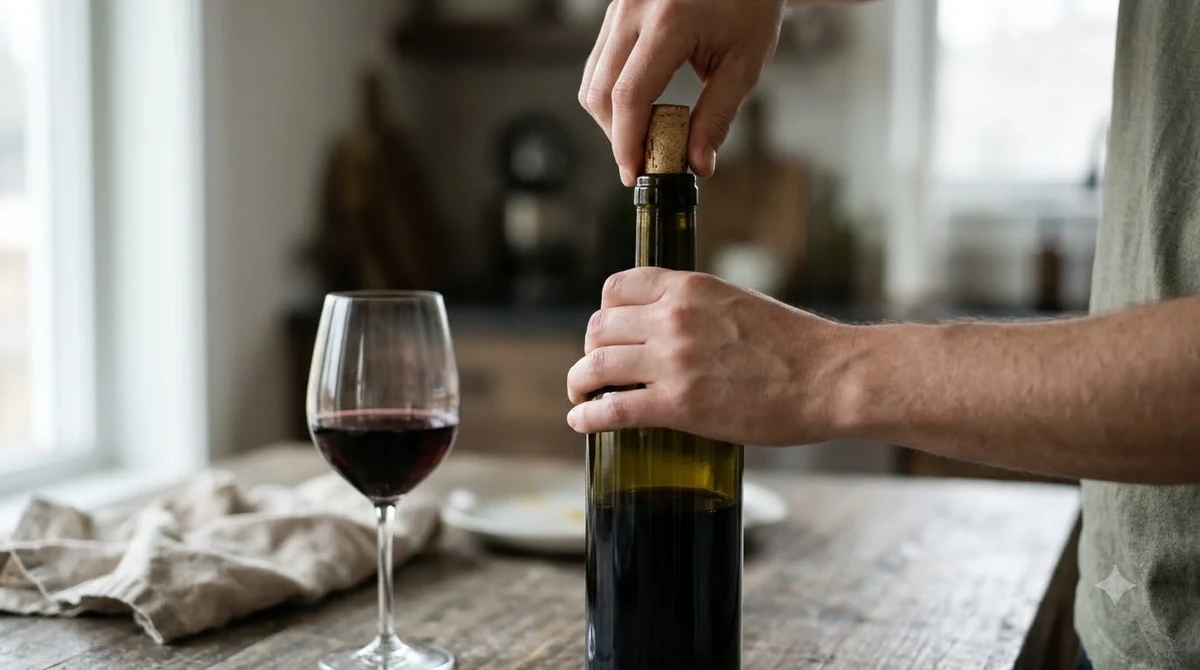
Monastrell is native to southeastern Spain, particularly associated with wine regions such as Jumilla, Yecla, Bullas, and Alicante. It is also widely known internationally as Mourvèdre. According to Jumilla Wines, the variety accounts for approximately 70% of the vineyard surface area in Jumilla, where it is especially well adapted to warm, dry growing conditions.
In the glass, Monastrell commonly shows ripe cherries, strawberries, redcurrants, blackberries, and other dark-fruit flavors. Some bottles also show black pepper, dried herbs, licorice, earthy notes, or sweet spices, particularly when oak aging contributes additional complexity. Its color is often deep purple-red, reflecting the grape’s thick, pigment-rich skins.
The wine’s tannins are an important consideration when planning dinner. Tannins create a drying, slightly gripping sensation on the gums and tongue. They can make lean or delicate foods seem less pleasant, but protein and fat soften their perception. That is one reason Monastrell performs particularly well with a fatty grilled steak, lamb shoulder, or pork ribs.
Acidity is another part of the equation. Monastrell generally has medium acidity rather than the sharp freshness associated with Sauvignon Blanc or Riesling. It can therefore handle rich preparations, although dishes with significant acidity still need a wine with enough freshness to keep the combination balanced.
Alcohol also matters. Many examples from warm Mediterranean vineyards have a substantial alcoholic presence. Sweet barbecue sauces, roasted vegetables, and savory herbs can work well, but very hot chili sauces may make the alcohol feel more pronounced and the food seem hotter.
Oak-aged Monastrell may add vanilla, toast, coffee, or baking-spice notes to the fruit. These wines are especially useful with charred meats and dishes containing browned butter, caramelized onions, or roasted mushrooms. Younger examples generally emphasize fresh fruit and are easier to serve with uncomplicated grilled food.
For a useful comparison, readers exploring other structured Mediterranean reds can also consult our carignan food pairing recommendations. Both grapes can accompany savory cooking, although individual wines differ in tannin, acidity, and weight.
Best Meat Pairings for Monastrell
Beef, lamb, and pork are among the strongest food matches for Monastrell. Their proteins, savory flavors, and varying levels of fat help balance the wine’s tannins while complementing its concentrated fruit character.
Beef: Grilled ribeye, strip steak, beef short ribs, and slow-braised beef are particularly dependable choices. A ribeye has enough marbling to soften the wine’s drying tannins, while the browned exterior of a grilled steak provides savory flavors that complement ripe blackberry and cherry. A medium-rare steak with rosemary, garlic, and black pepper is a straightforward match.
For braised beef, consider preparations containing mushrooms, tomato, onions, and beef stock. The slow cooking produces concentrated savory flavors that suit the wine’s body. Tomato-based preparations can work particularly well when they retain sufficient moisture and are not excessively acidic. A young Monastrell with pronounced fruit is especially practical for a simple beef stew.
Lamb: Roast leg of lamb, grilled lamb chops, lamb kebabs, and braised lamb shoulder all make excellent pairings. Lamb’s characteristic savory flavor complements the grape’s dark fruit, while the fat in well-prepared cuts balances the tannins. Mediterranean seasonings such as rosemary, thyme, oregano, garlic, cumin, and black pepper bring the combination together.
For lamb chops, use a hot grill or skillet to develop a browned crust without drying the interior. Serve with roasted potatoes, grilled eggplant, or a chickpea salad. A bottle from Jumilla or Yecla with firm tannins and ripe fruit is a natural partner for this kind of meal.
Pork: Pork shoulder, grilled pork chops, roasted tenderloin, and slow-cooked pork ribs can all work. Fattier cuts are especially useful because they provide the richness needed to balance a substantial red wine. A simple garlic-and-herb pork roast allows the fruit character of Monastrell to remain prominent.
Pork tenderloin is leaner, so preparation matters. A roasted version with caramelized onions, mushrooms, or a lightly sweet glaze gives the wine more flavor to engage with. Avoid overly sweet sauces that make a dry red wine seem harsh or sour by comparison.
Choosing the right preparation
The cooking method can be as important as the meat itself. Grilling creates browned, smoky flavors that complement Monastrell’s intensity. Braising produces tender textures and concentrated savory sauces. Roasting adds caramelized edges without necessarily introducing the heavy smokiness of a barbecue.
For a dinner party, consider a simple menu of grilled lamb chops, rosemary potatoes, and roasted peppers. Another option is slow-cooked beef short ribs with mushrooms and creamy polenta. Both menus provide enough flavor and texture to stand up to a structured red.
Tip: Match the richness of the cut to the structure of the bottle. Choose ribeye, lamb shoulder, or pork ribs for a powerful, tannic Monastrell. For a lighter or younger example, grilled pork tenderloin, roast chicken, and simply seasoned beef are better starting points.
Barbecue, Grilled Vegetables, and Mediterranean Dishes
Monastrell is particularly well suited to barbecue and Mediterranean cooking because its ripe fruit and substantial body can complement smoke, char, herbs, and concentrated vegetable flavors. The most successful dishes have enough savory depth to match the wine without relying on excessive sweetness or chili heat.
Barbecue ribs are a classic option. Pork ribs cooked slowly until tender develop rich meat flavors that work with the wine’s persistent tannins. A dry rub containing smoked paprika, garlic, black pepper, cumin, and brown sugar creates an appealing contrast between sweet spice and dark fruit.
However, sauce selection deserves attention. A heavily sweet barbecue sauce can make a dry red wine taste more acidic and less fruity. Instead, use a moderate amount of tomato-based sauce, smoked paprika, and vinegar. This provides complexity without overwhelming the wine.
Grilled chicken is another possibility, especially when prepared with a crisp, browned skin and Mediterranean seasoning. Chicken thighs are preferable to plain, lean chicken breast because their higher fat content provides a more satisfying balance with Monastrell. A marinade made with olive oil, garlic, rosemary, and black pepper is simple and effective.
Vegetables that work particularly well
Vegetables can provide excellent pairings, especially when roasted or grilled until their natural sugars develop. Eggplant, mushrooms, red peppers, zucchini, onions, and tomatoes are particularly useful because they have substantial flavor and can absorb herbs, oil, and seasoning.
Grilled eggplant with olive oil and garlic has a soft texture that contrasts with the wine’s tannins. Roasted red peppers offer concentrated sweetness and smoky notes. Mushrooms contribute earthy flavors that complement the wine’s savory characteristics, particularly in oak-aged examples.
For a vegetarian main course, try a platter of grilled portobello mushrooms, roasted eggplant, red peppers, and rosemary potatoes. Add chickpeas or white beans for more substance. A little aged cheese or olive tapenade can provide additional savory richness.
Tomato-based dishes are also worth considering. Baked pasta with tomato sauce, roasted vegetables, and a moderate amount of cheese can work with fruit-forward Monastrell. The main consideration is acidity: strongly acidic tomato preparations can make a wine with only medium acidity seem flat. Slow-roasted tomatoes or a sauce balanced with olive oil and cooked onions are generally more suitable than an intensely sour preparation.
Spanish-inspired dishes provide another natural direction. Monastrell is associated with southeastern Spain, where local cooking includes meat stews, roasted meats, rice dishes, and savory preparations featuring regional ingredients. For a particularly traditional combination, consider gazpacho manchego, a brothy dish made with game meat, mushrooms, and crumbled torta cenceña bread.
Jumilla’s regional cuisine also offers useful inspiration: its traditional rabbit-and-snail rice dishes and gazpacho Jumillano illustrate the range of savory foods served alongside local wines. The official Jumilla wine tourism and fine dining guide describes these regional specialties and discusses pairings with Monastrell reds and rosés.
For more ideas involving a different Spanish-influenced red, our blaufrankisch food pairing article offers another perspective on matching savory meals with structured wines.
Cheese, Charcuterie, and Appetizers
Monastrell pairs best with flavorful cheeses that have enough richness and intensity to complement its tannins. Aged hard cheeses, mature sheep’s milk cheeses, and selected blue cheeses are especially useful, while mild fresh cheeses can sometimes seem overwhelmed by the wine.
Manchego is an excellent starting point. This Spanish sheep’s milk cheese develops a firm texture and concentrated savory character as it ages. Its richness and nutty flavors work well with Monastrell’s ripe fruit, particularly when the wine has some oak influence.
Aged cheddar is another practical option. Its firm texture and concentrated flavor provide a good counterpoint to a structured red. Gouda that has developed caramelized, nutty notes can also work, especially with a fruit-forward Monastrell that has a relatively smooth finish.
Blue cheese requires a little more care. Strong blue cheeses can be difficult with dry, tannic red wine because their saltiness and intensity can make the tannins seem more pronounced. A sweeter Monastrell style or natural sweet red from southeastern Spain is often a better choice for particularly salty, pungent cheese.
Building a Monastrell cheese board
A balanced cheese board should contain contrasting textures and flavors rather than several cheeses with identical characteristics. Try the following combination:
- Aged Manchego: Provides firm texture, nutty flavor, and savory depth.
- Aged cheddar: Adds concentrated dairy richness and a slightly sharp finish.
- Blue cheese: Introduces salty intensity, preferably alongside a sweeter wine style.
- Marcona almonds: Provide a roasted, savory crunch.
- Olives: Bring briny Mediterranean flavors that complement the wine’s fruit.
- Roasted peppers: Add sweetness and a smoky vegetable character.
Charcuterie is another strong option. Spanish chorizo, cured pork loin, salami, and prosciutto can all accompany Monastrell. The fat and seasoning in cured meats help balance the wine’s structure, while smoked or paprika-seasoned varieties reinforce its savory characteristics.
For appetizers, consider mushroom croquettes, grilled sausages, meat-filled empanadas, roasted peppers, or small portions of beef skewers. These dishes offer enough flavor to match a full-bodied red without requiring a complicated main course.
Salt can also soften the perception of tannin. A modestly salted appetizer platter can therefore make a structured Monastrell feel more approachable. However, very salty foods should be balanced with sufficient fruit and richness rather than served without consideration of the wine’s overall intensity.
Seafood, Poultry, and Spicy Food Pairings
Monastrell can accompany some seafood and poultry dishes, but these pairings require more attention than grilled red meat. Choose preparations with substantial flavor, browned surfaces, or richer textures, and consider a lighter Monastrell rosé when the food is delicate.
One of the most important considerations is tannin. Firmly structured red wines can clash with oily fish and delicate seafood. Fish such as plain steamed cod, sole, or delicate white fish generally works better with a fresh white wine or a lighter rosé than with a heavily tannic Monastrell.
However, not every seafood dish is unsuitable. Grilled tuna, particularly when prepared with a browned exterior, can sometimes work with a lighter-bodied, fruit-forward red. Sardines and other oily fish are more difficult because their oils can produce an unpleasant combination with strong red-wine tannins. A Monastrell rosé is generally the safer choice for these dishes.
When to choose poultry
Roast chicken with herbs, grilled turkey, and chicken thighs with mushrooms are practical options for a softer Monastrell. Dark meat is generally easier to pair than lean breast meat because its richer texture offers more balance.
For roast chicken, use garlic, thyme, rosemary, and olive oil. Serve with roasted potatoes or caramelized onions. A younger Monastrell with moderate tannin should complement the browned skin and herbs without overwhelming the meat.
Duck can be particularly interesting. Roast duck breast has a richer texture than ordinary chicken and often works with fruit-forward Monastrell. Avoid extremely sweet fruit sauces, however, because a dry wine may taste less balanced alongside a strongly sweet preparation.
Managing chili heat and strong spices
Spicy food is more challenging. Alcohol and tannin can amplify the sensation of chili heat, making a powerful Monastrell seem hotter and more aggressive alongside very spicy dishes.
Moderately seasoned food is easier to match than extremely hot preparations. Paprika, cumin, black pepper, coriander, and dried herbs generally work better than dishes dominated by habanero, ghost pepper, or large quantities of fresh chili.
For spicy barbecue, use a moderate seasoning level and add richness through meat, yogurt-based sauces, or olive oil. If the dish is genuinely hot, choose a lower-alcohol wine with softer tannins or a slightly off-dry alternative instead of a powerful, high-alcohol Monastrell.
Indian and Mexican dishes can also work when the spice profile is controlled. Tandoori chicken with moderate seasoning, grilled pork tacos with roasted peppers, and mildly spiced beef kebabs are more reliable than extremely hot curries or heavily chili-based sauces.
Monastrell Wine Styles, Serving Temperature, and Pairing Choices
Not every Monastrell requires the same food. Young reds, oak-aged bottles, blends, rosés, and naturally sweet examples offer different combinations of fruit, structure, and sweetness, so choosing the appropriate style can make a substantial difference to the meal.
Young Monastrell: Usually emphasizes ripe red and dark fruit, with a fresh, approachable character. It is an excellent choice for grilled pork, burgers, sausages, roast chicken thighs, and moderately seasoned vegetables. Its fruit character also makes it suitable for casual meals that do not require elaborate sauces.
Oak-aged Monastrell: Often combines ripe fruit with vanilla, toast, spice, and more integrated tannins. It is especially suitable for ribeye, lamb shoulder, beef short ribs, and mushroom-based dishes. The additional flavor from oak makes it useful for foods with browned or smoky surfaces.
Monastrell blends: Producers sometimes combine Monastrell with Syrah, Garnacha, Cabernet Sauvignon, or other grapes. These combinations can change the wine’s tannin, acidity, aroma, and body. A Syrah blend may emphasize dark fruit and spice, while the other grapes can adjust the wine’s structure and overall balance.
Monastrell rosé: Offers a fresher alternative to structured red wine. It can accompany cold tapas, tuna tartare, seafood rice, sushi, and lighter Mediterranean dishes. This is a particularly practical option when a meal includes both seafood and vegetable appetizers.
Natural sweet Monastrell: Provides another pairing direction entirely. Rather than serving it with a heavily seasoned steak, consider blue cheese, cured cheese, walnuts, dark chocolate, or blackberry desserts. Sweet wines generally work best when the wine is at least as sweet as the dessert.
Practical serving temperatures
Serving temperature has a noticeable effect on the wine’s perceived alcohol, fruit, acidity, and tannins. A powerful red served too warm can seem heavy and alcoholic, while a bottle served excessively cold may appear more tannic and restrained.
For a full-bodied Monastrell, a useful starting point is 60–65°F. This is slightly cooler than typical room temperature in many homes and helps retain freshness while allowing the wine’s aromatic character to develop.
| Monastrell style | Serving temperature | Good food matches |
|---|---|---|
| Young red | 55–60°F | Burgers, grilled pork, sausages |
| Full-bodied red | 60–65°F | Ribeye, lamb, beef stew |
| Oak-aged red | 60–65°F | Short ribs, roast lamb, mushrooms |
| Monastrell rosé | 45–50°F | Tuna, seafood rice, cold tapas |
| Natural sweet Monastrell | 43–50°F | Blue cheese, chocolate, fruit desserts |
These temperatures are practical starting points rather than rigid rules. A bottle that feels too warm can be placed in the refrigerator briefly before serving. Allow the wine to warm gradually in the glass if it seems too cold.
Decanting and glassware
Young, powerful Monastrell wines can benefit from 30–60 minutes of decanting, particularly when they have firm tannins and concentrated aromas. Exposure to air can help the wine become more expressive and make its structure feel more integrated. Lighter, fruit-forward examples generally require less time.
A standard red wine glass with a reasonably generous bowl is suitable. It provides room for the aromas to develop and makes it easier to assess the wine alongside the food. There is no need for specialized glassware designed exclusively for Monastrell.
For a dinner serving, plan on a 5-ounce pour per guest. A standard 750-milliliter bottle provides approximately five glasses. If the meal includes several courses, a smaller pour allows guests to enjoy the wine alongside each dish without overwhelming the palate.
Readers comparing Mediterranean red varieties can also explore grenache blanc food pairing for ideas about choosing a contrasting white wine when a menu includes seafood, vegetables, and lighter preparations. More broadly, our Wine by Type resource explains how grape varieties and wine styles influence food choices.
Frequently Asked Questions
Is Monastrell the same grape as Mourvèdre?
Yes. Monastrell and Mourvèdre are different regional names for the same grape variety, which is also known as Mataró in some wine-growing areas. The name Monastrell is particularly associated with Spain, while Mourvèdre is commonly used in France and other international wine markets.
Does Monastrell need to be decanted after opening?
Decanting is optional rather than essential. Some young, concentrated examples benefit from 30–60 minutes of aeration, while softer bottles can be enjoyed immediately. Older bottles should be handled more carefully because prolonged exposure to oxygen can diminish delicate aromas.
Can Monastrell be used in a wine marinade?
Yes. Dry Monastrell can be used in marinades for beef, lamb, and pork. Combine it with olive oil, garlic, rosemary, and black pepper, and refrigerate the meat during marination. Avoid using an excessively sweet wine because its sweetness can become concentrated during cooking.
Which Spanish region is particularly associated with Monastrell?
Jumilla is one of the grape’s most important Spanish strongholds, alongside Alicante, Yecla, Bullas, and Almansa. Jumilla’s vineyards are notable for their dry growing conditions and limestone soils. The region’s wines are frequently recognized for concentrated fruit and substantial tannic structure.
Can Monastrell be stored for several years?
Some structured, oak-aged Monastrell wines have the concentration and balance needed for bottle aging. Their development depends on the producer, vintage, winemaking approach, and storage conditions. Keep aging bottles on their sides in a consistently cool environment near 55°F, away from light and temperature fluctuations.
Monastrell is at its best alongside food with enough flavor and texture to match its ripe fruit, medium acidity, and persistent tannins. Start with grilled beef, lamb, pork, roasted vegetables, and aged cheeses, then explore rosé and naturally sweet versions for lighter dishes and desserts. With the right bottle, serving temperature, and preparation, this southeastern Spanish grape can become a versatile choice for everything from casual barbecue to a traditional Mediterranean dinner.
More in Wine Types & Grapes
 Zinfandel Sugar Content: Dry Red vs. White Zinfandel GramsUpdated Nov 21, 2026
 Best Zinfandel Substitute Options for Sipping and CookingUpdated Nov 21, 2026
 Zweigelt Food Pairing: Best Dishes, Cheeses, and Serving TipsUpdated Nov 21, 2026
 Zinfandel Tannins Explained: How Structure Shapes Every BottleUpdated Nov 21, 2026
 Zinfandel Sweetness Level: Dry Red vs. Sweet White Zin ExplainedUpdated Nov 21, 2026
 Xinomavro Food Pairing: Best Dishes, Styles, and Serving TipsUpdated Nov 21, 2026