

We may earn a commission when you buy through links on this page, at no extra cost to you. Learn more.
Lambrusco secco wine is a dry, usually red or rosé sparkling wine from Italy’s Emilia-Romagna region, known for lively acidity, fresh bubbles, and flavors of red or dark fruit. Secco is the dry end of Lambrusco’s sweetness scale, but it does not mean every bottle tastes identical or completely austere. The grape, growing area, and fermentation method determine whether the wine feels delicate and floral or deep, tannic, and savory.
Lambrusco has a broader range than its old reputation suggests. A good dry bottle can work as an aperitif, hold its own beside a rich pasta dish, or bring lift to a plate of cured meats and cheese. Knowing a few label terms and grape names makes it much easier to choose the right style.
What Lambrusco Secco Wine Means on the Label
Secco means dry, and it sits at the dry end of the familiar Lambrusco sweetness sequence: secco, semisecco, amabile, and dolce. The word is a useful first clue, but acidity and grape variety shape the impression of sweetness, so a secco bottling can taste rounded rather than sharply austere.
Secco is the savory, food-oriented choice; semisecco is off-dry; amabile is medium-sweet; and dolce is sweet. Bright acidity can make a wine with residual sugar seem fresher than a still wine with the same sweetness.
Secco does not promise zero residual sugar. Decanter reports around 12 to 15 grams per liter in secco Grasparossa examples and 40 to 50 grams per liter in amabile examples. These are style examples, not universal limits for every denomination or producer; acidity helps keep modest sugar in balance. The same wine can therefore seem dry in the finish while still showing ripe cherry or plum fruit on the palate.
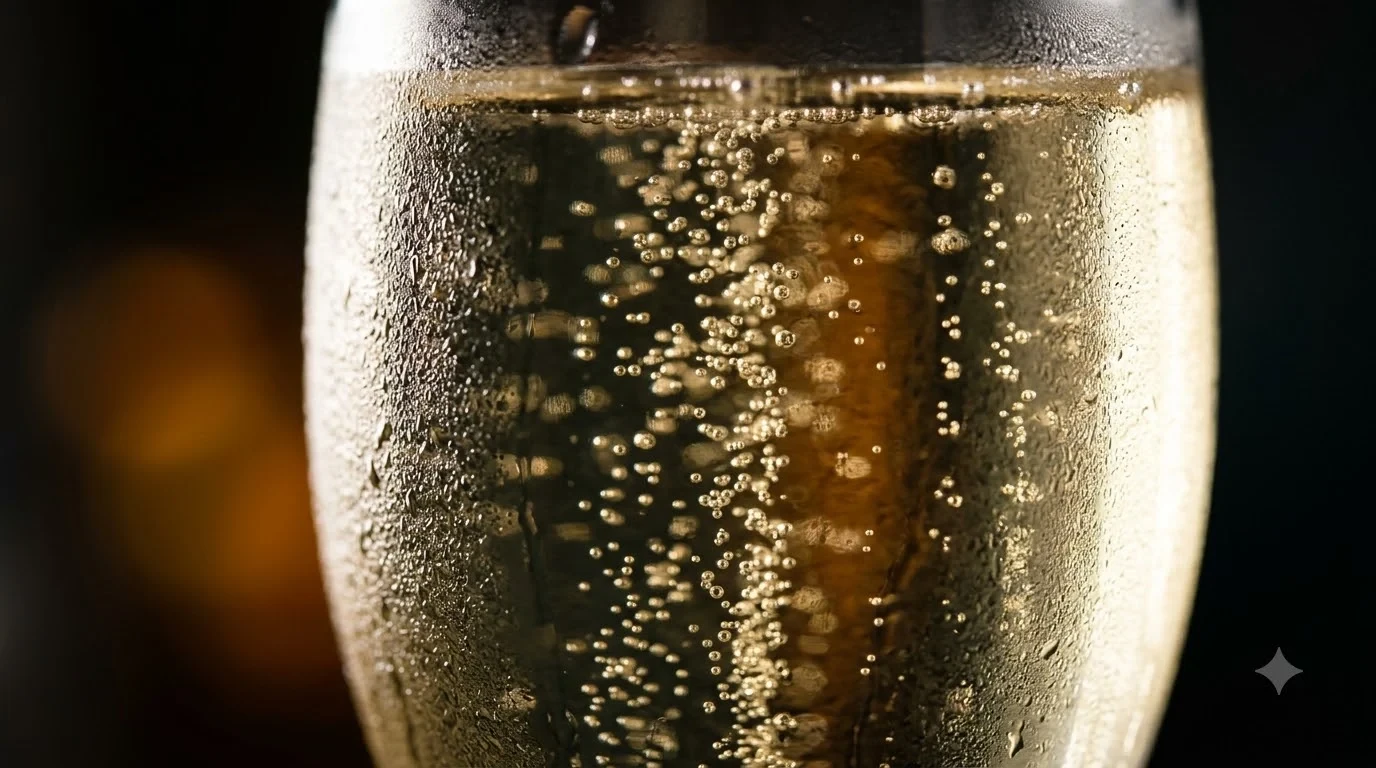
Separate sweetness from fizz: frizzante means lightly sparkling, while spumante signals a more fully sparkling wine. A secco Lambrusco can be either. For a primer on its aromas and texture, see what Lambrusco tastes like.
The Grapes Behind the Main Lambrusco Styles
Lambrusco is a family of related grape varieties, not one uniform grape, and three names are especially useful when choosing a dry bottle: Sorbara, Grasparossa, and Salamino. They create noticeably different wines, from pale and floral to dark and structured.
Lambrusco di Sorbara: pale, floral, and lively
Sorbara is usually the lightest and most delicate main style. The Lambrusco Consortium describes its color as rosé to pale ruby, with violet and red-berry aromas, lively mousse, and a clean, light-bodied palate. Decanter likewise notes high acidity and a red-fruited, floral nose.
Choose Sorbara if you prefer crisp acidity to heavy tannin. Expect tart cherry, cranberry, wild strawberry, or violet rather than dense dark fruit. Its freshness suits aperitivo, delicate cured meats, mortadella, fried snacks, and lightly seasoned Asian dishes. It is also a useful style for drinkers who normally reach for rosé or high-acid white wine but want to try a red grape with a little sparkle.
Lambrusco Grasparossa: darker fruit and firmer structure
Grasparossa is the fuller-bodied counterpart. The Consortium describes it as deep ruby with purple highlights, fresh-fruit aromas, persistent mousse, and more body and tannin. Wine Enthusiast notes blackberry, dark fruit, and a pleasantly bitter finish.
That structure gives dry Grasparossa presence beside grilled sausages, slow-cooked pork, meat lasagna, and aged cheeses. It can feel closer to a light red wine with bubbles than to a pale sparkling rosé, while retaining Lambrusco’s refreshing acidity.
Lambrusco Salamino: a versatile middle ground
Salamino combines deep color and ripe red fruit with softer tannins than Grasparossa. The Consortium lists raspberry, cherry, blackberry, and a delicate rose note, with medium structure. It suits pasta with meat sauce, roast chicken, salumi, and firm cheeses.
For examples of how those styles can differ in the glass, Wine Enthusiast’s Lambrusco overview describes the contrast between fragrant Sorbara and dark, tannic Grasparossa. No grape name guarantees an identical profile in every bottle. Ripeness, blending, maceration, fermentation, and residual sugar all matter, and a regional bottling may combine varieties rather than use a single grape. Producers can also choose how long the juice stays in contact with the skins, influencing whether the finished wine is pale and fragrant or deeper in color with more tannin.
Emilia-Romagna Appellations and Growing Areas
Lambrusco comes from Emilia-Romagna in northern Italy, especially the provinces around Modena and Reggio Emilia. DOC names identify growing areas and grape rules, helping explain differences in color, body, and aroma.
The Consortium lists six key DOCs: Lambrusco di Sorbara, Grasparossa di Castelvetro, Salamino di Santa Croce, Colli di Scandiano e di Canossa, Modena, and Reggiano. Sorbara DOC includes 12 municipalities, among them Bastiglia, Bomporto, Carpi, Modena, Nonantola, and Soliera.
Grape rules also distinguish the DOCs. Sorbara DOC requires at least 60% Lambrusco di Sorbara; Grasparossa di Castelvetro requires at least 85% Grasparossa; and Salamino di Santa Croce requires at least 85% Lambrusco Salamino di Santa Croce. Each denomination allows specified companion varieties within its rules.
| Denomination | Grape rule highlighted by the Consortium | Typical style clue |
|---|---|---|
| Lambrusco di Sorbara DOC | At least 60% Sorbara; Salamino up to 40% | Pale rosé to light ruby, floral, high-acid, light-bodied |
| Lambrusco Grasparossa di Castelvetro DOC | At least 85% Grasparossa | Deep ruby, darker fruit, more body and tannin |
| Lambrusco Salamino di Santa Croce DOC | At least 85% Salamino di Santa Croce | Ruby with violet hues, grapey fruit, moderate tannin |
| Modena DOC | At least 85% Lambrusco varieties for the Lambrusco type | Red or rosé, with fresh fruit and pleasant acidity |
These percentages apply to the named DOCs, not every bottle sold as Lambrusco. Modena DOC covers varied lowland and foothill terrain, while Reggiano spans a broad area in the province of Reggio Emilia and allows blends of several Lambrusco varieties. Producer style still matters: the Consortium describes Sorbara’s vineyards on fertile plains and Grasparossa’s foothill vineyards around Castelvetro. Bologna is associated with tagliatelle al ragù and tortellini; Modena with cotechino and tortelloni; and Parma with cured meats and Parmigiano Reggiano. These savory, rich foods help explain Lambrusco’s role at the table.
How Fermentation Shapes the Bubbles
Lambrusco’s bubbles usually come from fermentation, but the vessel and technique change the texture and appearance. Most modern examples use the tank method; traditional and ancestral-method wines ferment in the bottle.
In the Charmat, or tank, method, a base wine undergoes its second fermentation in a sealed, pressurized stainless-steel tank. Decanter notes that the method can produce lightly sparkling wines with no more than 2.5 bars of pressure. It preserves fresh fruit, and careful vineyard work and slower fermentation can still produce aromatic, layered wine.
Traditional-method Lambrusco completes its second fermentation in the bottle, as Champagne and Cava do. Decanter describes spumante as having more than 3 bars of pressure. Bottle fermentation and time on the lees can bring finer texture and savory notes; some wines are disgorged, while others retain sediment. In the ancestral method, associated with pét-nat or col fondo, the wine is bottled before its first fermentation is complete and finishes fermenting in the bottle, sometimes leaving yeast sediment and a rustic texture. Cloudiness can be expected rather than a fault.
Choose frizzante for softer bubbles through a long meal, or spumante for more forceful bubbles with rich sauces and fried foods. Decanter’s Lambrusco food-matching feature compares the grapes and their regional pairings.
Food Pairings for Dry Lambrusco
Dry Lambrusco suits savory, salty, fatty, or rich foods because its acidity and bubbles refresh the palate. Match its weight to the dish: lighter Sorbara with delicate foods, darker Grasparossa or Salamino with substantial plates.
Start with Emilia-Romagna classics: Prosciutto di Parma, Mortadella Bologna, Culatello di Zibello, and Parmigiano Reggiano. Salt and fat soften tannin, while acidity and carbonation refresh the palate. Gnocco fritto, a fried bread dumpling served with salumi, is another natural match. For pasta, choose by sauce: dry Grasparossa has the weight for tagliatelle al ragù, lasagna, or tortellini with cream; lighter Sorbara is better with tortellini in broth, ricotta-filled tortelloni, or delicate herbs; and Salamino suits tomato-based meat sauces and roast poultry.
A crisp Sorbara pairs well with white pizza topped with Mortadella Bologna or ham. For pizza with tomato, cheese, and salami, choose a dry red with more body and energetic mousse, such as Salamino or Grasparossa spumante. Beyond Italian food, dry Lambrusco works with barbecue, burgers, grilled sausages, mushrooms, and roasted vegetables: darker Grasparossa suits smoky ribs, while lighter Sorbara works with roast chicken, mushroom toast, or vegetable antipasto.
Use sweetness carefully with spicy food. Chili heat can seem more intense with alcohol and tannin, so high-tannin Grasparossa may not suit very hot wings or chili. For pronounced heat, a slightly off-dry or amabile Lambrusco can soften the burn more effectively than bone-dry secco; for salty, fatty dishes, stay with secco. Tomato dishes and vinaigrette-heavy salads need acidity, making Sorbara a useful choice. Avoid strongly tannic red Lambrusco with delicate oily fish; a light, fresh Lambrusco may work with tuna or salmon when the preparation has enough acidity and seasoning. For related wine categories, browse Wine by Type.
Tip: Match the wine to the sauce and seasoning, not just the main ingredient. A dry Sorbara can be excellent with roast chicken, while a darker Grasparossa is often better with sausage, ragù, or aged cheese; if the dish is noticeably spicy, consider an off-dry Lambrusco instead.
Serving and Storing an Open Bottle
Serve Lambrusco cool, not warm or icy. Use 40–50°F as a starting point for sparkling styles, with lighter rosé or red frizzante toward the warmer end of the range.
Use a standard wine glass or tulip-shaped sparkling glass to enjoy both aroma and bubbles. A five-ounce pour gives the wine room to open, and a 750-milliliter bottle provides about five glasses. Open gently, and pour slowly if an ancestral-method wine contains sediment. Let temperature reflect the wine’s weight: try Sorbara around 40–45°F and fuller Grasparossa closer to 45–50°F. If aroma seems muted straight from the refrigerator, give it a few minutes in the glass.
After opening, reseal with a sparkling-wine stopper and refrigerate. Most sparkling wines are best within one to three days; a half-full bottle loses bubbles faster than a nearly full one. Still Lambrusco, where available, generally keeps for three to five days in the refrigerator.
Store cork-finished bottles on their side in a cool, dark place near 55°F. Keep them away from sunlight, kitchen heat, and temperature swings. Everyday frizzante is generally intended for early drinking; follow the producer’s guidance for more structured bottle-fermented wines. For more on glassware, chilling, and pouring, see how to serve Lambrusco. If serving several styles together, pour Sorbara first, followed by Salamino and then the more structured Grasparossa, so the fuller wine does not flatten the delicate one.
Frequently Asked Questions
Is Lambrusco always red?
No. The classic image is red, but the Lambrusco denominations also include rosé expressions. The broader Modena DOC also covers white wine types, so the regional designation is wider than the familiar red Lambrusco style.
Can a Lambrusco be aged on its lees?
Yes. Decanter reports that Cantina della Volta makes Lambrusco di Sorbara spumante that rests on the lees for at least 36 months. That is a specific traditional-method example, not a general aging requirement for every Lambrusco bottle.
How can cloudy Lambrusco be poured clear?
Stand the bottle upright for a couple of hours before serving, then pour carefully or decant while leaving the sediment behind. Drinkers who prefer the traditional veiled style can gently put the lees into suspension instead. Both serving choices are used for Col Fondo wines.
Which Lambrusco area is associated with Salamino di Santa Croce?
The Salamino di Santa Croce DOC is in the province of Modena. Its production area includes municipalities such as Carpi, Camposanto, Medolla, Mirandola, and Soliera, and its grape rules require at least 85% Lambrusco Salamino di Santa Croce.
Is Lambrusco a grape or a wine?
It is both a grape-family name and the name used for wines made from that family. The Consortium’s denomination material identifies varieties such as Sorbara, Grasparossa, Salamino, Maestri, and Marani, each of which can contribute a different color, aroma, or structure.
Lambrusco secco is a smart choice when you want dry, refreshing bubbles with enough character for a full meal. Start with Sorbara for freshness, Grasparossa for depth, or Salamino for versatility, then match the bottle’s weight and sweetness to the food on the table. Served cool, a well-made dry Lambrusco can be just as useful at dinner as it is for a casual aperitif.
More in Wine Types & Grapes
 Zinfandel Sugar Content: Dry Red vs. White Zinfandel GramsUpdated Nov 21, 2026
 Best Zinfandel Substitute Options for Sipping and CookingUpdated Nov 21, 2026
 Zweigelt Food Pairing: Best Dishes, Cheeses, and Serving TipsUpdated Nov 21, 2026
 Zinfandel Tannins Explained: How Structure Shapes Every BottleUpdated Nov 21, 2026
 Zinfandel Sweetness Level: Dry Red vs. Sweet White Zin ExplainedUpdated Nov 21, 2026
 Xinomavro Food Pairing: Best Dishes, Styles, and Serving TipsUpdated Nov 21, 2026