

We may earn a commission when you buy through links on this page, at no extra cost to you. Learn more.
Malbec acidity is generally medium-low, giving the wine a smooth, rounded taste while balancing its dark fruit flavors, moderate tannins and full body. Most Malbec wines feel softer and less sharp than high-acid reds, although cooler growing conditions and high-altitude vineyards can produce fresher examples. Understanding acidity helps explain why Malbec tastes different across regions and why it pairs particularly well with steak, grilled meats and rich dishes.
Malbec is famous for its deep purple color, ripe plum flavors, blackberry character and approachable texture. Its reputation for richness sometimes leads drinkers to assume that it has very little acidity. That is not quite accurate. Acidity remains an important part of the grape’s structure, helping prevent ripe fruit and alcohol from making the wine feel heavy. The key is understanding how much acidity Malbec typically has, how winemaking and geography influence it, and how to recognize its contribution in the glass.
How Much Acidity Does Malbec Have?
Malbec generally has medium-low acidity, placing it toward the softer end of the red-wine spectrum. Its acidity is noticeable enough to provide freshness, but it rarely creates the sharp, mouthwatering sensation associated with particularly high-acid wines.
Wine Folly describes Malbec as having medium-low acidity and reports that technical sheets from top-rated examples commonly show approximately 4–6 grams per liter (g/L) of total acidity. The same technical profiles show pH values around 3.65–3.75. These figures provide useful reference points rather than strict requirements for every bottle. Growing conditions, grape ripeness, fermentation decisions and regional traditions can all change the final composition.
Two measurements help explain what is happening. Total acidity measures the concentration of the principal acids in wine, generally expressed in grams per liter. It provides an indication of how much acid is present, although the result also depends on the analytical method and the acid used as the reporting equivalent. In wine analysis, total acidity is commonly expressed as tartaric acid equivalents.
pH measures the strength of acidity on a logarithmic scale. A lower pH indicates greater acidity strength, while a higher pH indicates lower acidity strength. These measurements are related but are not interchangeable. Two Malbec wines can have similar total acidity readings but different pH values, resulting in different impressions of freshness and structure.
For a practical comparison, consider a Malbec with 5 g/L total acidity and a pH of 3.70. Those figures would fit comfortably within the reference ranges described by Wine Folly. The wine could still taste soft because acidity interacts with ripe fruit, alcohol, tannins and other components rather than determining the entire flavor experience by itself.
Tip: Do not judge Malbec acidity by how fruity or smooth the wine tastes. Look at the relationship between freshness, mouthwatering sensation, tannin and alcohol. A ripe, soft-tasting Malbec can still contain enough acidity to remain balanced.
What Malbec Acidity Tastes Like in the Glass
Malbec acidity usually appears as gentle freshness beneath ripe dark fruit rather than a sharp sour sensation. It gives structure to flavors such as plum, blackberry and black cherry while helping the finish remain lively.
When tasting Malbec, pay attention to the sensation along the sides of your tongue and the amount of saliva produced after swallowing. Acidity encourages salivation, creating a refreshing impression that can make the next sip feel appealing. A wine with lower perceived acidity may feel rounder, softer and less mouthwatering.
Fruit flavor can complicate this assessment. Ripe plum, blackberry and blueberry aromas can make Malbec seem sweeter or softer than it actually is. However, fruity aromas do not mean the wine contains significant residual sugar. Many standard Malbec bottlings are dry, and their impression of sweetness comes from ripe fruit character and alcohol rather than added sugar.
There is also a difference between acidity and tannin. Tannin creates a drying, sometimes rough sensation on the gums, tongue and inner cheeks. Acidity produces freshness and salivation. Because Malbec has meaningful tannin alongside moderate-low acidity, a drinker may experience a drying finish without the wine necessarily tasting sour.
Temperature also affects perception. A warm glass can emphasize alcohol and make a ripe Malbec seem heavier, while a slightly cooler serving temperature can make its fruit and acidity feel more balanced. A practical starting point is 60–65°F for a full-bodied red. If the bottle is particularly rich, serving it near the lower end of that range can help preserve freshness.
Oak aging introduces another layer. Barrels can contribute vanilla, toast, cocoa and spice, while the wine’s fruit and acidity remain part of its underlying structure. A heavily oaked Malbec may seem richer and rounder than a stainless-steel-aged example, even if their measured acidity is similar.
How Climate and Altitude Affect Malbec Acidity
Climate and vineyard elevation have a major influence on Malbec’s acidity because grape ripeness changes the balance between sugar, organic acids and other components. Warm conditions encourage ripening, while cooler nights can help preserve freshness during the growing season.
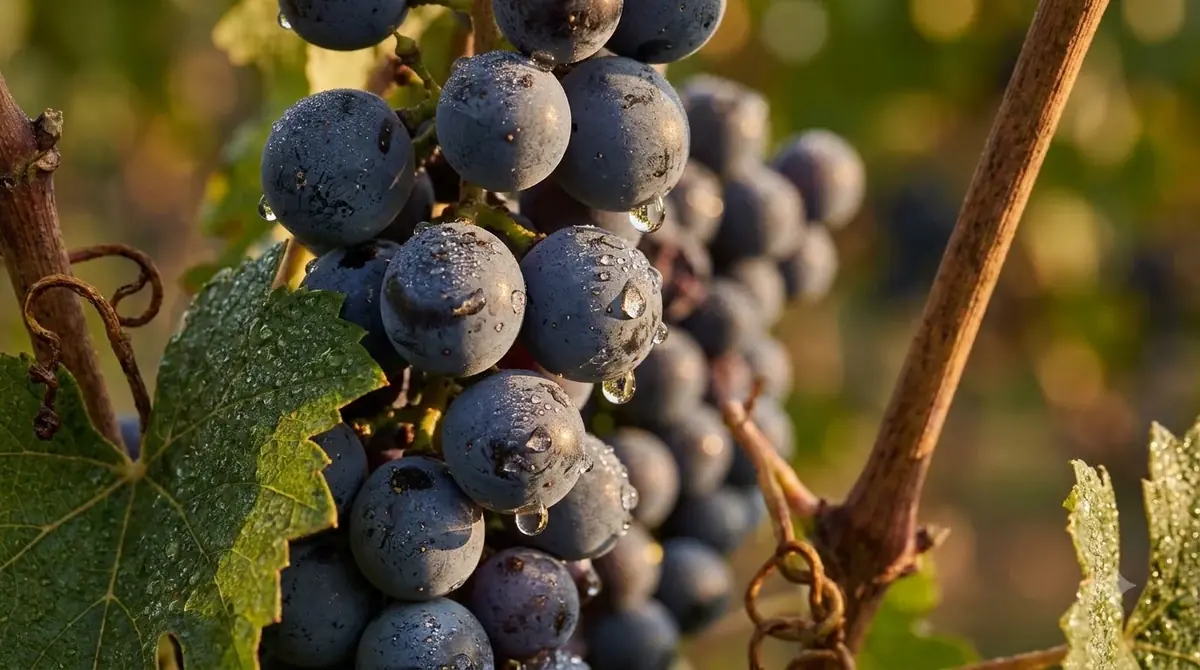
Mendoza is Argentina’s most important Malbec-producing region. Many of its vineyards sit at substantial elevations, and the region receives abundant sunshine, which encourages full ripeness and produces the concentrated fruit character associated with Argentine Malbec. However, warm growing conditions can also create challenges for maintaining acidity and controlling potential alcohol.
High-altitude vineyards offer a different balance. Areas of the Uco Valley produce wines with fresher fruit expression and more noticeable structure. The WSET overview of Malbec explains that Uco Valley vineyards reach approximately 1,500 meters, where sunny days and cool nights help preserve acidity, fresh fruit and floral qualities.
Cool nights matter because they can slow certain ripening processes and help preserve organic acids in the grapes. This does not mean every high-altitude Malbec automatically has high acidity. Vineyard exposure, water availability, harvest timing, soil characteristics and winemaking decisions also influence the final wine.
Warmer vineyard locations may produce fuller, riper expressions with concentrated blackberry, plum and chocolate notes. These wines can have relatively soft perceived acidity, especially when alcohol is elevated. Decanter notes that Malbec from Mendoza commonly exceeds 14% ABV, but its natural acidity can still contribute to balance when the grapes and wine are handled appropriately.
The distinction between high-altitude and warmer-site wines is useful when choosing a bottle. Someone who prefers a fresher, more structured red may enjoy an Uco Valley Malbec, while a drinker who prefers generous fruit and a rounder mouthfeel may prefer a warmer Mendoza expression. Neither style is automatically better; they simply offer different interpretations of the grape.
Malbec Acidity Compared With Other Red Wines
Malbec sits in the softer-acidity category compared with many lighter red varieties, although its structure can vary considerably by region. Comparing acidity alongside tannin and body gives a more accurate picture than relying on a single characteristic.
Cabernet Sauvignon generally has higher tannin and substantial structure, while Merlot usually feels softer and has medium tannin. Pinot Noir typically offers higher acidity and lower to medium tannin, making it feel brighter and lighter than many Malbec wines. Syrah commonly has medium-plus to high tannin and can feel more structured.
| Red grape | Typical acidity | Tannin level | General impression |
|---|---|---|---|
| Malbec | Medium-low | Medium | Round, dark-fruited and structured |
| Cabernet Sauvignon | Medium to high | High | Firm, concentrated and structured |
| Merlot | Medium | Medium | Softer, smooth and approachable |
| Pinot Noir | Medium-high to high | Low to medium | Fresh, lighter and more delicate |
| Syrah | Medium | Medium-plus to high | Rich, spicy and structured |
These are broad grape-style comparisons rather than fixed chemical rankings. Vineyard conditions, ripeness and winemaking can create exceptions. A cool-climate Malbec may feel fresher than a particularly ripe Cabernet Sauvignon, for example, while a warm-climate Pinot Noir may taste less sharp than expected.
The comparison explains why Malbec often appeals to drinkers who enjoy Cabernet Sauvignon but want a softer texture. Malbec can deliver dark fruit and satisfying structure without the same firm tannic grip. It also provides a different experience from Pinot Noir, which generally emphasizes freshness and red-fruit character rather than Malbec’s darker, fuller profile.
For additional grape comparisons, the Wine by Type resource can help explain how different varieties develop their characteristic structures. Remember that acidity, tannin, alcohol and body work together. A wine should not be judged solely by whether its acidity is classified as low, medium or high.
How Winemaking Changes the Acidity of Malbec
Winemaking decisions influence how much acidity remains in the finished wine and how strongly that acidity is perceived. Harvest timing, fermentation, malolactic conversion, blending and oak maturation can all change the final balance.
Harvest timing is particularly important. As Malbec grapes ripen, sugar levels generally increase while malic acid declines. Picking grapes later can therefore produce a fuller, riper style with greater potential alcohol and a softer impression of acidity. Picking earlier may preserve more freshness, although the winemaker must still achieve suitable flavor and tannin development.
Malolactic fermentation is another important factor. During this process, bacteria convert sharper malic acid into softer lactic acid. This can reduce total acidity and create a rounder impression. Many red wines undergo malolactic fermentation, including Malbec, although the precise approach varies among producers.
Blending can also modify the wine’s structure. Decanter identifies Cabernet Franc as a common blending partner for Malbec. Depending on the proportions and characteristics of the components, blending can change the final wine’s freshness, tannin, aromatic profile and overall balance.
Oak aging is frequently associated with rich Malbec styles, but oak does not automatically mean low acidity. Barrel maturation can influence texture and aromatic complexity, while the wine’s original acid composition remains an important part of its structure. Some producers also use concrete or stainless-steel vessels to emphasize fruit character and freshness.
Regional research reinforces the importance of these variables. An Argentine National Institute of Viticulture study examined 32 commercial Malbec wines from five provinces and evaluated acidity, astringency, bitterness, fruit aromas and floral characteristics. Its findings showed that different wines can have significantly different sensory profiles, even within the same grape variety.
Consequently, two bottles labeled Malbec may taste quite different. One may emphasize ripe blackberry and smooth tannins, while another may show red fruit, floral aromas and firmer acidity. The grape provides a foundation, but the finished wine reflects a combination of vineyard conditions and cellar decisions.
Best Food Pairings for Malbec’s Acidity
Malbec’s moderate-low acidity, medium tannins and full body make it particularly suitable for savory dishes with protein, fat and substantial flavor. The best pairings provide enough richness to complement the wine without overwhelming its fruit or structure.
Grilled steak is a classic match. Beef has enough protein and savory character to complement Malbec’s dark fruit, while fat helps soften the perception of tannin. A grilled ribeye, sirloin or skirt steak can work particularly well. Chimichurri adds herbal freshness, although very acidic sauces should be balanced against the wine’s own acidity.
Lamb is another excellent choice. Roasted leg of lamb, grilled lamb chops and slow-cooked shoulder provide rich flavors that work with Malbec’s blackberry and plum notes. Herbs such as rosemary, thyme and oregano complement the wine’s savory character without making the pairing excessively sweet.
Malbec also works with burgers, especially when they include mature cheese, grilled onions or mushrooms. Blue cheese can soften the impression of tannin and make the fruit character seem more pronounced. The wine’s moderate acidity also helps cut through some of the richness of a fatty burger.
For vegetarian meals, try grilled eggplant, mushroom dishes, roasted peppers and lentil-based preparations. Their savory flavors can complement Malbec’s darker fruit and earthy notes. A mushroom burger with aged cheese is another practical alternative to red meat.
There are some pairings that require more care. Highly acidic tomato sauces can make a moderate-low-acid red taste flat by comparison. If serving Malbec with tomato-based pasta, choose a sauce with enough richness and seasoning to support the wine, rather than relying entirely on sharp tomato acidity.
Very spicy dishes are also challenging. Chili heat can become more pronounced alongside alcohol and tannin, especially in a full-bodied Malbec with alcohol above 14% ABV. For heavily spiced food, a softer, lower-alcohol red or a wine with some sweetness may be a more comfortable choice.
Oily fish is another less suitable pairing. The combination of oily fish and tannic red wine can create unpleasant flavors and textures. Lighter seafood dishes generally work better with fresh white wines than with a full-bodied Malbec.
How to Choose and Serve Malbec for Better Balance
Choosing a Malbec with the right acidity starts with its growing region and style. Bottles from cooler, higher-altitude locations often offer a fresher impression, while warmer sites can deliver more concentrated fruit and a softer overall texture.
For a fresher style, look for Malbec from Gualtallary, other parts of the Uco Valley or cooler vineyard sites. These regions can produce wines with pronounced red fruit, floral aromas and more noticeable structure. They are useful choices for drinkers who enjoy acidity but still want Malbec’s characteristic dark-fruit profile.
For a rounder style, look for richer expressions from warmer Mendoza locations. These wines commonly emphasize plum, blackberry, chocolate and ripe fruit. Their acidity may be less prominent in the mouth, although it remains important for balance.
French Malbec from Cahors offers another interesting comparison. Wine Enthusiast explains that Cahors red wine must contain at least 70% Malbec. These wines can show a different relationship between fruit, earthiness and tannin from many Argentine examples. They are worth exploring if you enjoy a more structured interpretation of the grape.
Serving temperature can make a meaningful difference. A full-bodied Malbec is generally best served around 60–65°F rather than at a warm room temperature. Excessive warmth can emphasize alcohol and reduce the perception of freshness, while slightly cooler service can make the wine feel more balanced.
Decanting is optional but useful for some young, concentrated bottles. A period of approximately 30–60 minutes can allow a full-bodied young red to open and become more expressive. Not every Malbec needs extended aeration, so start with a small pour and evaluate its aromas and texture before deciding whether more time is helpful.
Storage also matters. Keep unopened bottles away from direct sunlight and temperature fluctuations, ideally in a cool environment near 55°F. Bottles with natural cork closures should generally be stored on their sides. Once opened, reseal the wine and refrigerate it; most still wines remain enjoyable for approximately 3–5 days, although their freshness gradually declines.
Alcohol content can also help explain why a particular Malbec feels heavier or warmer than another. The Malbec alcohol content guide provides additional context about typical strength and how alcohol contributes to the overall drinking experience. If you are comparing nutritional information, the separate calories in Malbec and Malbec carbs resources cover those details.
Frequently Asked Questions
Does Malbec have citric acid?
Malbec, like other wines, contains several organic acids, but tartaric and malic acids are particularly important in grape composition. Citric acid may also occur in wine in smaller quantities, depending on grape chemistry and winemaking. It is not the primary reason Malbec tastes fresh or balanced.
Is Malbec suitable for people who dislike sour wine?
Malbec is often a comfortable choice for drinkers who prefer softer reds rather than sharp, highly acidic wines. Its ripe plum and blackberry flavors can create a rounded impression, especially in warmer-climate examples. However, individual bottles vary, and cooler-region Malbec can taste noticeably fresher.
Does older Malbec always have less acidity?
No. Bottle aging does not follow a simple rule in which acidity steadily disappears. Acidity remains an important part of the wine’s chemical structure, although aging can change fruit aromas, tannin texture and the overall impression of balance. Well-made Malbec intended for aging can develop for several years.
Can Malbec be made into a white wine?
Yes. Malbec grapes can be used to produce white wine when the juice is separated from the dark skins quickly enough to limit color extraction. This style is sometimes described as blanc de noirs. It is less common than red Malbec, but it demonstrates that grape color and finished wine color are not necessarily the same thing.
Does Malbec acidity change with vintage conditions?
Yes. Seasonal temperatures, rainfall, harvest dates and grape development can influence the balance of organic acids from one vintage to another. A particularly warm growing season may produce riper grapes with lower retained acidity, while cooler conditions can help preserve freshness. Winemaking choices also affect the final result.
Malbec acidity is generally moderate to low, but it plays an essential role in keeping the grape’s ripe fruit, alcohol and tannins in balance. For a fresher expression, explore high-altitude Malbec from Argentina’s Uco Valley; for a softer, richer experience, try a warmer Mendoza style. Understanding these differences makes it easier to select a bottle that suits your palate and the food on your table.
More in Wine Types & Grapes
 What Does Mourvèdre Taste Like? Flavor Profile, Regions, and PairingsUpdated Nov 20, 2026
 What Does Marsanne Taste Like? Flavors, Styles, and Food PairingsUpdated Nov 20, 2026
 What Does Malvasia Taste Like? Styles, Flavors, and Food PairingsUpdated Nov 20, 2026
 What Does Grenache Blanc Taste Like? Flavor Profile, Styles, and PairingsUpdated Nov 20, 2026
 What Does Garnacha Taste Like? Key Flavors, Styles, and Pairing TipsUpdated Nov 20, 2026
 What Does Fruit Wine Taste Like? A Complete Flavor and Style BreakdownUpdated Nov 20, 2026