

We may earn a commission when you buy through links on this page, at no extra cost to you. Learn more.
Is Sancerre sweet or dry? Sancerre is typically a dry wine, especially the famous white version made from Sauvignon Blanc grapes in France’s Loire Valley. It has very little residual sugar, bright acidity, and refreshing flavors of lemon, grapefruit, green apple, and gooseberry. Although its fruit-forward aromas can suggest sweetness, traditional white Sancerre finishes crisp, clean, and decidedly dry.
Sancerre is a popular choice for people who enjoy refreshing white wine without the sugary finish associated with sweeter styles. Its combination of citrus fruit, herbal aromas, mineral character, and lively acidity makes it particularly appealing as an aperitif and alongside seafood. However, understanding the difference between white, red, and rosé Sancerre helps explain why bottles from the same appellation can taste quite different.
Is Sancerre Sweet or Dry? Understanding Its Sugar Content
White Sancerre is a dry wine with very little residual sugar. Its crisp finish comes from fermented Sauvignon Blanc grapes, naturally refreshing acidity, and a restrained fruit profile rather than noticeable sweetness.
Residual sugar refers to the natural grape sugar that remains in wine after alcoholic fermentation. During fermentation, yeast converts grape sugars into alcohol and carbon dioxide. When fermentation consumes nearly all the available fermentable sugar, the resulting wine tastes dry.
Traditional Sancerre Blanc follows this dry style. For a specific example, producer Franck Millet lists its Sancerre Blanc at less than 2.5 grams of residual sugar per liter, with an alcohol content of 12.5%. This demonstrates how little sugar can remain in a typical bottle while the wine still delivers expressive fruit aromas and a rounded mouthfeel.
That sugar measurement belongs to the particular Franck Millet wine, not every bottle carrying the Sancerre name. Individual producers and vintages can differ, but the established white Sancerre style is dry rather than sweet.
It is also helpful to distinguish between perceived sweetness and actual sugar content. A wine can smell like ripe pear, peach, or tropical fruit without containing enough residual sugar to taste sweet. Aromas influence how the brain interprets flavor, while acidity and fermentation determine much of the wine’s actual taste balance.
| Wine characteristic | Typical white Sancerre style |
|---|---|
| Sweetness | Dry |
| Residual sugar | Generally low; producer examples can be below 2.5 g/L |
| Main grape | 100% Sauvignon Blanc |
| Acidity | High |
| Body | Light to medium |
| Alcohol | Varies by producer and vintage; one documented example is 12.5% |
| Common flavors | Lemon, grapefruit, green apple, gooseberry |
| Finish | Crisp, fresh, and mineral |
For anyone who prefers sweet wines, Sancerre will generally taste noticeably drier than Moscato or a sweet Riesling. If you are comparing different sweetness categories, our explanation of is Moscato sweet or dry provides a useful contrast. Moscato is often aromatic and noticeably sweet, while classic Sancerre emphasizes acidity and freshness.
Another important point is that the word Sancerre identifies a French wine appellation rather than a sweetness category. Its white wines have a defined grape and production style, but the appellation also permits red and rosé wines. The color and grape variety therefore matter when identifying what you are drinking.
What Does Sancerre Taste Like?
White Sancerre tastes crisp, citrusy, herbal, and mineral, with high acidity and a clean finish. Its recognizable flavor profile combines fresh fruit with savory aromas that make it more complex than a simple, lightly flavored white wine.
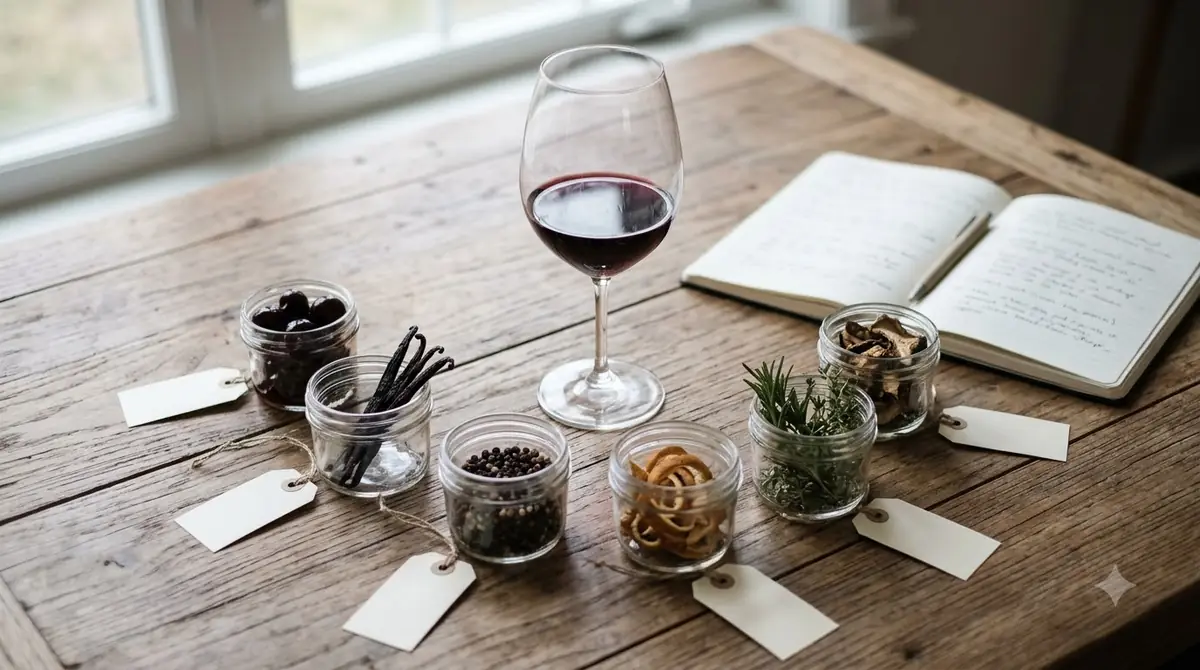
Lemon and grapefruit are among the most recognizable flavors. Depending on the producer, vineyard site, and vintage, you might also notice green apple, gooseberry, lime, white peach, or subtle floral notes. These flavors create a lively impression without making the wine sugary.
Herbal aromas are another defining feature. Fresh-cut grass, green herbs, and occasionally notes reminiscent of nettles or boxwood can appear alongside the citrus fruit. These characteristics are closely associated with Sauvignon Blanc, the grape responsible for white Sancerre.
Minerality contributes another dimension. Some bottles have a chalky or stony impression, while others show a more pronounced flinty aroma. These qualities are especially interesting because Sancerre has several distinct soil types that influence the character of its wines.
Why Fruity Does Not Mean Sweet
A common misunderstanding is that a wine with noticeable fruit flavors must contain sugar. However, fruitiness describes aromas and flavors, whereas sweetness describes a taste sensation associated with residual sugar.
Consider the difference between biting into a ripe green apple and drinking sweet apple juice. Both can have recognizable apple flavors, but their sweetness levels are very different. Sancerre is closer to the crisp, tart side of that comparison.
Its high acidity also makes the wine feel especially refreshing. Acidity creates a mouthwatering sensation and balances fruit aromas, helping the finish remain clean rather than syrupy. This is one reason Sancerre works well before a meal and alongside foods that benefit from a fresh, acidic white wine.
Compared with many New Zealand Sauvignon Blanc wines, Sancerre often presents a more restrained combination of citrus, herbs, and mineral character. Both styles can be dry, but their aromas, intensity, and overall balance may differ considerably.
How Sancerre’s Three Soil Types Influence Its Flavor
Sancerre’s three principal soil types are Terres Blanches, Caillottes, and Silex. They contribute different expressions of Sauvignon Blanc, ranging from fuller-bodied and powerful wines to elegant, balanced, and distinctly flinty examples.
The Sancerre appellation is located in the Cher department of France’s Centre-Val de Loire region, on the left bank of the Loire River. According to the Sancerre appellation organization, its vineyard area covers approximately 3,025 hectares across 14 communes and three hamlets.
This relatively compact growing area contains substantial geological variation. Understanding the three major soil categories helps explain why two bottles of Sancerre can have noticeably different textures and aromas while remaining dry wines.
Terres Blanches: Fuller and More Powerful
Terres Blanches, meaning white earth, refers to calcareous clay and marl-rich soils. These soils are associated with broader, fuller-bodied expressions of Sauvignon Blanc.
Wines from these sites can show ripe citrus, white fruit, and a more substantial texture. Although they may feel rounder than other Sancerre examples, that fuller impression does not automatically indicate additional residual sugar.
For someone who enjoys Sauvignon Blanc but finds some versions too sharp or lightweight, a Terres Blanches bottling can offer an appealing balance between freshness and texture.
Caillottes: Elegant and Balanced
Caillottes describes limestone-rich and chalky soils that are associated with elegant, balanced wines. These Sancerre examples often emphasize citrus, freshness, and a precise mineral impression.
Their combination of lively acidity and relatively light body makes them suitable for seafood, fresh goat cheese, and simple vegetable dishes. They are also a natural choice for drinkers who prefer a classic, refreshing white wine.
Silex: Flint and Mineral Character
Silex refers to flint-rich soils that can contribute a distinctive stony or gunflint character. Wine Enthusiast notes that wines from these sites can have particularly pronounced gunflint qualities and greater aging potential.
Some Silex wines have a more structured impression, with citrus fruit balanced by savory, mineral aromas. Their personality can be particularly appealing to people who enjoy Chablis or other dry whites with a pronounced mineral character.
These differences show why Sancerre should not be described as having just one flavor profile. Soil, climate, vineyard location, and winemaking decisions all contribute to the finished wine. Nevertheless, the familiar white Sancerre style remains dry, refreshing, and Sauvignon Blanc-driven.
White, Red, and Rosé Sancerre: What Is the Difference?
Sancerre produces three wine colors, but white Sancerre is the best-known style. White wines use Sauvignon Blanc, while red and rosé wines use Pinot Noir, giving them different fruit characteristics, textures, and serving possibilities.
According to the Sancerre appellation organization, the three styles are produced within the same French wine region. White Sancerre received appellation recognition in 1936, followed by red and rosé Sancerre in 1959.
White Sancerre
White Sancerre is the classic expression most people mean when they mention the wine without specifying a color. Made entirely from Sauvignon Blanc, it is typically dry, high in acidity, and light to medium in body.
Expect lemon, grapefruit, gooseberry, green apple, and herbal aromas. Depending on the vineyard and producer, mineral notes can range from chalky to distinctly flinty.
Most examples emphasize freshness rather than oak influence. Wine Enthusiast reports that many producers use stainless steel tanks or previously used barrels to retain Sauvignon Blanc’s varietal character.
Red Sancerre
Red Sancerre is made from Pinot Noir. It offers a different experience from the region’s famous white wine, with lighter body, red-fruit flavors, and relatively delicate tannins.
Cherry, strawberry, raspberry, and subtle earthy notes can appear in the glass. The wine generally offers a fresher, lighter red style than fuller-bodied wines made from Cabernet Sauvignon or Syrah.
Red Sancerre is a useful option for people who prefer Pinot Noir and want a French red wine with freshness rather than heavy tannins or dense dark-fruit flavors.
Rosé Sancerre
Rosé Sancerre is also made from Pinot Noir. It generally offers delicate red-fruit and floral aromas, with refreshing acidity and a dry finish.
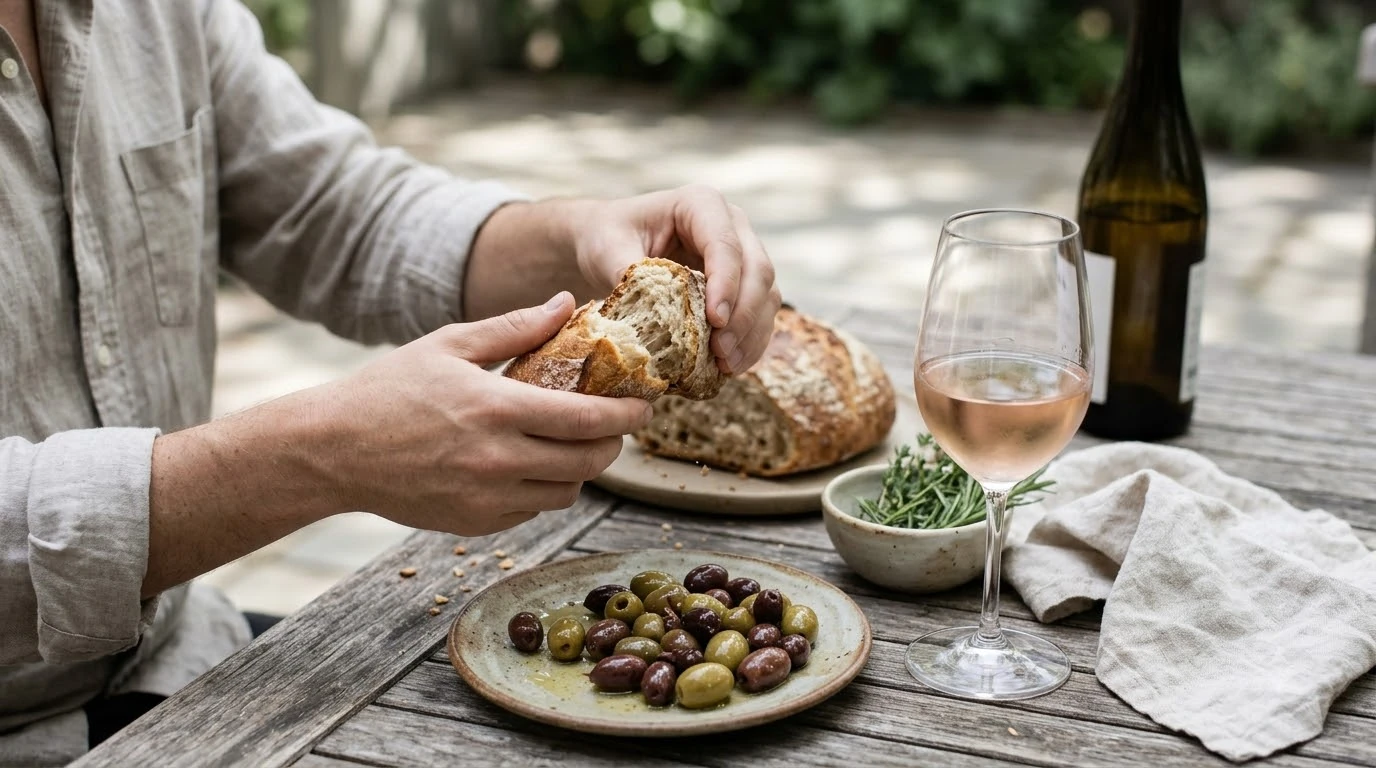
Strawberry, raspberry, red currant, and citrus are possible flavor characteristics. Its lighter structure makes it suitable for warm-weather meals, seafood, salads, and grilled poultry.
Rosé Sancerre should not be confused with sweet rosé wines. Many French rosés are produced in a dry style, and Sancerre rosé follows that general direction. For another useful comparison, read our explanation of is rosé sweet or dry.
The important distinction is that the word Sancerre alone does not guarantee a particular color. White remains the familiar choice, but red and rosé versions are legitimate expressions of the appellation.
How to Serve Sancerre for the Best Experience
Serve white Sancerre chilled at approximately 45–50°F to highlight its citrus aromas, acidity, and refreshing character. Excessive cold can suppress its aromas, while warmer temperatures can make the wine feel less crisp.
A refrigerator is a convenient way to prepare a bottle for serving. If the wine has been stored at room temperature, chilling it before opening helps bring it into the appropriate serving range.
There is no need to serve every white wine at the same temperature. Fuller-bodied whites generally benefit from slightly warmer serving conditions, but classic Sancerre is usually best enjoyed on the cooler side of the white-wine range.
Choosing the Right Glass
A standard white wine glass with a moderately narrow bowl works well for Sancerre. It provides enough room for citrus, herbal, and mineral aromas to develop while maintaining a focused drinking experience.
There is no requirement to use a specialized glass. A clean white wine glass is sufficient for casual meals, dinner parties, or a simple aperitif.
Pour approximately 5 ounces per serving. A standard 750 ml bottle provides about five glasses, making it a practical size for a small dinner gathering.
Opening and Storing the Bottle
Most young Sancerre wines are ready to drink without decanting. Unlike some young full-bodied reds, which can benefit from 30–60 minutes of aeration, fresh Sauvignon Blanc generally needs little preparation beyond proper chilling.
After opening, close the bottle with its original closure or a suitable wine stopper and refrigerate it. Most opened still wines remain enjoyable for approximately three to five days when stored properly, although freshness and aromatic intensity can gradually decline.
Unopened bottles should be stored away from direct sunlight, heat, and temperature fluctuations. A cool storage environment near 55°F is a useful target, and bottles with traditional cork closures should generally be stored on their sides.
Tip: Take Sancerre out of the refrigerator briefly before serving if it feels extremely cold. A small temperature adjustment can help reveal its lemon, gooseberry, floral, and flinty aromas without sacrificing its refreshing character.
For special bottles, follow the producer’s guidance on aging. Many straightforward Sancerre whites are best enjoyed relatively young, while more structured single-vineyard wines can develop additional complexity. Decanter’s guide to Sancerre’s flavor, aging potential, and food pairings discusses how selected vineyard wines can benefit from several years of bottle aging.
Best Food Pairings for Dry Sancerre
Dry Sancerre pairs particularly well with seafood, fresh goat cheese, grilled fish, sushi, and vegetable dishes. Its high acidity refreshes the palate, while citrus and herbal flavors complement delicate ingredients without overwhelming them.
One of the most traditional pairings is Crottin de Chavignol, a regional goat cheese associated with the Sancerre area. The combination works because the wine’s acidity balances the cheese’s creamy, tangy character.
Seafood and Fish
White Sancerre is an excellent match for oysters, shrimp, scallops, and other shellfish. Lemon and mineral notes complement the natural flavors of seafood, while acidity helps balance the richness of sauces and dressings.
Grilled white fish is another reliable choice. Try Sauvignon Blanc with grilled cod, sole, halibut, or sea bass seasoned with lemon, fresh herbs, and a modest amount of olive oil.
Raw fish dishes can work especially well. Sushi and sashimi are classic options because the wine’s clean finish complements delicate fish without adding heavy tannins or overwhelming oak flavors.
Goat Cheese and Fresh Salads
Fresh goat cheese is one of the most recognizable Sancerre pairings. A salad containing goat cheese, mixed greens, walnuts, and a citrus vinaigrette brings together creamy, earthy, and acidic flavors.
Vegetables such as asparagus and artichokes can also work well with Sauvignon Blanc. The wine’s herbal character provides a natural flavor connection, while its acidity keeps the pairing refreshing.
For a simple appetizer, serve chilled Sancerre with a goat cheese crostini topped with fresh herbs. This is an easy combination that works for casual entertaining or a more formal dinner.
Chicken and Lighter Main Courses
Roasted chicken with lemon, thyme, and herbs makes a good pairing for Sancerre. The wine has enough freshness to balance the savory flavors without overwhelming the relatively delicate meat.
Grilled turkey, herb-roasted vegetables, and lightly seasoned white-meat dishes are other practical choices. Creamy sauces can also work, particularly when their richness is balanced by the wine’s acidity.
Very spicy foods are generally less suitable because alcohol and chili heat can amplify one another. Similarly, heavily smoked or strongly sweetened sauces can overwhelm the delicate fruit and mineral characteristics of Sancerre.
Matching Sancerre With Other Wine Styles
When selecting wine for a meal, sweetness and acidity matter more than simply matching the color of the wine to the food. Acidic dishes usually benefit from wines with equal or higher acidity, which is one reason Sancerre works so well with lemon-seasoned fish and vinaigrette-based salads.
If you prefer sparkling wine for seafood or celebrations, another option is is Brut Champagne sweet or dry. Brut Champagne is generally dry, although its bubbles and more pronounced sparkling character create a different experience from still Sancerre.
For more comparisons between grape varieties, colors, and sweetness levels, explore our Wine by Type collection. Understanding the differences between dry, off-dry, and sweet wines makes choosing a bottle much easier.
Frequently Asked Questions
Does Sancerre contain sulfites?
Yes, Sancerre can contain sulfites, as can many other wines. Sulfur dioxide may occur naturally during fermentation, and winemakers may also use it to help protect wine from oxidation and unwanted microbial activity. The amount varies according to the producer and winemaking decisions.
Is Sancerre the same as Pouilly-Fumé?
No. Both are neighboring Loire Valley appellations known for dry Sauvignon Blanc, but they are separate wine-producing areas. Pouilly-Fumé is located on the opposite bank of the Loire River, in the Nièvre department, while Sancerre is on the left bank in Cher.
Can Sancerre be made with Chardonnay?
No. Chardonnay is not an authorized grape for Sancerre wines. White Sancerre uses Sauvignon Blanc, while the appellation’s red and rosé wines use Pinot Noir. This distinction is part of what makes the Sancerre designation recognizable.
Is Sancerre suitable for vegetarian meals?
Yes. Dry white Sancerre can accompany many vegetarian dishes, including vegetable tarts, asparagus preparations, mushroom dishes, and fresh goat cheese salads. Its herbal character makes it particularly compatible with green vegetables and fresh herbs.
How do you pronounce Sancerre?
Sancerre is commonly pronounced approximately as sahn-SEHR in English. The name comes from the French appellation and the historic hilltop town in the Loire Valley. The final French consonant is pronounced rather than treated as silent, which helps distinguish the name from some other French wine terms.
Sancerre is an excellent choice if you enjoy dry white wine with crisp acidity, citrus fruit, herbal aromas, and mineral character. Its classic Sauvignon Blanc expression is refreshing and food-friendly, while its Pinot Noir reds and rosés offer additional styles worth exploring. For a dependable starting point, choose a chilled white Sancerre and pair it with seafood or Crottin de Chavignol goat cheese.
More in Wine Types & Grapes
 Zinfandel Sugar Content: Dry Red vs. White Zinfandel GramsUpdated Nov 21, 2026
 Best Zinfandel Substitute Options for Sipping and CookingUpdated Nov 21, 2026
 Zweigelt Food Pairing: Best Dishes, Cheeses, and Serving TipsUpdated Nov 21, 2026
 Zinfandel Tannins Explained: How Structure Shapes Every BottleUpdated Nov 21, 2026
 Zinfandel Sweetness Level: Dry Red vs. Sweet White Zin ExplainedUpdated Nov 21, 2026
 Xinomavro Food Pairing: Best Dishes, Styles, and Serving TipsUpdated Nov 21, 2026