

We may earn a commission when you buy through links on this page, at no extra cost to you. Learn more.
How to serve sauternes: Serve this French sweet white wine chilled at approximately 43–50°F, in a medium-sized white wine glass, with a modest 2–3-ounce pour. The cool temperature preserves its freshness while allowing its honey, apricot, citrus, and floral aromas to develop. Sauternes pairs beautifully with foie gras, blue cheese, roasted poultry, and fruit desserts, making it suitable for both savory courses and the end of a meal.
Sauternes deserves a little more attention at the table than an ordinary white wine. Made in Bordeaux from grapes affected by noble rot, it combines concentrated sweetness with refreshing acidity and considerable aromatic complexity. Serving it correctly brings these qualities into balance rather than allowing the sugar to dominate. Whether opening a young bottle for guests or an older vintage for a special dinner, a few practical decisions about chilling, glassware, pouring, and food make a noticeable difference.
1. Serve Sauternes at the Right Temperature
The ideal serving temperature for Sauternes is approximately 45–50°F (7–10°C). This range keeps the wine refreshing while allowing its honeyed fruit, floral aromas, and complex flavors to remain expressive. Serving it too cold can hide its character, while excessive warmth can make its sweetness seem heavy.
Refrigeration is the simplest way to prepare a bottle. Place it in the refrigerator for approximately 2–3 hours before serving, then remove it about 10–15 minutes before pouring. Wine Enthusiast recommends chilling Sauternes and taking it out of the refrigerator shortly before service. This gradual warming helps the wine reveal its aromas as it reaches the glass.
Temperature also depends on the wine’s age and the food being served. A young Sauternes often benefits from the cooler end of the range, particularly when served as an aperitif or alongside a sweet dessert. An older, mature bottle may show more complexity with a little additional warmth, although it should still feel pleasantly cool.
Temperature recommendations by serving situation
| Serving situation | Temperature | Purpose |
|---|---|---|
| Young Sauternes | 43–47°F | Preserves freshness and aromatic lift |
| General service | 45–50°F | Balances sweetness and acidity |
| Mature Sauternes | 48–52°F | Allows developed aromas to emerge |
| With spicy dishes | 43–46°F | Keeps the wine refreshing alongside heat |
| With rich cheese | 45–50°F | Balances creamy textures and sweetness |
These are practical serving targets rather than strict rules. The appropriate temperature can vary with vintage, bottle condition, and personal preference. Wine Enthusiast gives sweet wines such as Sauternes a well-chilled recommendation of 43–48°F, while Decanter discusses serving sweet Bordeaux wines around 9–10°C in its guidance on sweet wine service.
For an easy cooling method, use a refrigerator rather than placing the bottle in a freezer. If the bottle becomes too cold, simply leave it on the table for several minutes. A wine thermometer can help, but careful timing and a little attention to the wine in the glass are usually sufficient.
Tip: Avoid serving Sauternes straight from an extremely cold refrigerator. Pour a small sample first and allow it to warm for a few minutes. If the aromas seem muted, give the wine a little more time before serving the remaining glasses.
2. Choose the Best Glass and Pour Size
A medium-sized white wine glass with a gently tapered rim is an excellent choice for Sauternes. Its bowl provides enough room for the wine’s concentrated aromas to develop, while the narrower opening helps direct those aromas toward the nose. A small dessert wine glass is not necessary, even though Sauternes is traditionally associated with dessert.
Glassware affects how the wine feels and smells during a meal. Sauternes commonly displays aromas of honey, apricot, peach, citrus peel, and tropical fruit. Older bottles can develop additional notes of marmalade, toasted nuts, caramel, and baking spices. A glass with a moderately generous bowl gives these aromas room to emerge without requiring excessive swirling.
Decanter’s guidance on sweet wine service includes advice from Château Coutet’s Aline Baly, who prefers ordinary white wine glasses over small dessert glasses. This approach also makes sense for a wine that can accompany several courses rather than appearing only with pudding.
How much Sauternes should you pour?
A serving of 2–3 ounces is a practical starting point. Sauternes is concentrated and sweet, so a smaller serving allows guests to appreciate its richness without making the wine feel overwhelming. The portion also leaves enough room for swirling and smelling the wine.
A standard 750 ml bottle contains approximately 25.4 fluid ounces. At a 2.5-ounce serving size, one bottle provides roughly 10 servings. A 375 ml half bottle contains approximately 12.7 fluid ounces, making it suitable for a small gathering or a dinner for two to four people, depending on the pour size.
Do not fill the glass to the rim. Leave room for the aromas to collect in the bowl, and pour slowly to avoid splashing the wine against the sides. A smaller first pour is especially useful when serving Sauternes alongside several different dishes.
Should you use a special dessert wine glass?
You can use a dessert wine glass if you prefer its appearance or already own one. However, a conventional white wine glass is often more versatile. It works for an aperitif, a cheese course, or a dessert pairing without making the wine seem restricted to the final course.
For a formal dinner, use clean, odor-free glassware. Residual detergent, strong dishwashing scents, or traces of another beverage can interfere with the wine’s delicate aromatic details. Rinse glasses thoroughly and allow them to dry before pouring.
3. Pair Sauternes with Savory Foods
Sauternes is not exclusively a dessert wine. Its combination of natural sweetness, acidity, and concentrated fruit makes it a compelling partner for salty, rich, and savory foods. Foie gras, Roquefort, lobster, roasted poultry, and certain spicy seafood dishes are particularly interesting options.
The classic pairing is Sauternes with foie gras. The richness of the liver contrasts with the wine’s acidity, while its sweetness complements the dish’s savory depth. This combination works particularly well when the foie gras is served as a small appetizer rather than a large main course.
Blue cheese is another established pairing. Roquefort, in particular, brings saltiness and intense flavor that contrast with the honeyed sweetness of Sauternes. The creamy texture of the cheese also complements the wine’s full-bodied character.
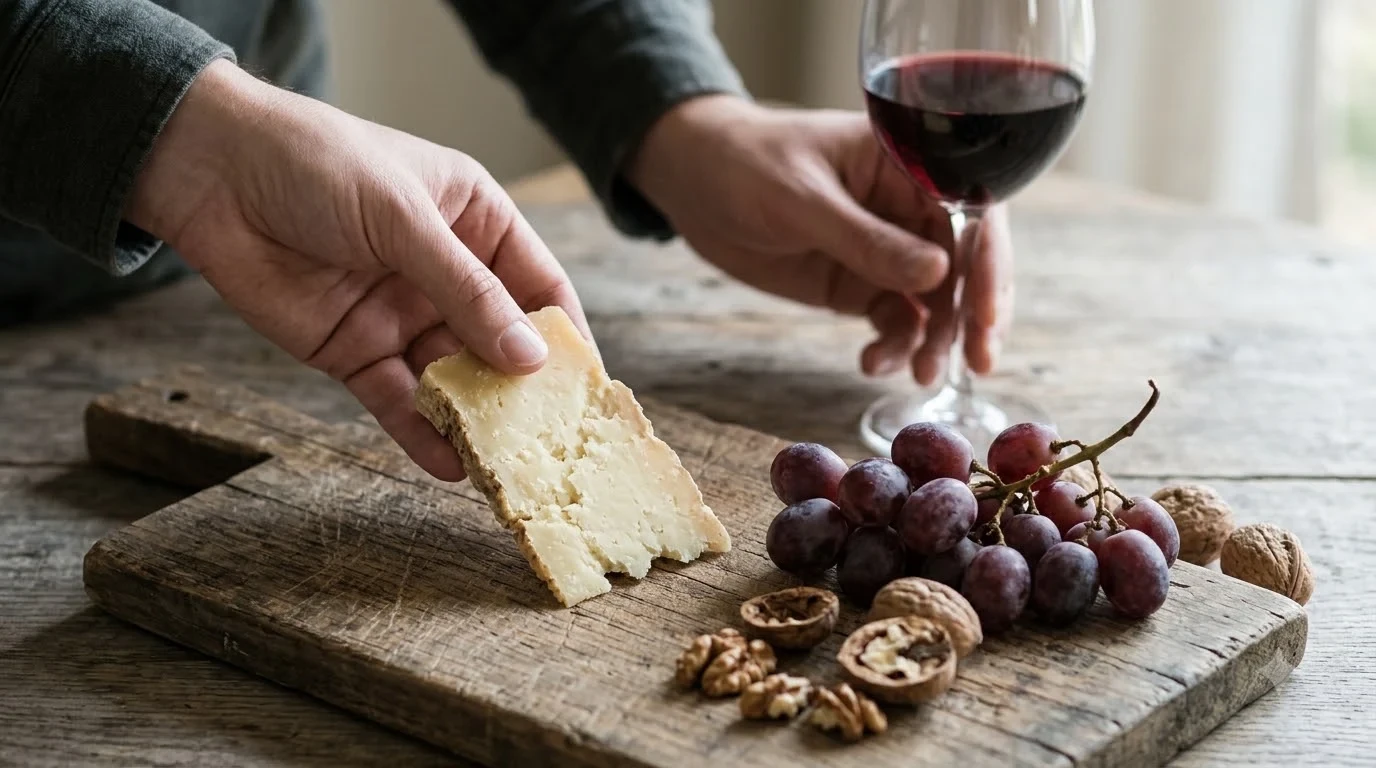
Serve the cheese in moderate portions so that its salt and flavor do not overwhelm the wine. A small cheese board containing Roquefort, another blue cheese, and a mild creamy cheese gives guests an opportunity to compare different combinations. Crackers and plain bread provide a neutral base without introducing too much additional sweetness.
Seafood and poultry pairings
Seafood can also work surprisingly well. Lobster with butter, scallops with a lightly seasoned cream sauce, and shellfish with a touch of citrus can complement the wine’s richness. The acidity helps refresh the palate between bites, while the fruit character adds another dimension to the dish.
Decanter’s coverage of sweet wine pairings highlights lobster as a favorite combination for Château Coutet’s Aline Baly. The article also mentions shellfish starters and roast chicken as suitable courses for sweet Bordeaux wines. These examples demonstrate why Sauternes should not be reserved exclusively for dessert. For additional pairing ideas, see Decanter’s advice on serving and preserving sweet wines.
Roasted chicken is particularly versatile because its relatively mild flavor allows the wine to remain noticeable. A preparation with herbs, a lightly creamy sauce, or roasted root vegetables provides enough richness to complement the wine without competing with its sweetness.
Pairing Sauternes with spicy dishes
Spicy food requires some thought, but Sauternes can be a useful partner. Its sweetness can soften the perception of chili heat, especially in dishes with seafood, ginger, and aromatic spices. A prawn curry with moderate chili seasoning is an interesting alternative to traditional French pairings.
Decanter specifically highlights prawn curry as a creative pairing for Sauternes, explaining that the wine’s residual sugar can handle the spice. Keep the dish balanced rather than extremely hot, because high alcohol and intense chili can still create an uncomfortable combination.
For a simple dinner, serve a small glass of Sauternes with lightly spiced shrimp, rice, and a mild coconut-based sauce. The combination of seafood, gentle heat, and creamy texture provides several points of contrast with the wine.
Other useful savory combinations include:
- Foie gras with toasted brioche.
- Roquefort with plain crackers or bread.
- Lobster with a moderate amount of butter.
- Roasted chicken with herbs and light cream sauce.
- Scallops with a mild citrus dressing.
- Prosciutto with melon or lightly seasoned fruit.
- Gently spiced prawns with rice.
For more ideas on choosing wines for different occasions, explore our Wine by Type collection.
4. Serve Sauternes with the Right Desserts
Sauternes is an excellent dessert wine, particularly with fruit-based desserts, cheesecake, and lightly sweetened pastries. The most important rule is that the dessert should be no sweeter than the wine. If the food contains considerably more sugar, the Sauternes can taste less flavorful and seem thin by comparison.
Fruit desserts are often the easiest place to start. Apple tart, pear tart, peach desserts, and other preparations featuring ripe fruit can complement the wine’s apricot, honey, and citrus characteristics. A lightly sweetened fruit tart is especially useful because its acidity and pastry texture create a pleasant contrast with the wine.
Cheesecake is another good option, particularly when it has a simple vanilla or citrus profile. Its creamy texture works with the full body of Sauternes, while a restrained amount of sugar allows the wine to retain its aromatic presence. Fresh strawberries and other ripe fruit can also provide a refreshing finish to the meal.
Popular dessert pairings
Consider the following combinations when planning a dessert course:
- Apple tart: Its fruit flavor and pastry richness complement honeyed aromas.
- Pear tart: Delicate fruit character works well with the wine’s floral notes.
- Cheesecake: Creamy texture balances the wine’s acidity and sweetness.
- Fresh strawberries: Their natural fruit character creates a lighter pairing.
- Peach desserts: Ripe peach flavors echo the wine’s stone-fruit profile.
- Light vanilla custard: Its smooth texture complements the wine without requiring intense additional flavors.
Chocolate desserts require more care. Dark chocolate can introduce bitterness that competes with the delicate fruit character of Sauternes. A lightly flavored white chocolate or vanilla-based dessert may work better, provided its sweetness remains moderate.
Crème brûlée can be considered, but its caramelized sugar topping should not dominate the wine. A restrained preparation is preferable to an intensely sweet version with a thick layer of caramel. The objective is to maintain a balance between the dessert and the wine rather than creating two competing sources of sweetness.
When should you serve Sauternes during dessert?
Serve it alongside dessert rather than waiting until everyone has finished eating. This gives guests the opportunity to compare the wine with the food and notice how the flavors change together. A 2–3-ounce serving is generally sufficient for a dessert course.
For a tasting menu, you can also serve Sauternes with a small cheese course before dessert. Roquefort followed by a lightly sweetened pear tart creates a natural progression from savory richness to fruit-based sweetness.
If you are planning a broader white wine selection for dinner, our guides on how to serve Pinot Grigio and how to serve Pinot Gris explain how different white wine styles require different serving conditions.
5. Open, Decant, and Serve Sauternes Correctly
Most bottles of Sauternes do not require extensive preparation beyond opening, chilling, and pouring. Young examples generally show their aromas without prolonged aeration, while older bottles benefit from careful handling. The goal is to preserve their freshness and complexity rather than expose them to unnecessary oxygen.
Begin by removing the capsule and examining the cork. Open the bottle gently with a suitable corkscrew, keeping the bottle steady and avoiding unnecessary movement. If the cork is fragile, work slowly to prevent pieces from falling into the wine.
After opening, pour a small sample into a white wine glass. Observe the color, smell the wine, and take a small sip. Look for a balance between sweetness and acidity, along with recognizable aromas of fruit, honey, flowers, or spice.
Does Sauternes need decanting?
Decanting is usually optional for young Sauternes. Pouring directly into a glass provides enough initial contact with air for most bottles to express their aromas. Excessive aeration can gradually reduce freshness and make a delicate wine less appealing.
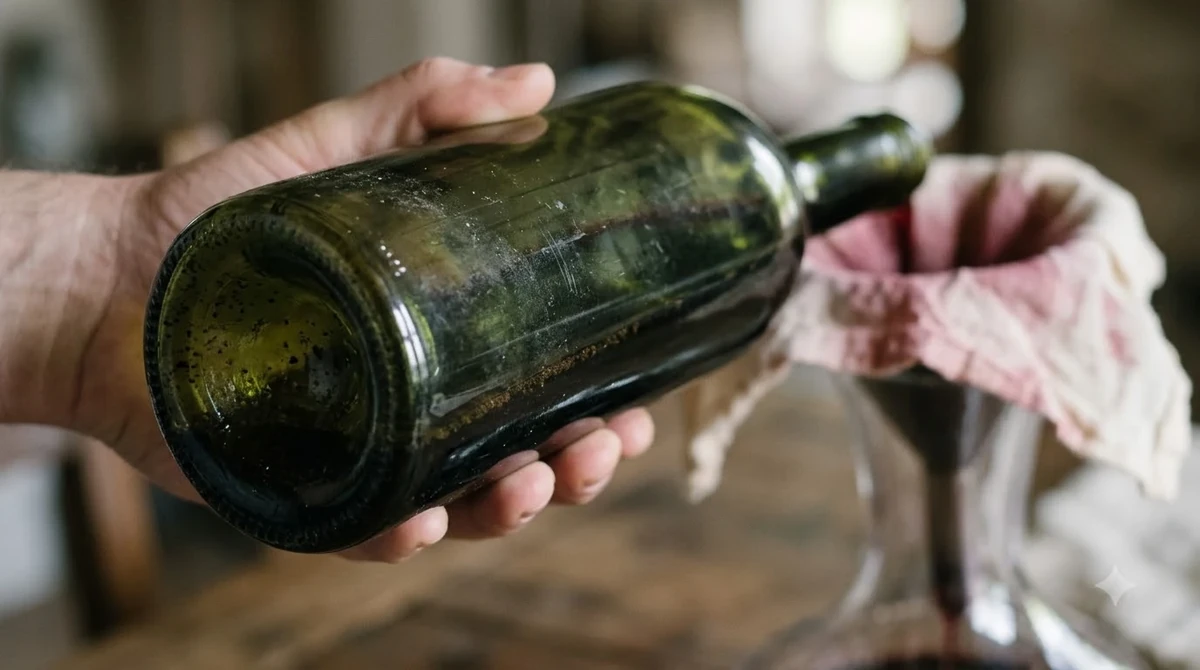
An older bottle may require more attention. If it contains visible sediment or has developed delicate aromas through bottle aging, pour carefully and avoid vigorous swirling. A gentle transfer into a clean decanter may be useful when sediment is present, but it is not a mandatory step.
There is an important distinction between allowing a wine to breathe and leaving it exposed to air for an extended period. The first can help certain wines open up; the second can diminish their aromatic freshness. For Sauternes, a cautious approach is generally preferable.
How to organize the serving process
For a dinner party, prepare the wine before guests arrive. Chill the bottle, select clean glasses, and arrange the food pairings. If serving Sauternes with several courses, bring the bottle to the table when the appropriate course begins rather than pouring it too early.
Use the following sequence:
- Refrigerate the bottle for approximately 2–3 hours.
- Remove it 10–15 minutes before the planned serving time.
- Open the bottle carefully and inspect the cork.
- Pour a small sample and assess the aroma and flavor.
- Serve 2–3 ounces per person in white wine glasses.
- Keep the remaining wine cool between courses.
This process works for both casual dinners and formal occasions. It also makes it easier to serve different wines throughout a meal without allowing Sauternes to become too warm.
6. Store Opened Sauternes and Plan the Serving Occasion
Sauternes generally keeps better after opening than many dry white wines because its high sugar concentration helps preserve its character. Even so, refrigeration and a secure closure are important. A properly stored bottle can remain enjoyable for more than a week, although its aromas may gradually change.
After pouring, replace the original cork or use a suitable wine stopper. Store the bottle upright in the refrigerator to limit the wine’s exposure to air. Keeping it cool helps preserve its freshness and slows the development of oxidation-related changes.
Decanter’s guidance on sweet wines includes advice from Château Coutet that these wines can remain open for more than a week when refrigerated. Actual results depend on the wine’s age, condition, storage temperature, and how much wine remains in the bottle. For a broader look at Bordeaux wine pairings, Decanter’s Bordeaux food-matching recommendations offer additional ideas for combining wine styles and dishes.
Practical storage guidelines
Follow these basic practices to protect the remaining wine:
- Replace the closure: Reinsert the cork or use a wine stopper immediately after serving.
- Refrigerate promptly: Return the bottle to the refrigerator rather than leaving it on the dining table overnight.
- Store upright: An upright position reduces the wine’s surface area in contact with air.
- Avoid temperature changes: Repeated warming and cooling can affect the wine’s freshness.
- Use clean glasses: Residue from other drinks can interfere with the wine’s aromas.
When reopening the bottle, allow it to warm slightly before serving. Taste a small amount first and compare its aroma with the original serving. If the wine has lost its freshness or developed unpleasant oxidation notes, it may no longer provide the intended experience.
Choosing the right occasion
Sauternes works in several different settings. For a relaxed gathering, serve a young bottle as an aperitif with a selection of creamy cheeses and charcuterie. For a formal dinner, introduce it alongside foie gras or lobster before moving to the main course.
It can also be the centerpiece of a dessert course. A half bottle is often convenient when only a few guests are drinking sweet wine, while a standard 750 ml bottle offers more flexibility for a larger gathering.
For a comparative wine tasting, serve Sauternes after dry white wines and before particularly rich desserts. This sequence helps guests recognize its sweetness, acidity, and aromatic concentration without immediately following another intensely sweet wine.
Presentation does not need to be complicated. A clean white wine glass, a cool bottle, modest pours, and thoughtfully selected food are sufficient to make the wine enjoyable. These practical details allow Sauternes to work naturally within a meal instead of treating it as an afterthought.
Frequently Asked Questions
How do you pronounce Sauternes?
Sauternes is commonly pronounced approximately “so-turn” in English. The name comes from the Bordeaux wine appellation in southwestern France. The final syllable is not pronounced like the English word “terms.” Learning the pronunciation can make ordering the wine at a restaurant or discussing it with a wine professional easier.
What grapes are used to make Sauternes?
Sauternes is primarily made from Sémillon and Sauvignon Blanc, with Muscadelle also permitted in the traditional blend. Sémillon is particularly susceptible to Botrytis cinerea, the fungus responsible for noble rot. This process concentrates grape sugars and contributes to the wine’s distinctive honeyed character.
Is Barsac the same wine as Sauternes?
Barsac is a neighboring Bordeaux appellation with its own designation, although wines from the area can also be labeled Sauternes. Both are associated with botrytized sweet white wines. Barsac wines are often recognized for their freshness and distinctive expression of the local growing conditions.
Can Sauternes be used as a cocktail ingredient?
Yes. Sauternes can be used in wine-based cocktails and mixed drinks where its sweetness and aromatic character contribute fruit and floral notes. Small quantities can add complexity to an aperitif, particularly when balanced with citrus or a dry sparkling component. Avoid adding too much additional sweetener because the wine already has considerable natural sweetness.
Can you serve Sauternes at a summer dinner party?
Yes. Its refreshing acidity makes Sauternes suitable for warm-weather meals when served properly chilled. Try it with chilled seafood, fresh strawberries, creamy cheeses, or lightly spiced shrimp. A young bottle served around 45°F can make an appealing aperitif for an outdoor gathering.
Serving Sauternes well is primarily about maintaining the right temperature, choosing appropriate glassware, and matching its sweetness with complementary food. Start with a cool 45–50°F serving temperature and a modest pour, then explore combinations ranging from Roquefort and foie gras to lobster and fruit tarts. With these simple techniques, Sauternes can become a versatile part of the meal rather than a wine reserved only for dessert.
More in Wine Types & Grapes
 What Does Mourvèdre Taste Like? Flavor Profile, Regions, and PairingsUpdated Nov 20, 2026
 What Does Marsanne Taste Like? Flavors, Styles, and Food PairingsUpdated Nov 20, 2026
 What Does Malvasia Taste Like? Styles, Flavors, and Food PairingsUpdated Nov 20, 2026
 What Does Grenache Blanc Taste Like? Flavor Profile, Styles, and PairingsUpdated Nov 20, 2026
 What Does Garnacha Taste Like? Key Flavors, Styles, and Pairing TipsUpdated Nov 20, 2026
 What Does Fruit Wine Taste Like? A Complete Flavor and Style BreakdownUpdated Nov 20, 2026