

We may earn a commission when you buy through links on this page, at no extra cost to you. Learn more.
The practical answer to “how long does natural wine last unopened” is about 1 to 2 years after bottling for most everyday, fruit-forward bottles, while well-made, structured bottles can remain sound for several years and exceptional examples may age for decades. There is no single expiration date for natural wine because the term covers many grapes, styles, and cellar choices. The producer’s intended drinking window, the wine’s structure, and the way the bottle has been stored matter more than the word “natural” on its label.
An unopened bottle does not suddenly spoil on a particular birthday. It changes gradually, and the goal is to open it while its fruit, acidity, and other aromas are still in balance. A fresh pét-nat meant for a picnic has a different timetable from a concentrated, tannic red intended for a few years in the cellar. Use the windows below as practical planning guidance, not as a guarantee for every bottle.
The Typical Drinking Window for Natural Wine
For a natural wine with no stated aging plan, a sensible default is to drink it within 1 to 2 years of bottling. A lighter wine made for bright fruit and easy drinking may be at its best much sooner, while a balanced, structured red can develop positively over several years.
The distinction is between a wine’s useful life and its peak drinking period. A bottle can remain sound after its freshest aromas fade, but that does not mean it will taste as the producer intended. Light-bodied reds, crisp whites, rosés, pét-nat, and piquette are commonly made for freshness rather than extended cellaring; their lively fruit and floral notes can become muted with age.
At the other end, a natural wine with concentrated fruit, firm acidity, tannin, and careful maturation before bottling may have enough structure to evolve. Decanter’s natural-wine advice from Master of Wine Isabelle Legeron notes that some bottles meant for immediate drinking are bottled early, while others can age for years or even decades when healthy grapes and skilled production are paired with proper maturation and stabilization. That is a description of selected bottles, not a promise that every low-intervention wine will improve with time.
For a bottle with no clear recommendation, plan around its style: drink delicate, juicy wines early; give a structured red or age-worthy skin-contact white more time only when the producer supports that choice. The date on the front label is usually the harvest vintage, not necessarily the date the wine was bottled, so it cannot give an exact shelf-life countdown by itself.
Why Natural Wines Have Different Shelf Lives
Natural wine is a broad description of winemaking choices, not one recipe or legally uniform style. Fermentation with native yeast, limited intervention, and fewer additions are common approaches, but the final wine can still differ greatly in acidity, alcohol, tannin, residual sugar, filtration, and stability.
Those differences affect how a bottle develops. Acidity and tannin can contribute to a wine’s structure, while fruit concentration and balance help determine whether it has the substance to age. A pale, low-tannin Gamay made for early drinking is not equivalent to a dense Syrah or a skin-contact Chenin Blanc with substantial texture. Grape variety is only part of the answer: vineyard conditions, harvest decisions, oxygen exposure, and maturation before bottling all influence the result.
Sulfites are another part of the picture, but “natural” does not mean “sulfite-free.” All wine contains some naturally occurring sulfites, and some low-intervention producers add a small amount to help protect wine during fermentation or bottling. Serious Eats, in an interview with sommelier Holly Berrigan, explains that some natural wines contain modest added sulfites, while others are made with none. A carefully made wine with no added sulfites can age well, but storage and the producer’s handling choices become especially important.
Filtration and residual yeast also vary. Some natural wines are bottled unfiltered, so a little haze or sediment may be present from the start. That appearance alone does not tell you whether the wine is old or spoiled. A bottle’s production notes and the winemaker’s recommended drinking window are more informative than a broad category label.
Which Natural Wine Styles Can Age
Most pét-nat, piquette, and light “glou-glou” reds are designed for early enjoyment, while structured reds and some classic, appellation-driven wines are more likely to reward patience. Orange wines and skin-contact whites sit between those poles: some are crisp and immediate, while others have enough texture and structure to develop.
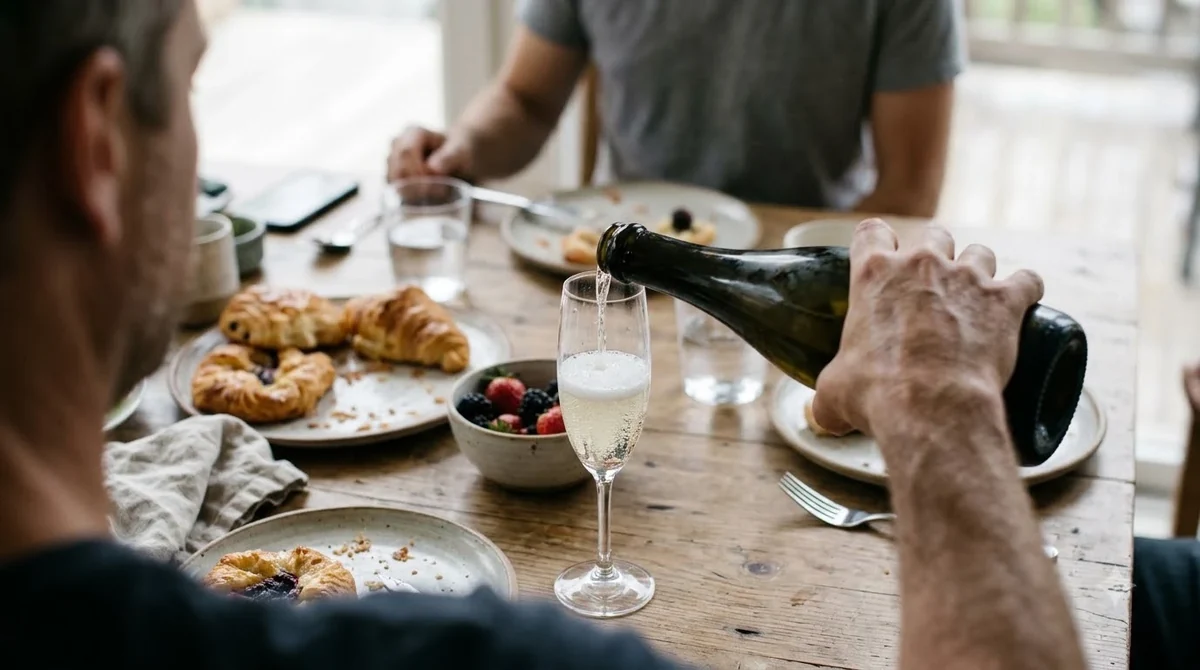
Pét-nat is usually chosen for fresh fruit and lively bubbles, so it is generally a drink-young style. Piquette is often light and modest in structure and is also best treated as an early-drinking bottle. A chillable Gamay can be enjoyable with a short rest, but minimal intervention does not make it age-worthy by itself.
Structured reds deserve a closer look. A natural Syrah, Cabernet Franc, or Nebbiolo with concentrated fruit, meaningful acidity, and firm tannins may develop over multiple years, particularly if the producer specifically recommends cellaring. Tannin and acidity can help a wine retain shape as its primary fruit changes, but neither guarantees longevity. A thin, volatile red does not become age-worthy simply because it tastes intense when young.
Skin-contact whites can also vary. Contact with grape skins adds phenolic compounds and often some tannin, which can give an orange wine more structure than a simple white wine made without skin contact. A light, aromatic orange wine bottled for freshness should be opened young, while a deeper Ribolla Gialla or Chenin Blanc may develop longer if the producer intended it to age. Natural Chardonnay and Riesling follow the same principle: style matters more than the grape name alone. Do not assume that a particular color or closure sets the timetable; natural sparkling wine, rosé, white, orange, and red can each be made for early drinking or longer maturation. Ask about the specific cuvée rather than relying on a generic rule for all wines in that category.
How to Store Unopened Natural Wine
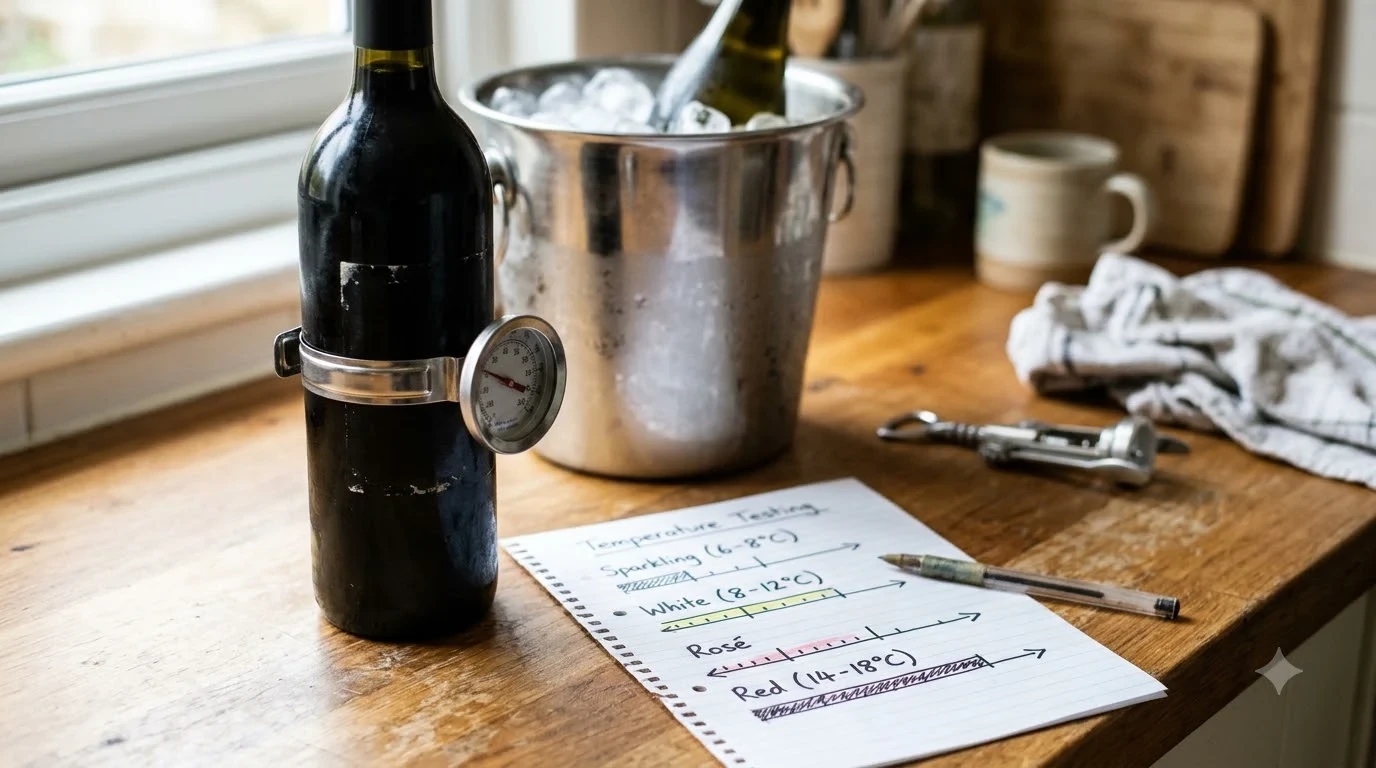
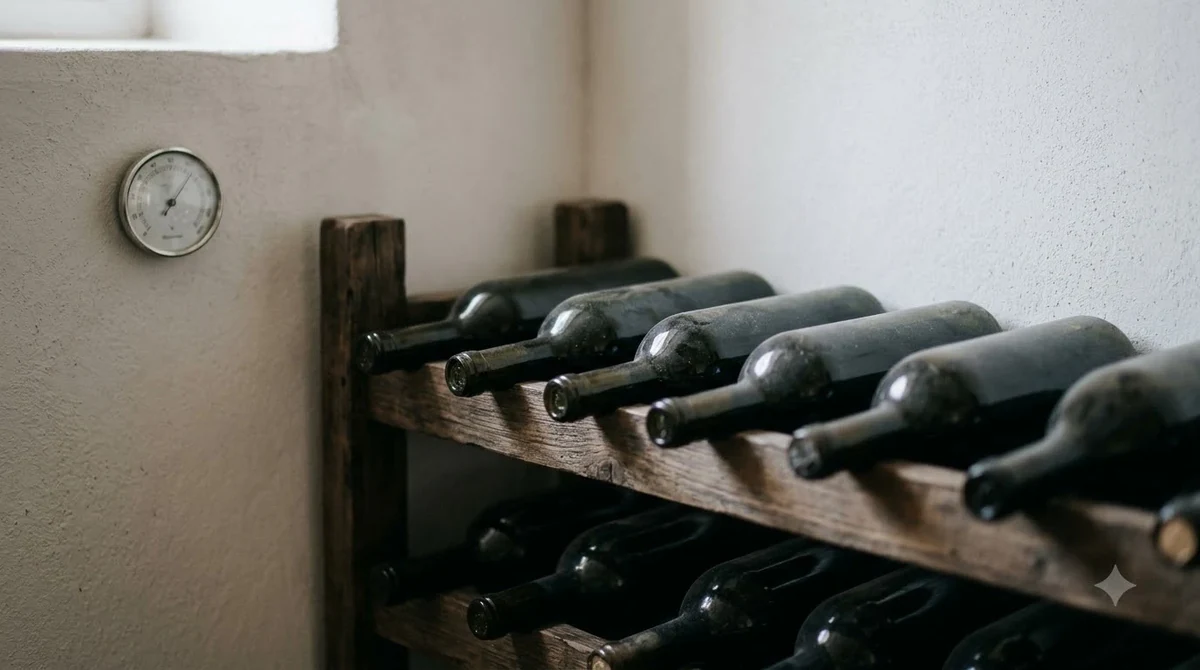
Store natural wine in a cool, dark place with a steady temperature near 55°F, away from sunlight, heaters, and vibration. Stable conditions matter more than chasing an exact degree, especially for low-sulfite bottles that may be more reactive to heat and oxygen.
A cellar or wine refrigerator is ideal for bottles you intend to keep. A peer-reviewed review in Molecules identifies 15 to 17°C, or about 59 to 63°F, as an optimum preservation range and explains that temperatures above 20°C accelerate oxidation. The practical lesson is consistent: avoid warm cupboards, sunny counters, and temperature swings.
For a natural-cork bottle, store it on its side so the cork does not dry out. A screwcap bottle can stand upright, although laying it down may make storage easier. Keep bottles away from strong light and appliances that vibrate. Do not leave natural wine in a parked car, beside an oven, or in a garage that becomes hot during the day; prolonged warmth can age wine faster than intended.
A refrigerator is a reasonable place for fragile, low-sulfite bottles when a cool cellar is unavailable. Primal Wine recommends a consistent 55°F and notes that refrigeration can help protect zero-zero and low-sulfite wines. For extended storage, a wine refrigerator is often more practical than the coldest section of a household refrigerator. Avoid repeated temperature changes.
Tip: If you have no cellar, put a delicate natural wine in the coolest dark part of the home or in a wine refrigerator. Keep it away from the kitchen, windows, and any spot that regularly rises above 70°F.
How to Tell Whether a Bottle Is Past Its Best
Age alone does not prove that an unopened natural wine has spoiled, and cloudiness or sediment is not automatically a warning sign. Look instead for a combination of unexpected visual changes, leakage or a displaced closure, and aromas or flavors that suggest excessive oxidation or volatile acidity after opening.
Some unfiltered wines are naturally hazy and may contain sediment because particles were not removed before bottling. A deposit in an older red can also develop during normal maturation. If the wine was cloudy when purchased, that may simply be its style; unexpected changes are more informative than sediment alone.
After opening, excessive browning in a white wine or a brick-brown shift in a red can point to oxidation, especially when the fruit aromas have faded. A strong vinegar smell or nail-polish-like aroma can indicate excessive volatile acidity. A sherry-like note can be attractive in some mature wines, but stale bruised-apple character and a flat palate may suggest the wine is past its best. Serious Eats distinguishes controlled oxidative character from unpleasant oxidation.
Also pay attention to the closure before opening. A cork pushed noticeably outward, sticky seepage around the capsule, or liquid trails down the bottle can signal that the wine has been exposed to heat or pressure. These signs do not identify the exact cause, but they are reasons to inspect the bottle carefully rather than assuming it has aged gracefully. Finally, separate a wine’s intended character from a fault: a slight natural spritz in a still wine may be part of its lively style, but aggressive unexpected fizz, persistent mouse-like aromas, or sharp solvent notes are not qualities to dismiss as “funk.” The aim is to judge whether the wine remains balanced and enjoyable for the style it was made to be.
A Practical Plan for Buying and Cellaring
When deciding whether to save a natural wine, start with the producer’s recommendation and then consider its structure and storage history. A specific drinking window from the winemaker is more useful than a general rule based on “natural,” “organic,” or “orange” on the label.
At purchase, ask when the wine was bottled, whether it was made for immediate drinking, and whether the producer expects it to improve with age. Ask whether any sulfur was added and how the bottle was transported or stored before sale. These details help explain how much protection the wine may have and how long it can reasonably spend in your cellar.
Use this table as a practical starting point when the producer has not supplied a specific window. The times are conservative planning ranges, not fixed expiration dates; a producer’s advice takes priority when it is available.
| Natural wine style | Practical unopened window | Storage approach |
|---|---|---|
| Pét-nat and light sparkling | Within 1 year | Keep cool and drink for fresh fruit and bubbles |
| Piquette and light, juicy reds | Within 1 year | Prioritize freshness; avoid long cellaring |
| Fresh whites and rosés | About 1–2 years | Store cool and dark; open while fruit is vivid |
| Unstructured, fruit-forward reds | About 1–2 years | Keep temperature steady and plan an early opening |
| Structured reds and age-worthy orange wines | Several years, sometimes longer | Cellar near 55°F only when the producer recommends aging |
Keep a note of the producer, cuvée, vintage, bottling date if known, purchase date, and suggested drinking window. If you buy six bottles of the same wine, open one young and another after a year or two rather than assuming every bottle will evolve identically. Natural wines can show bottle variation. For a broader comparison of how packaging and style affect storage, see our guide to how long does boxed wine last unopened. Readers choosing a structured red can compare its expected cellar life with how long does cabernet sauvignon last unopened, while those exploring fermented drinks beyond grapes can also read how long does mead last unopened. The broader Wine by Type section can help distinguish varieties and styles before you decide what to save. For additional background, Decanter’s advice on storing natural wine explains why some sulphite-free bottles are more age-worthy than expected, while this natural wine explainer from Serious Eats clarifies how low-intervention practices and sulfite choices vary.
Frequently Asked Questions
These quick answers cover details that can change how a bottle behaves, from pét-nat bubbles and orange-wine skin contact to screwcap closures.
Can a still natural wine develop bubbles in the bottle?
Yes, a light spritz can appear in some natural wines, particularly when a little carbon dioxide remains after fermentation. Some producers preserve that lively texture intentionally, so a gentle prickle is not automatically a fault. Strong, unexpected pressure or forceful fizz is a different matter and should be assessed alongside the wine’s aroma and condition.
Should I decant an unfiltered natural wine?
Not automatically. Some reductive, low-sulfite wines open up after a little air, while a bottle with visible sediment can be decanted gently to leave the deposit behind. Avoid vigorous aeration with a delicate pét-nat, since it can shed bubbles quickly.
Does a screwcap mean the wine should be opened young?
No. Screwcap closures can greatly limit oxygen entry, and they are used for wines with different drinking windows. Because lower oxygen exposure can also encourage reductive aromas, the closure alone does not tell you whether a natural wine is age-worthy.
Should a natural wine rest after being shipped?
Yes, a short rest can help a bottle settle after a rough delivery. Primal Wine recommends giving a recently shipped bottle a couple of days upright in a cool place before opening, especially if it has been shaken during transport. This pause is about allowing the wine to settle, not extending its overall cellar life.
Is every organic wine also a natural wine?
No. Organic describes regulated practices in the vineyard, while natural wine generally refers to choices made during fermentation and cellar work, such as relying on native yeast and limiting additions. A wine can be made from organic grapes and still use a more interventionist winemaking approach.
The safest rule is to treat natural wine as a family of different styles rather than a single product with one shelf life. Drink fresh, delicate bottles early, reserve cellar space for wines with clear structure and producer guidance, and keep every bottle cool, dark, and stable. That approach gives each wine a better chance of reaching the glass in the condition its maker intended.
More in Wine Types & Grapes
 Zinfandel Sugar Content: Dry Red vs. White Zinfandel GramsUpdated Nov 21, 2026
 Best Zinfandel Substitute Options for Sipping and CookingUpdated Nov 21, 2026
 Zweigelt Food Pairing: Best Dishes, Cheeses, and Serving TipsUpdated Nov 21, 2026
 Zinfandel Tannins Explained: How Structure Shapes Every BottleUpdated Nov 21, 2026
 Zinfandel Sweetness Level: Dry Red vs. Sweet White Zin ExplainedUpdated Nov 21, 2026
 Xinomavro Food Pairing: Best Dishes, Styles, and Serving TipsUpdated Nov 21, 2026