

We may earn a commission when you buy through links on this page, at no extra cost to you. Learn more.
How long does sweet red wine last after opening? Most ordinary sweet red wines stay enjoyable for about 3-5 days when tightly resealed and refrigerated, although some sweeter, well-made wines can retain their character for more than a week. Fortified red wines such as Ruby and Tawny Port last considerably longer, with storage times ranging from several days to several weeks depending on the style. Refrigeration, limited air exposure, and prompt resealing are the most effective ways to preserve an opened bottle. Sweetness can help a wine retain some of its character, but it does not prevent oxidation. The grape variety, alcohol level, acidity, production method, and amount of air inside the bottle all influence how quickly its flavor changes.
An opened bottle of sweet red wine does not necessarily need to be finished the same evening. Whether it is a fruity Lambrusco, a sweet red blend, a Brachetto d’Acqui, or a fortified Port, understanding its style helps determine how long the remaining wine will taste fresh. The following guide explains realistic storage times, the differences between wine categories, practical preservation methods, and the signs that a bottle has passed its best drinking window.
Typical Shelf Life of Sweet Red Wine After Opening
Most ordinary sweet red wines last approximately 3-5 days in the refrigerator after opening. Wines with good acidity, balanced sweetness, and sound structure may remain enjoyable longer, but freshness gradually declines as oxygen interacts with the wine.
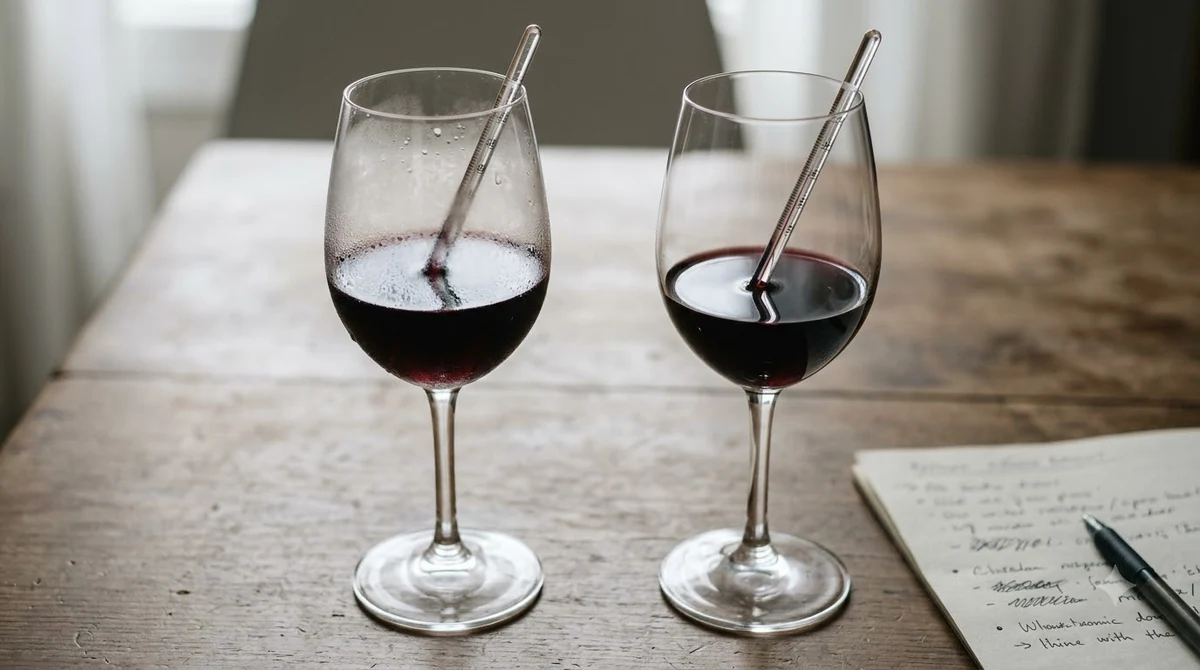
The general 3-5-day guideline applies to non-fortified sweet red wines, including many approachable blends and lightly sparkling red wines after their bubbles have been lost. A wine’s sweetness does not automatically give it the extended preservation characteristics associated with fortified dessert wines. Residual sugar is only one part of the wine’s composition, and alcohol, acidity, oxygen exposure, and storage temperature also matter.
For comparison, Decanter’s guide to how long opened wine lasts gives opened red wines a general window of approximately 3-5 days in cool storage and explains that some sweet wines can remain enjoyable for more than a week in the refrigerator. This difference reflects the wide range of sweetness, acidity, alcohol, and production methods found among wines. A delicate, inexpensive sweet red may lose its appealing fruit after a few days, while a more concentrated, well-balanced example can retain its character longer.
The following table provides practical estimates for different sweet red wine styles. These are quality guidelines rather than guaranteed expiration dates.
| Sweet red wine style | Typical time after opening | Recommended storage |
|---|---|---|
| Ordinary sweet red table wine | 3-5 days | Refrigerated and resealed |
| Sweet red blend | 3-5 days | Refrigerated and resealed |
| Lambrusco, after opening | 1-3 days for best carbonation and freshness | Refrigerated with a sparkling wine stopper |
| Brachetto d’Acqui | 1-3 days for best freshness and bubbles | Refrigerated and tightly sealed |
| Ruby Port | Approximately 8-10 days under IVDP guidance | Cool storage and a tight closure |
| Tawny Port | Approximately 3-4 weeks under IVDP guidance | Refrigerated and tightly sealed |
| Vintage Port | Approximately 1-2 days under IVDP guidance | Resealed and refrigerated |
Fortified wine figures deserve special attention because they do not apply to ordinary sweet red table wine. The Instituto dos Vinhos do Douro e do Porto (IVDP), Portugal’s Port wine regulatory body, publishes separate conservation recommendations for individual Port categories. Its guidelines give Ruby and Reserve Ruby approximately 8-10 days, Tawny and Reserve Tawny 3-4 weeks, and Vintage Port just 1-2 days after opening.
These distinctions explain why two bottles that both taste sweet can have very different storage requirements. A bottle of sweet red table wine should generally be treated as a regular still red wine, while a fortified Port needs a category-specific approach. For a broader introduction to wine styles and their characteristics, see Wine by Type.
Why Sweet Red Wine Changes After Opening
Oxygen is the main reason an opened bottle gradually loses freshness. Sweetness may influence the wine’s stability, but exposure to air, temperature, acidity, and alcohol determine how quickly its original aromas and flavors change.
When a bottle is sealed, the wine has relatively limited contact with fresh air. Removing the cork or opening a screw cap introduces oxygen into the bottle. Some initial oxygen exposure can help certain young wines release their aromas, but prolonged exposure gradually changes their chemical composition.
Fruit aromas can become less expressive, and the fresh cherry, strawberry, blackberry, or raspberry character associated with many sweet reds may turn muted. The wine can also lose some of its lively texture and develop flatter, less appealing flavors. In advanced oxidation, the color may become duller or brownish.
The role of residual sugar
Residual sugar is the natural grape sugar remaining in wine after fermentation. It creates sweetness and influences the wine’s overall balance, especially when combined with acidity. A sweet red with refreshing acidity can retain an appealing balance longer than one that tastes sugary and heavy.
However, sugar should not be treated as a guarantee against oxidation. Ordinary sweet red wine does not automatically acquire the preservation advantages of fortified wine simply because it contains more residual sugar. Its alcohol level and production method still matter.
Alcohol and acidity also matter
Alcohol contributes to a wine’s overall stability, while acidity helps maintain freshness and balance. These characteristics differ considerably among sweet red wines. A lightly sweet wine made for easy drinking may have a different preservation profile from a concentrated dessert wine or a fortified Port.
Fortified wines illustrate this distinction particularly well. Port generally contains approximately 19-22% alcohol by volume, substantially more than many ordinary table wines. The added grape spirit also stops fermentation before all the natural grape sugar has been converted into alcohol. This combination helps explain why certain Port styles can remain enjoyable for weeks after opening.
For more information about the factors affecting the life of other sweet wines, see how long does dessert wine last after opening. Different production techniques can produce very different results even when two wines have comparable sweetness.
How Different Sweet Red Wine Styles Compare
Not every sweet red wine follows the same preservation schedule. Ordinary table wines, sparkling reds, and fortified wines have different structures and production methods, so identifying the style is the first step toward choosing an appropriate storage period.
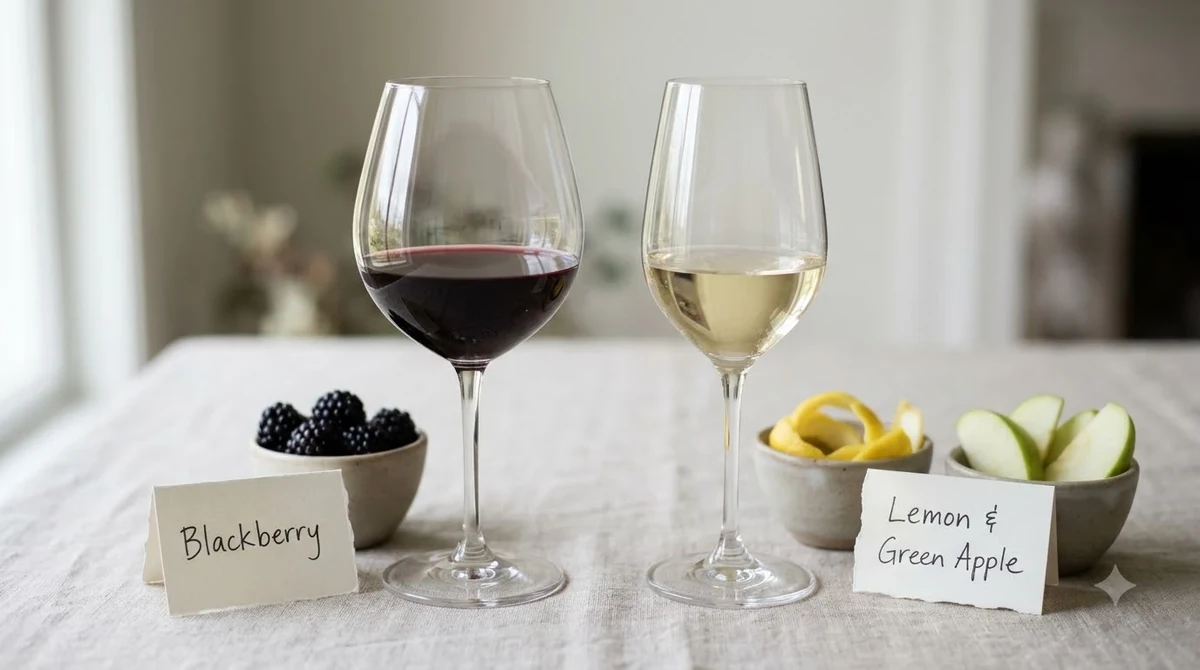
Sweet red table wines are generally the easiest category to understand. These include sweet red blends and fruit-forward wines designed for casual drinking. Once opened, most should be resealed and refrigerated, with a target of approximately 3-5 days for good quality.
Lambrusco is a useful example of a sparkling or lightly sparkling red wine. Produced from Lambrusco grape varieties in Italy, it can range from dry to sweet. Its bubbles and fresh fruit character are important parts of its appeal. Once opened, carbonation gradually escapes, so even if the wine remains drinkable, its original texture and lively presentation can disappear within 1-3 days.
Brachetto d’Acqui is another Italian example, generally known for its aromatic, sweet, sparkling red style. Strawberry, rose, and red-fruit notes contribute to its distinctive profile. Like Lambrusco, it benefits from a proper sparkling wine stopper and refrigeration. Its freshness and bubbles are best enjoyed within a few days rather than treating it like a fortified wine.
Fortified sweet reds require a separate approach
Port is one of the best-known examples of fortified red wine. It comes from Portugal’s Douro region and is made by adding grape spirit during fermentation, leaving natural grape sugar in the finished wine. The resulting higher alcohol level gives it a longer potential drinking window after opening than most ordinary sweet reds.
Ruby Port is generally bottled to retain youthful fruit character. Tawny Port spends extended periods aging in wooden barrels, where gradual oxygen exposure develops nutty, caramel, and dried-fruit characteristics. Because the two styles have different aging histories, their behavior after opening is also different.
The IVDP recommends approximately 8-10 days for Ruby and Reserve Ruby, compared with 3-4 weeks for Tawny and Reserve Tawny. Age-indicated Tawny styles, including 10-, 20-, 30-, and 40-year categories, have a longer suggested conservation range of 1-4 months, depending on the specific category and storage conditions.
Vintage Port is different again. It matures in the bottle rather than spending the same extended period exposed to oxygen in wooden casks. The IVDP recommends drinking an opened Vintage Port within approximately 1-2 days. This is why a bottle’s sweetness alone cannot tell you how long it will last.
Best Storage Methods for an Opened Sweet Red Wine
Refrigerating the wine, limiting its exposure to oxygen, and sealing the bottle immediately after pouring are the most useful preservation habits. These steps help maintain freshness whether the remaining wine is a regular sweet red blend or a fortified Port.
1. Reseal the bottle immediately. Replace the original cork or screw cap as soon as you finish pouring. If the cork is difficult to insert, use a suitable wine stopper instead. Leaving a bottle open on the kitchen counter for several hours creates unnecessary oxygen exposure.
2. Refrigerate the remaining wine. Cold temperatures slow the chemical reactions responsible for many changes in opened wine. Even red wine benefits from refrigeration after opening. A domestic refrigerator is suitable for short-term storage, and the bottle can be taken out shortly before serving.
3. Keep the bottle upright. Once opened, an upright bottle helps reduce the surface area of wine exposed to the air inside the bottle. It also makes accidental leakage less likely when using a stopper.
4. Minimize empty space. If only a small amount of wine remains, transfer it into a clean, appropriately sized glass bottle with a tight closure. A smaller container reduces the amount of air above the wine, helping slow further oxidation.
5. Consider a preservation stopper. A vacuum stopper removes some of the air from the bottle, while inert-gas systems introduce protective gas into the space above the wine. These tools can help maintain quality, although they cannot restore freshness that has already been lost.
Tip: If you regularly drink only one glass at a time, divide the remaining sweet red wine into a clean half-bottle immediately after opening. Seal it tightly and refrigerate it. Reducing the empty space above the wine is especially useful when only a small quantity remains.
Storage temperature also influences how enjoyable the next serving will be. A sweet red does not need to remain at refrigerator temperature when poured into a glass. Let it warm slightly if its aromas seem muted. Light-bodied reds are often served around 55-60 F, while fuller-bodied reds are generally served around 60-65 F.
For sparkling sweet reds, use a stopper specifically designed for sparkling wine. A regular cork or loose closure may not maintain the pressure required to preserve carbonation. Keep the bottle refrigerated between servings and aim to finish it within 1-3 days for the best bubbles.
These preservation steps are useful for other wine categories too. For a comparison with a more oxidative style, read how long does orange wine last after opening. Its skin-contact production method gives it a different profile, but proper closure and temperature control remain important after opening.
How to Tell If Opened Sweet Red Wine Has Gone Bad
An opened sweet red wine that has passed its best drinking window usually shows noticeable changes in aroma, flavor, or appearance. A dull fruit profile, unexpected brownish color, and sharp vinegary smell are more useful warning signs than simply counting the number of days since opening.
Changes in aroma: Fresh sweet reds often smell of cherries, raspberries, strawberries, blackberries, or other ripe fruits. As oxidation progresses, these aromas can become faint or disappear. The wine may smell flat, stale, or unusually sharp compared with its original character.
Changes in flavor: The wine may taste less fruity and more acidic, with a tired or unpleasant finish. A sweet wine that previously showed a pleasant balance between sugar and acidity may start tasting heavy, flat, or unusually sour. A pronounced vinegar-like character can indicate deterioration.
Changes in appearance: A noticeable loss of brightness or a brownish tint can indicate oxidation, particularly in a wine that was originally ruby or purple. A small amount of sediment is not automatically a sign that the wine has deteriorated. Some wines naturally develop sediment during aging, so appearance should be considered alongside aroma and flavor.
Decanter identifies dulled aromas, faded flavors, tired color, brownish hues, and vinegary notes as signs that an opened bottle may have deteriorated. These changes are especially relevant when assessing a bottle that has been stored for several days without adequate sealing or refrigeration.
It is also important to distinguish a decline in quality from a food-safety issue. Oxidized wine is not automatically dangerous simply because it tastes unpleasant. However, wine with unusual contamination, visible mold, or other clear signs of spoilage should be discarded rather than consumed. There is no reason to keep drinking a bottle that smells or tastes distinctly wrong.
How Long Different Port Wines Last After Opening
Sweet fortified red wines generally last longer than ordinary sweet red table wines, but their individual storage periods vary considerably. Ruby, Tawny, Late Bottled Vintage, and Vintage Port should not be treated as interchangeable styles.
According to the IVDP’s official Port wine conservation recommendations, the suggested periods after opening are approximately 8-10 days for Ruby and Reserve Ruby, 3-4 weeks for Tawny and Reserve Tawny, and 1-2 days for Vintage Port. These recommendations are useful starting points for anyone who enjoys a small glass of fortified wine over several evenings.
Ruby Port retains youthful red-fruit characteristics and is generally bottled after a relatively short period of maturation. Some producers provide longer guidance for their individual wines. For example, Cockburn’s recommends consuming its Fine Ruby Port within 4-6 weeks after opening. This is a producer-specific recommendation, not a universal storage period for every Ruby Port.
Tawny Port has a different aging process. Its extended time in wooden casks exposes the wine to controlled oxygen contact before bottling. This contributes to its characteristic amber-brown color and flavors associated with nuts, dried fruit, caramel, and spices. The IVDP’s recommended 3-4-week window for ordinary Tawny and Reserve Tawny reflects its greater tolerance of oxygen exposure.
Late Bottled Vintage Port, commonly called LBV, also requires attention to its production style. The IVDP’s general consumer guidance gives approximately 4-5 days after opening. Other published recommendations vary, particularly between filtered and unfiltered examples. The producer’s instructions are therefore particularly useful for this category.
Age-indicated Tawny Port has an even longer recommended window. The IVDP gives approximately 1-4 months for Tawny with an age indication, although the exact period depends on the category and individual wine. A 10-year-old Tawny and a 40-year-old Tawny have both experienced substantial wood aging, but their ideal drinking periods after opening should not automatically be assumed to be identical.
For Madeira, which is also fortified but has a distinct oxidative production process, the storage period can be much longer. See how long does Madeira last after opening for a closer comparison. Its exceptional resistance to oxygen illustrates why fortified wines should be assessed according to their individual production methods rather than sweetness alone.
The practical lesson is straightforward: ordinary sweet red wine should generally be finished within several days, while certain fortified styles can remain enjoyable for weeks or longer. Knowing whether a bottle is Ruby, Tawny, LBV, or Vintage is more useful than assuming every sweet red wine has the same shelf life.
Frequently Asked Questions
Can sweet red wine last 10 days after opening?
Some sweet red wines can remain enjoyable for 10 days, particularly when they have good acidity and have been consistently refrigerated and tightly sealed. However, this is longer than the usual 3-5-day guideline for ordinary sweet red table wine. A fortified Ruby Port may have a similar recommended window, but its higher alcohol content makes it a different category.
Does sweet red wine become sweeter after opening?
Opening a bottle does not normally increase its actual residual sugar concentration. However, changes in acidity, fruit aromas, and oxidation can alter how sweet the wine seems. A wine that loses its fresh fruit character may taste heavier or less balanced even though its sugar content has not increased.
Can you freeze leftover sweet red wine?
Sweet red wine can be frozen for cooking purposes in an appropriate freezer-safe container, leaving enough room for expansion. Freezing is not a recommended way to preserve a bottle for future drinking because it can change the wine’s texture and aromatic expression. Frozen wine portions can be useful for adding to sauces, marinades, or reductions.
Should sweet red wine be served cold after refrigeration?
Not necessarily. Refrigeration is useful for preserving an opened bottle, but serving temperature depends on the wine’s body and style. A light-bodied sweet red may be enjoyable around 55-60 F, while a fuller-bodied red generally shows better around 60-65 F. Let the wine warm slightly after removing it from the refrigerator if needed.
Does an unopened sweet red wine need refrigeration?
Most unopened sweet red wines do not require continuous refrigeration if they are stored in suitable conditions. A stable, cool, dark location with temperatures near 55 F is generally appropriate for bottle storage. Bottles with natural cork closures are commonly stored horizontally to keep the cork from drying out, while opened bottles should be kept upright in the refrigerator.
Most ordinary sweet red wines are best enjoyed within 3-5 days of opening, provided they are resealed and refrigerated promptly. Fortified wines such as Ruby and Tawny Port can last considerably longer, but their individual styles and producer recommendations matter. With proper storage and attention to changes in aroma and flavor, you can enjoy the remaining wine without sacrificing more freshness than necessary.
More in Wine Types & Grapes
 Zinfandel Sugar Content: Dry Red vs. White Zinfandel GramsUpdated Nov 21, 2026
 Best Zinfandel Substitute Options for Sipping and CookingUpdated Nov 21, 2026
 Zweigelt Food Pairing: Best Dishes, Cheeses, and Serving TipsUpdated Nov 21, 2026
 Zinfandel Tannins Explained: How Structure Shapes Every BottleUpdated Nov 21, 2026
 Zinfandel Sweetness Level: Dry Red vs. Sweet White Zin ExplainedUpdated Nov 21, 2026
 Xinomavro Food Pairing: Best Dishes, Styles, and Serving TipsUpdated Nov 21, 2026