

We may earn a commission when you buy through links on this page, at no extra cost to you. Learn more.
The encruzado grape is an indigenous Portuguese white wine variety best known for producing elegant, structured wines in the Dão region, combining fresh citrus flavors, floral aromas, mineral character, and impressive aging potential. It can produce excellent single-varietal wines or contribute freshness and complexity to regional blends. Depending on the winemaking approach, Encruzado ranges from crisp and fruit-focused to creamy, textured, and subtly nutty.
Portugal is home to many distinctive native grapes, but Encruzado stands out for its combination of freshness, body, and versatility. While international varieties such as Chardonnay and Sauvignon Blanc receive considerable attention, this traditional Dão grape offers a different expression of Portuguese white wine. Understanding its origins, flavor profile, production methods, and food pairings makes it easier to recognize what makes an Encruzado bottle special.
Origins and Growing Regions of Encruzado
Encruzado originates in Portugal and is most closely associated with the Dão wine region in the country’s central interior. It is particularly important to the identity of Dão white wines, where its ability to retain freshness while developing substantial structure makes it a valuable variety for winemakers.
The Dão is a mountainous wine-producing area surrounded by several mountain ranges, including the Serra da Estrela, Serra do Caramulo, Serra da Nave, and Serra da Lousã. These geographical features help shelter vineyards from direct Atlantic influences and create a distinctive growing environment. Vineyards are frequently established on granite-influenced soils, and differences in elevation, exposure, and local conditions contribute to variations in grape ripeness and wine character.
The region experiences warm summers and cooler conditions that help preserve freshness in white grapes. This balance is particularly useful for Encruzado because the variety can develop ripe fruit flavors and considerable body without necessarily losing its lively character. The combination of fruit concentration and acidity is one of the reasons the grape has become so closely associated with quality white wine in the Dão.
According to the Dão Wine Board, Encruzado is practically exclusive to the region in its traditional growing pattern and occupies a leading position among the area’s white varieties. It is also known by the alternative name Salgueirinho. Although it can appear in wines from outside the Dão, the region remains its principal home and the clearest reference point for understanding its typical expression.
The grape’s importance has grown as Portuguese producers have increasingly explored the possibilities of single-varietal white wines. Historically, Encruzado often appeared in blends with other regional grapes. Its freshness and structure helped give those wines balance. Modern producers have demonstrated that it can also produce distinctive wines entirely on its own.
Wine enthusiasts interested in exploring Portugal’s broader selection of native grapes can compare Encruzado with Airen grape, a variety associated with a very different Spanish growing tradition. The comparison highlights how local climate, grape characteristics, and winemaking traditions shape the personality of white wines across the Iberian Peninsula.
Encruzado Grape Characteristics and Vineyard Growing
Encruzado is a white grape variety with a distinctive physical appearance and a growing pattern that makes it particularly suitable for the conditions found in the Dão. Its medium ripening period, relatively regular production, and ability to produce balanced fruit are important characteristics for growers.
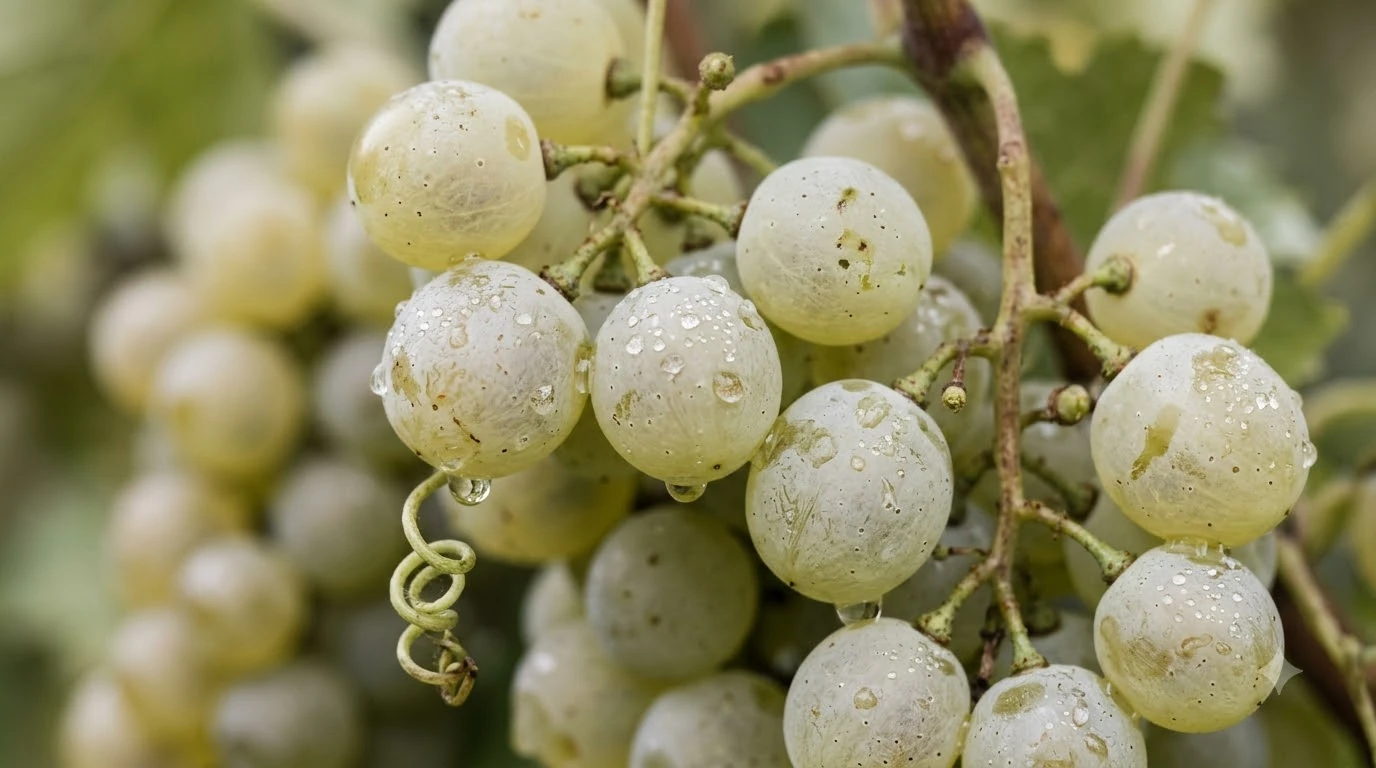
The Dão Wine Board describes Encruzado bunches as small and compact, with medium-sized berries that can vary in shape and size. The berries are slightly flattened, and their skins are yellowish-green with a moderate natural bloom. The flesh is soft and juicy, with an individual flavor that distinguishes the variety from more widely recognized international grapes.
Encruzado is considered a medium-ripening variety. This timing allows growers to work toward a balance between sugar development and retained acidity rather than relying exclusively on early harvesting to preserve freshness. Regular production is another useful characteristic, although vineyard conditions, pruning, water availability, and seasonal weather still influence the final crop.
Granite-influenced soils are an important part of the traditional Dão growing environment. Their structure and drainage characteristics can vary from vineyard to vineyard, while differences in altitude and exposure influence how quickly grapes mature. These factors contribute to differences in fruit concentration, aromatic intensity, and overall wine structure.
Encruzado also requires careful vineyard management. Compact bunches and the natural conditions of individual vineyard sites make decisions about canopy management, fruit exposure, and harvest timing important. Excessive heat or overly rapid ripening can change the balance between fruit richness and acidity that makes the variety attractive.
For consumers, these vineyard characteristics explain why two bottles of Encruzado can taste different even when both originate in the Dão. A wine from a cooler or higher vineyard may emphasize citrus and freshness, while fruit from a warmer site may develop riper orchard-fruit characteristics and a fuller impression on the palate.
The variety’s adaptability to different vineyard conditions is also part of its appeal to producers interested in expressing individual sites. Rather than relying entirely on oak or other winemaking techniques to create complexity, growers can use vineyard selection and careful harvesting to emphasize the grape’s natural character.
What Does Encruzado Wine Taste Like?
Encruzado typically produces dry white wine with fresh citrus, orchard-fruit, floral, and mineral characteristics. Its defining feature is the balance between freshness and texture: it can feel substantial on the palate without becoming heavy or losing its lively finish.
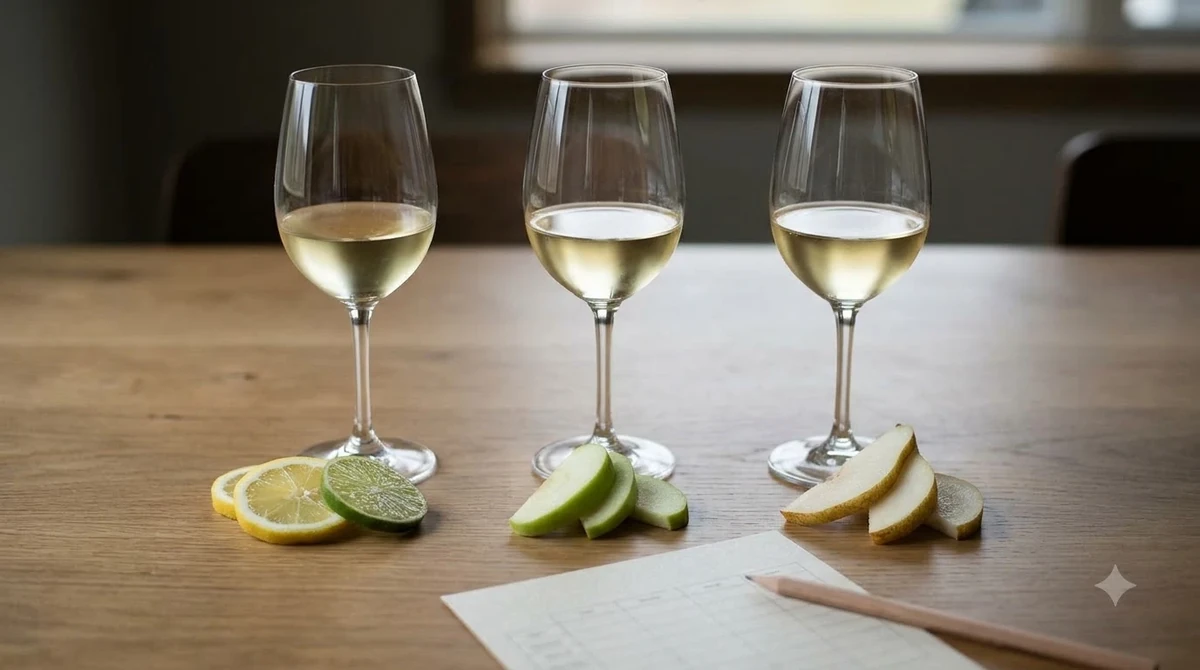
Young examples frequently show aromas of lemon, lime, green apple, pear, and white flowers. Depending on the vineyard and winemaking method, additional notes can include herbs, violet, rose, and a subtle resin-like character. Some wines have a distinct impression of crushed stone or saline minerality that complements the fruit.
The Dão Wine Board highlights citrus, mineral, vegetal, and floral notes in its description of the variety. It also identifies pine resin, hazelnut, and pine nut as characteristic flavors that can become more apparent as wines develop. These qualities make Encruzado more complex than a simple fruit-driven white wine.
On the palate, Encruzado generally has a medium to full body, a fresh acid structure, and a texture that may be described as rounded, silky, or creamy. Some examples have a subtle grip that adds definition without creating the pronounced astringency associated with tannic red wines.
Oak-aged wines often develop a richer profile. Toasted nuts, gentle spice, vanilla-like impressions, and subtle smoky characteristics may appear alongside the original citrus and orchard-fruit flavors. The best examples retain enough freshness to prevent these richer elements from overwhelming the wine.
Unoaked versions usually emphasize the grape’s natural fruit and mineral character. Stainless steel fermentation and maturation can preserve the clean expression of citrus, pear, and white flowers. These wines are often particularly appealing to people who enjoy fresh, structured whites rather than heavily oaked styles.
There is also considerable variation between producers. A wine intended for early drinking may emphasize fruit and freshness, while a more ambitious bottling may prioritize texture, concentration, and the ability to develop over time. Neither style is automatically superior; the choice depends on personal preference and the occasion.
Encruzado is generally best understood as a dry, structured white rather than a sweet or lightweight aromatic wine. Its appeal comes from the way fresh fruit, moderate richness, and mineral detail work together.
Winemaking Styles: Oak, Stainless Steel, and Blending
Encruzado is versatile in the winery, and producers use different fermentation and maturation techniques to highlight its freshness, texture, and complexity. Stainless steel, oak barrels, cement vessels, lees aging, and blending can all contribute to different interpretations of the same grape.
Stainless steel fermentation is a common choice for producers who want to preserve fresh fruit aromas. Temperature-controlled fermentation helps retain delicate citrus and white-fruit characteristics while allowing the wine’s natural structure to remain prominent. This approach is particularly suitable for bottles intended to be enjoyed relatively young.
Oak fermentation and maturation produce a different result. Barrels can add texture and integrate subtle notes of toast, spice, and nuts. Encruzado’s natural structure allows it to work well with oak when the winemaker uses wood carefully. Excessive new oak, however, can obscure the delicate floral and mineral characteristics that make the grape distinctive.
Lees aging is another important technique. After fermentation, wine can remain in contact with the spent yeast cells, or lees, to develop additional texture and complexity. Some winemakers use bâtonnage, a process of stirring the lees, to create a fuller mouthfeel. This technique can give Encruzado a more rounded character while maintaining its underlying freshness.
Cement vessels provide another option. They can offer a maturation environment that differs from both stainless steel and traditional oak barrels. Wine Enthusiast has highlighted Taboadella’s use of cement tulips alongside oak in its Encruzado production, demonstrating how producers can combine different vessels to create individual styles.
Blending remains part of the grape’s heritage. Encruzado may be combined with other Portuguese white varieties, including Bical, Malvasia Fina, and Cerceal-Branco. Each variety contributes something different. Bical can add freshness and aromatic interest, Malvasia Fina can contribute floral softness, and Cerceal-Branco can provide additional acidity.
Single-varietal production has nevertheless become an important part of Encruzado’s modern identity. Quinta dos Carvalhais released its first single-varietal example in 1992, while Quinta do Mondego and Taboadella later developed their own expressions. These developments demonstrated that Encruzado could serve as the principal attraction of a bottle rather than simply supporting other grapes in a regional blend.
For an example of the producer approach, Wine Enthusiast’s coverage of Encruzado’s single-varietal development discusses the role of Portuguese wineries in bringing greater attention to this native grape.
Tip: If you prefer fresh citrus and mineral flavors, begin with an unoaked Encruzado. If you enjoy Chardonnay with creamy texture and subtle toasted-nut characteristics, try a barrel-fermented or lees-aged example instead.
Serving Temperature, Alcohol, and Aging Potential
Encruzado is best served cool rather than ice-cold, with a temperature around 50–55°F for fuller-bodied examples. This range helps preserve freshness while allowing the wine’s floral, citrus, and mineral aromas to develop in the glass.
Very cold serving temperatures can suppress aromatic detail and make the wine seem less expressive. Conversely, serving it too warm can emphasize alcohol and reduce the refreshing impression that is central to its character. A short period in the refrigerator before serving usually provides a practical starting point.
Alcohol levels vary according to ripeness, vineyard conditions, and producer decisions. A specific example from Opta lists 13% alcohol by volume and total acidity of 6.8 grams per liter. Those figures demonstrate the potential balance of a particular Encruzado wine, not fixed measurements for every bottle made from the variety.
The following reference points help explain how to serve and understand Encruzado alongside other common white-wine styles.
| Wine characteristic | Reference figure | What it means |
|---|---|---|
| Recommended serving temperature | 50–55°F | Suitable for fuller-bodied white wines |
| Opta Encruzado alcohol | 13% ABV | Producer-specific example |
| Opta Encruzado total acidity | 6.8 g/L | Producer-specific analytical figure |
| Opta fermentation temperature | 14°C (57.2°F) | Temperature specified for that wine |
| Standard wine pour | 5 oz | Approximately five pours per 750 ml bottle |
| Opened still wine storage | 3–5 days | Keep refrigerated and properly sealed |
Encruzado also has an excellent reputation for bottle aging, particularly in carefully made examples with sufficient concentration and structure. Although some bottles are designed to be enjoyed young, more ambitious wines can develop additional complexity over several years.
During maturation, the bright citrus and fresh fruit characteristics may become more integrated. Hazelnut, pine nut, honey, and toasted notes can emerge, creating a more layered aromatic profile. The important distinction is that well-made examples can retain freshness while developing these mature characteristics.
Wine Enthusiast has reported that older Encruzado wines from the 1990s retained freshness while gaining creamier textures and toasted-nut and honey notes. This demonstrates the variety’s capacity to develop beyond the simple fruit flavors found in many young white wines.
Storage conditions matter. Keep bottles in a cool, dark location near 55°F, away from direct sunlight and significant temperature fluctuations. Bottles sealed with natural cork are generally stored horizontally to keep the cork from drying out. Once opened, refrigerate the wine and use a suitable stopper to preserve its remaining freshness.
For everyday drinking, there is no need to wait years before opening an Encruzado. Fresh, younger bottles can be particularly enjoyable, while premium barrel-aged examples may reward patience.
Food Pairings for Encruzado Wine
Encruzado pairs particularly well with seafood, poultry, creamy dishes, and vegetarian meals that have enough flavor to complement its body and acidity. Its combination of freshness and texture makes it suitable for richer preparations than many light-bodied white wines.
Cod is one of the most natural pairings. Portuguese bacalhau, or salt cod, is especially appropriate because its savory character and substantial texture complement the wine’s mineral freshness. Baked cod with olive oil, potatoes, herbs, and garlic is an excellent starting point.
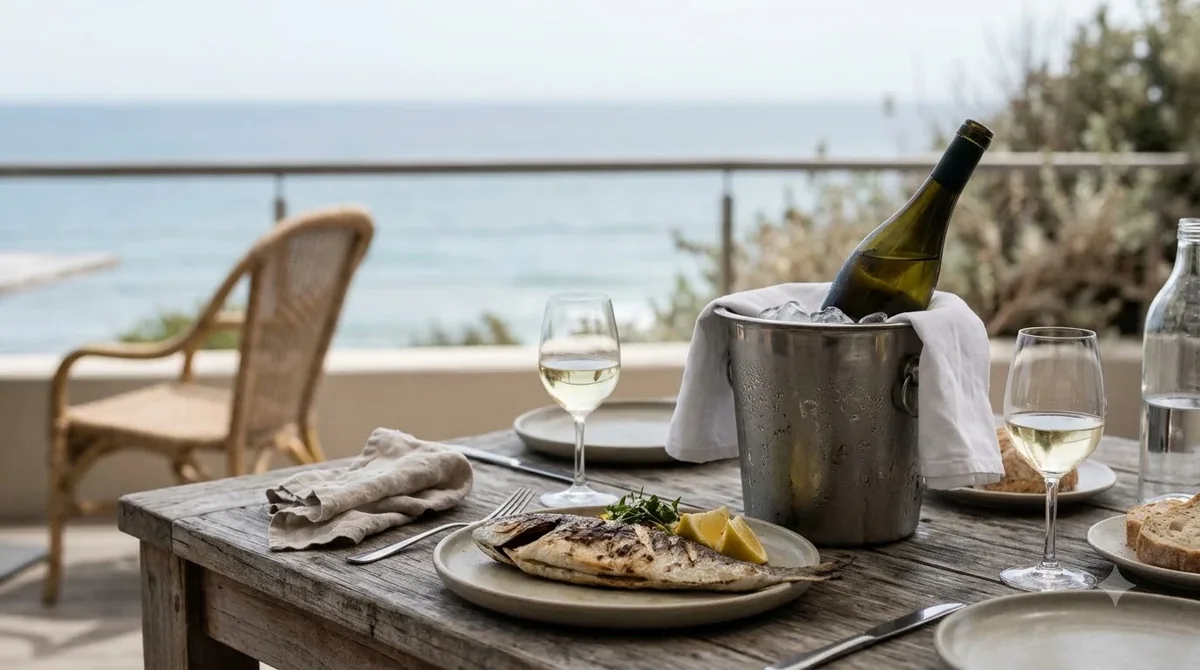
Grilled or roasted fish also works well. Sea bass, halibut, and other firm white fish provide enough texture to match the wine without overpowering its aromas. For seafood with richer sauces, an oak-aged Encruzado can provide additional weight and complexity.
Shellfish is another good option. Grilled prawns, scallops, lobster, and seafood rice can complement the grape’s citrus and mineral characteristics. A wine with bright acidity helps balance the richness of butter-based preparations, while a more textured example can accompany creamy seafood sauces.
Poultry and white meat provide further possibilities. Roast chicken with lemon and rosemary, turkey with mushroom sauce, and pork tenderloin with sage are suitable choices. Encruzado’s body allows it to stand alongside these dishes without disappearing behind their flavors.
Vegetarian meals can be equally successful. Mushroom risotto, pumpkin risotto, creamy pasta, grilled vegetables, and dishes featuring herbs or roasted nuts work particularly well. The wine’s texture complements creamy preparations, while its freshness keeps the combination from feeling too heavy.
Cheese is another strong match. Sheep’s milk cheeses, particularly Portuguese Queijo da Serra da Estrela, offer a creamy richness that contrasts nicely with the wine’s acidity and mineral character. Younger, softer cheeses can suit fresher Encruzado styles, while more developed cheeses may work better with wines that have received oak maturation.
Food matching should also account for the preparation rather than simply the main ingredient. Lemon-based sauces and acidic dressings need a wine with comparable acidity, so Encruzado’s fresh profile can be helpful. Salt and fat soften the perception of tannin in wine, although Encruzado is a white variety with little tannin, making texture and acidity more important considerations.
Very spicy dishes are less reliable partners, particularly when the wine has noticeable alcohol or a substantial oak influence. Chili heat can become more pronounced alongside alcoholic wines. Mildly seasoned Asian dishes, herb-based preparations, and seafood with restrained spice are generally safer choices.
Readers exploring different grape varieties and their culinary uses can also discover the sweet red Brachetto grape, which provides a useful contrast to Encruzado’s typically dry, structured white-wine style.
How Encruzado Compares With Other White Wines
Encruzado offers an interesting alternative to familiar white grapes because it combines some characteristics associated with Chardonnay, Riesling, and other structured varieties without simply copying their profiles. Its identity rests on the relationship between citrus freshness, moderate richness, mineral detail, and the influence of Dão vineyards.
Chardonnay is perhaps the most useful comparison for consumers who enjoy full-bodied white wines. Both grapes can produce wines with considerable texture and can respond well to oak fermentation and maturation. However, Chardonnay is grown across many different climates and can range from lean and mineral to rich and buttery. Encruzado generally offers a more distinctive combination of Portuguese citrus, floral, and resin-like characteristics.
Compared with Sauvignon Blanc, Encruzado is generally less focused on sharply aromatic grassy and tropical-fruit notes. Sauvignon Blanc usually has high acidity and a lighter impression, although styles vary considerably. Encruzado can have a fuller body and more noticeable texture, particularly when lees aging or oak is involved.
Riesling is another useful point of comparison. Both varieties can retain freshness and express their growing environments, but Riesling is often associated with pronounced acidity and can range from bone-dry to sweet. Encruzado is more commonly encountered as a dry, structured white with a softer, broader palate.
Portugal’s native grapes also provide interesting comparisons. Alvarinho, widely associated with Vinho Verde, can offer bright citrus, stone fruit, and refreshing acidity. Encruzado generally emphasizes body, texture, and mineral depth rather than relying primarily on aromatic intensity.
The following comparison summarizes the general stylistic differences between these varieties.
| Grape | Typical acidity | Body | Common characteristics |
|---|---|---|---|
| Encruzado | Medium to medium-high | Medium to full | Citrus, pear, flowers, minerals, nuts |
| Chardonnay | Medium | Medium to full | Apple, citrus, peach, butter, oak |
| Sauvignon Blanc | High | Light to medium | Citrus, herbs, grass, tropical fruit |
| Riesling | High | Light to medium | Lime, peach, flowers, mineral notes |
| Alvarinho | Medium-high to high | Medium | Citrus, stone fruit, floral notes |
These comparisons are general style guides rather than strict rules. Vineyard conditions, harvesting decisions, fermentation, and maturation can significantly change the character of individual bottles. An oak-aged Encruzado may resemble a richer Chardonnay more closely than a fresh stainless-steel example does.
For wine drinkers interested in expanding their knowledge, exploring the broader Wine by Type category provides useful context for understanding how grape varieties influence body, acidity, sweetness, and food compatibility.
Frequently Asked Questions
Is Encruzado the same grape as Salgueirinho?
Yes. Salgueirinho is an alternative name associated with Encruzado in Portugal. Both names refer to the same white grape variety, although Encruzado is the name most commonly used in international wine discussions and commercial descriptions.
Does Encruzado have a protected wine designation?
Encruzado is strongly associated with Dão DOC, Portugal’s protected designation of origin for wines from the region. The Dão regulatory system includes requirements for varietal wines, and producers must meet the applicable certification standards before using the protected designation.
Can Encruzado be used to make sparkling wine?
Yes. Although still white wine is its best-known expression, Encruzado can also be used in sparkling wine production. Its natural freshness and structure provide useful characteristics for sparkling styles, depending on the producer’s blend and fermentation decisions.
What glass should you use for Encruzado?
A medium-sized white wine glass with a moderately wide bowl is a good choice. It provides enough space for citrus, floral, and mineral aromas to develop while concentrating them toward the nose. A larger white Burgundy-style glass can also suit fuller, barrel-aged examples.
Who was the first producer to bottle single-varietal Encruzado?
Quinta dos Carvalhais is credited with releasing the first single-varietal Encruzado in 1992. The project followed experiments by winemaker Manuel Vieira, who recognized that the grape could produce a structured and complex wine without requiring other varieties in the blend.
The Encruzado grape demonstrates why Portugal deserves attention beyond its internationally famous fortified wines and red blends. Its combination of citrus freshness, mineral structure, silky texture, and bottle-aging potential makes it one of the country’s most distinctive white varieties. Whether enjoyed young with seafood or after several years of development alongside roasted poultry and creamy dishes, Encruzado offers a compelling introduction to the character of the Dão.
More in Wine Types & Grapes
 What Does Mourvèdre Taste Like? Flavor Profile, Regions, and PairingsUpdated Nov 20, 2026
 What Does Marsanne Taste Like? Flavors, Styles, and Food PairingsUpdated Nov 20, 2026
 What Does Malvasia Taste Like? Styles, Flavors, and Food PairingsUpdated Nov 20, 2026
 What Does Grenache Blanc Taste Like? Flavor Profile, Styles, and PairingsUpdated Nov 20, 2026
 What Does Garnacha Taste Like? Key Flavors, Styles, and Pairing TipsUpdated Nov 20, 2026
 What Does Fruit Wine Taste Like? A Complete Flavor and Style BreakdownUpdated Nov 20, 2026