


We may earn a commission when you buy through links on this page, at no extra cost to you. Learn more.
Carmenere tasting notes typically include ripe blackberry, black plum, red cherry, green bell pepper, paprika, and earthy herbs, with medium tannins, fresh acidity, and a dry finish. This Chilean red wine combines dark-fruit richness with a distinctive savory character that separates it from Merlot and Cabernet Sauvignon. Depending on the vineyard and winemaking, you may also notice vanilla, tobacco, cedar, cocoa, and black pepper. Its body generally ranges from medium to full, making it a versatile choice for grilled meats, roasted vegetables, and richly seasoned dishes.
Carménère (pronounced car-men-air) has an interesting identity: it originated in Bordeaux, France, but became closely associated with Chile after being rediscovered there in the 1990s. Its signature combination of ripe fruit and green herbal aromas makes it one of the more recognizable international red grape varieties. Understanding its aroma, palate, structure, and regional differences makes it easier to recognize the grape and choose a bottle that suits your preferences.
Primary Carménère Aromas and Flavor Characteristics
Carménère is best recognized by its combination of dark fruit, red berries, and green pepper-like aromas. Blackberry, black plum, raspberry, paprika, and leafy herbs are common reference points, while oak aging can introduce vanilla, cedar, and smoke.
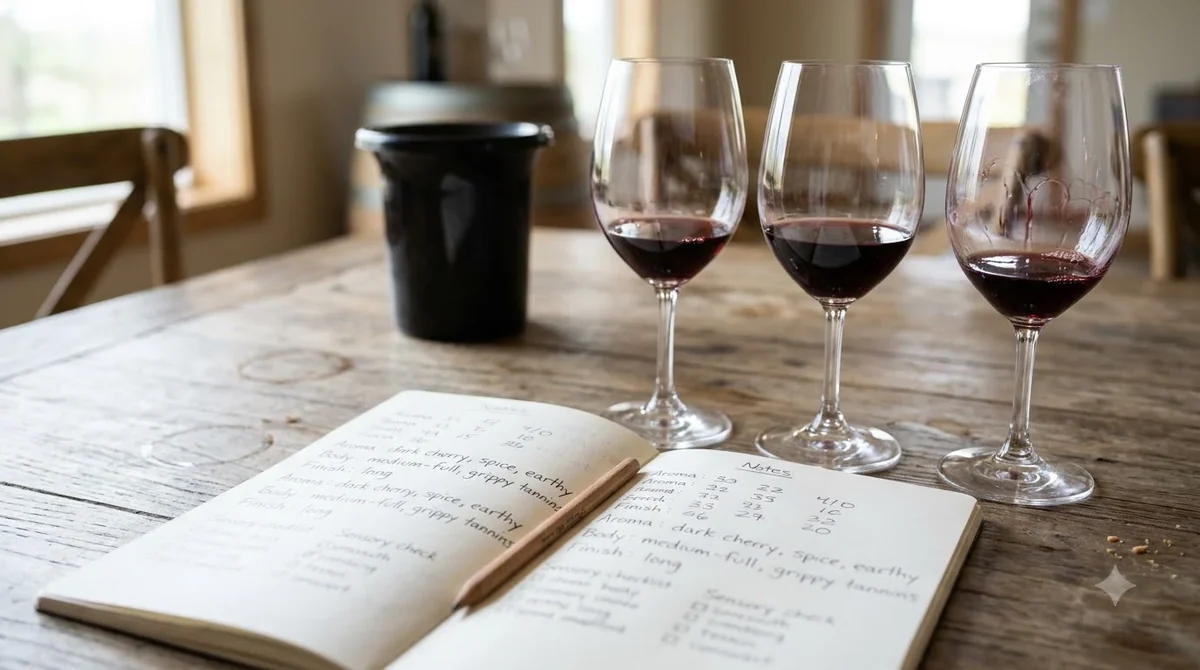
Start with the fruit aromas. Blackberry and black plum are particularly characteristic, giving the wine a ripe, concentrated impression. Some bottles lean toward red fruit, with raspberry, strawberry, and cherry providing a fresher profile. Others emphasize darker fruit, including blueberry, black cherry, and plum preserves. The balance depends on the growing conditions, ripeness, and winemaking choices.
The second major characteristic is the herbal dimension. Carménère can smell like green bell pepper, green peppercorn, paprika, mint, bay leaf, or freshly cut herbs. These aromas are associated with methoxypyrazines, naturally occurring compounds found in several Bordeaux-related varieties. They help explain why Carménère can have a savory character even when its fruit is ripe and generous.
Spice and earthy notes add another layer. Black pepper, tobacco, cocoa, and dark chocolate can appear in particular examples. Oak-aged wines may show vanilla, cedar, toast, and smoke, while mature bottles can develop leather and earthy aromas. These characteristics do not appear in every bottle, so they should be treated as possible secondary and tertiary notes rather than mandatory features.
The following chart summarizes common tasting references and where they are most likely to appear in the glass.
| Tasting characteristic | Typical notes | Where to detect it |
|---|---|---|
| Primary fruit | Blackberry, plum, raspberry, cherry | Nose and first sip |
| Herbal character | Green pepper, paprika, mint, bay leaf | Nose and mid-palate |
| Spice | Black pepper, cinnamon, clove | Mid-palate and finish |
| Oak influence | Vanilla, cedar, toast, smoke | Aroma and finish |
| Earthy development | Leather, tobacco, forest-floor notes | Older wines and finish |
For a useful tasting exercise, smell the wine before swirling, then swirl gently and smell again. The first impression may emphasize fruit, while the second reveals more herbal, peppery, or oak-derived aromas. This simple comparison helps distinguish the primary fruit profile from the secondary aromas that develop through winemaking.
One important point is that green pepper is not automatically a flaw. It is a recognizable part of Carménère’s varietal character. The most appealing examples balance that herbal element with ripe fruit, rather than allowing an overly sharp vegetal impression to dominate the entire wine.
How Carménère Tastes on the Palate
Carménère generally tastes dry, with medium tannins, medium-to-full body, and moderate to medium-high acidity. Its palate combines ripe fruit with savory herbal flavors, while its tannins usually feel softer than those of a highly structured Cabernet Sauvignon.
The first sip often brings black plum, blackberry, and cherry. These fruit flavors can create an impression of richness, but that does not mean the wine contains substantial residual sugar. Carménère is generally a dry red wine. Ripe fruit aromas and flavors can seem sweet even when the wine finishes dry.
Its tannins provide structure and texture. Medium tannins can produce a gentle drying sensation along the gums and sides of the mouth, but the effect is often more approachable than the firm grip associated with young Cabernet Sauvignon. Some structured Carménère wines, particularly those with substantial oak influence or concentrated fruit, can have noticeably firmer tannins.
Acidity keeps the fruit from feeling excessively heavy. The wine generally has enough freshness to balance ripe plum and blackberry flavors, although acidity varies between regions, vintages, and individual producers. The combination of fruit, acidity, and moderate tannin makes Carménère suitable for food rather than limiting it to slow sipping.
The finish can reveal characteristics that are less obvious in the first sip. Black pepper, dried herbs, tobacco, cocoa, and cedar may linger after the fruit fades. A well-balanced bottle should maintain a relationship between its fruit and savory components instead of finishing with excessive bitterness or aggressive green flavors.
Understanding Carménère’s structural profile
Body describes how substantial the wine feels in the mouth. Carménère generally sits between medium and full-bodied, depending on fruit concentration, alcohol, and winemaking. A lighter example can feel relatively supple, while a concentrated Apalta or Peumo wine may feel broader and more substantial.
Alcohol also contributes to perceived weight and warmth. Many examples fall around 13% to 15% ABV. Higher-alcohol bottles can create a warming sensation, particularly when served too warm, so controlling serving temperature helps preserve the wine’s balance.
For comparison, Merlot typically has medium, softer tannins, while Cabernet Sauvignon generally has higher tannin and a firmer structure. Carménère sits closer to Merlot in terms of approachability but has a more distinctive green pepper and savory herbal profile. Its identity comes from the combination rather than one isolated flavor.
Why Carménère Has Green Pepper and Herbal Notes
Carménère’s recognizable green pepper character comes largely from methoxypyrazines, aromatic compounds that occur naturally in grapes. Its late-ripening nature also makes vineyard conditions and harvest decisions important, because insufficient ripeness can allow green flavors to dominate the fruit.
These compounds help explain the wine’s characteristic bell pepper, leafy herb, and green peppercorn aromas. They are not unique to Carménère: Cabernet Franc and Cabernet Sauvignon can also show similar characteristics. However, Carménère is particularly associated with this combination of herbal aromas and ripe red or black fruit.
The grape has a relatively long growing season. According to Wine Folly, Carménère can be harvested approximately four to five weeks after Merlot. This late development means that producers need suitable growing conditions and enough time for the grapes to ripen properly.
Warm, sunny growing conditions can support the development of ripe fruit, helping the finished wine balance its herbal characteristics with blackberry, plum, and cherry. When the grapes are harvested too early, the green character can become more prominent and the wine may seem less balanced. However, an herbal aroma alone is not proof of underripe fruit.
Modern producers also have different approaches to managing Carménère’s character. Vineyard selection, canopy management, harvest timing, fermentation temperatures, extraction methods, and oak use all influence the finished profile. Some producers favor freshness and herbal complexity, while others emphasize concentrated fruit and a smoother texture.
Wine Enthusiast describes how Viña Santa Rita’s winemaking approach includes gentle extraction and lower fermentation temperatures for particular Carménère wines. These choices can help preserve freshness and maintain a balance between fruit and herbal aromas. Its article, Inside the Carménère Renaissance in Chile, also discusses how producers are exploring different vineyard sites and winemaking techniques.
Tip: When tasting Carménère, distinguish between green pepper as a supporting aroma and green pepper as the dominant flavor. A balanced wine should still show identifiable fruit, such as blackberry, plum, or cherry, alongside its herbal character.
The wine’s herbal profile also makes it useful for understanding other Bordeaux-related grapes. If you enjoy green pepper, savory herbs, and moderate tannins, compare it with Grenache tasting notes to explore a different red-wine profile that often emphasizes ripe berries, spice, and a softer tannin impression.
How Chilean Regions Influence Carménère Tasting Notes
Chile produces several recognizable expressions of Carménère, with Maipo, Cachapoal, Colchagua, and Maule offering different combinations of fruit, acidity, herbs, and structure. Within these areas, specific locations such as Peumo and Apalta are particularly important for understanding the grape’s range.
Colchagua Valley is one of the best-known areas for Carménère. Wines from this region commonly show ripe raspberry, blackberry, and plum with herbal and green peppercorn notes. The valley includes different growing environments, so wines from its coastal areas and foothills do not necessarily share the same character.
Apalta, within Colchagua Valley, is associated with concentrated fruit, more structured tannins, and oak influence. Wines can show sweet raspberry, dark berries, cedar, and spice, sometimes with less obvious herbaceous character than other examples. Wine Enthusiast highlights Apalta as an important location in the development of modern Chilean Carménère.
Cachapoal Valley provides another important reference. Its Carménère often combines ripe cherry with herbal aromas and green peppercorn. The subregion of Peumo is particularly recognized for fuller-bodied expressions, with sweet red berry aromas, concentrated fruit, and higher alcohol in some wines.
Maipo Valley can produce a more refined and comparatively lighter expression. Cherry, hibiscus, and rose may accompany the grape’s herbal character. The influence of the Andes and local growing conditions can contribute freshness and subtle mineral impressions.
Maule Valley offers additional stylistic variety. Producers in this area can make earthy, fruit-focused examples that emphasize the savory side of Carménère. Vineyard conditions and individual winemaking decisions remain important, so regional descriptions should be treated as general expectations rather than guarantees.
The following comparison offers a practical starting point when selecting a regional style.
| Region or subregion | Typical fruit | Other characteristics | General style |
|---|---|---|---|
| Colchagua Valley | Raspberry, blackberry, plum | Green peppercorn, herbs | Ripe and balanced |
| Apalta | Raspberry, dark berries | Oak spice, structured tannins | Concentrated and fuller |
| Cachapoal Valley | Cherry, red berries | Herbs, green peppercorn | Fresh and savory |
| Peumo | Sweet red berries | Higher alcohol, fuller body | Rich and concentrated |
| Maipo Valley | Cherry, red fruit | Floral and mineral impressions | Refined and fresh |
| Maule Valley | Dark and red fruit | Earthy and herbal notes | Savory and varied |
These regional differences demonstrate why two bottles made from the same grape can taste quite different. A Maipo Carménère may emphasize floral aromas and freshness, while an Apalta bottle may have more concentrated fruit, firmer tannins, and noticeable oak.
For a useful comparison, try two wines from different Chilean regions in the same tasting session. Keep the serving temperature and glassware consistent, then compare the intensity of the fruit, the prominence of green pepper, and the length of the finish. This provides a clearer understanding of regional variation than tasting bottles under different conditions.
Carménère Compared with Merlot, Cabernet Sauvignon, and Other Reds
Carménère shares characteristics with several familiar red grapes, especially Merlot and Cabernet Sauvignon, but its combination of herbal aromas, ripe fruit, and medium tannins gives it a distinctive identity. Comparing these varieties makes it easier to identify what is in the glass.
Merlot is usually the closest comparison in terms of texture. Both varieties can show plum, cherry, and blackberry, with approachable tannins and a rounded palate. Carménère, however, often has a more noticeable green pepper, paprika, and leafy herbal character. Merlot generally emphasizes soft fruit and a smoother impression.
Cabernet Sauvignon tends to have higher tannin, firmer structure, and more pronounced cassis and blackcurrant characteristics. Carménère is usually softer and less aggressively tannic, although concentrated examples can still feel substantial. Both varieties can show green pepper aromas because of their shared association with methoxypyrazines.
Cabernet Franc is another useful comparison. It can display red berries, fresh herbs, bell pepper, and floral notes. Carménère often develops a fuller fruit impression and can feel rounder, while Cabernet Franc commonly emphasizes freshness and a more pronounced aromatic lift.
Petit Verdot offers a different contrast. It is generally known for substantial tannin, deep color, and dark fruit. Exploring Petit Verdot tasting notes alongside Carménère helps illustrate how tannin and body can distinguish two varieties even when both have dark-fruit flavors.
For white-wine drinkers, Sauvignon Blanc offers another interesting comparison because of its high acidity and herbal aromas. However, Sauvignon Blanc is a much fresher, lighter-bodied white wine, while Carménère provides red-fruit concentration, tannin, and a fuller mouthfeel. Those who enjoy aromatic herbal notes may appreciate both for different reasons.
Here is a quick structural comparison using typical varietal characteristics.
| Grape variety | Typical tannin | Acidity | Recognizable character |
|---|---|---|---|
| Carménère | Medium | Medium to medium-high | Plum, blackberry, green pepper |
| Merlot | Medium, softer | Medium | Plum, cherry, soft fruit |
| Cabernet Sauvignon | High | Medium to high | Cassis, blackberry, firm structure |
| Cabernet Franc | Medium | Medium-high | Red berries, herbs, pepper |
| Petit Verdot | High | Medium-high | Dark fruit, spice, firm structure |
| Pinot Noir | Low to medium | High | Cherry, raspberry, earthy notes |
These are general profiles, not fixed rules for every bottle. Climate, ripeness, vineyard location, blending, and oak aging can significantly change the final wine. A structured Carménère may overlap with a softer Cabernet Sauvignon, while a fresh Merlot may seem lighter than expected.
To explore more varieties, the Wine by Type resource provides a useful starting point for understanding the characteristics that distinguish different grapes and wine styles.
Best Food Pairings and Serving Carménère
Carménère pairs particularly well with grilled beef, roasted pork, chicken, sausages, mushrooms, and dishes featuring roasted peppers or herbs. Its medium tannins, ripe fruit, and savory character complement flavorful foods without requiring the intensity of a highly tannic red wine.
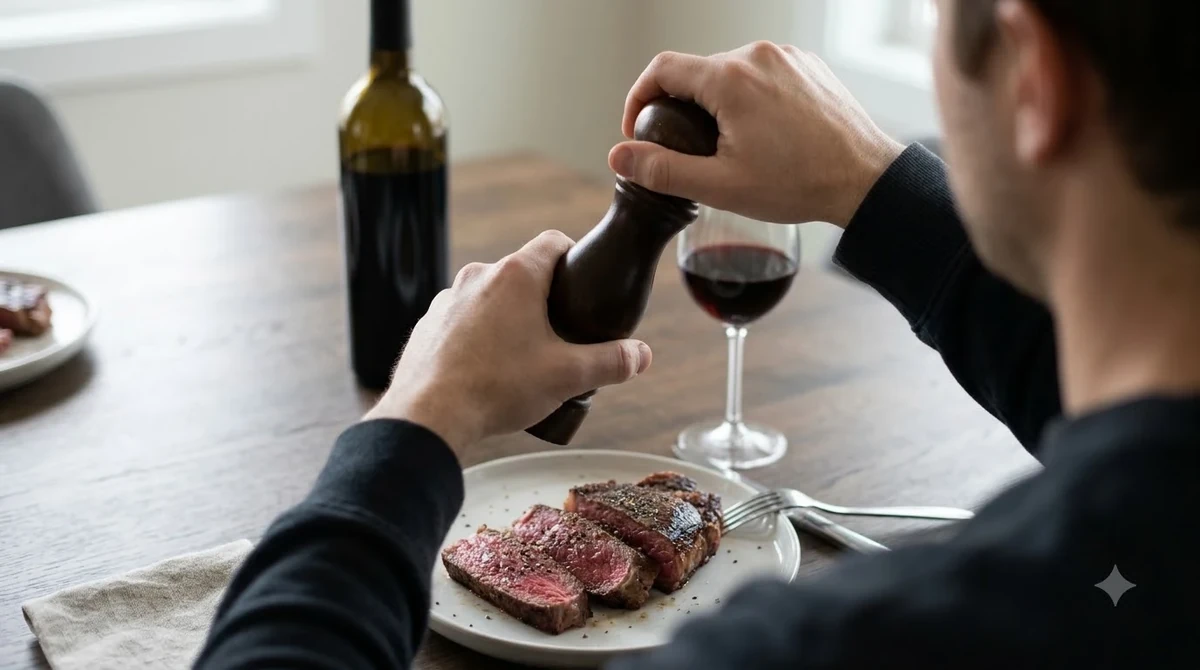
Grilled beef is a natural pairing because the wine’s tannins work with the protein and fat in the meat. A steak with chimichurri, rosemary, or parsley sauce also echoes Carménère’s herbal aromas. The combination of blackberry fruit and peppery flavors can complement charred meat and savory seasonings.
Pork is another strong option. Roasted pork loin, pulled pork, and grilled pork chops work particularly well with Carménère’s plum and berry flavors. A preparation featuring paprika, black pepper, garlic, or herbs can reinforce the wine’s aromatic character.
For poultry, consider roasted chicken, turkey, or duck. Chicken with sautéed vegetables and herbs provides a relatively gentle pairing, while roast turkey with savory stuffing gives the wine more substantial flavors to complement. Duck can also work well because its richer meat texture matches the wine’s fruit and moderate tannin.
Vegetarian dishes are equally suitable. Roasted eggplant, grilled mushrooms, lentil dishes, black beans, and vegetable stews offer earthy and savory flavors that complement Carménère. Tomato-based pasta with herbs is another practical choice, particularly when the dish has enough richness to balance the wine.
Foods to approach carefully
Very spicy dishes require some care. Chili heat can become more pronounced alongside alcohol and tannin, so a heavily peppered or extremely hot dish may overwhelm the wine. If serving Carménère with spicy food, choose a moderate level of heat and emphasize roasted vegetables, beans, and savory sauces.
Delicate white fish is usually less suitable than grilled meat or vegetables. Tannic red wines can clash with oily fish, producing an unpleasant metallic impression, so lighter, higher-acidity wines are often more reliable choices for fish-focused meals.
Serving temperature and glassware
Serve Carménère at approximately 60–65°F for a balanced expression of fruit, acidity, and alcohol. A standard red wine glass with a reasonably wide bowl gives the aromas enough room to develop. Avoid serving the wine too warm, because excessive warmth can make the alcohol seem more prominent and reduce the clarity of its herbal notes.
Young, concentrated Carménère may benefit from 30–60 minutes of decanting. This allows the wine to interact with air and can soften the initial impression of concentrated fruit and structure. Lighter, fresher examples may need little or no decanting.
For a straightforward tasting, pour approximately 5 ounces into a glass. A standard 750 ml bottle provides about five such servings. If you have opened a bottle and want to preserve it, close it securely and refrigerate it; most opened still wines remain in good condition for approximately three to five days, depending on their style and storage conditions.
Temperature consistency is particularly helpful when comparing different bottles. If one Carménère is served at 65°F and another is served significantly warmer, the difference in perceived alcohol and aroma intensity can make the comparison misleading.
How to Taste Carménère and Recognize Quality
A structured tasting of Carménère involves observing its appearance, assessing its aromas, evaluating its palate, and considering the finish. Paying attention to the relationship between ripe fruit and herbal character is especially useful for identifying the grape.
1. Examine the color. Carménère often has a deep red or ruby appearance, sometimes with violet hues in younger examples. Tilt the glass against a white background and observe the intensity of the color. Concentrated examples can appear particularly dark at the center of the glass.
2. Smell before swirling. Bring the glass to your nose and identify the first aromas. You may notice blackberry, plum, cherry, or raspberry. This initial impression is useful because it shows which fruit characteristics are immediately apparent without aeration.
3. Swirl and smell again. Gentle swirling releases additional aromatic compounds. Look for green bell pepper, paprika, mint, black pepper, bay leaf, vanilla, and cedar. Try to identify whether the herbal notes support the fruit or dominate the aroma.
4. Evaluate the first sip. Pay attention to the wine’s dryness, body, acidity, and tannins. Notice whether the fruit feels fresh or concentrated and whether the texture is soft, firm, or slightly grippy. Carménère generally has medium tannins and a medium-to-full body.
5. Consider the finish. After swallowing, observe which flavors remain. Blackberry, plum, pepper, tobacco, and herbs can persist on the finish. A balanced example should maintain a recognizable fruit character alongside its savory notes.
Quality is not determined by the intensity of any single aroma. A wine with powerful blackberry flavors is not automatically better than one with more restrained fruit and greater freshness. Balance, concentration, texture, and finish all contribute to the overall impression.
It is also useful to distinguish winemaking influence from grape characteristics. Vanilla, toast, and smoke often indicate oak influence, whereas blackberry, plum, and green pepper are more closely associated with the grape’s aromatic profile. Recognizing these differences makes tasting descriptions more accurate.
For additional practice, compare a young Carménère with a bottle that has spent time in oak. Look for differences in vanilla, cedar, smoke, and tannin texture. Then compare their fruit and herbal aromas to identify which characteristics remain consistent across different winemaking styles.
For another detailed reference, Wine Folly’s Carménère grape guide covers its primary flavors, serving suggestions, food pairings, and regional expressions in Chile.
Frequently Asked Questions
Is Carménère related to Merlot?
Yes, Carménère and Merlot share a connection through their Bordeaux origins, but they are distinct grape varieties. Carménère is a half-sibling of Merlot, with Cabernet Franc and Gros Cabernet identified as its parent varieties. Their similar appearance in Chilean vineyards contributed to the historical confusion between them.
Why was Carménère mistaken for Merlot in Chile?
The two varieties were planted together, and their vines could be difficult to distinguish visually. Chilean growers also noticed that some vines ripened later than ordinary Merlot. In 1994, ampelographer Jean-Michel Boursiquot identified the misclassified vines as Carménère, establishing their true identity.
Can Carménère be used in red wine blends?
Yes. Carménère can be blended with other Bordeaux varieties, including Cabernet Sauvignon, Merlot, and Cabernet Franc. Blending can help producers adjust the final wine’s fruit intensity, tannin, acidity, and aromatic complexity while retaining Carménère’s characteristic herbal character.
Does Carménère develop different aromas as it ages?
Yes. With bottle age, fresh berry and plum aromas can become less prominent as leather, tobacco, earth, and other developed aromas emerge. More structured examples can evolve for a decade or longer under suitable storage conditions, although everyday bottlings are generally intended for earlier drinking.
Can Carménère grow outside Chile?
Yes. Carménère originated in France and is also cultivated in countries including China, Italy, and Argentina. In China, it is commonly associated with the name Cabernet Gernischt. Its late-ripening nature means that warm growing conditions and sufficient time for grape development are important wherever it is cultivated.
Carménère is a distinctive dry red wine that combines blackberry, plum, pepper, and herbal aromas with approachable tannins and a satisfying finish. Chilean examples from Colchagua, Apalta, Peumo, and Maipo demonstrate how growing conditions and winemaking can create different expressions of the same grape. Once you recognize the balance between ripe fruit and green pepper, Carménère becomes much easier to identify, compare, and pair with food.
More in Wine Types & Grapes
 What Does Mourvèdre Taste Like? Flavor Profile, Regions, and PairingsUpdated Nov 20, 2026
 What Does Marsanne Taste Like? Flavors, Styles, and Food PairingsUpdated Nov 20, 2026
 What Does Malvasia Taste Like? Styles, Flavors, and Food PairingsUpdated Nov 20, 2026
 What Does Grenache Blanc Taste Like? Flavor Profile, Styles, and PairingsUpdated Nov 20, 2026
 What Does Garnacha Taste Like? Key Flavors, Styles, and Pairing TipsUpdated Nov 20, 2026
 What Does Fruit Wine Taste Like? A Complete Flavor and Style BreakdownUpdated Nov 20, 2026