


We may earn a commission when you buy through links on this page, at no extra cost to you. Learn more.
Cinsault tasting notes typically feature fresh raspberry, strawberry, cherry, and pomegranate, with delicate floral aromas, moderate acidity, low tannins, and a light-to-medium body. This southern French grape produces approachable dry reds and fragrant rosés that emphasize freshness rather than heavy structure. Depending on the growing region and winemaking approach, Cinsault can also reveal pepper, dried herbs, earth, and subtle savory characteristics. Its gentle texture makes it particularly appealing to drinkers who enjoy lighter red wines.
Cinsault (also spelled Cinsaut) has long played an important role in the wines of southern France, particularly in Provence, Languedoc, and the Rhône Valley. Although it is frequently blended with Grenache, Syrah, and Carignan, increasingly interesting single-varietal bottlings show just how expressive the grape can be. Understanding its fruit character, acidity, tannins, and regional differences makes it easier to recognize Cinsault and choose a bottle that suits your preferences.
Primary Cinsault Flavors and Aromas
Cinsault is primarily a red-fruited grape, offering an inviting combination of raspberry, strawberry, red cherry, and pomegranate. Its aromatic profile is generally delicate and fresh, with floral and herbal accents that become more noticeable as the wine opens.
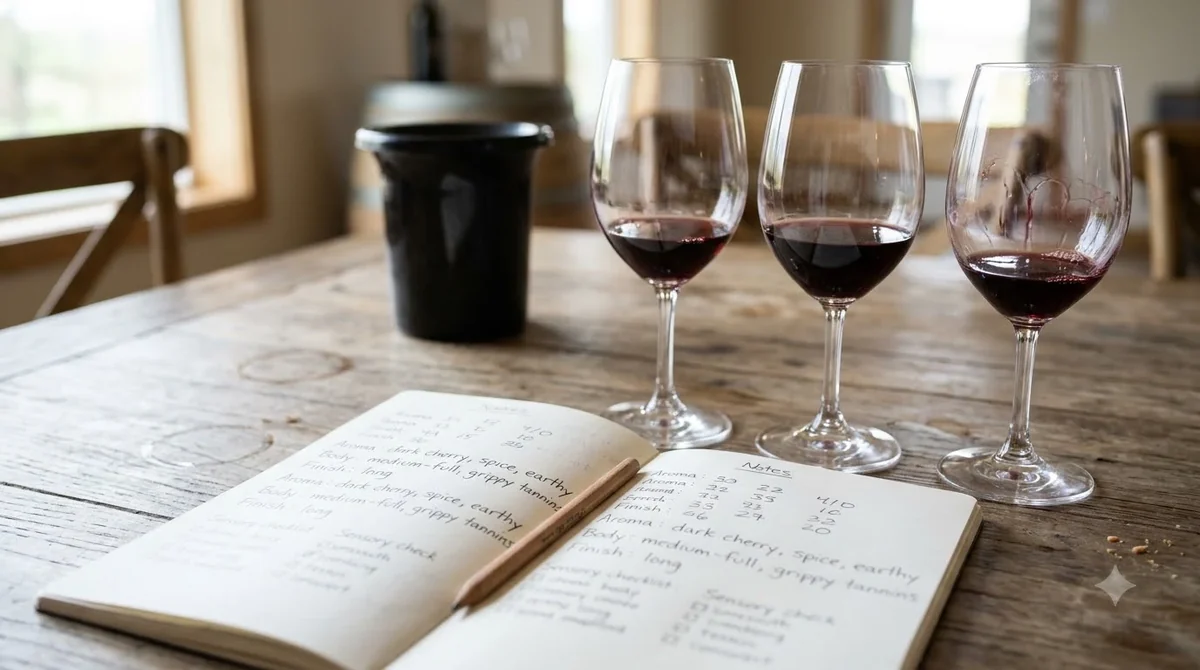
On the nose, young Cinsault often suggests freshly picked strawberries, raspberry preserves, red currants, and cherry skin. These aromas are usually accompanied by rose petals, violets, or other gentle floral notes. Depending on the vineyard and winemaking style, peach and nectarine can also appear, particularly in rosé expressions. The fruit character tends to be bright rather than dense, giving the wine an immediately recognizable freshness.
The palate generally follows the aromas. Expect juicy raspberry, tart cherry, strawberry, and pomegranate, sometimes with a slightly crunchy quality similar to biting into fresh red fruit. Less fruit-forward examples may introduce dried herbs, black tea, earthy notes, or a little black pepper. These savory details add complexity without overwhelming the grape’s naturally gentle personality.
How the Aromas Develop
Fruit ripeness plays an important role in the aromatic profile. Grapes harvested at moderate ripeness often produce particularly fresh raspberry and red-cherry notes, while warmer conditions and greater ripeness can bring out sweeter strawberry, darker berry, and more concentrated fruit characteristics. However, Cinsault generally retains a relatively delicate aromatic identity compared with varieties such as Syrah or Cabernet Sauvignon.
Winemaking also influences what appears in the glass. Stainless-steel fermentation tends to preserve primary fruit and floral aromas. Oak maturation can introduce additional spice, toasted notes, and texture, although heavy oak treatment is not necessary to make an expressive Cinsault. Some producers also use whole-cluster fermentation or carbonic maceration to emphasize freshness and approachable fruit.
For a practical tasting exercise, smell the wine before swirling, then swirl gently and smell again. The first examination may reveal strawberry and raspberry, while the second can uncover rose petals, herbs, or spice. This progression is particularly useful with young Cinsault reds, whose subtle aromas can initially seem understated.
Body, Acidity, Tannins, and Sweetness
Cinsault is generally a dry red or rosé with a light-to-medium body, moderate acidity, and low tannin levels. Its relatively soft structure creates a smooth drinking experience, with fresh fruit providing most of the wine’s appeal.
Unlike Cabernet Sauvignon, which is known for pronounced tannins and a firm finish, Cinsault usually feels gentle across the palate. Its tannins may create a faint drying sensation around the gums, but they rarely dominate the fruit. This softer structure is one reason winemakers value Cinsault as a blending partner for varieties that produce more powerful wines.
Acidity is typically moderate, although the exact impression depends on climate, harvest timing, and winemaking. A fresh example can show lively red-cherry flavors and a clean finish, while a riper wine may feel rounder and softer. The grape’s acidity generally provides enough freshness to balance its fruit without producing the sharp impression associated with particularly high-acid varieties.
Understanding the Structural Profile
| Characteristic | Typical Cinsault Profile | What You Notice |
|---|---|---|
| Body | Light to medium | Gentle weight and an easy-flowing texture |
| Acidity | Moderate | Fresh red fruit and a lively finish |
| Tannins | Low | Soft grip and limited mouth-drying sensation |
| Sweetness | Usually dry | Fruitiness without substantial residual sweetness |
| Alcohol | 11.5–13.5% ABV | Generally moderate warmth |
| Fruit character | Red fruit dominant | Raspberry, strawberry, cherry, and pomegranate |
The French wine information organization Vin De France identifies Cinsault as a medium-light-bodied grape with medium acidity, low tannins, and a typical alcohol range of 11.5–13.5% ABV. These characteristics provide a useful starting point, although individual wines can fall outside the typical profile. Read more about its structural characteristics in the Vin De France Cinsault variety profile.
Sweetness deserves a little clarification. Cinsault’s ripe strawberry and raspberry flavors can make a wine seem sweet even when it is technically dry. Most traditional red examples and Provence-style rosés are dry, meaning their appealing fruit character does not necessarily indicate substantial residual sugar.
Tip: If you prefer lighter reds with gentle tannins, look for single-varietal Cinsault or blends in which Cinsault plays a significant role. Bottles from cooler or moderate Mediterranean sites can emphasize fresh cherry, raspberry, and floral notes rather than dense, ripe fruit.
How French and South African Cinsault Differ
Southern France and South Africa are two particularly important places to explore Cinsault, but their wines can express noticeably different characteristics. French examples frequently emphasize freshness, supple texture, and blending versatility, while South African bottlings include distinctive single-varietal wines from older vineyards.
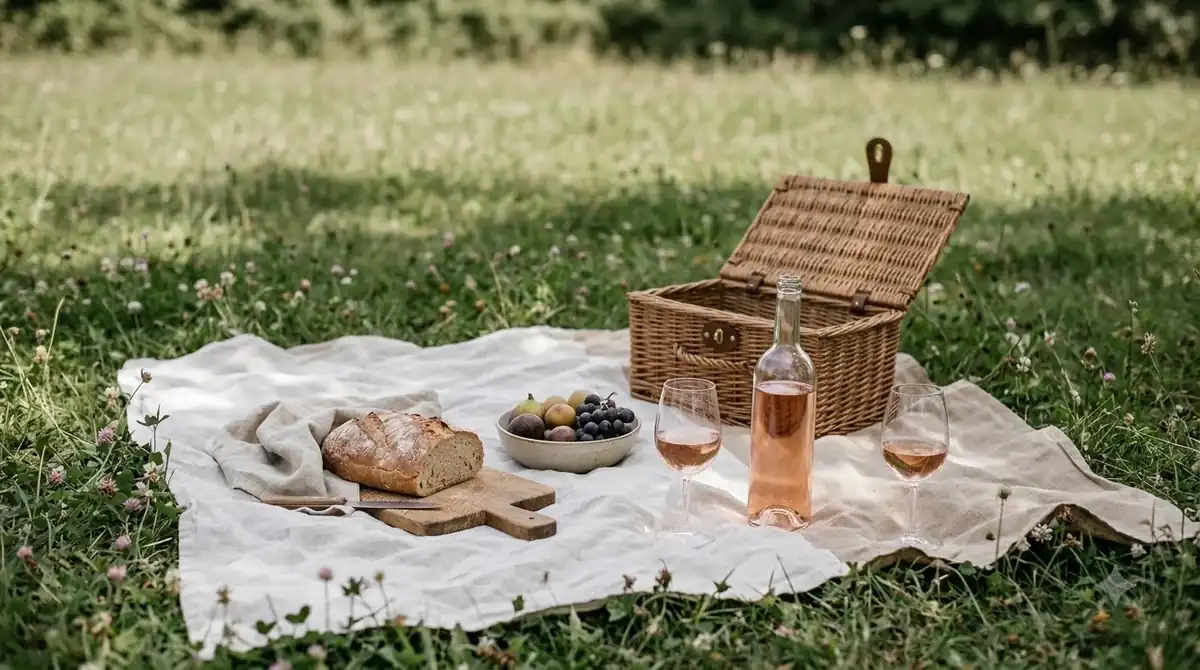
In Provence, Cinsault is closely associated with dry rosé production. The wines often show pale pink, salmon, or coral colors, with strawberry, raspberry, pomegranate, and gentle floral aromas. Their moderate acidity and soft texture complement Mediterranean food, making them particularly suitable for warm-weather meals. The grape also contributes freshness and aromatic fruit to rosé blends featuring Grenache and other regional varieties.
Languedoc offers another important expression. Here, Cinsault commonly appears in blends with Carignan, Grenache, and Syrah, although individual producers also bottle it on its own. The wines can show more pronounced red-fruit flavors, dried herbs, earthy details, and a slightly firmer palate. Carefully managed vineyards can produce particularly characterful examples without sacrificing the grape’s characteristic softness.
South African Expressions
South Africa has a long relationship with Cinsault, historically known there as Hermitage. The variety was once widely planted and played an important role in traditional red blends. Today, interest in old-vine and single-varietal bottlings has brought renewed attention to its delicate fruit and naturally supple structure.
Swartland, Darling, and other Cape wine areas have become important places to encounter distinctive Cinsault. Some wines from older bush vines display concentrated raspberry, red currant, sour cherry, rose petal, and earthy notes. Despite their concentration, they can remain relatively light on the palate, with moderate acidity and fine tannins.
South African Cinsault also has an important connection with Pinotage. In 1925, Pinotage was developed by crossing Pinot Noir with Cinsault, which was then called Hermitage locally. The resulting grape became a distinctive part of South African wine production. Although Pinotage generally has a different flavor and structural profile, this historical connection helps explain Cinsault’s significance in the country’s wine heritage.
For another perspective on the variety, the Rhône Valley wine authority describes Cinsault as a grape suited to warm, dry conditions, producing supple red wines and fresh, fragrant rosés. Its regional role extends across numerous appellations, including Châteauneuf-du-Pape and Tavel. This background helps explain why Cinsault remains important even when it does not appear as the principal grape on a bottle.
Blending Partners and Single-Varietal Wines
Cinsault performs two important roles in winemaking: it contributes aromatic freshness and softness to blends, and it can produce appealing single-varietal wines. The difference between these styles is especially noticeable in southern French reds and South African bottlings.
In southern France, Cinsault frequently works alongside Grenache, Syrah, and Carignan. Each variety contributes something different. Grenache generally supplies ripe fruit and alcohol, Syrah adds darker fruit, spice, and firmer tannins, while Carignan can provide acidity and structure. Cinsault brings aromatic red fruit, a supple texture, and a softer overall impression.
This combination can be particularly effective in warm Mediterranean regions, where concentrated varieties sometimes produce powerful wines. Cinsault helps make the final blend feel more approachable without necessarily removing its depth. Its fruit-forward personality can also connect the different components into a more harmonious wine.
Comparing Cinsault With Its Common Blending Partners
Grenache is generally richer and more generous in body, often offering strawberry, raspberry, and warm spice. Cinsault tends to be lighter in structure and less tannic. Comparing their Grenache tasting notes helps clarify how the two grapes can share similar fruit aromas while creating different palate experiences.
Syrah generally provides more pronounced tannins, darker fruit, and peppery spice. Carignan can contribute stronger acidity and a firmer structure, particularly in traditional southern French blends. Cinsault offers a contrasting element through its softer texture and delicate aromatics.
Single-varietal Cinsault allows these characteristics to become more obvious. The wine may show a translucent ruby color, bright raspberry, red cherry, floral notes, and a relatively gentle finish. Depending on the producer, whole-cluster fermentation, carbonic maceration, or oak aging can add further dimensions.
These wines should not automatically be considered simple or inexpensive alternatives to more structured reds. Carefully grown Cinsault from older vineyards can deliver concentration, aromatic detail, and unexpected longevity. The important distinction is that its complexity often comes through fragrance, texture, and subtle development rather than heavy tannins.
Serving Temperature, Glassware, and Storage
Cinsault generally tastes best slightly cooler than conventional room temperature, particularly when served as a light-bodied red. A temperature of 55–60°F allows the wine to retain its fresh fruit character while keeping its aromas expressive.
Serving temperature has a meaningful effect on the overall impression. A bottle served too warm may seem overly soft, with alcohol more noticeable and fruit aromas less defined. Excessive chilling can suppress the raspberry, strawberry, and floral characteristics that make the grape appealing. A short period in the refrigerator before serving is often sufficient.
For rosé, a cooler temperature of 45–50°F is generally appropriate. This range preserves freshness and helps highlight the delicate fruit and floral aromas associated with Provence-style Cinsault blends. If the wine warms slightly in the glass, its fruit expression may become more noticeable.
Glassware and Aeration
A standard red wine glass with a moderately wide bowl works well for most Cinsault reds. The additional space allows the wine to release its aromas while making it easier to observe its color and texture. Rosé can be served in a standard white wine glass or a versatile all-purpose wine glass.
Most young Cinsault wines do not require extensive decanting. Pouring the wine into a glass and allowing it to rest for several minutes is often enough. Some bottles may benefit from 15–20 minutes of exposure to air, particularly if the first aromas seem restrained or slightly reductive.
Older or more structured examples may need a little additional attention, but aggressive aeration is rarely necessary for the typical light-bodied style. Unlike a young, full-bodied Cabernet Sauvignon, Cinsault generally does not need 30–60 minutes of decanting.
Storage Recommendations
Store unopened bottles in a cool, dark location near 55°F, away from direct sunlight and substantial temperature changes. Bottles sealed with natural cork should generally be stored on their sides to keep the cork from drying out.
Most fresh, fruit-driven Cinsault reds are intended to be enjoyed relatively young, while certain structured examples from older vines can develop additional complexity over several years. Once opened, reseal the bottle and keep it refrigerated. Most still wines remain enjoyable for approximately three to five days, although freshness gradually declines.
Allow refrigerated red Cinsault to warm slightly before serving again. This simple adjustment helps restore its fruit aromas and avoids the muted impression that can occur when the wine is served too cold.
Food Pairings for Cinsault Red and Rosé
Cinsault pairs particularly well with Mediterranean dishes, grilled vegetables, poultry, charcuterie, and moderately seasoned meats. Its low tannin levels and fresh fruit character make it flexible at the table, especially when a dish does not need the structure of a powerful red wine.
For red Cinsault, consider grilled chicken, roast pork, lamb kebabs, mushroom dishes, and tomato-based pasta. Raspberry and cherry flavors work naturally with herbs such as rosemary, thyme, and oregano. The wine’s moderate acidity also helps it complement dishes containing tomato sauce, roasted peppers, and other ingredients with noticeable acidity.
Charcuterie is another strong match. Prosciutto, salami, pâté, and mild cured meats provide enough savory richness to balance the wine’s fresh fruit. Salt and fat also soften the perception of tannin, although Cinsault generally has relatively little tannic grip to begin with.
Rosé Pairings and Lighter Meals
Cinsault-based rosé is particularly versatile with salads, grilled seafood, marinated vegetables, and Mediterranean appetizers. Ratatouille, vegetable pizza, and dishes featuring olive oil provide complementary flavors without overwhelming the wine’s delicate fruit. Grilled fish can also work well when the preparation is light and the accompanying sauce is not excessively rich.
For a summer meal, try Cinsault rosé with grilled chicken, couscous, cucumber salad, and roasted red peppers. Its strawberry and pomegranate notes complement the vegetables, while moderate acidity refreshes the palate between bites. A platter of soft cheeses, olives, and lightly seasoned crackers also makes a practical appetizer pairing.
Spicy food requires more attention. Cinsault’s relatively moderate alcohol and low tannins can make it easier to pair with mildly seasoned dishes than a powerful, high-alcohol red. However, substantial chili heat can still make alcohol seem hotter and tannins more noticeable. Choose lightly seasoned preparations rather than very hot sauces.
Foods That Are Less Suitable
Heavy, highly tannic red-wine dishes are not necessarily the best matches for a delicate Cinsault. Rich, intensely reduced beef stews can overpower lighter examples, while oily fish can clash with tannic red wines. A lighter preparation of salmon or tuna may work better, especially with a fresh Cinsault rosé.
Very sweet desserts are also difficult to pair with dry Cinsault. The wine can taste sour or thin beside a dessert that is substantially sweeter. For a fruit-based finish, choose a dish with limited added sugar or serve a separate dessert wine that matches or exceeds the dessert’s sweetness.
The general principle is to match the wine’s weight to the dish. Cinsault is at its best with meals that allow its red-fruit aromas, moderate acidity, and supple texture to remain noticeable rather than competing with excessive richness or seasoning.
Frequently Asked Questions
Is Cinsault the same grape as Cinsaut?
Yes. Cinsault and Cinsaut are alternative spellings of the same grape variety. The spelling Cinsaut is frequently encountered in South African wine references, while Cinsault is the more familiar spelling in France and international wine writing. Historical South African references may also use the name Hermitage.
Is Cinsault related to Pinotage?
Yes. Pinotage was created in South Africa in 1925 by crossing Pinot Noir with Cinsault, which was then known locally as Hermitage. The crossing was developed at Stellenbosch University by Abraham Izak Perold. Pinotage subsequently became an important grape variety in South African winemaking.
Does Cinsault have thick or thin grape skins?
Cinsault is generally associated with relatively delicate skins and large berries. Its comparatively low color and tannin extraction help explain why its red wines can appear translucent and feel soft on the palate. These characteristics also make it useful for producing pale, aromatic rosés.
Can Cinsault be used to make sparkling wine?
Although Cinsault is best known for still red and rosé wines, its fruit-forward character can also suit experimental sparkling wine production. Its suitability depends on harvest decisions, acidity, and the intended style. Still dry reds and rosés remain its best-established traditional expressions.
What is the Italian name for Cinsault?
Ottavianello is a related Italian grape name associated with Cinsault in some wine references. It is particularly associated with southern Italy, including Puglia. Regional naming and classification can vary, so the grape’s identity should be considered alongside the specific appellation and producer information.
Cinsault offers an appealing combination of raspberry and strawberry aromas, floral character, moderate acidity, and gentle tannins. Whether enjoyed as a Provence-style rosé, a southern French blend, or an expressive South African single-varietal red, it provides a refreshing alternative to heavier wines. For more grape profiles and practical tasting advice, explore Petit Verdot tasting notes and our broader Wine by Type collection.
More in Wine Types & Grapes
 What Does Mourvèdre Taste Like? Flavor Profile, Regions, and PairingsUpdated Nov 20, 2026
 What Does Marsanne Taste Like? Flavors, Styles, and Food PairingsUpdated Nov 20, 2026
 What Does Malvasia Taste Like? Styles, Flavors, and Food PairingsUpdated Nov 20, 2026
 What Does Grenache Blanc Taste Like? Flavor Profile, Styles, and PairingsUpdated Nov 20, 2026
 What Does Garnacha Taste Like? Key Flavors, Styles, and Pairing TipsUpdated Nov 20, 2026
 What Does Fruit Wine Taste Like? A Complete Flavor and Style BreakdownUpdated Nov 20, 2026