

We may earn a commission when you buy through links on this page, at no extra cost to you. Learn more.
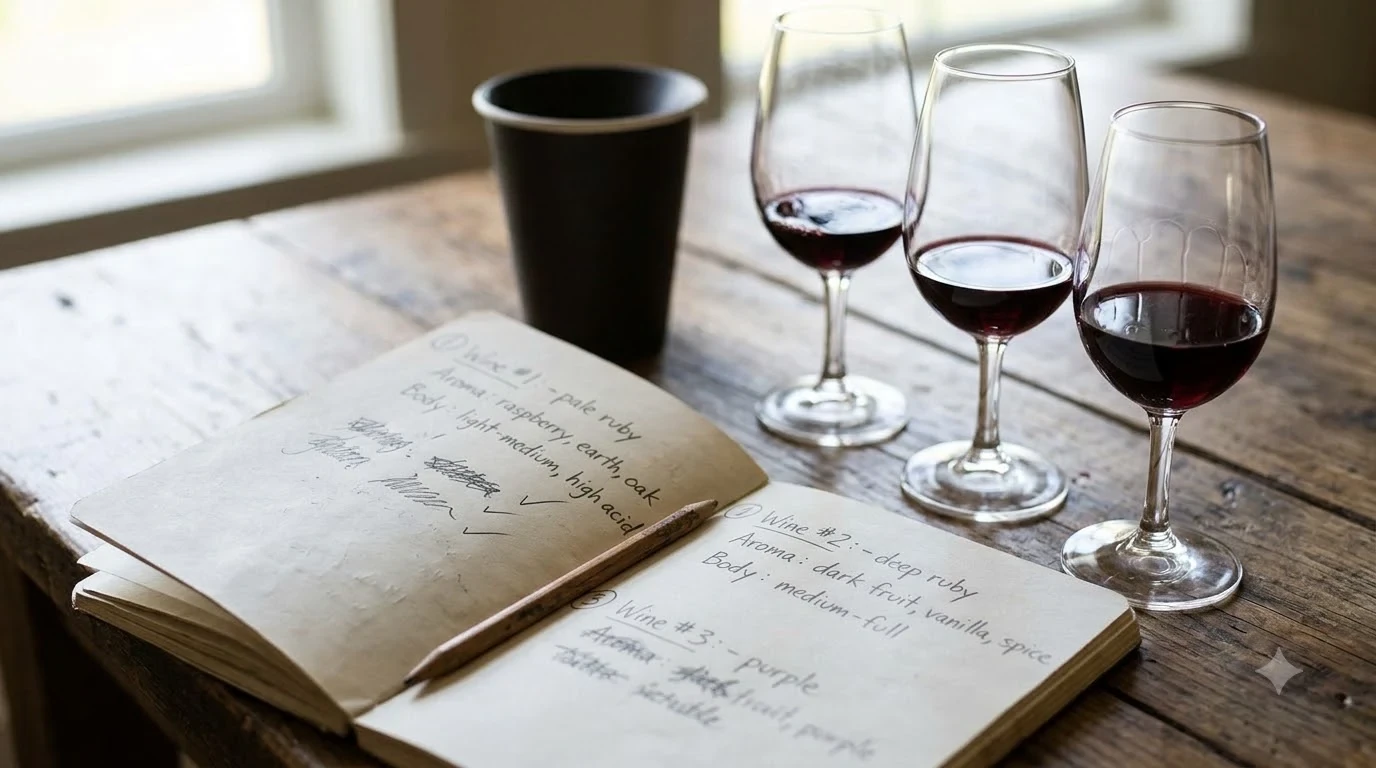
Beaujolais tasting notes typically feature fresh red cherries, raspberries, strawberries, and juicy plums, supported by lively acidity, soft tannins, and occasional floral, herbal, or mineral accents. Made primarily from Gamay, Beaujolais ranges from light, uncomplicated wines to concentrated, structured bottles with significant aging potential. The precise character depends on the appellation, vineyard soils, winemaking techniques, and vintage. Learning to recognize these differences makes it easier to understand what is in the glass and choose a bottle that suits your preferences.
Beaujolais is a French wine region just south of Burgundy and north of Lyon. Although the name is often associated with Beaujolais Nouveau, the region produces a much wider range of wines, including expressive village bottlings and serious cru wines. Its combination of fruit-forward Gamay, refreshing acidity, moderate tannins, and varied vineyard conditions makes it an especially interesting region for learning how grape variety and terroir influence aroma and flavor.
Primary Aromas and Flavors in Beaujolais
Beaujolais is best known for its fresh red-fruit character, with cherry, raspberry, strawberry, and red plum forming the central flavor profile. Floral aromas, gentle spice, and earthy details become more apparent in wines with greater concentration and complexity.

The first aromas to look for are usually red berries and cherries. Fresh raspberry can suggest a bright, youthful style, while ripe strawberry and red cherry often create a rounder impression. Some wines also show cranberry, pomegranate, or tart red currant, particularly when the fruit is accompanied by noticeable acidity.
Plum is another common descriptor. Lighter Beaujolais wines may suggest fresh red plum, while more concentrated examples can develop darker plum, blackberry, and black cherry characteristics. The difference is particularly noticeable when comparing an uncomplicated Beaujolais AOC with a structured wine from Morgon or Moulin-à-Vent.
Floral aromas provide another important part of the profile. Violet, peony, and rose are useful descriptors, particularly for fragrant wines from granite-rich vineyards. These scents may appear alongside red fruit rather than replacing it, creating an aromatic combination that feels fresh and expressive.
Secondary and more developed aromas can include dried herbs, black tea, pepper, earthy notes, and subtle mineral impressions. Whole-cluster fermentation can contribute herbal and stem-like characteristics, while bottle aging can introduce dried flowers, forest floor, and more complex savory aromas.
Common tasting descriptors
- Red fruit: Cherry, raspberry, strawberry, cranberry, and red currant.
- Darker fruit: Plum, blackberry, black cherry, and occasionally cassis.
- Floral: Violet, peony, rose, and fresh flowers.
- Herbal: Wild herbs, dried grass, and subtle leafy notes.
- Spice: Black pepper, cinnamon-like nuances, and gentle baking spice.
- Earthy: Damp soil, forest floor, and mineral impressions in more developed wines.
Not every bottle displays all these characteristics. A youthful regional wine may emphasize strawberry and raspberry, while an older cru may show darker fruit, dried flowers, and savory complexity. The most useful approach is to identify the dominant fruit first, then consider the floral, herbal, and earthy details that give the wine its individual character.
Gamay’s Acidity, Tannins, Body, and Finish
Beaujolais generally offers refreshing acidity, low to medium tannins, and a light to medium body, although the more concentrated crus can feel considerably fuller. These structural elements explain why Gamay can be both refreshing enough for casual drinking and complex enough for serious food pairing.
Acidity is one of the most recognizable characteristics of the grape. It gives the wine freshness and helps balance ripe fruit flavors. Depending on the vintage, vineyard, and winemaking approach, the acidity can feel crisp and lively or more rounded and integrated.
Tannins are typically softer than those found in Cabernet Sauvignon or many Syrah wines. This creates a smoother mouthfeel and allows the fruit to remain prominent. However, Gamay is not completely without tannin. Structured wines from Morgon and Moulin-à-Vent can have noticeable grip, particularly when young.
Body varies considerably. Basic Beaujolais is often light-bodied, with juicy fruit and a relatively delicate finish. Beaujolais-Villages generally offers more concentration, while the ten crus can range from elegant and medium-bodied to dense and firmly structured.
The finish also changes with the wine’s style. Simple examples may end with fresh cherry or raspberry, while more serious bottles can leave lingering impressions of violet, black tea, spice, mineral notes, and dark fruit. A longer finish often accompanies greater concentration, although freshness remains an important feature.
Understanding the structure
| Component | Typical Beaujolais character | What to notice |
|---|---|---|
| Acidity | Medium to high | Freshness and mouthwatering sensation |
| Tannins | Low to medium | Soft grip, sometimes firmer in crus |
| Body | Light to medium | Juicy and easy-drinking to concentrated |
| Alcohol | Variable, often moderate | Warmth and perceived weight |
| Finish | Short to long | Fruit, flowers, herbs, and savory notes |
| Fruit profile | Red to dark fruit | Cherry, raspberry, plum, and blackberry |
Alcohol and vintage conditions can influence the overall impression. Warmer growing seasons can produce riper fruit and fuller-bodied wines, while cooler conditions can preserve freshness and produce more delicate expressions. These differences illustrate why vintage information can be useful when evaluating the weight and ripeness of a particular bottle.
For comparison, Pinot Noir can also have low to medium tannins and high acidity, making it a useful reference when assessing lighter Beaujolais. However, Gamay often displays a particularly direct red-berry character, while individual cru wines can develop their own distinctive earthy and mineral dimensions.
How the Ten Beaujolais Crus Influence Flavor
The ten Beaujolais crus represent the region’s most distinctive village-level appellations, each with its own combination of geology, vineyard exposure, and wine style. Fleurie, Morgon, and Moulin-à-Vent are particularly useful reference points because they illustrate the range from floral elegance to concentrated structure.
The northern part of Beaujolais contains many granite-rich vineyards, along with schist, volcanic formations, and other geological materials. These differences influence how Gamay develops and how wines express fruit, floral aromas, texture, and structure. The regional wine hierarchy is useful, but individual producers and vineyard sites can create significant variation within each appellation.
Fleurie: Floral and elegant
Fleurie is associated with perfumed aromas, delicate texture, and elegant fruit. Pink granite is especially important here, with approximately 90% of its vines growing on this soil according to Wine Enthusiast. Typical tasting notes include raspberry, red cherry, violet, peony, and subtle mineral details.
Its wines are often medium-bodied or lighter, with fresh acidity and fine tannins. Fleurie is a useful choice for drinkers who prefer aromatic red wines that do not feel heavy or overly structured.
Morgon: Dense and savory
Morgon generally produces more powerful wines, with darker fruit, deeper color, and firmer structure. Granite and blue-stone formations contribute to the appellation’s varied expressions, particularly around the celebrated Côte du Py.
Look for black cherry, plum, blackberry, violet, dried herbs, and earthy notes. The texture can feel broader and more substantial than Fleurie, with tannins that become more integrated as the wine develops. Morgon is also recognized for its ability to age gracefully.
Moulin-à-Vent: Concentrated and structured
Moulin-à-Vent is among the most structured Beaujolais crus. Its combination of granite, limestone, marl, and sandstone is associated with concentrated fruit, firm tannins, and wines that can benefit from bottle aging.
Typical descriptors include black cherry, dark plum, blackberry, violet, spice, and earthy undertones. Young examples may feel firm and tightly structured, while mature bottles can develop dried flowers, forest-floor aromas, and greater savory complexity.
Other important cru expressions
- Brouilly: Often approachable and fruit-driven, with cherry, raspberry, and soft spice.
- Côte de Brouilly: Frequently more structured than neighboring Brouilly, with deeper fruit and mineral impressions.
- Régnié: Known for bright red fruit, floral aromas, and an expressive, medium-bodied profile.
- Chiroubles: Often fragrant, light, and fresh, with raspberry, cherry, and floral notes.
- Chénas: Can show concentrated fruit, peony, spice, and a more substantial texture.
- Juliénas: Often combines dark berries, spice, and firm structure.
- Saint-Amour: Can range from floral and delicate to more concentrated, with cherry, raspberry, and spice.
These descriptions are starting points rather than strict rules. A lighter Morgon from a particular vineyard can feel more delicate than a powerful Fleurie from another producer. Comparing wines from the same vintage is an effective way to recognize how individual sites influence Gamay.
For a useful contrast with another red grape, compare these styles with grenache tasting notes, particularly the differences in fruit ripeness, body, and tannin structure.
Beaujolais, Beaujolais-Villages, and Beaujolais Nouveau
Beaujolais has three important categories to understand when reading labels: regional Beaujolais, Beaujolais-Villages, and the ten crus. Beaujolais Nouveau is a distinct early-release style within the regional appellation system, rather than a separate cru.
Regional Beaujolais wines are generally made for immediate enjoyment. They tend to emphasize fresh red berries, cherry, juicy plum, and accessible acidity. Their lighter structure makes them versatile at the table and suitable for casual occasions.
Beaujolais-Villages comes from a more specific group of northern villages. Its wines often have additional concentration and structure, with more pronounced fruit and greater complexity than basic regional bottlings. The vineyards are located at elevations generally between 200 and 500 meters, and their soils include granite, gneiss, shale, blue stone, and sandstone.
The ten crus represent individually named village appellations. Their wines are often more distinctive in terms of site expression and can show greater depth, texture, and aging potential. Morgon and Moulin-à-Vent are particularly useful examples of this more structured style.
Understanding Beaujolais Nouveau
Beaujolais Nouveau is released on the third Thursday of November, following the harvest. It is produced for early drinking and typically emphasizes exuberant fruit, freshness, and an approachable texture.
Carbonic and semi-carbonic maceration are important techniques associated with the style. These fermentation approaches can produce vivid aromas of strawberry, raspberry, cherry, and sometimes banana or candy-like fruit. The wines are generally light in tannin and designed to be enjoyed young.
Traditional Beaujolais should not automatically be confused with Nouveau. A village wine or cru can have much greater concentration, a more traditional red-wine structure, and a very different aromatic profile. The distinction is particularly important for anyone who has only encountered the region through its November release.
Tip: When comparing Beaujolais bottles, start with a regional wine, move to a Beaujolais-Villages, and finish with a Morgon or Moulin-à-Vent. This progression helps reveal how increasing concentration, vineyard location, and winemaking choices influence the same grape variety.
Beaujolais Blanc provides another point of comparison. Made from Chardonnay, it offers a white-wine profile that can feature citrus, apple, pear, and subtle mineral notes rather than the red berries and floral aromas associated with Gamay. Readers exploring other wine categories can also browse Wine by Type for a broader understanding of grape varieties and regional styles.
Winemaking Techniques and Their Effect on Tasting Notes
Beaujolais winemaking has a strong association with carbonic and semi-carbonic maceration, although producers use several different fermentation and aging methods. These choices influence the wine’s fruit intensity, tannin extraction, texture, and ability to develop in the bottle.
In carbonic maceration, intact grape clusters are placed in an environment rich in carbon dioxide. Intracellular fermentation takes place inside the berries before the fruit is pressed and the remaining fermentation is completed. This process can create particularly vivid fruit aromas and a soft, approachable texture.
Semi-carbonic maceration involves whole bunches placed in a fermentation vessel, where the weight of the grapes naturally crushes some berries at the bottom. The resulting juice begins fermenting and produces carbon dioxide, creating an atmosphere that encourages intracellular fermentation in the intact berries above.
Both approaches can contribute to fresh cherry, raspberry, strawberry, and sometimes banana-like aromas. The precise result depends on the duration of maceration, temperature, fruit condition, and the winemaker’s decisions.
Traditional and more structured approaches
Not all Beaujolais is made using the same fermentation approach. Some producers use more conventional destemmed or crushed-grape fermentation, while others incorporate whole clusters to retain additional stems and associated aromatic components.
Longer maceration and greater extraction can create deeper color, more substantial tannins, and a broader palate. These methods are particularly relevant for producers seeking wines with the structure to develop over several years.
Oak aging can also influence the final profile. Large older wooden vessels generally allow gradual development without adding strong new-oak flavors. Smaller or newer barrels can contribute more noticeable vanilla, toast, and spice, although oak should not dominate the natural fruit character of Gamay.
Some contemporary producers also use concrete tanks, stainless steel, or amphorae. Each vessel has different characteristics, but the important tasting question remains whether the winemaking supports the fruit, acidity, and vineyard expression.
For comparison, the influence of extraction and structure is particularly noticeable in varieties such as petit verdot tasting notes, where firmer tannins and darker fruit can produce a much more powerful overall impression than typical regional Beaujolais.
Food Pairings and Serving Beaujolais
Beaujolais pairs particularly well with roasted poultry, charcuterie, pork, mushrooms, grilled vegetables, and a variety of everyday dishes. Its fresh acidity, moderate tannins, and bright fruit make it adaptable to foods that can be difficult to pair with heavily structured red wines.
For a light Beaujolais, try roast chicken, turkey, grilled pork tenderloin, or a mushroom tart. The wine’s acidity refreshes the palate, while its red-fruit flavors complement the savory character of the food. A simple chicken dish with herbs and roasted potatoes is an especially useful pairing.
More structured wines from Morgon and Moulin-à-Vent can work with beef, lamb, duck, and richer mushroom preparations. Their additional concentration and tannin provide enough structure for roasted and grilled meats without requiring the powerful tannin levels found in some Cabernet Sauvignon wines.
Cheese, vegetables, and lighter dishes
Beaujolais is also well suited to charcuterie boards featuring cooked ham, salami, pâté, and mild cured meats. Its fruit and acidity help balance the savory and fatty elements of these foods. For cheese, try Brie, Camembert, young Comté, or other moderately rich varieties.
Mushrooms are particularly compatible with cru Beaujolais. Their earthy flavors can complement the dried herbs, mineral impressions, and savory characteristics of more developed Gamay. Roasted eggplant, lentils, and herb-seasoned vegetables are additional options.
There are a few pairing considerations to keep in mind. Very hot chili dishes can make alcohol and tannins feel more pronounced. Oily fish can also clash with tannic red wines, so lighter, less structured Beaujolais is generally a better choice than a powerful young cru when serving fish.
Serving temperatures and glassware
Temperature has a meaningful effect on the way Beaujolais tastes. Serving lighter bottles slightly chilled preserves their freshness and keeps the fruit lively, while more structured crus benefit from a somewhat warmer temperature that allows their aromas to develop.
- Light Beaujolais: 55-60 F.
- Beaujolais-Villages: Approximately 55-60 F, depending on concentration.
- Fleurie and lighter crus: 55-60 F.
- Morgon and Moulin-à-Vent: 60-65 F for fuller examples.
- Beaujolais Nouveau: Approximately 50-55 F for a fresh, fruit-forward presentation.
A standard red-wine glass is suitable for most Beaujolais. A moderately sized bowl provides enough room to appreciate cherry, raspberry, and floral aromas without requiring an unusually large glass.
A standard wine pour is 5 ounces, and a 750 ml bottle provides approximately five glasses. Once opened, keep still Beaujolais in the refrigerator and aim to enjoy it within 3-5 days. Bring the remaining wine toward its appropriate serving temperature before pouring again.
Aging Potential, Vintage Variation, and Buying Considerations
Most basic Beaujolais is best enjoyed young, while carefully made Beaujolais-Villages and cru wines can develop additional complexity over several years. The most structured examples from Morgon and Moulin-à-Vent are particularly suitable for cellaring.
Young regional wines emphasize fresh cherry, raspberry, strawberry, and lively acidity. Their appeal is largely based on immediate fruit expression rather than extended bottle development. Waiting too long can cause these attractive primary aromas to fade.
Beaujolais-Villages generally offers a middle ground. Bottles with additional concentration and careful winemaking can develop more complex fruit and savory characteristics over time. The aging potential depends on the producer, vintage, vineyard conditions, and storage.
Among the crus, Morgon and Moulin-à-Vent are especially recognized for their capacity to mature. Their tannins, concentration, and fruit depth can provide a framework for development. Fleurie and Chiroubles often emphasize perfume and elegance, although selected bottles from these appellations can also age successfully.
What happens as Beaujolais ages?
With bottle development, fresh strawberry and raspberry may become less prominent, making room for dried cherry, plum, dried flowers, forest floor, and earthy aromas. The tannins can soften, while the overall texture becomes more integrated.
Morgon is particularly interesting in this respect. Decanter highlights its potential for extended aging and discusses the importance of individual vineyard sites, including Côte du Py, Les Charmes, and Corcelette. These sites help explain why wines from the same appellation can show different levels of density, fragrance, and structure. Read Decanter’s guide to Morgon and its distinctive vineyard sites for additional regional detail.
Vintage variation
Weather has an important influence on the final character of Beaujolais. Cool growing seasons can produce lighter wines with fresher acidity and lower alcohol, while warmer conditions can result in riper fruit, greater concentration, and more substantial body.
Vintage is not the only factor. A skilled producer can preserve freshness during warmer seasons, while a difficult harvest may require careful selection and precise fermentation to maintain balance. Looking at the appellation and producer alongside the vintage gives a more useful picture than relying on a single year’s reputation.
How to choose a bottle
For fresh, easy-drinking red fruit, start with Beaujolais AOC or Beaujolais Nouveau. For more concentration and complexity without moving directly into the most structured styles, Beaujolais-Villages is a good next step.
Choose Fleurie for fragrant, elegant wine, Morgon for darker fruit and a fuller structure, and Moulin-à-Vent for greater tannin and aging potential. These distinctions are helpful when choosing a bottle for a particular meal or occasion.
It is also useful to compare different producers within the same appellation. Two Morgons can differ substantially depending on the vineyard site, fermentation approach, extraction, and use of oak. Exploring these differences provides a clearer understanding of the region than relying on appellation names alone.
Frequently Asked Questions
Is Beaujolais always a red wine?
No. Although red Gamay dominates production, Beaujolais also produces white wine from Chardonnay and a smaller amount of rosé. Beaujolais Blanc offers a different tasting experience, with potential notes of apple, citrus, pear, and white flowers. These wines demonstrate that the region is not limited to red Gamay.
Does Beaujolais wine contain bubbles?
Traditional Beaujolais is generally a still wine, not a sparkling wine. Carbonic maceration can create fruity aromas that some people associate with candy or fermentation, but these aromas do not mean the wine is sparkling. A bottle should only be treated as sparkling if it is specifically produced and labeled as such.
Why does some Beaujolais smell like banana?
Banana-like aromas can develop during certain fermentation conditions, particularly with carbonic maceration. Specific fermentation-related aroma compounds, including isoamyl acetate, are associated with banana and confectionery notes. The intensity varies with production methods, and many serious cru wines emphasize cherry, flowers, herbs, and savory aromas instead.
What does the term Côte du Py mean on a Morgon label?
Côte du Py identifies a particularly recognized vineyard area within the Morgon appellation rather than a separate Beaujolais cru. It is one of the best-known named sites in Morgon and is associated with concentrated, structured Gamay. Wines from this site can offer a useful comparison with more approachable village bottlings.
Can Beaujolais be served in a white-wine glass?
Yes. A smaller white-wine glass can work well for light, fruit-driven Beaujolais, especially when the wine is served slightly chilled. A medium-sized red-wine glass is generally more suitable for concentrated examples from Morgon and Moulin-à-Vent because it provides additional room for their aromas to develop.
Beaujolais offers much more than its reputation for youthful, fruity Nouveau wines. From the floral elegance of Fleurie to the concentration of Morgon and Moulin-à-Vent, Gamay provides a wide range of flavors, textures, and aging possibilities. Start by identifying the fruit, acidity, and tannins in your glass, then explore different crus and producers to discover which Beaujolais style you enjoy most.
More in Wine Types & Grapes
 Zinfandel Sugar Content: Dry Red vs. White Zinfandel GramsUpdated Nov 21, 2026
 Best Zinfandel Substitute Options for Sipping and CookingUpdated Nov 21, 2026
 Zweigelt Food Pairing: Best Dishes, Cheeses, and Serving TipsUpdated Nov 21, 2026
 Zinfandel Tannins Explained: How Structure Shapes Every BottleUpdated Nov 21, 2026
 Zinfandel Sweetness Level: Dry Red vs. Sweet White Zin ExplainedUpdated Nov 21, 2026
 Xinomavro Food Pairing: Best Dishes, Styles, and Serving TipsUpdated Nov 21, 2026