

We may earn a commission when you buy through links on this page, at no extra cost to you. Learn more.
Arneis food pairing works best with seafood, shellfish, chicken, fresh cheeses, vegetable dishes, and delicate pasta because this Italian white wine combines fresh fruit flavors, gentle acidity, and a soft, rounded texture. Originally associated with Piedmont in northwestern Italy, Arneis offers enough freshness for seafood while retaining the body to accompany poultry, creamy sauces, and savory appetizers. Serve it chilled at approximately 46–50°F for an especially versatile pairing.
Arneis deserves a place alongside familiar Italian whites such as Pinot Grigio and Vermentino. Its flavors of pear, peach, citrus, flowers, and almond make it particularly adaptable at the dinner table. Whether you are planning an Italian seafood dinner, preparing a cheese board, or serving a simple roast chicken, understanding its flavor profile helps you choose ingredients that complement rather than overwhelm the wine.
Understanding Arneis Before Choosing Food
Arneis is a medium-bodied Italian white wine with fresh fruit, floral aromas, moderate acidity, and generally low tannin. Its combination of texture and freshness makes it particularly effective with foods that need more body than a very light white wine can provide.
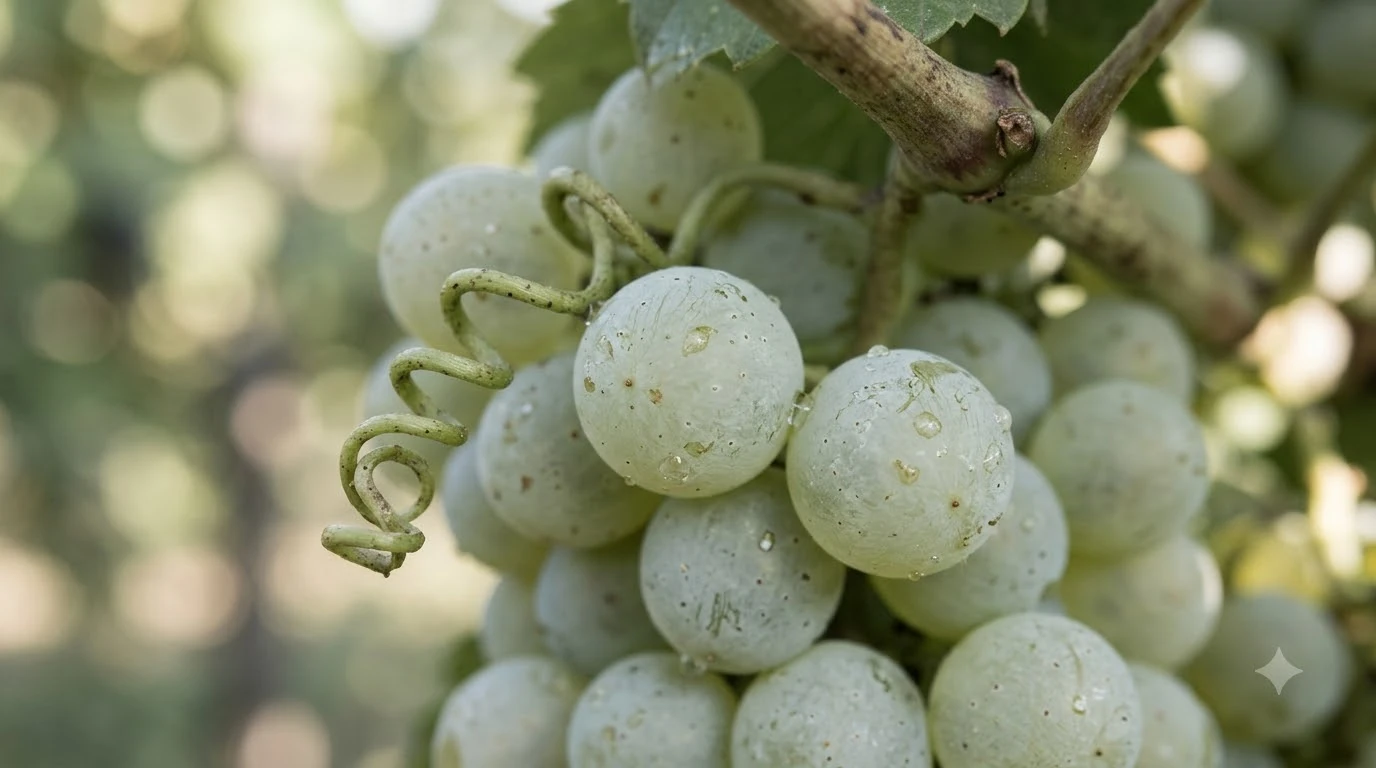
The grape is most closely associated with Roero, an area of Piedmont on the left bank of the Tanaro River. According to Wine Enthusiast, typical Roero Arneis wines can show pear, apricot, tangerine, hazelnut, and almond flavors. Floral aromas and gentle savory notes also contribute to its character.
Winemaking influences the final style. Many producers ferment Arneis in stainless steel to preserve fresh fruit and floral aromas. Others use oak fermentation or aging, creating fuller wines with creamier textures. An unoaked example usually suits delicate seafood and fresh vegetables, while a richer oak-influenced bottling can accompany cream sauces, roasted poultry, and dishes with butter.
Arneis is not necessarily a sharply acidic white wine. Its acidity generally falls in the low-to-medium range, so it feels softer than Sauvignon Blanc or Riesling. This matters because highly acidic ingredients, including lemon juice and vinegar, can make a softer wine seem less lively.
The grape also appears in sparkling wines and in small quantities in sweet wine styles. Roero Arneis DOCG regulations allow 95–100% Arneis, with the remaining proportion permitted to come from authorized non-aromatic grapes. The regional appellation is therefore a useful starting point when looking for a traditional expression.
For a broader understanding of how grape varieties influence food choices, explore Wine by Type. The most useful starting point is to match Arneis with ingredients that complement its fruit, moderate acidity, and relatively gentle structure.
Seafood and Shellfish Pairings
Seafood is one of the strongest choices for Arneis because the wine’s fruit, freshness, and moderate body complement delicate fish without overpowering their natural flavors. Shellfish, white fish, and lightly seasoned seafood appetizers are particularly reliable matches.
Roero producers specifically recommend seafood as a traditional companion. Tre Donne’s Donna Bianca pairing recommendations include sardines, anchovies, mackerel, oysters, and shellfish. These examples demonstrate that Arneis can work with both delicate seafood and fish with more pronounced savory flavors.
For a simple dinner, pair grilled sea bass, cod, halibut, or sole with Arneis. Season the fish with parsley, thyme, olive oil, and a small amount of lemon zest. These ingredients reinforce the wine’s freshness without introducing excessive acidity. Baking or steaming also preserves the delicate texture of the fish.
Shellfish offers several additional possibilities:
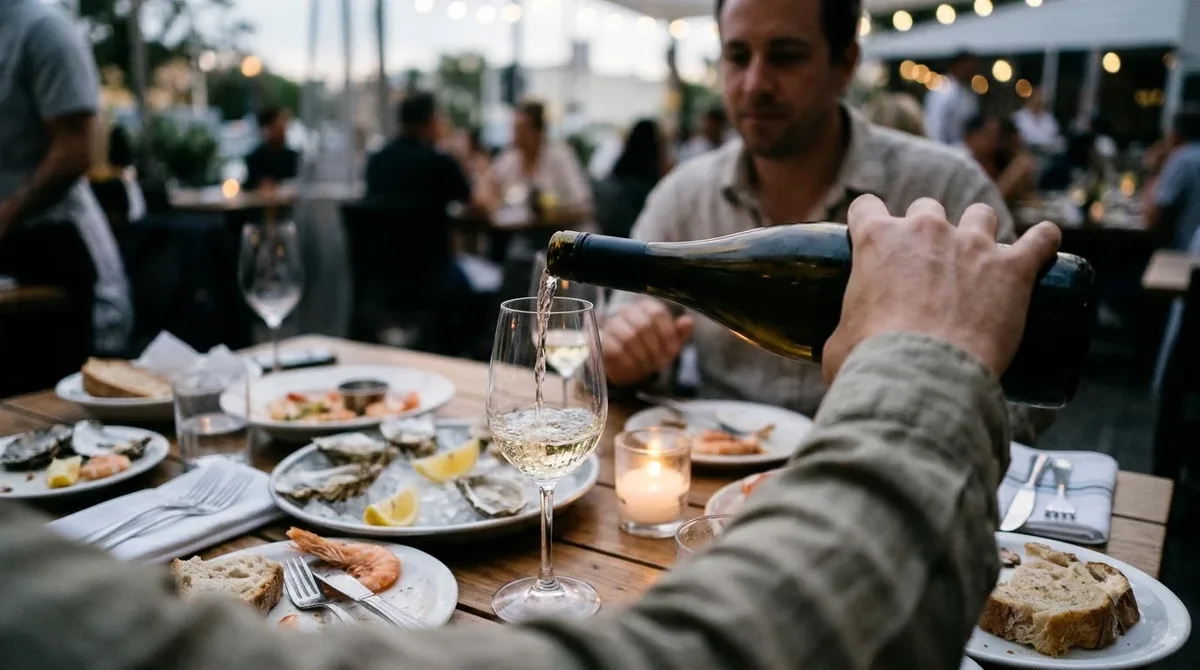
- Oysters: Fresh oysters with a restrained mignonette bring out the wine’s citrus and mineral impressions.
- Scallops: Pan-seared scallops develop a golden exterior and sweet interior that complement Arneis’s pear and peach flavors.
- Shrimp: Garlic shrimp with parsley and olive oil make an easy match for a fresh, unoaked bottle.
- Mussels: Steamed mussels with herbs and a light white wine broth work particularly well.
- Crab: Crab meat with a little butter and fresh herbs suits the wine’s soft texture.
- Clams: Steamed clams with garlic, parsley, and olive oil provide a classic Italian combination.
Fat and cooking method deserve attention. A little butter can make seafood feel richer and more harmonious with Arneis, but a heavy cream sauce may overwhelm a particularly delicate bottling. Choose a fuller-bodied example if the dish includes substantial butter or cream.
Oily fish such as mackerel and sardines can work because Arneis has enough fruit and freshness to balance their savory character. However, avoid excessively acidic marinades that dominate the fish and make the wine seem flat.
For a particularly dependable menu, serve scallops with a light herb butter sauce, roasted asparagus, and a chilled glass of Roero Arneis. The sweetness of the scallops and the savory character of the vegetables provide a balanced combination.
For another Italian white-wine comparison, Grenache Blanc food pairing offers useful ideas for matching fuller-bodied white wines with seafood, vegetables, and poultry.
Chicken, Veal, and Other White Meats
Chicken and veal are excellent partners for Arneis because their relatively mild flavors allow the wine’s fruit and floral characteristics to remain noticeable. Roasted, grilled, sautéed, and lightly braised preparations are all suitable, especially when herbs and moderate amounts of butter are involved.
Chicken is among the easiest proteins to match. A simple roast chicken with rosemary, thyme, garlic, and olive oil works particularly well with an unoaked Arneis. The crisp skin and savory seasoning provide enough flavor without overwhelming the wine’s softer structure.
Other chicken preparations worth considering include:
- Chicken Marsala: The savory mushroom character and tender poultry create a satisfying combination. Keep the sauce moderate so its richness does not dominate.
- Lemon herb chicken: Use lemon zest, thyme, and olive oil rather than a strongly acidic marinade.
- Chicken piccata: A restrained amount of capers and lemon can work, although a particularly sharp sauce may make Arneis seem softer.
- Chicken risotto: The creamy rice and mild poultry complement a fuller-bodied Arneis.
- Grilled chicken skewers: Rosemary, oregano, and mild garlic seasoning reinforce the wine’s savory side.
Veal is another traditional option. Piedmontese cuisine includes vitello tonnato, a chilled veal dish served with a creamy tuna and caper sauce. The combination of tender meat, savory seafood, and creamy texture gives Arneis several complementary flavors to work with.
For a similar home preparation, serve thinly sliced chilled veal with a restrained tuna sauce, capers, and parsley. The wine’s fruit and moderate acidity provide freshness alongside the sauce’s savory richness.
Turkey and pork can also work. Roast turkey with sage and mild gravy is a sensible choice, while pork tenderloin with apples or herbs offers a pleasant combination of savory and fruity flavors. Avoid heavily smoked or heavily sweetened preparations that can overwhelm the wine.
If you are choosing between a light and rich Arneis, consider the preparation rather than the protein alone. A stainless-steel-fermented wine suits grilled chicken and simple veal, while an oak-influenced example is better suited to richer sauces and roasted meat with substantial seasoning.
For a contrasting red-wine option at a mixed dinner, Blaufränkisch food pairing provides ideas for matching more structured wines with grilled meats and savory dishes.
Cheese, Antipasti, and Italian Appetizers
Fresh, mild cheeses are among the most reliable cheese choices for Arneis. Its fruit flavors and gentle acidity complement creamy textures without the aggressive tannin or weight that can make certain red wines difficult to match with delicate dairy products.
Tre Donne specifically recommends ricotta and mozzarella with its Donna Bianca Arneis. These cheeses are useful starting points for building an Italian appetizer spread.
Consider the following combinations:
- Ricotta: Serve with toasted bread, olive oil, black pepper, and fresh basil.
- Mozzarella: Pair with ripe tomatoes, basil, and a moderate amount of olive oil in a Caprese salad.
- Burrata: Its creamy center works well with Arneis, especially when served with peaches or lightly seasoned tomatoes.
- Fresh goat cheese: Choose a mild version and serve it with crackers, herbs, or roasted vegetables.
- Young Fontina: Its soft texture and buttery character suit fuller examples of Arneis.
- Fresh Parmesan shavings: Use them as a savory garnish for asparagus, risotto, or vegetable frittata.
Very aged cheeses can be more challenging because their concentrated salt, strong aromas, and intense savory flavors may overwhelm a delicate white wine. If serving mature Parmesan or a strongly flavored blue cheese, use small portions alongside milder accompaniments rather than making the cheese the entire focus.
Italian antipasti are another natural match. Consider marinated artichokes, olives, roasted peppers, prosciutto, vegetable bruschetta, and small portions of seafood salad. These foods provide contrasting textures and savory flavors while allowing Arneis to remain refreshing.
Prosciutto is particularly useful because its salt and fat soften the impression of a wine’s acidity. Serve thin slices with melon, fresh mozzarella, or toasted bread. The combination offers both savory and lightly sweet elements without requiring an elaborate preparation.
For an appetizer board, arrange ricotta, mozzarella, prosciutto, olives, roasted peppers, and plain bread. Include fresh fruit such as pear or peach to echo the wine’s natural flavors. Keep strongly pickled vegetables and intensely flavored cheeses in smaller portions.
Arneis can also replace a more familiar sparkling aperitif when serving small savory bites, although a sparkling version of the wine will provide additional freshness and a different texture.
Vegetables, Pasta, and Risotto
Vegetable dishes and lightly seasoned Italian pasta are excellent partners for Arneis because the wine’s fruit and moderate acidity work with fresh herbs, olive oil, and mild sauces. The most successful preparations emphasize ingredient quality rather than heavy seasoning.
Start with vegetables such as asparagus, zucchini, peas, fennel, artichokes, and green beans. Roasting or sautéing brings out their natural sweetness, while olive oil and herbs connect their flavors to the wine’s savory character.
Several vegetable preparations deserve particular attention:
- Roasted asparagus: Add olive oil, parsley, and a small amount of Parmesan.
- Zucchini fritters: Their crisp exterior and tender interior complement Arneis’s rounded texture.
- Grilled fennel: Its gentle sweetness and aromatic character work with floral white wines.
- Vegetable frittata: Eggs, seasonal vegetables, and Parmesan create a substantial appetizer or light lunch.
- Artichoke bruschetta: Use olive oil and herbs rather than a heavily acidic dressing.
- Pea and mint salad: Fresh herbs and mild sweetness complement the wine’s fruit character.
Pasta offers even more possibilities. Tagliatelle with butter and sage is a particularly attractive match because its mild richness supports the wine’s texture. Ravioli filled with ricotta, spinach, or seasonal vegetables also work well, especially with a light butter sauce.
Other good pasta choices include linguine with shrimp, pasta primavera, and spaghetti with zucchini and olive oil. Seafood-based sauces are especially suitable because they connect two of Arneis’s strongest food-pairing categories.
Risotto is another natural partner. A simple Parmesan risotto, asparagus risotto, or seafood risotto can complement the wine’s medium body. The creamy texture of the rice creates a pleasing contrast with the wine’s freshness.
Be selective with tomato sauces. Fresh tomatoes can work in moderate amounts, especially when balanced by mozzarella or olive oil. However, strongly acidic tomato sauces may make Arneis seem less lively because the wine does not have the sharp acidity of Sauvignon Blanc.
Herbs are particularly useful. Parsley, basil, sage, thyme, and rosemary can add aromatic detail without overwhelming the wine. Garlic also works, especially when cooked gently in olive oil rather than used raw in large quantities.
For a contrasting red-wine pairing, Carignan food pairing provides another approach to Italian-inspired meals, roasted vegetables, and more intensely seasoned dishes.
For a vegetable pasta dinner, serve a bottle of Arneis with a simple side salad. This is a particularly effective choice when the meal needs to remain flavorful but not overly rich.
Serving Temperature, Wine Style, and Pairing Strength
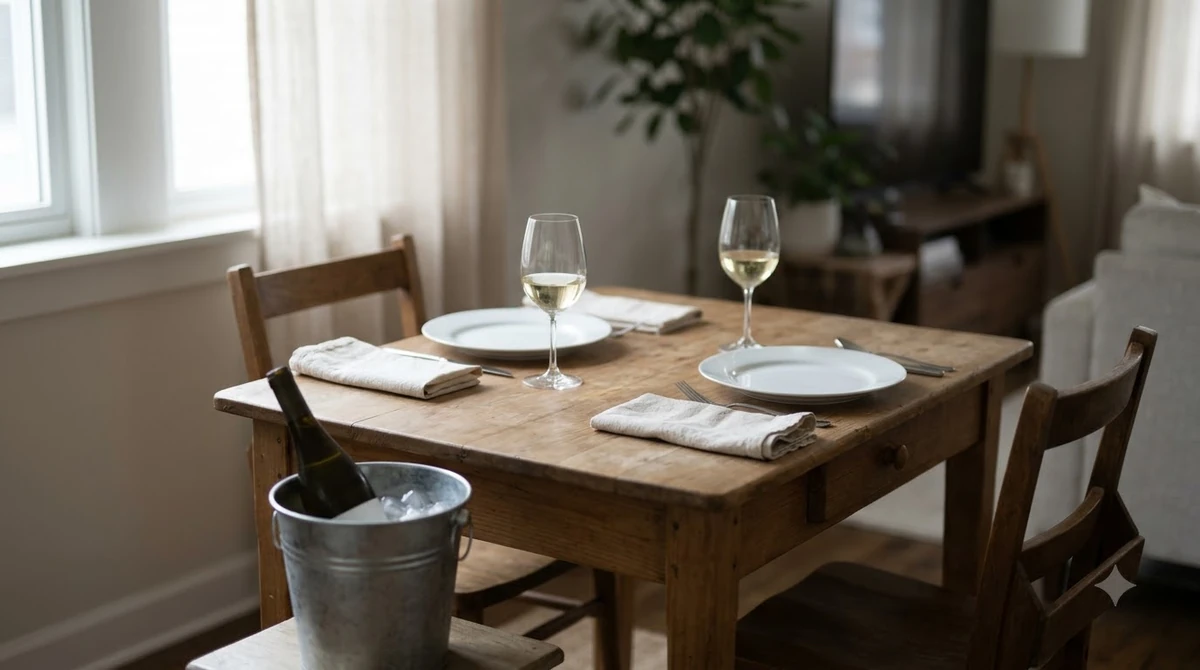
Arneis is best served chilled, generally around 46–50°F for a traditional Roero expression. This temperature preserves its fresh fruit and floral aromas while allowing its texture to remain noticeable rather than excessively cold and muted.
The regional tourism authority for Langhe, Monferrato, and Roero recommends 8–10°C, approximately 46–50°F, and a tulip-shaped glass for Roero Arneis. Wine Enthusiast gives a slightly broader serving range of 45–55°F for the grape variety. Its Arneis grape profile and pairing recommendations also identify chicken Marsala, scallops, and rosemary-lemon halibut as suitable food matches.
Different styles benefit from slightly different handling:
| Arneis style or pairing | Recommended temperature | Best food matches |
|---|---|---|
| Fresh, unoaked Arneis | 46–50°F | Oysters, shrimp, white fish |
| Fuller-bodied Arneis | 50–55°F | Roast chicken, creamy pasta |
| Oak-influenced Arneis | 50–55°F | Veal, mushrooms, risotto |
| Arneis with fresh cheese | 46–50°F | Ricotta, mozzarella, burrata |
| Arneis sparkling | 40–50°F | Seafood appetizers, canapés |
These are practical serving targets rather than rigid rules. A richer wine can benefit from a slightly warmer serving temperature because additional warmth helps reveal its texture and aromatic detail. A delicate, stainless-steel-fermented wine generally benefits from a cooler temperature.
Use a standard white wine glass or a tulip-shaped glass. Both provide enough room for the aromas to develop without making the wine warm too quickly. A narrow sparkling wine glass is appropriate for a sparkling Arneis.
Arneis is commonly enjoyed relatively young, when its fresh fruit and floral aromas are most expressive. Wine Enthusiast lists a general cellar window of 1–3 years. Some structured examples can develop further, but most everyday bottles are best enjoyed while their freshness remains prominent.
Tip: Refrigerate Arneis before serving and pour it at approximately 46–50°F. If the wine becomes too cold, allow it to warm slightly in the glass. This helps reveal its pear, peach, citrus, and floral aromas without losing its refreshing character.
For a typical dinner, plan on a 5-ounce pour per person. A standard 750 ml bottle provides approximately five glasses, making it a practical amount for a small dinner party. Keep the bottle chilled between pours rather than leaving it on the table for an extended period.
Once opened, reseal the bottle and refrigerate it. Most opened still wines remain enjoyable for approximately 3–5 days when stored properly, although delicate aromatic characteristics may fade before that period ends.
The Langhe Monferrato Roero regional wine profile provides additional details about the appellation, its permitted grape composition, and its traditional seafood and Piedmontese appetizer pairings.
Foods and Flavors That Are More Difficult to Match
Arneis is versatile, but its moderate acidity, low tannin, and generally restrained structure make it less suitable for certain intensely flavored dishes. Very hot chili preparations, heavy barbecue sauces, and strongly acidic foods can dominate the wine.
Spicy food requires particular care. Alcohol and tannin can amplify chili heat, while the moderate acidity of Arneis may not provide enough refreshing contrast for very spicy preparations. Mildly seasoned dishes with fragrant spices are more dependable.
Tre Donne recommends Arneis with fragrant spices and pasta containing oil and chili. This suggests that moderate seasoning can work, particularly when the dish includes olive oil, vegetables, or seafood. However, that recommendation should not be interpreted as support for extremely hot chili sauces.
Other challenging combinations include:
- Very spicy curries: Strong chili heat can overwhelm the wine’s fruit and floral character.
- Heavy barbecue: Sweet, smoky sauces can dominate Arneis’s delicate flavors.
- Strong blue cheese: Intense saltiness and pungent aromas can overpower a softer white wine.
- Highly acidic vinaigrettes: Strong vinegar and lemon can make moderate-acidity Arneis seem flat.
- Very rich red meat: Large steaks and heavily marbled beef generally need a wine with more structure.
- Deeply smoked meats: Intense smoke can overwhelm the wine’s lighter aromatic profile.
Oily fish deserves a more nuanced approach. Sardines and mackerel are recommended by Tre Donne, so their natural oiliness does not automatically make them unsuitable. The important distinction is that oily fish can work with a fresh white wine when seasoning and preparation remain balanced.
For example, grilled sardines with parsley, olive oil, and mild seasoning can be excellent. Sardines served with a very acidic vinegar dressing or heavily smoked preparation may be less successful.
Arneis can also be served with pork and richer poultry dishes, but the sauce should guide the choice. A simple roast pork tenderloin with herbs is much easier to match than heavily spiced pulled pork with a sweet barbecue glaze.
If a menu includes several difficult flavors, consider serving Arneis with the lighter courses first. It is particularly effective as an aperitif, with appetizers, and alongside the seafood course before richer dishes arrive.
Frequently Asked Questions
Is Arneis the same grape as Nebbiolo Bianco?
Nebbiolo Bianco is a historical synonym associated with Arneis, not a separate white-wine grape variety in this context. Arneis was historically blended with Nebbiolo in the Barolo region, where it helped soften the red wine’s tannic character. The two varieties remain distinct grapes despite the historical naming connection.
Is Roero Arneis DOCG different from Langhe Arneis DOC?
Yes. Roero Arneis DOCG identifies wine from the Roero appellation, while Langhe Arneis DOC belongs to the broader Langhe appellation. The geographic designation and applicable production rules distinguish the two categories. Both can offer expressions of the Arneis grape.
Can Arneis be made into a sweet dessert wine?
Yes. A small quantity of sweet wine made from Arneis is known as Arneis Passito. This style differs from the familiar dry Roero Arneis served with seafood and appetizers. Its sweetness makes it more appropriate for desserts and sweet food combinations.
Does Arneis have a distinctive almond finish?
Some Arneis wines show almond or hazelnut characteristics, particularly in their flavor profile and finish. These notes can complement the grape’s pear, apricot, and floral aromas. Their intensity varies according to the producer, vineyard, and winemaking approach.
Can Arneis be aged in a wine cellar?
Some structured examples can develop in the bottle beyond their early drinking window. Certain single-vineyard Roero Arneis wines are described by their producers as suitable for several years of bottle development. This potential is producer-specific rather than a general aging recommendation for every Arneis wine.
Arneis is one of Piedmont’s most food-friendly white wines, particularly alongside seafood, shellfish, chicken, fresh cheeses, and vegetable-based Italian dishes. Start with a traditional Roero Arneis served at 46–50°F, then explore fuller styles with creamy pasta, veal, and roasted poultry. Its combination of fruit, floral aromas, and gentle freshness makes it an excellent choice for both relaxed appetizers and carefully planned dinners.
More in Wine Types & Grapes
 Zinfandel Sugar Content: Dry Red vs. White Zinfandel GramsUpdated Nov 21, 2026
 Best Zinfandel Substitute Options for Sipping and CookingUpdated Nov 21, 2026
 Zweigelt Food Pairing: Best Dishes, Cheeses, and Serving TipsUpdated Nov 21, 2026
 Zinfandel Tannins Explained: How Structure Shapes Every BottleUpdated Nov 21, 2026
 Zinfandel Sweetness Level: Dry Red vs. Sweet White Zin ExplainedUpdated Nov 21, 2026
 Xinomavro Food Pairing: Best Dishes, Styles, and Serving TipsUpdated Nov 21, 2026