

We may earn a commission when you buy through links on this page, at no extra cost to you. Learn more.
Amarone tasting notes typically describe a full-bodied Italian red wine with concentrated dried cherry, dark plum, raisin, fig, cocoa, and baking spice aromas, supported by fresh acidity, smooth tannins, and warming alcohol. Amarone della Valpolicella comes from Veneto in northern Italy and gets its distinctive concentration through the traditional appassimento grape-drying process. Although it tastes rich and sometimes slightly sweet, properly made Amarone is classified as a dry red wine.
Amarone is one of Italy’s most recognizable premium red wines, offering a different experience from conventional reds made with freshly harvested grapes. Its combination of concentrated fruit, savory complexity, substantial alcohol, and polished texture makes it particularly interesting for drinkers who enjoy layered wines. Understanding its aroma, palate, structure, and development with age makes it easier to recognize a well-balanced bottle and choose the right food to serve alongside it.
Amarone’s Main Aromas and Flavor Profile
Amarone typically opens with concentrated aromas of dried cherries, ripe plums, raisins, and figs. As the wine develops in the glass, cocoa, cinnamon, vanilla, tobacco, and dried herbs can emerge, creating a complex combination of fruit, spice, and savory characteristics.
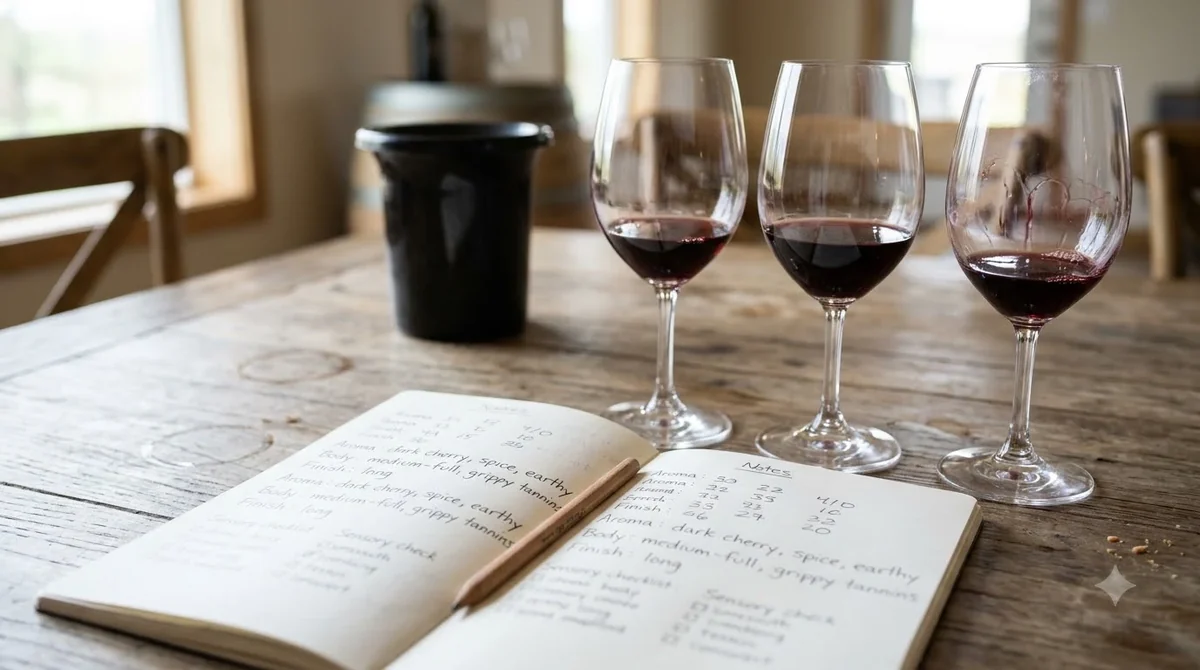
The first impression is usually powerful without necessarily being harsh. Red and dark fruit aromas are often intertwined rather than appearing as separate layers. Dried cherry is particularly characteristic, while plum and raisin contribute a deeper, richer impression. Depending on the producer and vintage, some bottles lean toward fresh black cherry and blackberry, while others emphasize preserved fruit, dried figs, and dark chocolate.
Secondary aromas depend partly on fermentation and maturation choices. Oak aging can contribute vanilla, baking spice, cocoa, cedar, and toasted wood. The intensity of these characteristics varies with the type of barrels, their age, and the length of maturation. Some producers favor larger traditional wooden vessels, allowing the grape character to remain prominent, while others use smaller barrels that can create more noticeable oak influence.
With time in the bottle, Amarone can develop additional savory complexity. Leather, dried mushrooms, tobacco, forest floor, and cedar may appear alongside the original fruit aromas. These characteristics do not necessarily mean that the wine has lost its fruit. Rather, they demonstrate how concentrated red wines can change as their aromas become more integrated.
One useful way to approach a glass is to smell it immediately after pouring, then return to it after approximately 10 minutes. The initial impression may emphasize cherry, plum, and alcohol warmth, while the later aromas reveal more cocoa, spice, and dried fruit. A large red wine glass gives these aromas sufficient room to develop.
How Appassimento Creates Amarone’s Concentration
Amarone’s distinctive taste begins before fermentation through appassimento, the process of partially drying harvested grapes. Removing water concentrates the berries and creates the raw material for a powerful red wine with intense fruit, substantial body, and elevated alcohol.
According to the Valpolicella Consortium, Amarone grapes generally spend approximately 100 to 120 days drying in specialized, ventilated rooms called fruttai. Traditionally, bunches are arranged on racks or mats with sufficient air circulation to encourage gradual moisture loss. The berries become smaller and more concentrated during this period.
Drying changes the balance of the grapes. Their reduced water content concentrates sugars, acids, polyphenols, and aromatic compounds. This explains why Amarone can have such an intense flavor even though it is made from familiar local varieties rather than exceptionally high-tannin international grapes.
After drying, the grapes are pressed and fermented. Fermentation converts the concentrated sugars into alcohol, creating a wine that is generally dry but retains a powerful fruit impression. The resulting alcohol level commonly reaches around 15% ABV and can approach 17% in some examples.
The production process also requires additional time and careful handling. Producers must manage the drying environment to limit unwanted spoilage while allowing the berries to develop properly. The fermentation and subsequent maturation stages contribute further differences in aroma and texture.
This process distinguishes Amarone from several other Valpolicella wines. Valpolicella Ripasso, for example, gains additional concentration through contact with Amarone grape skins, while Recioto della Valpolicella uses dried grapes but retains substantial sweetness because fermentation is stopped earlier.
For a more detailed look at the appellation’s production identity, the Valpolicella Consortium’s Amarone description explains the drying process, wine characteristics, and traditional serving recommendations.
Grape Varieties and Regional Differences
Amarone’s traditional identity comes from native Valpolicella grapes, particularly Corvina, Corvinone, and Rondinella. Their different contributions help explain the wine’s combination of cherry fruit, structure, color, herbal notes, and freshness.
Corvina is generally the leading variety in the blend. It contributes recognizable cherry aromas and an important foundation of acidity. These characteristics help prevent Amarone from becoming excessively heavy despite the concentration produced by appassimento. Its fruit profile can include fresh red cherry, sour cherry, and darker preserved fruit.
Corvinone adds additional depth and structure. Its contribution can become particularly noticeable in the middle of the palate, where the wine feels broad and substantial. Rondinella helps provide color and can contribute subtle herbal characteristics. Producers may also use permitted smaller quantities of other local varieties to create their preferred house style.
Geography adds another layer of variation. Valpolicella is located north of Verona, between Lake Garda and the Lessini mountain range. The region includes several valleys and growing areas, with differences in exposure, altitude, soil, and growing conditions that influence the grapes.
Valpolicella Classico occupies the western part of the region, closer to Lake Garda. Its wines can show bright cherry fruit and considerable concentration. Within the area, Fumane is associated with fresher black-cherry characteristics, higher acidity, and a distinctive black pepper impression. Negrar can produce darker, richer fruit expressions.
The eastern Valpolicella Orientale area generally has a longer growing season and produces more structured wines. Differences in soils and the proportion of Corvinone can contribute to a firmer, more concentrated impression. These are broad regional tendencies rather than guarantees, since individual vineyard sites and winemaking decisions also matter.
Reading the geographical designation on a bottle can therefore help set expectations. Classico identifies wine from the historic western production area, while Valpantena identifies another recognized subzone. Producers working within these areas can still create very different styles depending on grape selection, drying duration, fermentation, and barrel maturation.
Amarone also belongs to a broader family of red wines with distinctive grape identities. Comparing its concentrated fruit with Grenache tasting notes can help illustrate the difference between dried-fruit intensity and the fresher strawberry, raspberry, and spice characteristics often associated with Grenache. For more grape-based comparisons, the Wine by Type resource provides a useful starting point.
Body, Acidity, Tannins, and Alcohol
Amarone is typically full-bodied, with medium-to-high acidity, relatively soft tannins, and high alcohol. Its structure is important because it explains why the wine can feel rich and warming while remaining balanced rather than simply heavy.
The body is usually the most immediately recognizable structural feature. Amarone feels broad and substantial across the palate, with concentrated fruit that can create a dense, almost velvety impression. The drying process contributes to this concentration, while maturation helps integrate the wine’s different components.
Its acidity is an important counterweight. Corvina contributes natural freshness, helping the wine maintain definition despite its concentrated fruit and alcohol. A well-balanced Amarone should not taste flat or excessively syrupy. Instead, acidity gives the finish energy and helps distinguish the fruit from the wine’s warming alcoholic character.
Tannins are generally rounded and softer than those found in highly structured Cabernet Sauvignon or young Nebbiolo. They provide texture without necessarily creating a strongly drying sensation. Their perceived intensity can vary with grape selection, extraction, oak maturation, and bottle age.
Alcohol is another defining feature. Many Amarone bottles contain approximately 15% ABV, although individual examples can be higher. This gives the wine a noticeable warmth, particularly toward the finish. Alcohol should contribute to the wine’s overall richness without completely overwhelming its fruit and acidity.
The following table summarizes the typical characteristics to look for when evaluating Amarone. These are general tasting expectations rather than fixed measurements for every producer or vintage.
| Characteristic | Typical Amarone Profile | What to Look For |
|---|---|---|
| Body | Full | Broad, concentrated mouthfeel |
| Acidity | Medium to high | Freshness beneath ripe fruit |
| Tannins | Medium, generally soft | Rounded, velvety texture |
| Alcohol | About 15% ABV; sometimes 17% | Warmth without excessive harshness |
| Fruit intensity | High | Dried cherry, plum, fig, and raisin |
| Finish | Long | Lingering fruit, cocoa, and spice |
| Serving temperature | 60–65°F | Expressive aromas and balanced warmth |
These characteristics also make Amarone interesting to compare with other powerful red wines. Cabernet Sauvignon generally has higher tannin, while Syrah can show more pronounced pepper and dark-fruit characteristics. Petit Verdot tasting notes offer another useful contrast, particularly for understanding how firmer tannins and floral aromas create a different structural experience.
Young and Aged Amarone: How the Wine Develops
Young Amarone usually emphasizes concentrated cherry, plum, raisin, and baking spices, while mature bottles develop more savory aromas such as leather, cedar, tobacco, and dried mushrooms. The transition depends on the wine’s original structure, storage conditions, vintage, and producer.
In its younger years, Amarone often displays expressive fruit. Dark cherries, dried plums, blackberry, and figs can dominate the nose, supported by cocoa, cinnamon, and vanilla. The palate tends to feel generous, with rounded tannins and a warming finish.
Some young examples benefit from aeration because their alcohol and concentrated fruit can initially appear tightly integrated. After opening, additional exposure to oxygen can help reveal the wine’s aromatic layers. This is particularly useful for powerful bottles that have recently been released.
As Amarone matures, its primary fruit aromas gradually become less dominant. Dried cherry and plum can take on a more preserved or savory character. Leather, cedar, tobacco, earthy notes, and dried herbs may become increasingly apparent. The tannins can also feel more integrated, producing a smoother overall texture.
Not every bottle benefits from decades of aging. Some Amarone wines are intended to be enjoyed relatively young, while more structured examples can develop over a longer period. Producers, vintage conditions, grape concentration, and maturation methods all influence the wine’s aging potential.
Amarone della Valpolicella has minimum aging requirements before release. Standard Amarone must undergo at least two years of aging, while Amarone Riserva requires at least four years under the production regulations. These requirements provide a useful distinction, although a Riserva designation does not automatically mean that every bottle will age better than every standard Amarone.
Storage is essential for preserving the wine’s character. Keep bottles away from direct sunlight, temperature fluctuations, and excessive heat. A consistent temperature near 55°F is suitable for longer-term storage, and bottles with natural cork closures should generally be stored on their sides.
When comparing two vintages, pay attention to the relationship between fruit, acidity, tannins, and savory aromas rather than assuming that older automatically means better. A younger bottle with lively fruit may be more appealing to someone who enjoys powerful red wines, while an older example can offer greater complexity and a more integrated palate.
Serving Amarone and Choosing the Right Glass
Amarone is best served at approximately 60–65°F, using a large-bowled red wine glass that allows its concentrated aromas to develop. A little preparation before pouring can help balance its high alcohol, rich fruit, and substantial body.
Serving temperature makes a noticeable difference. If Amarone is too warm, its alcohol can dominate the nose and palate. If it is too cold, the fruit aromas become less expressive and the tannins may feel more prominent. A moderate cellar-like temperature helps maintain the balance between fruit, freshness, and warmth.
Producers can recommend slightly different temperatures. Brunelli, for example, recommends serving its Amarone Classico at 64°F. The Valpolicella Consortium gives a broader recommended range of 61–68°F. For most bottles, starting around 62–64°F is a practical approach.
Decanting is another useful consideration. A young, concentrated Amarone may benefit from approximately 30–60 minutes in a decanter. This gives the wine time to open and allows its aromas to become more expressive. Particularly powerful bottles may benefit from additional aeration, although there is no need to apply the same schedule to every vintage.
Older Amarone requires more care. Mature wines can be more delicate, and prolonged exposure to oxygen may cause their aromas to fade. A gentle decant immediately before serving can help separate sediment without unnecessarily exposing the wine to air.
Pouring a moderate serving also makes it easier to appreciate the wine’s intensity. A standard 5-ounce pour allows room in the glass for swirling and smelling. A 750 ml bottle provides approximately five standard servings.
Tip: If Amarone smells strongly of alcohol immediately after opening, let a young bottle breathe for 30–60 minutes and serve it around 62–64°F. Revisit the glass after several minutes to compare its initial fruit aromas with the developing cocoa, spice, and dried-fruit notes.
Use a glass with a generous bowl rather than a narrow tumbler. The larger opening provides room for the wine to release its aromas, making it easier to distinguish cherry, plum, cocoa, vanilla, and savory notes. Avoid filling the glass too high, since Amarone benefits from room for swirling.
For unopened bottles, consistent storage near 55°F is preferable to a kitchen cupboard exposed to frequent temperature changes. Once opened, reseal the bottle and refrigerate it. Most still red wines remain enjoyable for approximately three to five days when stored properly, although Amarone’s aromatic condition can change during that period.
Food Pairings That Complement Amarone
Amarone pairs particularly well with rich red meats, game, slow-cooked stews, and mature cheeses. Its concentrated fruit and high alcohol call for flavorful dishes, while its acidity and rounded tannins help balance savory ingredients.
Traditional pairings from Veneto provide a natural starting point. Slow-cooked meat dishes, braised beef, roasted lamb, and game preparations have enough flavor to stand alongside Amarone’s intensity. These dishes also provide savory elements that complement the wine’s dried-fruit and spice characteristics.
For a straightforward dinner, grilled beef with rosemary, roasted lamb with herbs, or beef short ribs cooked slowly in their own juices can work particularly well. The richness of the meat provides a suitable match for the wine’s full body. Salt and fat also soften the perception of tannin, making the combination feel more balanced.
Game is another classic option. Venison, pheasant, and wild boar have distinctive savory flavors that complement Amarone’s concentration. A slow-braised preparation with herbs, mushrooms, or a moderate amount of fruit can create a particularly satisfying match.
Cheese provides an easier alternative. Aged Parmigiano Reggiano, Pecorino, and Monte Veronese offer concentrated savory and salty flavors that complement the wine. The salt softens tannin perception, while the cheese’s richness matches Amarone’s broad texture.
Dark chocolate can also work, particularly when served in small portions. Choose chocolate with a relatively high cocoa content and avoid desserts that are sweeter than the wine. A dessert that exceeds Amarone’s sweetness can make the wine taste noticeably more bitter or acidic.
Some dishes require more caution. Very hot chili sauces and heavily peppered preparations can amplify the warming sensation of Amarone’s alcohol. The wine’s substantial alcohol level makes extremely spicy food a less comfortable pairing, even when the fruit concentration initially seems suitable.
Excessively fatty preparations can also be difficult. Amarone has acidity, but its tannins are generally softer than those of highly structured reds. Dishes that rely heavily on unbalanced fat may leave the wine feeling less refreshing. A moderate amount of richness, combined with herbs, salt, and savory depth, is often more successful.
For a wider perspective on matching different red wine structures with food, exploring Sancerre tasting notes provides a useful contrast. Sancerre’s Sauvignon Blanc-based wines generally have a much lighter body and higher perceived freshness, making them suitable for a different range of dishes.
Amarone does not always need a full meal to be enjoyable. A glass alongside aged cheese, toasted walnuts, or a small serving of dark chocolate can make a satisfying end to dinner. Its concentration and long finish also explain why some drinkers prefer enjoying it on its own as a contemplative wine.
Frequently Asked Questions
Is Amarone made from sweet grapes?
Amarone grapes become increasingly concentrated during appassimento, and their sugar levels rise relative to their reduced water content. The wine is nevertheless fermented to a dry style. Recioto della Valpolicella uses a related dried-grape method but retains substantially more sweetness because fermentation is stopped earlier.
What is the difference between Amarone Classico and Amarone Riserva?
Classico identifies Amarone produced in the historic Classico subzone of Valpolicella, while Riserva identifies a wine subject to a longer minimum aging requirement. Standard Amarone requires at least two years of aging, whereas Riserva requires at least four years. These terms describe different aspects of origin and maturation rather than guaranteeing a particular flavor profile.
Why is Amarone sometimes called a meditation wine?
The expression refers to enjoying the wine slowly, often without a full meal. Its concentrated aromas, high alcohol, and extended finish make it suitable for sipping after dinner. A small glass alongside aged cheese or dark chocolate can provide an alternative to serving it with a main course.
Is Amarone the same as Valpolicella Ripasso?
No. Amarone is made from grapes that undergo appassimento before fermentation, while Ripasso is produced by refermenting Valpolicella wine in contact with the remaining skins from Amarone or Recioto production. Ripasso gains additional flavor and body through this process but is not made through the same complete grape-drying method.
What does the word Amarone mean?
The name is commonly associated with the Italian word amaro, meaning bitter. It distinguishes this dry style from the sweeter Recioto wines made in the same region. The distinction reflects the fermentation outcome rather than suggesting that Amarone should have a strongly bitter taste.
Amarone combines the concentrated fruit of dried grapes with the freshness of Corvina, the structure of Corvinone, and the depth of traditional Valpolicella winemaking. Its dried cherry, plum, cocoa, and spice aromas make it a distinctive choice for anyone who enjoys full-bodied Italian reds. Serve it at a moderate temperature, give younger bottles time to breathe, and pair it with flavorful meat dishes or mature cheeses to appreciate its complete character.
More in Wine Types & Grapes
 What Does Mourvèdre Taste Like? Flavor Profile, Regions, and PairingsUpdated Nov 20, 2026
 What Does Marsanne Taste Like? Flavors, Styles, and Food PairingsUpdated Nov 20, 2026
 What Does Malvasia Taste Like? Styles, Flavors, and Food PairingsUpdated Nov 20, 2026
 What Does Grenache Blanc Taste Like? Flavor Profile, Styles, and PairingsUpdated Nov 20, 2026
 What Does Garnacha Taste Like? Key Flavors, Styles, and Pairing TipsUpdated Nov 20, 2026
 What Does Fruit Wine Taste Like? A Complete Flavor and Style BreakdownUpdated Nov 20, 2026