

We may earn a commission when you buy through links on this page, at no extra cost to you. Learn more.
Yamhill carlton wine is Oregon wine from the northern Willamette Valley, best known for rich, dark-fruited Pinot Noir shaped by ancient marine sedimentary soils and a relatively warm, sheltered growing environment. The appellation surrounds the towns of Carlton and Yamhill and produces wines with distinctive blackberry, cherry, spice, and floral characteristics. Pinot Noir dominates local vineyards, although Chardonnay and Pinot Gris also contribute to the region’s identity. Understanding its geography, geology, and winemaking traditions makes it easier to recognize what sets these bottles apart from other Oregon wines.
Oregon’s Willamette Valley contains several smaller wine-growing districts, each with its own combination of elevation, soils, rainfall, and growing conditions. Yamhill-Carlton stands out for its ancient marine deposits, protected hillsides, and expressive Pinot Noir. Whether choosing a bottle for dinner, exploring Oregon’s wine country, or comparing regional appellations, knowing the area’s defining characteristics provides a useful starting point.
Where Yamhill-Carlton Sits in Oregon Wine Country
Yamhill-Carlton occupies the northern part of the Willamette Valley, southwest of Portland and north of McMinnville. Its geography creates a distinctive wine-growing district in which hills, river valleys, and surrounding mountain ranges influence the growing season.
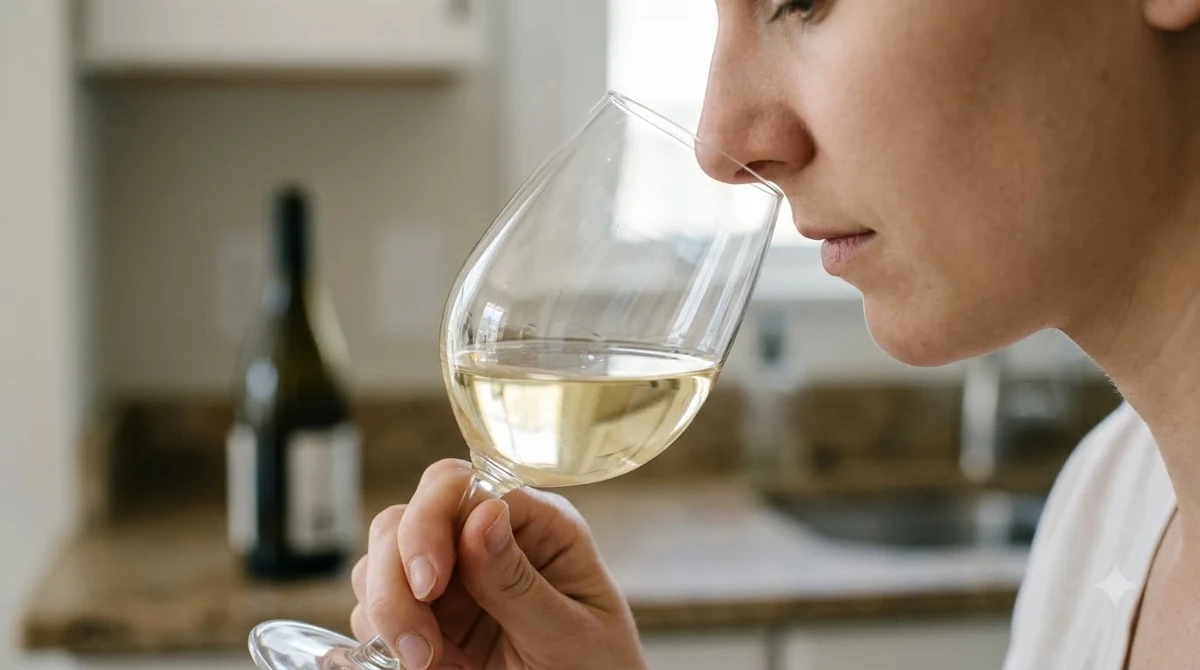
The appellation takes its name from the neighboring communities of Carlton and Yamhill. The North Yamhill River runs through the area, while low ridges form a horseshoe-shaped landscape around the towns. Vineyards occupy rolling hillsides and elevated benches rather than relying exclusively on the valley floor.
According to Oregon Wine, the AVA is approximately 35 miles southwest of Portland and 40 miles east of the Pacific Ocean. It covers approximately 58,100 acres, or 23,500 hectares. These figures describe the entire designated appellation, not just the land planted with grapevines. The Oregon Wine regional overview provides additional geographical and geological details.
The district is surrounded by several important geographical features:
- Coast Range: Located west of the appellation, these mountains help shield vineyards from some Pacific weather systems.
- Chehalem Mountains: These higher elevations provide additional protection to the north.
- Dundee Hills: The neighboring district to the east has a different geological identity and growing environment.
- North Yamhill River: This waterway runs through the landscape and helps define the area’s agricultural setting.
The protected position contributes to a relatively warm mesoclimate compared with some other parts of the Willamette Valley. Oregon Wine identifies Yamhill-Carlton among the valley’s areas with earlier harvest dates. This can be particularly important for Pinot Noir, a grape that benefits from a sufficiently long growing season to achieve balanced ripeness.
The AVA became established in 2004, with its designation becoming effective for wine labeling on February 7, 2005. Its recognition reflects the area’s distinctive geological and climatic conditions rather than simply its proximity to established Oregon wine towns.
For readers exploring other American wine regions, comparing this district with red hills wine provides an interesting look at how different climates and soils influence regional wine styles. The same grape variety can express very different characteristics depending on its growing environment.
Ancient Marine Soils and the Growing Climate
Ancient marine sedimentary soils are among the most important features of Yamhill-Carlton. Their drainage characteristics, combined with sheltered hillsides and cool nighttime temperatures, help explain why the appellation produces particularly expressive Pinot Noir.
The area’s underlying geological material developed from ancient ocean-floor sediments. The regional winegrowers association identifies parent material approximately 40–45 million years old, making it among the oldest geological formations in the Willamette Valley.
These deposits include sedimentary material associated with siltstone and sandstone. The resulting soils are generally coarse-grained and well drained. The Willakenzie series is particularly associated with the district, alongside other marine sedimentary soil types.
Drainage matters because grapevines respond to the amount of available water and the fertility of their growing environment. Well-drained soils can limit excessive vegetative growth and encourage vines to concentrate their development on ripening fruit.
The regional association explains that this earlier cessation of shoot and leaf growth contributes to more complete ripening, even in cooler growing seasons. In Pinot Noir, that development can help produce deeper color, broader tannins, and complex fruit flavors.
Climate also plays an important role. The appellation receives approximately 42 inches of annual rainfall, predominantly between October and May, according to its regional association. The growing season therefore benefits from a relatively dry summer period, although individual vineyard conditions vary.
The same association reports an average of approximately 2,300 Growing Degree Days. This measure helps describe accumulated warmth during the growing season and provides context for understanding grape ripening.
Elevation adds another layer of variation. Recognized vineyards generally occupy slopes and ridges between 200 and 1,000 feet above sea level. Differences in exposure, elevation, and airflow create individual vineyard conditions even within the same appellation.
Tip: When comparing two Yamhill-Carlton Pinot Noirs, look for the vineyard or sub-area named on the label. Different elevations, slope orientations, and soil conditions can produce noticeable differences in fruit intensity, texture, and aromatic complexity.
Another important influence is the Van Duzer Corridor, which helps bring maritime cooling into the Willamette Valley. Evening temperature reductions preserve freshness during a growing season that can be relatively warm for Oregon. This combination of daytime ripening and nighttime cooling is particularly valuable for Pinot Noir and Chardonnay.
These geographical details help explain why Yamhill-Carlton should not be treated as interchangeable with every other Willamette Valley district. For a broader overview of regional distinctions, explore the Wine Regions collection.
Pinot Noir and the Signature Wines of the Appellation
Pinot Noir is the defining grape of Yamhill-Carlton, accounting for approximately 80% of planted varieties in the Willamette Valley Wineries Association’s regional overview. The variety produces wines with dark fruit, floral aromas, savory complexity, and a broad, supple texture.
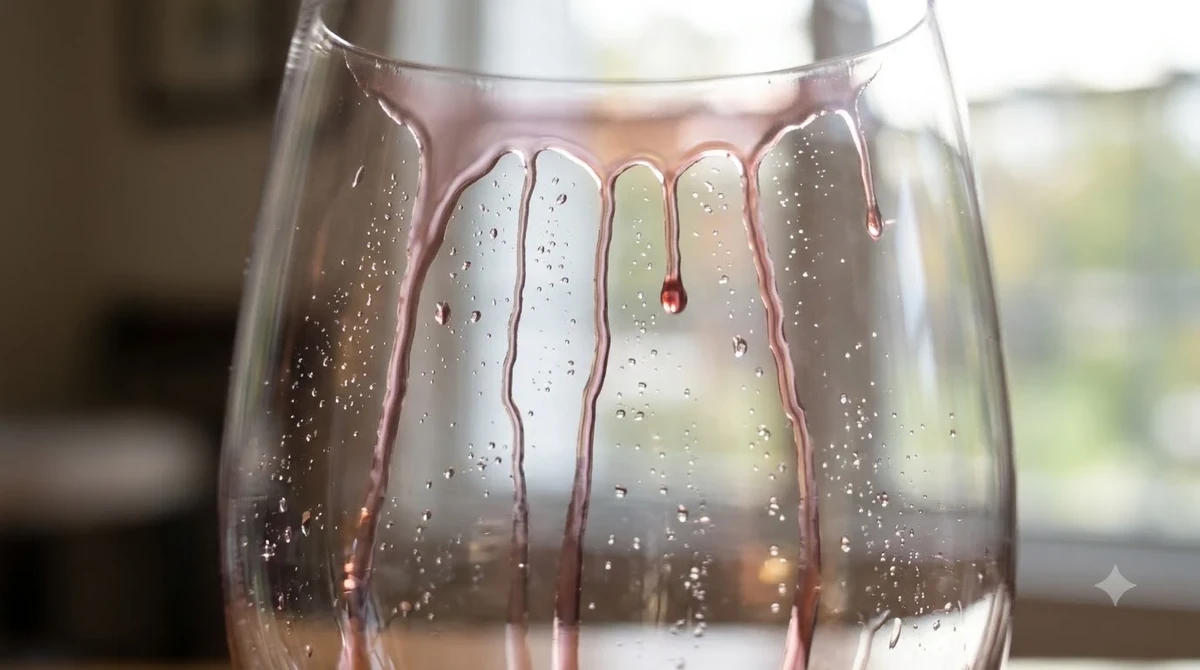
Pinot Noir thrives in conditions that allow grapes to ripen without losing all their freshness. Yamhill-Carlton’s relatively warm mesoclimate, well-drained soils, and nighttime cooling provide a suitable balance.
The regional association identifies several recurring characteristics in local Pinot Noir:
- Red fruit: Raspberry and cherry provide freshness and aromatic lift.
- Dark fruit: Blackberry, black cherry, and plum contribute richness.
- Spice: Clove and other baking-spice impressions add complexity.
- Savory notes: Tobacco, espresso, and forest-floor impressions provide depth.
- Floral aromas: Rose, violet, and lavender can complement the fruit.
- Texture: Broad, silky tannins distinguish many examples.
Compared with Pinot Noir from some cooler neighboring areas, Yamhill-Carlton examples can show deeper color, more pronounced dark fruit, and a broader mouthfeel. The regional association also describes the wines as typically lower in acidity than Pinot Noir from neighboring districts.
These are regional tendencies rather than strict rules. Vintage conditions, harvest timing, vineyard elevation, fermentation decisions, and barrel aging can all influence the final wine. A lighter-bodied bottle from a cooler site may still show considerable freshness, while a riper example can emphasize dark fruit and structure.
Chardonnay
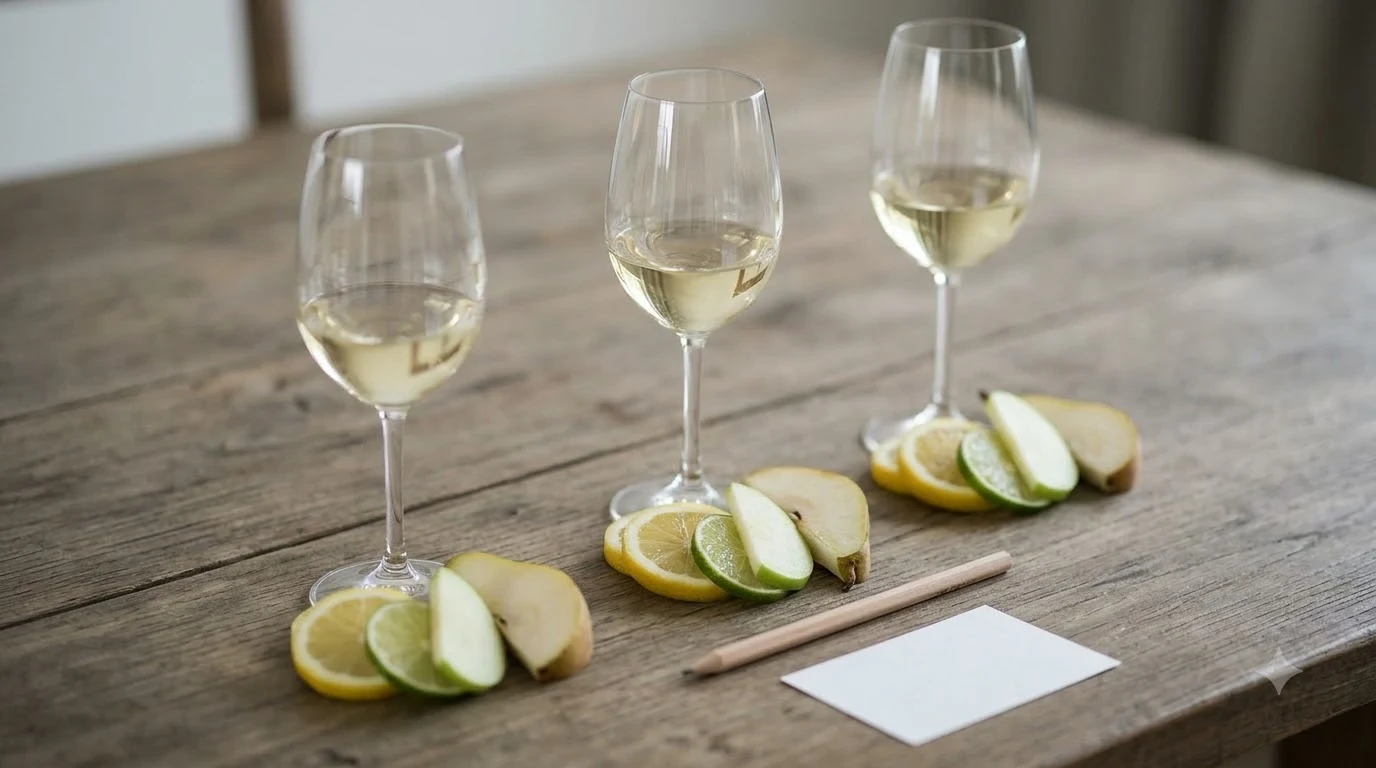
Chardonnay is another important variety, representing approximately 6% of planted grape varieties in the Willamette Valley Wineries Association’s overview. The grape can produce wines with citrus, apple, pear, and stone-fruit flavors, alongside subtle floral and mineral impressions.
Yamhill-Carlton Chardonnay benefits from the district’s combination of daytime warmth and nighttime cooling. Depending on vineyard conditions and cellar techniques, the resulting wine can range from fresh and restrained to fuller and more textured.
Oak treatment also influences style. Stainless-steel fermentation generally preserves a more direct expression of fruit and acidity, while barrel fermentation and aging can introduce creamy texture, toast, and vanilla impressions.
Pinot Gris and Other Varieties
Pinot Gris accounts for approximately 5% of planted varieties in the regional overview. It offers an alternative to Pinot Noir for drinkers who prefer white wine, with typical flavors that include pear, apple, citrus, and sometimes stone fruit.
Small amounts of other varieties also appear in individual vineyards and winery portfolios. However, Pinot Noir, Chardonnay, and Pinot Gris remain the principal reference points when understanding the appellation’s wine identity.
The following table summarizes the region’s three leading varieties using the approximate planting percentages reported by the Willamette Valley Wineries Association.
| Grape variety | Approximate share | Typical wine characteristics | Common style |
|---|---|---|---|
| Pinot Noir | 80% | Blackberry, raspberry, cherry, clove, tobacco | Dry, medium-bodied red |
| Chardonnay | 6% | Apple, citrus, pear, stone fruit | Dry white, ranging from fresh to textured |
| Pinot Gris | 5% | Pear, apple, lemon, stone fruit | Dry, light-to-medium-bodied white |
These percentages are approximate regional figures, not fixed production quotas. Individual vineyard plantings and winery selections can differ. Together, however, the three varieties provide a useful snapshot of the appellation’s agricultural priorities.
How Yamhill-Carlton Compares With Other Willamette Valley AVAs
Yamhill-Carlton shares Oregon’s broader reputation for cool-climate Pinot Noir, but its warmer growing conditions and sedimentary soils help distinguish its wines. Comparing it with the Dundee Hills, Ribbon Ridge, and Eola-Amity Hills makes those differences easier to understand.
The Willamette Valley contains several recognized sub-appellations, each with its own combination of geological formations, exposure, and climate. Although Pinot Noir is important throughout the valley, its expression can change considerably from one district to another.
Yamhill-Carlton and Dundee Hills
Yamhill-Carlton lies west of the Dundee Hills. Its defining geology includes ancient marine sedimentary material, whereas the Dundee Hills are particularly associated with volcanic Jory soils.
This difference influences the general profile of wines from the two districts. Yamhill-Carlton Pinot Noir frequently emphasizes blackberry, black cherry, and broader tannin structure. Dundee Hills Pinot Noir is often associated with red-fruit characteristics, floral aromas, and an elegant texture.
Neither description represents every bottle. Vineyard elevation, producer decisions, and vintage conditions can create significant variation within both appellations.
Yamhill-Carlton and Ribbon Ridge
Ribbon Ridge is another neighboring Willamette Valley district with sedimentary geological influences. Its smaller geographical footprint and distinctive ridgeline environment create conditions that differ from Yamhill-Carlton’s broader horseshoe-shaped landscape.
Both districts can produce structured Pinot Noir with considerable aromatic complexity. Comparing their wines side by side is particularly useful for understanding how individual vineyard sites influence the expression of similar grape varieties.
Yamhill-Carlton and Eola-Amity Hills
Eola-Amity Hills has a stronger association with volcanic and marine geological influences and is notably affected by winds entering through the Van Duzer Corridor. Those conditions can create a different balance of freshness, structure, and ripeness from Yamhill-Carlton.
For wine drinkers who enjoy exploring different American wine-growing environments, Santa Ynez Valley wine offers another useful comparison. California’s Santa Ynez Valley has a different climate and landscape, illustrating how regional conditions shape grape expression.
Ultimately, Yamhill-Carlton is a useful choice for people who appreciate Pinot Noir with pronounced dark-fruit characteristics and a relatively broad texture. Drinkers who prefer brighter acidity and lighter red-fruit profiles may also enjoy exploring cooler sites elsewhere in the Willamette Valley.
Food Pairings That Complement Yamhill-Carlton Wine
Yamhill-Carlton Pinot Noir pairs particularly well with poultry, pork, mushrooms, salmon, and moderately seasoned dishes. Its fruit intensity, moderate tannin, and savory characteristics make it adaptable to a wide range of meals.
Pinot Noir is generally lower in tannin than Cabernet Sauvignon and many Syrah-based reds. This makes it a flexible partner for foods that might be overwhelmed by a more structured red wine.
Best Pairings for Pinot Noir
- Roast chicken: The savory skin and tender meat complement cherry and raspberry flavors.
- Roast duck: Richer meat works particularly well with blackberry and plum characteristics.
- Grilled salmon: Pinot Noir’s relatively modest tannin makes it more suitable for oily fish than highly tannic red wines.
- Mushroom risotto: Earthy mushroom flavors complement tobacco, forest-floor, and savory notes.
- Roast pork: The combination of savory meat and gentle sweetness complements the wine’s fruit profile.
- Herb-roasted turkey: Fresh herbs and moderate fat work well with the wine’s acidity and fruit.
- Soft cheeses: Brie and Camembert offer creamy textures that complement Pinot Noir’s supple tannins.
Cooking methods matter as much as the main ingredient. Roasted and grilled foods often provide the savory depth needed to match a richer Yamhill-Carlton Pinot Noir. Heavy sauces can overwhelm a more delicate bottle, so lighter preparations are often preferable.
Pairings for Chardonnay and Pinot Gris
Yamhill-Carlton Chardonnay works well with roast chicken, grilled halibut, creamy pasta, and roasted vegetables. A fresher stainless-steel style can complement lemon-seasoned seafood, while a fuller barrel-aged example can stand up to richer preparations.
Pinot Gris is particularly versatile with shellfish, grilled shrimp, vegetable dishes, and light poultry preparations. Its fruit-forward character and refreshing acidity make it a practical choice for lunches and casual meals.
Food acidity should also influence the pairing. Highly acidic dishes, such as salads with sharp vinaigrette or tomato-based preparations, generally need wines with equal or higher acidity. A wine that lacks sufficient freshness can taste flat beside an acidic dish.
Salt and fat soften the perception of tannin, while very spicy food can make alcohol and tannin feel more pronounced. For chili-heavy meals, a lower-alcohol wine with softer structure is generally easier to match than a powerful red.
Sweet dishes require particular attention. A dessert should not be sweeter than the wine accompanying it, or the wine can taste sour and thin. Dry Yamhill-Carlton Pinot Noir is generally better suited to savory courses than very sweet desserts.
Serving, Storing, and Enjoying These Oregon Wines
Serving temperature, glassware, and storage conditions can significantly influence the way Yamhill-Carlton wine tastes. Pinot Noir generally benefits from slightly cooler service than many full-bodied red wines, while Chardonnay and Pinot Gris should be served chilled without becoming excessively cold.
For Pinot Noir, aim for approximately 55–60°F. This temperature range helps preserve fresh fruit aromas while allowing the wine’s texture and complexity to emerge.
Chardonnay is best served according to its weight and oak treatment. Lighter, fresher examples generally benefit from 45–50°F, while fuller-bodied whites are better around 50–55°F. Pinot Gris usually performs well between 45°F and 50°F.
Temperature recommendations are summarized below.
| Wine style | Recommended serving temperature | Serving guidance |
|---|---|---|
| Yamhill-Carlton Pinot Noir | 55–60°F | Lightly cool to emphasize fruit and freshness |
| Fuller Chardonnay | 50–55°F | Allow texture and aromatic complexity to develop |
| Fresh Chardonnay | 45–50°F | Preserve crisp citrus and apple flavors |
| Pinot Gris | 45–50°F | Serve chilled for freshness |
Glassware can also make a difference. A medium-to-large Burgundy-style glass with a generous bowl is a useful choice for Pinot Noir. Its shape allows delicate aromas to develop while providing enough room to swirl the wine.
For Chardonnay and Pinot Gris, a standard white wine glass is generally sufficient. A moderately sized bowl helps retain freshness while allowing fruit and floral aromas to develop.
Decanting and Opening Bottles
Most young Yamhill-Carlton Pinot Noir does not require extensive decanting. However, a particularly concentrated or tightly structured bottle may benefit from 30–60 minutes of aeration.
Older Pinot Noir requires more care. Long exposure to oxygen can cause delicate aromas to fade, so opening the bottle shortly before serving may be preferable. If sediment is present, careful pouring can help keep it in the bottle.
A standard 750 ml bottle provides approximately five 5-ounce glasses. This makes one bottle a practical quantity for a small dinner gathering or a tasting with several courses.
Storage and Opened Wine
Unopened bottles should be stored in a cool, dark location near 55°F, with minimal temperature fluctuation. Bottles sealed with natural cork are generally best stored horizontally to keep the cork in contact with the wine.
Once opened, still wines generally remain enjoyable for approximately three to five days when properly sealed and refrigerated. The actual period depends on the wine’s age, condition, and exposure to oxygen.
Bring a refrigerated Pinot Noir back toward its recommended serving temperature before pouring. This helps prevent excessive chill from suppressing its fruit and aromatic complexity.
Visiting Carlton, Yamhill, and the Local Vineyards
Carlton and Yamhill provide convenient starting points for exploring the appellation’s vineyards and tasting rooms. Their rural setting, rolling hills, and concentration of wine businesses make the district an appealing destination for visitors interested in Oregon Pinot Noir.
Carlton is particularly useful as a base for wine-country exploration. Its location provides access to nearby vineyard properties and tasting experiences throughout the appellation.
Yamhill offers another perspective on the region, with wineries and vineyards spread across the surrounding countryside. The area’s agricultural history remains visible in its orchards, farms, and working landscapes.
Several vineyard properties help illustrate the diversity of the AVA:
- Résonance Vineyard: The regional vineyard directory identifies this property as a 74-acre vineyard first planted in 1981. Its south-facing slope and ancient marine sediments provide a useful example of the district’s geological character.
- Mineral Springs Ranch: This property contains 40 acres of Pinot Noir and Chardonnay along the area’s Savannah Ridge.
- Fairsing Vineyard: The regional directory describes a vineyard property with 42 acres and a setting associated with certified family forest land.
- Finn Hill Vineyard: First planted in 1980, this 24-acre property includes Pinot Noir, Pinot Gris, and Chardonnay.
These examples demonstrate that Yamhill-Carlton is not a uniform growing environment. Differences in soil series, elevation, aspect, and vineyard management create opportunities for producers to express individual site characteristics.
The area’s commercial wine history dates to 1974, when Pat and Joe Campbell planted Elk Cove Vineyard. Roy and Betty Wahle also planted Wahle Vineyard during that period. Elk Cove subsequently produced the first commercial wine from the area, helping establish the foundation for the modern wine industry.
Today, the regional association identifies 63 wineries and 127 vineyards in its technical overview. Visitors can use the regional tasting-room directory and winery information to plan appointments and discover producers.
For a productive visit, plan two or three tasting appointments rather than attempting to visit too many wineries in one day. This provides time to compare Pinot Noir styles, ask questions about vineyard sites, and explore the differences between marine sedimentary soils and neighboring geological formations.
It is also useful to compare wines from different vineyard elevations. A producer pouring two single-vineyard Pinot Noirs can offer a direct illustration of how slope exposure, soil drainage, and harvest decisions affect the finished wine.
Visitors should confirm tasting availability, appointment requirements, and current opening hours before traveling. Vineyard properties are working agricultural sites, and not every producer operates a public tasting room.
Frequently Asked Questions
Is Yamhill-Carlton part of the Willamette Valley?
Yes. Yamhill-Carlton is a nested AVA within Oregon’s larger Willamette Valley AVA. Its designation allows qualifying wines to identify this smaller growing area on their labels, provided they meet the applicable appellation requirements.
What does AVA mean on an Oregon wine label?
AVA stands for American Viticultural Area, a federally recognized grape-growing region with defined geographical boundaries. Under US labeling rules, a wine using an AVA name generally must contain at least 85% grapes grown within that appellation. The designation identifies grape origin rather than guaranteeing a particular quality level.
Can a Yamhill-Carlton wine be made entirely from estate-grown grapes?
Yes. A producer can make a wine entirely from grapes grown on its own vineyard. However, an AVA designation alone does not mean the wine is estate-grown. Estate-bottled labeling has additional requirements concerning vineyard ownership or control and winery operations.
Do Yamhill-Carlton wineries produce sparkling wine?
Yes. Although still Pinot Noir and Chardonnay define much of the region’s identity, sparkling wine can also be produced from suitable grapes. Traditional-method sparkling wines undergo their second fermentation in the bottle, which can contribute fine bubbles and additional complexity.
How long can a Yamhill-Carlton Pinot Noir age?
There is no single aging period that applies to every bottle. Well-made examples from suitable vintages and vineyards can develop for several years, with some structured wines capable of aging for a decade or longer. Producer recommendations, vintage conditions, cork quality, and consistent cellar temperature all influence how successfully an individual bottle matures.
Yamhill-Carlton offers a distinctive expression of Oregon wine, combining ancient marine sedimentary soils, protected hillsides, and a relatively warm growing environment. Its dark-fruited, supple Pinot Noir deserves particular attention, while Chardonnay and Pinot Gris provide appealing alternatives. Whether exploring Carlton’s tasting rooms or choosing a bottle for dinner, understanding the appellation’s geography and grape varieties makes discovering its wines considerably more rewarding.
More in Wine Regions
 Willcox Wine Trail: Discover Arizona’s High-Elevation Wine CountryUpdated Nov 20, 2026
 Yakima Valley Wine Region: Find the Best Styles to TryUpdated Nov 20, 2026
 Vosne Romanee Wine Tasting: Identify Aromas and Choose Better PairingsUpdated Nov 20, 2026
 Yakima Valley Wine Festival: Find the Best Seasonal Wine EventsUpdated Nov 20, 2026
 Wales Vineyards: Discover Cool-Climate Wines and Where to VisitUpdated Nov 20, 2026
 Yountville Wine Festival: Discover Napa Wines and Local FoodUpdated Nov 20, 2026