

We may earn a commission when you buy through links on this page, at no extra cost to you. Learn more.
Sangiovese serving temperature is best around 60–65°F (15.5–18°C) for most traditional red wines, including Chianti and Brunello di Montalcino. This slightly cool serving range preserves the grape’s characteristic cherry fruit, bright acidity, and savory aromas without making its tannins feel unnecessarily firm. Lighter expressions can benefit from the cooler end of the range, while fuller-bodied, oak-aged bottles often show better closer to 65°F.
Sangiovese is one of Italy’s most important red wine grapes, particularly associated with Tuscany and wines such as Chianti, Chianti Classico, Vino Nobile di Montepulciano, and Brunello di Montalcino. Although these wines share a grape variety, they can differ considerably in body, acidity, tannin, and oak influence. Serving them at an appropriate temperature helps reveal those differences. The practical goal is not to serve Sangiovese warm simply because it is red wine, but to give it enough coolness to maintain freshness while allowing its aromas to develop in the glass.
The Ideal Temperature for Sangiovese
For most Sangiovese wines, aim for 60–65°F (15.5–18°C). This range gives the wine enough warmth to express its fruit and savory character while keeping alcohol, acidity, and tannins in balance.
There is a good reason to avoid the traditional idea that every red wine should be served at ordinary room temperature. Modern indoor temperatures frequently exceed the conditions under which older wine-serving recommendations were developed. A bottle sitting in a 72°F dining room can become noticeably warmer than necessary before the first glass is poured.
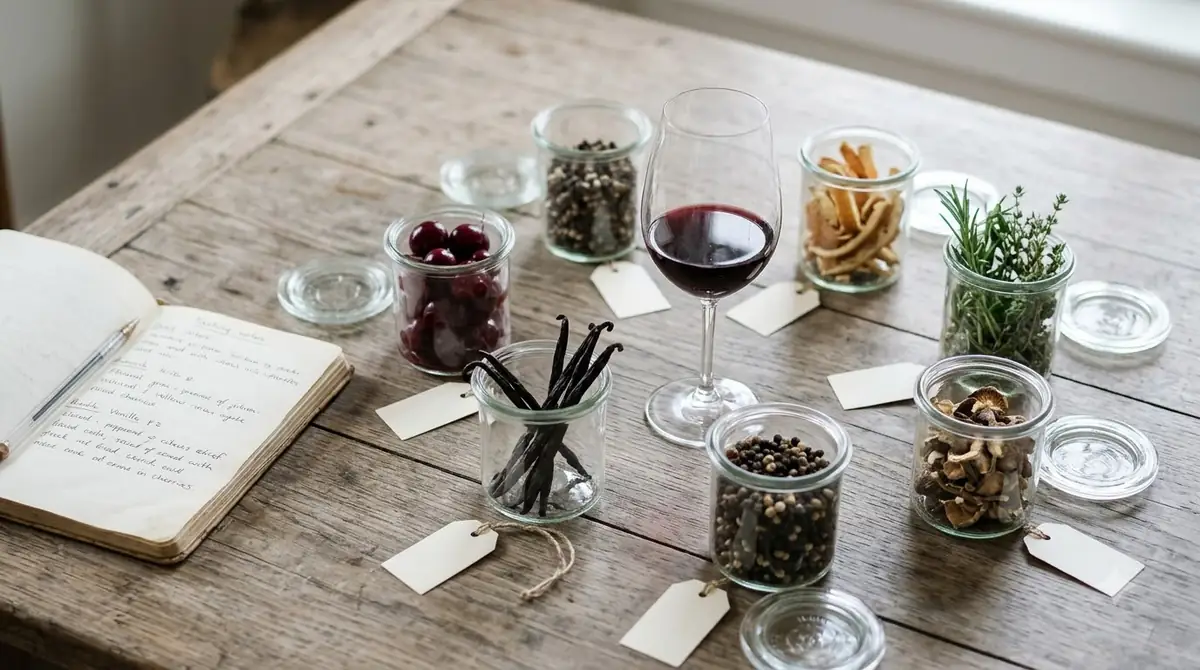
Sangiovese has naturally lively acidity and usually presents recognizable red-fruit flavors, particularly cherry, red plum, and sometimes raspberry. Depending on the region and winemaking approach, additional aromas can include dried herbs, violet, earth, tobacco, and spice. At approximately 60–65°F, these characteristics can remain distinct without the wine feeling excessively sharp or alcoholic.
The exact position within the range depends on the wine’s structure. A relatively light Chianti can be served toward 60°F, while a more concentrated Brunello or structured Chianti Classico Riserva can be served closer to 65°F. A bottle with noticeable oak influence and substantial tannin may also benefit from the warmer end of the range.
Producer recommendations support this general approach. Cantine Coli specifies 16–18°C for its Chianti Classico, equivalent to approximately 61–64°F. Banfi also recommends 16–18°C for its Chianti Classico. These recommendations provide useful reference points for serving traditional Sangiovese-based wines.
The broader guidance from Wine Enthusiast places light- to medium-bodied reds, including Chianti, at 54–60°F. This cooler approach can suit lighter examples, particularly when they will warm in the glass. Its guidance for fuller-bodied reds is 60–65°F. Together, these recommendations show why wine style matters more than relying on one temperature for every bottle. The publication explains its temperature and glassware recommendations in its wine serving temperature guide.
For everyday serving, 62°F is a useful starting point. Pour a small amount, allow it to warm naturally, and observe whether the fruit, acidity, and tannins become more balanced. If the wine seems muted and closed, a slight increase in temperature may help. If alcohol becomes prominent, cooling it a little can restore balance.
Serving Temperatures by Sangiovese Wine Style
Different Sangiovese-based wines benefit from slightly different temperatures because their body, tannin, and aging methods vary. Lighter Chianti generally works toward 60°F, while structured Brunello and Riserva wines are better suited to approximately 63–65°F.
Chianti is often a relatively approachable expression of Sangiovese, with red cherry, fresh acidity, and moderate tannin. A serving temperature around 60–62°F helps maintain its refreshing character. This is particularly useful when pairing it with pizza, pasta, or simple grilled dishes.
Chianti Classico can have additional concentration, structure, and complexity. Cantine Coli describes its Chianti Classico as full-bodied, fresh, balanced, and slightly tannic, and recommends serving it at 16–18°C. A practical target is 62–64°F, which provides room for the wine’s fruit and savory characteristics to develop.
Brunello di Montalcino generally deserves the warmer end of the standard Sangiovese range. Its greater structure and extended aging can produce more developed aromas and a firmer tannic profile. Approximately 63–65°F is a sensible starting point, especially for bottles with considerable maturity and concentration.
Rosso di Montalcino is generally approachable earlier and can be less concentrated than Brunello. A range of 60–63°F often works well, particularly when the wine emphasizes fresh cherry, red fruit, and lively acidity rather than pronounced oak and tannin.
Super Tuscan wines containing Sangiovese alongside international varieties require some additional consideration. A blend containing Cabernet Sauvignon may have more tannin and body than a traditional Sangiovese-dominant wine. A fuller blend can be served closer to 65°F, while a fresher, more fruit-driven example may work better around 61–63°F.
| Wine style | Serving temperature | Best starting point |
|---|---|---|
| Light, young Chianti | 60–62°F | 60°F |
| Chianti Classico | 61–64°F | 62°F |
| Chianti Classico Riserva | 62–65°F | 64°F |
| Rosso di Montalcino | 60–63°F | 62°F |
| Brunello di Montalcino | 63–65°F | 64°F |
| Full-bodied Sangiovese blends | 62–65°F | 64°F |
These are practical serving targets rather than strict appellation requirements. Vintage, extraction, oak treatment, alcohol, and bottle age can all influence the ideal temperature. A lighter wine may become less expressive if served too warm, while a concentrated wine may seem austere if served too cold.
For a broader comparison of serving temperatures across grape varieties and wine categories, see our guide to Wine by Type. The same principle applies to other drinks: serving conditions should reflect the beverage’s structure rather than following one universal rule.
How to Chill Sangiovese Before Serving
Most Sangiovese bottles need a short period in the refrigerator rather than extended refrigeration. Starting with a bottle at approximately 70–72°F, allow around 20–30 minutes in the refrigerator to move toward the recommended serving range.
The exact time depends on the refrigerator, bottle size, starting temperature, and how cold the appliance is. A standard 750 ml bottle cools gradually, so it is better to begin chilling before guests arrive than to wait until the wine is ready to pour.
If the bottle has been stored in a cool cellar or wine refrigerator, less chilling may be necessary. A bottle already near 55°F might need only a brief adjustment before serving. The aim is to reach the desired drinking temperature, not to make the wine as cold as possible.
An ice-water bath provides a faster alternative. Fill a wine bucket with approximately equal amounts of ice and water, then place the bottle inside. The water distributes cold around the glass more efficiently than ice alone, helping bring the temperature down evenly.
Wine Enthusiast recommends approximately 10 minutes in an ice-water bucket for red wine. This is a useful quick-chilling starting point, although the bottle should be checked because its initial temperature and the amount of ice can change the result.
A refrigerator thermometer or an instant-read wine thermometer can make temperature control more accurate. For regular wine drinkers, this is especially helpful when comparing different Sangiovese styles. A bottle served at 60°F may taste noticeably different from the same bottle served at 68°F.
A simple chilling schedule
For a bottle stored at typical indoor temperature, use this practical sequence:
- Place the bottle upright in the refrigerator approximately 20–30 minutes before serving.
- Check the temperature after the initial cooling period if a thermometer is available.
- Remove the bottle when it approaches 60–65°F, depending on its style.
- Open and pour a small sample to assess its aromas and structure.
- Return the bottle to the refrigerator briefly if it becomes too warm during the meal.
For a dinner involving several courses, it can be helpful to serve the wine slightly toward the cooler end of its recommended range. The temperature will naturally increase in the glass, particularly in a warm dining room.
Tip: If Sangiovese has been sitting at 72°F, try approximately 25 minutes in the refrigerator before serving. A cooler initial pour gives the wine time to warm gradually in the glass instead of starting too warm and losing freshness.
How Temperature Changes Sangiovese Flavor and Aroma
Temperature affects how strongly Sangiovese expresses fruit, acidity, tannin, and alcohol. Serving it too warm can make alcohol seem prominent and soften its refreshing character, while excessive chilling can suppress aromatic detail and make the tannins seem more pronounced.
At a suitable temperature, Sangiovese typically shows a combination of red cherry, red plum, dried herbs, and earthy or savory notes. Depending on its origin and aging, a wine may also display tobacco, leather, spice, or floral characteristics. These qualities are particularly important in traditional Tuscan wines, where freshness and savory complexity are central to their appeal.
When the wine is too warm, alcohol can become more noticeable. The fruit may seem heavier, the finish can feel less refreshing, and the wine’s acidity may appear less balanced. This is particularly problematic in a warm room or during a summer meal when the bottle remains on the table for an extended period.
When the wine is excessively cold, its aromas become harder to detect. Cherry and plum characteristics may seem restrained, while acidity and tannin can feel more pronounced. A young Chianti taken directly from a very cold refrigerator may initially seem harder and less expressive than it actually is.
Temperature also affects the way tannins are perceived. Sangiovese commonly has noticeable tannin, although the intensity varies according to vineyard conditions, extraction, blending, and aging. A structured Brunello can benefit from slightly more warmth than a simple young Chianti because its complexity needs room to develop.
The relationship between temperature and aroma is particularly important for aged Sangiovese. Mature bottles may show dried cherry, leather, tobacco, forest floor, and savory spice. Excessive chilling can hide these subtle characteristics, making a carefully aged wine seem less complex.
For a useful comparison, pour two small glasses of the same wine at different temperatures, perhaps 60°F and 66°F. Compare the intensity of the cherry aromas, the prominence of alcohol, and the texture of the finish. This simple exercise illustrates how serving temperature can influence the overall experience without changing the wine itself.
Decanting, Glassware, and Pouring Sangiovese
Decanting can improve the presentation of young, structured Sangiovese, while a suitable wine glass helps concentrate its aromas. A standard 5-ounce pour and a moderate amount of air exposure are generally sufficient for enjoying most bottles.
Young Sangiovese with noticeable tannin can benefit from approximately 30–60 minutes in a decanter. Exposure to air can help the wine become more expressive, particularly when its initial aromas seem closed or its structure feels firm. The wine may develop clearer cherry, plum, herbal, and savory notes as it opens.
Not every Sangiovese requires decanting. A simple young Chianti designed for early drinking may be enjoyable shortly after opening. Pouring a small glass and allowing it to stand for several minutes can be enough to reveal its character.
Older Brunello and other mature Sangiovese wines require more care. They can have delicate aromas that may become less expressive after prolonged aeration. If sediment is present, careful decanting can separate the wine from the deposit. For a mature bottle, begin by pouring a small sample and assessing its condition before deciding whether extended exposure to air is appropriate.
Glassware also matters. A medium-sized red wine glass with a reasonably broad bowl provides enough space for swirling while concentrating aromas near the rim. A Chianti-style glass with a slightly tapered rim is another appropriate choice, particularly for lighter, fruit-forward examples.
A very large glass is not essential. Sangiovese does not require unusually elaborate stemware to show its character. A clean, clear glass with enough room for a moderate pour is generally more useful than an oversized vessel that allows the wine to warm rapidly.
Pour approximately 5 ounces per glass. A standard 750 ml bottle provides about five such servings, making it straightforward to plan wine quantities for a meal. Avoid filling the glass too high, since leaving space allows the wine to release aromas during gentle swirling.
Serve the wine in small amounts if the dining room is warm. A smaller pour is easier to keep within the desired temperature range, and the remaining wine can stay in a cooler location until the next serving.
Food Pairings That Work With Sangiovese
Sangiovese pairs especially well with Italian dishes that combine tomato acidity, savory herbs, moderate fat, and roasted or grilled flavors. Its lively acidity and red-fruit character make it a natural partner for tomato-based pasta, pizza, grilled meats, and aged cheeses.
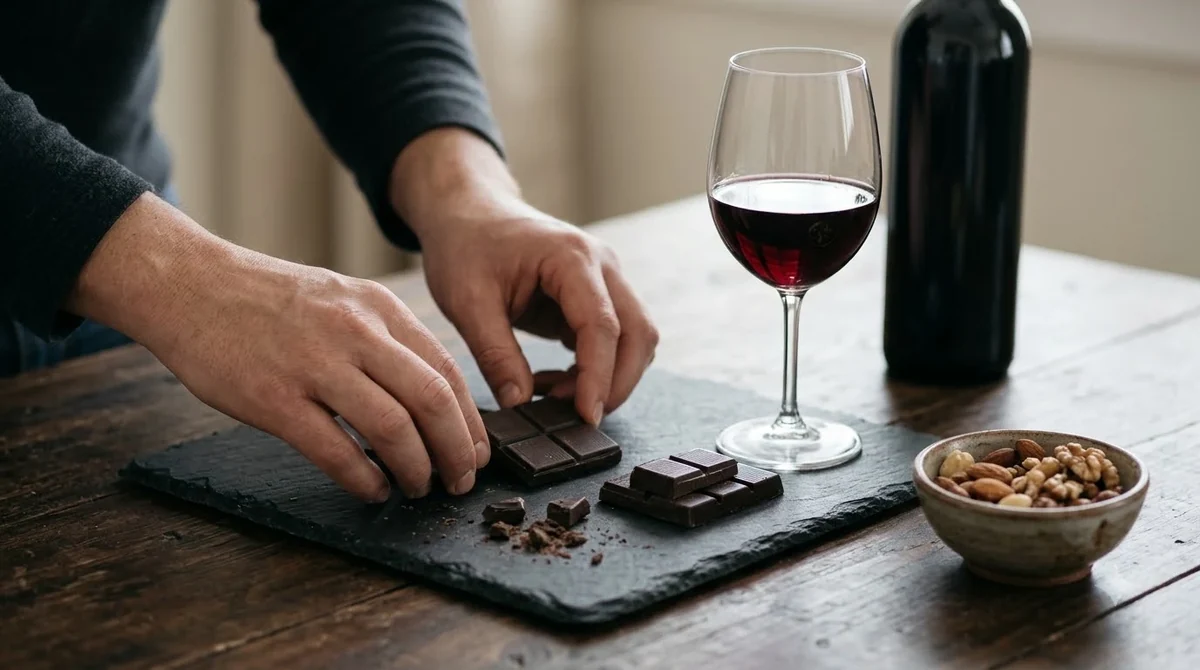
Tomato-based dishes are among the most reliable matches. Sangiovese has enough acidity to complement tomato sauce without tasting flat or excessively sour. Spaghetti with tomato sauce, lasagna, pasta alla Norma, and pizza with roasted vegetables are practical choices.
Chianti Classico also works well with traditional Tuscan food. Banfi specifically identifies tortelli with wild boar ragout and pici pasta with Aglione sauce as suitable pairings. These dishes combine substantial flavors with savory ingredients that complement the wine’s cherry, plum, and herbal characteristics. Banfi provides its wine’s tasting notes, technical details, and serving recommendation on its Chianti Classico producer page.
Grilled and roasted meats are another excellent option. Chicken, pork, lamb, and beef can all work, depending on the wine’s structure. A lighter Chianti is particularly suitable for grilled chicken or pork, while a concentrated Brunello can stand up to braised beef, lamb, or game.
Cheese is also a natural partner. Aged Parmesan, Pecorino Toscano, and other firm cheeses provide savory intensity and fat that can soften the perception of tannin. Salt and fat generally make structured red wines feel more approachable, especially when the wine has enough acidity to refresh the palate.
For a simpler meal, consider cured meats, prosciutto, salami, or roasted mushrooms. These ingredients offer savory flavors that complement Sangiovese without overwhelming a lighter expression. A young Chianti can be particularly enjoyable with a platter of cured meat, bread, olives, and firm cheese.
Temperature should follow the weight of the food and wine. A lighter Sangiovese served around 60°F can be refreshing alongside tomato pasta, while a more concentrated wine served around 64–65°F can complement roasted meat and richer sauces.
Spicy food requires additional care. Chili heat can be amplified by alcohol and tannin, so strongly spiced dishes may make a structured Sangiovese seem hotter and more astringent. Mildly seasoned grilled meats and herb-based sauces are generally easier pairings than heavily chili-driven dishes.
Fish is not automatically excluded, but preparation matters. Oily fish can clash with tannic red wines, so a highly structured Brunello is not necessarily the best choice for salmon or tuna. Lighter Sangiovese styles may work better with simply prepared fish, particularly when the dish includes tomato or earthy vegetable components.
For a complete dinner, serve the wine with food that has comparable intensity. A delicate pasta dish can be overwhelmed by a powerful Riserva, while a simple young Chianti may seem too light beside a heavily braised meat dish.
Storage and Temperature Mistakes to Avoid
Proper storage helps preserve Sangiovese before it reaches the table, while avoiding excessive temperature changes keeps the wine in better condition. Store unopened bottles in a cool, dark location near 55°F and serve them at the appropriate drinking temperature shortly before pouring.
For bottles with natural cork closures, horizontal storage helps keep the cork in contact with the wine. This is particularly useful for bottles intended for longer-term storage. Avoid locations near ovens, radiators, sunny windows, or other sources of heat.
Repeated temperature fluctuations are undesirable. A bottle stored in a warm kitchen and repeatedly moved into a cold refrigerator may experience unnecessary changes in temperature. A consistently cool storage location is preferable to frequent shifts between hot and cold environments.
Another common mistake is leaving an opened bottle on the dining table throughout a long meal. Even a Sangiovese initially served at 61°F can become noticeably warmer in a heated room. Place the bottle back in a cool location between pours when necessary.
Once opened, most still Sangiovese wines can generally be kept in the refrigerator for approximately 3–5 days, provided the bottle is properly resealed. The wine may gradually lose freshness and aromatic intensity, especially after repeated exposure to oxygen.
When serving an opened bottle again, remove it from the refrigerator briefly and allow it to approach the appropriate temperature. Do not serve it immediately at refrigerator temperature if its aromas and flavors are intended to be fully expressive.
Several temperature mistakes are particularly easy to avoid:
- Serving at 70–72°F: The wine may become too warm, making alcohol more prominent.
- Serving directly from a very cold refrigerator: Aromas may be muted and tannins can seem firmer.
- Leaving the bottle beside a heat source: Unnecessary warming can affect both serving quality and storage conditions.
- Using excessive ice without checking: Rapid cooling can take the wine below its ideal range.
- Over-decanting mature wine: Delicate developed aromas may become less expressive with prolonged exposure to air.
Temperature management does not need complicated equipment. A basic thermometer, a refrigerator, and a sensible pouring routine are enough to improve the experience considerably. The important point is to avoid both extremes and keep the wine near its recommended range throughout the meal.
Different beverages also require different serving conditions. For example, sake serving temperature depends on its style and whether it is intended to be enjoyed chilled, at room temperature, or warm. Similarly, Sauternes serving temperature follows a different approach because it is a sweet white wine rather than a structured red.
Frequently Asked Questions
Is Sangiovese the same grape as Brunello?
Brunello is a local name for a Sangiovese selection used to produce Brunello di Montalcino. The wine must come from the designated Montalcino production area in Tuscany and follow its appellation rules. The name therefore refers to a specific wine and production tradition rather than an entirely unrelated grape variety.
Does Sangiovese have more acidity than Merlot?
Sangiovese generally has noticeably lively acidity, while Merlot is commonly medium in acidity with softer tannins. This difference helps explain why Sangiovese often works particularly well with tomato-based dishes. Merlot, by comparison, can be a more approachable match for dishes featuring softer textures and less pronounced acidity.
Can Sangiovese be used to make rosé wine?
Yes. Sangiovese can be used to produce rosé, sometimes identified in Italy as rosato. Its naturally vibrant acidity and red-fruit character can translate into refreshing wines with cherry, strawberry, and floral notes. These rosé expressions generally require a cooler serving temperature than traditional Sangiovese reds.
What does the Black Rooster symbol mean on Chianti Classico?
The Gallo Nero, or Black Rooster, is the historic identifying symbol of the Chianti Classico denomination. It distinguishes Chianti Classico from the broader Chianti appellation. The emblem is associated with the denomination’s historic territory and appears on bottles bearing the Chianti Classico identity.
Is Sangiovese suitable for long-term bottle aging?
Some Sangiovese wines are made for extended bottle aging, particularly Brunello di Montalcino and structured Chianti Classico Riserva. Their acidity, tannin, concentration, and careful maturation can support development over many years. Lighter everyday Chianti wines, however, are generally intended to be enjoyed relatively young rather than held for extended periods.
The best Sangiovese is served slightly cool, usually between 60 and 65°F, with the precise temperature adjusted for its body and structure. Begin with approximately 62°F for a typical Chianti, move toward 65°F for a concentrated Brunello, and allow the wine to warm naturally in the glass. With sensible chilling, appropriate glassware, and complementary food, Sangiovese can show its characteristic freshness, cherry fruit, and savory complexity at their best.
More in Wine Types & Grapes
 What Does Mourvèdre Taste Like? Flavor Profile, Regions, and PairingsUpdated Nov 20, 2026
 What Does Marsanne Taste Like? Flavors, Styles, and Food PairingsUpdated Nov 20, 2026
 What Does Malvasia Taste Like? Styles, Flavors, and Food PairingsUpdated Nov 20, 2026
 What Does Grenache Blanc Taste Like? Flavor Profile, Styles, and PairingsUpdated Nov 20, 2026
 What Does Garnacha Taste Like? Key Flavors, Styles, and Pairing TipsUpdated Nov 20, 2026
 What Does Fruit Wine Taste Like? A Complete Flavor and Style BreakdownUpdated Nov 20, 2026