

We may earn a commission when you buy through links on this page, at no extra cost to you. Learn more.
The vacqueyras wine region is a Southern Rhône appellation in southeastern France, best known for full-bodied, Grenache-led red wines with ripe dark fruit, Mediterranean spice, and distinctive freshness. Located near Gigondas and the Dentelles de Montmirail, it produces reds, whites, and rosés from a varied landscape of stony terraces, sandy slopes, and clay-rich soils. Its wines offer an appealing combination of Southern Rhône richness, regional character, and food-friendly structure.
Vacqueyras deserves attention from wine drinkers who enjoy the generous flavors of southern French reds but want to explore beyond the better-known names of Châteauneuf-du-Pape and Gigondas. Its vineyards produce wines with considerable personality, shaped by warm sunshine, the Mistral wind, and a combination of geological influences. Understanding the appellation’s location, grapes, wine styles, and growing conditions makes it easier to recognize what distinguishes a bottle of Vacqueyras.
Where the Vacqueyras Wine Region Is Located
Vacqueyras sits in the Southern Rhône Valley, within the Vaucluse department of Provence in southeastern France. The appellation includes vineyards in the communes of Vacqueyras and Sarrians, beneath the limestone formations of the Dentelles de Montmirail. Its position places it among several important Southern Rhône wine-producing areas, including Gigondas and Beaumes-de-Venise.
The landscape combines open agricultural plains, low hills, rocky terraces, and woodland. The Dentelles de Montmirail provide a striking geographical landmark, while the surrounding terrain creates different exposures and growing conditions for individual vineyard parcels. This variety matters because two wines from the same appellation can have noticeably different textures and aromatic profiles depending on where their grapes grow.
Vacqueyras has a long agricultural history. The name is derived from the Latin Vallea Quadreia, meaning Valley of Stones, an appropriate description of the rocky terrain associated with the area. Historical records establish that vines were already cultivated in the village during the Middle Ages. The cadastral records of 1414 identify vineyards, and references from 1448 mention taxes associated with grape harvests and wine production.
The appellation’s modern classification developed gradually:
- 1937: Vacqueyras was included in the Côtes du Rhône regional appellation.
- 1955: It became part of the Côtes du Rhône Villages classification.
- 1967: It received recognition as a village-named Côtes du Rhône Villages designation.
- 1990: Vacqueyras received independent Cru AOC recognition.
- 1998: Its wines became the official wines of the Avignon Festival.
The independent Cru designation places Vacqueyras among the recognized appellations of the Southern Rhône. It also means that the geographical origin and applicable production rules matter when identifying authentic Vacqueyras wines. The distinction is important for shoppers comparing a bottle labeled Vacqueyras with a broader Côtes du Rhône or Côtes du Rhône Villages wine.
For readers exploring French wine geography, the contrast with the mountainous Savoie wine region is particularly interesting. Savoie is associated with Alpine conditions and cooler-climate varieties, whereas Vacqueyras reflects the warmer Mediterranean environment of southern France. Both demonstrate how location and climate influence regional wine identity.
Climate, Vineyard Soils, and Southern Rhône Terroir
The Vacqueyras climate is Mediterranean, with hot, sunny summers, seasonal rainfall, and the influence of the Mistral wind. Its vineyard soils range from sandy clay and limestone to rocky alluvial terraces covered with rounded stones, creating meaningful differences between individual growing sites.
The Mistral is a powerful, often cold northwesterly wind that moves through the Rhône Valley. It helps ventilate vineyards, dries moisture from foliage after rainfall, and contributes to the distinctive conditions experienced by local growers. Although summer temperatures can become very high, this regular air movement is an important feature of the appellation’s vineyard environment.
Rainfall is seasonal, and water availability can vary significantly between soil types. Clay-rich ground retains more moisture than loose sand, while stony surfaces can contribute to drainage and influence how heat is absorbed and released. These differences affect vine growth, grape development, and the eventual balance of fruit concentration and freshness.
Three broad vineyard environments help explain the diversity of Vacqueyras wines:
The Garrigues terraces
The Plateau des Garrigues is one of the most recognizable vineyard environments in the appellation. Its soils combine alluvial stones, sandstone, and clay beneath a surface that can contain substantial quantities of rounded cobbles. These conditions support generous wines with concentrated fruit, firm structure, and pronounced Mediterranean character.
The sandy lower slopes
Vineyards on the lower slopes around the village contain sandier soils. Compared with some of the heavier terrace sites, these parcels can produce wines with a more delicate impression of texture and aromatic finesse. Their fruit can remain expressive without the same degree of weight associated with particularly concentrated sites.
The higher limestone slopes
Higher vineyard positions introduce different combinations of limestone and clay. Some slopes reach approximately 250 to 400 meters in elevation, according to Decanter’s geographical description of the appellation. Grapes from these locations can ripen later than those on warmer lower ground, contributing to differences in concentration, structure, and aromatic expression.
Soil and elevation should be considered together rather than as isolated indicators of quality. A stony parcel may produce a powerful wine, but its exposure, vine age, grape varieties, and harvest decisions also matter. Similarly, a sandy site is not automatically superior for elegance. The most interesting Vacqueyras wines often reflect a thoughtful combination of several vineyard parcels.
Tip: When comparing two Vacqueyras bottles, look for information about vineyard parcels, elevation, and soil composition. A producer emphasizing sandy slopes or cooler limestone sites may be offering a different expression from one focused on the Garrigues terraces.
Grape Varieties Behind Vacqueyras Wines
Grenache Noir is the leading red grape in Vacqueyras, supported primarily by Syrah and Mourvèdre. White and rosé wines use a broader selection of authorized Rhône varieties, allowing the appellation to produce three distinct wine colors despite its strong reputation for red blends.
Grenache is particularly suited to the warm Mediterranean conditions of the Southern Rhône. It contributes ripe red and dark fruit, generous body, and a characteristic impression of warmth. Depending on vineyard conditions and harvest decisions, its wines can suggest strawberry, raspberry, cherry, black cherry, and dried or candied fruit.
Syrah brings a different set of characteristics. It can contribute darker berry flavors, peppery spice, color, and additional tannic structure. Its presence helps provide definition and balance in blends dominated by Grenache.
Mourvèdre adds further depth, savory complexity, and structural support. Its dark fruit, herbal, and earthy characteristics complement Grenache’s ripe fruit and Syrah’s spice. Together, the three varieties form the recognizable foundation of traditional Vacqueyras red wine.
| Grape variety | Main contribution | Typical character |
|---|---|---|
| Grenache Noir | Fruit and body | Cherry, raspberry, blackberry, warmth |
| Syrah | Structure and spice | Dark berries, pepper, firm tannins |
| Mourvèdre | Depth and complexity | Dark fruit, savory notes, earthy character |
| Clairette | White-wine freshness | Floral and delicate citrus notes |
| Viognier | Aromatic expression | Floral, fragrant, stone-fruit character |
| Roussanne | Texture and aromatic complexity | Floral, rounded, sometimes herbal |
Other authorized varieties contribute to the appellation’s range. Red and rosé production can involve grapes such as Cinsault, Carignan, Counoise, and Vaccarèse. White varieties include Bourboulenc, Grenache Blanc, Marsanne, Clairette, Roussanne, and Viognier.
Blending is central to Southern Rhône winemaking. Rather than expecting every bottle to taste exactly the same, consider how the producer balances fruit, acidity, tannin, alcohol, and aromatic complexity. A Grenache-dominant blend may feel generous and rounded, while a wine with more noticeable Syrah or Mourvèdre influence can seem darker, firmer, or more savory.
The permitted varieties also explain why Vacqueyras should not be confused with a single-grape wine region. Although Grenache provides its central red-wine identity, the appellation’s character comes from the interaction of several grapes with their vineyard environments.
What Vacqueyras Wine Tastes Like
Red Vacqueyras typically offers ripe cherry, blackberry, dark stone fruit, and Mediterranean spice, supported by medium-plus to high tannin and substantial body. Good examples combine generous fruit with savory complexity and enough freshness to keep the finish from feeling excessively heavy.
The wines often have deep ruby or dark red coloring. Younger bottles may emphasize fresh black cherry, raspberry, blackberry, and plum. With additional development, some examples reveal dried fig, candied fruit, leather, earthy notes, and hints of smoke or game.
Herbal and spicy impressions are also part of the regional identity. Aromas reminiscent of dried Mediterranean herbs, pepper, and warm earth can complement the ripe fruit. The combination creates a recognizable Southern Rhône profile that works particularly well with roasted meats and richly seasoned dishes.
Despite their concentration, Vacqueyras reds are not necessarily heavy or coarse. The appellation’s range of soils, elevations, and winemaking approaches allows producers to create different expressions. Some bottles emphasize approachable fruit and supple texture, while others show greater concentration, firmer tannins, and more pronounced savory complexity.
White Vacqueyras
White Vacqueyras is less widely encountered than the red wines but offers a distinctive alternative. These wines can combine Clairette, Grenache Blanc, Bourboulenc, Marsanne, Roussanne, and Viognier. Their appearance is generally bright yellow, and their aromas can include white flowers, broom, acacia, and citrus.
The style varies according to the blend and winemaking choices. A wine with greater Clairette influence may emphasize freshness and floral character, while Roussanne or Marsanne can contribute more texture. Viognier may add fragrant aromas and a fuller impression on the palate.
Rosé Vacqueyras
Rosé represents another expression of the appellation, generally made using varieties such as Grenache, Cinsault, Syrah, and Mourvèdre. Its aromatic profile can include wild strawberries, fresh red berries, and white flowers. These wines offer a different way to explore the region’s grapes without the weight and tannin of its red bottlings.
For a broader understanding of the Southern Rhône’s styles and classifications, Wine Enthusiast’s Southern Rhône wine overview provides useful comparisons among neighboring appellations and their principal grape varieties.
Vacqueyras Compared With Gigondas and Châteauneuf-du-Pape
Vacqueyras, Gigondas, and Châteauneuf-du-Pape are neighboring Southern Rhône appellations known for expressive wines based largely on Grenache and other Mediterranean varieties. Their differences emerge through vineyard geography, permitted grape combinations, production traditions, and the individual choices made by producers.
Gigondas lies close to Vacqueyras, also beneath the Dentelles de Montmirail. Both appellations produce structured, generous reds with ripe fruit and savory complexity. However, Gigondas often develops a more powerful and concentrated profile, particularly in wines from its higher or more mountainous vineyard sites.
Vacqueyras can be an appealing alternative for drinkers who enjoy the general style of Gigondas but prefer to explore different expressions of Southern Rhône fruit and structure. Its range of vineyard environments allows for wines that can feel generous and concentrated while retaining freshness and aromatic finesse.
Châteauneuf-du-Pape is another important comparison. It is widely recognized for its diverse permitted grape varieties, distinctive vineyard geography, and complex red blends. Its famous rounded stones, known as galets roulés, are an iconic feature of parts of the appellation. Vacqueyras also has stony terraces, but its own geological and geographical characteristics create a separate regional identity.
| Appellation | Location | General red-wine character | Important grapes |
|---|---|---|---|
| Vacqueyras | Vaucluse, Southern Rhône | Ripe, structured, spicy, balanced | Grenache, Syrah, Mourvèdre |
| Gigondas | Vaucluse, near the Dentelles de Montmirail | Powerful, concentrated, structured | Grenache, Syrah, Mourvèdre |
| Châteauneuf-du-Pape | Southern Rhône, near Avignon | Rich, complex, varied | Grenache and other authorized Rhône varieties |
| Côtes du Rhône | Broader Rhône Valley | Generally approachable and varied | Grenache, Syrah, Mourvèdre, others |
These comparisons are general rather than absolute. A carefully made Vacqueyras from a concentrated vineyard parcel may be more structured than a lighter Gigondas, and individual Châteauneuf-du-Pape wines vary considerably. Producer style, vintage conditions, and vineyard location remain essential considerations.
Classification is another useful distinction. Vacqueyras became a Cru AOC in 1990, whereas the broader Côtes du Rhône designation covers a much larger geographical area. This gives the Vacqueyras name a specific geographical meaning rather than simply indicating that the wine comes from the Southern Rhône.
Wine drinkers interested in comparing European regional identities can also explore the Switzerland wine region, where Alpine geography and cooler growing conditions produce a markedly different range of wines.
Food Pairings, Serving Temperature, and Storage
Vacqueyras red wine pairs particularly well with grilled lamb, roast beef, braised short ribs, sausages, and herb-seasoned vegetables. Its ripe fruit, body, and tannin complement savory dishes, while salt and fat soften the perception of tannin and make rich meat preparations especially suitable.
Traditional Provençal cooking offers natural partners. Roast lamb with rosemary, thyme, garlic, and olive oil echoes the herbal and savory qualities of many Southern Rhône reds. Beef stew, grilled pork, and slow-cooked lamb shoulder also provide enough richness to match the wine’s structure.
Recommended food pairings
- Roast lamb: Rosemary, garlic, and thyme complement the wine’s Mediterranean herbal notes.
- Grilled beef: The protein, fat, and browned exterior work well with firm tannins and concentrated fruit.
- Duck breast: Its richness and savory flavor complement Grenache’s dark fruit and spice.
- Beef stew: Slow cooking develops savory flavors that work with the wine’s earthy character.
- Roasted mushrooms: Their earthy flavors can complement Mourvèdre’s savory qualities.
- Hard aged cheese: Salt and fat help soften tannins while providing a satisfying savory contrast.
Be careful with very spicy dishes. Alcohol and tannin can amplify the sensation of chili heat, making a powerful red Vacqueyras seem hotter and more aggressive. Similarly, strongly acidic dishes need wines with equal or higher acidity to avoid making the wine seem flat. Oily fish is generally a poor match for tannic reds because the combination can produce an unpleasant metallic impression.
White Vacqueyras offers a different range of pairing possibilities. Try it with grilled chicken, seafood, roast turkey, creamy vegetable dishes, or soft cheeses. The floral and citrus characteristics can complement delicate flavors, while fuller examples can accommodate richer preparations.
Rosé Vacqueyras works well with grilled vegetables, charcuterie, Mediterranean salads, chicken, and seafood dishes that are not excessively acidic. Its fresh red-fruit character makes it particularly suitable for casual meals and warm-weather dining.
Serving temperatures
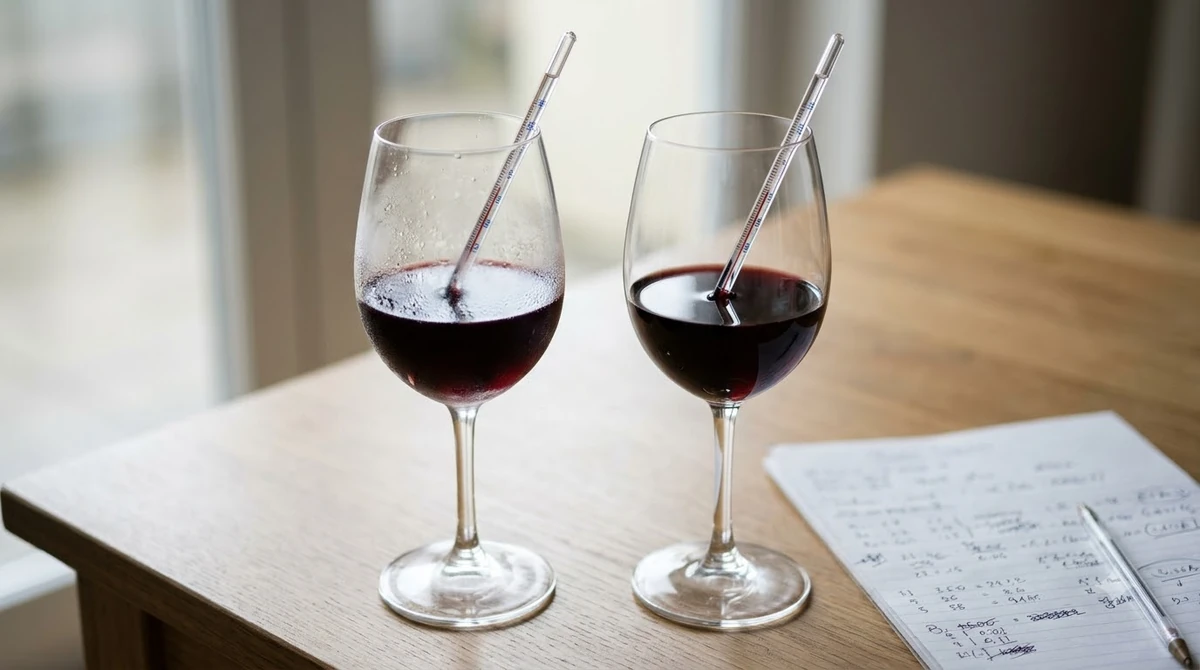
Temperature has a substantial influence on how Vacqueyras tastes. Serving a powerful red too warm can emphasize alcohol and make the wine seem heavy, while serving it too cold can suppress fruit aromas and make tannins feel more pronounced.
- Full-bodied red Vacqueyras: 60–65°F.
- White Vacqueyras: 45–55°F, depending on body and richness.
- Rosé Vacqueyras: 45–50°F.
A young, concentrated red may benefit from 30–60 minutes of decanting before serving. This allows the wine to aerate and can make its fruit aromas easier to recognize. Older bottles require more careful handling because extended exposure to air can diminish delicate developed aromas.
Storage and aging
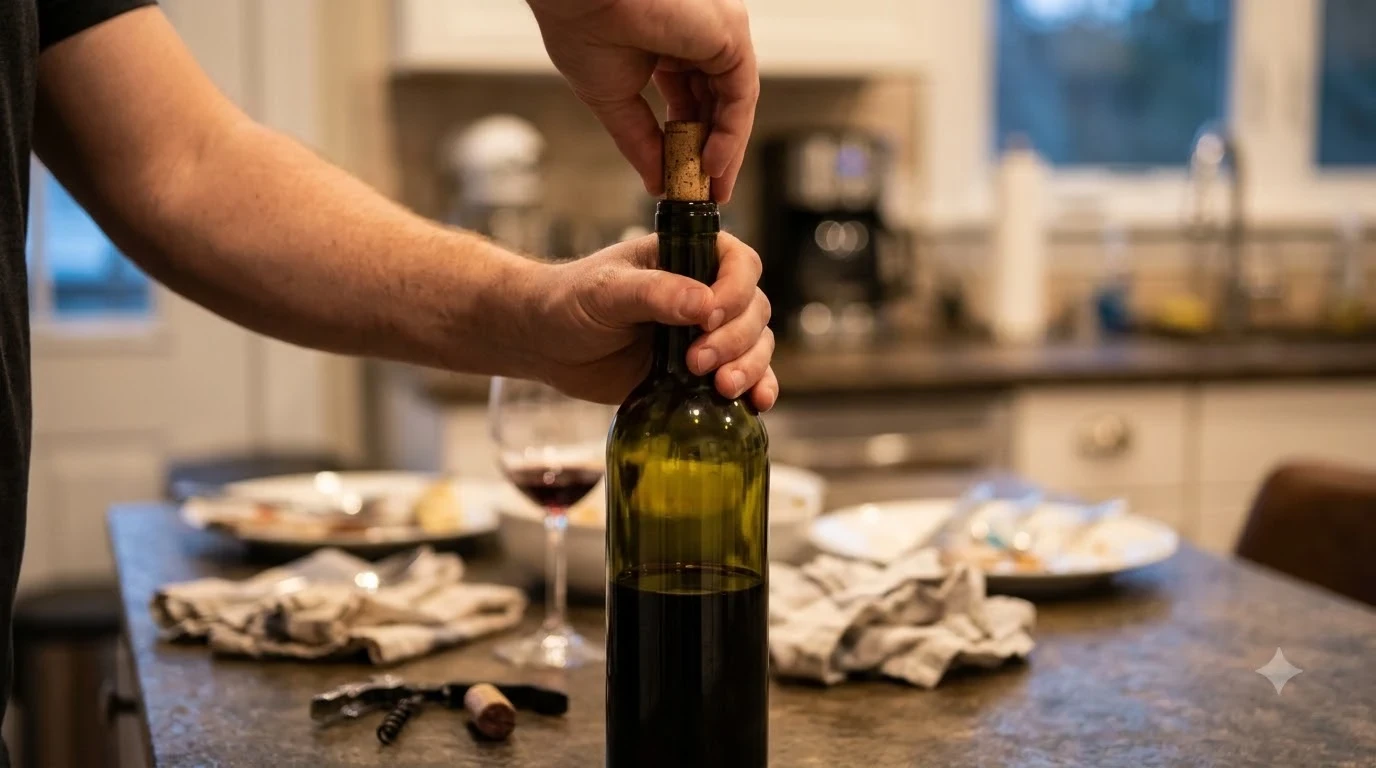
Store Vacqueyras bottles in a cool, dark location with a relatively stable temperature near 55°F. Bottles with natural cork closures should generally be stored on their sides to keep the cork from drying out. Avoid locations near radiators, windows, ovens, or other sources of temperature fluctuations.
Not every Vacqueyras is intended for extended cellaring. Fruit-forward examples can be enjoyed relatively young, while more concentrated reds with firm tannins may develop additional complexity over several years. Mature wines can reveal more developed fruit, leather, dried herbs, and earthy characteristics.
After opening, refrigerate leftover still wine and aim to consume it within approximately 3–5 days. A smaller amount of oxygen exposure and a secure closure can help preserve the wine’s aromas and flavors. Allow refrigerated red wine to warm slightly before serving again.
Buying and Recognizing Quality Vacqueyras
Choosing a good Vacqueyras starts with understanding the producer, grape blend, vineyard origin, and intended drinking style. The appellation’s wines can range from approachable, fruit-focused bottles to concentrated reds designed for additional aging, so the right choice depends on what you want from the wine.
Begin with the appellation name on the label. A bottle labeled Vacqueyras AOC or AOP identifies wine from the designated geographical area and produced under the applicable rules. This is different from a generic Côtes du Rhône wine, even if both bottles contain similar grape varieties.
Next, consider the producer’s approach. Some wineries emphasize traditional Southern Rhône blends, using Grenache as the foundation and adding Syrah and Mourvèdre for structure and complexity. Others focus on individual parcels, older vines, particular soil types, or different maturation methods.
Production techniques can also influence the final style. Concrete tanks are established in the region, while stainless steel offers precise temperature management during fermentation. Large old wooden foudres and other neutral vessels can allow maturation without making new-oak flavors dominate the wine.
For a fruit-driven style, consider a bottle described as emphasizing ripe cherry, blackberry, and fresh spice. For a more structured experience, look for wines highlighting old vines, specific vineyard parcels, or extended maturation. These descriptions are useful indicators, although the producer’s overall philosophy and vintage conditions also matter.
Another consideration is the balance between alcohol, fruit, and acidity. Southern Rhône grapes can achieve substantial ripeness in warm conditions, but a successful wine should still feel balanced rather than excessively hot. Freshness helps carry the fruit through the palate and makes the wine more versatile at the dinner table.
Vacqueyras is also a worthwhile region for exploring different producers side by side. Comparing two red blends from the same vintage can reveal how vineyard selection and winemaking choices shape the finished wine. One may emphasize Grenache’s rounded fruit, while another highlights Syrah’s darker fruit and firmer structure.
White and rosé bottlings deserve consideration as well. Although red wine dominates the appellation’s reputation, its other styles provide a useful way to experience the local varieties and Mediterranean growing conditions in a lighter format.
Finally, think about when you plan to drink the bottle. An approachable red can be opened for a weeknight meal, while a more concentrated example may benefit from additional bottle aging. Matching the wine’s structure to the occasion is often more useful than simply choosing the most powerful or prestigious-looking label.
Frequently Asked Questions
Is Vacqueyras considered a prestigious French wine appellation?
Yes. Vacqueyras is one of the recognized Cru appellations of the Southern Rhône and received its independent AOC designation in 1990. Its wines are subject to geographical and production requirements that distinguish them from broader regional Rhône wines.
What does the word Vacqueyras mean?
The name is derived from the Latin expression Vallea Quadreia, translated as Valley of Stones. The historical name reflects the area’s rocky landscape and the long relationship between its agricultural communities and vineyard cultivation.
How much wine does the Vacqueyras appellation produce?
Inter Rhône reports total production of 38,147 hectoliters for 2025. That represents approximately 5.1 million liters of wine, or roughly 6.8 million standard 750-milliliter bottles if converted into bottle equivalents. Actual bottled quantities can differ because wine is also handled in other formats and production stages.
Does Vacqueyras have a wine festival or annual celebration?
Vacqueyras wines have a long-standing connection with the Avignon Festival, serving as its official wines since 1998. This association has helped introduce the appellation to visitors and international audiences interested in the Southern Rhône.
What does the Mistral wind mean for Vacqueyras vineyards?
The Mistral is a strong northwesterly wind that influences much of the Rhône Valley. In Vacqueyras, it helps ventilate vineyards and dry moisture from grapevines, while also contributing to the region’s distinctive Mediterranean growing environment. Its strength and frequency make it an important consideration for vineyard management.
The Vacqueyras wine region offers a distinctive introduction to the Southern Rhône, combining Grenache-led reds with expressive white and rosé wines. Its varied soils, Mediterranean climate, and neighboring appellations create plenty of opportunities to discover different interpretations of the region. Whether served alongside roast lamb or enjoyed after additional bottle aging, Vacqueyras is a rewarding appellation for anyone interested in characterful French wine.
More in Wine Regions
 Willcox Wine Trail: Discover Arizona’s High-Elevation Wine CountryUpdated Nov 20, 2026
 Yakima Valley Wine Region: Find the Best Styles to TryUpdated Nov 20, 2026
 Vosne Romanee Wine Tasting: Identify Aromas and Choose Better PairingsUpdated Nov 20, 2026
 Yakima Valley Wine Festival: Find the Best Seasonal Wine EventsUpdated Nov 20, 2026
 Wales Vineyards: Discover Cool-Climate Wines and Where to VisitUpdated Nov 20, 2026
 Yountville Wine Festival: Discover Napa Wines and Local FoodUpdated Nov 20, 2026