

We may earn a commission when you buy through links on this page, at no extra cost to you. Learn more.
The valais wine region is Switzerland’s largest wine-producing region, known for its sunny Alpine vineyards, distinctive native grape varieties, and expressive white and red wines. Located along the upper Rhône Valley, Valais produces celebrated wines from grapes including Petite Arvine, Heida, Cornalin, Fendant, and Humagne Rouge. Its combination of high-altitude vineyards, dry weather, and varied soils gives the region a character that distinguishes it from neighboring European wine areas.
For wine enthusiasts, Valais offers an unusual combination of familiar international varieties and lesser-known Swiss specialties. Pinot Noir and Syrah share the landscape with grapes that are particularly associated with the canton, while traditional vineyard villages preserve a long history of Alpine winemaking. Understanding its geography, grapes, and wine styles makes it easier to recognize the bottles worth seeking out and appreciate what makes this Swiss region distinctive.
Where the Valais Wine Region Is Located
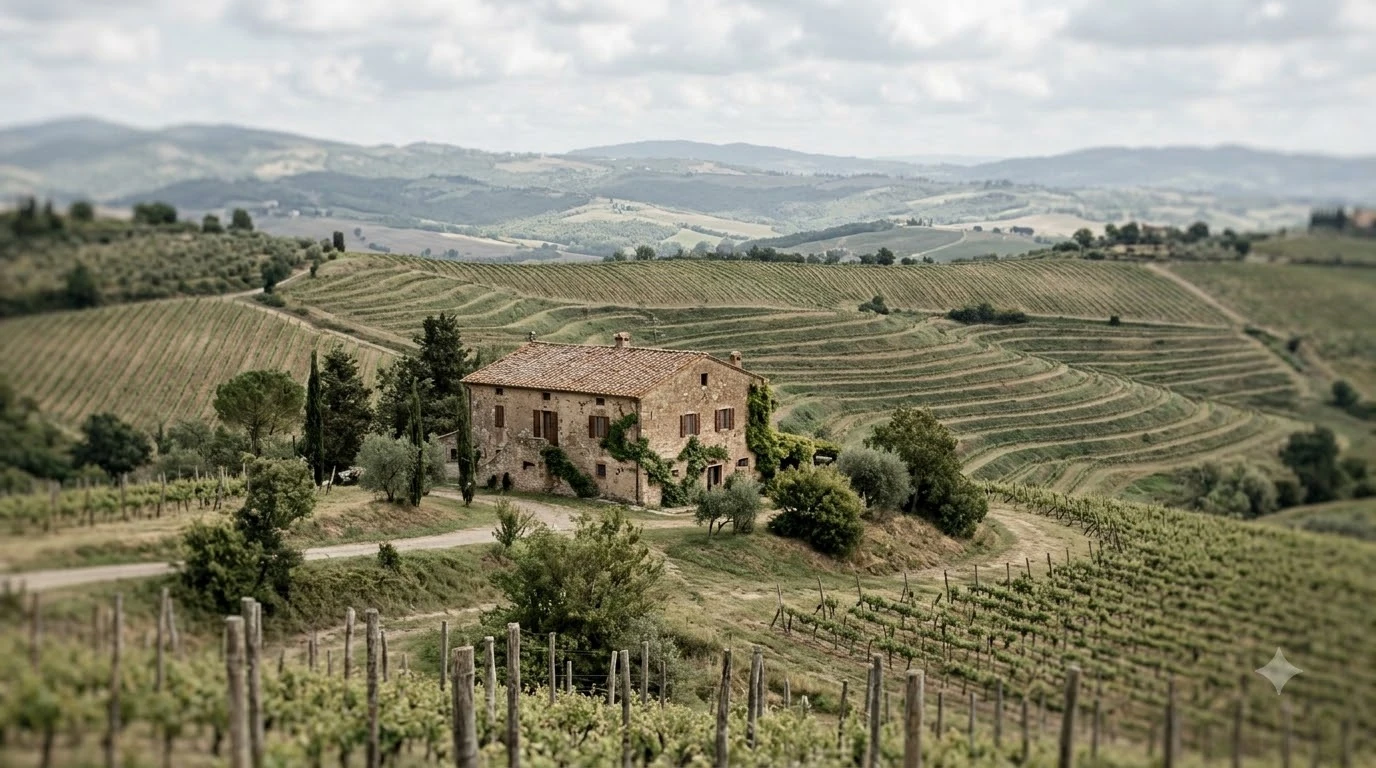
Valais occupies the upper Rhône Valley in southwestern Switzerland, between the French-speaking communities of Lower and Central Valais and the German-speaking communities of Upper Valais. Its vineyards follow the river through a landscape of steep slopes, sunny terraces, and mountain villages, creating one of Europe’s most distinctive wine-growing environments.
According to Switzerland Tourism, the vineyards extend for more than 100 kilometers along the Rhône, from elevations of approximately 270 meters to 1,100 meters above sea level. The region accounts for around one-third of Swiss wine production and is the country’s largest wine-growing area. Its approximately 4,600 hectares of vineyards support an unusually broad selection of grape varieties.
The main vineyard corridor follows the northern, or right, bank of the Rhône. Important wine-growing communities include Fully and Chamoson in the west, Conthey and Sion in the central valley, and Salgesch farther east. Smaller vineyard areas also occupy the opposite side of the river and several side valleys.
Each location contributes something different to the regional wine identity. Fully is especially associated with Petite Arvine, while Sion provides an important center for wine tourism and regional commerce. Salgesch, also known by its German name Salquenen, is strongly connected with Pinot Noir production.
Upper Valais offers another perspective on the region. The vineyards around Visperterminen reach approximately 1,100 meters in elevation and are particularly famous for Heida. These high-altitude plantings demonstrate how viticulture can succeed in an Alpine environment when exposure, sunlight, and local conditions are favorable.
Valais belongs within the broader Switzerland wine region story, but its concentration of vineyards, regional grapes, and distinctive valley climate gives it a particularly recognizable identity. For wine lovers comparing Alpine European regions, it also provides an interesting contrast with the neighboring Savoie wine region in France.
Climate, Soils, and Alpine Vineyard Conditions
Valais benefits from a relatively dry, sunny climate that supports grape ripening despite its mountainous surroundings. Warm foehn winds, substantial sunshine, and steep vineyard exposures help growers cultivate both early-ripening international grapes and varieties that need a longer growing season.
Swiss Wine Promotion reports approximately 2,500 hours of sunshine and 650 millimeters of annual rainfall for the region. These conditions are unusual compared with the wetter environments found in many other Alpine areas. The surrounding mountains provide shelter from some weather systems, while warm descending winds can help maintain favorable conditions during the growing season. The Swiss Wine Promotion overview of Valais provides further information about the region’s climate, vineyard distribution, and indigenous grapes.
Elevation is one of the most important influences on the region’s wine styles. Vineyards at approximately 270 meters experience different temperatures and ripening conditions from those at 1,100 meters. Higher sites can preserve freshness and aromatic definition, while warmer, lower locations may support fuller fruit development.
Soil conditions also vary considerably throughout the valley. Depending on the vineyard, growers encounter limestone, granite, gravel, loess, and other mineral-rich materials. Differences in soil composition, slope, and exposure contribute to the diversity found among wines made from the same grape variety.
Steep terraces are a defining visual feature of Valais viticulture. Many vineyard sites require substantial manual work because their slopes make mechanized vineyard operations difficult. Traditional dry-stone walls support the terraces and help maintain the cultivated landscape.
These conditions explain why two Valais wines made from the same grape can show different characteristics. A Petite Arvine from a warmer, lower location may emphasize ripe citrus and fruit, while one from a cooler, higher site may highlight freshness and a more pronounced mineral impression.
Tip: When comparing Valais wines, look beyond the grape name. The village, vineyard elevation, and producer’s style can help explain why two bottles of Petite Arvine or Pinot Noir taste noticeably different.
The White Grapes That Define Valais
Valais produces several distinctive white wines, ranging from light and refreshing Fendant to structured, aromatic Heida and lively Petite Arvine. These varieties are among the strongest reasons to explore the region rather than relying only on familiar Swiss and international grape names.
Fendant: The Traditional Swiss Chasselas
Fendant is the Valais name for Chasselas, one of Switzerland’s most recognizable white grape varieties. Its wines are generally light-bodied, fresh, and understated, with delicate floral, fruit, and mineral impressions. Some examples have a subtle spritz that makes them especially enjoyable as aperitifs.
Fendant is a useful starting point for anyone unfamiliar with Swiss wine. It generally emphasizes balance and refreshment rather than intense oak influence or heavy fruit concentration. Its approachable character also makes it a natural companion for cheese, seafood, and traditional Alpine meals.
Petite Arvine: A Signature Valais Specialty
Petite Arvine is one of the region’s most distinctive white varieties. It is associated particularly with Fully, where local conditions support its development into wines with lively acidity, citrus aromas, and a characteristic savory finish.
Common aromatic impressions include grapefruit, lemon, floral notes, and sometimes rhubarb. The finish can have a slightly saline quality that makes the wine especially interesting with food. Depending on the producer and winemaking approach, Petite Arvine can range from crisp and energetic to more rounded and concentrated.
Its naturally refreshing character makes it particularly useful at the dinner table. It works with shellfish, freshwater fish, white meats, and dishes containing herbs or citrus. For those who enjoy high-acidity Sauvignon Blanc, Petite Arvine provides an excellent alternative with a distinctly Alpine personality.
Heida and Païen: High-Altitude White Wine
Heida, known as Païen in French-speaking Valais, is made from Savagnin Blanc. It has a particularly strong association with Visperterminen, where vines grow at elevations reaching approximately 1,100 meters.
Heida typically produces a more structured white wine than Fendant. Citrus, orchard fruit, and exotic-fruit aromas may appear alongside floral characteristics and mineral impressions. Its acidity gives it freshness, while its body and texture can make it suitable for richer meals.
The variety is especially appealing to drinkers who enjoy expressive white wines with a combination of aromatic intensity and freshness. It can be served with roasted poultry, mushroom dishes, Alpine cheeses, or freshwater fish.
Other Important White Varieties
Amigne is another traditional Valais grape worth discovering. It can produce dry, aromatic wines as well as sweeter styles, making it one of the region’s more versatile white varieties. Its flavor profile may include citrus, floral impressions, and ripe fruit.
Johannisberg is the regional name commonly associated with Sylvaner. These wines are often approachable and balanced, with orchard-fruit characteristics and a useful freshness at the table. Ermitage, the local name for Marsanne, can provide a richer, fuller-bodied alternative.
Together, these grapes demonstrate why Valais should not be reduced to one signature white wine. Its selection includes refreshing everyday styles, aromatic specialties, and more substantial wines suitable for extended meals.
Red Grapes and Traditional Valais Wines
Red wine is a major part of Valais production, with Pinot Noir, Gamay, Cornalin, Humagne Rouge, and Syrah contributing to its identity. The region combines established European varieties with distinctive grapes that offer a different expression of Alpine red wine.
Pinot Noir
Pinot Noir is the most widely planted grape in Valais. It arrived in the region during the middle of the nineteenth century and became an important part of the local wine industry.
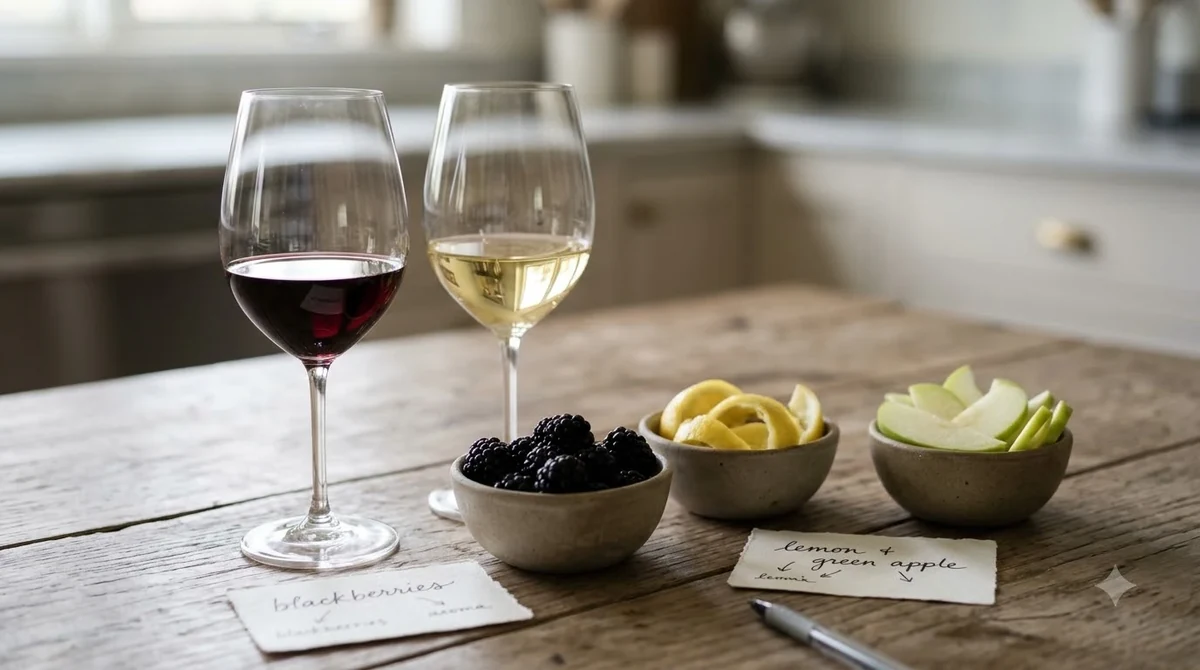
Valais Pinot Noir can display red cherry, raspberry, strawberry, and earthy characteristics. Its tannins are generally low to medium, while its acidity helps preserve freshness. Depending on vineyard location and winemaking choices, examples range from light and delicate to more concentrated and structured.
Salgesch is particularly associated with Pinot Noir and provides a useful destination for exploring the grape’s regional expressions.
Cornalin
Cornalin is one of Valais’s most recognizable indigenous red grapes. It is a demanding variety because it ripens late and can be difficult to cultivate consistently, but it produces distinctive wines with considerable character.
Its aromatic profile commonly includes dark cherry, violet, and spice, with clove-like notes and a fresh, lively palate. Its deep color and fruit intensity make it particularly appealing to drinkers who enjoy expressive red wines without necessarily seeking heavy oak or excessive weight.
Cornalin can be paired with grilled lamb, roasted meats, game, and flavorful regional dishes. It is also an excellent choice for anyone interested in discovering grapes that are less common outside Switzerland.
Humagne Rouge
Humagne Rouge is another grape with a strong connection to Valais. Its wines are often characterized by wild berries, woodland aromas, violet, and hints of citrus peel.
Compared with more powerful international red varieties, Humagne Rouge can feel relatively supple on the palate before developing additional structure through the finish. Some bottles are intended for youthful drinking, while more substantial examples can develop further complexity with several years of bottle aging.
Syrah
Syrah has a longer history in Valais than many wine drinkers realize. According to the regional tourism organization, it was introduced in 1926 and subsequently became an important variety in the region.
Valais Syrah typically offers black pepper, dark berries, purple color, and elegant tannins. Its style can be particularly appealing to fans of northern Rhône Syrah, although the Alpine growing environment gives it its own regional expression.
The best examples have aging potential, with the regional tourism organization identifying five to ten years as a possible development period for top vintages.
Gamay and Dôle
Gamay contributes juicy red-fruit flavors and freshness to the region’s red wine selection. It is also associated with Dôle, a traditional Valais wine commonly made from Pinot Noir and Gamay.
Dôle combines the elegance and structure of Pinot Noir with the fruit-forward character of Gamay. Its precise composition and resulting style can vary, but it generally offers a versatile red wine suitable for everyday meals and traditional Swiss cooking.
Valais AOC, Grand Cru, and Wine Labels
The Valais AOC system identifies wines produced under regional appellation regulations and provides consumers with a useful indication of geographic origin. The region also recognizes Grand Cru designations, which apply more specific requirements in qualifying areas.
According to Swiss Wine Promotion, Valais has one regional AOC and ten AOC Grand Cru designations. The regional appellation establishes the broader geographic identity, while Grand Cru classifications provide an additional distinction for qualifying wines.
The Valais AOC framework regulates important aspects of production, including permitted grape varieties, vineyard locations, and production requirements. These standards help preserve the connection between the wine and its regional origin.
Valais has 55 authorized grape varieties, divided into 31 white and 24 red varieties. That diversity means a regional label can represent very different wine styles, from light Fendant to structured Petite Arvine and deeply colored Cornalin.
For consumers, grape variety is often the most useful starting point when choosing a bottle. A Fendant label suggests a different experience from a Cornalin or Heida, even when both wines come from the same broad appellation.
Grand Cru information can provide another useful clue. It identifies wines that meet additional local requirements, although the classification alone does not guarantee that a particular bottle will match an individual’s taste preferences.
It is also helpful to recognize local naming conventions. Fendant means Chasselas in Valais, Heida and Païen refer to Savagnin Blanc, and Ermitage is the regional name for Marsanne. Knowing these equivalents makes it easier to understand wine lists and shop selections.
Key Regional Figures
The following figures provide a useful overview of Valais’s vineyard landscape and its position within Swiss wine production. They are regional reference figures rather than measurements for an individual producer or vineyard.
| Regional characteristic | Typical figure |
|---|---|
| Vineyard area | Approximately 4,600 hectares |
| Share of Swiss wine production | Approximately one-third |
| Authorized grape varieties | 55 varieties |
| Authorized white varieties | 31 varieties |
| Authorized red varieties | 24 varieties |
| Vineyard elevation | Approximately 270–1,100 meters |
| Annual sunshine | Approximately 2,500 hours |
| Annual rainfall | Approximately 650 millimeters |
| Regional wine designations | 1 AOC and 10 Grand Cru |
These figures illustrate the combination of geographic scale and grape diversity that makes Valais so important to Swiss wine. Its size is impressive, but its strongest distinction remains the concentration of regional varieties and the range of conditions found along the Rhône Valley.
Food Pairings and How to Serve Valais Wines
Valais wines are particularly well suited to Alpine cuisine, including raclette, cured meats, freshwater fish, and roasted meats. The best pairing depends on the wine’s acidity, body, tannin, and sweetness rather than simply matching regional food with regional wine.
Fendant is a natural partner for raclette. Its fresh, relatively light character helps balance the richness of melted cheese without overwhelming the food. It also works with traditional cheese plates, vegetable dishes, and light appetizers.
Petite Arvine is an excellent choice for seafood and freshwater fish. Its lively acidity complements delicate fish preparations, while its citrus and savory notes can work especially well with shellfish, herbs, and lemon-based sauces.
Heida has enough aromatic presence and structure to accompany roasted poultry, creamy mushroom dishes, and richer fish preparations. Its fuller character makes it a useful alternative when a light white wine would seem too delicate for the meal.
For red wine, Pinot Noir is a versatile option for roast chicken, pork, mushrooms, and moderately seasoned meat dishes. Its relatively gentle tannins and refreshing acidity help it work with foods that might overpower a heavier red.
Cornalin is particularly suitable for grilled lamb, beef, and game. Its fruit intensity and spice can complement savory dishes, while its freshness prevents the combination from feeling excessively heavy.
Humagne Rouge works well with cured meats, roasted poultry, and dishes containing woodland mushrooms or herbs. Syrah is a stronger match for grilled beef, lamb, and dishes with peppery seasoning.
Serving Temperatures
Serving temperature has a substantial influence on how Valais wines express their aromas and structure. White wines generally benefit from cooler temperatures, while reds should not be served excessively warm.
| Wine style | Suggested serving temperature |
|---|---|
| Fendant and light whites | 45–50°F |
| Petite Arvine and fuller whites | 50–55°F |
| Heida | 50–55°F |
| Light Pinot Noir | 55–60°F |
| Structured Cornalin and Syrah | 60–65°F |
A standard 5-ounce pour is suitable for comparing different wines during a tasting. A 750-milliliter bottle provides approximately five such servings, making it practical to share several regional varieties at a meal.
Young, structured reds such as Syrah may benefit from 30–60 minutes of decanting, depending on their concentration and age. More delicate Pinot Noir generally requires less aeration. Opened still wines can usually be refrigerated and enjoyed over the following three to five days.
Wine Tourism and Visiting Valais Vineyards
Valais offers a combination of wine tasting, mountain scenery, historic villages, and regional food experiences. Visitors can explore the vineyard terraces independently or arrange tastings with local producers in several important wine-growing communities.
Fully is an excellent starting point for anyone interested in Petite Arvine. The village is closely associated with the grape, and local wine experiences provide opportunities to understand its different styles and food pairings.
Sion is another important destination. Its location in the central Rhône Valley makes it a convenient base for visiting nearby vineyards and exploring the region’s wine culture. Les Celliers de Sion provides wine-focused experiences that bring different regional wines and local products together.
For visitors interested in high-altitude viticulture, Visperterminen deserves special attention. Its vineyards reach approximately 1,100 meters above sea level and are closely associated with Heida. The dramatic landscape offers a particularly memorable illustration of the region’s unusual growing conditions.
Salgesch is a worthwhile stop for Pinot Noir enthusiasts. The village’s wine identity provides a useful opportunity to explore the influence of location and local winemaking on a familiar international grape variety.
Walking and Cycling Through the Vineyards
The Chemin du vignoble is one of the region’s recognizable wine tourism routes. It connects vineyard landscapes and wine-producing communities, allowing visitors to experience the changing geography of the Rhône Valley while discovering local wines.
The route between Saillon and Martigny passes through an area associated with Gamay and Petite Arvine. Switzerland Tourism highlights Fully as an important destination for the latter variety, making this stretch especially interesting for visitors who want to combine walking with wine tasting.
Cycling is another way to explore the vineyard corridor. The Chemin du vignoble cycling route follows the sunny northern side of the valley and passes through historic locations and smaller wine-producing villages.
Wine tourism can also include regional food experiences. Raclette, local cured meats, regional cheeses, and traditional dishes provide an excellent introduction to the flavors that have developed alongside Valais winemaking.
For a broader understanding of European wine geography, comparing Valais with the Tasmania wine region is also interesting. Both areas demonstrate how local geography and climatic conditions can shape distinctive wine identities, even though their landscapes and grape selections are very different.
Before arranging a tasting, contact the winery to confirm its opening hours and reservation requirements. Smaller producers may receive visitors by appointment rather than operating a permanent tasting room.
Travelers planning a longer wine-focused itinerary can also explore the wider selection of destinations in our Wine Regions directory.
Frequently Asked Questions
Is Valais wine produced in Switzerland or France?
Valais is a Swiss canton, not a French wine region. Its name is also written as Wallis in German, and both names refer to the same Swiss administrative region. French is widely spoken in Lower and Central Valais, while Upper Valais is predominantly German-speaking.
What does the word Fendant mean on a Swiss wine bottle?
Fendant is the traditional Valais name for Chasselas. The name is associated with the grape’s tendency to split its skin when fully ripe. It identifies a regional wine style rather than a separate grape variety.
Is Petite Arvine grown outside Switzerland?
Petite Arvine is strongly associated with Valais, although plantings can also be found in other wine-growing areas, including the neighboring Aosta Valley in Italy. Its Swiss identity is particularly connected with the vineyards around Fully. The grape remains relatively uncommon in international wine markets.
What is the difference between Heida and Païen?
They are two regional names for white wine made from Savagnin Blanc in Valais. Heida is the name commonly used in German-speaking Upper Valais, while Païen is used in French-speaking areas. Both names refer to the same grape variety, although local expressions can differ.
Does Valais produce sparkling and sweet wines?
Yes. Although dry still wines dominate the region’s identity, Valais also produces sparkling wines and wines with varying levels of residual sugar. Amigne is particularly interesting for drinkers exploring sweeter regional styles, while some producers also make sparkling wines from local and international varieties.
The Valais wine region offers an exceptional introduction to Switzerland’s Alpine wine heritage, combining high-altitude vineyards with grapes that are difficult to find elsewhere. Start with Fendant, Petite Arvine, and Heida for whites, then explore Cornalin, Humagne Rouge, and Pinot Noir for reds. Together, these wines provide a rewarding picture of one of Europe’s most distinctive mountain wine regions.
More in Wine Regions
 Willcox Wine Trail: Discover Arizona’s High-Elevation Wine CountryUpdated Nov 20, 2026
 Yakima Valley Wine Region: Find the Best Styles to TryUpdated Nov 20, 2026
 Vosne Romanee Wine Tasting: Identify Aromas and Choose Better PairingsUpdated Nov 20, 2026
 Yakima Valley Wine Festival: Find the Best Seasonal Wine EventsUpdated Nov 20, 2026
 Wales Vineyards: Discover Cool-Climate Wines and Where to VisitUpdated Nov 20, 2026
 Yountville Wine Festival: Discover Napa Wines and Local FoodUpdated Nov 20, 2026