

We may earn a commission when you buy through links on this page, at no extra cost to you. Learn more.
Rutherford wine is Cabernet Sauvignon from the Rutherford AVA, a small appellation on the valley floor of Napa Valley. The wines are known for ripe dark fruit, earthy and gravelly notes, and a fine-grained tannin texture that critics often call “Rutherford dust.” The AVA covers roughly 6,600 acres at the widest point of the greater Napa Valley, between St. Helena to the north and Oakville to the south.
Rutherford is one of the most recognized names in California red wine, yet many drinkers only know it as a label word. If you want to understand what the name means in a glass, how the wines are made, and how to choose and serve a bottle, this guide covers the land, the grape, the taste, and the practical details that matter when you shop.
Where the Rutherford AVA sits
The Rutherford AVA is a compact stretch of land inside the much larger Napa Valley appellation. According to VinePair’s Rutherford guide, the district sits at the widest point of the valley, which gives its vineyards more open exposure to sun than many neighboring appellations receive. That exposure is a large part of why the grapes ripen so consistently here.
The geography is easy to picture once you know the boundaries. St. Helena lies to the north and Oakville to the south, so Rutherford acts as a middle ground between two better-known towns. Many visitors who come for the Napa Valley wineries find that Rutherford makes a convenient base for tasting several of them in one day.
Soils and climate that shape the wine
The soils here are the foundation of the Rutherford style. The AVA sits on ancient Franciscan soils formed from well-draining marine sediment, and gravel, loam, and sand are mixed through the vineyards. Good drainage keeps vine roots from sitting in water, which tends to concentrate flavor and limit excess vigor.
The climate is warm during the growing season, and the valley floor gets intense afternoon sun. Sources describe the grapes as riper than those grown in cooler, higher appellations, which is why Rutherford Cabernet tends to show concentrated fruit with a savory finish. Exact temperature and rainfall figures vary by vineyard and year, so the best guide is the wine itself.
What “Rutherford dust” tastes like
“Rutherford dust” is the most famous phrase in the region’s wine vocabulary. It describes a dusty, earthy, slightly chalky impression on the palate, often paired with a fine, grainy texture in the tannins. The term is linked to André Tchelistcheff, who was lead winemaker at Beaulieu Vineyard from 1938 to 1971 and is credited with coining it. VinePair notes that he hosted a 1948 tasting with local Cabernet producers that helped put the idea on the map.
The phrase is more useful as a flavor hint than as a strict rule. Not every Rutherford Cabernet tastes dusty, and winemakers handle oak and ripeness in different ways. Still, the fine-grained tannin is a helpful test. If a wine feels smooth and layered rather than rough or drying, it is probably close to the classic Rutherford profile.
| Feature | What to look for |
|---|---|
| Main grape | Cabernet Sauvignon, usually the star of the region |
| Texture | Fine, grainy tannins described as “Rutherford dust” |
| Flavor | Dark fruit, cedar, earth, and gravelly savory notes |
| Soil | Franciscan marine sediment with gravel, loam, and sand |
| Location | Valley floor between St. Helena and Oakville |
How to serve and pair Rutherford Cabernet
Rutherford Cabernet is built for food, so it tends to show best when it is served with something rich and savory. A roast beef dinner, grilled lamb chops, or a mushroom risotto gives the tannins something to balance against. Many wine lovers decant a young bottle for an hour or so, which softens the tannins and lets the aromas open.
Serving temperature matters too. Red wines taste flat when they are too warm and harsh when they are too cold, so take the bottle out of a cool cellar about 20 minutes before pouring. Use a large glass with room to swirl, because the dark fruit and earthy notes are easier to catch when the wine has air.
Tip: If a bottle tastes tight or closed, decant it and give it time in the glass. Young Cabernet often needs a little air to show its full range.
How to choose a Rutherford bottle
Start with the label. A bottle that names Rutherford on it has to be made mostly from grapes grown inside the AVA, which makes the place name a useful filter. Next, look at the producer. Rutherford is home to several long-established estates, and their house styles differ, so tasting a few bottles from different producers is the fastest way to learn what you like.
Consider your timing as well. Cabernet from this region can be enjoyed young with decanting, yet many bottles reward a few years of cellaring. If you plan to drink soon, look for a wine that describes itself as approachable. If you want to age a bottle, ask a retailer or check the producer’s notes for a suggested window.
How Rutherford compares with nearby Napa districts
Napa Valley has many named districts, and it helps to know how Rutherford differs from its neighbors. Wines from warmer, lower-lying spots can taste broader and more fleshy, while wines from higher hillside vineyards often show firmer structure and more aggressive tannin. Rutherford sits in the middle of that spectrum, with the valley-floor sun producing ripe fruit and the gravelly soils adding a fine, savory edge.
That middle position is one reason Rutherford Cabernet appeals to drinkers who want power without a harsh finish. A wine from this district usually feels full on the mid-palate and then leaves a lingering, gently dusty impression. Comparing a Rutherford bottle with one from a hillside district is a simple way to taste the difference in texture for yourself.
When you read labels, keep in mind that a Napa Valley designation is broader than a district name. A bottle can carry the Napa Valley name and still come from several areas blended together. A Rutherford designation narrows the source, which is why many buyers use the district name as their first filter.
Frequently Asked Questions
Is Rutherford wine the same as Napa Valley wine?
Not exactly. Rutherford is a smaller appellation inside the larger Napa Valley AVA. Any Rutherford wine is also a Napa Valley wine, but a Napa Valley wine may come from many districts, so the Rutherford name tells you more about where the grapes grew.
What does Rutherford dust mean?
It is a tasting term for the dusty, earthy, and fine-grained tannin texture often found in Rutherford Cabernet. The phrase is credited to André Tchelistcheff at Beaulieu Vineyard, and it describes a feel on the palate rather than an actual flavor of dirt.
What food goes best with Rutherford Cabernet?
Rich, savory dishes work best. Roast beef, lamb, aged cheese, and mushroom-based dishes all pair well because they match the wine’s structure. Lighter fish or salads usually overwhelm a full-bodied Cabernet.
Should I decant a Rutherford Cabernet?
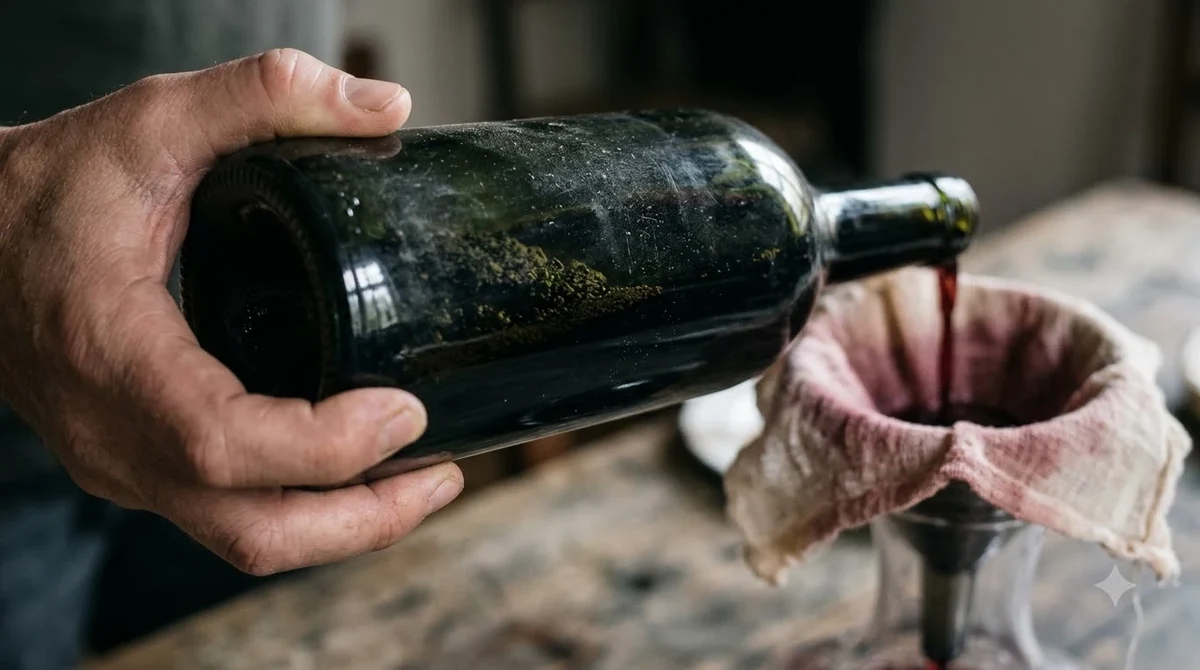
Decanting is a good idea for young bottles. Pouring the wine into a decanter for about an hour softens the tannins and lets the aromas develop. Older bottles often need a gentler approach, so pour slowly and watch for sediment.
For a broader view of where California reds come from, read the guide to Wine Regions, and compare the style of Rutherford with the earthy reds of the douro wine tradition or the bright, structured wines of the hunter valley wine region. Rutherford rewards patience and a little curiosity, and a single good bottle is often the best way to start.
More in Wine Regions
 Willcox Wine Trail: Discover Arizona’s High-Elevation Wine CountryUpdated Nov 20, 2026
 Yakima Valley Wine Region: Find the Best Styles to TryUpdated Nov 20, 2026
 Vosne Romanee Wine Tasting: Identify Aromas and Choose Better PairingsUpdated Nov 20, 2026
 Yakima Valley Wine Festival: Find the Best Seasonal Wine EventsUpdated Nov 20, 2026
 Wales Vineyards: Discover Cool-Climate Wines and Where to VisitUpdated Nov 20, 2026
 Yountville Wine Festival: Discover Napa Wines and Local FoodUpdated Nov 20, 2026