

We may earn a commission when you buy through links on this page, at no extra cost to you. Learn more.
Trentino vineyards are located in northeastern Italy, where Alpine slopes, sunny valleys, and the moderating influence of Lake Garda create distinctive conditions for producing sparkling, white, and red wines. The region is particularly known for native grapes such as Teroldego, Marzemino, and Nosiola, as well as traditional-method Trentodoc sparkling wine. Its vineyards stretch from relatively gentle valley floors to steep mountain terraces, giving individual wine-growing areas noticeably different characteristics. Understanding these differences makes it easier to recognize the region’s most interesting wines and producers.
Trentino offers a different perspective on Italian wine from the familiar vineyards of Tuscany or Piedmont. Its mountain landscape, changing elevations, and combination of native and international grapes produce a diverse collection of wines within a relatively compact area. For wine enthusiasts, the appeal lies in discovering how a particular valley, hillside, or lakeside location influences the grapes grown there. The following guide explores the geography, climate, grape varieties, wine designations, and vineyard destinations that define this northern Italian wine region.
Where Trentino’s Vineyards Are Located in Italy
Trentino is in northeastern Italy, immediately south of South Tyrol, within the autonomous province of Trento. Its vineyards occupy the valleys and mountain slopes between the Dolomites and Lake Garda, following river corridors and sheltered agricultural land. The Consorzio Vini del Trentino identifies more than 10,000 hectares of mountain viticulture, with vineyards growing at elevations of approximately 200 to 1,000 meters.
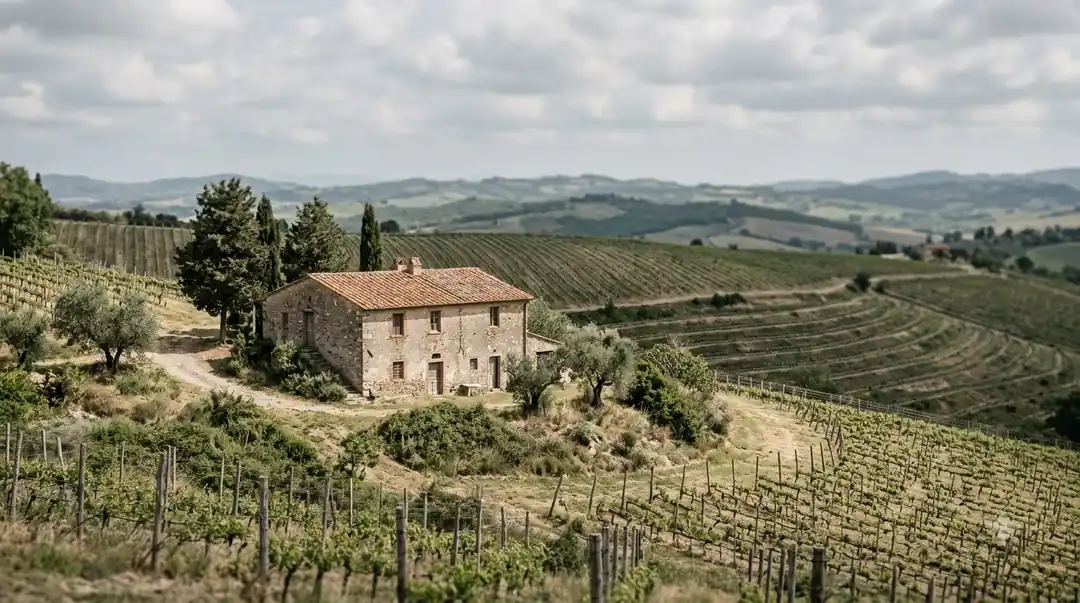
The city of Trento is a useful geographical reference point. North of the city lies the Piana Rotaliana, an important center for Teroldego production. Southward, the Adige Valley continues toward Vallagarina, where Marzemino has a particularly strong identity. To the west, Valle dei Laghi extends toward Lake Garda, while the eastern side includes the steep Cembra Valley and the developing wine-growing areas of Valsugana.
This arrangement means that Trentino should not be understood as a single vineyard landscape. Its growing areas have different exposures, soils, elevations, and relationships with surrounding mountains and lakes. A wine from the Cembra Valley can therefore have a very different personality from one produced on the flatter agricultural land of Piana Rotaliana, even though both come from the same province.
The province also sits within a wider Alpine wine-growing environment. Neighboring Alto Adige shares some grape varieties and climatic influences, but Trentino has its own indigenous grapes, appellations, and local wine traditions. Readers interested in comparing geographically distinctive wine regions can also explore Tasmania vineyards, where maritime influences and varied elevations create another distinctive collection of cool-climate growing conditions.
For visitors, the city of Trento provides a convenient starting point. It offers access to the central Adige Valley and connections toward the northern Teroldego vineyards, the southern Vallagarina wine country, and the eastern mountain valleys.
Alpine Climate, Elevation, and Vineyard Conditions
Trentino’s mountain climate combines protection from northern winds, relatively sunny growing conditions, and considerable temperature variation between day and night. These factors influence grape ripening and help explain why the region produces both aromatic white wines and structured reds, alongside high-quality sparkling wines.
The Dolomites provide a natural barrier against cold northern air, while Lake Garda moderates conditions in the southern and western parts of the province. According to the Consorzio Vini del Trentino, the growing environment has an average temperature of approximately 18 degrees Celsius during the vegetative period, together with frequent rainfall and substantial daily temperature differences.
Elevation is another important factor. Vineyards at lower elevations generally experience different ripening conditions from those on exposed mountain slopes. Cooler locations can preserve aromatic freshness, while warmer valley sites can support fuller ripening for varieties such as Teroldego and Marzemino. These differences are especially important when comparing the Cembra Valley with the more sheltered Piana Rotaliana.
Soils and vineyard orientation
Soil diversity adds another layer to the region’s identity. The province contains different geological formations, including alluvial deposits in valley areas and porphyry-rich terrain in parts of the Cembra Valley. In Vallagarina, basaltic soils are particularly associated with Marzemino-growing locations. The combination of soil, slope, sunlight, and drainage influences which grape varieties growers choose to plant.
Traditional pergola training is a recognizable feature of Trentino’s vineyard landscape. Vines are trained overhead across supporting structures, creating rows that can follow the contours of the land. Vertical systems such as Guyot and espalier are also increasingly used in renewed vineyards. The choice depends on the site, grape variety, and vineyard management objectives.
Steep slopes can make mechanization difficult, so manual work remains important in many locations. This is particularly apparent in terraced areas where vineyard maintenance and harvesting require careful attention. The landscape is therefore not simply a scenic backdrop: its physical characteristics have a direct effect on the work involved in producing the wines.
Tip: When comparing Trentino wines, pay attention to the growing area as well as the grape variety. A Müller-Thurgau from Cembra and a Nosiola from Valle dei Laghi reflect different mountain environments, even though both are white wines from the same province.
The Main Wine-Growing Areas and Their Specialties
Trentino’s principal wine-growing areas each have recognizable grape varieties and landscape characteristics. The central Adige Valley, western Valle dei Laghi, and eastern Cembra Valley provide particularly useful starting points for understanding the region’s wine geography.
Piana Rotaliana lies north of Trento, between Mezzolombardo and Mezzocorona. Its relatively level agricultural plain is particularly associated with Teroldego, the region’s signature indigenous red grape. The area is an essential destination for anyone interested in discovering the character of Teroldego Rotaliano DOC.
Vallagarina extends south of Trento toward Rovereto and includes important Marzemino-growing locations. Its basaltic terrain contributes to the identity of local red wines. Marzemino d’Isera and Marzemino dei Ziresi are two recognizable expressions associated with this broader wine-growing area. The nearby villages also provide opportunities to explore traditional wine cellars and local food culture.
Valle dei Laghi is west of Trento, in a landscape characterized by lakes and sheltered growing locations. Nosiola is the area’s most distinctive indigenous white grape. The valley is also associated with Vino Santo Trentino, a traditional sweet wine made from dried grapes.
Cembra Valley lies east of Trento, following the Avisio stream. Its steep slopes and terraces make it one of the most visually distinctive wine-growing landscapes in the province. Müller-Thurgau is especially important here, with the area’s elevation and mountain conditions contributing to the grape’s aromatic character.
Valsugana, further southeast, is another area where quality viticulture has been developing. It has a different geographical character from the main Adige Valley sites, and its vineyards contribute to the broader diversity of Trentino’s wine production.
These areas are worth exploring individually rather than treating them as interchangeable destinations. The differences between a Teroldego vineyard on the Piana Rotaliana and a terraced Müller-Thurgau vineyard in Cembra help explain the range of wines available under Trentino’s regional identity.
Native Grapes and the Wines That Define Trentino
Teroldego, Marzemino, and Nosiola are the three native grape varieties most closely associated with Trentino. Alongside these local grapes, the province grows international varieties including Chardonnay, Pinot Grigio, Pinot Bianco, Pinot Nero, and Müller-Thurgau.
Teroldego: The signature mountain red
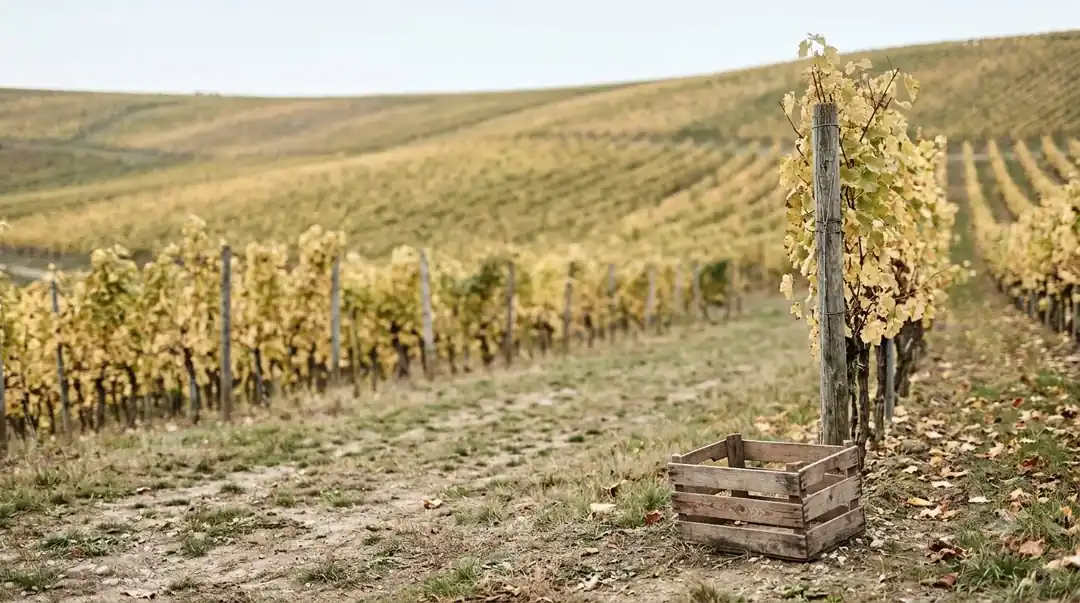
Teroldego is most strongly associated with Piana Rotaliana and is often described as the prince of Trentino wines. Its dark-colored grapes produce reds with deep color, ripe dark-fruit flavors, and a combination of freshness and moderate structure. Depending on the producer and winemaking approach, examples can range from accessible, fruit-driven wines to more concentrated bottles intended for additional bottle aging.
Teroldego Rotaliano DOC is the principal designation to recognize when looking for this grape. Producers such as Dorigati and Cantina A Martinelli are among the names associated with the appellation. Elisabetta Foradori is another important producer whose work has helped bring attention to the grape beyond its traditional growing area.
Marzemino: Vallagarina’s distinctive red
Marzemino is closely associated with Vallagarina, particularly the growing areas around Isera and Volano. Its wines are generally aromatic, with red-fruit characteristics, floral notes, and an approachable structure. Some examples show spicy or earthy elements, particularly when the fruit comes from distinctive hillside sites.
The grape also has a cultural connection to Mozart’s opera Don Giovanni, in which Marzemino is mentioned. That reference provides an interesting connection between Trentino’s wine heritage and European cultural history. Modern examples are particularly enjoyable with regional dishes featuring mushrooms, roasted poultry, or local cured meats.
Nosiola: A rare indigenous white
Nosiola is Trentino’s characteristic indigenous white grape. It grows in several parts of the province but is particularly associated with Valle dei Laghi. Dry Nosiola wines tend to be delicate and fresh, with subtle fruit, floral, and hazelnut-like characteristics. Their restrained aromatic profile makes them particularly useful at the table.
Nosiola also has a special role in the production of Vino Santo Trentino. For this traditional sweet wine, grapes are dried after harvesting before fermentation. The resulting wine has a concentrated sweetness and can develop complex dried-fruit and nut characteristics.
International varieties and regional diversity
Trentino’s vineyards are not limited to indigenous grapes. Chardonnay and Pinot Nero are particularly important for traditional-method sparkling wine, while Müller-Thurgau, Pinot Grigio, Pinot Bianco, and Sauvignon Blanc contribute to the white-wine selection. Merlot, Cabernet Sauvignon, and other international red varieties are also cultivated.
The Consorzio Vini del Trentino reports 63 cultivated grape varieties, with white varieties accounting for 74% of the region’s plantings and black varieties representing 26%. This white-grape emphasis helps explain why Trentino offers such a broad selection of fresh, aromatic, and sparkling wines alongside its better-known indigenous reds.
| Grape or wine | Main growing area | Typical style |
|---|---|---|
| Teroldego | Piana Rotaliana | Deep-colored, fruit-driven red |
| Marzemino | Vallagarina | Aromatic, fresh red |
| Nosiola | Valle dei Laghi | Delicate, fresh white |
| Müller-Thurgau | Cembra Valley | Aromatic mountain white |
| Chardonnay | Various Trentino areas | Fresh still or sparkling wine |
| Pinot Nero | Various Trentino areas | Light to medium-bodied red or sparkling base wine |
For a broader perspective on how local grape varieties shape regional identity, it is useful to compare Trentino with Uruguay vineyards, where Tannat plays a similarly important role in defining the country’s international wine reputation.
Trentodoc and Trentino’s Sparkling Wine Tradition
Trentodoc is one of the most internationally recognizable wine categories associated with Trentino. It is a traditional-method sparkling wine produced through a second fermentation in the bottle, the same broad production approach used for Champagne and Cava.
The designation is particularly associated with Chardonnay and Pinot Nero, although other permitted varieties contribute to the category. Mountain vineyard conditions help preserve acidity in the grapes, an important characteristic for sparkling wine production. The combination of freshness, aromatic precision, and fine bubbles makes Trentodoc suitable for both aperitifs and meals.
A pioneering sparkling wine history
Giulio Ferrari introduced traditional-method sparkling wine production and Chardonnay vines to Trentino in 1902. His work helped establish the foundation for the region’s modern sparkling wine identity. Ferrari Trento subsequently became one of the best-known names associated with the category, and the wider Trentodoc designation brought greater recognition to producers throughout the province.
Trentodoc should not be confused with Prosecco. Prosecco is generally produced using the tank method and primarily uses Glera, whereas Trentodoc undergoes its secondary fermentation in the bottle. This distinction influences the texture, development, and typical flavor profile of the finished wine.
Understanding the styles
Trentodoc is available in different sweetness levels and aging styles. Brut Nature and Extra Brut examples are particularly dry, while Brut provides a slightly more flexible style for food pairing. Longer-aged bottles can develop additional complexity, including toasted bread, pastry, and nut-like notes.
Its versatility makes Trentodoc suitable for more than celebrations. A crisp Brut works well with freshwater fish, shellfish, and fried appetizers, while more developed bottles can accompany richer dishes and aged cheeses. Serving temperature is important: sparkling wines are generally best enjoyed at 40 to 50 degrees Fahrenheit.
For visitors interested in understanding the category, winery tastings offer an opportunity to compare different producers and aging approaches. Trento itself is an excellent starting point because of its proximity to several wine estates and the city’s regional wine institutions.
Visiting Trentino Vineyards and Notable Wine Destinations
Trentino is particularly rewarding for wine tourism because vineyards, historic towns, mountain scenery, and wineries are often relatively close together. Visitors can organize their trips around a particular grape variety or explore several different valleys to compare their wines.
In Trento, Palazzo Roccabruna houses the Enoteca Provinciale, where visitors can arrange tastings of Trentino wines accompanied by regional food products. It is a useful introduction for anyone who wants to understand the province’s different grape varieties before visiting individual estates.
Exploring Piana Rotaliana
North of Trento, Piana Rotaliana is the natural destination for Teroldego enthusiasts. Mezzolombardo and Mezzocorona provide convenient reference points for exploring the appellation. Dorigati is one of the established producers in the area, while Cantina A Martinelli is another name worth recognizing for its connection to old-vine Teroldego.
The landscape is relatively open compared with the steep terraces found elsewhere in the province. Visitors can explore the vineyards, visit cellar doors, and compare different interpretations of the same indigenous grape. Tasting several Teroldego wines side by side is an effective way to understand the influence of vineyard location and cellar choices.
Discovering Vallagarina
South of Trento, Vallagarina is an important destination for those interested in Marzemino. Isera is particularly useful as a starting point, while the surrounding towns offer opportunities to discover different local expressions. Casa del Vino della Vallagarina in Isera is a recognized regional wine destination, providing a place to explore wines from the area.
Rovereto is another convenient base for exploring the southern part of the province. The area’s combination of wine cellars, historic settlements, and agricultural landscapes makes it suitable for visitors who want more than a single winery appointment.
Experiencing the Cembra Valley and Valle dei Laghi
The Cembra Valley offers one of the most dramatic vineyard landscapes in Trentino. Its steep terraces and dry-stone walls are particularly interesting for visitors who want to see the practical challenges of mountain viticulture. Müller-Thurgau is a useful wine to seek out here because it demonstrates how aromatic white grapes can perform in cooler mountain conditions.
Valle dei Laghi offers a different experience. Its lakeside setting, Nosiola vineyards, and traditional Vino Santo production make it an excellent destination for anyone interested in the province’s indigenous white grapes. Santa Massenza and the area around Lake Toblino are useful places to explore local wine and distilling traditions.
For visitors who enjoy cycling, Decanter describes an approximately 100-kilometer cycling route following the Adige River through vineyards and apple orchards. The route provides another way to experience the region’s agricultural landscape, although individual winery visits should be arranged separately.
Further information about the wine-producing areas, grape varieties, and cellar visits is available through the Consorzio Vini del Trentino’s regional overview.
How to Choose, Serve, and Pair Trentino Wines
The easiest way to choose a Trentino wine is to begin with the grape variety and its associated growing area. Teroldego is a natural choice for red-wine drinkers, Nosiola offers an introduction to indigenous white wine, and Trentodoc is a strong option for sparkling wine enthusiasts.
Serving temperature can make a significant difference. Light white wines such as Nosiola are generally best served around 45 to 50 degrees Fahrenheit. Fuller white wines can be served at 50 to 55 degrees, while sparkling Trentodoc is best at 40 to 50 degrees. Light reds, including approachable Marzemino, can benefit from a slightly cooler serving temperature of 55 to 60 degrees Fahrenheit.
Food pairings for regional varieties
Teroldego pairs naturally with dishes that can accommodate its color, fruit concentration, and tannin. Roasted meats, grilled sausages, mushroom dishes, and slow-cooked beef are useful choices. Salt and fat help soften tannin, making richer meat dishes particularly suitable for more structured examples.
Marzemino is generally more approachable and works well with roast poultry, tomato-based pasta, mushrooms, and local cured meats. Its freshness can complement savory dishes without overwhelming them. It is also an interesting alternative to heavier Italian reds when a meal contains several different ingredients.
Nosiola is well suited to freshwater fish, vegetable dishes, light pasta, and mild cheeses. Its freshness helps balance richer preparations, while its delicate flavor is easily overwhelmed by heavily spiced or strongly flavored food. Trentodoc can be served with seafood, fried appetizers, and salty snacks, with more developed examples working well alongside richer dishes.
Sweet wine and storage considerations
Vino Santo Trentino is an especially interesting choice for dessert. The key principle is to serve a wine at least as sweet as the dessert itself. This prevents the wine from seeming thin or overly acidic alongside a sweeter dish. Dried-fruit desserts, almond pastries, and traditional baked sweets can make suitable partners for this wine.
Once opened, still wines generally keep for approximately three to five days in the refrigerator when properly resealed. Sparkling wines usually retain their best qualities for approximately one to three days with a suitable sparkling-wine stopper. Unopened bottles should be stored away from direct sunlight and significant temperature changes, ideally on their sides at approximately 55 degrees Fahrenheit when they have traditional cork closures.
When buying a bottle, consider whether you want to explore an indigenous grape, a mountain-grown white, or a traditional-method sparkling wine. Starting with one example from each category is a practical way to understand the range of Trentino’s wine styles without assuming that all wines from the province share the same flavor profile.
Readers exploring other Italian regional vineyard traditions can also discover Chianti Classico vineyards, where Sangiovese and the hills of Tuscany create a very different expression of Italian wine culture.
Frequently Asked Questions
Are Trentino and Trentino-Alto Adige the same wine region?
No. Trentino is the southern province of the broader Trentino-Alto Adige region, while Alto Adige is the northern wine-growing province. They have separate wine identities and appellation systems. The distinction is important when buying wines labeled Trentino DOC or Alto Adige DOC.
What does Teroldego Rotaliano mean on an Italian wine label?
Teroldego Rotaliano refers to the protected wine designation associated with Teroldego from the Piana Rotaliana area. The name connects the grape to its characteristic growing territory rather than simply identifying a general red-wine style. It is one of the most recognizable appellation names to look for when exploring Trentino reds.
Is Vino Santo Trentino the same wine as Vin Santo from Tuscany?
No. Vino Santo Trentino is a distinct regional specialty made primarily from dried Nosiola grapes in Valle dei Laghi. Tuscan Vin Santo has its own production traditions and grape varieties, commonly including Trebbiano and Malvasia. Despite the similar names, they represent different regional wine traditions.
What is the difference between Trentodoc and Franciacorta?
Both are Italian traditional-method sparkling wine designations, but they come from different regions. Trentodoc originates in Trentino’s mountain vineyards, while Franciacorta comes from Lombardy, near Lake Iseo. Their permitted grape varieties, production rules, and individual wine styles are governed by separate appellation regulations.
Can Trentino wines age in the bottle?
Yes. Some structured Teroldego wines and carefully made Trentodoc Riserva bottlings can develop additional complexity with bottle aging. Nosiola-based Vino Santo also has notable aging potential because of its concentrated sweetness and traditional production method. The appropriate aging period depends on the producer, wine style, vintage, and storage conditions.
Trentino’s vineyards demonstrate how mountain geography, indigenous grapes, and traditional winemaking can create a distinctive Italian wine identity. From Teroldego in Piana Rotaliana and Marzemino in Vallagarina to Nosiola in Valle dei Laghi and Trentodoc sparkling wine, each area offers something different to discover. Exploring the region one valley and one grape variety at a time is the best way to appreciate its remarkable diversity.
More in Wine Regions
 Willcox Wine Trail: Discover Arizona’s High-Elevation Wine CountryUpdated Nov 20, 2026
 Yakima Valley Wine Region: Find the Best Styles to TryUpdated Nov 20, 2026
 Vosne Romanee Wine Tasting: Identify Aromas and Choose Better PairingsUpdated Nov 20, 2026
 Yakima Valley Wine Festival: Find the Best Seasonal Wine EventsUpdated Nov 20, 2026
 Wales Vineyards: Discover Cool-Climate Wines and Where to VisitUpdated Nov 20, 2026
 Yountville Wine Festival: Discover Napa Wines and Local FoodUpdated Nov 20, 2026