

We may earn a commission when you buy through links on this page, at no extra cost to you. Learn more.
The setubal wine region in southern Portugal is best known for its aromatic Moscatel fortified wines, structured Castelão reds, and fresh white wines shaped by Mediterranean and Atlantic influences. Located just south of Lisbon, this diverse wine-producing area includes the celebrated DOP Setúbal and DOP Palmela designations. Its combination of sandy plains, limestone hills, maritime conditions, and traditional Portuguese grape varieties creates a wider range of wines than its famous sweet specialties alone might suggest.
Portugal has several distinctive wine-producing areas, but the Setúbal Peninsula deserves particular attention for the contrast between its rich fortified wines and its increasingly varied selection of dry bottles. Moscatel de Setúbal remains the region’s signature specialty, while Castelão gives Palmela reds a recognizable local identity. Understanding the geography, appellations, grapes, and winemaking traditions makes it easier to choose a bottle that suits your preferences, whether you enjoy sweet dessert wines, fresh whites, or structured reds.
Geography and Climate of the Setúbal Peninsula
The Setúbal Peninsula combines coastal influence, mountainous terrain, and broad agricultural plains to create several distinct vineyard environments. Its location south of Lisbon, between the Atlantic Ocean and the Tagus and Sado river basins, helps explain why wines from different parts of the region can have noticeably different characteristics.
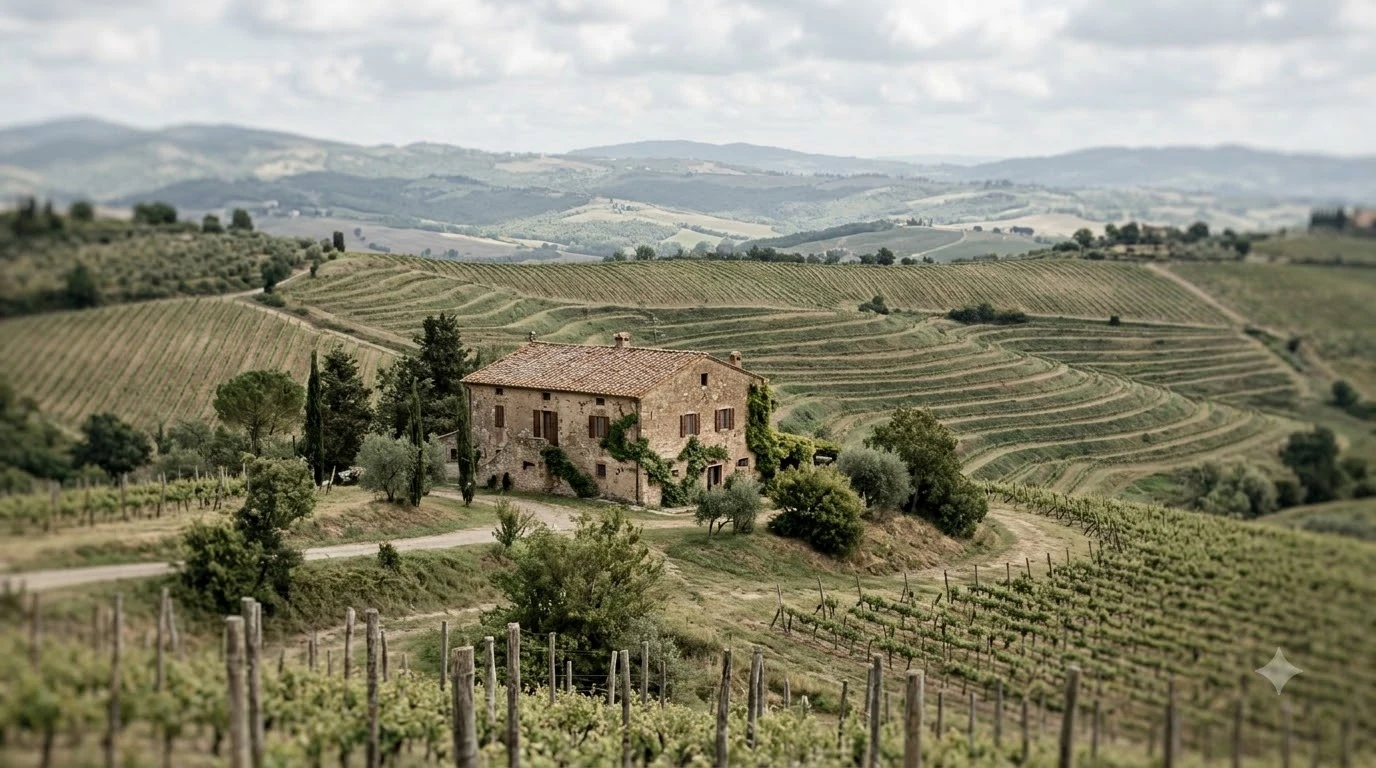
The southern and southwestern parts of the peninsula are more mountainous. The Serra da Arrábida, Serra da Rosca, and Serra de São Luís form an important landscape of hills, valleys, and slopes. According to Portugal’s Instituto da Vinha e do Vinho (IVV), elevations in these mountain areas range from approximately 100 to 500 meters. The higher terrain and proximity to the Atlantic create conditions that differ from those found farther inland.
In contrast, extensive plains stretch alongside the Sado River. These flatter areas include important vineyard locations around Palmela and Pegões. The landscape is generally more open, with sandy soils that drain readily and can become warm during the growing season. Castelão is particularly well suited to these conditions, making the plains important for the production of regional red wines.
Soil diversity is one of the peninsula’s defining characteristics. The lowlands contain deep, loose sands, while the slopes around Arrábida have limestone and clay-limestone formations. Some areas also contain clay-sandy and sandy-clay soils. These differences influence drainage, water availability, vine growth, and the development of grape flavors.
The climate is predominantly Mediterranean, with hot, dry summers and relatively mild, rainy winters. Maritime humidity and the influence of the two river basins moderate some seasonal temperature differences. Serra da Arrábida experiences a stronger Atlantic influence because of its elevation and closeness to the sea.
This combination allows producers to work with both Mediterranean-ripened grapes and varieties that benefit from retaining freshness. The result is a regional portfolio that includes concentrated fortified wines, structured reds, aromatic whites, and refreshing rosés. For a comparison with another European mountain-influenced wine-producing area, the Savoie wine region offers an interesting contrast in climate, landscape, and grape selection.
The Three Main Wine Designations
The region operates under three principal geographical designations: IGP Península de Setúbal, DOP Palmela, and DOP Setúbal. Understanding these names is essential because they identify different production areas and wine styles rather than interchangeable descriptions of the same bottle.
IGP Península de Setúbal covers the wider Setúbal district and offers producers considerable flexibility in grape selection and blending. Wines under this designation can be made from individual varieties or combinations of grapes. The category includes red, white, rosé, sparkling, and other regional styles. It is particularly useful for understanding the diversity of the peninsula beyond its two better-known appellations.
DOP Palmela is associated with the area’s still wines, particularly reds based on Castelão. The designation covers the municipalities of Setúbal, Palmela, and Montijo, as well as the Castelo parish of Sesimbra. Sandy plains and clay-limestone slopes contribute different characteristics to wines produced within this geographical area.
Castelão has an especially important position in Palmela’s red-wine identity. The grape adapts well to the region’s warm, loose sandy soils and can produce wines with structure, fruit concentration, and aging potential. Palmela also produces white wines, rosés, sparkling wines, and other permitted styles.
DOP Setúbal is reserved for fortified wines made from Moscatel de Setúbal and Moscatel Roxo de Setúbal. The designation was established in 1907 and is one of Portugal’s historic wine appellations. According to the IVV, qualifying wines must contain at least 85% of their respective designated grape variety.
The distinction is important when shopping. A bottle labeled DOP Setúbal points toward a traditional fortified wine, while DOP Palmela can identify a dry red, white, or another permitted wine style. IGP Península de Setúbal provides the broadest indication of regional origin and production flexibility.
Tip: Start with the designation on the bottle. Choose DOP Setúbal when looking for traditional fortified Moscatel, DOP Palmela when exploring Castelão-based reds, and IGP Península de Setúbal when you want to discover the region’s broader selection.
For the official geographical boundaries, grape varieties, and regional wine classifications, consult the Instituto da Vinha e do Vinho’s Setúbal Peninsula profile. These classifications also make the region easier to compare with other European appellation systems. For instance, the Switzerland wine region provides another example of how local geography and appellation rules help distinguish regional wine identities.
Important Grapes and Their Characteristics
Setúbal’s grape selection combines traditional Portuguese varieties with internationally recognized grapes. Castelão and the Moscatel varieties are particularly important to the region’s identity, while Arinto, Fernão Pires, and Trincadeira help create a wider selection of everyday and premium wines.
Castelão: The Signature Red Grape
Castelão is arguably the most recognizable red grape associated with Palmela. It is also known by the traditional name Periquita. The variety is particularly suited to warm, sandy soils, where it can produce wines with concentrated red-fruit flavors and firm structure.
Typical aromas include cherry, raspberry, and other red berries. Depending on the producer and winemaking approach, the wine may also show herbal, earthy, or spicy characteristics. Its acidity and noticeable tannins give it a structure that can support bottle aging, especially in more carefully selected examples.
Castelão is also used in blends. Producers may combine it with Touriga Nacional, Trincadeira, Syrah, or other permitted varieties to adjust aroma, body, color, and texture.
Arinto and Fernão Pires
Arinto is an important white grape that contributes freshness and acidity. It can produce citrus-driven wines with a crisp finish, making it useful in a region where summer temperatures can be high. Its acidity also makes it a valuable blending component.
Fernão Pires offers a more aromatic profile. Wines made from this variety can show floral and tropical-fruit characteristics, sometimes with a softer impression than Arinto-based examples. Producers may use it alone or combine it with other white grapes to create a balanced regional style.
Moscatel Graúdo and Moscatel Roxo
Moscatel Graúdo, also known as Muscat of Alexandria, is closely associated with the production of fortified Moscatel de Setúbal. Its aromatic intensity provides the floral and grapey character that makes the finished wine recognizable.
Moscatel Roxo is a pink-skinned Muscat variety used for Moscatel Roxo de Setúbal. It contributes a distinctive aromatic profile and provides a separate identity within the region’s fortified-wine tradition.
Other Regional Varieties
Additional permitted varieties include Trincadeira, Aragonez, Touriga Nacional, Cabernet Sauvignon, Syrah, Antão Vaz, Chardonnay, and Verdelho. These grapes give producers options for creating different blends and styles.
The following overview summarizes the most useful varieties to recognize when exploring bottles from the peninsula.
| Grape | Color | Typical contribution | Regional role |
|---|---|---|---|
| Castelão | Red | Cherry, raspberry, structure | Palmela reds |
| Arinto | White | Citrus, freshness, acidity | Dry white wines |
| Fernão Pires | White | Floral and tropical aromas | Aromatic whites |
| Moscatel Graúdo | White | Grapey, floral, citrus aromas | Fortified Moscatel |
| Moscatel Roxo | Red/pink-skinned | Intense Muscat aromatics | Fortified Moscatel Roxo |
| Trincadeira | Red | Red fruit and herbal notes | Red blends |
| Touriga Nacional | Red | Dark fruit, floral character | Red blends |
| Syrah | Red | Dark fruit and spice | International-style blends |
These varieties demonstrate why the peninsula should not be understood exclusively through its fortified wines. Its dry-wine production has a recognizable identity of its own, with Portuguese grapes playing a central role and international varieties adding further options.
Understanding the Main Wine Styles
The region produces several distinct wine categories, ranging from intensely aromatic fortified wines to crisp whites and structured reds. The best starting point is to consider whether you prefer sweetness, freshness, fruit concentration, or tannin.
Red Wines from Palmela
Palmela reds frequently feature Castelão, which can produce medium-bodied to fuller wines with noticeable acidity and firm tannins. Younger examples tend to emphasize red berries, cherries, and fresh fruit, while more developed wines can show additional spice and savory complexity.
Some producers use oak aging to introduce further texture and flavor. The result may include vanilla, toasted wood, or subtle baking-spice characteristics. Oak treatment varies, however, and not every regional red is designed for extended aging.
For someone accustomed to Cabernet Sauvignon, Castelão offers a useful point of comparison but generally has a different fruit profile and regional expression. It can be a good introduction to Portuguese red wine without requiring a preference for very powerful tannins.
White Wines
Regional whites commonly emphasize freshness, fruit, and floral aromas. Arinto contributes acidity, while Fernão Pires can provide aromatic intensity. Depending on the blend, expect citrus, orchard fruit, tropical fruit, or delicate floral notes.
These wines work well as aperitifs and with seafood, shellfish, grilled fish, and lighter Mediterranean dishes. They are particularly useful choices for people who prefer dry white wines with refreshing acidity rather than heavy oak influence.
Rosé Wines
Setúbal rosés typically show red-fruit aromas, balanced acidity, and an approachable structure. Their freshness makes them useful during warm weather, particularly alongside grilled seafood, salads, and lighter Portuguese dishes.
Rosé styles vary between producers, so sweetness and body should not be assumed from the color alone. Many examples are dry and designed for straightforward food pairing.
Fortified and Sparkling Wines
Fortified Moscatel is the region’s most distinctive category. It combines intense grape aromatics with sweetness, concentration, and the additional alcohol resulting from fortification. Depending on its maturation, the wine can show fresh fruit, dried fruit, honey, citrus peel, and nutty characteristics.
Sparkling wines and frisantes offer another side of regional production. They generally emphasize fruit, freshness, and acidity rather than the concentration associated with fortified wines. They are worth considering for aperitifs and casual meals.
The range of styles means there is no single flavor profile that represents every bottle from the peninsula. Reading the designation and grape information together provides a more reliable indication of what to expect.
Moscatel de Setúbal: The Region’s Famous Fortified Wine
Moscatel de Setúbal is the signature wine of the peninsula and one of Portugal’s best-known fortified specialties. Made predominantly from aromatic Muscat grapes, it is recognized for its concentrated sweetness, floral fragrance, citrus notes, and complex dried-fruit character.

How Moscatel Is Made
Moscatel de Setúbal begins with aromatic grapes, particularly Moscatel Graúdo. The grapes are fermented, and grape spirit is added during production to stop fermentation and preserve natural grape sugar. This fortification process also increases the finished wine’s alcohol content.
One of the traditional characteristics of the style is the extended contact between the wine and the aromatic grape skins. This maceration helps extract additional aromas, producing a concentrated character that distinguishes the wine from many other sweet fortified wines.
After fortification and maceration, the wine matures before bottling. The length and conditions of maturation influence its final appearance, texture, and flavor. Younger wines can emphasize fresh Muscat fruit, orange peel, and floral aromas, while older examples often develop deeper notes of nuts, caramel, dried fruit, and spice.
Moscatel de Setúbal and Moscatel Roxo
The two main DOP Setúbal styles are Moscatel de Setúbal and Moscatel Roxo de Setúbal. Both belong to the fortified-wine tradition, but they are made from different grape varieties.
Moscatel de Setúbal uses the white Moscatel de Setúbal grape, associated with Muscat of Alexandria. Its aromatic profile commonly includes orange blossom, citrus, honey, ripe fruit, and dried fruit.
Moscatel Roxo uses the pink-skinned Moscatel Roxo variety. It is a particularly distinctive expression of the region’s Muscat heritage, offering its own aromatic complexity. The grape is less widely encountered, making bottles carrying this designation especially interesting for enthusiasts exploring Portuguese fortified wines.
Both wines must satisfy the minimum 85% varietal requirement established for their respective DOP designations. This helps protect the identity of the two traditional styles.
Age and Flavor Development
Maturation has a major influence on the final character of Moscatel. Younger expressions tend to preserve brighter fruit and floral characteristics. Longer-aged versions can become darker and more concentrated, with layers of dried orange, nuts, caramel, spice, and raisin.
Some traditional wines are matured for extended periods in wooden vessels before bottling. These older bottlings can be particularly complex, although age alone does not guarantee that every wine will have the same flavor or quality.
The historic export trade helped establish Moscatel’s international reputation. According to the regional commission’s historical account, records document shipments of Moscatel de Setúbal to Britain in 1675.
Another fascinating chapter involves the historic torna-viagem wines. These barrels traveled by ship to Brazil and sometimes returned to Portugal after exposure to high temperatures during their maritime journey. The wines were observed to have developed a more concentrated and smooth character. This unusual transport history became part of the region’s wine heritage. The Wines of Portugal profile of the Setúbal Peninsula also describes this distinctive maritime tradition and the region’s historic relationship with Moscatel.
For a first bottle, a younger Moscatel offers an accessible introduction to the grape’s aromatic character. Those who already enjoy sweet fortified wines may prefer exploring longer-matured examples or Moscatel Roxo to experience greater complexity.
Food Pairing and Serving Recommendations
Food pairing in the Setúbal Peninsula is particularly rewarding because the region produces both dry wines and sweet fortified wines. Matching the wine’s sweetness, acidity, body, and tannin to the dish is more useful than relying on grape variety alone.
Pairing Moscatel with Food
Moscatel de Setúbal works particularly well with desserts that contain citrus, dried fruit, nuts, caramel, or spices. Almond pastries, orange cakes, fruit tarts, and traditional Portuguese sweets are natural partners.
The most important rule is to choose a dessert that is no sweeter than the wine. If the food is substantially sweeter, the wine can taste thin or overly acidic. The concentrated sweetness of Moscatel makes it particularly suitable for rich desserts, provided the balance is appropriate.
Older Moscatel can also work with blue cheese and other strongly flavored cheeses. The wine’s sweetness contrasts with the saltiness of the cheese, while its aromatic complexity provides another layer of flavor.
Pairing Castelão Reds
Castelão’s red-fruit character and noticeable tannins make it suitable for grilled meats, roasted pork, sausages, and dishes featuring herbs and spices. The acidity can help balance richer preparations, while the tannins work particularly well with protein and fat.
Salt and fat soften the perception of tannin, which explains why a structured Palmela red can be more approachable alongside a fatty meat dish than when served by itself. Avoid pairing heavily tannic reds with oily fish, since that combination can produce an unpleasant metallic impression.
Pairing White Wines and Rosés
Arinto-based whites are particularly suitable for shellfish, grilled fish, and seafood dishes with lemon or fresh herbs. Their acidity can match the brightness of these foods without overwhelming delicate flavors.
Fernão Pires-based whites are useful with aromatic dishes, mild cheeses, and lightly seasoned poultry. Rosés offer flexibility with salads, grilled vegetables, seafood, and lighter meat dishes.
Acidic foods need a wine with equal or higher acidity. A crisp white is therefore generally more successful with lemon-dressed seafood than a soft, low-acid wine.
Chili heat requires extra care. Alcohol and tannin can amplify the burning sensation, so lower-alcohol, fresher wines are usually safer choices for strongly spiced dishes.
Serving Temperatures
Serving temperature has a significant effect on aroma and texture. Moscatel benefits from a cooler serving temperature, which helps keep its sweetness refreshing. Red wines should not be served excessively warm, as heat can make alcohol more prominent and tannins feel heavier.
| Wine style | Recommended temperature | Food suggestions |
|---|---|---|
| Moscatel de Setúbal | 43–50°F | Almond desserts, fruit tarts, blue cheese |
| Arinto white | 45–50°F | Shellfish, grilled fish, salads |
| Fernão Pires white | 45–50°F | Light poultry, mild cheese |
| Castelão red | 55–60°F | Roasted pork, grilled meat |
| Fuller Palmela red | 60–65°F | Beef, lamb, rich meat dishes |
| Setúbal rosé | 45–50°F | Seafood, salads, grilled vegetables |
These are practical starting temperatures rather than rigid rules. A slightly cooler pour can help preserve freshness in aromatic wines, while a structured red may benefit from a little warming in the glass.
For a standard tasting, a 5-ounce pour is sufficient for still wines. A 750-milliliter bottle provides approximately five such servings. Fortified Moscatel is often best enjoyed in smaller portions because its sweetness and concentration make a modest serving satisfying.
Buying, Storing, and Exploring Regional Wines
Choosing a Setúbal wine becomes easier once you understand the relationship between appellation, grape variety, and maturation. Rather than assuming that all wines from the peninsula taste similar, consider the style you want and then use the label to identify the most suitable category.
What to Look for on the Label
For a traditional sweet fortified wine, look for DOP Setúbal and the name Moscatel de Setúbal or Moscatel Roxo de Setúbal. These names identify the specific regional style and provide a useful starting point for comparing different producers and maturation periods.
For dry red wines, DOP Palmela is an important indication. Castelão is the grape to look for if you want to explore the area’s traditional red-wine identity. Some producers also use blends that include Touriga Nacional, Trincadeira, or international varieties.
For white wines, look for Arinto and Fernão Pires. These varieties offer different aromatic profiles, with Arinto generally emphasizing freshness and Fernão Pires contributing floral and fruit aromas.
IGP Península de Setúbal is useful when exploring wines made from a wider range of varieties or blends. It can be a particularly interesting category for discovering producers working beyond the region’s best-known appellations.
Choosing Between Young and Mature Wines
Young dry wines are generally the best starting point for everyday drinking. They tend to emphasize primary fruit, freshness, and approachable structure. Castelão reds can be enjoyed young, although more structured examples may benefit from additional bottle development.
Mature Moscatel offers a different experience. Extended maturation can introduce nutty, caramelized, and dried-fruit characteristics that are not always prominent in younger examples. The choice depends on whether you prefer fresh Muscat aromatics or deeper, more developed flavors.
Storage and Opening
Store unopened bottles in a cool, dark location with relatively stable temperatures. Around 55°F is a useful reference for long-term wine storage. Bottles with natural cork closures are generally stored on their sides to keep the cork from drying out.
Once opened, still wines generally keep for approximately three to five days in the refrigerator, depending on the wine and storage conditions. Sparkling wines typically last one to three days with an appropriate closure. Fortified wines can remain enjoyable for several weeks after opening, although their exact longevity varies with age, alcohol content, and exposure to air.
Keep opened Moscatel refrigerated and tightly sealed. This helps preserve its aromatic character and slows oxidation. Smaller servings also make it easier to enjoy the wine gradually without leaving a large amount exposed to air.
Exploring the Region
Wine enthusiasts interested in visiting Portugal can explore the area around Palmela, Setúbal, and Azeitão. These locations provide a useful introduction to the peninsula’s landscape, wine heritage, and relationship between local food and regional production.
The Serra da Arrábida offers a contrasting setting to the sandy plains around Palmela. Its hills, coastal environment, and distinctive geology help explain why producers in different parts of the peninsula can make wines with different profiles.
Visitors can also learn about the regional classification system and the traditional Moscatel production process through wineries and local wine-tourism experiences. A visit that includes both a dry Palmela red and a fortified Moscatel provides a particularly clear illustration of the region’s diversity.
For readers interested in comparing geographically distinctive wine areas beyond Portugal, the Tasmania wine region offers another useful example of how climate and local growing conditions influence regional wine styles. The broader Wine Regions resource can also help put Setúbal into the context of international wine production.
Frequently Asked Questions
Is Moscatel de Setúbal the same as Port?
No. Both are fortified Portuguese wines, but they come from different regions and use different grape traditions. Port originates in the Douro region, while Moscatel de Setúbal is produced on the Setúbal Peninsula using Moscatel grapes. Their aromas and flavor profiles are therefore quite different.
Why is Moscatel de Setúbal sometimes called Muscat of Alexandria wine?
Moscatel de Setúbal is traditionally associated with the white Muscat of Alexandria grape, also called Moscatel Graúdo. This variety is known for its naturally pronounced floral and grapey aromas. Its aromatic intensity is a major reason the finished fortified wine has such a recognizable character.
What does Periquita mean on a Portuguese wine label?
Periquita is a traditional name associated with the Castelão grape variety. The name is particularly familiar in the history of Portuguese red wine and is closely connected with the Setúbal Peninsula. It can help buyers recognize the grape even when the label does not emphasize the name Castelão.
Is Moscatel Roxo made from the same grape as regular Moscatel de Setúbal?
No. Moscatel Roxo de Setúbal is made from the distinct pink-skinned Moscatel Roxo variety, rather than the white Moscatel de Setúbal grape. Both belong to the Muscat family, but their varietal identities are different. This distinction is reflected in their separate protected wine designations.
Did Setúbal Moscatel historically travel to Brazil by ship?
Yes. The regional wine heritage includes the historical torna-viagem tradition, in which Moscatel barrels traveled to Brazil and some returned to Portugal. Exposure to high temperatures during the voyage was associated with changes in concentration and smoothness. These wines became part of the region’s distinctive maritime trading history.
The Setúbal Peninsula offers far more than one famous sweet wine. Its Moscatel tradition, Castelão-based Palmela reds, fresh whites, and varied coastal terroir make it one of Portugal’s most interesting regions to explore. Whether choosing a mature fortified bottle or a refreshing dry wine, understanding the local designations and grape varieties is the best way to discover what makes this region distinctive.
More in Wine Regions
 Willcox Wine Trail: Discover Arizona’s High-Elevation Wine CountryUpdated Nov 20, 2026
 Yakima Valley Wine Region: Find the Best Styles to TryUpdated Nov 20, 2026
 Vosne Romanee Wine Tasting: Identify Aromas and Choose Better PairingsUpdated Nov 20, 2026
 Yakima Valley Wine Festival: Find the Best Seasonal Wine EventsUpdated Nov 20, 2026
 Wales Vineyards: Discover Cool-Climate Wines and Where to VisitUpdated Nov 20, 2026
 Yountville Wine Festival: Discover Napa Wines and Local FoodUpdated Nov 20, 2026