

We may earn a commission when you buy through links on this page, at no extra cost to you. Learn more.
What is scuppernong? It is a large, round variety of muscadine grape native to the southeastern United States, with a greenish or bronze skin and a sweet, musky flavor that makes it one of the most recognizable grapes in American wine. Scuppernongs grow wild in the coastal Carolinas and have been cultivated there for centuries. Wines and juices made from them tend to be sweet and aromatic, which sets them apart from the European grapes most wine drinkers know first.
Scuppernong is often mentioned in the same breath as muscadine, but the two names are not interchangeable. This guide explains where the grape came from, how it differs from the wider muscadine family, what its wines taste like, how to serve them, and which foods suit a sweet Southern-style white. It also covers what to look for on the label when you want to try one.
Where the scuppernong comes from
According to the Wikipedia entry on the scuppernong, the grape is a large variety of muscadine native to the southern United States. Its name is tied to the Scuppernong River in coastal North Carolina, and European explorers recorded wild grapes along that coast in the 1500s. Cultivation of the grape began in the 17th century, and the name in its early days was the “big white grape.”
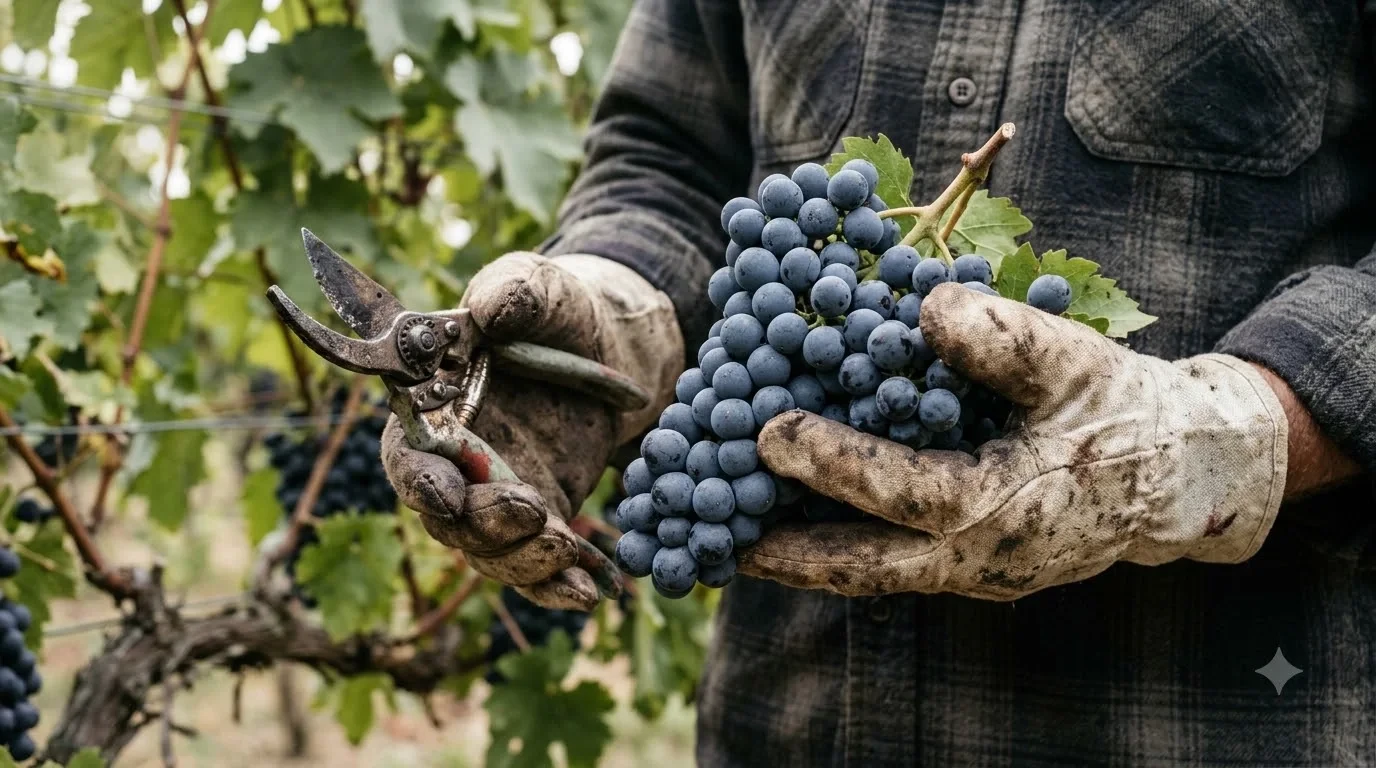
The fruit is greenish or bronze when ripe. It looks like a white grape but is rounder and larger than most European varieties, and the skin is thick enough to hold up in a warm, humid climate. The article notes that North Carolina has adopted the scuppernong as its state fruit, a sign of how closely the grape is tied to the region’s farming history.
Scuppernong and muscadine: the difference
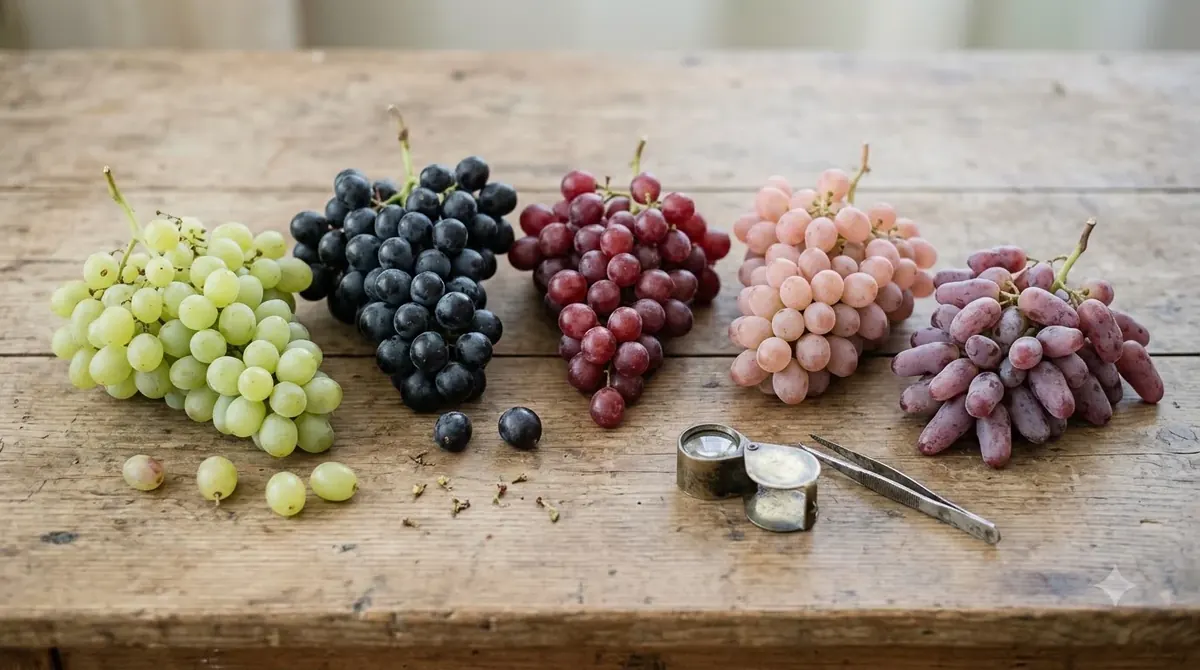
Muscadine is the broader family of grapes that grow in the American Southeast. Scuppernong is one variety within that family, and it is the one with the longest documented history. When a label says “muscadine,” the wine may come from any of several cultivars. When it says “scuppernong,” the wine is made from that specific grape.
Plant breeders have worked with muscadines for more than a century. The Wikipedia article points to bronze cultivars that came out of this breeding work, including varieties named “Doreen” and “Triumph,” which show that the family is wider than the original scuppernong. The practical point for a shopper is simple: scuppernong is a particular grape, and it helps to read the bottle before assuming any muscadine will taste the same.
What scuppernong wine tastes like
Scuppernong wine is usually sweet and fragrant. Drinkers often describe a musky, floral aroma, a round fruity body, and a finish that stays lightly sugary rather than sharp. The grape’s natural acidity tends to be lower than that of a typical European white, so the wine can feel softer and fuller on the palate.
The sweetness level varies by producer. Some bottlings are off-dry, with a gentle sugary character, while others are clearly sweet and read more like a dessert wine. Because the style is not standardized, the back label and the producer’s description are the best guides. Look for words such as “sweet,” “semi-sweet,” or “dry” to understand what you are buying before you open it.
| Style | Typical character | Best first step |
|---|---|---|
| Off-dry scuppernong | Light sweetness, floral and musky notes | Serve chilled as an easy sipper |
| Sweet scuppernong | Richer, fruit-forward, dessert-like body | Pair with cheese or fruit desserts |
| Scuppernong juice | Fresh, very sweet, less alcohol | Serve cold or mix into cocktails |
Tip: If you are new to muscadine-family wines, start with a bottle labeled off-dry. It gives you the grape’s character without the full weight of a dessert-style sweet wine.
How to serve scuppernong
Scuppernong is usually served chilled. A cool glass brings out the floral lift and keeps the sweetness from feeling heavy, especially in warm weather when these wines are most often poured. A standard white wine glass works well, since it concentrates the aroma without making the drink feel too formal.
Scuppernong also works in mixed drinks. Its sweetness and aroma make it a practical base for spritzers and simple punches, where a little sparkling water or lemon balances the sugar. Because the wine is sweet, it is best added in small amounts when used as a mixer, so the fruit does not overwhelm the other ingredients.
Food pairings that suit a sweet white
Sweet scuppernong pairs well with foods that have some salt or fat to balance it. Soft cheeses, fried chicken with a light crust, and mild spicy dishes all work, since the wine’s sweetness cools the heat and the fat in the food rounds out the body. Fresh fruit desserts, such as peach cobbler or berry tarts, also pair naturally with the grape’s fruit notes.
Avoid pairing a sweet scuppernong with very rich, heavily sauced dishes. The sugar can compete with a bold sauce and make both taste flat. A simpler main course lets the wine show its character.
How to choose a bottle
When you shop for scuppernong, read the label for the grape name and the sweetness level. Producers in the Carolinas and elsewhere in the Southeast make the most direct examples of the style, and their tasting notes often describe the sweetness in plain language. A bottle described as “sweet” will taste sweet, so check that before you buy if you prefer a drier wine.
Look also at the year and the producer’s own description. Some scuppernong wines are meant for early drinking, while others gain depth with a little time in the bottle. The producer’s notes usually say which kind you have in hand.
Storing and opening a scuppernong wine
Store an unopened bottle lying on its side or upright in a cool, dark place away from heat sources. Sweet wines are generally less sensitive to small temperature swings than dry whites, but a steady temperature still helps keep the aroma fresh. Avoid storing bottles near appliances or in a sunny window, since heat can dull the fruit and floral notes over time.
Once opened, keep the bottle sealed with a stopper and refrigerate it. Sweet wines usually hold their character for a few days after opening, though the aroma fades faster than the sweetness does. If the wine tastes flat or loses its freshness, it is better to use it in a cooking sauce or a mixed drink than to pour it straight.
Scuppernong juice has a different shelf life from the wine. Refrigerate it after opening, check the label for the producer’s recommended time, and discard it if it smells sour or looks cloudy in an unexpected way.
Frequently Asked Questions
Is scuppernong the same as muscadine?
No. Muscadine is the wider family of grapes native to the American Southeast, and scuppernong is one variety within that family. Some labels use the two names loosely, so the bottle is the best guide to what you are drinking.
Is scuppernong wine sweet?
Most scuppernong wines are noticeably sweet or off-dry, with a musky, floral character. The exact sweetness depends on the producer, so check the back label or the producer’s description before buying.
Where does the scuppernong grape come from?
The grape is native to the southern United States and is closely tied to coastal North Carolina, where the Scuppernong River gives the variety its name. Cultivation there began in the 17th century.
How should I serve scuppernong?
Serve it chilled in a standard white wine glass. It also works in simple spritzers or punches, where a little sparkling water or lemon balances the sweetness.
Scuppernong is a good starting point if you want a sweet, aromatic wine with a regional story behind it. For a broader look at the grapes and styles you are likely to meet, see the Wine by Type guide, and read the scuppernong grape page for more on how the fruit grows. Pour a glass slowly and let the aroma guide you.
More in Wine Types & Grapes
 Zinfandel Sugar Content: Dry Red vs. White Zinfandel GramsUpdated Nov 21, 2026
 Best Zinfandel Substitute Options for Sipping and CookingUpdated Nov 21, 2026
 Zweigelt Food Pairing: Best Dishes, Cheeses, and Serving TipsUpdated Nov 21, 2026
 Zinfandel Tannins Explained: How Structure Shapes Every BottleUpdated Nov 21, 2026
 Zinfandel Sweetness Level: Dry Red vs. Sweet White Zin ExplainedUpdated Nov 21, 2026
 Xinomavro Food Pairing: Best Dishes, Styles, and Serving TipsUpdated Nov 21, 2026