

We may earn a commission when you buy through links on this page, at no extra cost to you. Learn more.
Quebec vineyards produce distinctive cold-climate wines, including crisp whites, fresh reds, sparkling wines, rosés, and internationally recognized icewine, across several growing regions in southern Quebec. Most vineyards rely on winter-hardy hybrid grapes such as Frontenac, Vidal, and Seyval Blanc, although Chardonnay and Pinot Noir are becoming increasingly important. The Eastern Townships, Montérégie, and Richelieu River Valley are among the principal areas to explore, each offering different growing conditions and wine styles. Understanding their climate, grape varieties, and regional differences makes it easier to choose bottles and plan a vineyard visit.
Quebec’s wine industry has developed around a challenge that many traditional European wine regions rarely face: surviving extremely cold winters while producing grapes with enough ripeness for balanced wine. The result is a young but increasingly interesting wine culture shaped by experimentation, resilient grape varieties, small family wineries, and a strong connection to local agriculture. Whether you are interested in visiting tasting rooms near Montreal or discovering unusual Canadian wines, Quebec offers considerably more variety than its icewine reputation might suggest.
Quebec’s Wine Industry and Its Northern Climate
Quebec’s vineyards operate in a cool continental climate where winter survival is often more difficult than summer grape ripening. Commercial winemaking expanded during the 1980s, and producers gradually developed varieties and vineyard practices suited to the province’s demanding conditions.
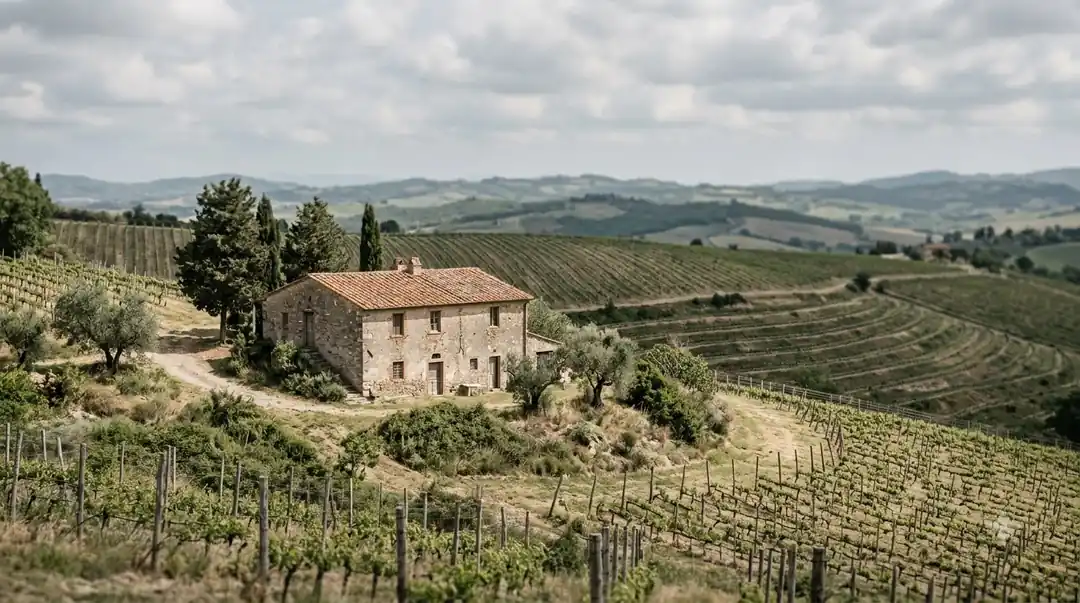
The modern industry is concentrated in southern Quebec, where warmer summers and relatively favorable growing conditions make commercial grape cultivation possible. The proximity of the St. Lawrence River, Lake Champlain, and other waterways influences local temperatures, while hills, valleys, and differences in soil composition create smaller regional variations. These geographical features help explain why two vineyards relatively close to one another can produce noticeably different wines.
According to the Quebec government’s agricultural statistics, the province had 423 grape-growing operations covering 1,383.7 hectares in 2024. Those operations produced 4,312 tonnes of grapes. The government also reports annual wine production exceeding 3 million bottles, demonstrating the scale the industry has achieved despite its relatively short commercial history.
Most vineyards remain relatively small. The Quebec government reports that the majority cover fewer than five hectares, although some exceed ten hectares. This structure encourages individual producers to experiment with grape varieties, vineyard management, fermentation, and blending rather than following a single standardized regional style.
Winter cold is the defining agricultural challenge. Temperatures can fall low enough to damage or kill European grapevines, particularly when extreme cold arrives without sufficient snow cover. Some producers protect sensitive vines with geotextile fabrics, while others use additional winter protection techniques. These practices help expand the range of grapes that can survive in the province.
Spring frost presents another problem. Buds that begin developing during a mild spring can be damaged by a sudden temperature drop. Producers therefore consider budding dates, site elevation, air circulation, and drainage when deciding where to plant different varieties. A sheltered hillside may offer advantages over a low-lying site where cold air collects.
The relatively short growing season also influences harvest decisions. Grapes need sufficient time to develop flavor and sugar while retaining acidity. This balance is particularly important for varieties that ripen later in the season. Producers frequently favor grapes that mature earlier or tolerate difficult conditions more successfully.
For wine drinkers, these conditions create a recognizable regional character. Quebec whites often emphasize lively acidity and fresh fruit, while reds can be lighter and more refreshing than their counterparts from warmer climates. The wines are not simply copies of European styles; many reflect grape varieties and growing techniques specifically suited to the province.
The Main Quebec Vineyard Regions
Quebec has several recognized wine-growing areas, each with different soils, temperatures, and growing-season characteristics. The Eastern Townships, Montérégie, Richelieu River Valley, and surrounding Appalachian foothills provide useful starting points for understanding the province’s wine geography.
The Eastern Townships, also known as Cantons de l’Est, lie approximately an hour east of Montreal near the Vermont border. The area is particularly important to Quebec’s modern wine identity. Dunham is recognized as the birthplace of the province’s wine-growing industry, and the surrounding landscape includes vineyards, farms, and small wine-producing communities.
The South Appalachian Foothills offer a combination of glacial soils and varying elevations. According to the Quebec wine council, this region has approximately 196 to 207 frost-free days and 1,171 to 1,348 growing degree days. These conditions support a range of cold-climate varieties while allowing selected European grapes to mature successfully in favorable sites.
Montérégie is another major wine-producing area, particularly convenient for visitors traveling from Montreal. Its vineyards extend through agricultural communities surrounding the Monteregian Hills, including Rougemont, Saint-Hilaire, Saint-Bruno, Saint-Grégoire, and Yamaska. The Quebec government identifies Montérégie as home to 39% of the province’s grape-growing producers.
The Monteregian Hills have geological origins dating back approximately 90 to 125 million years. Surrounding areas contain sand and gravel deposits associated with the ancient Champlain Sea. Differences in hillside exposure and local drainage create conditions that can suit different grape varieties.
The Richelieu River Valley is particularly interesting because of its relatively favorable growing-season statistics. The Quebec wine council identifies approximately 205 to 212 frost-free days and 1,191 to 1,415 growing degree days. Its mixture of clay, organic matter, and glacial deposits contributes to the agricultural character of the area.
The Deux-Montagnes area benefits from the influence of nearby waterways, including Lake Saint-Louis, Lake of Two Mountains, the Ottawa River, and the St. Lawrence River. These bodies of water moderate temperature differences, while heavier winter snowfall can provide additional insulation for vines.
The Outaouais Valley includes agricultural areas near the Ottawa River, where clay, sand, gravel, and marine deposits contribute to diverse soil conditions. Its humid continental climate brings cold winters, warm summers, and rainfall throughout the growing season.
Other areas, including the North Appalachian Foothills and Quebec City wine-growing region, contribute to the province’s geographical diversity. Île d’Orléans is particularly interesting because the St. Lawrence River influences local conditions and can help extend the growing season into autumn.
These regions are not interchangeable. A warmer site with a longer frost-free period may support a broader selection of grapes, while a cooler location may be better suited to early-ripening hybrids. Comparing regional growing conditions provides a useful starting point when choosing Quebec wines.
The Grape Varieties That Define Quebec Wines
Hybrid grapes dominate Quebec’s vineyards because they are better adapted to winter temperatures and local disease pressures than many traditional European varieties. Nevertheless, Chardonnay, Pinot Noir, and other Vitis vinifera grapes are gaining attention among producers working with favorable vineyard sites.
Wine Enthusiast reports that approximately 80% of Quebec’s planted wine grapes are hybrids. Frontenac Noir, Frontenac Blanc, and Vidal are among the leading varieties. Chardonnay accounts for approximately 6% of plantings, while Pinot Noir represents around 4%.
White grape varieties
Vidal is one of Quebec’s most important white grapes. It produces fresh, aromatic dry wines and is particularly suitable for icewine production. Its natural acidity helps balance sweetness, while typical flavor descriptions include pear, citrus, and orchard fruit.
Seyval Blanc is another significant variety. It ripens relatively early and produces light, refreshing wines with lively acidity. Producers can use it for dry whites, sparkling wines, and some sweet styles. Its adaptability makes it useful in vineyards where the growing season is limited.
Frontenac Blanc produces aromatic whites with fruit characteristics that can include pear, peach, and tropical fruit. Its versatility gives winemakers opportunities to experiment with fermentation methods and blending.
Frontenac Gris is another adaptable variety used for dry whites, sparkling wines, and icewine. It can deliver expressive fruit flavors, including peach, while maintaining the acidity associated with Quebec’s cool conditions.
Saint-Pépin is an early-ripening white grape that suits northern vineyards. It can contribute floral aromas, fresh fruit, and acidity to varietal wines and blends.
Chardonnay also deserves attention. Although it requires more careful site selection and winter protection, it can produce wines with recognizable citrus, apple, and mineral characteristics. Producers such as Les Pervenches have demonstrated the potential of Chardonnay in the Eastern Townships.
Red grape varieties
Frontenac Noir is a leading hybrid red grape. It can produce deeply colored wines with berry and dark-fruit characteristics. Its acidity makes it particularly interesting for fresh red styles, although winemaking decisions influence how much structure and weight the finished wine develops.
Marquette is another cold-climate red variety. It is valued for its ability to withstand difficult growing conditions and can produce wines with dark fruit, spice, and a more structured profile than some lighter hybrid reds.
Maréchal Foch has a long association with cool-climate wine production. It can produce fruit-forward reds with flavors of berries and darker fruit, making it useful for approachable varietal wines and blends.
Pinot Noir provides a different experience. It is a traditional European variety that can produce lighter-bodied wines with red cherry, raspberry, and earthy characteristics. Successful cultivation depends heavily on site selection and winter protection.
The following table summarizes important varieties and their typical roles in Quebec wine production.
| Grape variety | Color | Typical wine styles | Characteristics |
|---|---|---|---|
| Vidal | White | Dry white, icewine | Pear, citrus, balanced acidity |
| Seyval Blanc | White | Dry white, sparkling | Fresh fruit, lively acidity |
| Frontenac Blanc | White | Dry white, blended wine | Peach, pear, tropical fruit |
| Frontenac Gris | White | Dry white, sparkling, sweet | Peach and refreshing acidity |
| Saint-Pépin | White | Dry white, blends | Floral and orchard-fruit notes |
| Frontenac Noir | Red | Red wine, rosé | Dark berries and freshness |
| Marquette | Red | Dry red, blends | Dark fruit and spice |
| Maréchal Foch | Red | Dry red, blends | Berry and darker-fruit flavors |
| Pinot Noir | Red | Dry red | Cherry, raspberry, earthy notes |
| Chardonnay | White | Dry white, sparkling | Apple, citrus, mineral character |
These descriptions represent general expectations rather than fixed flavor profiles. Soil, harvest timing, fermentation temperatures, yeast selection, and aging can all influence the finished wine. A Frontenac red fermented with minimal extraction, for example, may be considerably lighter than one made with extended skin contact.
Tip: Start with Vidal or Seyval Blanc if you want to understand Quebec’s traditional cold-climate white wines. For reds, compare Frontenac Noir with Marquette, then try a local Pinot Noir to see how different grape families express the same northern growing environment.
Quebec Wine Styles Beyond Icewine
Quebec produces considerably more than sweet dessert wine. White wine is the largest production category, red wine accounts for approximately one-third of output, and producers also make rosé, sparkling, orange, late-harvest, and icewine styles.
White wines are particularly representative of the province’s cool climate. Vidal, Seyval Blanc, Saint-Pépin, and Chardonnay can produce wines with refreshing acidity and flavors ranging from green apple and citrus to pear and stone fruit. These wines are often enjoyable without extensive oak influence, although some producers experiment with barrel fermentation and aging.
Quebec reds tend to favor freshness rather than the concentrated weight associated with warmer wine regions. Frontenac Noir and Marquette can provide darker fruit and spice, while Pinot Noir offers a lighter-bodied alternative with red berries and more delicate structure.
Rosé is another useful category for discovering local grapes. Hybrid red varieties can produce refreshing wines with strawberry, raspberry, and other red-fruit flavors. Their acidity makes them particularly suitable for outdoor meals and casual summer dining.
Sparkling wine is also a promising category. Quebec’s naturally high grape acidity can provide the freshness required for balanced sparkling wines. Producers may work with Seyval Blanc, Chardonnay, and other suitable varieties to create bottles that range from crisp and uncomplicated to more structured styles.
Traditional-method sparkling wines undergo their second fermentation inside the bottle, while tank-method wines complete their secondary fermentation in a pressurized tank. Both approaches can work with cool-climate fruit, although the finished wines have different textures and aromatic profiles.
Orange wine offers another interesting expression. This style is made by fermenting white grapes with their skins, creating additional color, texture, and tannin. Quebec producers can use local white varieties to explore these techniques, although the resulting wines vary considerably from one winery to another.
Icewine remains the province’s best-known specialty. Unlike ordinary late-harvest wine, authentic icewine is made from grapes that freeze naturally on the vine. Freezing concentrates sugars because water in the grapes becomes ice, leaving a more concentrated juice when the fruit is pressed.
Vidal is especially associated with this style because of its suitability for cold conditions and its ability to retain acidity. The resulting wines can combine intense sweetness with citrus, tropical fruit, honey, and concentrated orchard-fruit characteristics.
Quebec also produces other sweet wines, including late-harvest styles. These should not automatically be confused with icewine. A late-harvest wine may use grapes picked after extended ripening without the naturally frozen-on-the-vine requirement that defines the protected icewine designation.
Quebec Wine Certification and Authentic Icewine
Quebec has protected geographical designations that help consumers identify wines made under specific regional and production requirements. The two particularly important names are Vin du Québec and Vin de glace du Québec.
Vin du Québec is a Protected Geographical Indication, or PGI, recognized in 2018. Wines using this designation must be made entirely from grapes grown within the designated Quebec geographical area. The certification provides a way to identify wines with documented local grape origins rather than relying only on a winery’s address.
The certification process covers several stages. Grapes must originate within the designated area, and the wine must follow specified production requirements. Vinification, bottling, and labeling must take place at the vineyard under the applicable rules.
Certification also involves laboratory analysis. Alcohol content, pH, total acidity, volatile acidity, and residual sugar are among the characteristics evaluated. An expert committee additionally assesses the wine’s sensory quality before approval.
An important distinction is that certification applies to the individual wine rather than automatically to every bottle made by a particular winery. Each wine must complete the certification process for its vintage. A winery may therefore produce a certified bottle alongside another wine that does not carry the designation.
Vin de glace du Québec is a separate protected designation for authentic Quebec icewine. It applies to wine made exclusively from Quebec-grown grapes that have frozen naturally on the vine within the defined geographical area.
Natural freezing and dehydration are essential to this production method. Cold temperatures, wind, and repeated freezing conditions reduce the water content of the grapes, concentrating their sugars and flavors. Harvesting and pressing must take advantage of the naturally frozen fruit.
These requirements distinguish genuine icewine from wines made by freezing grapes artificially after harvest or concentrating juice through other methods. Such wines may be sweet, but they do not meet the same geographical and production criteria.
The distinction matters because sweetness alone does not establish authenticity. A bottle bearing the reserved Vin de glace du Québec designation offers a clearer indication of its origin and production method.
For further information about regional standards and certification, consult the Conseil des vins du Québec’s explanation of its PGI wine designation. Its certification information helps explain why geographical origin and production controls are important when selecting locally made wine.
Quebec Wineries Worth Knowing and Visiting
Quebec’s small-scale wine industry offers a range of experiences, from traditional family vineyards to producers experimenting with unusual grape combinations and contemporary winemaking. The Eastern Townships are a particularly useful starting point, while Montérégie offers convenient opportunities for visitors based around Montreal.
Les Pervenches is an important name in the Eastern Townships. Located near Farnham, this family winery occupies approximately ten acres and is known for its work with European grape varieties and hybrids. Its plantings include Chardonnay, Pinot Noir, Pinot Gris, Gewürztraminer, and Seyval Blanc.
The winery is particularly interesting because it demonstrates that Quebec’s cold climate does not completely rule out traditional European varieties. Its Chardonnay has been recognized for its mineral character, while its Pinot Noir provides an opportunity to explore the potential of a sensitive grape in a northern environment.
Les Pervenches also has a notable commitment to farming practices. Its organic certification dates to 2007, followed by biodynamic certification in 2008. These details make the estate a useful reference point for understanding the relationship between vineyard management and wine quality.
Vignoble Courville is another Eastern Townships producer worth researching. Located in the region’s distinctive cold-climate environment, it works with varieties including Saint-Pépin, Seyval Blanc, and Vidal. Its approach reflects the importance of choosing grapes capable of surviving Quebec winters while producing fruit suitable for different wine styles.
The winery also illustrates the importance of wine tourism. Its tasting-room activity connects visitors with the local wine culture, providing an opportunity to learn about the challenges of grape growing in a region where winter temperatures can become extremely low.
Pinard et Filles is another producer associated with the region’s more experimental wine scene. Its work demonstrates the willingness of some Quebec winemakers to explore unconventional combinations and fermentation approaches rather than limiting production to established varietal styles.
When choosing a vineyard to visit, consider the kind of experience you want. Some estates emphasize traditional tastings and explanations of their grape varieties, while others may offer food, outdoor seating, seasonal events, or opportunities to explore the vineyard itself.
The best approach is to organize a small group of nearby wineries rather than trying to cover the entire province in one trip. The Eastern Townships and Montérégie each provide enough regional variety for a focused day of vineyard visits.
Before traveling, verify opening hours, tasting availability, seasonal closures, and reservation requirements directly with each winery. A vineyard may have a tasting room that operates on a different schedule from its agricultural activities, particularly during harvest or winter.
For additional background on the province’s changing wine scene, Wine Enthusiast’s coverage of Quebec wine producers offers useful examples of wineries working with both hybrid and European grape varieties.
Buying, Serving, and Pairing Quebec Wines
The best way to enjoy Quebec wine is to match the bottle’s style with the food and serve it at an appropriate temperature. Fresh whites, lighter reds, sparkling wines, and sweet Vidal-based icewine each benefit from slightly different treatment.
For white wine, begin with seafood, poultry, fresh cheeses, and vegetable dishes. Seyval Blanc and Vidal can work particularly well with grilled fish, shellfish, and salads containing citrus-based dressings. Their acidity helps refresh the palate and complements delicate flavors.
Chardonnay is a useful option for richer dishes. Depending on its acidity and oak treatment, it can pair with roast chicken, creamy pasta, mushroom dishes, and grilled white fish. A more restrained Chardonnay may work better with delicate seafood, while a fuller version can stand up to richer sauces.
Fresh Quebec reds pair naturally with foods that do not overpower their fruit. Frontenac Noir and Pinot Noir can accompany roast poultry, pork, grilled vegetables, mushroom dishes, and moderately seasoned meat. Marquette may work particularly well with grilled lamb, sausages, and dishes featuring herbs and black pepper.
Rosé is a flexible choice for outdoor dining. Try it with grilled chicken, charcuterie, tomato salads, salmon, and vegetable dishes. The combination of acidity and red-fruit flavors can complement both lighter and moderately rich foods.
Icewine needs a different approach. Its sweetness should be balanced by a dessert of equal or greater sweetness, or by salty and rich foods that contrast with its concentrated fruit. Blue cheese, fruit-based desserts, and lightly sweetened pastries can all provide interesting pairings.
Serving temperature is equally important. The following ranges offer practical starting points:
| Wine style | Serving temperature | Suggested pairing |
|---|---|---|
| Sparkling wine | 40–50°F | Oysters, seafood, appetizers |
| Light white wine | 45–50°F | Salads, shellfish, grilled fish |
| Fuller-bodied white | 50–55°F | Roast chicken, creamy pasta |
| Rosé | 45–50°F | Grilled vegetables, charcuterie |
| Light red wine | 55–60°F | Roast poultry, mushrooms |
| Full-bodied red wine | 60–65°F | Lamb, grilled meats |
| Sweet white and icewine | 43–50°F | Blue cheese, fruit desserts |
Do not assume every red wine should be served at room temperature. A lighter Quebec Pinot Noir or Frontenac-based red may show more freshness when served slightly cool. Conversely, very cold temperatures can suppress the aromas of fuller-bodied whites and reds.
Once opened, most still wines can be kept in the refrigerator for approximately three to five days, provided the bottle is properly resealed. Sparkling wines generally retain their best qualities for approximately one to three days with an appropriate sparkling-wine stopper.
Icewine can be served in smaller pours because of its sweetness and concentration. A traditional five-ounce serving is common for ordinary table wine, while a smaller dessert-wine pour is often more practical. A standard 750-milliliter bottle contains approximately five traditional five-ounce glasses.
When purchasing, pay attention to the grape variety, vintage, sweetness level, and certification. Comparing two wines made from the same grape but from different regions can also reveal how much growing conditions influence the finished style.
Quebec bottles can also provide an interesting comparison with wines from other cool-climate destinations. For example, Tasmania vineyards are known for cool-climate Chardonnay, Pinot Noir, and sparkling wine, while Uruguay vineyards offer a different perspective on how geography and local grape varieties shape regional identity. For a broader overview of wine-producing destinations, explore our Wine Regions resource.
Frequently Asked Questions
Are Quebec vineyards open during winter?
Some Quebec wineries operate year-round, although individual tasting-room schedules vary. Winter visits can provide a different perspective on vineyard protection, snow-covered vines, and the production of icewine. The province’s coldest conditions are also part of the reason why certain winter-hardy varieties are so important to local viticulture.
Can Quebec wine be shipped to other Canadian provinces?
Quebec wine can reach customers outside the province through certain winery sales channels and authorized retailers, but availability depends on provincial alcohol regulations and the seller’s shipping arrangements. Cross-provincial shipping rules are not identical throughout Canada. Buyers should confirm delivery eligibility directly with the winery before ordering.
What does a Quebec wine vintage indicate?
The vintage identifies the year the grapes were harvested rather than the year the wine was bottled or purchased. This distinction is particularly relevant in Quebec because spring frost, summer rainfall, and autumn temperatures can influence the character of individual harvests. Comparing vintages can reveal how changing weather conditions affect acidity, ripeness, and concentration.
Are Quebec wines suitable for aging?
Some are, although aging potential depends on the grape, acidity, tannin, sweetness, winemaking, and storage conditions. Certain structured reds and carefully made sweet wines can develop additional complexity in the bottle. Many fresh hybrid whites and rosés, however, are intended to be enjoyed relatively young rather than stored for extended periods.
What language is commonly used on Quebec wine labels?
French is prominent because it is the official language of Quebec, and many local wine labels use French terminology. Terms such as vin blanc, vin rouge, rosé, vendanges tardives, and vin de glace describe familiar wine categories. International grape names such as Chardonnay and Pinot Noir generally retain their established spellings.
Quebec’s vineyards demonstrate how a challenging northern climate can encourage distinctive grape varieties, innovative farming, and a broad range of wine styles. From the Eastern Townships and Montérégie to the Richelieu River Valley, each region contributes something different to the province’s developing wine identity. Exploring local whites, hybrid reds, sparkling wines, and authentic icewine offers a rewarding introduction to one of Canada’s most distinctive wine-producing areas.
More in Wine Regions
 Willcox Wine Trail: Discover Arizona’s High-Elevation Wine CountryUpdated Nov 20, 2026
 Yakima Valley Wine Region: Find the Best Styles to TryUpdated Nov 20, 2026
 Vosne Romanee Wine Tasting: Identify Aromas and Choose Better PairingsUpdated Nov 20, 2026
 Yakima Valley Wine Festival: Find the Best Seasonal Wine EventsUpdated Nov 20, 2026
 Wales Vineyards: Discover Cool-Climate Wines and Where to VisitUpdated Nov 20, 2026
 Yountville Wine Festival: Discover Napa Wines and Local FoodUpdated Nov 20, 2026