

We may earn a commission when you buy through links on this page, at no extra cost to you. Learn more.
The ningxia wine region is a major fine-wine-producing area in northwestern China, best known for Cabernet Sauvignon, Bordeaux-style blends, and vineyards along the eastern foothills of the Helan Mountains. Its high-altitude continental climate combines abundant sunshine, limited rainfall, cool nights, and mineral-rich sandy and gravelly soils. The resulting wines have attracted international attention, particularly since a Ningxia Cabernet-based blend earned a major international award in 2011. Understanding the region’s geography, grape varieties, and challenging winter conditions helps explain why its wines are increasingly important to China’s wine industry.
China has several established wine-producing areas, but Ningxia has developed a particularly strong reputation for premium red wines. Located between the Helan Mountains and the Yellow River, its vineyards occupy a landscape that requires careful irrigation and substantial seasonal labor. The region also has considerable variation between individual vineyard areas, giving wine enthusiasts more to explore than a single recognizable Cabernet Sauvignon style.
Where Ningxia’s Vineyards Are Located
Ningxia’s most important vineyards grow along the eastern foothills of the Helan Mountains in northwestern China. This geographical position combines mountain protection, elevated vineyard sites, and access to the Yellow River, creating conditions suitable for concentrated wine grape production.
The Ningxia Hui Autonomous Region lies between several larger Chinese administrative regions, including Gansu, Shaanxi, and Inner Mongolia. Its principal wine-growing area is the East Foothill of Helan Mountain appellation, situated west of the Yellow River plain. The Helan range provides a natural barrier against some of the harsh conditions associated with the Gobi Desert, while the river supplies essential irrigation water.
The main vineyards extend in a north-to-south strip rather than occupying one continuous, uniform agricultural landscape. The Helan Mountain East wine-growing area is generally associated with latitudes between 37 and 39 degrees north. Its vineyard elevations commonly exceed 1,000 meters, with some sites reaching approximately 1,200 meters.
This altitude matters because vineyard temperature, sunlight exposure, and nighttime cooling all influence grape development. Sunny days encourage ripening, while cooler nights help preserve freshness. The result can be particularly useful for varieties such as Cabernet Sauvignon, which need sufficient warmth to develop ripe fruit characteristics without losing all their natural acidity.
The surrounding geography also explains the region’s dependence on irrigation. Annual precipitation in the principal wine-growing area generally does not exceed 200 millimeters, considerably less than what grapevines require throughout an entire growing season. Water from the Yellow River therefore plays an essential agricultural role.
For wine enthusiasts comparing less familiar regions, Ningxia offers an interesting contrast with established European appellations. Its high-altitude continental conditions differ substantially from the maritime influences of the Savoie wine region, even though both regions demonstrate how geography influences wine character.
The official geographical indication designation is Helan Mountain East Region. This designation provides a geographical identity for wines associated with the area’s particular vineyard environment and production history. The China-EU geographical indication introduction to Helan Mountain East wine describes the appellation’s location, sunshine, altitude, soils, and irrigation conditions.
Climate, Soil, and Vineyard Conditions
Ningxia’s continental climate produces intense sunlight, limited rainfall, large temperature variations, and extremely cold winters. These conditions support grape ripening but also create demanding vineyard-management requirements that distinguish the region from many traditional wine areas.
According to the regional information published by the China-EU geographical indication program, Helan Mountain East receives approximately 3,000 hours of sunshine annually, with elevations between 1,000 and 1,500 meters and annual precipitation not exceeding 200 millimeters. The combination of sunshine and altitude helps explain the region’s ability to produce ripe red grapes with distinctive fruit concentration.
Temperature differences between daytime and nighttime can reach approximately 15 degrees Celsius. This variation slows some aspects of grape development during cooler periods and can help preserve acidity. However, the overall climate is not simply cool because the vineyards experience considerable heat during the growing season.
Soil composition also changes across the growing area. Near the Helan Mountains, many vineyard sites contain gravel and coarse sand. Moving toward the Yellow River plain, soils increasingly include sandy clay and finer alluvial material. These differences influence drainage, water retention, vine vigor, and the management decisions required from growers.
Some vineyard soils contain alkaline and saline characteristics and have relatively little organic matter. These conditions can complicate cultivation, particularly where water management is inconsistent. Irrigation must provide sufficient moisture without creating additional salinity problems in already challenging soils.
Drip irrigation is encouraged because it allows growers to deliver water directly to the root zone while limiting unnecessary consumption. Flood irrigation is also used in some circumstances, partly because it can help replenish soils and wash away accumulated salts.
The region’s growing season is followed by one of its most demanding agricultural challenges: winter cold. Temperatures can fall below minus 20 degrees Celsius, making conventional above-ground vine cultivation difficult for many European grape varieties.
Rather than risk extensive winter damage, growers bury the vines under protective soil before the coldest months arrive. They uncover the vines again in spring, a labor-intensive process that must be repeated each year.
Tip: When comparing Ningxia wines, consider the vineyard’s elevation and subregion alongside the grape variety. Two Cabernet Sauvignon wines from different parts of Ningxia may show noticeably different freshness, fruit concentration, and tannin structure.
The Six Main Wine Subregions
The Helan Mountain East growing area contains six principal subregions: Shizuishan, Helan, Yinchuan, Yongning, Qingtongxia, and Hongsipu. Their differences in elevation, soil composition, exposure, and local temperatures contribute to variation in wine style.
Understanding these geographical divisions is particularly useful when comparing Cabernet Sauvignon and Bordeaux-style blends. A producer’s location can offer clues about the growing conditions behind a particular bottle, although vineyard management and winemaking remain equally important.
Shizuishan
Shizuishan occupies the northern part of the wine-growing area. It has a relatively smaller vineyard presence than the central production hub around Yinchuan, but it contributes to the diversity of Ningxia’s wine industry. Its northern position and relationship with the Helan Mountains create distinctive vineyard conditions.
Helan
The Helan area includes important vineyard sites close to the mountain foothills. Rocky and gravelly soils are characteristic of some northern locations, where slopes and drainage can influence vine growth. These conditions can support Cabernet Sauvignon and other red varieties that benefit from controlled vine vigor.
Yinchuan
Yinchuan is one of the most important centers of Ningxia wine production. The regional capital provides a convenient base for wine tourism, while nearby vineyards include established producers such as Helan Qingxue and Silver Heights.
Its vineyard landscape includes both rocky northern sites and flatter southern areas with mixtures of gravel, silt, and clay. This variation helps explain why wines from the broader Yinchuan area should not be treated as a single uniform style.
Yongning
Yongning lies south of the central Yinchuan area and includes important commercial wine operations. Producers associated with larger wine businesses have helped develop the region’s production capacity and international visibility.
The area’s vineyard conditions differ from the more mountainous sites farther north. Soil composition, elevation, and exposure all contribute to decisions about grape selection and vineyard management.
Qingtongxia
Qingtongxia is situated toward the southern end of the Helan Mountain range. Sandy, well-drained soils and the movement of cooler air from the desert influence its vineyard environment.
Producers such as Xige Estate have helped bring attention to this part of Ningxia. Its location also makes it important when considering how southern vineyard conditions can differ from the warmer or more sheltered northern sites.
Hongsipu
Hongsipu is the southernmost of the six principal subregions and has vineyards reaching approximately 1,200 meters in elevation. Its cooler conditions can support wines with greater freshness, although exposure to cold desert air creates additional spring frost risks.
Hongsipu is particularly interesting for producers exploring refinement and freshness in red wines. The area’s conditions provide an alternative to the more powerful expressions often associated with Cabernet Sauvignon from warmer vineyard locations.
The six areas demonstrate why Ningxia deserves consideration as a collection of different vineyard environments rather than simply a source of Chinese Cabernet Sauvignon.
Grape Varieties and Characteristic Wine Styles
Cabernet Sauvignon is the signature red grape of Ningxia, but the region also produces Merlot, Marselan, Cabernet Gernischt, Pinot Noir, Malbec, and Syrah. White varieties include Chardonnay, Viognier, Welschriesling, Riesling, and Petit Manseng.
Cabernet Sauvignon has become particularly important because the climate can provide sufficient growing-season warmth for ripening its relatively thick skins and substantial tannins. Typical wines can show blackcurrant, dark cherry, plum, and herbal characteristics, with structure that supports barrel aging.
Many producers also make blends inspired by Bordeaux. Cabernet Sauvignon can provide tannin, dark fruit, and structure, while Merlot contributes softer fruit and a rounder middle palate. Depending on the producer, Cabernet Franc and other varieties may also appear in regional blends.
Marselan is another grape worth exploring. This French crossing of Cabernet Sauvignon and Grenache has attracted interest in Ningxia because it can produce deeply colored wines with generous fruit and substantial structure. Its character varies according to growing conditions and winemaking choices.
Pinot Noir offers a different experience. Compared with Cabernet Sauvignon, it generally has lower to medium tannin and higher acidity, making it suitable for more delicate wines with red cherry, raspberry, and earthy characteristics. Its successful cultivation depends on careful site selection and management of ripening conditions.
Syrah adds another dimension through its dark fruit, spice, and substantial structure. Merlot can provide a softer alternative, while Malbec offers ripe plum and blackberry flavors. These varieties allow Ningxia producers to experiment beyond conventional Bordeaux-style wines.
White wine production is smaller in international recognition than the region’s red wine industry, but it is not insignificant. Chardonnay can produce wines with citrus, apple, and stone-fruit flavors, while Riesling and Welschriesling offer alternatives with refreshing acidity.
Viognier contributes a more aromatic profile, often featuring peach, apricot, and floral notes. Petit Manseng is another interesting variety because it can produce concentrated wines with naturally pronounced acidity, depending on harvest decisions and production methods.
| Grape variety | Wine style | Typical characteristics |
|---|---|---|
| Cabernet Sauvignon | Structured red | Blackcurrant, dark cherry, firm tannins |
| Merlot | Medium-bodied red | Plum, red berries, softer tannins |
| Marselan | Full-bodied red | Dark berries, color, spice |
| Pinot Noir | Light to medium red | Cherry, raspberry, refreshing acidity |
| Syrah | Medium to full red | Blackberry, pepper, savory spice |
| Chardonnay | White | Apple, citrus, stone fruit |
| Riesling | Aromatic white | Citrus, orchard fruit, high acidity |
| Viognier | Aromatic white | Peach, apricot, floral aromas |
Not every Ningxia wine follows the same winemaking philosophy. Some producers favor concentrated reds with substantial oak influence, while others increasingly emphasize freshness, restrained extraction, and the expression of individual vineyard sites.
For consumers, the best approach is to explore different varieties and producers rather than assuming that every bottle from the region will taste like a powerful Cabernet Sauvignon.
How Ningxia Became an International Wine Name
Ningxia’s modern wine industry developed rapidly from the late twentieth century onward, but its international reputation grew significantly after a major competition result in 2011. That achievement helped demonstrate that Chinese producers could compete for attention in established international wine competitions.
There is historical evidence of grape cultivation in the broader area dating back approximately 2,000 years, associated with the period of Zhang Qian’s diplomatic journeys and the development of Silk Road connections. However, modern commercial fine-wine production is considerably more recent.
During the 1980s, researchers began investigating the area’s potential for wine grape cultivation. The construction of Yuquanying winery began in 1984, marking an important development in larger-scale regional viticulture.
In the 1990s, agricultural research and investment helped establish vineyards on land previously considered difficult for conventional cultivation. Approximately 3,000 hectares of wine grapes were planted in 1998 between the Helan Mountains and the Yellow River plain.
A major turning point arrived in 2011 when Helan Qingxue’s Jia Bei Lan Grand Reserve 2009 won the International Trophy in the Bordeaux blend category at the Decanter World Wine Awards. The result attracted considerable attention because Ningxia was still relatively unfamiliar to many international wine professionals.
The award was important not simply because a Chinese wine had received recognition. It also encouraged greater interest in the region’s vineyard conditions, grape-growing potential, and winemaking ambitions.
In 2012, Ningxia established its own regional wine bureau. The following year, it introduced a wine classification system inspired by Bordeaux. These developments formed part of a broader effort to create a recognizable regional identity and improve the organization of its wine industry.
The region’s geographical indication protection, approved in 2003, also helped establish its identity in the marketplace. The Helan Mountain East designation is recognized through China’s geographical indication framework and included in the China-EU geographical indication cooperation program.
For further background on how regional identity influences wine production, the Wine Regions resource provides a useful starting point for comparing appellations and their geographical characteristics.
The international recognition of Ningxia wines has continued through awards, exports, and growing interest from wine professionals. However, the industry’s development is not only about winning competitions. Improving vineyard consistency, managing difficult winters, and finding distinctive expressions of individual sites remain central challenges.
Readers interested in comparing emerging high-altitude wine areas can also explore the Switzerland wine region, where elevation and mountain geography similarly influence vineyard conditions, although the climates and grape varieties are quite different.
Notable Ningxia Wineries and Producers
Ningxia’s wine industry includes large commercial estates, internationally connected producers, and smaller wineries with a strong focus on individual vineyard sites. Several producers have become particularly useful reference points for understanding the region’s different wine styles.
Helan Qingxue
Helan Qingxue is one of the pioneering names in modern Ningxia wine. Its Jia Bei Lan Grand Reserve 2009 received the International Trophy at the 2011 Decanter World Wine Awards, bringing international recognition to the region.
The winery is associated with Cabernet-based Bordeaux-style wines, but its portfolio also includes varieties such as Chardonnay, Malbec, and Pinot Noir. This makes it an interesting producer for consumers who want to compare different grape expressions from the same broader wine-growing area.
Silver Heights
Silver Heights is another well-known producer associated with the Yinchuan area. It has attracted attention for wines that emphasize balance and more restrained winemaking approaches.
Its presence is important because it illustrates the diversity of approaches within Ningxia. The region is not limited to heavily extracted, oak-driven reds, and producers such as Silver Heights have helped broaden international expectations of its wines.
Changyu Longyu Estate
Changyu Longyu Estate is associated with one of China’s major wine businesses. Its estate is known in Western markets as Changyu Moser XV and has a strong focus on Cabernet Sauvignon-driven wines.
The producer represents the large-scale investment that has contributed to Ningxia’s development. Its vineyards and winemaking operations demonstrate how major wine businesses have helped build the region’s production capacity and visibility.
Xige Estate
Xige Estate is an important producer associated with the southern Qingtongxia area. Its location offers an opportunity to understand how vineyard geography and local conditions influence wine style beyond the central Yinchuan production hub.
The estate is also a recognizable part of Ningxia’s modern wine landscape, helping attract attention to the region’s newer generation of ambitious producers.
Other Producers to Explore
Wine enthusiasts can also investigate Copower Jade, Kanaan Winery, Lansai, Huida Sunshine, Huahao, and Chateau Mihope. Each contributes to the broader range of styles and vineyard environments represented in Ningxia.
When selecting a bottle, look beyond the producer’s reputation. Consider whether the wine is a single-variety Cabernet Sauvignon, a Bordeaux-style blend, a Marselan, or a white wine. These distinctions provide a better indication of what to expect than the regional name alone.
For a first exploration, a Cabernet Sauvignon or Bordeaux-style blend is a logical starting point. A Marselan or Pinot Noir can then provide a useful comparison, particularly for consumers interested in how Ningxia’s producers interpret varieties outside the region’s signature style.
Serving Ningxia Wine and Pairing It With Food
Most structured Ningxia red wines benefit from moderate serving temperatures, while aromatic whites are best served cooler. Food pairing should account for tannin, acidity, alcohol, and body rather than relying only on the grape variety.
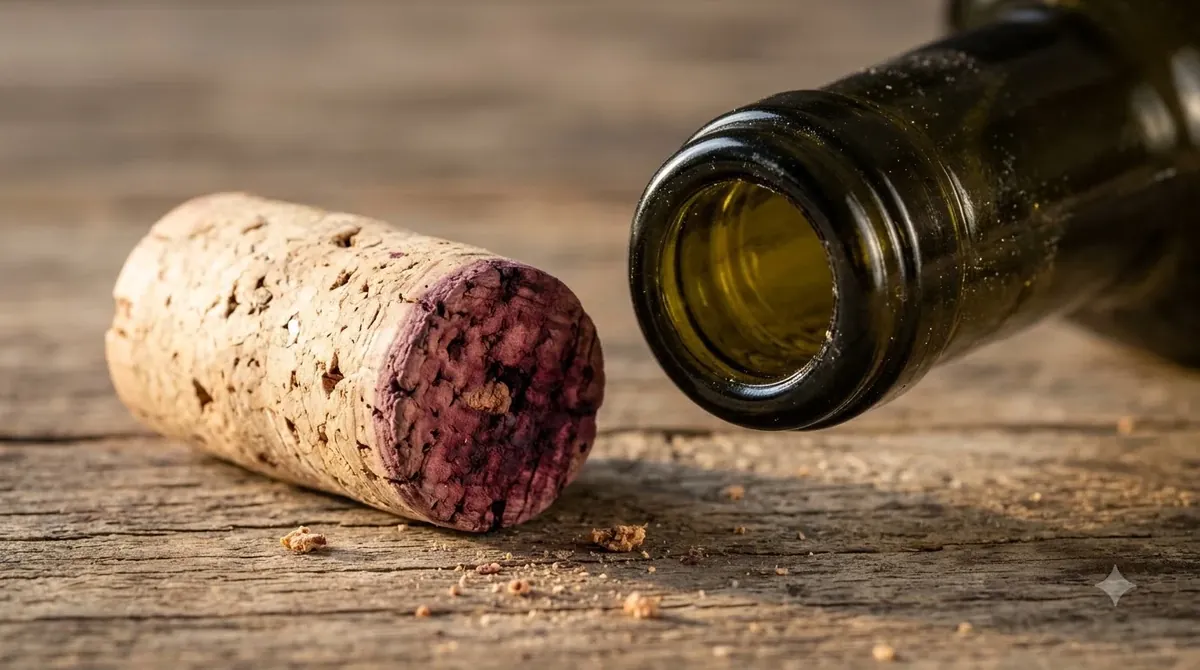
For Cabernet Sauvignon and substantial Bordeaux-style blends, a serving temperature of approximately 60 to 65 degrees Fahrenheit is a sensible starting point. This range allows the wine to show its fruit, structure, and aromatic complexity without becoming overly warm.
Young, full-bodied reds may benefit from 30 to 60 minutes of decanting, particularly when they show firm tannins or noticeable reduction after opening. More delicate Pinot Noir generally requires less aggressive aeration, and prolonged decanting may not be necessary.
Chardonnay and other fuller-bodied whites are best served around 50 to 55 degrees Fahrenheit. Riesling and lighter aromatic whites generally show better freshness around 45 to 50 degrees Fahrenheit. Serving wine too cold can mute its aromas, while excessive warmth can make alcohol more prominent.
Pairing Cabernet Sauvignon With Meat
Cabernet Sauvignon’s firm tannins make it particularly suitable for dishes containing protein and fat. Grilled beef, roasted lamb, braised short ribs, and slow-cooked beef dishes are natural partners for structured Ningxia reds.
Fat and protein help soften the perception of tannin, while roasted or grilled flavors complement the wine’s dark fruit and savory characteristics. A Cabernet-based blend can also work well with lamb seasoned with rosemary, black pepper, and garlic.
Pairing Merlot and Marselan
Merlot usually has softer tannins than Cabernet Sauvignon, making it suitable for roasted pork, grilled mushrooms, meatballs, and moderately seasoned lamb dishes. Its plum and red-fruit characteristics can complement both savory and slightly sweet ingredients.
Marselan can work with grilled beef, smoked duck, roasted vegetables, and richly flavored mushroom dishes. Its dark fruit and structure provide enough intensity for flavorful food without requiring the same level of richness as the heaviest Cabernet styles.
Pairing Ningxia White Wines
Chardonnay can complement roast chicken, creamy mushroom dishes, grilled seafood, and mild cheeses. Riesling is a particularly useful choice for dishes with acidity, herbs, or moderate spice because its naturally high acidity can refresh the palate.
Viognier works well with aromatic dishes, roasted poultry, and lightly spiced Asian-inspired preparations. Its peach and apricot character can complement aromatic ingredients, provided the dish does not overwhelm the wine.
For spicy food, avoid pairing a high-alcohol, tannic red with particularly hot chili preparations. Alcohol and tannin can amplify the sensation of heat. An aromatic white with good acidity is often a more comfortable match.
Opening and Storing Bottles
Standard still Ningxia wines follow the same storage principles as other quality still wines. Keep unopened bottles away from direct sunlight, large temperature fluctuations, and excessive heat. A cool storage environment around 55 degrees Fahrenheit is a useful target, with bottles containing natural cork generally stored on their sides.
A standard 750-milliliter bottle provides approximately five servings of 5 ounces each. After opening, most still wines can be refrigerated and consumed within approximately three to five days, depending on their structure and exposure to oxygen.
Not every Ningxia wine needs long-term cellaring. Many bottles are designed for relatively early drinking, while selected structured Cabernet Sauvignon blends may benefit from additional bottle aging. Follow the producer’s recommendations when available and consider the wine’s tannin, acidity, concentration, and vintage when deciding how long to keep it.
Frequently Asked Questions
Is Ningxia an official wine appellation?
Yes. Helan Mountain East is an officially recognized wine appellation within the Ningxia Hui Autonomous Region. Its geographical indication status provides formal recognition of the area’s wine-producing identity and helps distinguish wines associated with this specific Chinese growing region.
What does the name Ningxia mean?
Ningxia is commonly translated as peaceful summer. The name refers to the Chinese administrative region rather than a particular grape variety or wine style. Its full administrative name is Ningxia Hui Autonomous Region.
Can Ningxia wines be aged for several years?
Yes, selected premium Cabernet Sauvignon wines and structured Bordeaux-style blends can develop additional complexity in the bottle. Some flagship wines from Helan Qingxue have been released after five years of bottle aging, demonstrating the importance some producers place on maturation before release.
Does Ningxia produce organic wine?
Some Ningxia producers use organic or low-intervention vineyard practices, but the entire region should not be described as certified organic. Dry conditions can reduce certain disease pressures, although spring frost, irrigation requirements, and other environmental challenges still influence vineyard management.
How far is Ningxia from the traditional Silk Road wine routes?
Ningxia lies within the broader northwestern Chinese landscape associated with historical Silk Road connections. The area has documented evidence of grape cultivation dating back approximately 2,000 years, although the modern premium wine industry developed much more recently through commercial vineyard investment and specialized winemaking.
The Ningxia wine region has established a distinctive position in international wine through its high-altitude vineyards, Cabernet Sauvignon, and challenging continental climate. Its six subregions and growing range of producers offer considerably more diversity than its early reputation for powerful red blends might suggest. For wine enthusiasts interested in China’s evolving fine-wine industry, Ningxia is a region well worth exploring, particularly through comparisons of its Cabernet Sauvignon, Marselan, and emerging white wines.
More in Wine Regions
 Willcox Wine Trail: Discover Arizona’s High-Elevation Wine CountryUpdated Nov 20, 2026
 Yakima Valley Wine Region: Find the Best Styles to TryUpdated Nov 20, 2026
 Vosne Romanee Wine Tasting: Identify Aromas and Choose Better PairingsUpdated Nov 20, 2026
 Yakima Valley Wine Festival: Find the Best Seasonal Wine EventsUpdated Nov 20, 2026
 Wales Vineyards: Discover Cool-Climate Wines and Where to VisitUpdated Nov 20, 2026
 Yountville Wine Festival: Discover Napa Wines and Local FoodUpdated Nov 20, 2026