

We may earn a commission when you buy through links on this page, at no extra cost to you. Learn more.
Languedoc wine tasting is an opportunity to explore the diverse red blends, crisp white wines, refreshing rosés and traditional-method sparkling wines of southern France. Located along the Mediterranean coast, Languedoc combines warm-weather grape varieties with contrasting vineyard elevations, coastal breezes and varied soils. Its best-known wines include Syrah-based reds from Pic Saint-Loup, generous blends from Minervois and Corbières, and citrus-driven Picpoul de Pinet whites. Understanding these styles makes it easier to recognize regional differences and choose bottles that suit your preferences.
Southern France offers a particularly interesting tasting experience because neighboring appellations can produce noticeably different wines. A coastal white from the Thau Lagoon has little in common with a structured red from the hills of Faugères, while Limoux adds sparkling wines to the region’s broad selection. Whether you are planning a tasting at home, visiting French vineyards or looking for something new to order at a restaurant, this guide explains the grapes, appellations, flavors and serving techniques that matter most.
Understanding Languedoc’s Geography and Wine Identity
Languedoc is a large Mediterranean wine region in southern France, extending from the Spanish border toward Nîmes and from the coastline into the foothills of the Cévennes and Montagne Noire. Its geographical diversity is the starting point for understanding why its wines vary so much in flavor, structure and freshness.
The regional Languedoc appellation replaced the former Coteaux du Languedoc designation in 2007. According to the Languedoc Wines regional organization, this appellation covers approximately 7,900 hectares. The broader wine-producing area includes numerous more specific appellations, each with its own combination of grape varieties, vineyard conditions and production rules.
The Mediterranean climate brings abundant sunshine, relatively dry summers and mild conditions during much of the remaining year. These conditions generally encourage ripe fruit flavors and substantial body in red wines. However, elevation and maritime influences can moderate temperatures, allowing grapes to retain freshness. Vineyards farther inland may experience different conditions from those close to the sea.
Soil diversity is another important consideration. Clay-limestone, limestone, schist, sandstone and other geological formations appear throughout the region. These differences influence vineyard water availability, vine development and the resulting wine styles. They also help explain why two wines made primarily from Syrah or Grenache can taste quite different despite coming from the same broad geographical area.
Local vegetation provides another useful tasting reference. The term garrigue describes the aromatic Mediterranean scrubland found around many vineyards. Thyme, rosemary, lavender and other wild herbs can suggest the savory aromas commonly associated with southern French red wines. These characteristics are not present in every bottle, but they offer a useful vocabulary when describing regional styles.
Languedoc should also be distinguished from neighboring Roussillon. Both areas belong to southern France and share some grape varieties, but they have separate wine histories and appellation systems. Roussillon is particularly associated with fortified sweet wines such as Banyuls and Maury, while Languedoc offers a particularly broad selection of dry reds, whites, rosés and sparkling wines.
For a broader introduction to the country’s geographical wine classifications, the Wine Regions resource provides useful context for understanding how French appellations relate to individual vineyard areas.
Recognizing the Main Grapes and Blending Traditions
Most traditional Languedoc reds are blends built around Grenache, Syrah, Mourvèdre, Carignan and Cinsault. White wines use varieties such as Picpoul Blanc, Grenache Blanc, Clairette and Roussanne, while rosés draw on many of the same grapes used for red wines.
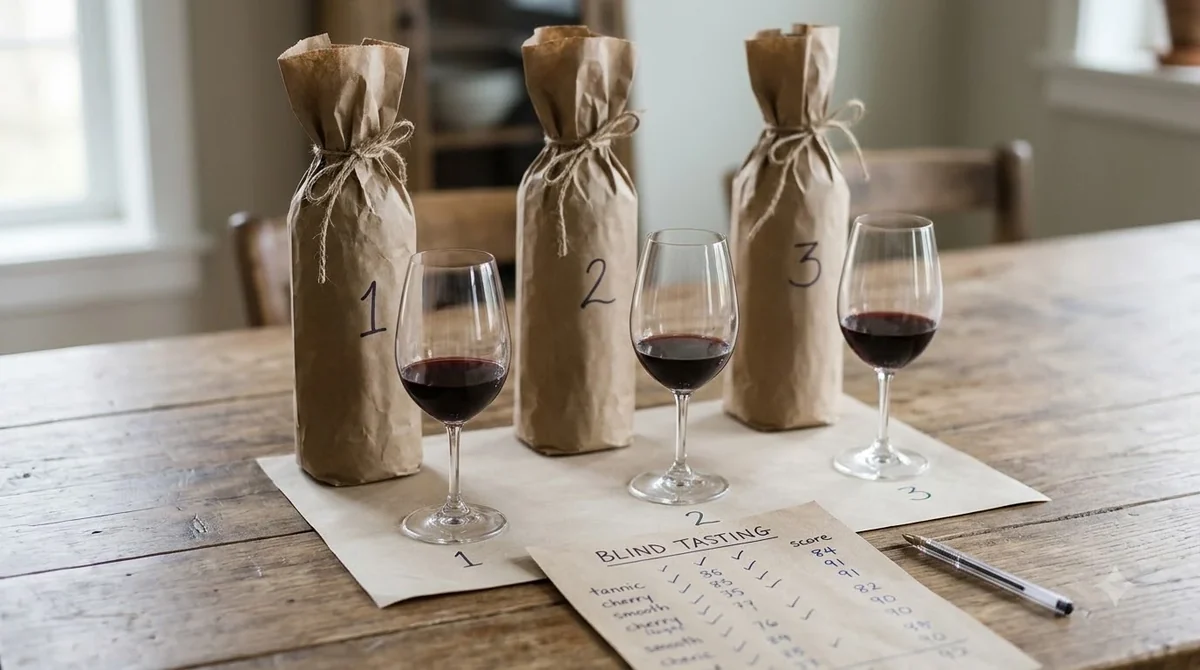
Grenache is particularly important in warm Mediterranean vineyards. It often contributes ripe red-fruit flavors, generous texture and relatively soft tannins. Depending on the growing conditions and winemaking approach, its aromas may suggest strawberry, raspberry, cherry or darker berries. It also contributes warmth and body to regional blends.
Syrah offers a different profile. Common aromas include blackberry, plum, black pepper and violet, sometimes accompanied by smoky or herbal notes. Its medium-plus to high tannin structure makes it an important component in reds intended to have more concentration and aging potential. Cooler vineyard locations can produce more restrained, savory expressions.
Mourvèdre adds structure, dark fruit and savory complexity. It can contribute firm tannins and flavors associated with black plum, herbs and earthy spices. Carignan is another traditional variety, often associated with bright acidity, darker fruit and herbal characteristics. Old-vine examples can produce particularly concentrated wines when vineyard conditions and yields are favorable.
Cinsault generally contributes lighter color, fresh red-fruit aromas and a softer structure. It is especially useful in rosé production, although it also appears in red blends. Its freshness can balance richer varieties, making the finished wine more approachable.
The white varieties deserve equal attention during a tasting. Picpoul Blanc, also called Piquepoul Blanc, is particularly important in Picpoul de Pinet. It produces dry wines with pronounced acidity and citrus characteristics. Grenache Blanc often contributes body and ripe orchard-fruit flavors, while Clairette and Bourboulenc can add freshness and aromatic complexity.
Roussanne and Marsanne contribute texture and more substantial fruit profiles. Viognier may bring floral aromas and ripe stone-fruit notes. Chardonnay and Chenin Blanc also appear in certain Languedoc wines, particularly sparkling wines from Limoux.
Blending is central to the regional identity. Instead of relying on a single variety, producers can combine grapes to balance acidity, fruit concentration, tannin and aroma. For example, a Syrah-led wine may gain roundness from Grenache, while Carignan can contribute freshness and savory character. This flexibility is one reason the region produces such a wide range of styles.
Exploring the Most Important Languedoc Appellations
Individual appellations provide the clearest way to organize a tasting. Minervois, Corbières, Pic Saint-Loup, Faugères, Saint-Chinian, Picpoul de Pinet and Limoux each offer recognizable styles, making them useful reference points when comparing bottles.
Minervois: Located around the foothills of the Montagne Noire, Minervois is particularly associated with concentrated red wines. Grenache, Syrah and Carignan are important varieties. Expect ripe berry flavors, herbs, spice and a fuller structure in many examples. The appellation also produces white and rosé wines, providing alternatives to its familiar reds.
Corbières: This large appellation encompasses mountains, valleys and areas closer to the Mediterranean. Red blends commonly combine Grenache, Syrah, Carignan and Mourvèdre. Depending on the vineyard location and blend, wines can range from relatively approachable and fruity to deeply concentrated and structured. Rosé is another important style.
Pic Saint-Loup: North of Montpellier, this appellation is particularly associated with Syrah and Grenache. Its inland position and cooler vineyard conditions can encourage aromatic freshness and more restrained expressions of Mediterranean red wine. Look for black fruit, pepper, floral aromas and herbal notes.
Faugères: Schist is an important geological feature of this appellation, which lies in the hills behind Béziers. Syrah, Grenache, Mourvèdre and Carignan contribute to reds that can show savory complexity, firm structure and mineral impressions. It is an especially interesting comparison with fuller, warmer expressions from lower-elevation areas.
Saint-Chinian: This appellation produces red, white and rosé wines. Its varied vineyard conditions include schist and clay-limestone soils, offering opportunities to compare different expressions of the region’s traditional grapes. Schist-influenced wines may feel particularly savory and structured, while other sites can produce rounder fruit profiles.
Terrasses du Larzac: This appellation, established in 2014, is known for red wines. Its inland location and vineyard elevations help distinguish it from warmer coastal sites. Syrah, Grenache and Mourvèdre are important varieties, with wines often combining dark fruit, herbs and firm structure.
Picpoul de Pinet: This coastal appellation specializes in dry white wine made from Piquepoul Blanc. Its proximity to the Thau Lagoon makes it an especially recognizable choice for seafood pairings. Expect lemon, green apple, bright acidity and a saline impression.
Limoux: Located farther inland, Limoux is especially important for sparkling wines. Blanquette de Limoux and Crémant de Limoux provide two different traditional sparkling expressions, while the area also produces still white wines.
A useful comparison is to taste a Minervois red alongside a Pic Saint-Loup red, followed by a Picpoul de Pinet white. The first two demonstrate differences in red-wine structure and regional character, while the third illustrates how dramatically the region’s style changes near the coast.
For an additional overview of the appellation system and its principal wine styles, Wine Enthusiast’s guide to Languedoc and Roussillon provides useful regional context.
Evaluating the Flavors and Structure During a Tasting
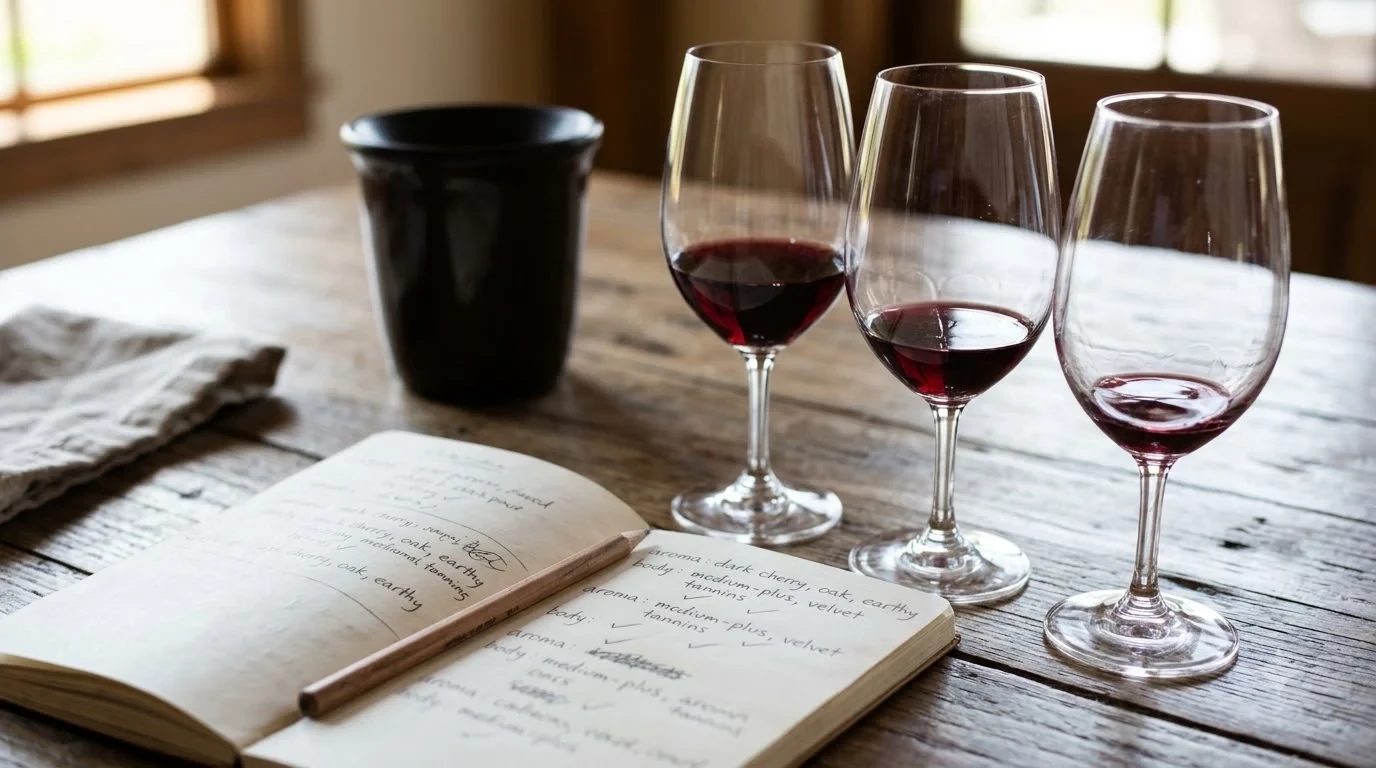
A systematic tasting helps distinguish grape characteristics from the influence of climate, soil and winemaking. Start with appearance, move to aromas, assess the wine on the palate and finish by considering its balance and overall structure.
For a red wine, observe its color and intensity before smelling it. A Syrah-led wine may have a deep ruby or purple appearance, while a Grenache-dominant blend can appear more transparent. These observations are clues rather than definitive identification methods because grape maturity, extraction and age also affect color.
Next, assess the aromas. Swirl the glass gently and look for primary fruit characteristics such as cherry, blackberry, raspberry and plum. Then consider secondary or more developed impressions, including black pepper, dried herbs, smoke, earth and spice. A wine from Faugères might suggest savory herbs and darker fruit, while a Pic Saint-Loup Syrah may show fresher berry aromas and floral notes.
The palate provides additional information. Pay attention to acidity, tannin, alcohol, body and finish. Acidity creates a refreshing sensation, while tannins create a drying or gripping sensation, particularly along the gums. Alcohol contributes warmth, and body describes the wine’s overall weight in the mouth.
For white wines, focus on freshness, fruit intensity and texture. Picpoul de Pinet commonly shows lemon, green apple and a saline character. A Grenache Blanc-based wine may have a fuller mouthfeel and ripe pear or stone-fruit impressions. A Chardonnay from Limoux can provide a useful contrast through its texture and possible oak influence.
Rosé deserves a separate tasting approach. Look beyond color because pale pink does not automatically mean delicate or light-bodied. Consider strawberry, raspberry, citrus and herbal aromas, then assess whether the acidity and fruit concentration make the wine refreshing and balanced.
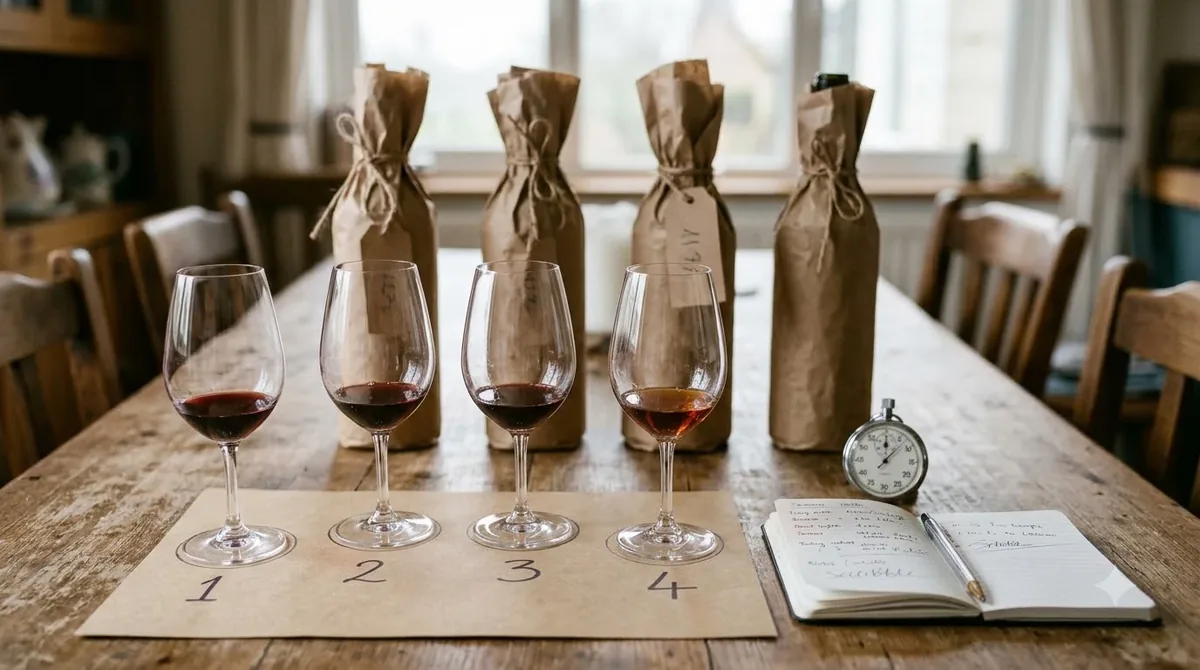
Compare wines side by side whenever possible. A flight of three reds from Minervois, Corbières and Pic Saint-Loup can reveal differences in fruit character, tannin and freshness. A second flight of Picpoul de Pinet, a Grenache Blanc blend and a Limoux Chardonnay can illustrate how white-wine texture and acidity vary across the region.
Take notes using straightforward descriptions rather than trying to identify every possible aroma. Recording whether a wine is light or full-bodied, dry or sweet, soft or tannic, and fresh or rounded creates a useful record for future comparisons.
Tip: Taste lighter-bodied wines before fuller reds, and dry wines before sweet wines. For a structured flight, begin with sparkling Limoux, continue with Picpoul de Pinet and rosé, and finish with Syrah-led reds and richer blends.
Pairing Languedoc Wines With Food
Food pairing is particularly rewarding with Languedoc wines because the region offers everything from crisp coastal whites to substantial red blends and sweet fortified styles from neighboring southern French appellations. Match the wine’s acidity, tannin, body and sweetness with the dominant characteristics of the dish.
Picpoul de Pinet is an especially natural partner for seafood. Its pronounced acidity and citrus character work well with oysters, mussels, shrimp, grilled squid and raw fish preparations. Oysters from the Thau Lagoon are a particularly appropriate regional pairing because the wine and seafood come from the same coastal area.
The wine’s acidity can also balance foods with sharp dressings. A tomato salad, for example, can work well with a fresh Picpoul because the wine has sufficient acidity to remain lively beside the dish. More textured Picpoul wines, particularly lees-aged examples, can pair with cooked fish, seafood stews and roasted white fish.
For red wines, consider the weight of the dish. Minervois and Corbières reds can work well with grilled lamb, roasted beef, duck and slow-cooked meats. Their ripe fruit and savory character complement roasted flavors, while tannins can feel softer alongside protein and fat.
Faugères and Saint-Chinian reds are good candidates for herb-seasoned dishes. Grilled lamb with rosemary, beef with black pepper and roasted vegetables can complement the wines’ savory qualities. A more structured Syrah-based wine also works with chargrilled meats, provided the dish is not excessively spicy.
Traditional southern French foods offer further opportunities. Cassoulet, with its beans and slow-cooked meats, can pair with fuller Minervois or Corbières reds. Ratatouille and grilled eggplant can complement fruit-forward reds or dry rosé, depending on the seasoning and richness of the preparation.
Rosé provides flexibility at the table. A dry Languedoc rosé can accompany grilled vegetables, seafood salads, charcuterie and Mediterranean dishes with tomatoes, olives and herbs. Its refreshing character makes it particularly useful when a meal includes several different ingredients.
Sweetness requires special attention. A sweet wine should be at least as sweet as the dessert alongside it. A dessert that is sweeter than the wine can make the wine taste thin and acidic. For sweet fruit-based desserts, choose an appropriately sweet wine rather than assuming a dry white or rosé will work.
Spicy dishes need a little more care. Alcohol and tannin can amplify chili heat, making a powerful Syrah or Mourvèdre blend less comfortable with very spicy food. A fresher, lower-alcohol white or rosé is often a more suitable choice.
Acidity is another important consideration. Foods with strong acidity need wines with equal or higher acidity to avoid making the wine seem flat. Salt and fat can soften the perception of tannin, which explains why structured red wines often work better with rich, savory meals than with delicate seafood.
One important exception is oily fish. Highly tannic reds can clash with oily fish, creating an unpleasant metallic impression. Choose a fresh white such as Picpoul de Pinet instead, particularly when serving sardines, mackerel or similar seafood.
Serving Temperatures, Glassware and Tasting Order
Correct serving temperature helps reveal the balance and aromatic character of Languedoc wines. Sparkling wines should be served cold, while full-bodied reds generally benefit from slightly cooler temperatures than many people expect.
The following temperatures provide practical starting points for a tasting. They are useful across the main Languedoc styles, although individual wines may benefit from small adjustments.
| Wine style | Serving temperature | Typical tasting characteristics |
|---|---|---|
| Blanquette de Limoux | 40–50°F | Fresh acidity, bubbles and orchard fruit |
| Crémant de Limoux | 40–50°F | Fine bubbles and citrus or apple notes |
| Picpoul de Pinet | 45–50°F | Lemon, green apple and saline freshness |
| Grenache Blanc blends | 45–50°F | Orchard fruit and herbal character |
| Fuller white blends | 50–55°F | Richer texture and ripe fruit |
| Dry Languedoc rosé | 45–50°F | Red berries and refreshing acidity |
| Light-bodied reds | 55–60°F | Fresh red fruit and moderate tannin |
| Full-bodied reds | 60–65°F | Dark fruit, spice and firmer tannins |
Serving white wines too cold can suppress their aromas, while serving red wines too warm can make alcohol seem more prominent and reduce the perception of freshness. A bottle of Picpoul de Pinet should be chilled before serving, while a substantial Minervois red generally benefits from a little time outside the refrigerator if it has been stored cold.
For glassware, a medium-sized white-wine glass is appropriate for Picpoul de Pinet and most lighter white blends. A larger bowl can help reveal the aromas of fuller white wines and structured reds. Sparkling wines can be served in tulip-shaped glasses that retain bubbles while allowing aromas to develop.
Decanting depends on the wine. Young, full-bodied reds may benefit from 30 to 60 minutes of aeration, particularly when they have noticeable tannin or concentrated fruit. Lighter reds generally need less preparation. Older wines should be handled more carefully because prolonged exposure to air can diminish delicate aromas.
A 750-milliliter bottle provides approximately five standard 5-ounce tasting pours. For a group tasting, smaller pours can allow participants to compare several wines without serving excessive quantities. Water and plain bread can help reset the palate between contrasting samples.
Storage also matters. Unopened bottles are best kept on their sides in a stable environment near 55°F, away from direct sunlight and major temperature fluctuations. Once opened, sparkling wines generally retain their best character for approximately one to three days in the refrigerator, while still wines commonly last three to five days when properly sealed and chilled.
For a structured tasting, arrange the wines from lightest to fullest. Begin with Blanquette de Limoux or Crémant de Limoux, continue with Picpoul de Pinet, move to rosé and lighter reds, and finish with fuller Syrah and Mourvèdre blends.
Planning a Languedoc Wine-Tasting Experience
A successful tasting does not require visiting every appellation. Choosing two or three contrasting areas provides a better introduction than trying to cover the entire region in a short visit.
Montpellier is a useful starting point for exploring Pic Saint-Loup. The appellation lies north of the city, where vineyards benefit from cooler inland conditions. Visitors interested in Syrah can compare several local producers and look for differences in fruit intensity, floral aromas and tannin.
Clermont-l’Hérault provides a convenient base for exploring Terrasses du Larzac. The area offers opportunities to understand how elevation and inland conditions influence red-wine structure. A comparison between a Terrasses du Larzac red and a coastal Corbières blend can demonstrate the effect of different vineyard environments.
For white-wine enthusiasts, Sète and Mèze are useful bases for visiting the Picpoul de Pinet area. The vineyards near the Thau Lagoon offer a different experience from the inland red-wine districts. The nearby oyster-growing area around Bouzigues also provides an opportunity to experience the traditional seafood pairing.
Travelers interested in Minervois and Corbières can consider Narbonne or Carcassonne as bases. These areas offer access to vineyards, historic villages and the landscapes associated with the region’s red blends. Tasting wines from both appellations provides a useful introduction to the differences between their fruit profiles and structures.
Béziers is another practical starting point for visiting Faugères and Saint-Chinian. The contrast between schist-influenced vineyards and clay-limestone sites makes this area particularly interesting for visitors who want to understand the relationship between geology and wine style.
Limoux deserves a separate visit for sparkling wine enthusiasts. Its traditional-method wines offer a useful comparison with Champagne and other European sparkling regions. Blanquette de Limoux emphasizes Mauzac, while Crémant de Limoux allows Chardonnay, Chenin Blanc and Pinot Noir to play important roles.
When arranging estate visits, contact wineries ahead of time to confirm tasting availability, languages, appointment requirements and opening schedules. Harvest periods can be particularly busy, so advance arrangements are useful. Smaller family wineries may operate on limited visiting hours rather than maintaining a continuously open tasting room.
At each stop, ask which grapes dominate the wines, how the vineyard’s elevation affects ripening, and whether the producer uses oak or stainless steel. These questions help turn a sequence of tastings into a more informative regional comparison.
It can also be useful to compare southern French wine regions with other European destinations. For example, Alsace wine tasting provides a contrast through its emphasis on aromatic white varieties, while Bolgheri wine tasting offers another perspective on Mediterranean climate and international grape varieties. These comparisons make regional differences easier to recognize.
For visitors interested in wines outside Europe, Willcox wine tasting in Arizona offers another useful comparison of warm-climate viticulture. Looking at different regions side by side can reveal how grape variety, elevation, soil and winemaking choices shape the finished wine.
For practical information about the coastal appellation, the official Picpoul de Pinet regional profile explains its permitted grape variety, geographical location and vineyard characteristics.
Frequently Asked Questions
What is the difference between Languedoc AOP and Pays d’Oc IGP?
Languedoc AOP wines follow appellation-specific production rules governing geographical origin and permitted grape varieties. Pays d’Oc IGP offers producers broader flexibility in grape selection and labeling, including greater use of international varieties. Both classifications can include good wines, but they communicate different production frameworks rather than guaranteeing a particular level of quality.
Is Languedoc wine suitable for aging?
Some structured Languedoc reds can develop positively over several years, particularly wines from established producers and concentrated vineyard sites. Higher-end examples from Terrasses du Larzac, Pic Saint-Loup, Minervois-La-Livinière and Corbières-Boutenac may develop more complex savory and earthy characteristics with bottle age. Lighter whites and many everyday rosés are generally intended for earlier drinking.
What is the difference between Blanquette de Limoux and Crémant de Limoux?
Blanquette de Limoux emphasizes Mauzac, a traditional white grape associated with the Limoux area. Crémant de Limoux uses a different blend that can include Chardonnay, Chenin Blanc, Mauzac and Pinot Noir. Both are traditional-method sparkling wines, meaning their second fermentation takes place in the bottle.
What does garrigue mean in a Languedoc tasting note?
Garrigue refers to the aromatic scrubland vegetation common in Mediterranean landscapes. In wine descriptions, the term suggests herbal and savory impressions associated with plants such as thyme, rosemary and lavender. It describes an aromatic impression rather than a grape variety or a regulated production technique.
Why do some Languedoc wines use grape names instead of appellations?
Many IGP wines, including Pays d’Oc selections, identify grape varieties prominently on their labels. This approach makes it easier for consumers to recognize familiar varieties such as Chardonnay, Merlot and Cabernet Sauvignon. Appellation wines, by contrast, emphasize geographical origin and compliance with the relevant regional production rules.
Languedoc offers one of southern France’s most varied wine experiences, bringing together Mediterranean red blends, fresh coastal whites, rosés and traditional sparkling wines. Start with Picpoul de Pinet, Minervois and Pic Saint-Loup to experience three distinct regional expressions, then explore Faugères, Corbières and Limoux for further contrasts. Understanding the grapes, geography and serving styles will make every tasting more informative and help you discover the wines that best suit your palate.
More in Wine Regions
 Willcox Wine Trail: Discover Arizona’s High-Elevation Wine CountryUpdated Nov 20, 2026
 Yakima Valley Wine Region: Find the Best Styles to TryUpdated Nov 20, 2026
 Vosne Romanee Wine Tasting: Identify Aromas and Choose Better PairingsUpdated Nov 20, 2026
 Yakima Valley Wine Festival: Find the Best Seasonal Wine EventsUpdated Nov 20, 2026
 Wales Vineyards: Discover Cool-Climate Wines and Where to VisitUpdated Nov 20, 2026
 Yountville Wine Festival: Discover Napa Wines and Local FoodUpdated Nov 20, 2026