

We may earn a commission when you buy through links on this page, at no extra cost to you. Learn more.
The Lake County wine festival is a community celebration of handcrafted wine, beer, live music, food, and local artisans in Lake County, California, with proceeds supporting music education and the Lake County Symphony Association. The annual Lake County WINEFEST brings together amateur winemakers, local businesses, musicians, and visitors for a relaxed day of entertainment and wine tasting. Visitors can also explore the county’s established wineries, distinctive volcanic vineyards, and other wine-focused events throughout the year.
Lake County offers a different kind of California wine-country experience. Located north of Napa Valley, the region combines scenic landscapes, volcanic soils, family-run wineries, and a strong community spirit. Its WINEFEST is particularly interesting because it celebrates homemade wines alongside local food, craft vendors, and musical performances rather than focusing exclusively on commercial wine producers. Understanding the festival, its charitable purpose, and the surrounding wine region helps visitors plan a more rewarding trip.
What to Expect at Lake County WINEFEST
Lake County WINEFEST is a community-centered event that brings together wine enthusiasts, home winemakers, food vendors, artisans, and musicians. Its combination of free general admission, optional tasting experiences, and live entertainment makes it accessible to visitors who want more than a traditional winery visit.
The festival is organized around the idea of making wine for music. The Lake County Symphony Association benefits from the event’s proceeds, helping fund programs that bring music education and performance opportunities to the local community. This charitable connection gives the celebration a distinct identity among California wine events.
The 2026 celebration took place on June 13. The organizers described it as a successful gathering featuring live music, delicious food, artisan vendors, silent auction baskets, and handcrafted wine and beer. General admission was free, while attendees aged 21 and older could purchase wine and beer tasting tickets.
Visitors should understand that WINEFEST is not simply a collection of commercial winery tasting rooms. Amateur winemakers play an important role, sharing their personal creations with the public. The event also provides an opportunity to meet people who enjoy making wine as a hobby and to learn more about the creative process behind small-batch production.
Another highlight is the festival’s blind wine judging competition. Participants submit wines in different categories, and judges evaluate the entries without relying on producer names or recognizable labels. The results celebrate the skill and experimentation of local home winemakers.
For visitors, the atmosphere is generally more community-oriented than a formal wine auction or trade tasting. People can enjoy music, browse handmade goods, sample local food, and learn about different wine styles in one setting. It is particularly suitable for travelers interested in experiencing the local culture rather than spending an entire afternoon comparing premium winery releases.
Festival Dates, Admission, and Tasting Arrangements
Lake County WINEFEST is an annual event, but its date and individual activities can change between editions. The 2026 celebration was held on June 13, with free general admission and separately available wine and beer tasting tickets for guests aged 21 and older.
Because the 2026 event has passed, visitors planning a future trip should look for the next official announcement instead of assuming that the same June date, schedule, or ticket arrangements will apply. The official Lake County WINEFEST website is the most useful place to check announcements, competition results, participation details, and festival information.
Free general admission does not necessarily mean that every activity is included. The 2026 event distinguished between entering the festival and purchasing tickets for alcoholic beverage tastings. Visitors should account for this difference when planning their day.
Age requirements are another important consideration. Wine and beer tasting participation was restricted to guests aged 21 and older. Anyone planning to sample alcoholic beverages should bring valid identification and follow the event’s current entry and tasting policies. General admission arrangements should also be checked before bringing children or other guests who do not intend to taste wine.
Unlike a ticketed winery tour, a community festival allows visitors to spend time exploring different activities at their own pace. Someone interested in music can concentrate on performances, while a wine enthusiast can spend more time learning about the competition entries and speaking with participating winemakers.
For a comfortable visit, arriving early is a practical approach. It allows time to find parking, understand the festival layout, explore vendor stalls, and plan which activities to attend. Visitors who arrive later may still enjoy the atmosphere, but popular food vendors and certain scheduled activities can attract larger crowds.
Tip: Before traveling, confirm the next festival date, tasting-ticket arrangements, venue address, parking information, and age requirements directly with the organizers. Do not assume that the previous year’s schedule automatically carries over to the next edition.
Wine Styles and the Blind Judging Competition
One of the most distinctive features of Lake County WINEFEST is its blind wine judging competition. Rather than concentrating exclusively on established winery brands, the competition recognizes the efforts of local home winemakers and showcases a broad range of wine styles.
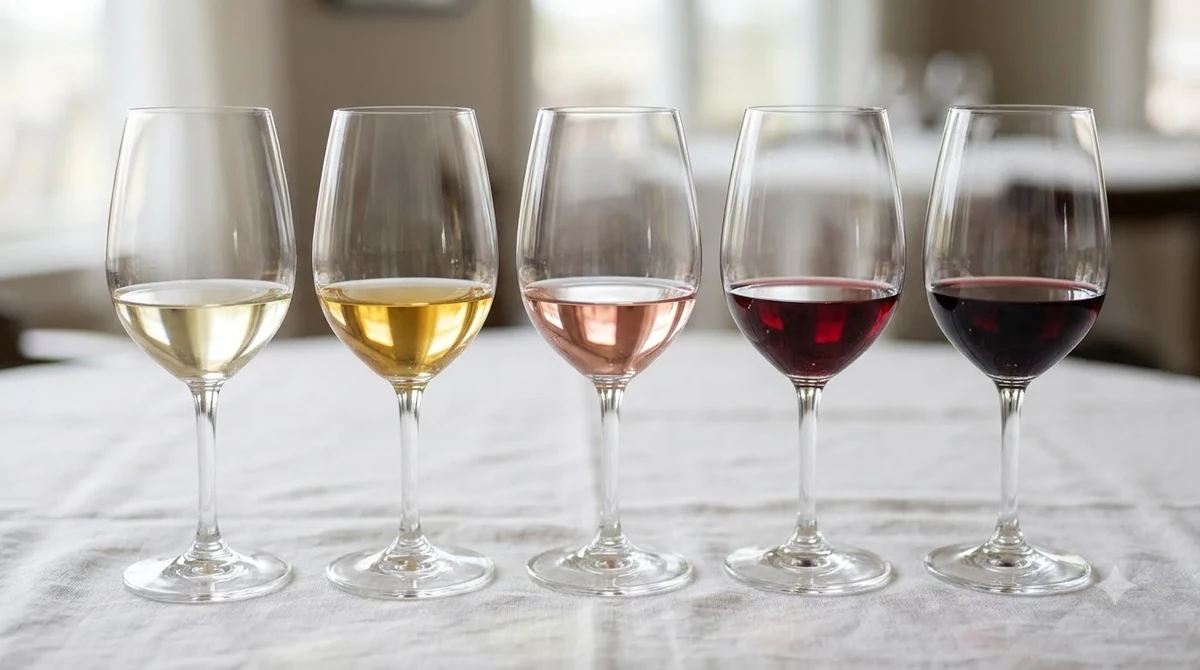
The 2026 competition included eight broad categories: Sauvignon Blanc, other white, rosé, Syrah, Zinfandel, Petite Sirah, other red, and dessert wine. This selection gives visitors a useful introduction to the diversity of wines that can be produced by small-scale winemakers.
White wine entries provide an opportunity to explore fresh, aromatic styles. Sauvignon Blanc is particularly relevant because Lake County has a strong reputation for the variety. Depending on its growing conditions and winemaking approach, Sauvignon Blanc can display citrus, green apple, herbal, and tropical fruit characteristics.
Rosé offers another style worth exploring. Its lighter body and refreshing acidity make it suitable for warm-weather gatherings, appetizers, and outdoor meals. The category also demonstrates how red grape varieties can be used to create wines with a different color, texture, and flavor profile.
The red wine categories introduce visitors to several varieties associated with California winemaking. Syrah can offer dark fruit, pepper, and savory notes. Zinfandel commonly displays ripe berry fruit and spice, while Petite Sirah is generally recognized for its deep color, concentrated fruit, and substantial tannin.
Dessert wine adds a different dimension to the competition. These wines can range from lightly sweet styles to richer, more concentrated examples. Their sweetness makes them particularly interesting alongside fruit desserts, pastries, and blue cheese.
Blind judging is useful because it encourages attention to the wine itself. Without prominent labels or producer reputations influencing the first impression, judges can concentrate on characteristics such as aroma, balance, acidity, texture, and finish. The process also gives amateur producers recognition for their work.
The 2026 results included gold, silver, and bronze awards in several categories. These awards were presented across the competition’s wine styles, recognizing entries from individual home winemakers and wine clubs. Visitors interested in particular categories can use the published results to understand which styles received recognition at that edition.
Understanding Lake County’s Wine Region
Lake County’s wine identity is closely connected to its volcanic geology, mountain elevations, and distinctive growing conditions. The region has more than 160 winegrowers and over 30 wineries according to the Lake County Winery Association, giving visitors a substantial selection of wine experiences beyond the annual community festival.
Mount Konocti is an important geographical feature. The association describes the surrounding landscape as having volcanic soils, warm days, cool nights, and consistent breezes from nearby mountains. Clear Lake also contributes cooling influences that help shape local vineyard conditions.
Volcanic soils are particularly interesting because they vary considerably from one vineyard site to another. The region includes volcanic rock, volcanic-derived alluvial material, and different soil compositions influenced by elevation and local geography. These variations contribute to differences in vineyard performance and the character of individual wines.
Lake County also has nine recognized American Viticultural Areas, or AVAs. These designated wine-growing areas help identify distinct geographical and growing environments within the larger county.
| Lake County AVA | Regional significance |
|---|---|
| Clear Lake | Wine-growing area associated with the county’s central lake environment |
| High Valley | Elevated growing area with volcanic influences |
| Guenoc Valley | Distinct valley wine-growing area |
| Red Hills–Lake County | Known for its volcanic landscape and red soils |
| Big Valley District–Lake County | Recognized growing district near Kelseyville |
| Kelsey Bench–Lake County | Distinct benchland growing area |
| Upper Lake Valley | Wine-growing area in the northern county |
| Long Valley–Lake County | Recognized valley appellation |
| Benmore Valley | Distinctive wine-growing area within Lake County |
These nine AVAs illustrate why Lake County should not be treated as one uniform vineyard environment. Different elevations, soil profiles, and microclimates influence how grapes develop. For wine enthusiasts, comparing bottles from different appellations can provide a more detailed understanding of the region.
The principal grape varieties include Cabernet Sauvignon, Sauvignon Blanc, Petite Sirah, Cabernet Franc, and Tempranillo. Cabernet Sauvignon is especially interesting for visitors who enjoy structured red wines, while Sauvignon Blanc provides a contrasting option with brighter acidity and fresher fruit characteristics.
For a broader introduction to the county’s growing areas and local producers, exploring the Lake County vineyards is a useful next step. It can help visitors identify tasting destinations and decide which parts of the region deserve additional time.
Wineries to Explore During a Lake County Visit
The festival offers an introduction to the local wine community, but visiting individual wineries provides a more detailed picture of Lake County’s production styles. The county includes tasting destinations in several towns, including Kelseyville, Clearlake Oaks, Lower Lake, Middletown, and Lakeport.
Brassfield Estate Winery is located in Clearlake Oaks at 10915 High Valley Road. It is a useful destination for travelers interested in the High Valley area and the influence of elevation on regional wines. Its location also makes it a natural starting point for exploring the northern side of Lake County’s wine country.
Chacewater Winery & Olive Mill, at 5625 Gaddy Lane in Kelseyville, offers a combination of wine and olive oil experiences. Visitors interested in local agricultural products can make this a particularly appealing stop. The property’s location also makes it convenient to explore other Kelseyville destinations.
Gregory Graham Wines is located at 13633 Point Lakeview Road in Lower Lake. The winery’s listed varieties include Cabernet Sauvignon, Chardonnay, Sauvignon Blanc, and Syrah. This selection gives visitors the opportunity to compare white and red wines within a single tasting destination.
Other notable producers include Fore Family Vineyards, Langtry Farms, Six Sigma Ranch, Domaine Helena, and Wild Diamond Vineyards. These wineries have appeared in Lake County wine events and regional winery listings, helping demonstrate the diversity of local producers.
Six Sigma Ranch is particularly interesting for Cabernet Sauvignon enthusiasts. Visit California highlights its Cabernet Sauvignon and Tempranillo, including fruit from the Diamond Mine Vineyard, where volcanic quartz is a distinctive feature of the soil.
Cache Creek Vineyards in Clearlake Oaks is another option for visitors interested in Chardonnay. Regional tourism information describes its Chardonnay as showing pear characteristics. Meanwhile, Shannon Ridge is associated with Sauvignon Blanc and offers another perspective on the county’s white wine production.
Travelers should avoid trying to visit too many wineries in one afternoon. The distances between communities and vineyard properties can make a rushed itinerary less enjoyable. Two or three carefully selected tasting destinations provide more time for conversations, wine education, and appreciation of the surrounding landscape.
Opening hours, tasting policies, and appointment requirements vary by property. Confirm these details before setting out, particularly if traveling on a weekday or during a major local event.
Other Lake County Wine Events and Seasonal Experiences
Lake County’s wine calendar extends beyond WINEFEST. Winery associations and individual producers organize additional events that provide opportunities to meet winemakers, explore vineyard sites, and compare different stages of wine development.
One example is Barrels & Verticals, an event organized by the Lake County Winery Association. Its format combines barrel tastings with vertical tastings at participating wineries. Barrel tasting allows visitors to sample wines while they are still developing, while vertical tasting compares different vintages of the same wine or producer.
The 2026 Barrels & Verticals event was scheduled for February 28, from 11 a.m. to 5 p.m. Participating properties included Brassfield Estate Winery, Fore Family Vineyards, Domaine Helena, Gregory Graham Winery, Langtry Farms, Martin Pohl Wines, Mt. Konocti Winery, Six Sigma Ranch, and other regional producers.
This type of event differs from WINEFEST in both format and focus. WINEFEST emphasizes community participation, amateur winemaking, entertainment, and charitable fundraising. Barrels & Verticals concentrates more directly on winery visits, wine development, and comparisons between vintages.
Seasonal travel can also add variety to a Lake County wine trip. The September Kelseyville Pear Festival is one example of a community celebration that highlights local agricultural products and includes tastings, pear-packing contests, and mule-drawn wagon rides.
Clear Lake provides another reason to extend a visit. As California’s largest freshwater lake located entirely within the state, it offers opportunities for fishing, boating, and other water-based activities. Visitors can combine a morning outdoors with afternoon wine tasting, creating a varied itinerary.
For people interested in regional wine celebrations beyond California, the Loudoun County wine festival and Amador County wine festival offer useful comparisons. Each destination has its own local producers, agricultural traditions, and event atmosphere.
Planning Transportation, Food, and Accommodation
A successful Lake County wine trip requires some advance planning because tasting destinations are spread across multiple communities. Visitors should organize their winery stops geographically, arrange transportation before tasting, and allow enough time to enjoy local food and outdoor attractions.
Kelseyville is a practical area to consider when planning a visit because it has several wineries and access to other local attractions. Clearlake Oaks and Lower Lake provide additional options for visitors exploring different parts of the county. Lakeport is another useful base for travelers who want access to the waterfront and regional services.
Designated drivers are especially important for wine-country visits. Guests planning to sample several wines should arrange a sober driver, private transportation, or another suitable option before beginning their itinerary. Distances between properties can make walking from one tasting room to another impractical.
Food is another important part of the experience. Visit California highlights Lake County’s farm-to-table dining scene, including local pears and agricultural produce. Park Place in Lakeport is known for pear-and-gorgonzola pizza, while Saw Shop Public House features locally influenced comfort food.
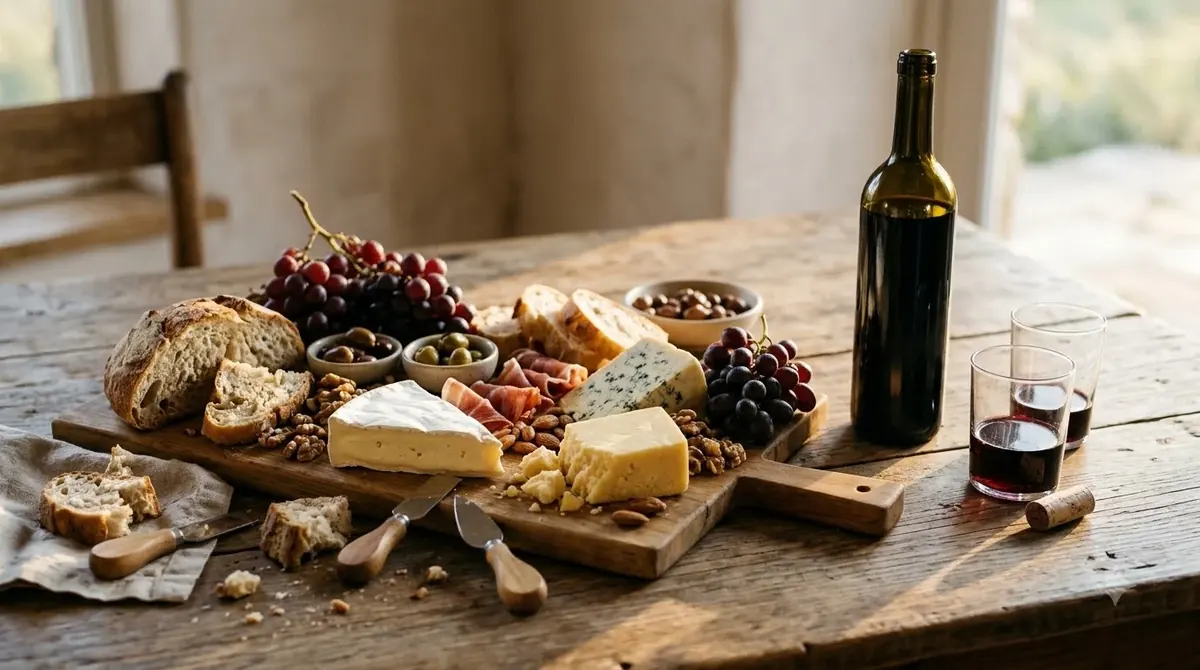
These dishes can also provide interesting wine-pairing opportunities. Sauvignon Blanc’s high acidity works well with many fresh vegetable dishes and tangy cheeses. Chardonnay can complement richer poultry preparations, while Pinot Noir and other lighter-bodied reds can work with roasted vegetables and mushroom-based dishes.
When selecting wine for a meal, remember that food acidity should be matched by equal or greater wine acidity. Salty and fatty dishes can soften the perception of tannin, while spicy foods may make high-alcohol wines feel hotter. These principles are useful when choosing bottles to enjoy after a day of tasting.
Accommodation choices include hotels, independent lodging, vineyard-adjacent stays, and outdoor accommodations. The Lake County Winery Association has highlighted properties such as Bed & Barrel at Stonehouse Cellars, the Villas at Thorn Hill Vineyards, Suites on Main in Kelseyville, and the Tallman Hotel in Upper Lake in connection with wine-event travel planning.
Booking accommodation near the areas you intend to visit can reduce driving time and make the trip more relaxed. For a weekend itinerary, consider arriving the evening before a festival, attending the main event the following day, and reserving another day for individual winery visits or outdoor activities.
Visitors who want to explore more than one regional wine destination can also consult broader wine regions information to understand how Lake County compares with other California appellations and wine-growing areas.
Frequently Asked Questions
Is Lake County WINEFEST the same as the Lake County Barrels & Verticals event?
No. WINEFEST is a community celebration featuring homecrafted wine, beer, music, food, and artisan vendors. Barrels & Verticals is a separate winery-focused event organized by the Lake County Winery Association. Their formats and participating producers differ.
Can visitors purchase wine directly from home winemakers?
The festival highlights handcrafted wines made by amateur producers, but individual sales arrangements depend on the organizer’s rules and applicable licensing requirements. Visitors should ask the event organizers about purchasing opportunities rather than assuming every competition entry is available for sale.
What is the largest lake near Lake County’s wine country?
Clear Lake is the major lake associated with the region. It covers approximately 68 square miles, although its surface area varies with water levels. It is also California’s largest natural freshwater lake located entirely within the state.
Does Lake County have wineries producing organic wine?
Yes. The Lake County Winery Association describes producers working with organic winegrowing practices, including vineyard management that uses sheep to control cover crops. The association also highlights native yeast fermentation and other experimental cellar practices among local producers.
What is the best way to compare Lake County wine appellations?
Compare wines made from the same grape variety across different AVAs, paying attention to producer, vintage, acidity, tannin, and alcohol level. For example, tasting Cabernet Sauvignon from High Valley and Red Hills–Lake County can provide a useful starting point for understanding differences between vineyard environments.
Lake County WINEFEST offers an engaging introduction to a wine community built around local creativity, handcrafted wines, and support for music education. Beyond the festival, the county’s nine AVAs, volcanic landscapes, and diverse wineries provide plenty of reasons to plan a longer visit. Whether attending a community celebration or exploring individual tasting rooms, visitors can discover a distinctive side of California wine country.
More in Wine Regions
 Willcox Wine Trail: Discover Arizona’s High-Elevation Wine CountryUpdated Nov 20, 2026
 Yakima Valley Wine Region: Find the Best Styles to TryUpdated Nov 20, 2026
 Vosne Romanee Wine Tasting: Identify Aromas and Choose Better PairingsUpdated Nov 20, 2026
 Yakima Valley Wine Festival: Find the Best Seasonal Wine EventsUpdated Nov 20, 2026
 Wales Vineyards: Discover Cool-Climate Wines and Where to VisitUpdated Nov 20, 2026
 Yountville Wine Festival: Discover Napa Wines and Local FoodUpdated Nov 20, 2026