

We may earn a commission when you buy through links on this page, at no extra cost to you. Learn more.
For elgin wine tasting, South Africa’s Elgin Valley offers an opportunity to explore fresh Sauvignon Blanc, finely balanced Chardonnay, and elegant Pinot Noir at wineries surrounded by orchards and mountain slopes. The valley lies approximately 70 kilometers southeast of Cape Town, on an elevated plateau cooled by maritime air. Its slow-ripening conditions help preserve acidity while allowing grapes to develop flavor. Plan a few focused stops, compare the region’s signature varieties, and leave time to enjoy the valley itself.
Elgin is a distinctive South African wine region with a cool-climate identity, crisp whites, delicate reds, and a long history of fruit growing. A good tasting day is less about collecting as many pours as possible and more about noticing how altitude, vineyard position, and winemaking choices shape each glass. The following guide explains what to taste, where to go, and how to organize a relaxed visit.
Why Elgin’s Cool Climate Matters
Elgin’s position helps explain why its wines often taste fresh and measured rather than heavy. The valley sits roughly 70 kilometers southeast of Cape Town, with vineyards commonly planted between 250 and 500 meters above sea level, while nearby mountains and coastal air moderate temperatures.
The regional landscape is an elevated basin ringed by mountains, with the Kogelberg Biosphere close to the vineyards. Cool southeast winds and cloud cover can slow ripening, extending the time grapes remain on the vine. That longer season gives growers more opportunity to develop aroma and flavor while retaining natural acidity, a defining feature in many Elgin whites and Pinot Noirs.
Soils add another layer of variation. The Wines of Elgin regional association describes a mix of Table Mountain sandstone and Bokkeveld shale, ancient sedimentary formations deposited roughly 375 to 500 million years ago. These soils are generally nutrient-poor, and the valley’s rolling hills create differences in drainage, exposure, and temperature from one site to another. One winery’s Chardonnay may therefore feel taut and citrus-led, while another has more texture or a broader impression of ripe orchard fruit.
Elgin is also an agricultural valley, not a continuous carpet of vines. Apple and pear orchards, vineyards, and pine plantations share the landscape, so a tasting route often includes scenic drives between farms. The Wines of Elgin regional overview provides further details about its climate, geology, and biodiversity.
Which Grapes to Taste in Elgin
Start with Sauvignon Blanc, Chardonnay, and Pinot Noir, the varieties most closely associated with Elgin’s cool-climate character. The Wines of Elgin association reports that Sauvignon Blanc accounts for 38 percent of plantings, Chardonnay 18 percent, Pinot Noir 17 percent, and Shiraz 7 percent.
Sauvignon Blanc is a natural first pour. Look for bright acidity and flavors that may suggest citrus, green apple, herbs, or freshly cut grass. Some examples are made in a clean stainless-steel style, while others gain texture or complexity from lees contact, barrel fermentation, or blending with Sémillon. The contrast is useful: taste two wines side by side and notice whether the fruit seems lean and direct or broader and more layered.
Chardonnay is one of the region’s calling cards. Cool conditions can give it a firm line of acidity and flavors ranging from lemon and pear to stone fruit. Winemaking choices matter: a stainless-steel or lightly oaked Chardonnay may emphasize freshness, while barrel fermentation, malolactic fermentation, and lees aging can contribute creamy texture, subtle spice, or a rounded finish. Decanter’s regional profile of Elgin also identifies Chardonnay as a leading regional strength and discusses how cooler sites help preserve freshness.
Pinot Noir is the red grape to seek out when you want to understand Elgin’s cooler side. Expect a lighter color and gentler tannins than in Cabernet Sauvignon or many Syrah wines, with red-cherry, raspberry, forest-floor, or savory notes depending on the producer and vintage. Riesling is also worth ordering, especially if you enjoy aromatic whites with high acidity; Syrah, Merlot, Chenin Blanc, Sémillon, and rosé broaden the picture. To compare Elgin with a different cool-climate European region, explore Alsace wine tasting.
Where to Go for Elgin Wine Tasting
Elgin has a useful mix of walk-in tasting rooms and smaller producers that require an appointment. For a first visit, choose two or three estates with different strengths rather than trying to cover every address in one day.
Charles Fox, at 89 Valley Road, is a useful stop for sparkling wine, with a range that includes Cap Classique styles. Elgin Vintners is at Ridgelands Gate on Appletiser Road and lists Sauvignon Blanc, a Sauvignon Blanc–Sémillon blend, Chardonnay, Pinot Noir, Syrah, and Merlot. Its spread makes it a good place to compare several grape varieties in one sitting.
Oak Valley, off the R321 at 127 Oak Avenue, lists Sauvignon Blanc, Riesling, Chardonnay, and Pinot Noir. Paul Clüver Family Wines, just off the N2 behind Kromco, also focuses on Chardonnay, Pinot Noir, Sauvignon Blanc, and Riesling. Highlands Road, at 75 Highlands Road, offers an especially broad range, including Sauvignon Blanc, Riesling, Chardonnay, Pinot Noir, and a Noble Late Harvest wine. These are distinct options: choose Oak Valley or Paul Clüver for a focused cool-climate flight, or Highlands Road for a wider survey.
| Estate | Published tasting hours | Styles to look for |
|---|---|---|
| Charles Fox | Daily, 10 a.m.–4 p.m. | Cap Classique sparkling wines |
| Elgin Vintners | Wednesday–Sunday, 10 a.m.–4 p.m. | Sauvignon Blanc, Chardonnay, Pinot Noir, Syrah |
| Oak Valley | Weekdays, 9 a.m.–5 p.m.; weekends, 10 a.m.–4 p.m. | Sauvignon Blanc, Riesling, Chardonnay, Pinot Noir |
| Paul Clüver | Monday–Thursday, 9 a.m.–5 p.m.; Friday–Sunday, 10 a.m.–4 p.m. | Chardonnay, Pinot Noir, Sauvignon Blanc, Riesling |
Hours and tasting arrangements can change, and some producers on the regional directory are appointment-only. Check directly before setting out, especially for Iona on weekends or smaller labels such as Kershaw Wines, Lothian Vineyards, and Shannon Vineyards. The Wines of Elgin tasting-room directory distinguishes public tasting rooms from appointments and lists contact details, addresses, and wine ranges.
How to Plan a Relaxed Tasting Day
A satisfying Elgin itinerary usually includes two or three seated tastings, a meal break, and enough driving time to enjoy the valley’s winding roads. Start with the opening hours rather than building a route around a long list of winery names.
For a simple first-time route, choose one estate with a broad range, such as Elgin Vintners or Highlands Road, then add a specialist stop. Charles Fox can provide a sparkling-wine comparison; Oak Valley or Paul Clüver can deepen a Chardonnay and Pinot Noir focus. If you prefer to explore smaller producers, make an appointment before traveling to addresses listed under the regional directory’s by-appointment section. Those visits may not have the same walk-in format as the larger tasting rooms.
Allow about 60 to 90 minutes for a seated tasting and estate visit, then leave a buffer between appointments. This is a planning allowance, not a guarantee of how long each venue takes. A host may offer a short flight, a vineyard explanation, or a chance to compare several vintages, and a leisurely meal can turn a rushed sequence of stops into a more memorable day. If you are traveling with a group, agree on a designated driver or arrange transportation before the first tasting.
Book ahead for weekends, public holidays, and larger groups. Confirm the tasting format, whether food is available, the number of wines included, and whether the appointment is indoors or outdoors. Also ask about accessibility and any age or group policies that affect your party. If a favorite producer is not open for walk-ins, choose another public tasting room nearby rather than assuming the cellar door will be able to accommodate an unplanned arrival. Travelers building a wider South African itinerary can compare the warmer desert-influenced setting of Willcox wine tasting as a separate regional experience, or browse the broader Wine Regions collection for other destinations.
How to Taste and Serve Elgin Wines
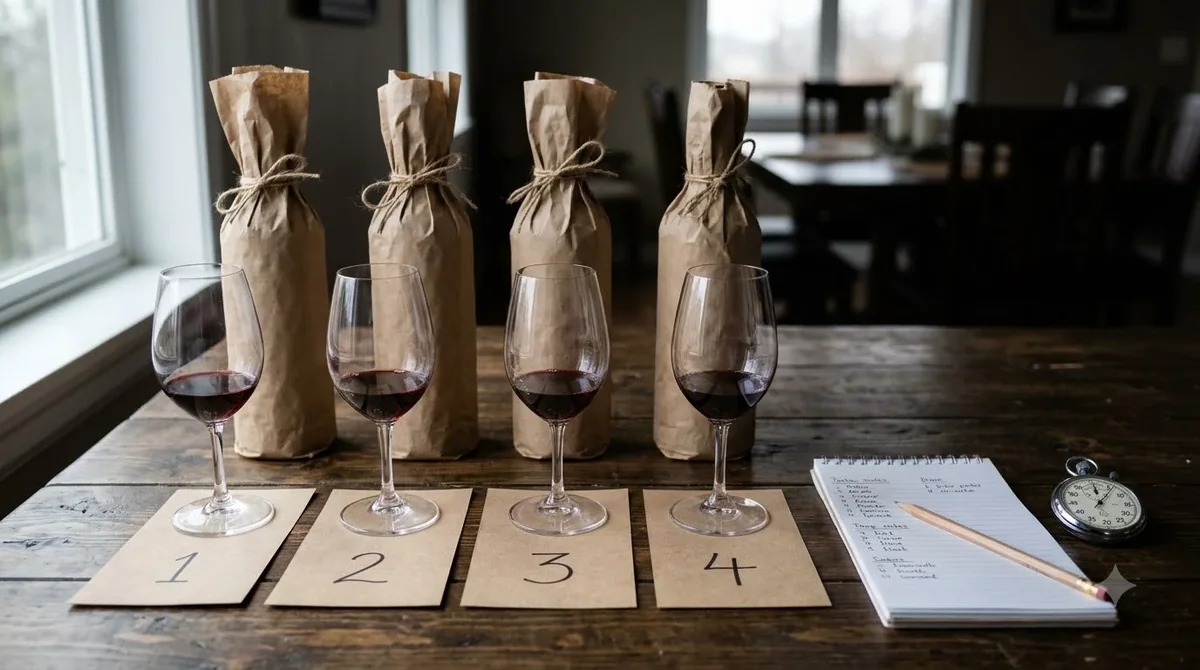
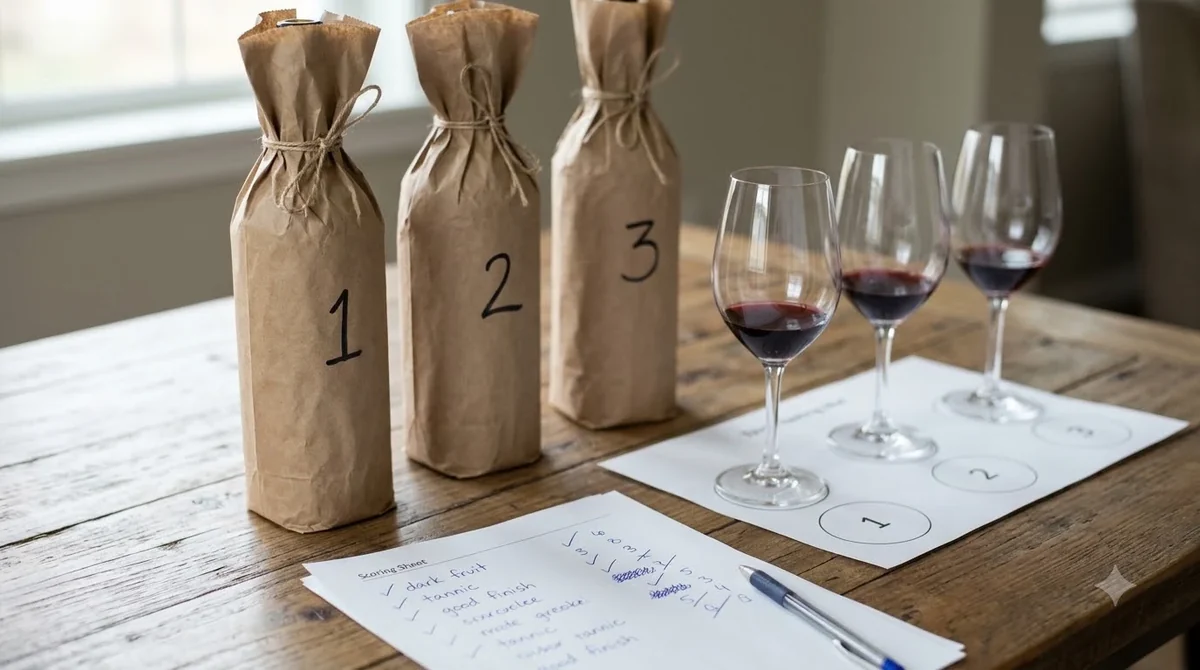
Make each flight a comparison: taste the same grape across two producers, or compare one variety made in different styles. Elgin’s fresh acidity is easier to recognize when you slow down and notice aroma, texture, weight, and the length of the finish.
Begin with sparkling wine, then move to light whites, fuller whites, rosé, and reds. Within a still-wine flight, taste the lightest and driest wine first and finish with the fullest or sweetest. When comparing two Sauvignon Blancs, note whether one is more citrus-driven or herbal; with Chardonnay, look for the difference between crisp fruit and oak- or lees-derived texture. For Pinot Noir, pay attention to red-fruit character, acidity, and the softness of its tannins rather than expecting the dense color and grip of a full-bodied red.
Serving temperature changes how a wine feels. Chill sparkling wines to about 40–50°F, light whites and rosé to 45–50°F, and fuller whites such as richer Chardonnay to 50–55°F. Light reds, including many Pinot Noirs, are often most expressive around 55–60°F. Very cold whites can conceal aroma, while warm reds may seem more alcoholic and less precise. A few minutes in an ice bucket or out of the refrigerator can make a noticeable difference.
Tip: Ask for a side-by-side comparison of two Elgin Chardonnays or two Pinot Noirs. Tasting the same grape from different producers makes differences in vineyard site and cellar choices easier to recognize than sampling unrelated wines one after another.
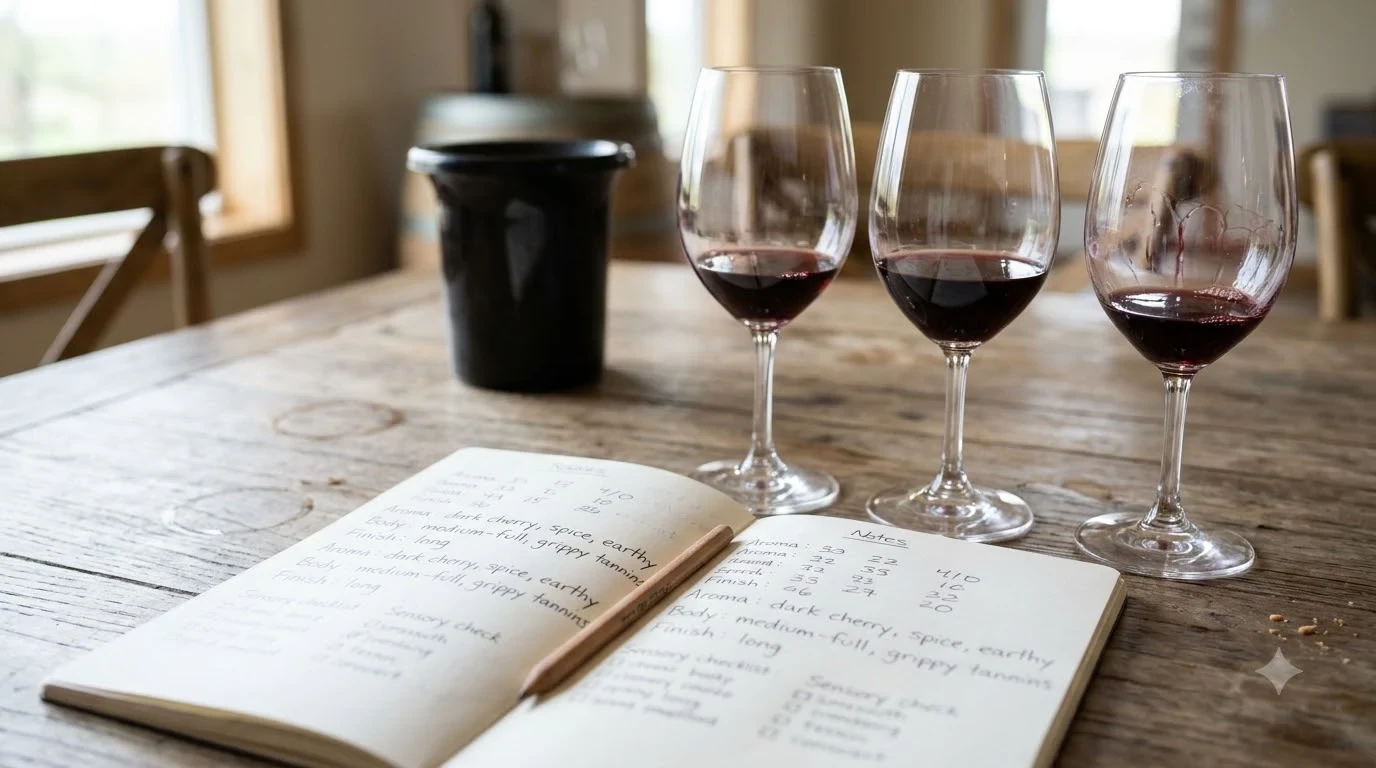
Keep pours modest so you can assess a full flight without tiring your palate. A standard wine serving is about 5 ounces, and a 750-milliliter bottle holds roughly five such glasses. Between samples, use water and a plain cracker if needed, and take short notes on the grape, producer, acidity, body, and finish. If you buy a bottle to enjoy later, store it on its side in a cool, dark place near 55°F; opened still wines generally keep for three to five days in the refrigerator when properly resealed.
What to Eat With Elgin Wines
Elgin’s acidity and moderate weight make its wines versatile at the table. Match the wine’s intensity to the dish, and let freshness balance richness rather than overwhelming delicate ingredients.
Pair Sauvignon Blanc with oysters, grilled prawns, goat cheese, green salads, or fish with lemon and herbs. Its high acidity works well with bright dressings and citrus, while herbal notes can echo parsley, basil, and other green flavors. For a dish with sharp vinaigrette or pickled ingredients, choose a wine with enough acidity to keep the food from making it taste flat. A very rich cream sauce may call for Chardonnay instead, especially if the wine has enough body to stand up to the texture.
Chardonnay is a natural partner for roast chicken, grilled trout, scallops, mushroom risotto, and chicken with a light cream sauce. A leaner style suits seafood and herbs; a fuller or gently oaked example can match browned poultry, butter, or roasted mushrooms. Pinot Noir works with duck, roast chicken, salmon, mushroom dishes, and pork tenderloin. Its lower-to-medium tannin and lively acidity make it more adaptable with oily fish than a heavily tannic red. Avoid pairing oily fish with firm, tannic Cabernet Sauvignon or Syrah, which can create a metallic impression.
For lamb or grilled beef, try Syrah or Merlot, especially when the dish includes char, herbs, or a savory sauce. Protein and fat soften the perception of tannin, so a richer cut can make a structured red feel smoother. Keep chile heat in mind: alcohol and tannin can amplify the burn, so spicy dishes usually fare better with lower-alcohol, fruit-forward wines or an aromatic white with some softness. For dessert, choose a wine at least as sweet as the dish; a Noble Late Harvest wine can work with fruit tart or blue cheese, provided the dessert does not overpower it. Those interested in a contrasting Tuscan red-wine destination can continue with Bolgheri wine tasting.
Frequently Asked Questions
These quick answers cover Elgin’s wine history and a few practical details that help put a tasting visit in context. The dates below refer to milestones in the region’s development, not a recommended travel season.
When was Elgin recognized as a wine ward?
Elgin was declared a wine ward in 1990. Research in the mid-1980s had identified the valley as a promising cool-climate site for slow-ripening grapes, helping set the stage for its modern wine industry.
Which winery planted Elgin’s first modern-era Riesling vineyards?
Paul Clüver Wine Estate planted Riesling vineyards in 1986, marking the beginning of the modern era of commercial wine farming in the valley. The early choice of Riesling reflected the area’s suitability for grapes that benefit from a long, cool growing season.
Who released the first wine officially labeled as Elgin?
Decanter’s regional account credits Neil Ellis with releasing the first wine officially demarcated as Elgin in 1990. That milestone came in the same year the area was declared a wine ward.
How much rain does the Elgin region receive?
The Wines of Elgin regional association describes annual winter rainfall in a range of about 600 to 1,200 millimeters. Rainfall varies across the valley, so vineyard conditions can differ between sites even within the same broader region.
What does Charles Fox list among its sparkling wines?
The regional tasting-room directory lists Cipher, MCC Brut, MCC Brut Rosé, and Blanc de Blanc among the wines offered by Charles Fox. The estate is at 89 Valley Road, and its listed public tasting hours are 10 a.m. to 4 p.m. daily.
For a first visit, focus on Sauvignon Blanc, Chardonnay, and Pinot Noir, then add a sparkling or Riesling tasting to broaden the experience. With two or three well-chosen stops and a little advance planning, Elgin offers a clear sense of how South Africa’s cool coastal conditions shape distinctive wines.
More in Wine Regions
 Willcox Wine Trail: Discover Arizona’s High-Elevation Wine CountryUpdated Nov 20, 2026
 Yakima Valley Wine Region: Find the Best Styles to TryUpdated Nov 20, 2026
 Vosne Romanee Wine Tasting: Identify Aromas and Choose Better PairingsUpdated Nov 20, 2026
 Yakima Valley Wine Festival: Find the Best Seasonal Wine EventsUpdated Nov 20, 2026
 Wales Vineyards: Discover Cool-Climate Wines and Where to VisitUpdated Nov 20, 2026
 Yountville Wine Festival: Discover Napa Wines and Local FoodUpdated Nov 20, 2026