

We may earn a commission when you buy through links on this page, at no extra cost to you. Learn more.
Frappato wine is a light, fruity dry red from Sicily, made mainly from the Frappato grape. It has a medium-light body, low tannins, and medium acidity, with flavors of dried strawberry, pomegranate, and white pepper. It is an easygoing red that many people enjoy slightly chilled, and it is one of the few Italian reds that works well with a wide range of everyday meals.
Frappato is less familiar to many American wine drinkers than Chianti or Brunello, but it suits anyone who prefers red wines that are fresh and bright rather than heavy. This guide explains what the wine tastes like, where it comes from, how to serve it, what to eat with it, and how to pick a bottle.
What Frappato Wine Is
Frappato is a red grape variety grown mainly on the southeastern side of Sicily, in the area around the town of Vittoria. The grape has a long-standing local reputation, but for many years it was grown in small amounts and was mostly used as a supporting variety in blends. The Wine Folly grape guide describes it as a rare, fruity find from Sicily.
A bottle labeled simply as Frappato is usually a varietal wine, meaning it is made mostly from the grape on its own. The more famous use of the grape is in Cerasuolo di Vittoria, a Sicilian red that blends Frappato with Nero d’Avola. Wine reference sources describe Cerasuolo di Vittoria as Sicily’s only DOCG wine, and the blend usually contains a higher share of Nero d’Avola, with Frappato making up a smaller but noticeable part of the mix.
Flavor and Style
Frappato is known for its fresh, red-fruit character. The flavors listed in the Wine Folly profile are dried strawberry, pomegranate, white pepper, tobacco, and clove. The tobacco and clove notes add a little depth beneath the fruit.
The wine is dry with a medium-light body. Its tannins are low, so it feels smooth and soft rather than gripping, and its acidity is medium, which gives it a lively finish. Alcohol usually falls between 11.5% and 13.5% ABV, which places it in the same range as many lighter European reds. That combination of low tannin and bright fruit is what makes Frappato easy to drink without much food.
Where Frappato Grows
Frappato grows best in the warm, dry climate of southeastern Sicily, where the hot days and cooler nights help the grapes keep their acidity. Because the grape is grown in a warm climate, producers can keep the wine’s freshness by picking at the right moment, which is part of what gives Frappato its bright character.
The grape is genetically related to Sangiovese, the main grape of Tuscany and the base of wines such as Brunello di Montalcino. A 2008 DNA study found a close relationship between the two, and Frappato is thought to be a cross involving Sangiovese and an unidentified parent. That family link helps explain the shared bright acidity, although Frappato is generally softer and more fruit-forward than most Sangiovese-based wines.
How to Serve Frappato
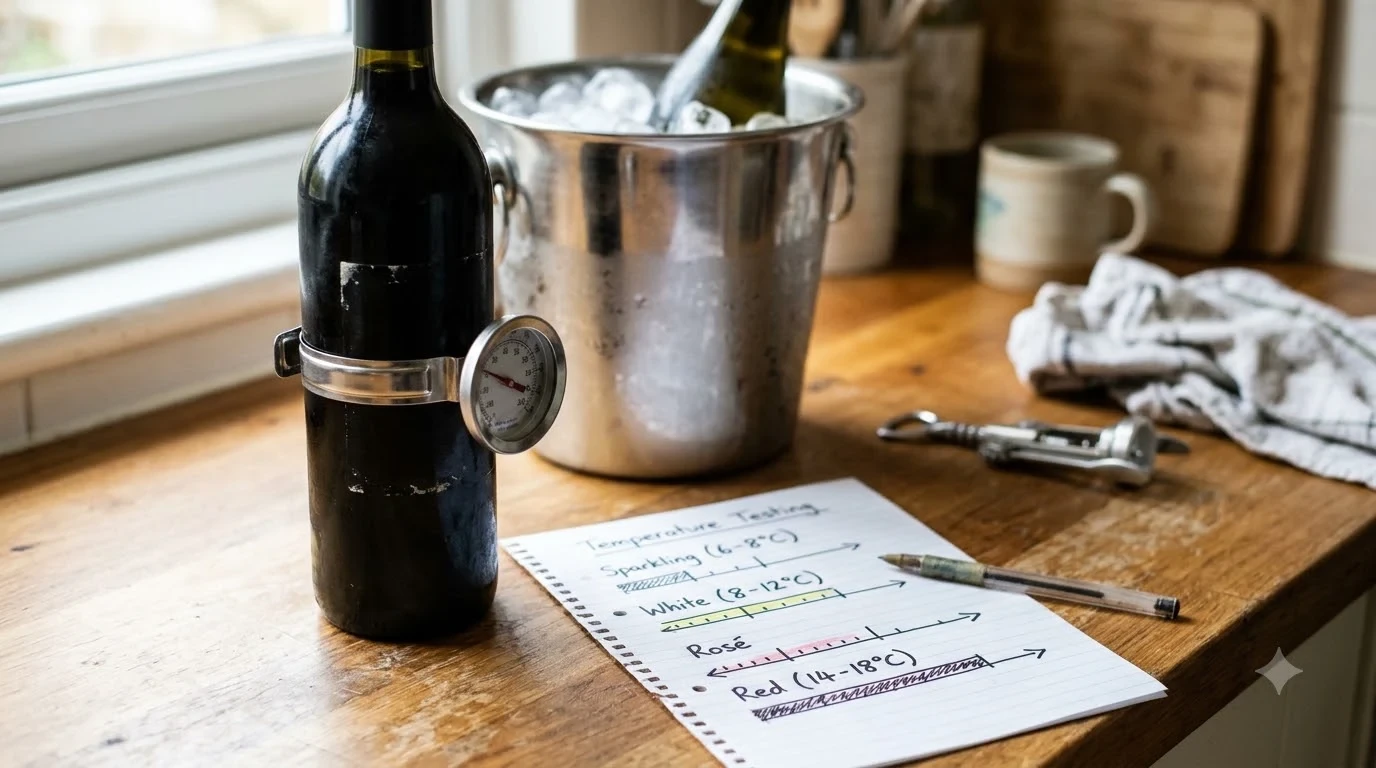
Serve Frappato slightly cooler than most reds. The Wine Folly profile gives a serving temperature of about 55 to 60 degrees Fahrenheit, or 12 to 15 degrees Celsius, and suggests a wide aroma-collector glass so the fruit aromas can open up. Decanting is not needed for most bottles, since the tannins are soft and the wine is meant to be enjoyed young.
If the bottle comes straight from a warm room, give it 20 to 30 minutes in the refrigerator before pouring. This brings out the fruit and keeps the wine from tasting flat or overly alcoholic, which can happen when red wines are served too warm. The cooler serving temperature also suits Sicilian summer meals, where the wine is often poured at the table with simple dishes.
| Characteristic | Typical Frappato |
|---|---|
| Style | Dry red, varietal or blended |
| Body | Medium-light |
| Tannins | Low |
| Acidity | Medium |
| Alcohol (ABV) | About 11.5% to 13.5% |
| Serving temperature | 55 to 60 F (12 to 15 C) |
| Cellaring | 1 to 3 years |
Tip: Frappato is best enjoyed young. If you are unsure about a bottle, choose a recent vintage and drink it within a few years of release.
Food Pairing
Frappato pairs well with foods that share its fresh, lightly herbal character. Roasted red peppers and sun-dried tomatoes are a classic match, and the wine’s acidity cuts through the sweetness of the vegetables.
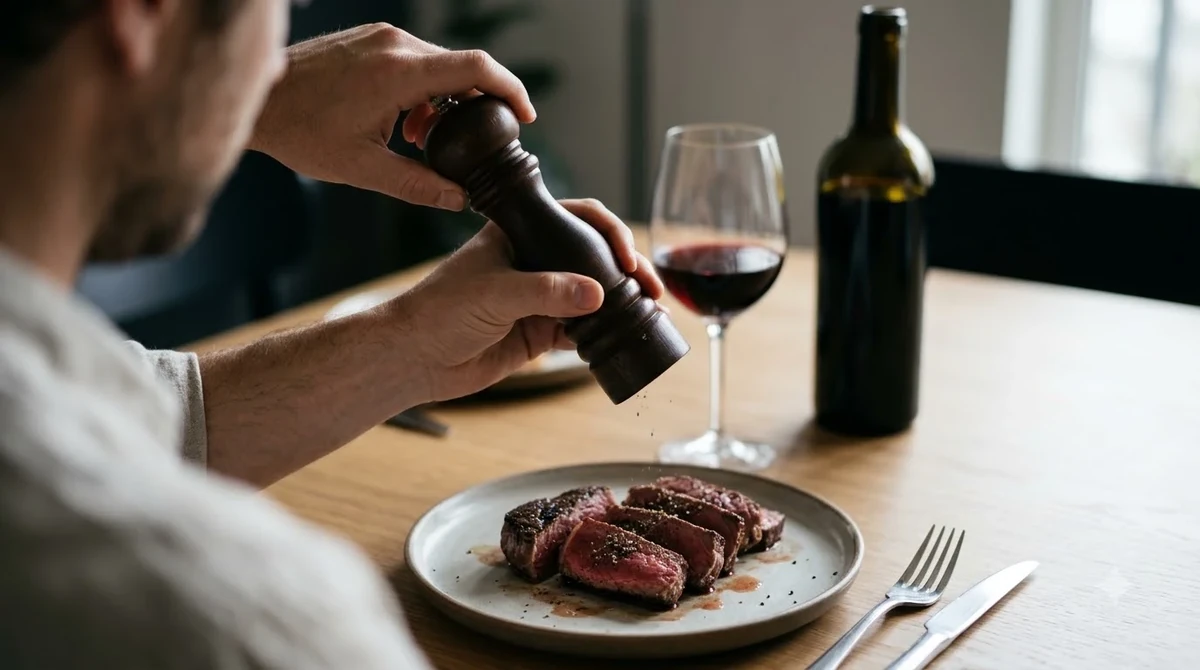
Spelled out for a weeknight, that means a simple plate of roasted vegetables or a pasta with a light tomato sauce. Wine Folly also lists fall dishes such as roast turkey with cranberry sauce as a good fit, because the wine’s fruit and soft tannins work well with savory meat and tart fruit.
Other pairings that tend to work well include pasta with tomato sauce, grilled chicken, mild sausages, and soft cheeses. Because the wine is not heavy, it is also a good choice for dishes that would overwhelm a bigger red, such as lightly seasoned fish with a tomato base. Avoid very rich, heavily spiced dishes, which can make the fruit taste thin.
How to Choose a Bottle
When you shop for Frappato, check the label for the words Frappato di Vittoria or Cerasuolo di Vittoria, depending on whether you want a varietal wine or a blend. Varietal bottles tend to show more of the grape’s red-fruit and spice character, while blends with Nero d’Avola usually have a bit more body and color. Both styles can be good choices, so the decision comes down to the flavor you prefer.
Price varies with the producer and the import, so it is worth comparing a few options from shops that know Italian wine well. A knowledgeable staff member can often tell you whether a bottle leans fresh and fruity or richer and more structured, which is the main difference you will notice between producers. Ask about the blend as well, since the same name on a label can cover quite different styles.
Look for a recent vintage, since Frappato is not usually built for long aging. Producer notes often describe the wine’s acidity and fruit level, which can help you judge whether a bottle will suit a light meal or a more substantial dinner. If you enjoy other lighter reds, you may also like exploring the wider range of wine types to see how Frappato compares with Gamay, Pinot Noir, and other fresh styles.
Frequently Asked Questions
Is Frappato wine sweet or dry?
Frappato is a dry wine. Its fruit flavors can taste ripe and sometimes give an impression of sweetness, but the wine itself is not sweet. Most bottles finish clean and fresh.
Should Frappato be served chilled?
A light chill is recommended. Serving it at about 55 to 60 degrees Fahrenheit, or 12 to 15 degrees Celsius, keeps the fruit lively and the alcohol in balance. It is a good red to put in the refrigerator for 20 to 30 minutes before dinner.
What does Frappato taste like compared with Chianti?
Frappato is usually lighter and softer than Chianti. It has lower tannins and a more fruit-forward character, with flavors such as strawberry and pomegranate. Chianti tends to be firmer, with more structure and tannin, so Frappato is often a better choice for a casual weeknight meal.
How long can you keep a bottle of Frappato?
Most Frappato is meant to be drunk within one to three years of the vintage. Keeping it longer can flatten the fresh fruit character that makes the wine appealing, so buy a recent release and enjoy it soon after you bring it home.
Frappato is a good example of a Sicilian red that rewards curiosity. It is light enough for a relaxed meal, bright enough to pair with vegetables, and distinctive enough to make a different choice from the usual red. If you want to explore it, start with a varietal bottle from a recent vintage and serve it slightly cool.
More in Wine Types & Grapes
 Zinfandel Sugar Content: Dry Red vs. White Zinfandel GramsUpdated Nov 21, 2026
 Best Zinfandel Substitute Options for Sipping and CookingUpdated Nov 21, 2026
 Zweigelt Food Pairing: Best Dishes, Cheeses, and Serving TipsUpdated Nov 21, 2026
 Zinfandel Tannins Explained: How Structure Shapes Every BottleUpdated Nov 21, 2026
 Zinfandel Sweetness Level: Dry Red vs. Sweet White Zin ExplainedUpdated Nov 21, 2026
 Xinomavro Food Pairing: Best Dishes, Styles, and Serving TipsUpdated Nov 21, 2026