

We may earn a commission when you buy through links on this page, at no extra cost to you. Learn more.
The Columbia Gorge wine festival is a regional celebration of Oregon and Washington wines, bringing together local wineries, food, art, and live entertainment in Hood River, Oregon. The event showcases the diversity of the Columbia Gorge AVA, where cool western vineyards and warmer eastern growing sites produce an unusually broad selection of wines. The most recent edition took place on May 9, 2026, and organizers have announced another Gorge Wine and Art Festival for 2027, although its date and complete details have not yet been confirmed.
For wine enthusiasts, the Columbia River Gorge offers something different from a conventional wine-country weekend. Visitors can sample Pinot Noir, Chardonnay, Riesling, Syrah, and numerous less familiar varieties while enjoying the scenery around the Columbia River. Understanding the festival’s format, the wineries involved, and the geography behind the wines makes it easier to plan a rewarding visit.
What to Expect at the Columbia Gorge Wine Festival
The Columbia Gorge Wine Festival brings regional producers together for an approachable introduction to the area’s wine culture. Its combination of tasting opportunities, local food, art, and entertainment makes it suitable for both experienced wine enthusiasts and visitors who are discovering Gorge wines for the first time.
The event is also known as the Columbia Gorge Wine & Art Festival. The 2026 edition was its third annual celebration and took place on Saturday, May 9, from noon until 5 p.m. at the Best Western Plus Hood River Inn Conference Center, located at 1108 East Marina Drive in Hood River, Oregon.
The 2026 gathering featured 16 regional winemakers. Attendees could purchase wine by the taste, bottle, or case, providing flexibility for people who wanted to sample several producers before deciding which bottles to take home. Live music and food complemented the wine program, giving the event a relaxed festival atmosphere rather than the feel of a formal wine seminar.
One useful feature was the admission package. General admission included five tasting tickets, a souvenir wine glass, and a shuttle from the designated parking area. Additional tasting tickets were available at the event. A charcuterie plate was offered as an optional addition, while a separate non-drinking admission option provided access for adults who wanted to attend without purchasing wine tastings.
The festival also welcomed families, with admission arrangements for younger visitors. However, visitors interested in tasting wine should plan around the event’s age requirements and bring valid identification. Admission details and family arrangements should always be confirmed for the specific edition rather than assumed to remain unchanged.
Another important distinction is that the festival is a scheduled gathering, not a permanent tasting venue. Individual wineries have their own opening hours, reservations, and seasonal schedules. Someone visiting Hood River outside festival weekend can still experience the region through winery tasting rooms and organized wine routes, but those visits require separate planning.
For updates, the regional organization Gorge Wine’s official website is a useful starting point. Its announcement identifies a 2027 Gorge Wine and Art Festival as an upcoming event, but visitors should wait for confirmed scheduling, admission arrangements, and participating winery information before making firm reservations.
Where the Festival Takes Place and How to Get There
Hood River provides a convenient base for exploring Columbia Gorge wine country. The town sits along the Columbia River, approximately 60 miles east of Portland, and offers access to vineyards, orchards, restaurants, and outdoor attractions on both sides of the Oregon-Washington border.
The 2026 festival took place at the Best Western Plus Hood River Inn Conference Center, close to the Columbia River waterfront. Its location made it possible to combine an organized tasting event with a broader visit to downtown Hood River and nearby wine-growing communities.
For visitors arriving from Portland, the drive generally follows Interstate 84 east along the Columbia River. The route passes through spectacular river scenery and provides access to communities and viewpoints throughout the Gorge. Travelers arriving from Washington can approach Hood River using the Columbia River crossings, including the Hood River-White Salmon Bridge.
Transportation deserves particular attention during a wine festival. The 2026 admission package included a shuttle from the parking area, with the Port of Hood River identified as a parking and shuttle location. This arrangement helped reduce the need for attendees to walk long distances between parking and the venue.
Visitors should distinguish between getting to Hood River and getting around the wider wine region. A shuttle associated with a festival does not automatically provide transportation to individual wineries, restaurants, hotels, or attractions outside the event grounds. Anyone planning additional tastings should arrange a designated driver, private transportation, or another suitable alternative.
Choosing a convenient place to stay
Hood River is a practical overnight base because it places visitors near restaurants, accommodation, and the western portion of the Columbia Gorge wine region. Staying close to downtown also reduces the need for additional driving after an afternoon of wine tasting.
The Best Western Plus Hood River Inn was associated with the 2026 festival and offered information about discounted group accommodation for that event. Future visitors should confirm whether similar arrangements are available for the next edition. Other lodging choices around Hood River may also suit travelers who want to spend additional time exploring the area.
For a longer stay, consider dividing the trip between Hood River and the eastern Gorge. The Dalles offers a different perspective on the region, with a warmer, drier landscape and access to additional wineries and historical attractions. A two-day visit gives travelers more time to experience the geographical differences that shape the area’s wines.
Tip: Arrange transportation before booking several tastings. The Columbia Gorge is spread across two states, and a festival shuttle should not be treated as a substitute for transportation between separate wineries.
Which Wineries and Wines Should You Look For?
The most interesting part of the Columbia Gorge Wine Festival is the opportunity to compare producers working in different parts of the region. The 2026 event featured 16 regional winemakers, offering visitors an introduction to a wine-growing area that does not depend on a single grape variety or house style.
Participating producers listed for the 2026 festival included Cathedral Ridge, Double Strand Winery, Garnier Vineyards, Hawkins Cellars, Mt. Hood Winery, Hood Crest Winery and Distillers, Jacob Williams Winery, Oak Flat Vineyards, Phelps Creek Winery, Ridge of Wonders Winery, and Stave and Stone. Capital Call Vintners, Cork Wine Shop, Le Doubble’ Troubble’, and The Pines were also on the published list.
These names provide a useful starting point for understanding the region’s range. However, the 2026 participant list should not be treated as a confirmed lineup for 2027. Festival organizers may change the participating producers, and a winery’s presence at one edition does not guarantee its return.
Visitors should approach a regional tasting with a willingness to compare grape varieties rather than concentrating exclusively on familiar labels. The western Gorge has cooler growing conditions that can suit Pinot Noir, Chardonnay, Pinot Gris, and Riesling. Farther east, warmer conditions create opportunities for Syrah, Cabernet Sauvignon, Zinfandel, and other varieties that benefit from greater heat accumulation.
Wines worth comparing
Pinot Noir is a useful starting point for anyone exploring cooler-climate Gorge wines. Its generally low-to-medium tannin level and bright acidity make it adaptable at the table. Look for differences in red fruit character, earthy notes, body, and texture between producers.
Chardonnay offers another useful comparison. Depending on vineyard location and winemaking choices, bottles may emphasize fresh citrus and apple flavors or show richer textures and oak influence. Tasting examples from different producers can reveal how site conditions and cellar decisions influence the finished wine.
Riesling is especially useful for exploring acidity and balance. Its high natural acidity can support styles ranging from dry and crisp to noticeably sweet. Rather than assuming all Riesling tastes the same, ask about residual sugar and compare how the wine’s sweetness balances its acidity.
For red-wine drinkers, Syrah and Cabernet Sauvignon offer a different experience. Syrah commonly brings medium-plus to high tannin, dark fruit, and savory or peppery notes. Cabernet Sauvignon generally has high tannin and a firmer structure. These wines can provide an interesting contrast with lighter Pinot Noir.
It is also worth asking about less familiar varieties. The Columbia Gorge supports a wide range of grapes, and individual producers may work with Italian, Spanish, Rhône, or other European varieties. A festival provides an opportunity to discover these bottles without arranging separate visits to every winery.
When comparing wines, pay attention to acidity, tannin, alcohol, body, and finish. These characteristics are more useful than relying entirely on a producer’s tasting notes. A simple comparison between two Pinot Noirs or two Syrahs can reveal meaningful differences in style.
What Makes Columbia Gorge Wine Country Different?
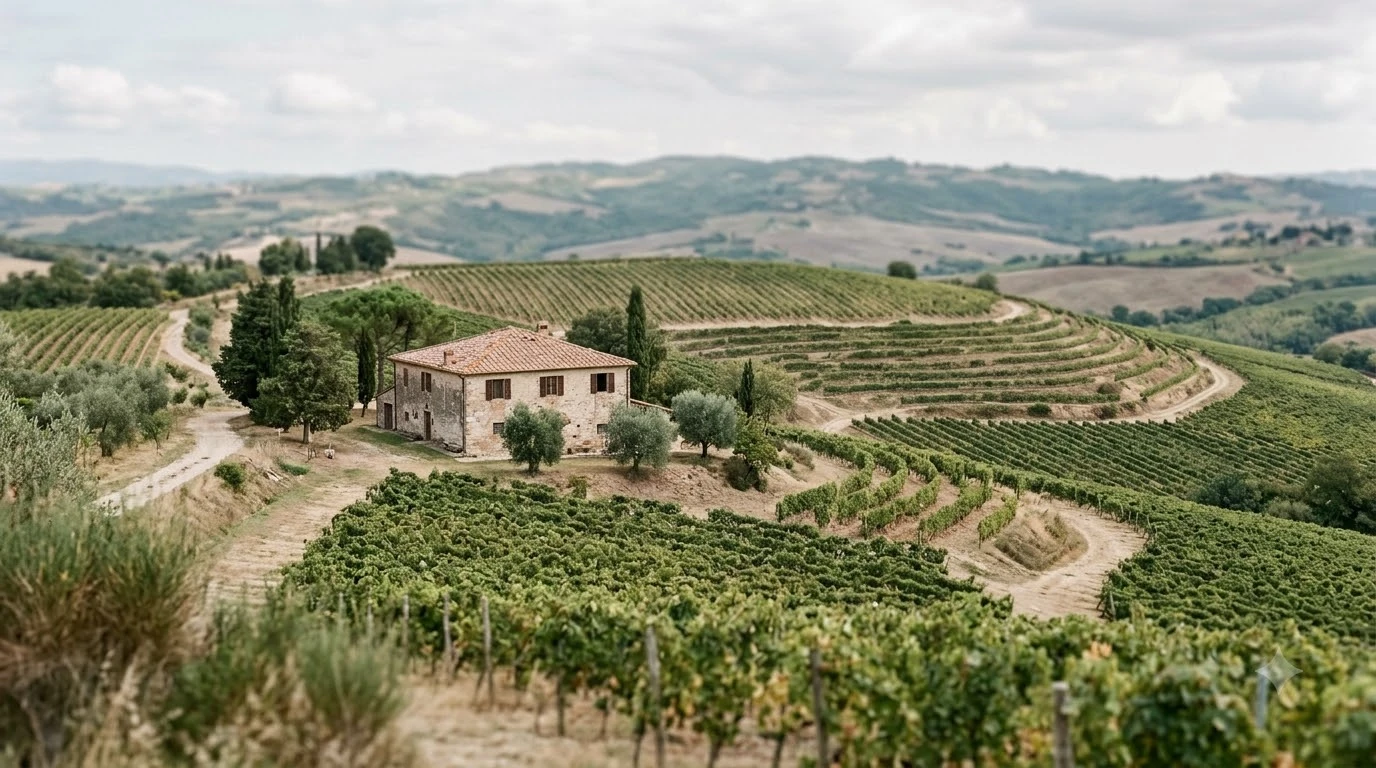
The Columbia Gorge AVA is distinctive because its growing conditions change dramatically over a relatively short distance. The western end is cooler and wetter, while the eastern end becomes warmer and drier. This geographical contrast allows growers to cultivate a wider range of grape varieties than many visitors expect from one regional appellation.
The American Viticultural Area was established in 2004 and covers approximately 186,610 acres, including 120,010 acres in Oregon, according to Oregon Wine. The appellation crosses the Columbia River between Oregon and Washington, making it one of the region’s notable cross-border wine-growing areas.
The difference in rainfall is particularly striking. Oregon Wine describes approximately 36 inches of annual rainfall in the western Gorge, compared with just 10 inches in the eastern section. These conditions influence vineyard management, grape selection, ripening patterns, and the resulting wine styles.
Vineyard elevations also vary considerably. Sites range from sea level to approximately 2,000 feet, creating differences in temperature and growing conditions. Elevation can influence how quickly grapes ripen and how much acidity they retain as the season progresses.
The Columbia River Gorge also channels persistent winds through the region. Average wind speeds are approximately 10 to 20 miles per hour or higher, according to Oregon Wine. These winds help cool and dry vineyards, contributing to the area’s distinctive growing environment.
Western Gorge: Cooler conditions and fresh wines
The western section, particularly around Hood River, receives more rainfall and has a stronger maritime influence. Its cooler conditions favor varieties that benefit from a longer, more moderate growing season.
Pinot Noir, Chardonnay, Pinot Gris, and Riesling are useful examples of wines to explore from cooler locations. Their acidity and freshness can make them particularly appealing to visitors who enjoy lighter, more restrained wine styles.
Eastern Gorge: Warmer vineyards and structured reds
As visitors travel toward The Dalles, the landscape becomes drier and more continental. The warmer conditions can support varieties that need more heat to ripen fully, including Cabernet Sauvignon, Syrah, and Zinfandel.
Soils also contribute to the region’s variation. Oregon Wine identifies volcanic material, lahar, loess, silt, and sand among the predominant soil types. These different growing environments help explain why the Columbia Gorge does not have one dominant wine profile.
For visitors, this diversity creates a practical tasting strategy: begin with cooler-climate wines around Hood River, then compare them with fuller-bodied wines from warmer eastern locations. The contrast helps explain the geography in a way that a map or vineyard description alone cannot.
How to Taste, Pair, and Enjoy Festival Wines
A successful festival visit is about more than sampling as many wines as possible. Comparing a few styles carefully, eating along the way, and paying attention to serving temperature can make the experience more enjoyable and memorable.
Start with lighter wines before moving toward fuller-bodied selections. A sensible tasting progression might begin with sparkling wine, continue through Riesling and Pinot Gris, move to Chardonnay and Pinot Noir, and finish with Syrah or Cabernet Sauvignon. If a producer offers several wines, ask whether the tasting order can follow this progression.
Serving temperature affects how a wine smells and tastes. White wines served too cold may seem muted, while reds served too warm can emphasize alcohol and make their structure seem heavier. The following temperatures provide useful starting points.
| Wine style | Recommended serving temperature | Tasting focus |
|---|---|---|
| Sparkling wine | 40–50°F | Freshness, bubbles, and acidity |
| Light whites and rosé | 45–50°F | Citrus, floral notes, and crispness |
| Full-bodied whites | 50–55°F | Texture, body, and oak influence |
| Light reds | 55–60°F | Fruit, freshness, and subtle tannin |
| Full-bodied reds | 60–65°F | Structure, tannin, and complexity |
| Sweet whites | 43–50°F | Sweetness, acidity, and balance |
Food is another important part of tasting. Cheese, bread, charcuterie, and other savory foods can help reset the palate between wines. Salt and fat soften the perception of tannin, which can make structured reds such as Cabernet Sauvignon and Syrah seem more approachable.
For food pairing, Pinot Noir is a flexible choice with roast chicken, grilled salmon, mushroom dishes, and herb-seasoned pork. Its moderate structure and acidity can complement food without overwhelming delicate flavors. Chardonnay works well with roasted poultry, creamy sauces, and seafood, particularly when the wine’s body matches the richness of the dish.
Riesling is particularly useful with spicy food because its acidity and possible residual sweetness can balance heat. However, alcohol and tannin can intensify the perception of chili heat, so heavily structured reds are not always the best choice for spicy dishes.
Syrah and Cabernet Sauvignon can pair well with grilled meats, lamb, burgers, and dishes with roasted vegetables. Their tannins work particularly well alongside protein and fat. Oily fish, on the other hand, can clash with highly tannic red wines, making a crisp white or lighter red a better option.
Visitors who enjoy dessert wines should remember that the wine should generally be at least as sweet as the dessert. A sweet Riesling, for example, can work with fruit-based desserts, while a drier wine may seem sour when paired with something much sweeter.
Moderation and organization also matter. A standard wine pour is approximately 5 ounces, and a 750-milliliter bottle provides about five standard glasses. At a festival, individual tasting pours are generally smaller, but visitors should still pace themselves and drink water between samples.
Planning a Hood River Wine Weekend Beyond the Festival
The Columbia Gorge is worth exploring beyond the festival venue. Hood River, The Dalles, and the surrounding countryside offer wineries, orchards, restaurants, scenic viewpoints, and outdoor attractions that can turn a single tasting event into a longer wine-country trip.
The Hood River County Fruit Loop is a particularly useful route for visitors interested in combining wine with local agricultural experiences. Oregon Wine describes it as a 35-mile circuit connecting more than two dozen producers and farm stands. The route includes 10 wineries and tasting rooms available year-round, alongside orchards and other local businesses.
Hood River is a convenient starting point for the western part of the region. Visitors can explore wineries such as Phelps Creek Winery, Cathedral Ridge Winery, and Stave and Stone, all of which have appeared in the wider Gorge wine scene. Individual opening hours and tasting arrangements vary, so planning a route around confirmed appointments is preferable to arriving at multiple locations without checking.
Travelers who want to understand the warmer side of the appellation can continue east toward The Dalles. The eastern Gorge offers a different landscape, with drier conditions and vineyards suited to a broader range of warm-climate varieties. A stop at Rowena Crest can also provide sweeping views of the Columbia River and surrounding cliffs.
The region is not limited to wine-related attractions. Visitors can explore the Columbia River Gorge National Scenic Area, enjoy riverfront restaurants, visit galleries, and experience outdoor activities such as hiking and cycling. Hood River is also associated with windsurfing and kiteboarding because of the persistent winds that move through the river corridor.
For a two-day trip, consider keeping the first day focused on Hood River and its nearby tasting rooms. Spend the second day exploring the eastern Gorge and The Dalles. This arrangement reduces unnecessary backtracking and provides a useful comparison between the region’s cooler western vineyards and warmer eastern growing sites.
Travelers interested in broader wine destinations can also explore our guides to Columbia Gorge wine and other regional wine experiences. The Wine Regions resource provides additional context for understanding how geography and climate influence American wine styles. Those planning trips elsewhere can also compare the format of an Livermore wine festival or an Indiana wine festival with the Gorge’s regional gathering.
Before traveling, confirm the next festival’s schedule through the organizers, verify individual winery hours, and reserve accommodation early if visiting during a major event weekend. These simple steps make it easier to enjoy the region without rushing between destinations.
Frequently Asked Questions
Is the Columbia Gorge Wine Festival held every year?
The Columbia Gorge Wine & Art Festival has been presented as an annual regional gathering, with its third edition held in 2026. The regional organization Gorge Wine has announced another festival for 2027. However, visitors should confirm the next edition’s date and arrangements directly with the organizers rather than assume a particular weekend.
Does the Columbia Gorge AVA include wineries in Washington?
Yes. The Columbia Gorge AVA crosses the Oregon-Washington border and includes vineyard areas in both states. Its location is unusual because wine producers on either side of the river share the same appellation while working with different local growing conditions and vineyard sites.
Can visitors buy Columbia Gorge wine directly from wineries?
Many regional wineries operate tasting rooms or offer direct wine sales, although individual arrangements vary. Some producers also offer wine club memberships, seasonal releases, and special tasting experiences. Visitors interested in taking wine home should ask about shipping restrictions and available purchase options before traveling.
What is the best time of year to visit Hood River wine country?
Spring is an appealing time to explore the region because orchards and vineyards begin their seasonal activity, while fall offers harvest-related scenery and agricultural events. Summer is popular for outdoor recreation along the Columbia River. Weather and vineyard schedules vary, so the best period depends on whether the priority is wine tasting, orchard visits, or outdoor activities.
Can visitors explore the Columbia Gorge wine region without attending the festival?
Yes. The region has individual winery tasting rooms, vineyard experiences, and agricultural routes that operate independently of the festival. The Hood River County Fruit Loop is one option, connecting wineries, tasting rooms, farm stands, and orchards. Visitors can plan separate appointments throughout the year without waiting for the annual wine and art gathering.
The Columbia Gorge Wine Festival offers a convenient introduction to a region defined by contrasting climates, varied grape varieties, and independent wine producers. Whether attending the next festival or planning a separate Hood River getaway, visitors can discover much more by comparing wines from the cooler western Gorge with those from the warmer eastern vineyards. Confirm event details before traveling, arrange transportation, and leave enough time to enjoy the wineries and scenery beyond the tasting room.
More in Wine Regions
 Willcox Wine Trail: Discover Arizona’s High-Elevation Wine CountryUpdated Nov 20, 2026
 Yakima Valley Wine Region: Find the Best Styles to TryUpdated Nov 20, 2026
 Vosne Romanee Wine Tasting: Identify Aromas and Choose Better PairingsUpdated Nov 20, 2026
 Yakima Valley Wine Festival: Find the Best Seasonal Wine EventsUpdated Nov 20, 2026
 Wales Vineyards: Discover Cool-Climate Wines and Where to VisitUpdated Nov 20, 2026
 Yountville Wine Festival: Discover Napa Wines and Local FoodUpdated Nov 20, 2026