

We may earn a commission when you buy through links on this page, at no extra cost to you. Learn more.
The clarksburg wine region is a California wine-growing area in the Sacramento River Delta, best known for its refreshing Chenin Blanc, distinctive Petite Sirah, and maritime-influenced growing conditions. Located approximately 20 minutes from Sacramento, this American Viticultural Area (AVA) combines warm summer days, cooling afternoon breezes, and fertile agricultural soils. Its wines offer an appealing alternative to better-known California appellations, with distinctive whites, structured reds, and a welcoming collection of wineries.
Clarksburg occupies an interesting position in California wine country. Although its name is less familiar to many American wine drinkers than Napa Valley or Sonoma County, its vineyards have supplied grapes to wineries throughout the state for decades. The region has developed its own identity through Chenin Blanc, Petite Sirah, and a broader selection of varieties suited to the Sacramento Delta’s growing conditions. Understanding its geography, climate, grape varieties, and wine styles makes it easier to recognize what makes a bottle from this appellation distinctive.
Where the Clarksburg AVA Is Located
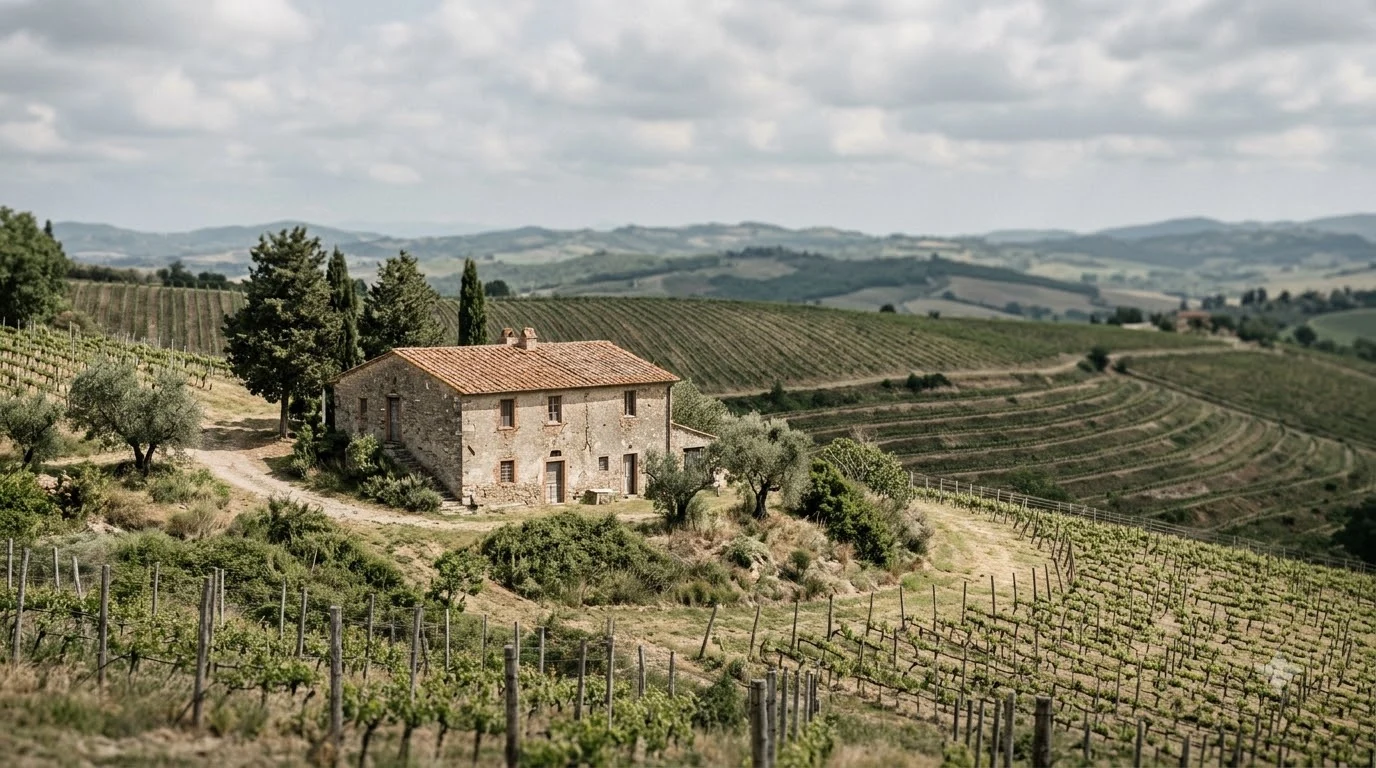
The Clarksburg AVA occupies part of California’s Sacramento River Delta, extending across portions of Yolo, Sacramento, and Solano counties. Its location among waterways and agricultural farmland gives the appellation a different setting from the hillside vineyards and coastal valleys associated with other California wine regions.

The American Viticultural Area received federal recognition in 1984. An AVA is a geographically defined wine-growing area recognized for characteristics such as climate, soil, and geographical boundaries. Its designation helps distinguish wines produced with grapes from this particular growing area. Clarksburg’s position near the Sacramento River and its network of Delta waterways plays an important role in its agricultural character.
The town of Clarksburg is a small community in Yolo County, but the wine appellation extends beyond the town itself. This distinction matters when shopping for wine because a Clarksburg AVA designation identifies the grapes’ growing origin rather than simply the winery’s physical address. A producer located elsewhere in California can make wine from Clarksburg-grown grapes and identify the appellation on the bottle when the applicable labeling requirements are satisfied.
Clarksburg is also geographically convenient for visitors staying in Sacramento or exploring other parts of Northern California. The short drive from Sacramento makes it possible to visit tasting rooms without committing to a lengthy wine-country itinerary. Its rural roads, historic bridges, vineyards, and river scenery contribute to an experience that feels distinctly connected to the Delta’s agricultural landscape.
For wine drinkers exploring unfamiliar appellations, Clarksburg offers a useful contrast to regions such as the Savoie wine region, where mountain geography and alpine growing conditions have a different influence on grape selection and wine character.
Climate and Soils That Shape Delta Wines
Clarksburg combines warm growing days with cooling maritime influences, creating conditions that support both aromatic white grapes and selected red varieties. The Sacramento River Delta’s waterways and afternoon breezes help moderate summer temperatures and preserve freshness as grapes mature.
The Delta Breeze is particularly important. This southwest wind carries cooler, more humid air inland from the Pacific Ocean through the Sacramento River Delta. According to Heringer Estates, these breezes contribute to a growing environment with warm daytime temperatures and cooler evenings. The result is a useful balance between ripening conditions and the preservation of natural grape acidity.
Visit California describes summer temperature swings of approximately 40 degrees Fahrenheit in the Clarksburg area. Such substantial differences between daytime and nighttime temperatures help explain why the region can produce ripe fruit while retaining freshness. Chenin Blanc benefits particularly from this combination, as the variety can develop generous fruit character without losing the acidity that makes it versatile at the table.
The soils are another important part of the region’s identity. Fertile alluvial deposits associated with the Delta provide a foundation for agricultural production. Sandy, silty, and clay-influenced soils occur in the broader growing area, although individual vineyard sites differ. Soil composition, drainage, vineyard exposure, and farming decisions all influence the final character of a wine.
Clarksburg’s relatively flat agricultural landscape differs from the steep slopes of some European wine regions. Rather than relying on dramatic elevation changes, local vineyards benefit from the interaction of Delta breezes, sunlight, water access, and soil characteristics. Vineyard management remains important because fertile growing conditions can produce substantial crops, making canopy management and crop selection useful tools for growers seeking concentration and balance.
These environmental conditions do not make every Clarksburg wine taste identical. Harvest timing, vineyard age, grape variety, fermentation vessel, and winemaking decisions create considerable variation. A stainless-steel Chenin Blanc may emphasize crisp fruit and freshness, while a barrel-fermented example can develop a broader texture and additional savory complexity.
Chenin Blanc, Petite Sirah, and Other Important Grapes
Chenin Blanc is the signature white grape of Clarksburg, while Petite Sirah is among its best-known red varieties. Chardonnay, Sauvignon Blanc, Merlot, Syrah, Zinfandel, Viognier, and Pinot Gris contribute to the region’s broader wine portfolio.
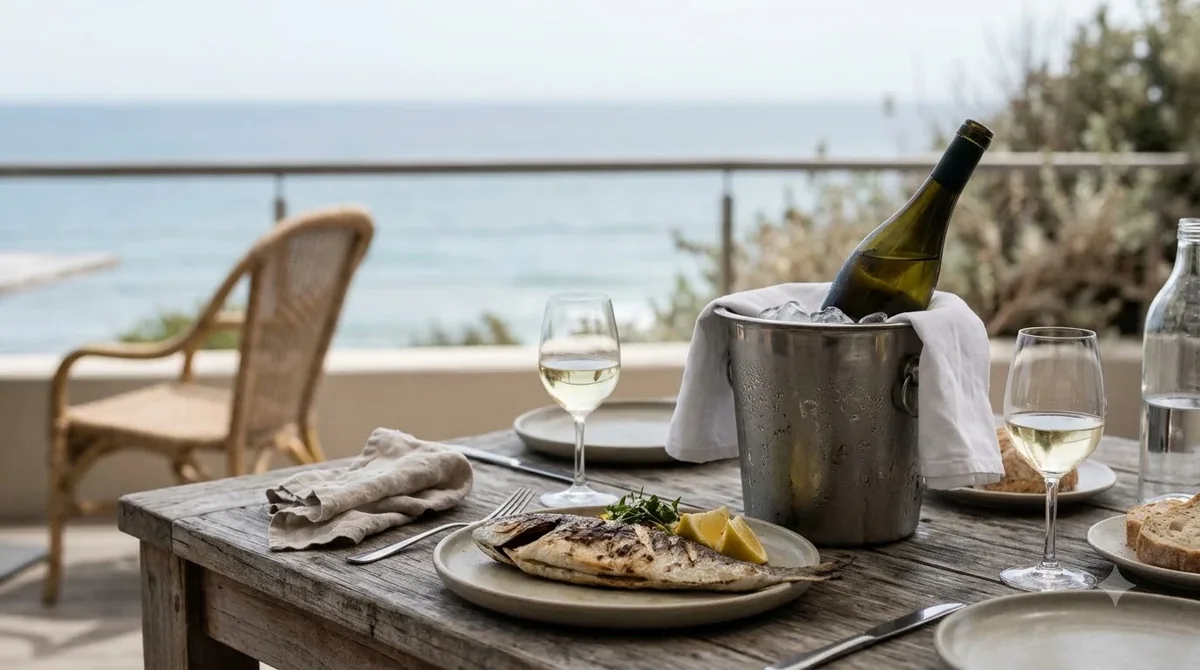
Chenin Blanc deserves particular attention because it can produce several different styles. Picked relatively early and fermented to dryness, it can deliver refreshing acidity, citrus, green apple, pear, and subtle floral aromas. Riper fruit may contribute peach, melon, and tropical-fruit notes. Some producers also experiment with oak aging, lees contact, or different fermentation techniques to add texture and complexity.
One of Chenin Blanc’s strengths is its natural acidity. That freshness makes it particularly useful for pairing with seafood, poultry, salads, and dishes featuring herbs or citrus. It can also work as an aperitif because its combination of fruit and acidity prepares the palate for food without feeling overly heavy.
Petite Sirah offers a contrasting expression of Clarksburg. It is known for deep color, concentrated dark-fruit flavors, firm tannins, and a substantial structure. Blackberry, plum, pepper, and dark spice are common descriptors. Depending on the producer and winemaking approach, the wines can range from fruit-forward and approachable to dense and suitable for extended cellaring.
Chardonnay is another important variety in the region. Its style depends heavily on winemaking. Stainless-steel fermentation can emphasize citrus, apple, and a cleaner impression, while oak fermentation or aging may contribute vanilla, toast, and a fuller mouthfeel. Clarksburg Chardonnay can therefore appeal to drinkers who enjoy both crisp and richer white wines.
Sauvignon Blanc offers a more aromatic alternative, often emphasizing citrus, green fruit, and herbal notes. Merlot provides a softer red option, generally with medium tannins and plum or cherry character. Syrah can bring darker fruit, pepper, and more substantial structure, while Viognier offers expressive floral aromas and stone-fruit flavors.
The region’s variety selection also includes Zinfandel and Pinot Gris. Zinfandel can produce generous red-fruit and spice flavors, while Pinot Gris typically offers a fresh white-wine profile. This diversity means that visitors should not assume every Clarksburg bottle tastes like Chenin Blanc or Petite Sirah.
The following overview summarizes the principal varieties and their typical wine characteristics. These are general grape-style descriptions rather than guarantees about every individual producer.
| Grape variety | Typical wine character | Common food matches |
|---|---|---|
| Chenin Blanc | High acidity, apple, pear, citrus | Seafood, chicken, goat cheese |
| Petite Sirah | Deep color, dark fruit, firm tannins | Beef, lamb, grilled vegetables |
| Chardonnay | Medium acidity, apple, citrus, possible oak | Roast chicken, salmon, creamy pasta |
| Sauvignon Blanc | High acidity, citrus, herbal notes | Shellfish, salads, fresh herbs |
| Merlot | Medium tannins, plum, cherry | Roast pork, burgers, mushrooms |
| Syrah | Dark fruit, pepper, medium-plus to high tannins | Barbecue, lamb, grilled beef |
| Viognier | Floral aromas, peach, apricot | Spiced chicken, mild curries |
| Zinfandel | Ripe fruit, spice, generous body | Barbecue, tomato-based dishes |
This range makes Clarksburg a useful appellation for households with different wine preferences. Someone who prefers crisp whites can choose Chenin Blanc or Sauvignon Blanc, while a drinker looking for a substantial red can explore Petite Sirah or Syrah. Chardonnay and Merlot provide additional options for those who prefer familiar international varieties.
What Clarksburg Wines Taste Like
Clarksburg wines generally combine ripe California fruit with the freshness encouraged by the region’s cooling Delta influences. White wines often emphasize fruit and acidity, while reds range from softer, approachable styles to concentrated wines with more substantial tannins.
Chenin Blanc is usually the best starting point for understanding the appellation’s white-wine identity. Dry examples can show lemon, green apple, pear, melon, and delicate floral aromas. Their acidity provides a lively finish, making them especially useful with food. Depending on the producer, the wine may feel light and crisp or develop a slightly rounder texture through lees aging or barrel fermentation.
Sweetness varies between producers, so it is useful to distinguish a dry Chenin Blanc from an off-dry bottling. A dry example can work with oysters, grilled fish, and fresh salads. A wine with noticeable residual sweetness can be more suitable for dishes containing gentle chili heat, aromatic spices, or a touch of sweetness in the sauce.
Clarksburg Petite Sirah is a different proposition. These wines commonly have substantial color and a full-bodied structure, with flavors that may include blackberry, black cherry, plum, and pepper. Firm tannins make them natural partners for richer foods, particularly grilled meats and dishes containing concentrated savory flavors.
Other reds show the region’s range. Merlot generally provides softer tannins and approachable dark-fruit flavors, while Syrah can deliver pepper, blackberry, and a more powerful structure. Zinfandel can be particularly appealing to drinkers who enjoy ripe fruit and spice.
Winemaking decisions influence these styles considerably. Stainless-steel fermentation tends to preserve primary fruit aromas, while oak barrels can introduce additional texture and flavors such as vanilla, baking spice, and toast. Lees aging can give white wines a fuller impression without necessarily making them taste heavily oaked.
Clarksburg should therefore be approached as a diverse appellation rather than a single-flavor wine category. Its identity comes from the combination of grape selection, Delta growing conditions, and the individual decisions of growers and winemakers.
Notable Clarksburg Wineries and Tasting Experiences
Clarksburg offers several ways to explore local wine, from the historic Old Sugar Mill to established family wineries and smaller producers. Visitors can compare Chenin Blanc, Petite Sirah, Chardonnay, and other varieties while learning about the agricultural history of the Sacramento Delta.
The Old Sugar Mill is one of the most recognizable destinations in the area. Originally built in 1934 as a sugar beet refinery, the historic brick complex now houses 14 wineries, according to Visit California. Its collection of tasting rooms makes it particularly convenient for visitors who want to sample several producers without driving between distant vineyard properties.
Elevation Ten Winery is among the producers located at the Old Sugar Mill. Its name references the area’s low elevation, approximately 10 feet above sea level. The winery showcases Clarksburg fruit through an approachable portfolio, making it a useful stop for visitors interested in the relationship between the local growing area and its wines.
Heringer Estates offers another important perspective on the appellation. The family winery traces its roots in Clarksburg to 1868 and is associated with estate vineyards and sustainable farming practices. Its multigenerational agricultural history provides context for understanding how viticulture fits into the wider farming culture of the Delta.
Bogle Vineyards is another recognized name associated with Clarksburg. Warren Bogle planted vineyards in the area during the 1960s, and the family operation has continued through six generations of farming. The winery is particularly known for Petite Sirah, making it a relevant name for visitors interested in the appellation’s red wines.
Three Wine Company offers a different selection, focusing on traditional California varieties such as Zinfandel, Carignan, and Mataro. These grapes provide an opportunity to explore less familiar expressions of California red wine and compare them with Clarksburg’s more widely recognized varieties.
Julietta Winery is another producer associated with the region. It is known for crisp Chenin Blanc and attractive sunset views, offering a more relaxed tasting experience for visitors who want to combine wine with the area’s scenery.
Before planning a visit, consider how much time you want to spend at each destination. A tasting-room visit may take approximately 60 to 90 minutes, while a more leisurely outing involving several wineries can occupy most of an afternoon. Confirm current tasting arrangements and opening hours directly with each winery because schedules and reservation policies can vary.
For additional winery information and regional visitor resources, the Yolo County Vineyard & Winery Association’s Clarksburg overview provides information about local producers and the appellation’s agricultural identity.
Food Pairings and Serving Temperatures
Clarksburg wines are generally versatile at the dinner table, particularly Chenin Blanc and Petite Sirah. The best pairing depends on acidity, sweetness, tannin, body, and the dominant flavors in the dish rather than simply matching white wine with fish and red wine with meat.
Dry Chenin Blanc is an excellent partner for oysters, shrimp, grilled white fish, and lemon-seasoned chicken. Its high acidity complements seafood and cuts through moderate richness. It also works with goat cheese, vegetable dishes, and salads featuring vinaigrette. Because acidic food can make a wine seem less lively, wines with equal or higher acidity are usually the safest choices for strongly citrus-based dishes.
Chenin Blanc can also accompany pork tenderloin, roast chicken, and dishes containing fresh herbs. For preparations involving ginger, mild curry spices, or a lightly sweet glaze, an off-dry version can provide a pleasing contrast. The wine should have at least as much sweetness as a sweet accompaniment if the dish is noticeably sugary.
Petite Sirah is better suited to richer foods. Grilled steak, lamb chops, beef brisket, and slow-cooked short ribs provide enough protein and savory intensity to balance its firm tannins. Salt and fat can soften the perception of tannin, helping the wine feel more harmonious alongside rich meat dishes.
For a vegetarian pairing, consider grilled portobello mushrooms, roasted eggplant, or lentil dishes with herbs and spices. Their earthy and savory flavors can complement the dark-fruit character of Petite Sirah. Avoid pairing a highly tannic red with oily fish, as the combination can produce an unpleasant metallic impression.
Merlot is a useful choice for roast pork, mushroom pasta, and burgers. Syrah pairs naturally with grilled lamb, barbecue, and pepper-seasoned beef. Sauvignon Blanc can accompany salads, goat cheese, and shellfish, while Chardonnay is particularly adaptable to roast chicken, salmon, and creamy pasta.
Recommended serving temperatures
Serving temperature has a meaningful effect on aroma, acidity, body, and tannin. A chilled white wine can seem more refreshing, while an overly warm red may appear alcoholic and heavy.
- Chenin Blanc: 45–50 degrees Fahrenheit.
- Sauvignon Blanc: 45–50 degrees Fahrenheit.
- Chardonnay: 50–55 degrees Fahrenheit for fuller-bodied styles.
- Merlot: 55–60 degrees Fahrenheit.
- Petite Sirah: 60–65 degrees Fahrenheit.
- Syrah: 60–65 degrees Fahrenheit for fuller-bodied examples.
Tip: If a bottle of Petite Sirah has been stored at ordinary room temperature, place it in the refrigerator for approximately 15 to 20 minutes before serving. For a young, full-bodied red with noticeable tannins, decanting for 30 to 60 minutes can help the wine open up and make its aromas easier to appreciate.
A standard wine pour is approximately 5 ounces, and a 750-milliliter bottle provides about five standard glasses. This is a useful measurement when planning a dinner with several courses or comparing multiple Clarksburg wines during a tasting.
After opening a bottle, refrigerate unfinished still wine and aim to enjoy it within three to five days. Keep the bottle properly sealed to slow oxidation. Even red wines generally benefit from refrigeration after opening, although they should be brought back toward their recommended serving temperature before pouring.
Clarksburg’s History and Place in California Wine Country
Clarksburg’s wine identity developed alongside the agricultural history of the Sacramento Delta. The region’s farms, family operations, and access to water created an environment in which vineyards could become an important part of the local economy.
Warren Bogle’s vineyard plantings during the 1960s were an important part of the area’s development as a wine-growing destination. The subsequent growth of vineyards and the establishment of the AVA in 1984 gave the region a more recognizable identity within California’s wine industry.
Chenin Blanc became an important part of that identity, while Chardonnay, Petite Sirah, and other varieties expanded the region’s agricultural portfolio. Clarksburg grapes have also attracted interest from wineries outside the appellation. This means that some fruit grown in the Delta contributes to wines carrying other California regional designations, provided those wines meet the relevant origin and labeling requirements.
The area’s wine history is closely connected to its farming traditions. Family growers have worked with changing grape varieties, vineyard practices, and winery relationships to develop fruit suitable for different wine styles. This connection between growers and winemakers is one reason the region’s agricultural character remains an important part of its appeal.
Clarksburg is also part of the wider California wine landscape rather than an isolated destination. Its relationship with Sacramento makes it accessible, while its agricultural setting offers a quieter contrast to the more heavily visited wine destinations in Northern California. Visitors interested in exploring different international growing environments can also compare it with the Switzerland wine region, where elevation and mountain climates play a much greater role in determining wine styles.
Another useful comparison is the Tasmania wine region, which is known for cooler maritime conditions and varieties such as Pinot Noir and Chardonnay. Although Tasmania and Clarksburg have different climates and wine traditions, both demonstrate how maritime influences can shape grape-growing decisions.
For readers interested in understanding how California’s appellations fit into the broader wine landscape, the Wine Regions resource provides a starting point for comparing grape-growing areas and their characteristic styles.
Planning a Visit to Clarksburg Wine Country
Clarksburg is particularly suitable for a relaxed day trip from Sacramento, with tasting rooms, vineyard properties, historic agricultural buildings, and river scenery providing several ways to spend an afternoon. The Old Sugar Mill is a practical starting point because its collection of 14 wineries allows visitors to explore different producers in one location.
Begin by deciding whether you want to focus on white wines, reds, or a broad comparison. Chenin Blanc is a natural first choice for understanding the appellation, while Petite Sirah offers a useful contrast. Including Chardonnay or Zinfandel can help demonstrate the region’s wider range.
A tasting itinerary should leave sufficient time between stops. Two or three winery visits can provide a meaningful introduction without making the day feel rushed. If you intend to visit Heringer Estates or other vineyard-based properties outside the Old Sugar Mill, account for driving time and check their individual visitor arrangements.
Visitors can also explore the Sacramento River and the surrounding Delta landscape. River Road provides access to scenic rural views, while historic bridges connect the agricultural communities on either side of the waterways. The Freeport Bridge, a truss structure dating to 1929, is one of the area’s recognizable landmarks.
For an alternative to winery visits, Sacramento River Cruise offers private guided trips lasting approximately two hours from Clarksburg Marina. These outings provide a different perspective on the region’s waterways and agricultural surroundings. A river excursion can be a useful addition to a wine-focused itinerary, particularly for visitors who want to experience more than tasting rooms.
Food is another consideration when planning the day. Husick’s Taphouse is a local dining option associated with a historic former general store and post office building. Dinky Diner, located near the marina, offers another casual option for visitors exploring the river area.
Summer visits can bring warm daytime weather, making hydration, comfortable clothing, and advance planning useful. The afternoon Delta Breeze can make the environment feel cooler later in the day, but individual conditions vary. Spring and fall can also be attractive times to explore the area, particularly for visitors who prefer milder weather.
For the best experience, confirm tasting-room hours, reservation requirements, special events, and food availability before setting out. Some wineries operate on limited schedules, and special events can change normal visitor arrangements. A little planning makes it easier to compare wines, meet local producers, and appreciate the agricultural character of the Clarksburg AVA.
Frequently Asked Questions
Is Clarksburg considered part of Napa Valley?
No. Clarksburg is a separate federally recognized AVA in the Sacramento River Delta, while Napa Valley is its own distinct appellation. Clarksburg-grown grapes may be purchased by wineries outside the region, but that commercial relationship does not make the two growing areas geographically identical.
What does AVA mean on a Clarksburg wine label?
AVA stands for American Viticultural Area, a federally recognized wine-growing designation. For a wine to carry a specific AVA name, at least 85 percent of its grapes generally must come from that designated area under federal labeling rules. The designation identifies grape-growing origin rather than guaranteeing a particular quality level or winemaking method.
Can Clarksburg Chenin Blanc be aged?
Yes. Although many Clarksburg Chenin Blanc wines are intended for relatively early drinking, examples with sufficient acidity, concentration, and balanced winemaking can develop additional complexity in the bottle. Some Chenin Blanc wines from other regions are also known for their ability to age for many years, demonstrating the variety’s considerable versatility.
Is Clarksburg suitable for sparkling wine production?
Chenin Blanc is a versatile grape that can be used in sparkling wine production as well as still wines. Its acidity can provide a useful foundation for sparkling styles. The presence of sparkling wines depends on individual producers and their winemaking choices rather than being a defining requirement of the Clarksburg AVA.
What is the difference between Clarksburg and the California Delta?
The California Delta is a much larger geographical and ecological area associated with the Sacramento and San Joaquin river systems. Clarksburg is a specific wine appellation located within part of that broader landscape. Not every vineyard in the California Delta is therefore part of the Clarksburg AVA.
The Clarksburg wine region deserves attention for its distinctive combination of Chenin Blanc, Petite Sirah, and the cooling influence of the Sacramento River Delta. Its historic farming families, accessible tasting destinations, and range of grape varieties make it an interesting alternative to California’s better-known wine appellations. Whether choosing a crisp white for seafood or a structured red for grilled meats, Clarksburg offers plenty of reasons to explore the wines of Northern California.
More in Wine Regions
 Willcox Wine Trail: Discover Arizona’s High-Elevation Wine CountryUpdated Nov 20, 2026
 Yakima Valley Wine Region: Find the Best Styles to TryUpdated Nov 20, 2026
 Vosne Romanee Wine Tasting: Identify Aromas and Choose Better PairingsUpdated Nov 20, 2026
 Yakima Valley Wine Festival: Find the Best Seasonal Wine EventsUpdated Nov 20, 2026
 Wales Vineyards: Discover Cool-Climate Wines and Where to VisitUpdated Nov 20, 2026
 Yountville Wine Festival: Discover Napa Wines and Local FoodUpdated Nov 20, 2026