

We may earn a commission when you buy through links on this page, at no extra cost to you. Learn more.
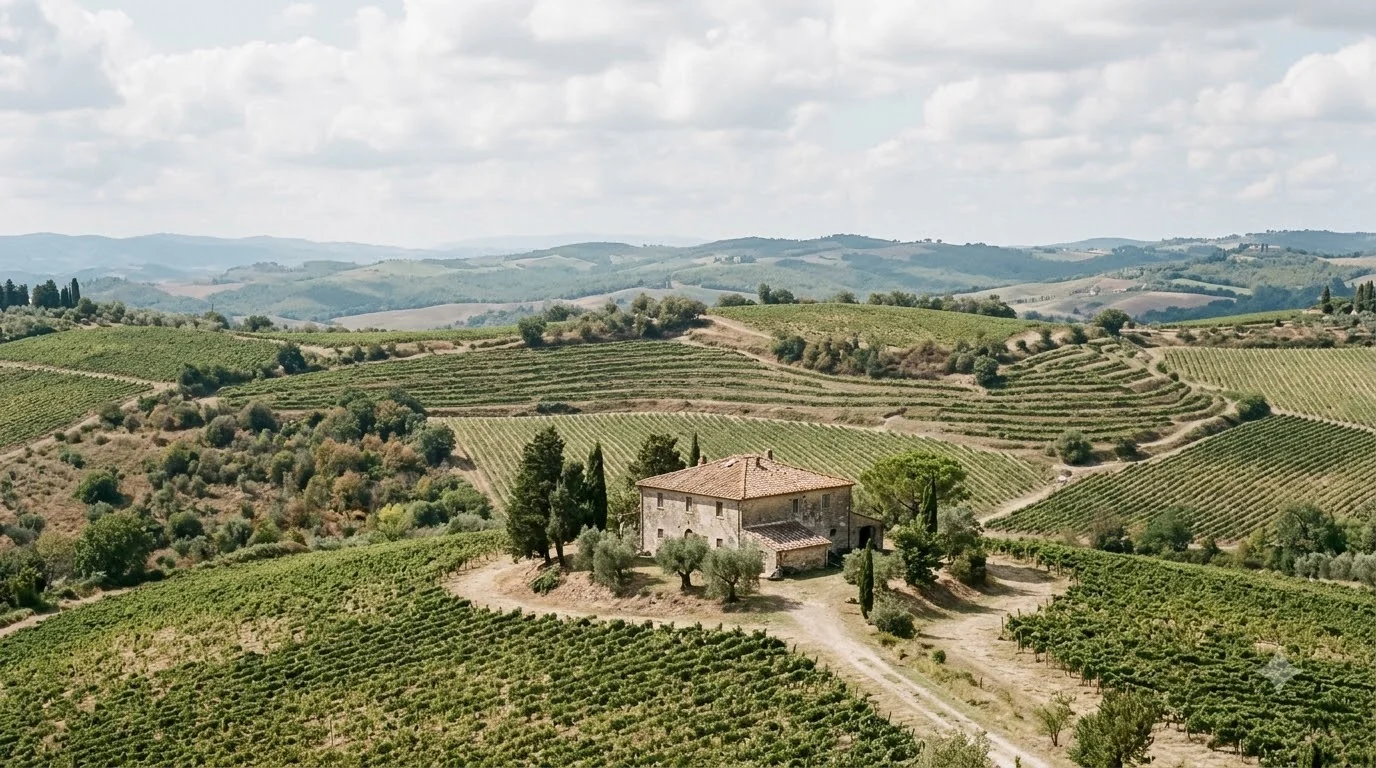
The canberra wine region is a cool-climate wine-growing area in southeastern Australia, celebrated for elegant Shiraz, crisp Riesling and increasingly exciting Mediterranean grape varieties. Located around Australia’s capital, Canberra, the district extends across the Australian Capital Territory and neighboring New South Wales. Its high-altitude vineyards, warm summer days and cool nights produce wines with fresh acidity, expressive aromatics and balanced structure.
Although smaller than Australia’s major wine-producing areas, Canberra has developed a distinctive reputation among wine enthusiasts looking for alternatives to the country’s fuller-bodied, warmer-climate styles. Its story combines scientific experimentation, pioneering family wineries and a willingness to explore grape varieties from different parts of Europe. Whether you enjoy peppery Shiraz, mineral-driven Riesling or lighter-bodied Italian reds, this region offers plenty to discover.
Where the Canberra Wine Region Is Located
The Canberra District occupies an extensive area surrounding Australia’s national capital, crossing the Australian Capital Territory border into New South Wales. Its vineyards are distributed across several rural communities, with many established wine producers located within a relatively short drive of central Canberra.

The geographical indication covers approximately 8,607 square kilometers, although the actual planted vineyard area is considerably smaller. Wine Australia reports approximately 329 hectares of vineyards, while the regional wine association describes a broader network of approximately 140 vineyards. Differences between these figures reflect the distinction between vineyard-area measurements and the wider regional industry.
Three broad vineyard areas help visitors understand the district’s geography:
- ACT and Hall: The closest wine-growing area to Canberra’s city center. Mount Majura Vineyard is located within the Australian Capital Territory, while Hall offers rural vineyard scenery and views toward the Brindabella Mountains.
- Murrumbateman and Yass: Located northwest of Canberra, this established wine-growing area is home to more than 15 wineries. Murrumbateman is particularly important to the district’s modern wine history and its Shiraz and Riesling reputation.
- Bungendore, Wamboin, Lake George and Collector: These communities occupy elevated countryside northeast and east of Canberra. Their vineyards benefit from varied elevations, slopes and growing conditions.
Despite the region’s name, most of its wineries are actually located in New South Wales rather than inside the ACT. This distinction is useful when researching individual producers or planning a vineyard visit, since the Canberra District geographical indication is larger than the capital city’s administrative boundaries.
The district’s location also places it within a broader southeastern Australian wine landscape. Travelers interested in comparing different climates and growing conditions can explore the Tasmania wine region, where maritime influences create another distinctive collection of cool-climate wines.
Climate, Elevation and Vineyard Soils
Canberra’s continental climate is one of the strongest influences on its wine style. Warm, dry summer days encourage grape ripening, while cold nights help preserve acidity and aromatic freshness, producing wines that balance ripe fruit with a relatively restrained structure.
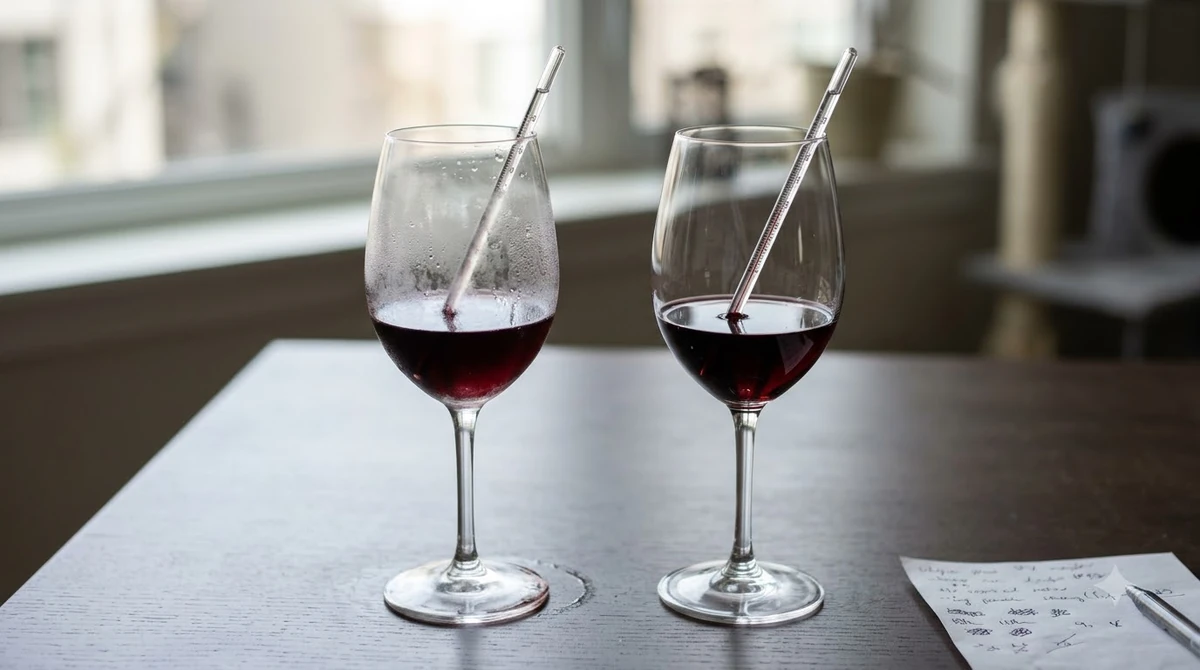
Wine Australia reports vineyard elevations ranging from 264 to 1,419 meters above sea level. Individual vineyards occupy different positions within this range, creating meaningful differences in temperature, ripening speed and exposure. Decanter identifies approximately 500 to 850 meters as a common elevation range for many of the district’s vineyards.
One important characteristic is the difference between daytime and nighttime temperatures. During the growing season, these temperature changes can approach 20 degrees Celsius, according to Decanter. Grapes experience sufficient daytime warmth to develop flavor while cooler nights help retain acidity and freshness.
Wine Australia’s regional figures also provide useful climatic context:
| Regional characteristic | Reported figure | Wine-growing significance |
|---|---|---|
| Total geographical indication area | 8,607 square kilometers | Defines the wider wine-growing district |
| Vineyard area | 329 hectares | Indicates the relatively small production footprint |
| Altitude range | 264–1,419 meters | Creates variation between vineyard sites |
| Growing-season rainfall | 420 millimeters | Contributes to water availability during grape development |
| Mean January temperature | 21.4°C | Reflects the warm summer growing environment |
| Day-to-night temperature variation | Up to approximately 20°C | Helps preserve aromatic character and acidity |
The soil composition adds another layer of complexity. Wine Australia identifies hard red duplex soils with shallow clay-loam topsoils as characteristic of the district. Other vineyard sites contain granite, ironstone, limestone and red clay loams. These variations influence drainage, vine growth and the way individual sites respond to seasonal conditions.
Spring frost and summer drought are important challenges. Some vineyards require irrigation to maintain consistent yields, while cooler autumn weather can bring rain close to harvest. Growers must therefore pay close attention to vineyard location, grape variety and harvest timing.
These conditions explain why Canberra wines often have a different character from Shiraz produced in warmer Australian regions. Rather than relying primarily on powerful fruit concentration, many producers emphasize aromatic complexity, freshness and moderate weight.
The History of Canberra District Winemaking
Canberra’s wine history extends much further back than its modern reputation suggests. Grapes were planted around the Gunning and Yass districts during the 1840s, but the early vineyards eventually declined as commercial wine production became more established in other parts of Australia.
The modern industry developed during the 1970s, when scientists and researchers began investigating the suitability of the countryside surrounding Canberra for grape growing. Their work helped establish the foundations of a wine region that would become particularly respected for Shiraz and Riesling.
The pioneering wineries
Several early producers played important roles in this revival:
- Clonakilla: Dr John Kirk purchased a 17-hectare former wool farm near Murrumbateman in 1971 and planted vines. The winery’s first commercial vintage followed in 1976.
- Helm Wines: CSIRO researcher Ken Helm planted vines east of Murrumbateman in 1973. His work helped establish a lasting regional reputation for Riesling and Cabernet Sauvignon.
- Lake George Winery: Dr Edgar Reik established his vineyard near Lake George in 1971, contributing to the early development of modern Canberra viticulture.
These producers approached grape growing with considerable curiosity. Instead of simply following established Australian winemaking traditions, they investigated which grape varieties could perform successfully in a region with pronounced seasonal temperature differences.
Clonakilla became especially influential through its Shiraz-Viognier blend. Tim Kirk produced the first vintage in 1992, introducing a wine style that would become an important reference point for Canberra’s red wine identity.
The blend combines Shiraz with a smaller proportion of Viognier, a white grape associated with the northern Rhône Valley in France. Its inclusion can contribute floral aromatics, fragrance and textural complexity to the finished red wine.
Over subsequent decades, additional producers established vineyards across Murrumbateman, Hall, Lake George and other communities. The result is a region with a strong independent character, where smaller wineries and individual vineyard sites play an important role.
For readers interested in how geographical conditions shape regional wine identities elsewhere, the Savoie wine region provides another interesting example of how elevation, climate and distinctive local grape varieties influence wine production.
The Main Grape Varieties of Canberra
Shiraz and Riesling are the two signature varieties of the Canberra District, although Cabernet Sauvignon, Chardonnay and several Mediterranean grapes also contribute to its identity. Understanding these varieties is the easiest way to begin exploring the region’s wines.
Shiraz
Shiraz is arguably the region’s most recognizable red grape. Canberra examples often show black cherry, dark berries, pepper, spice and licorice, supported by fine tannins and refreshing acidity.
Compared with many warmer Australian Shiraz wines, regional examples frequently have a more restrained body and a greater emphasis on fragrance. They can be medium-bodied rather than heavily concentrated, making them attractive to drinkers who appreciate aromatic reds with structure but without excessive weight.
Shiraz-Viognier is another important expression. The combination of red grape richness and floral Viognier aromatics creates a distinctive style associated with Clonakilla and the wider district.
Riesling
Riesling is the region’s leading white wine variety. The cooler nighttime temperatures help preserve its naturally high acidity, supporting crisp wines with citrus, lime, floral and mineral characteristics.
Most traditional examples are dry, although off-dry and sweeter styles are also produced. The combination of acidity and fruit concentration allows well-made Canberra Riesling to develop over many years.
With bottle age, young citrus and floral aromas can gradually develop more complex notes of toast, honey and mature fruit. This makes Riesling particularly interesting for collectors who enjoy observing how a wine changes over time.
Other established and emerging grapes
Cabernet Sauvignon remains part of the district’s red wine tradition, although its prominence has declined relative to Shiraz. Chardonnay and Pinot Noir also perform well at suitable sites, offering alternatives for drinkers who prefer lighter or more restrained wine styles.
Several Mediterranean varieties are attracting attention:
- Sangiovese: An Italian red grape that can produce fresh, medium-bodied wines with cherry fruit, savory notes and lively acidity.
- Tempranillo: A Spanish red variety that offers red and dark fruit, moderate acidity and adaptable winemaking possibilities.
- Malbec: A red grape capable of producing deeper color, dark fruit and substantial structure.
- Fiano: An Italian white grape associated with textured wines and expressive fruit character.
- Grüner Veltliner: An Austrian white grape that adds another dimension to the district’s experimental plantings.
- Marsanne and Roussanne: Rhône Valley white varieties that offer opportunities for textured wines and interesting blends.
These grapes demonstrate that Canberra is not dependent on just two varieties. Producers are exploring how different European grapes respond to the district’s cool nights, relatively high elevations and varied soils.
Tip: If you are trying Canberra wines for the first time, compare a dry Riesling with a regional Shiraz before moving on to Shiraz-Viognier or Sangiovese. This simple tasting sequence highlights the contrast between the region’s crisp white wines and its aromatic, structured reds.
What Canberra Wines Taste Like
Canberra wines generally emphasize freshness, aromatic detail and balanced fruit rather than sheer power. However, the district’s large geographical area means that individual vineyard sites and winemaking choices can produce noticeably different results.
Regional Shiraz characteristics
A typical Canberra Shiraz opens with dark cherry, blackberry and pepper aromas. Additional notes can include violet, licorice, dried herbs and savory spice. On the palate, moderate weight, fine tannins and fresh acidity help maintain balance.
Oak treatment varies by producer. Some wines use French oak to introduce subtle spice and textural complexity, while others emphasize fruit expression and a lighter touch with maturation vessels.
The best examples can age successfully, developing more complex savory and earthy characteristics while retaining their underlying freshness. Their structure makes them particularly appealing alongside grilled lamb, roasted beef and other savory dishes.
Regional Riesling characteristics
Canberra Riesling is usually dry, crisp and aromatic. Lime, lemon, green apple and floral notes are common, with acidity providing much of the wine’s structure.
Some examples have a particularly lean, mineral character, while others offer more generous citrus and stone-fruit flavors. The balance depends on vineyard elevation, harvest timing and the winemaker’s preferred style.
Young Riesling works particularly well with seafood, fresh salads and Asian dishes that combine aromatic herbs with moderate spice. Older bottles can offer additional complexity and pair nicely with richer fish dishes.
Other regional styles
Chardonnay can range from fresh and citrus-driven to fuller wines with oak influence and a creamy texture. Pinot Noir generally offers red cherry, raspberry and earthy notes, with lighter tannins than Shiraz or Cabernet Sauvignon.
Sangiovese provides another attractive option for people who enjoy Italian reds. Its fresh acidity and cherry-driven character make it particularly versatile with tomato-based foods, grilled vegetables and herb-seasoned meats.
These differences make Canberra an interesting region for comparative tasting. Rather than assuming that every wine shares the same flavor profile, consider tasting two producers using the same grape variety to understand how vineyard location and winemaking decisions influence the result.
Notable Canberra Wineries and Producers
The Canberra District has a relatively small production footprint, but its producers have helped establish a strong reputation for quality and experimentation. Several wineries are especially useful starting points for understanding the district’s signature styles.
Clonakilla
Clonakilla is one of the most influential names in the Canberra District. Established by Dr John Kirk in 1971 near Murrumbateman, the winery is particularly associated with Shiraz-Viognier.
The blend has become an important reference for Australian cool-climate Shiraz. Its aromatic character, spice and fine texture demonstrate how the region can produce red wines with considerable complexity without depending on excessive ripeness or weight.
Clonakilla also produces Riesling and other varieties, making it an excellent producer to explore when studying the region’s development.
Helm Wines
Helm Wines is closely associated with Canberra Riesling. Founded by Ken Helm, the winery has played a significant role in promoting the grape variety and establishing its reputation within the district.
Its Murrumbateman location provides an opportunity to understand how the area’s climate and vineyard conditions support wines with citrus character, natural acidity and aging potential.
Mount Majura Vineyard
Mount Majura Vineyard occupies a distinctive position within the Australian Capital Territory. It is the only winery situated inside the ACT border, according to the regional wine association.
The producer offers an interesting perspective on the diversity of Canberra wines, including varieties beyond the traditional Shiraz and Riesling combination. Its location also makes it a convenient destination for visitors staying in the capital.
Four Winds Vineyard
Four Winds Vineyard is another producer associated with the district’s modern wine identity. Located in the Murrumbateman area, it works with varieties suited to the region’s cool-climate conditions.
Shiraz and Riesling are central to its offering, while Sangiovese illustrates the growing interest in Italian grapes. Its Shiraz 2023 received the Jimmy Watson Memorial Trophy in 2024, bringing additional attention to the district’s red wine producers.
Lake George and other smaller producers
Lake George is an important part of Canberra’s wine-growing history, dating back to Dr Edgar Reik’s pioneering vineyard work. The broader Lake George area remains an interesting destination for visitors exploring the district’s different vineyard environments.
Smaller producers throughout Hall, Wamboin, Bungendore and Collector also contribute to the region’s diversity. Their wines can provide opportunities to discover less familiar varieties and different interpretations of the same grape.
For a deeper look at the region’s pioneering producers, climate and changing wine styles, Decanter’s report on Canberra’s cool-climate wine scene provides additional background on Clonakilla, Helm Wines and the district’s emerging varieties.
Visiting Canberra’s Wine Country
Canberra is a convenient base for exploring the surrounding wine district, with several vineyard areas accessible on a relatively short drive. Visitors can combine cellar-door tastings with rural scenery, regional restaurants and other attractions around Australia’s capital.
Murrumbateman is a particularly practical starting point. The village is approximately 30 minutes from Canberra by car and offers access to numerous wineries, cafes and local food businesses. Its concentration of producers makes it suitable for visitors who want to compare several wines without covering an enormous distance.
Hall and Mount Majura offer alternatives closer to the city. Hall provides countryside scenery and views toward the Brindabella Mountains, while Mount Majura is convenient for travelers who prefer not to spend much time driving outside the ACT.
Planning a wine-tasting itinerary
A comfortable day of wine tasting should focus on a small number of wineries rather than attempting to visit every producer. Three cellar doors can provide a useful comparison of regional styles without making the schedule unnecessarily demanding.
A practical itinerary might look like this:
- Morning: Start with a Canberra-area winery, such as Mount Majura, and compare its white and red wine offerings.
- Late morning: Drive toward Murrumbateman and visit a producer associated with Riesling, such as Helm Wines.
- Lunch: Enjoy a meal at a regional restaurant or village cafe, allowing enough time between tastings.
- Afternoon: Visit another Murrumbateman producer to compare Shiraz, Shiraz-Viognier or emerging varieties.
- Evening: Return to Canberra for dinner and explore the city’s restaurant and wine-bar scene.
Cellar-door opening arrangements and tasting availability vary between wineries. Some small producers operate on limited schedules or require advance reservations, so checking directly with each winery before departure is sensible.
Visitors should also consider the season. Autumn can be particularly interesting because vineyard activity increases around harvest, although weather conditions and harvest dates vary from year to year. Spring and summer offer attractive vineyard scenery, but visitors should remember that spring frost and summer heat are important parts of the region’s agricultural environment.
The regional association’s Canberra District wine region overview provides further information about vineyard areas, local geography, cellar doors and the different wine-growing communities. For anyone planning a broader Australian wine itinerary, Canberra can also be combined with other southeastern wine destinations. Those interested in European regional comparisons might explore the Switzerland wine region to see how different high-elevation vineyard environments influence grape growing and finished wine styles.
Frequently Asked Questions
Is Canberra considered a major Australian wine region?
Canberra is a relatively small wine-producing district compared with Australia’s largest commercial regions. Its influence comes from the quality and individuality of its producers rather than high production volumes. Its Shiraz-Viognier wines and Riesling have helped establish an international reputation disproportionate to the region’s size.
What is the best-known wine from Clonakilla?
Clonakilla is particularly famous for its Shiraz-Viognier blend, first produced by Tim Kirk in 1992. The wine combines Shiraz with a small proportion of Viognier, creating a distinctive aromatic profile. Its influence extends beyond the winery and has helped shape the identity of Canberra District Shiraz.
Can Canberra Riesling develop bottle-aged petrol aromas?
Yes. Mature Riesling can develop a characteristic kerosene-like aroma associated with the compound TDN. This development is particularly interesting in wines with strong acidity and sufficient fruit concentration. The intensity varies according to grape-growing conditions, winemaking and bottle age.
Does Canberra produce sparkling wine?
Yes. The wider Canberra wine community includes producers working with sparkling wine styles as well as still wines. Cool-climate conditions can be useful for producing grapes with the acidity required for traditional-method sparkling wine. Chardonnay and Pinot Noir are particularly relevant varieties for this category.
What does the Canberra District geographical indication mean?
A geographical indication identifies a legally recognized wine-growing area and establishes rules governing the regional origin of wine. The Canberra District GI extends across parts of the Australian Capital Territory and New South Wales. Its boundaries are considerably larger than the actual vineyard footprint, allowing producers across the designated area to use the regional designation when their wines meet the applicable requirements.
The Canberra District deserves attention from anyone interested in Australian wines beyond the familiar warm-climate styles. Its combination of aromatic Shiraz, age-worthy Riesling, varied vineyard sites and experimental grape varieties makes it one of southeastern Australia’s most distinctive wine destinations. Start with a regional Shiraz and Riesling, then explore the smaller producers to discover the diversity that makes Canberra wine country special.
More in Wine Regions
 Willcox Wine Trail: Discover Arizona’s High-Elevation Wine CountryUpdated Nov 20, 2026
 Yakima Valley Wine Region: Find the Best Styles to TryUpdated Nov 20, 2026
 Vosne Romanee Wine Tasting: Identify Aromas and Choose Better PairingsUpdated Nov 20, 2026
 Yakima Valley Wine Festival: Find the Best Seasonal Wine EventsUpdated Nov 20, 2026
 Wales Vineyards: Discover Cool-Climate Wines and Where to VisitUpdated Nov 20, 2026
 Yountville Wine Festival: Discover Napa Wines and Local FoodUpdated Nov 20, 2026