

We may earn a commission when you buy through links on this page, at no extra cost to you. Learn more.
The brazil wine region is centered primarily in Rio Grande do Sul, where Serra Gaúcha produces the country’s best-known sparkling wines, Merlot, and other distinctive fine wines. Brazil also has important wine-growing areas in Campanha, Serra do Sudeste, Santa Catarina, and the tropical Vale do São Francisco. Its vineyards produce everything from traditional-method sparkling wine and aromatic Moscatel to structured Tannat and fresh Chardonnay.
Brazil is not the first country many American wine drinkers associate with vineyard landscapes, but its wine industry has a history stretching back generations. Italian immigration, varied growing conditions, and increasing attention to regional identity have helped create a collection of wine styles that deserves closer attention. Understanding the country’s geography and principal grapes makes it easier to recognize what Brazilian bottles offer.
Where Brazil’s Wine Country Is Located
Brazilian wine production is concentrated in the south, particularly Rio Grande do Sul, although vineyards also thrive in other parts of the country. The contrast between southern highlands and northeastern tropical vineyards gives Brazil an unusually broad range of growing conditions and wine styles.

Rio Grande do Sul borders Uruguay and Argentina and contains several of Brazil’s most important wine-producing areas. Its southern latitude, elevation, and changing topography create conditions suitable for both sparkling and still wines. Serra Gaúcha, in the northeastern part of the state, is the country’s most recognizable wine center. Bento Gonçalves is its principal wine-tourism hub, with vineyards and wineries extending into neighboring municipalities.
Other southern production areas include Campanha, Serra do Sudeste, and Campos de Cima da Serra. These districts differ in elevation, rainfall, soil, and exposure, which affects grape ripening and the finished wine’s structure. Campanha, for example, has a flatter landscape and generally drier conditions than the humid, rolling hills of Serra Gaúcha. This contrast helps explain why the same grape variety can produce different results within one state.
Brazil’s wine geography also extends beyond Rio Grande do Sul. Santa Catarina has high-altitude vineyards that support cooler-climate grape growing, while Minas Gerais has developed an identity around wines made from grapes harvested during the southern hemisphere winter through specialized vineyard management. In northeastern Brazil, the Vale do São Francisco has a tropical production model that differs considerably from traditional European vineyard calendars.
This geographic diversity is important when reading a Brazilian wine label. The country name identifies the origin, but the regional designation provides a more useful indication of climate, grape varieties, and production traditions. A sparkling wine from Serra Gaúcha and a Syrah from the Vale do São Francisco should not be expected to taste alike.
Serra Gaúcha and Vale dos Vinhedos
Serra Gaúcha is the central reference point for Brazilian wine, particularly sparkling wine and Merlot. Within this broader area, Vale dos Vinhedos is one of the country’s most recognized geographical designations, connecting wine production with the history and landscape around Bento Gonçalves.
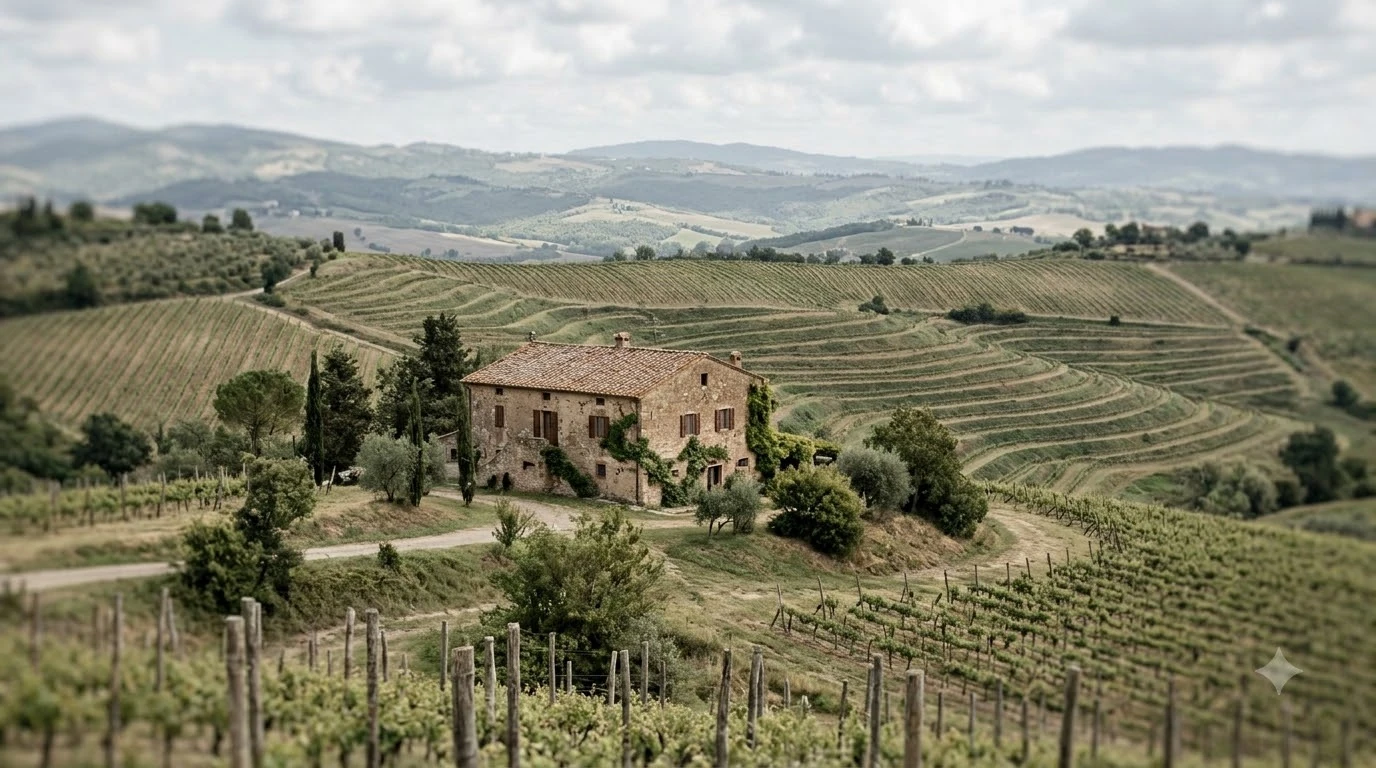
Serra Gaúcha developed its wine identity through generations of Italian immigrant families. Italian settlers began arriving in the area in 1875, bringing agricultural knowledge and traditions of everyday wine consumption. Commercial production gradually expanded, and the region developed from a collection of family vineyards into an established wine industry. Today, wineries produce sparkling wines, Chardonnay, Pinot Noir, Merlot, Cabernet Sauvignon, and Moscato.
Vale dos Vinhedos occupies a defined area of 81.23 square kilometers across Bento Gonçalves, Garibaldi, and Monte Belo do Sul, according to Embrapa. Its geographical indication establishes rules concerning grape origin, production, and wine approval. At least 85% of the grapes used in qualifying wines must come from within the delimited area. The wines must also be produced, aged, and bottled there.
Its authorized varieties include Merlot, Cabernet Sauvignon, Cabernet Franc, Tannat, and Pinot Noir among the red grapes, alongside Chardonnay, Riesling Itálico, Sauvignon Blanc, and several aromatic varieties among the whites. Merlot is particularly important to the area’s identity, producing reds that can combine ripe fruit with moderate acidity and balanced tannins.
The region also produces white wines, rosés, sparkling wines, and Moscatel sparkling wines. Its control system includes blind tasting approval and individually numbered seals on qualifying bottles. These requirements make the geographical indication more meaningful than a simple reference to a nearby town. For consumers, the designation offers a way to identify wines made under a defined set of regional standards.
Vale dos Vinhedos is also a practical starting point for wine tourism. Visitors can organize winery visits around Bento Gonçalves, explore vineyards in Garibaldi, and include Pinto Bandeira on a longer trip. The area’s combination of Italian-influenced food, cellar visits, and family-run producers makes it an accessible introduction to Brazilian wine culture.
Brazil’s Other Important Wine-Producing Areas
Beyond Serra Gaúcha, Brazil has several distinct growing areas that produce increasingly varied wines. Campanha, Serra do Sudeste, Campos de Cima da Serra, and Vale do São Francisco demonstrate how regional climate and geography influence grape selection and winemaking.
Campanha: Located in southern Rio Grande do Sul near the Uruguayan border, Campanha has a relatively flat landscape and drier conditions than Serra Gaúcha. Its producers grow Cabernet Sauvignon, Cabernet Franc, Tannat, Merlot, Pinot Noir, and Tempranillo. These varieties are used for structured reds and fresh whites, as well as some sparkling wines. Tannat is particularly interesting because its natural tannin structure gives the region opportunities to produce substantial reds that pair well with grilled meat.
Serra do Sudeste: This area has a varied landscape of plains and hills, with conditions that support several international grape varieties. Cabernet Sauvignon, Merlot, Tannat, Marselan, Pinot Noir, and Cabernet Franc are among the red varieties, while Chardonnay and Riesling Itálico are grown for white wines. The region’s combination of lower rainfall and cooler temperatures compared with some neighboring districts makes it an interesting area for producers seeking freshness and balanced ripeness.
Campos de Cima da Serra: Higher elevations distinguish this growing area. Vineyards can reach approximately 850 to 1,100 meters above sea level, according to Brazilian regional production information. Cold winds and altitude influence grape development, while well-drained clay soils support vineyard cultivation. Merlot, Cabernet Sauvignon, Sauvignon Blanc, and Gewürztraminer are among its established varieties, with Pinot Noir and Chardonnay also attracting attention for sparkling wine.
Vale do São Francisco: Northeastern Brazil offers a very different model. The region around the São Francisco River has a tropical climate, irrigation-dependent vineyard management, and the ability to produce multiple harvests within a year. This contrasts with the more conventional annual harvest cycle in southern Brazil. Moscatel varieties are important for aromatic sparkling wines, while Chenin Blanc, Sauvignon Blanc, Syrah, and Tempranillo contribute to other styles.
These areas are useful to remember because the country’s wine identity cannot be reduced to a single climate or grape. Someone who enjoys the savory structure of a Tannat may prefer a Campanha bottle, while a drinker looking for aromatic, refreshing sparkling wine may find the Vale do São Francisco or Serra Gaúcha more appealing.
Grape Varieties That Define Brazilian Wine
Brazil grows both international Vitis vinifera grapes and American or hybrid varieties used for everyday wines and grape juice. Chardonnay, Pinot Noir, Merlot, Cabernet Sauvignon, and Moscatel are particularly useful starting points for understanding the country’s fine-wine production.
Chardonnay is one of the most versatile grapes in Brazilian vineyards. It can produce still white wines with citrus, apple, and stone-fruit characteristics, as well as sparkling wines with fresh acidity. In traditional-method sparkling wines, Chardonnay contributes structure and a fine, persistent character. In warmer growing conditions, it can develop riper fruit flavors and a fuller body.
Pinot Noir is especially important for sparkling wine because its relatively delicate fruit profile and natural acidity work well in blends. It can also produce still red wines with cherry, strawberry, and earthy notes. Cooler vineyard sites and careful harvest timing are important for preserving freshness and avoiding excessive ripeness.
Merlot is one of the signature red grapes of Serra Gaúcha and Vale dos Vinhedos. Compared with Cabernet Sauvignon, Merlot generally has softer tannins and a rounder texture. Brazilian examples can show plum, black cherry, and herbal notes, depending on ripeness and winemaking decisions. These qualities make Merlot a useful introduction for drinkers who want a red wine with moderate structure rather than pronounced tannic grip.
Cabernet Sauvignon and Cabernet Franc provide additional red-wine options. Cabernet Sauvignon generally brings firmer tannins and darker fruit, while Cabernet Franc can contribute herbal, floral, and red-fruit characteristics. Both varieties appear in southern Brazilian growing areas, including Serra Gaúcha and Campanha.
Tannat is another variety worth seeking out. It naturally produces substantial tannins and concentrated dark fruit flavors. In Campanha and other southern areas, it offers an alternative to more familiar Bordeaux varieties. Food with protein, salt, and fat can help soften the wine’s tannic impression.
Moscatel is central to Brazil’s aromatic sparkling-wine identity. It can produce floral, peachy, citrus-scented wines with a noticeably sweeter profile than Brut sparkling wine. Riesling Itálico, Sauvignon Blanc, and Chenin Blanc also contribute to Brazil’s range of aromatic and refreshing whites.
| Grape variety | Typical wine style | Common flavor profile | Useful regional reference |
|---|---|---|---|
| Chardonnay | Still white and sparkling | Apple, citrus, pear | Serra Gaúcha |
| Pinot Noir | Red and sparkling | Cherry, strawberry | Pinto Bandeira |
| Merlot | Still red | Plum, black cherry | Vale dos Vinhedos |
| Cabernet Sauvignon | Structured red | Blackcurrant, cedar | Campanha |
| Tannat | Full-bodied red | Dark fruit, firm tannin | Campanha |
| Moscatel | Aromatic sparkling | Peach, floral, citrus | Serra Gaúcha |
| Chenin Blanc | Still white and sparkling | Apple, citrus, quince | Vale do São Francisco |
| Sauvignon Blanc | Dry white | Citrus, herbs, green fruit | Southern Brazil and São Francisco Valley |
Not every vineyard is planted with fine-wine varieties. American grapes such as Isabel and Bordô are also important to Brazil’s broader grape-growing industry, particularly for juice and traditional everyday wine. This distinction matters when evaluating national production figures because total grape cultivation is not the same as the area devoted to premium Vitis vinifera wine grapes.
Brazilian Sparkling Wine and Its Appellations
Sparkling wine is one of Brazil’s strongest international calling cards, particularly in Serra Gaúcha. Producers use both the Charmat and traditional methods, creating styles that range from crisp, dry Brut to aromatic, sweeter Moscatel.
The Charmat method, also called the tank method, carries out the second fermentation in a pressurized tank. This approach helps retain fresh fruit and floral aromas, making it especially suitable for youthful sparkling wines. Brazilian examples frequently use Chardonnay, Riesling Itálico, and Moscatel, with Brut and Extra Brut among the common dry styles.
The traditional method instead carries out the second fermentation in the bottle. This is the same basic production approach used for Champagne and Cava. Extended contact with yeast lees can contribute bread, biscuit, and brioche characteristics, adding complexity to the wine’s fresh fruit profile. Pinot Noir and Chardonnay are important grapes for these bottlings.
One of Brazil’s most significant developments is the Altos de Pinto Bandeira Denomination of Origin, which received recognition in 2023. It is dedicated exclusively to sparkling wine and emphasizes the specific conditions of its highland vineyards. Chardonnay, Pinot Noir, and Riesling Itálico are central to its production identity.
Another useful name is Vale dos Vinhedos, whose geographical indication covers a broader selection of wine styles rather than sparkling wine alone. Its production rules include specific grape-origin requirements, local processing, and quality-control procedures. These designations help distinguish wines from specific places rather than treating all Brazilian bottles as interchangeable.
For a closer look at the country’s sparkling-wine reputation, Decanter’s examination of South American sparkling wine discusses Brazilian producers, grape varieties, and the production methods used across the region.
When shopping, sweetness terminology is particularly useful. Brut Nature and Extra Brut indicate very dry styles, while Brut remains dry but can have slightly more residual sugar. Extra Dry is actually sweeter than Brut, followed by Dry, Demi-Sec, and Doux. Moscatel sparkling wine is a separate style worth considering if you prefer pronounced floral aromas and noticeable sweetness.
Tip: If you are new to Brazilian sparkling wine, begin with a Brut made from Chardonnay and Pinot Noir. Then compare it with a Moscatel sparkling wine to understand the difference between dry, crisp citrus character and sweeter, aromatic fruit.
Brazilian Wine Producers and Wine Tourism
Wine tourism is especially established in Serra Gaúcha, where wineries combine tastings, vineyard tours, regional food, and accommodation. Bento Gonçalves is a convenient base, with Vale dos Vinhedos and Pinto Bandeira providing opportunities to explore different wine styles within the same general area.
Casa Valduga is a notable name in Vale dos Vinhedos. Founded in 1875 by the Italian Valduga family, the estate represents the region’s long connection between immigrant heritage and commercial wine production. Its traditional-method sparkling wines are particularly interesting for visitors who want to understand the local approach to bottle fermentation and cellar aging.
Vinícola Geisse is another important producer, particularly in Pinto Bandeira. Chilean winemaker Mario Geisse established his own winery in 1979 after working with Chandon Brazil. The estate is recognized for traditional-method sparkling wine, including Chardonnay and Pinot Noir bottlings. Some wines receive extended lees aging, which can contribute a richer texture and subtle biscuit-like flavors.
Miolo is a prominent Vale dos Vinhedos producer with a history dating to 1897. Its range includes still and sparkling wines, and the winery has developed visitor experiences that connect wine production with the local landscape. Its location makes it a useful stop for anyone exploring the broader Bento Gonçalves wine area.
Salton is another established producer in the region, known for a substantial sparkling-wine selection alongside still wines. Its broad range provides a useful opportunity to compare different sweetness levels and production styles without moving between several distant wine districts.
Further south, Campanha offers a different experience. Its flatter landscapes, proximity to Uruguay, and emphasis on red grape varieties provide a contrast with the hills and sparkling-wine concentration of Serra Gaúcha. The region is particularly interesting for visitors who enjoy Cabernet Sauvignon and Tannat.
For practical travel planning, consider allowing at least two days for a focused visit to the Bento Gonçalves area. A first day can cover Vale dos Vinhedos, while a second can include Pinto Bandeira and additional winery appointments. Advance reservations are sensible because some smaller estates operate limited tasting schedules. Decanter’s Serra Gaúcha winery itinerary provides additional context on the local producers and wine-tourism experience.
How to Serve and Pair Brazilian Wines
Brazilian wines are easiest to appreciate when served at temperatures that suit their structure and sweetness. Sparkling wines benefit from a well-chilled glass, while fuller reds should be served slightly cooler than typical room temperature to preserve their fruit and balance.
For Brazilian sparkling wine, aim for 40–50 F. This range works particularly well for Brut and Extra Brut styles because it keeps the wine refreshing while allowing its fruit and acidity to remain noticeable. Moscatel sparkling wine also benefits from a chilled serving temperature of approximately 43–50 F, especially when paired with fruit desserts or lightly sweet pastries.
For still whites and rosés, a range of 45–50 F is a useful starting point for lighter styles. Fuller Chardonnay can be served closer to 50–55 F, allowing its texture and more developed aromas to emerge. Light-bodied reds, including delicate Pinot Noir, generally benefit from 55–60 F, while fuller Cabernet Sauvignon and Tannat are better around 60–65 F.
Food pairing should reflect the wine’s acidity, sweetness, tannin, and alcohol level. Brazilian sparkling Brut is a versatile choice with fried appetizers, salty cheeses, seafood, and savory pastries. Its acidity and bubbles help refresh the palate between bites, making it particularly useful with richer foods.
Merlot from Vale dos Vinhedos works well with roast chicken, mushroom dishes, tomato-based pasta, and grilled pork. Its softer tannins make it more flexible than a heavily structured Cabernet Sauvignon. Cabernet Sauvignon and Tannat from Campanha can handle grilled beef, barbecue, sausages, and aged hard cheeses because protein, fat, and salt soften tannin perception.
Chardonnay pairs well with roast chicken, creamy pasta, grilled fish, and mild cheeses. Sauvignon Blanc is a natural partner for fresh herbs, goat cheese, citrus-dressed seafood, and vegetable dishes. Its high acidity is particularly helpful with foods containing lemon or vinegar because the wine can maintain freshness alongside the dish.
Moscatel sparkling wine is a good option for fruit tarts, peach desserts, fresh berries, and lightly sweet cakes. The wine should be at least as sweet as the dessert; otherwise, the dessert can make the wine taste sour or thin. For spicy Brazilian dishes, avoid high-alcohol, strongly tannic reds because alcohol and tannin can intensify chili heat.
For additional regional comparisons, readers interested in mountain-influenced European wines can explore the Savoie wine region, while those interested in cool-climate island vineyards can compare Brazilian styles with the Tasmania wine region. These comparisons help illustrate how climate and geography shape the character of a bottle.
Frequently Asked Questions
Does Brazil have a Denomination of Origin for sparkling wine?
Yes. Altos de Pinto Bandeira received its Denomination of Origin in 2023, making it the first New World designation dedicated exclusively to sparkling wine. Its rules distinguish the geographical origin and production identity of qualifying bottles from more general regional sparkling wines.
What is the difference between Isabel grapes and Vitis vinifera grapes?
Isabel is an American-origin grape commonly used in Brazilian juice and everyday wine production. Vitis vinifera is the species that includes European wine varieties such as Merlot, Chardonnay, and Cabernet Sauvignon. The distinction is important because national vineyard statistics include grape cultivation for purposes beyond fine-wine production.
When does the Brazilian grape harvest usually take place?
In the southern wine regions, the principal harvest generally takes place during the Southern Hemisphere summer, especially from January into March. The exact timing varies by grape variety, vineyard altitude, and seasonal conditions. The Vale do São Francisco is unusual because its tropical production system allows multiple harvests within a single year.
Which Brazilian region is best known for traditional-method sparkling wine?
Pinto Bandeira, within Serra Gaúcha, is particularly recognized for traditional-method sparkling wine. Cave Geisse is one of its established producers, with a history of bottle-fermented sparkling production dating to 1980. Altos de Pinto Bandeira provides a more specific geographical designation for this style.
Is Brazilian wine exported to the United States?
Yes. Brazilian producers have international distribution, although domestic consumption remains important to the industry. Availability in the United States depends on importer relationships and individual producer distribution, so regional wine shops and specialist retailers can be useful places to search for bottles from Serra Gaúcha and Campanha.
Brazil offers considerably more than a single recognizable wine style. From the traditional-method sparkling wines of Pinto Bandeira to Vale dos Vinhedos Merlot, Campanha Tannat, and tropical wines from the São Francisco Valley, its regions provide a rewarding range of bottles to explore. Start with Serra Gaúcha for an introduction, then compare wines from other growing areas to discover the country’s wider regional character.
More in Wine Regions
 Willcox Wine Trail: Discover Arizona’s High-Elevation Wine CountryUpdated Nov 20, 2026
 Yakima Valley Wine Region: Find the Best Styles to TryUpdated Nov 20, 2026
 Vosne Romanee Wine Tasting: Identify Aromas and Choose Better PairingsUpdated Nov 20, 2026
 Yakima Valley Wine Festival: Find the Best Seasonal Wine EventsUpdated Nov 20, 2026
 Wales Vineyards: Discover Cool-Climate Wines and Where to VisitUpdated Nov 20, 2026
 Yountville Wine Festival: Discover Napa Wines and Local FoodUpdated Nov 20, 2026