

We may earn a commission when you buy through links on this page, at no extra cost to you. Learn more.
What wine goes with foie gras? Sauternes is the classic choice, while late-harvest Riesling, Gewurztraminer, and Pinot Gris offer excellent alternatives. Their sweetness, aromatic complexity, and refreshing acidity complement the rich, buttery texture of duck or goose foie gras. If you prefer dry wine, Champagne, white Burgundy, and aromatic Viognier provide delicious alternatives, particularly with seared foie gras or preparations served as a first course.
Foie gras is a distinctive dish with a rich texture and concentrated flavor, so choosing the right wine makes a noticeable difference. The best pairing depends on whether you are serving a chilled terrine, a semi-cooked preparation, or a hot, pan-seared portion. Sweet white wines remain traditional favorites, but a dry white or sparkling wine can be equally satisfying when matched to the preparation and accompaniments. Understanding the balance between sweetness, acidity, body, and richness makes it easier to choose a bottle that complements the food rather than overwhelming it.
Why Sweet White Wine Is the Classic Foie Gras Pairing
Sweet white wine is the traditional choice for foie gras because its residual sugar complements the liver’s concentrated richness, while sufficient acidity keeps the combination from becoming heavy. Sauternes, Jurançon, and Monbazillac are particularly good starting points.
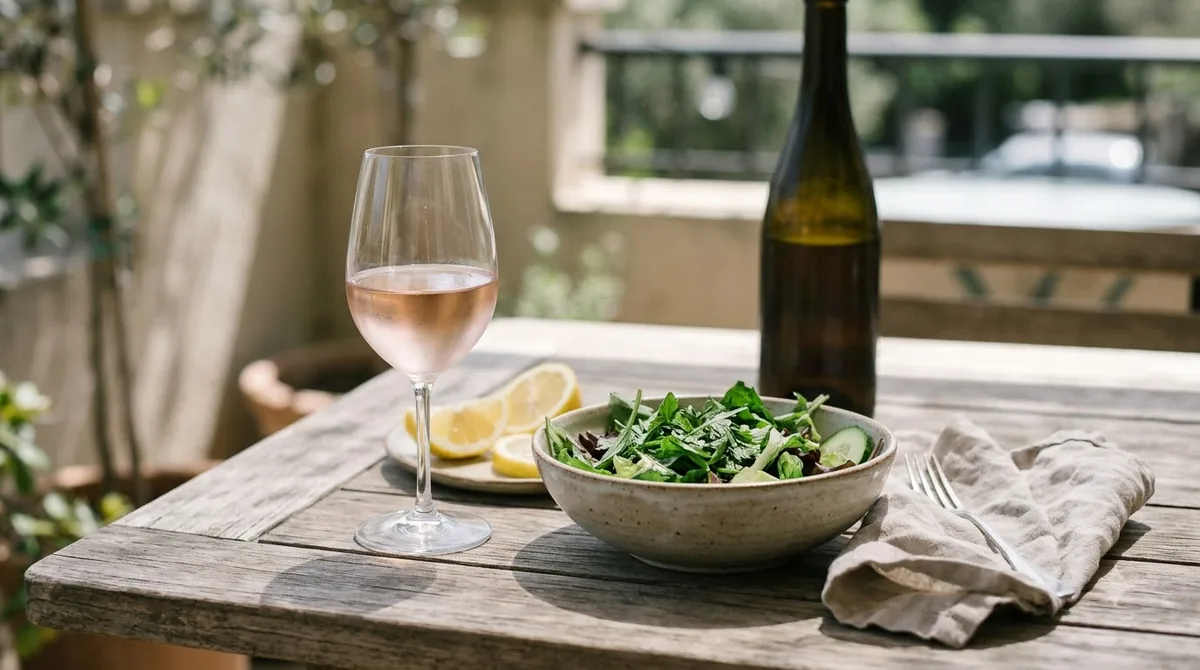
Sauternes from Bordeaux is arguably the best-known pairing. Made primarily from Sémillon, with Sauvignon Blanc and Muscadelle also permitted in the blend, it can develop layers of honey, apricot, peach, citrus, and dried fruit. These flavors complement foie gras without requiring elaborate sauces or strong seasonings. A mature bottle can also introduce notes of nuts, caramel, and preserved fruit that work particularly well with a traditional terrine.
Another excellent option is Jurançon, from the foothills of the Pyrenees in southwestern France. Made with regional grapes such as Petit Manseng and Gros Manseng, sweet Jurançon combines concentrated fruit with lively acidity. It is especially appealing when foie gras is served with toasted bread, fruit preserves, or a modest amount of onion confit. The acidity gives the wine enough freshness to balance the food’s rich texture.
Monbazillac, another southwestern French sweet wine, offers an approachable alternative to Sauternes. Its flavors commonly include ripe stone fruit, honey, and dried apricot. Depending on the producer and vintage, it can range from moderately sweet to richly concentrated. Look for a wine with noticeable freshness rather than choosing solely for the highest sweetness level.
Sweetness matters because foie gras is naturally rich, but the wine should not taste like syrup. A balanced sweet white combines residual sugar with acidity and enough structure to maintain definition. The wine should complement the liver rather than make the entire course feel like dessert.
Choosing between the classic sweet wines
- Sauternes: Choose it for traditional duck or goose foie gras terrine, especially with brioche or lightly toasted country bread.
- Jurançon moelleux: Choose it for a lively sweet pairing with fruit accompaniments or a simple preparation.
- Monbazillac: Choose it for honeyed fruit flavors and a generous texture.
- Barsac: Choose it when you want a sweet Bordeaux wine with a particularly fresh, refined character.
Serving order also deserves attention. A very sweet wine can make the palate feel saturated if the foie gras appears at the beginning of a long dinner. In that situation, a smaller pour or a less sweet alternative may be preferable. If foie gras is served later in the meal, a richer Sauternes can make a memorable pairing.
Alsace Wines That Complement Foie Gras
Alsace offers several excellent choices because its aromatic white grapes can produce wines with both generous texture and refreshing acidity. Pinot Gris, Gewurztraminer, and Riesling are especially useful, with late-harvest versions providing the sweetness associated with traditional foie gras pairings.
Pinot Gris is a particularly versatile option. Depending on its style, it can show pear, apple, ripe peach, smoke, and subtle spice. Its rounded body gives it enough presence to accompany the creamy texture of foie gras, while its freshness prevents the pairing from feeling excessively rich. An off-dry or late-harvest Pinot Gris is a good choice for traditional terrine, while a dry version works with plain foie gras when you prefer a savory direction.
Gewurztraminer is more aromatic and expressive. Its characteristic notes can include lychee, rose petals, ginger, tropical fruit, and baking spices. These aromas make it particularly suitable for foie gras served with figs, dried apricots, spiced bread, or a fruit-based chutney. A late-harvest Gewurztraminer brings additional sweetness and concentration, making it a natural partner for richer preparations.
Riesling provides a different experience. Its naturally high acidity gives it a crisp, refreshing character that contrasts with the soft, fatty texture of foie gras. A dry Alsace Riesling is particularly useful when the dish is served as a starter before a substantial main course. A late-harvest Riesling provides a sweeter alternative while retaining the acidity that makes the grape so versatile.
Alsace also produces wines labeled Vendanges Tardives and Sélection de Grains Nobles. These terms indicate particular late-harvest or specially selected grape styles, rather than simply describing ordinary dry wines. Vendanges Tardives wines can offer concentrated fruit and sweetness, while Sélection de Grains Nobles wines can be especially rich and complex. Both styles deserve consideration for a traditional holiday foie gras course.
Pinot Gris or Gewurztraminer?
If you are uncertain which bottle to choose, Pinot Gris is often the more flexible option. Its fruit, texture, and relatively restrained aromatic profile allow the foie gras to remain the focus. Gewurztraminer is better suited to a more expressive plate with gingerbread, fig chutney, or aromatic spices.
Riesling is the preferred direction for diners who enjoy freshness more than sweetness. For example, a dry Riesling can be a better choice than a very sweet wine when foie gras is served with a small portion of savory toast at the beginning of a multi-course dinner.
The choice is not simply about grape variety. A dry Pinot Gris and a late-harvest Pinot Gris can behave quite differently at the table. Consider the sweetness level, acidity, body, and intensity of the specific wine before making the final decision.
Dry White Wines for a Fresher Foie Gras Pairing
Dry white wine works particularly well with plain foie gras when you want to avoid the sweetness of Sauternes or late-harvest wines. Choose a white with sufficient body, moderate acidity, and a rounded texture rather than an extremely lean or aggressively acidic style.
Meursault and Pouilly-Fuissé are excellent examples of white Burgundy to consider. Both are associated with Chardonnay, although their individual styles vary with vineyard, producer, and winemaking choices. They can offer ripe orchard fruit, citrus, subtle nutty flavors, and a fuller texture that suits foie gras.
Meursault is particularly appealing when you want a rich but dry pairing. Chardonnay from this part of Burgundy can have a creamy impression, sometimes accompanied by hazelnut, baked apple, and mineral notes. This texture complements the soft richness of foie gras without introducing the sweetness of a dessert wine.
Pouilly-Fuissé is another worthwhile choice, particularly for a pan-seared preparation with restrained seasoning. Its Chardonnay-based wines can combine ripe fruit with a rounded palate and refreshing acidity. The result is a pairing that feels substantial without becoming too sweet.
Other possibilities include selected white wines from the Rhône Valley. Viognier, for example, is naturally aromatic and often has a generous texture. It can offer apricot, peach, acacia blossom, and floral notes that complement foie gras, particularly when the dish is served simply without a sweet sauce.
Why acidity matters
Foie gras has a substantial fatty texture, so a wine with adequate acidity helps refresh the palate between bites. However, the goal is not to choose the sharpest white wine available. An extremely lean wine can seem thin next to the richness of the food.
Instead, look for a combination of body and freshness. A rounded Chardonnay, a balanced Viognier, or a moderately acidic Riesling can all work. The ideal wine has enough weight to remain present while retaining the freshness necessary to keep the combination lively.
This is also a useful approach when serving foie gras as an appetizer. A dry white avoids the pronounced sweetness that can make subsequent savory courses more difficult to pair. For additional guidance on matching wine structure with food, see our Wine Pairing principles.
Tip: If foie gras is the first course in a long dinner, consider a dry, full-bodied white such as Meursault or an aromatic Viognier. Save a rich Sauternes or late-harvest Gewurztraminer for a meal in which the foie gras is served as a featured course.
Champagne and Sparkling Wine with Foie Gras
Champagne is an excellent alternative to sweet white wine because its bubbles and freshness contrast with the creamy texture of foie gras. Brut Champagne is particularly suitable for appetizers, toasted foie gras canapés, and preparations that include savory accompaniments.
A traditional Brut Champagne offers a dry profile, lively acidity, and fine bubbles. Its citrus, apple, and sometimes brioche-like flavors complement the richness of foie gras while keeping the pairing relatively refreshing. This makes it an appealing option for a festive gathering where guests may prefer something less sweet than Sauternes.
Blanc de Blancs Champagne, generally made entirely from Chardonnay, is another possibility. Its fresh citrus character and mineral structure can work especially well with seared foie gras, particularly when the dish includes caramelized apples or a restrained balsamic glaze. The contrast between the wine’s freshness and the dish’s richness makes the pairing interesting.
Blanc de Noirs Champagne, made from dark-skinned grapes such as Pinot Noir or Pinot Meunier, can provide a fuller impression. Its additional fruit and structure may suit duck foie gras or richer preparations. The exact style depends on the producer and the blend.
Crémant d’Alsace is worth considering if you want a regional alternative. Its fresh sparkling character can complement foie gras served on small pieces of toasted bread. Choose a dry style when the dish includes savory toppings, or consider a slightly sweeter version when fruit preserves are present.
Choosing the right sparkling wine sweetness
Sparkling wine labels indicate different levels of sweetness. Brut Nature and Extra Brut are very dry, while Brut offers a little more residual sugar. Extra Dry is actually sweeter than Brut, followed by Dry, Demi-Sec, and Doux.
For foie gras, Brut is a useful starting point because it balances freshness with a restrained level of sweetness. Brut Nature can work with a richer or more savory preparation, while a Demi-Sec style may be more suitable if the plate includes sweet fruit or onion confit.
Serve sparkling wine at approximately 40–50 F. This temperature preserves its refreshing character while allowing its aromas to develop as the wine warms slightly in the glass. Avoid serving it so cold that the wine becomes difficult to appreciate.
The Laurent-Perrier foie gras and Champagne pairing recommendations also illustrate how Brut Champagne, Blanc de Blancs, and different white wine styles can accompany specific preparations, from semi-cooked terrine to seared foie gras.
Red Wine Choices for Foie Gras
Red wine can accompany foie gras, but the choice requires more care because tannins and alcohol can dominate its delicate flavor. Pinot Noir, mature Bordeaux, and certain Merlot-based wines are more suitable than young, heavily tannic Cabernet Sauvignon.
Pinot Noir is one of the most flexible red wine choices. Its relatively low-to-medium tannin level, fresh acidity, and red fruit character make it a better match for foie gras than many more powerful red varieties. Look for a wine with restrained oak and moderate alcohol rather than an extremely concentrated style.
A mature Burgundy Pinot Noir can work particularly well with a more elaborate preparation. For example, foie gras served in pâté en croûte or alongside duck breast has enough savory depth to complement a refined red wine. The wine’s acidity and gentle tannins can provide structure without overwhelming the food.
Merlot-based Bordeaux is another possibility, particularly when the bottle has developed some maturity. Saint-Émilion and Pomerol are useful regional names to explore. Mature examples can show softened tannins and flavors of plum, dried herbs, earth, and spice that complement a richer dish.
Older Médoc and other Bordeaux wines can also work with truffled goose foie gras. The important distinction is maturity. A young Cabernet Sauvignon-dominant wine may have firm tannins that feel harsh alongside a delicate terrine, whereas a well-aged Bordeaux may have developed a smoother texture.
Red wine is generally easier to match with cooked foie gras or a substantial main course than with a small portion of cold terrine. When foie gras is part of a dish with duck breast, mushrooms, or a concentrated meat sauce, the additional savory elements help bridge the flavors of the wine and food.
Red wines to approach carefully
Cabernet Sauvignon generally has high tannin, so a young example can overwhelm foie gras. Syrah can also have medium-plus to high tannin and substantial body, making it a less reliable choice for a simple terrine.
Pinot Noir is usually the safer option because of its lighter tannin structure. If you want a Bordeaux, favor a mature bottle with softened tannins rather than a young, powerful red. The same principle applies when choosing a red wine for other rich dishes, such as what wine goes with beef brisket, where the protein and cooking method change the balance of the pairing.
Matching Wine to Different Foie Gras Preparations
The preparation of foie gras is just as important as the type of wine. A chilled terrine, a hot seared portion, and a foie gras preparation with fruit or pastry have different textures and flavor intensities, so the best bottle can change accordingly.
Use the following guide as a practical starting point when choosing wine for a dinner party or holiday menu.
| Foie Gras Preparation | Recommended Wine | Why It Works |
|---|---|---|
| Duck foie gras terrine | Sauternes or Jurançon | Sweetness and acidity complement richness. |
| Goose foie gras terrine | Alsace Riesling or Pinot Gris | Freshness and aromatic complexity suit its delicate texture. |
| Semi-cooked foie gras | Pinot Gris Vendanges Tardives | Rounded fruit and sweetness complement the creamy texture. |
| Pan-seared foie gras | White Burgundy or Champagne | Body and freshness balance the caramelized exterior. |
| Foie gras with caramelized apples | Blanc de Blancs Champagne | Fresh acidity contrasts with the sweet fruit and rich liver. |
| Foie gras with fig chutney | Gewurztraminer or sweet Jurançon | Fruit sweetness and aromatic intensity complement the garnish. |
| Foie gras with gingerbread | Off-dry Gewurztraminer | Spice and aromatic fruit create a complementary flavor profile. |
| Foie gras pâté en croûte | Mature Pinot Noir or Pomerol | Gentle tannins and savory complexity suit the pastry and meat. |
| Foie gras with truffles | Mature Bordeaux or structured white Burgundy | Developed flavors complement the earthy character of truffles. |
| Foie gras on appetizer toast | Brut Champagne or Crémant d’Alsace | Bubbles and acidity refresh the palate. |
Duck versus goose foie gras
Duck foie gras generally has a more pronounced flavor, so it can handle wines with greater aromatic intensity. Sauternes, Gewurztraminer, and fuller-bodied Pinot Gris are reliable options, especially when the preparation includes fruit or spices.
Goose foie gras is often more delicate and silky. A mature Riesling, refined Champagne, or white Burgundy can complement it without dominating the dish. However, a quality sweet wine remains an excellent choice if the preparation is traditional and the sweetness is balanced by acidity.
Pan-seared foie gras
Pan-seared foie gras presents a different pairing challenge. The exterior develops a golden-brown surface while the interior remains soft and rich. This additional caramelized character can make a fuller-bodied dry white wine particularly appealing.
A white Burgundy, structured Viognier, or Blanc de Blancs Champagne can work beautifully. If the foie gras is accompanied by caramelized apples or roasted figs, a late-harvest Riesling provides another option because its sweetness complements the fruit while its acidity maintains freshness.
For more substantial dishes containing meat, sauce, and rich accompaniments, a softer red may also be appropriate. The broader flavor profile provides more room for Pinot Noir or mature Merlot-based wines than a simple chilled terrine would.
Serving Temperature, Portions, and Food Accompaniments
Proper serving temperature helps preserve the balance between wine and foie gras. Sweet whites should be cool enough to remain refreshing, while full-bodied dry whites and mature reds benefit from slightly warmer serving temperatures that allow their aromas and textures to show.
For sweet white wines, aim for approximately 43–50 F. This range works well for Sauternes, Jurançon, Monbazillac, and late-harvest Alsace wines. Very cold temperatures can make a sweet wine seem less expressive, while excessive warmth can make its sweetness feel heavy.
For dry white wines such as Meursault, Pouilly-Fuissé, and Viognier, a temperature of approximately 50–55 F is a useful guideline. This gives the wine enough freshness while allowing its fuller body and aromatic character to develop.
Champagne and other sparkling wines are best served at approximately 40–50 F. Their acidity and bubbles help refresh the palate, particularly when foie gras is served as an appetizer. Light red wines such as Pinot Noir are generally best around 55–60 F, while fuller red wines are better around 60–65 F.
Preparing the foie gras
Serving temperature matters for the food as well as the wine. Georges Bruck recommends keeping foie gras between 4 and 6 degrees Celsius when cutting it and preparing slices approximately 7–8 mm thick. The producer also recommends taking the foie gras out of the refrigerator 5–10 minutes before serving.
For a starter, a serving of approximately 50–70 grams per person is a useful reference from the producer’s serving recommendations. Smaller portions are often preferable when the meal includes several courses or when the wine is particularly sweet.
Use a knife warmed in hot water to make clean slices, wiping and reheating the blade between cuts. Serve the portions on chilled plates to preserve their texture, particularly when preparing a traditional terrine.
The Georges Bruck foie gras tasting and serving guidance provides additional practical recommendations for cutting, portioning, serving temperature, and matching Alsace wines with foie gras.
Choosing bread and garnishes
Bread influences the final pairing because it adds texture and sometimes sweetness. Lightly toasted farmhouse bread or country bread works particularly well with duck foie gras, while lightly toasted brioche is a natural partner for the subtler flavor of goose foie gras.
Fig chutney, onion confit, caramelized apples, and dried fruit can all complement foie gras, but they also change the wine selection. A sweet accompaniment makes a sweet wine more natural, while a savory or lightly seasoned preparation gives dry white wine and Champagne more room to shine.
Be careful with very acidic salad dressings, which can make the wine seem less balanced. Strong spices and heavily seasoned accompaniments can also overpower a delicate preparation. Keep the garnish restrained if you want the foie gras and wine to remain the central flavors.
If the menu includes other rich dishes, consider how the wines will progress through the meal. A lighter, drier white can introduce the dinner before a richer sweet wine accompanies foie gras. You can then choose a more structured red for a meat course.
Frequently Asked Questions
What is the best wine to serve with foie gras?
Sauternes is the traditional favorite, but there is no single wine that suits every preparation. A late-harvest Riesling, Pinot Gris, or Gewurztraminer can provide a similar sweet-and-fresh balance. For a dry alternative, consider Meursault or Champagne.
Is foie gras traditionally served before or after the main course?
In French dining traditions, foie gras is commonly served as a starter, although it can also appear between courses or as part of a more elaborate main dish. Its position in the meal influences the wine choice because a very sweet wine early in dinner can make later dry wines seem less expressive.
Does the age of Sauternes affect its suitability for foie gras?
Yes. Younger Sauternes often emphasizes fresh apricot, citrus, and honeyed fruit, while mature bottles can develop notes of nuts, caramel, dried fruit, and spice. Both can accompany foie gras, but a mature bottle can be especially interesting with truffles or a richly flavored goose terrine.
Can ice wine accompany foie gras?
Yes. German Eiswein and Canadian Icewine can provide concentrated fruit sweetness and lively acidity. Their balance makes them interesting alternatives to Sauternes, particularly when the foie gras is served simply without an especially sweet sauce.
How much wine should I pour with foie gras?
A small pour of approximately 3 ounces is a practical serving for a rich sweet wine accompanying a starter. A standard 750 ml bottle contains approximately 25.4 fluid ounces, making it sufficient for about eight small pours. This portion allows guests to enjoy the pairing without making a sweet wine dominate the entire meal.
The best wine for foie gras depends on its preparation, accompaniments, and place in the meal. Choose Sauternes or a late-harvest Alsace wine for the traditional sweet pairing, Champagne or white Burgundy for a fresher approach, and mature Pinot Noir for more elaborate savory dishes. With the right balance of sweetness, acidity, and texture, foie gras can be paired beautifully with several different wine styles.
More in Food & Wine Pairing
 Risotto With White Wine Recipe: Make a Creamy Dinner at HomeUpdated Nov 20, 2026
 Wassail With Wine Recipe for a Festive Spiced Holiday DrinkUpdated Nov 20, 2026
 Spritz Veneziano Recipe: Make a Classic Venetian Aperitivo at HomeUpdated Nov 20, 2026
 Summer Wine Punch Recipe for Easy Homemade EntertainingUpdated Nov 20, 2026
 Bishop Recipe: How to Make a Bright, Citrus-Forward Red Wine CocktailUpdated Nov 20, 2026
 Wine Cupcakes Recipe: Bake Rich Chocolate Cupcakes at HomeUpdated Nov 20, 2026