

We may earn a commission when you buy through links on this page, at no extra cost to you. Learn more.
St Francis white wine comes in two core Sonoma styles—Chardonnay and Sauvignon Blanc—so the best bottle depends on whether you prefer a rounded, orchard-fruit profile or a crisp, citrus-led one. The winery makes both from Sonoma County fruit, but vineyard sources and cellar choices give them distinct textures. Classic Chardonnay is the more flexible starting point, while Sauvignon Blanc is the brighter option for high-acid food pairings. Alcohol levels, oak use, and aging details can vary by vintage and bottling.
St. Francis Winery & Vineyards is closely tied to Sonoma County, and its white wines show how the same region can produce both creamy and refreshing styles. This guide explains the main bottles, how to read their differences, what flavors to expect, and how to serve each wine with confidence.
What St Francis White Wine Includes
St. Francis white wines center on Chardonnay and Sauvignon Blanc. Chardonnay ranges from fresh and medium-bodied to rich and creamy, while Sauvignon Blanc is the more aromatic, high-acid choice.
The winery’s history begins in Sonoma Valley. Founder Joe Martin established St. Francis Vineyard in 1971, planting 22 acres of Chardonnay and 60 acres of Merlot. He opened the winery in 1979 with Lloyd Canton. St. Francis says it farms more than 400 acres of Certified Sustainable estate vineyards in Sonoma Valley and Russian River Valley.
St. Francis also works with Sonoma County growers, giving its wines access to more than one climate and soil type. Chardonnay can combine estate fruit with grapes from Carneros or Alexander Valley, while Sauvignon Blanc may blend cooler valley fruit with warmer sites. That range helps the winemaking team balance ripeness, acidity, and texture.
The Wine Brands overview offers context for comparing producer identity, grape choices, and regional sourcing. St. Francis is best approached as a Sonoma producer with several white-wine expressions, not one fixed flavor profile.
Choosing a St Francis Chardonnay Style
Chardonnay shows the range of St. Francis white wine: a brighter Classic style, a fuller Buttery expression, and Appellation Collection bottlings with a more specific regional source.
Classic Chardonnay: Fresh and Medium-Bodied
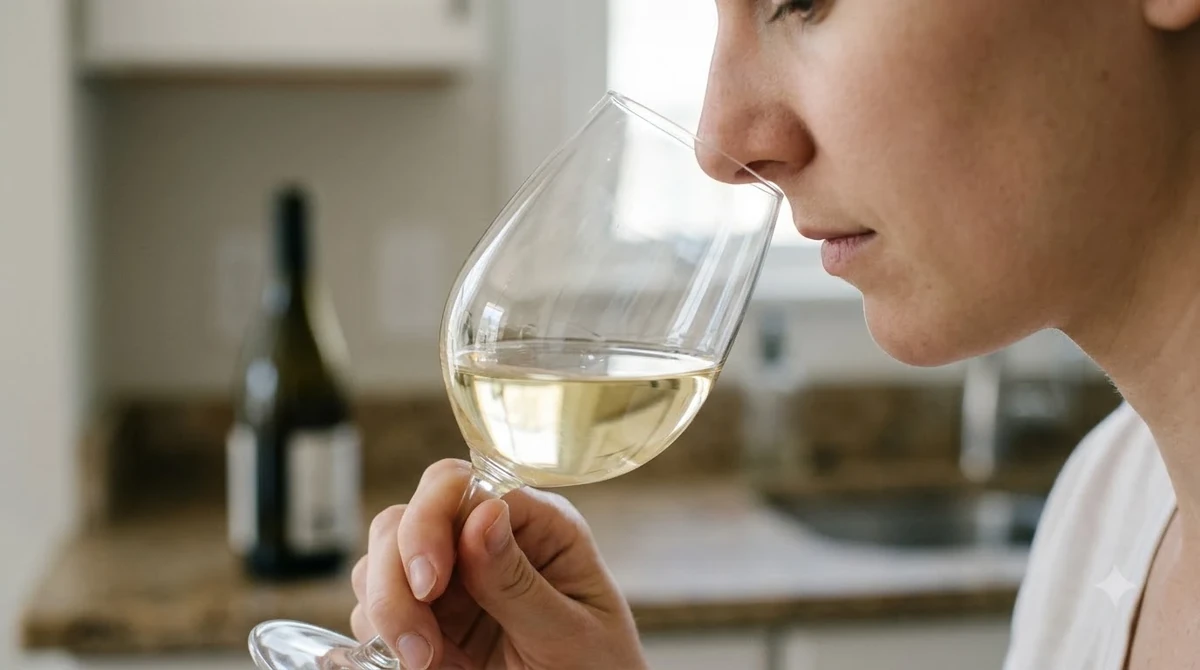
Classic Chardonnay suits drinkers who want orchard fruit without a heavy finish. Apple, pear, citrus, and a light creamy texture are balanced by freshness and mineral notes. Its medium body works with roast poultry or creamy pasta without requiring a rich sauce. The 2024 Sonoma County Classic Chardonnay is listed as 100% Chardonnay, at 14.3% ABV, aged eight months in French oak with 20% new barrels. Its notes include fresh pear, baked apple, lemon curd, brioche, and a soft-acidity finish. These figures describe that vintage, not every Classic release.
Buttery Chardonnay: Richer and Creamier
Buttery Chardonnay is for drinkers who prefer a fuller mouthfeel, softer acidity, and flavors of ripe tropical fruit, baked apple, vanilla, and baking spice. St. Francis links this style to warmer vineyard sources, fuller malolactic fermentation, and more new oak. Malolactic fermentation converts sharper malic acid into softer lactic acid, creating a rounder, creamier impression. Oak and malolactic fermentation are style decisions, not signs of added butter or sweetness. Oak can contribute toast, vanilla, and spice, while malolactic fermentation changes texture and perceived acidity; a creamy Chardonnay may still be dry. For another producer comparison, see the overview of baron philippe de rothschild wine.
Appellation Chardonnay: More Site-Specific Detail
St. Francis also releases Chardonnay with more specific regional and vineyard designations. A 2024 Appellation Collection Chardonnay, sourced from a historic Russian River Valley vineyard, was 100% Chardonnay, fermented in French oak, and aged 11 months. The winery reports 80% malolactic fermentation and 10% new French oak; notes include Fuji apple, citrus zest, almond skin, toasted marshmallow, and crème brûlée.
These labels distinguish broad regional blending from a more defined origin. Sonoma County bottlings can combine districts, while a Sonoma Valley or Russian River Valley designation points to a narrower source. Neither guarantees a light or rich style, so compare grape, alcohol, and oak information together.
St Francis Sauvignon Blanc: Bright Citrus and Fresh Acidity
St. Francis Sauvignon Blanc is the more vivid, aromatic white in the range, with citrus, melon, stone fruit, and floral notes supported by lively acidity. It is generally the stronger choice for salads, shellfish, herbs, and dishes that benefit from a clean, refreshing finish.
The 2025 Sonoma County bottling is listed as 100% Sauvignon Blanc, with honeydew melon, kiwi, jasmine, lime zest, tangerine, Anjou pear, and white peach notes. A small amount of neutral-barrel aging adds roundness. The winery records fermentation at 55°F for more than 30 days, mostly in stainless steel, with malolactic fermentation prevented. See the producer’s 2025 Sauvignon Blanc technical sheet for the vintage details.
Wine Enthusiast’s review of the 2025 Sonoma County Sauvignon Blanc describes grapefruit peel, gooseberry, jalapeño, chalky mineral, citrus, and green-herb notes, and gives it 88 points. These greener descriptors complement the winery’s fruit-led notes: Sauvignon Blanc can show melon and citrus alongside grassy, herbal, or pepper-like qualities. Read the Wine Enthusiast review as one independent snapshot of that vintage.
How Sonoma County Vineyards Shape the Wines
Sonoma County’s varied temperatures help explain St. Francis’s round Chardonnay and bright Sauvignon Blanc. Cooler areas tend to preserve acidity, while warmer sites can contribute fuller fruit character.
For Chardonnay, St. Francis identifies estate vineyards in Sonoma Valley and Russian River Valley, plus grower fruit from Carneros and Alexander Valley. Cool nights in fog-influenced areas help preserve freshness. The 2024 Sonoma County bottling draws on all four named areas, rather than a single vineyard.
Sauvignon Blanc sources also vary by bottling. St. Francis names Wild Oak Vineyard in Sonoma Valley and Lagomarsino Vineyard in Russian River Valley as estate sources, with fruit from Alexander Valley and other districts. The 2025 technical sheet names Dry Creek Valley, while the general wine description also identifies Bennett Valley; not every bottle contains fruit from every named area.
Sonoma County Tourism describes Alexander Valley as warmer, Dry Creek Valley as sunny, Russian River Valley as fog-influenced, and Bennett Valley as cooler. It also identifies Sauvignon Blanc as the county’s second-most-planted white grape after Chardonnay. That variation allows winemakers to balance ripe fruit with refreshing acidity.
Winemaking Choices and Vintage Details
St. Francis uses different cellar methods for Chardonnay and Sauvignon Blanc. Chardonnay can benefit from French oak, lees stirring, and malolactic fermentation, while Sauvignon Blanc is fermented cool in stainless steel to protect fresh aromas.
The winery harvests Chardonnay at night or early morning, presses the grapes promptly, and ferments vineyard lots separately in French oak before blending. Lees stirring, or bâtonage, can add texture; malolactic fermentation can soften acidity. Since new oak and barrel time vary, a vintage sheet is more useful than assuming all Chardonnay tastes buttery.
For the 2025 Sonoma County Sauvignon Blanc, most juice went into stainless steel and the rest into neutral barrels. Fermentation lasted more than 30 days at 55°F, with malolactic fermentation blocked. Stainless steel retains clean fruit, while neutral oak adds some roundness without pronounced new-oak flavors.
The comparison below summarizes three specific St. Francis bottlings. The figures are producer-published technical details for the named vintages; they are not universal specifications for the winery’s entire white-wine range.
| Bottling | Grape and alcohol | Aging and cellar details |
|---|---|---|
| 2024 Sonoma County Chardonnay | 100% Chardonnay; 14.3% ABV | 8 months; French oak, 20% new |
| 2025 Sonoma County Sauvignon Blanc | 100% Sauvignon Blanc; 13.5% ABV | 5 months; 90% stainless steel, 10% neutral barrels |
| 2024 Sonoma Valley Appellation Chardonnay | 100% Chardonnay; 14.1% ABV | 11 months; 100% French oak, 10% new; 80% malolactic fermentation |
The table shows why grape variety alone cannot predict the whole experience. The Chardonnay bottlings differ in aging and malolactic fermentation, while Sauvignon Blanc relies mainly on stainless steel. The examples range from 13.5% to 14.3% ABV, a difference that can influence perceived weight and warmth.
Food Pairings for Chardonnay and Sauvignon Blanc
Pair Sauvignon Blanc with foods that welcome acidity and citrus, and choose Chardonnay when a meal calls for more body or creaminess. Match the wine’s weight to the dish and make sure its acidity can stand up to the food.
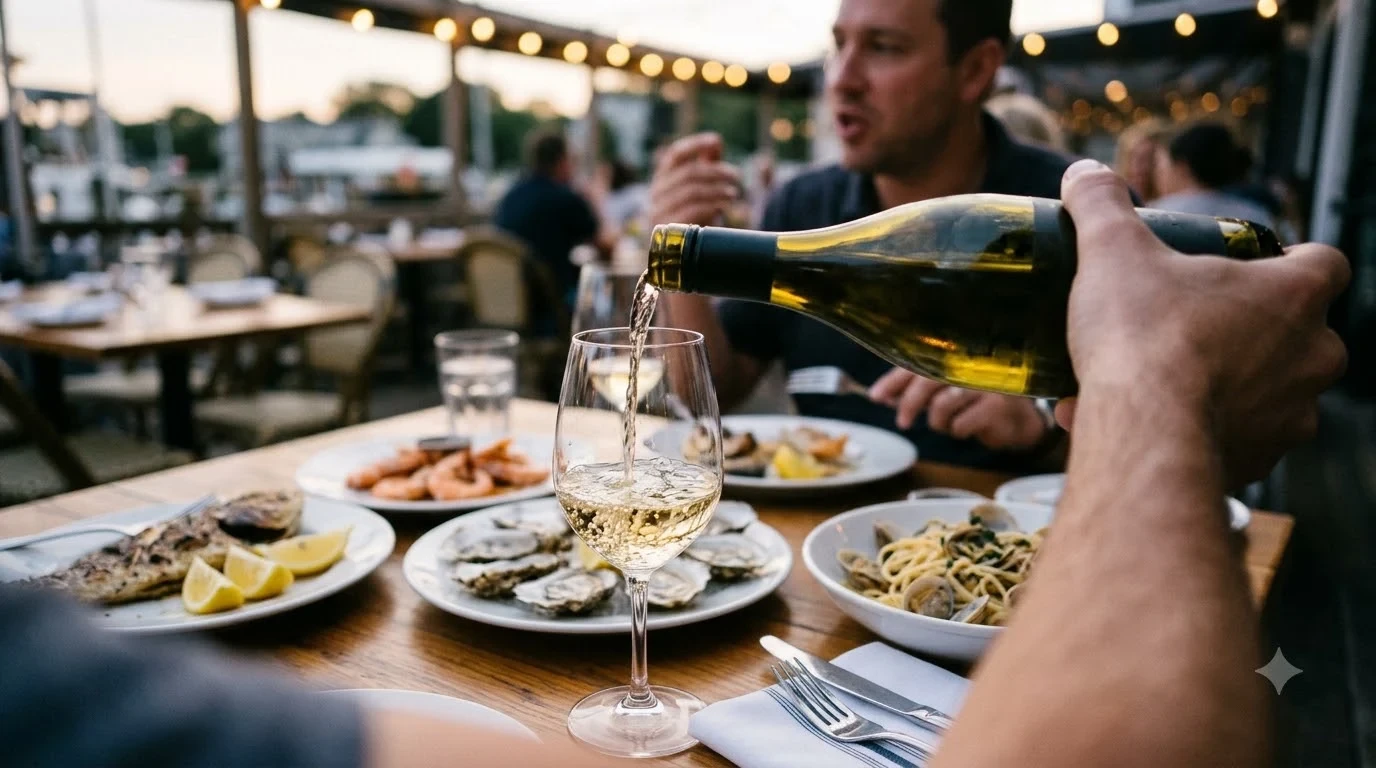
Sauvignon Blanc is a natural match for oysters, shrimp, grilled white fish, ceviche, goat cheese, asparagus, and lemon-dressed salads. Its high acidity refreshes the palate after briny seafood or tangy dressing, while herbs and green vegetables echo its citrus and floral notes. Try it with shrimp tacos or grilled chicken with herbs.
Classic Chardonnay works with roast chicken, turkey, crab, scallops, mushroom risotto, and pasta with light cream sauce. Its apple and pear notes suit poultry and roasted vegetables. Buttery Chardonnay is a better match for lobster, corn chowder, roast pork, or browned-butter dishes; its oak and creaminess may overwhelm delicate fish.
Food sweetness and acidity matter too: dessert should be no sweeter than the wine, and acidic foods need a wine with equal or higher acidity. Salt and fat soften tannin in red wines, but these whites have little tannin to manage; focus on body and texture. Chili heat can feel stronger with alcohol, so a lighter, lower-alcohol white is often easier with spicy food. For a meal that moves from seafood to beef or lamb, serve a white with the first course and a structured red with the main dish. The guide to campo viejo red wine offers a contrast in style. For lighter white alternatives, the discussion of black box pinot grigio alcohol content helps frame differences in alcohol and body.
Serving, Selecting, and Storing a Bottle
Serve Sauvignon Blanc cool enough to emphasize freshness but not so cold that aromas disappear. Give Chardonnay a little more warmth so its texture and oak are easier to notice.
Start at 45–50°F for Sauvignon Blanc and 50–55°F for a richer Chardonnay. A lighter Chardonnay can be served toward the cooler end. If the wine is too cold, let it sit briefly; if it warms in the glass, use an ice bucket rather than adding ice.
Tip: Chill Sauvignon Blanc to about 45–50°F and fuller Chardonnay to about 50–55°F. Pour a small first glass, let it warm for a few minutes, and notice whether the fruit and texture become more expressive.
A 750 ml bottle holds about five standard 5-ounce pours. When serving both styles, pour Sauvignon Blanc first and the richer Chardonnay second so the lighter wine’s citrus and acidity are not overshadowed.
Choose based on the meal and the desired profile. Start with Sauvignon Blanc for a bright aperitif or seafood; compare Classic and Buttery Chardonnay for roast chicken, creamy pasta, or a cheese board. For a specific vineyard or appellation, read the vintage details before buying because alcohol and barrel treatments can change between releases. Store unopened bottles on their sides in a cool, dark place near 55°F. After opening, reseal the bottle and refrigerate it; most still whites remain in good condition for three to five days. Return the bottle to the refrigerator between pours rather than leaving it on a warm counter.
Frequently Asked Questions
These answers cover competition recognition, winery history, and the geography behind St. Francis white wines. Awards and production details apply to the specific wines or facilities named.
Has St. Francis Sauvignon Blanc received competition recognition?
The winery’s 2025 Sauvignon Blanc technical sheet reports 97 points and a Double Gold award from the North Coast Wine Challenge. That recognition applies to the named bottling and should not be assumed to apply to every vintage.
Has a St. Francis Chardonnay earned high critic scores?
The 2024 Sonoma Valley Appellation Collection Chardonnay received 98 points, Best of Class, and Double Gold at the International Women’s Wine Competition. The same technical sheet also lists 92 points and a gold medal from the Sommelier Challenge International Wine & Spirits Competition, plus 91 points from Wine Enthusiast.
Who was the first winemaker at St. Francis?
Tom Mackey joined St. Francis in 1983 as its first winemaker. The winery credits him with helping establish its approach to Sonoma Merlot and with developing a detailed understanding of the county’s appellations.
Does St. Francis use solar power at its winery?
The winery says its facility, built in 1999, includes a 457-kilowatt solar energy system. It also describes creek and waterway conservation as part of its broader environmental work.
How many wine appellations are in Sonoma County?
Sonoma County has 19 American Viticultural Areas, or AVAs, each with its own geography and growing conditions. This helps explain why regional names such as Russian River Valley, Alexander Valley, and Sonoma Valley can signal meaningful differences in grape growing.
St. Francis offers a straightforward choice between the bright, aromatic character of Sauvignon Blanc and the broader range of Chardonnay styles, from fresh and medium-bodied to rich and creamy. Start with the food you plan to serve, then use the vintage, appellation, and cellar details to refine the choice. That approach makes it easier to find the Sonoma white wine that fits the occasion.
More in Wine Brands
 Louis Latour Wine Price: Compare Bottles by Style and TierUpdated Nov 20, 2026
 Yellow Tail Moscato Price: What to Expect Before You BuyUpdated Nov 20, 2026
 Sutter Home Sweet Red Review: Find the Right Food PairingsUpdated Nov 20, 2026
 Franzia Chillable Red Review: Find the Right Serving StyleUpdated Nov 20, 2026
 Veuve Clicquot Rose Review: Flavor, Food Pairings and Buying AdviceUpdated Nov 20, 2026
 Rombauer Wine Price: Compare Bottles Before You BuyUpdated Nov 20, 2026