

We may earn a commission when you buy through links on this page, at no extra cost to you. Learn more.
The phrase sangre de toro red wine refers to a dry Spanish red blend from Torres, made primarily with Garnacha and Cariñena grapes under the DO Catalunya designation. It is generally medium-bodied, with ripe red-fruit flavors, gentle spice, and enough acidity to keep the palate lively. Expect a fruit-forward, approachable style rather than a heavily oaked or intensely tannic red. Its character makes it useful with grilled meats, stews, tapas, and other savory foods.
Torres has made Sangre de Toro since 1954, and the red remains one of the producer’s recognizable Spanish labels. The name appears in several markets and formats, so the details below focus on Sangre de Toro Original, the dry red blend, while noting where tasting impressions can change by vintage.
What Sangre de Toro Red Wine Is
Sangre de Toro Original is a still red wine from Spain’s DO Catalunya, produced by Familia Torres. The producer identifies Garnacha Tinta and Cariñena as its principal grapes, a pairing that gives the wine both ripe fruit and firmer structure. Torres describes the wine as part of a range rooted in Spanish wine culture, and its product page places the red under the Catalunya designation rather than a narrower subregion.
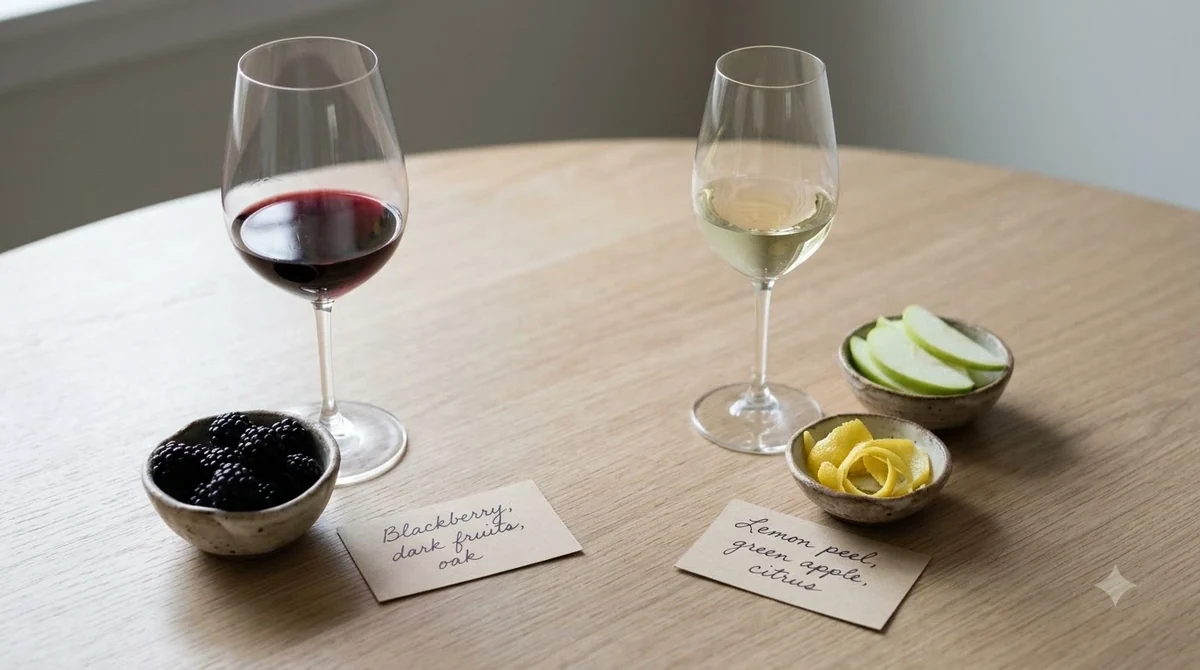
The usual style is dry, medium-bodied, and centered on red and dark fruit. In Decanter’s review of the 2022 vintage, the wine was described as juicy and ripe, with strawberry, raspberry, pomegranate, and cranberry notes, plus liquorice and baking-spice nuances. Wine Enthusiast’s review of the same vintage emphasized black cherry and red currant, with velvety tannins and freshness. Those reviews are useful reference points, not a promise that every vintage will taste identical.
It helps to distinguish the named red from the wider Sangre de Toro range. This article is about the original red blend, not the white bottling or other wines that may appear under related Torres labels. For the producer’s current description of the red, see the Torres Sangre de Toro Original page. For a closer look at the core bottling, see our overview of Torres Sangre de Toro wine. Readers comparing the wider label family can also look at Sangre de Toro white wine to see how a white style differs from this red.
How Garnacha and Cariñena Shape the Blend
Garnacha and Cariñena play complementary roles in this Spanish red: Garnacha brings generous fruit and a rounded impression, while Cariñena can contribute deeper color, acidity, and firmer tannin. The exact balance may vary, but the two grapes explain why Sangre de Toro can feel both fruit-forward and structured instead of tasting like a simple, soft red.
Garnacha is the Spanish name for Grenache. The Wine & Spirit Education Trust notes that Garnacha Tinta is the principal dark-skinned form of the variety and that the grape is widely used in blends as well as single-variety wines. Typical Garnacha reds often show ripe red fruit and medium acidity; their alcohol and tannin levels can shift with climate, vineyard conditions, and winemaking. In a blend like Sangre de Toro, its fruit profile helps make the wine accessible with everyday meals.
Cariñena is also known internationally as Carignan. The Wines from Aragón grape reference describes it as a variety that prefers warm, dry conditions and can produce deeply colored wines with marked tannin and lively acidity. That combination is useful beside Garnacha: acidity adds freshness, while tannin gives the palate more grip. It is one reason the wine can handle richer dishes rather than being limited to light snacks.
These grape descriptions explain the general blending logic, not a fixed recipe. A vintage review may describe softer tannins or more noticeable spice, while another bottling may lean toward darker fruit or a firmer finish. The most reliable expectation is a dry red in which Garnacha’s fruit meets Cariñena’s structure, with the final expression shaped by harvest conditions and cellar choices.
Catalunya Origin and the Torres History
Sangre de Toro carries the DO Catalunya designation, a broad appellation covering a varied winegrowing area in northeastern Spain. Torres traces the brand to 1954, while regional descriptions show why Catalunya can support several red-wine styles: its territory extends from Mediterranean-influenced areas toward the foothills of the Pyrenees and includes many different landscapes and microclimates.
The DO Catalunya designation was founded in 2001 and covers more than 300 municipalities, according to the Catalonia wine-region overview. It overlaps with other recognized Catalan wine appellations and accommodates red, white, rosé, sparkling, and liquor wines. That breadth matters because the name Catalunya identifies a large regional framework, not one uniform vineyard site or a single narrow soil type. A red carrying the designation should therefore be understood as Catalan in origin without assuming it comes from one specific valley or village.
Other Catalan appellations help put the geography in context. Penedès lies between Barcelona and Tarragona and is known for several wine styles; Montsant and Priorat are associated with red wines based on grapes such as Garnacha and Cariñena. Sangre de Toro’s broader Catalunya designation is different from claiming it is a Priorat or Montsant wine. When describing the bottle, use the appellation printed by Torres rather than substituting a better-known neighboring region.
The brand’s long history is part of its identity, but the current wine should be judged by the contents of the particular bottle. A modern tasting review and a producer description can both be useful: the former gives a snapshot of a particular vintage, while the latter outlines the intended house style. Readers learning how producer names and labels work can explore the basics of wine brands before comparing Sangre de Toro with other Spanish labels.
Flavor, Aroma, Body, and Tannin
Expect a red-fruit center, medium body, and moderate structure, with black pepper or liquorice appearing as supporting notes in some vintages. The wine is dry rather than sweet, and its acidity helps keep ripe fruit from feeling heavy. The balance can shift with the vintage, so use tasting notes as a guide to the style rather than a guarantee of a specific aroma in every bottle.
For the 2022 Sangre de Toro Original, Decanter recorded ripe strawberries, raspberries, pomegranate, and cranberry, then noted liquorice, black pepper, and nutmeg around a soft, almost creamy palate. The reviewer classified the wine as dry, medium-bodied, and lightly oaked, with 13.5% alcohol. Wine Enthusiast’s separate 2022 review described ruby color, black cherry, red currant, velvety tannins, and fresh red fruit, awarding it 89 points. Read the Decanter tasting note for the 2022 vintage for that specific bottle rather than treating it as a permanent flavor formula.
Color can range from ruby to deeper cherry tones. On the nose, look for strawberry, cherry, red currant, and sometimes darker berry aromas; black pepper, nutmeg, or liquorice may add savory detail. On the palate, a medium body means it has more weight than a very light red but should not feel as dense as a full-bodied Cabernet Sauvignon or a concentrated Priorat red. The tannins are present enough to work with protein and fat, yet the fruit helps keep the wine easy to approach.
Oak is usually a supporting influence rather than the main flavor. Regal Wine Imports lists a winemaking approach that ferments the grapes in temperature-controlled stainless-steel tanks and ages a portion of the wine in used barrels for six months. Used oak can round the texture while allowing fruit and spice to remain at the front. That is consistent with reviews describing light oak or a smooth palate rather than pronounced vanilla, toast, or heavy smoke.
Serving Temperature and Food Pairings
Serve Sangre de Toro slightly cool, around 60–62°F, so the fruit stays vivid and the alcohol does not dominate. Its dry, medium-bodied profile makes it especially comfortable with grilled meat, pork, lamb, tomato-based dishes, stews, and semi-cured cheeses.
Temperature changes the way the wine feels. Too warm, and the alcohol can seem more obvious while the fruit becomes broad; too cold, and the tannins may feel firmer and the aromas harder to read. If the room is warm, give the bottle 15–20 minutes in the refrigerator before serving. If it has been stored in a cool cellar, allow it to sit briefly at room temperature rather than placing it near a heater or in direct sunlight.
Match the wine’s fruit and moderate tannin with foods that have savory depth. Grilled sausages, roast chicken with paprika, pork shoulder, lamb kebabs, beef stew, and meat paella are natural choices. Tomato-rich dishes work because the wine has enough freshness to stand up to their acidity; avoid very sharp vinegar dressings that can make a red wine seem flat. Salt and fat soften tannin, so cured meats, olives, and semi-cured cheeses can make the wine feel rounder.
Spiced food can work, but distinguish aromatic seasoning from fierce chili heat. Black pepper, smoked paprika, rosemary, thyme, and cumin complement the wine’s savory side. Very hot chili can make alcohol and tannin seem more aggressive, so choose milder spice levels or serve a fruitier, lower-alcohol wine with dishes built around intense heat. Oily fish is generally a more difficult match for tannic reds; grilled vegetables, mushrooms, lentils, and charred eggplant are better meat-free pairings.
| Food or serving detail | Practical match | Why it works |
|---|---|---|
| Serving temperature | 60–62°F | Keeps fruit fresh while softening the sense of alcohol |
| Standard pour | 5 oz | A measured pour gives room to swirl and smell |
| 750 mL bottle | About 5 pours | Based on five 5 oz servings, with a small remainder |
| Young, firm red | 30 minutes of air if needed | Can soften a tight first impression without requiring a long decant |
| Cheese pairing | Semi-cured sheep’s-milk cheese | Salt and fat help soften tannin |
Tip: Start with the bottle at about 60°F and pour a small taste before dinner. If the fruit seems muted, let the glass warm for a few minutes; if the alcohol seems prominent, chill the bottle briefly rather than adding ice to the glass.
Choosing, Opening, and Storing a Bottle
Start by identifying the exact bottling: Sangre de Toro Original is the dry red blend discussed here, and vintage details can differ from one release to another. A 2022 review, for example, may list a slightly different alcohol figure or tasting profile from a newer technical sheet. The producer’s name and Catalunya designation help identify the wine, while the vintage tells you which harvest the bottle represents.
When comparing listings, check that the retailer is describing the red Original rather than a white Sangre de Toro or another Torres wine. The grape names may appear as Garnacha and Cariñena, or as Grenache and Carignan in English-language materials. Cariñena can also be called Mazuelo or Samsó in other Spanish wine contexts, so a different spelling does not necessarily mean a different grape. Read the producer details for the specific bottling if you need exact alcohol, format, or certification information.
Store an unopened bottle on its side if it has a natural cork, in a dark place near 55°F with a stable temperature and limited vibration. Keep it away from a sunny kitchen window, an oven, or repeated temperature swings. A screw-cap bottle can be stored upright, but the same cool, dark conditions still protect its fruit. For a wine intended to be enjoyed young, proper short- to medium-term storage is more useful than trying to age it for many years.
Once opened, reclose the bottle and refrigerate it, even if the wine is red. A vacuum stopper can slow oxidation, and the cool temperature helps preserve the remaining wine. Plan to finish a still red within about 3–5 days for the freshest fruit; bring each pour back toward 60°F rather than serving it refrigerator-cold. If the aroma turns noticeably dull, vinegary, or bruised, the wine has passed its best drinking window.
Frequently Asked Questions
These answers address label details and practical points that can come up when comparing Sangre de Toro with other Spanish wines. The central distinction is that the red Original is a Catalunya-designated Torres blend, not a single-variety Garnacha.
Does Cariñena mean the wine comes from the town of Cariñena?
No. Cariñena is also the Spanish name for the Carignan grape; the same name is used for a municipality and a wine designation in Aragón. On the Sangre de Toro label, it identifies a grape in the blend; Torres lists the wine under DO Catalunya.
Is Sangre de Toro Original listed as vegan?
Regal Wine Imports lists the Original red as vegan. Vegan status and certification can be presented differently across markets and bottlings, so confirm the marking or technical information for the exact bottle when that detail is important to you.
Why do sources show slightly different alcohol percentages?
Published figures can differ by vintage and by rounding. For the 2022 wine, Decanter lists 13.5% alcohol while Wine Enthusiast displays 14%, so those entries should not be treated as a universal figure for every release.
Is the red wine the same as Torres Sangre de Toro white?
No. They share a brand name but are separate wines with different colors and grape compositions. The red Original is based on Garnacha and Cariñena; consult the white wine’s own description rather than assuming it follows the red blend.
Does Sangre de Toro need a decanter?
Usually not for a casual meal. Open a young bottle shortly before serving and let it breathe in the glass; a short 20–30 minute decant can help if the wine initially seems closed or firm, but prolonged aeration is rarely necessary for this medium-bodied style.
Sangre de Toro Original is a practical introduction to a Catalan red blend: fruit-led Garnacha meets the acidity and structure of Cariñena, with a style that suits everyday savory food. Serve it a little cool, pair it with grilled or slow-cooked dishes, and use vintage-specific notes when comparing bottles. For more Torres comparisons, explore the red and white styles separately rather than assuming the brand name means the wines taste alike.
More in Wine Brands
 Louis Latour Wine Price: Compare Bottles by Style and TierUpdated Nov 20, 2026
 Yellow Tail Moscato Price: What to Expect Before You BuyUpdated Nov 20, 2026
 Sutter Home Sweet Red Review: Find the Right Food PairingsUpdated Nov 20, 2026
 Franzia Chillable Red Review: Find the Right Serving StyleUpdated Nov 20, 2026
 Veuve Clicquot Rose Review: Flavor, Food Pairings and Buying AdviceUpdated Nov 20, 2026
 Rombauer Wine Price: Compare Bottles Before You BuyUpdated Nov 20, 2026