


We may earn a commission when you buy through links on this page, at no extra cost to you. Learn more.
What is brut in wine? Brut is a sparkling wine sweetness classification that means the finished wine contains less than 12 grams of residual sugar per liter. It describes how much sugar remains in the wine, not its grape variety, alcohol content, or production method. Brut sparkling wines generally taste dry or lightly rounded rather than sweet, making them versatile choices for celebrations, appetizers, seafood, and many main courses.
Brut is one of the most common terms on sparkling wine labels, appearing on bottles of Champagne, Prosecco, Cava, and other sparkling wines. However, the terminology can be confusing, particularly because Extra Dry is actually sweeter than Brut. Understanding the sugar classifications makes it easier to select a bottle that matches your preferences, plan food pairings, and understand what a sparkling wine label tells you.
What Brut Means on a Sparkling Wine Label
Brut identifies a sparkling wine with less than 12 grams of residual sugar per liter. It is a regulated sweetness category, so the word communicates something specific about the wine’s sugar content rather than simply suggesting a crisp or refreshing flavor.

Residual sugar is the natural grape sugar that remains in wine after fermentation, together with any sugar that may be added during the winemaking process. Yeast converts grape sugar into alcohol and carbon dioxide during fermentation. Depending on how the wine is made, some sugar remains in the finished product. Sparkling wine producers can also adjust the final sweetness through a process called dosage.
According to the Comité Champagne, approximately 90% of Champagne wines carry the Brut designation. Its popularity comes partly from its versatility. A Brut sparkling wine can combine refreshing acidity, lively bubbles, and enough residual sugar to soften its sharper characteristics without tasting overtly sweet.
The term does not identify a particular grape. A Brut Champagne might contain Chardonnay, Pinot Noir, and Meunier, while a Brut Prosecco is made primarily from Glera grapes. Similarly, Brut does not automatically mean that the wine was produced using the traditional method. The designation communicates sweetness, while the region, grape variety, and production method provide other information about the bottle.
It is also important to distinguish sweetness from fruitiness. A Brut sparkling wine can smell like ripe apples, pears, peaches, citrus, or tropical fruit without containing much residual sugar. Fruit aromas come from the grapes and winemaking process. They do not necessarily indicate a sweet finished wine.
For a useful reference, the official Comité Champagne explanation of wine labels describes the sweetness classifications and other information found on Champagne bottles.
Brut Sugar Levels Compared With Other Sparkling Wines
Brut sits toward the dry end of the sparkling wine sweetness scale, but it is not the driest available category. Comparing the grams of residual sugar per liter helps explain why Extra Dry tastes sweeter than Brut and why Demi-Sec is a better choice for someone who enjoys noticeably sweet sparkling wine.
The following classifications are commonly used for Champagne and many other European sparkling wines. The figures describe residual sugar concentration rather than the total sugar in an entire bottle.
| Classification | Residual sugar per liter | Typical sweetness |
|---|---|---|
| Brut Nature | Less than 3 g/L | Bone dry |
| Extra Brut | 0–6 g/L | Very dry |
| Brut | Less than 12 g/L | Dry |
| Extra Dry | 12–17 g/L | Slightly sweeter |
| Sec | 17–32 g/L | Noticeably sweet |
| Demi-Sec | 32–50 g/L | Sweet |
| Doux | More than 50 g/L | Very sweet |
One important detail is that Brut and Extra Brut overlap slightly in their permitted sugar ranges. Extra Brut is the more restrictive category, with a maximum of 6 grams per liter, while Brut permits higher residual sugar. Consequently, some Extra Brut wines can contain similar amounts of sugar to particularly dry Brut wines.
Brut Nature is different because the designation indicates that no additional dosage sugar has been added and the finished wine contains less than 3 grams per liter. It is generally the driest option on this classification scale. These wines can emphasize acidity, mineral characteristics, citrus flavors, and the natural character of the grapes.
Extra Dry causes the most confusion for American consumers. The English phrase sounds as though it should indicate a drier wine than Brut, but the classification actually contains more sugar. A Prosecco labeled Extra Dry is therefore generally sweeter than a Prosecco labeled Brut.
These distinctions are useful when choosing sparkling wine for a particular occasion. Someone who prefers crisp, restrained flavors might choose Brut Nature or Extra Brut. Someone looking for a familiar dry sparkling wine will generally be comfortable with Brut, while those who enjoy a softer, sweeter finish may prefer Extra Dry or Demi-Sec.
How Dosage Determines Brut Sweetness
Dosage is the final adjustment that helps determine the sweetness and balance of many traditional-method sparkling wines. It takes place after secondary fermentation and the removal of the yeast sediment, shortly before the bottle receives its final closure.
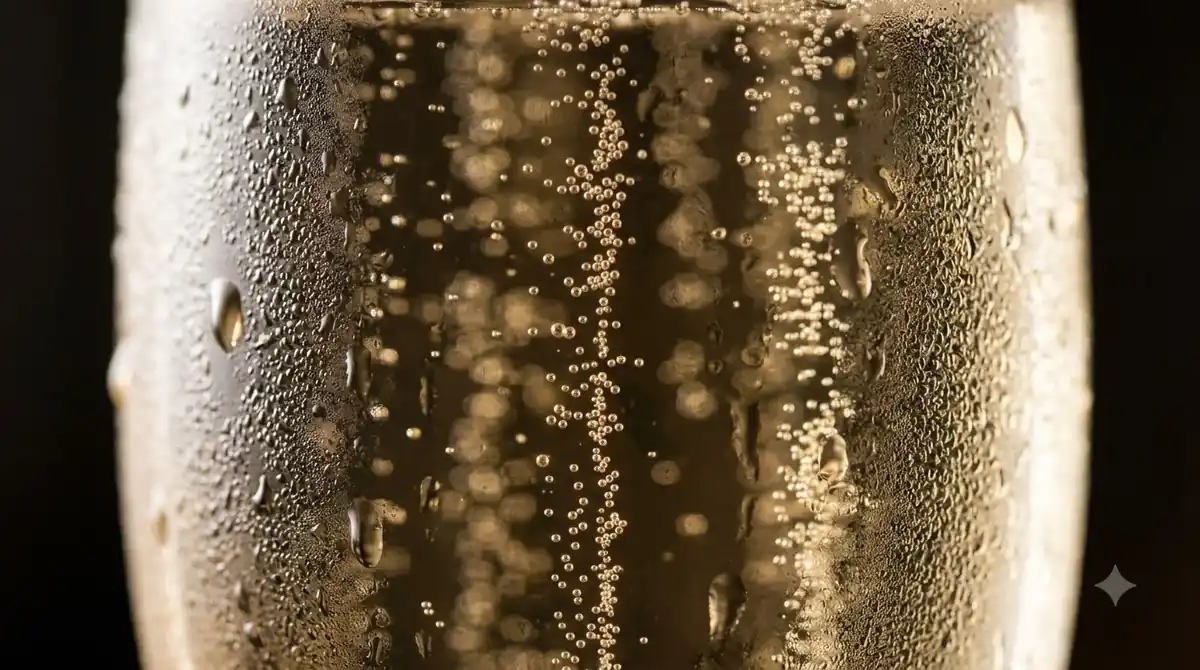
In Champagne production, dosage involves adding a mixture known as liqueur d’expédition or dosage liqueur. It typically combines wine with dissolved sugar. The quantity and composition of the mixture help the producer establish the desired sweetness category and final flavor profile.
The Comité Champagne explains that approximately 1 centiliter of dosage liqueur is used for a 75-centiliter bottle of Champagne Brut. This is the volume of the mixture, not the amount of pure sugar added. The sugar concentration of the dosage mixture and the wine’s existing composition both matter when determining the finished wine’s residual sugar.
Dosage is not simply a way to make inexpensive sparkling wine taste sweeter. It can be an important stylistic decision. A producer might use a relatively neutral mixture to preserve the wine’s existing character or include reserve wine to introduce additional aromatic and flavor complexity.
Another important consideration is acidity. Champagne grapes are often harvested with substantial natural acidity. A small amount of residual sugar can help balance that acidity and the sensation created by carbon dioxide. This is one reason why a Brut Champagne containing several grams of sugar per liter can still taste dry.
Dosage also helps explain why two bottles carrying the same Brut designation may taste different. One producer might make a lean, sharply focused wine, while another might create a rounder expression with more noticeable fruit and a softer finish. Both can qualify as Brut if their residual sugar remains below 12 grams per liter.
For more technical detail, the Comité Champagne guide to dosage explains when the mixture is added and how it contributes to the finished wine’s style.
Brut Champagne, Prosecco, Cava, and Other Sparkling Wines
Brut is not exclusive to Champagne. It appears on sparkling wines from several countries, including Italy, Spain, France, Australia, and the United States, although the grapes and production techniques can create very different drinking experiences.
Champagne is produced in France’s Champagne region and is traditionally made using Chardonnay, Pinot Noir, and Meunier. Its production involves a second fermentation in the bottle, which creates the bubbles. Many Brut Champagnes have pronounced acidity, fine carbonation, and flavors that can include citrus, green apple, toasted bread, and subtle yeast characteristics.
Prosecco comes primarily from northeastern Italy and is made mainly from the Glera grape. The traditional sparkling version, Prosecco DOC Spumante, is generally produced using the tank method, in which the second fermentation takes place in a pressurized tank rather than an individual bottle. Its fruit-forward character can include pear, apple, citrus, and floral notes.
The Consorzio Tutela Prosecco DOC identifies Brut as a category containing less than 12 grams of sugar per liter. Its Extra Dry category contains 12–17 grams per liter, while Dry contains 17–32 grams. These classifications make the difference between Brut and Extra Dry particularly important when selecting Prosecco.
Cava is Spain’s traditional-method sparkling wine category. Like Champagne, it undergoes its second fermentation in the bottle. A Brut Cava can offer refreshing acidity, citrus and orchard-fruit flavors, and sometimes toasted or bready notes from contact with yeast during aging.
Crémant is another French sparkling wine category, produced outside Champagne in regions such as Alsace, Burgundy, and the Loire Valley. Brut Crémant can provide a useful alternative for someone who enjoys the dry character of Champagne but wants to explore different regional expressions.
The following comparison summarizes the main differences:
| Sparkling wine | Main grape or grapes | Common production method | Typical character |
|---|---|---|---|
| Champagne | Chardonnay, Pinot Noir, Meunier | Traditional method | Citrus, apple, toast, fine bubbles |
| Prosecco | Glera | Tank method | Pear, apple, floral fruit |
| Cava | Macabeo, Xarel-lo, Parellada | Traditional method | Citrus, orchard fruit, toast |
| Crémant | Varies by region | Traditional method | Fresh fruit, citrus, regional character |
These differences show why the Brut designation should be treated as a sweetness indicator rather than a complete description of a wine. Two Brut bottles can have similar residual sugar but very different aromas, textures, and bubble characteristics.
How Brut Sparkling Wine Tastes and What to Expect
Brut sparkling wine generally tastes dry, refreshing, and lively, with acidity and bubbles playing important roles in its overall character. Depending on the grape variety and production method, it can also show citrus, green apple, pear, peach, mineral, floral, or toasted notes.
Many people associate dry sparkling wine with lemon, lime, green apple, and crisp pear. These characteristics are especially common in fresh, high-acid styles. However, a Brut wine made with different grape varieties or aged using the traditional method can develop richer flavors, including brioche, toasted almonds, pastry, and baked apple.
Carbonation also influences the perception of sweetness. Bubbles create a lively sensation across the palate, while acidity provides freshness. Together, these characteristics can make a wine taste sharper and drier than its residual sugar concentration might suggest.
A useful distinction is that perceived dryness and measured sugar are not identical. A wine with relatively high acidity may taste especially crisp even when it contains more residual sugar than another wine. Conversely, a wine with lower acidity can feel rounder and softer despite having a similar sugar concentration.
Brut does not have a fixed alcohol percentage. Its alcohol content depends on the grapes, fermentation, and production style. For example, the Consorzio Tutela Prosecco DOC lists 11% ABV for Prosecco DOC Spumante. Champagne and other sparkling wines can have different alcohol levels, so the Brut designation should never be used as an indication of alcohol strength.
Brut wines also vary in body. Some are light and delicate, with fine bubbles and a clean finish. Others have more weight, a creamy texture, and greater complexity from extended contact with yeast. The sweetness classification alone cannot predict these characteristics.
When comparing two bottles, consider the grape variety, region, production method, and tasting description alongside the sweetness designation. This provides a much better indication of what to expect than the word Brut by itself.
Best Food Pairings and Serving Temperature for Brut
Brut sparkling wine is particularly versatile at the table because its acidity and carbonation work well with salty, rich, and moderately fatty foods. The best pairings depend on the wine’s body and flavor profile, but seafood, soft cheeses, fried appetizers, and poultry are reliable starting points.
Seafood is one of the most familiar matches. Oysters, shrimp, scallops, and lightly prepared white fish complement the fresh acidity of many Brut sparkling wines. Blanc de Blancs Champagne, which is made exclusively from white grapes and primarily Chardonnay, can be especially appealing with shellfish because of its citrus-driven character.
Soft cheeses are another excellent choice. Brie and Camembert have creamy textures and rich flavors that work well with the acidity of sparkling wine. The freshness of Brut helps balance the fat in the cheese without overwhelming its delicate character.
Fried foods can also be successful pairings. Fried chicken, tempura vegetables, potato croquettes, and savory pastries benefit from the refreshing contrast of bubbles and acidity. Salt can soften the perception of bitterness and tannin, while the wine’s freshness helps balance richer textures.
For main courses, consider roast chicken, turkey, lightly seasoned pork, and seafood pasta. A fuller-bodied Brut Champagne may be better suited to richer preparations, while a lighter Brut Prosecco can complement vegetable appetizers, salads, and simple seafood dishes.
Be careful with very sweet desserts. A Brut wine can taste sharp or overly acidic alongside a dessert that contains substantially more sugar. A useful pairing principle is to choose a wine at least as sweet as the dessert. For fruit tarts, sweet pastries, and rich desserts, Demi-Sec or Doux sparkling wine may be more suitable than Brut.
Spicy dishes also require some consideration. Chili heat can become more pronounced alongside alcohol and tannin, so very spicy food is not always an ideal match for a full-bodied sparkling wine. Mildly seasoned dishes generally provide a more comfortable pairing.
Serving temperature and glassware
Serve Brut sparkling wine at approximately 40–50°F. This temperature range helps preserve the bubbles and maintain a refreshing character without making the wine so cold that its aromas become difficult to appreciate.
The Comité Champagne recommends serving Champagne at approximately 46–50°F and suggests chilling the bottle in an ice bucket containing water and ice for 20–30 minutes. A refrigerator can also chill the bottle before serving.
A tulip-shaped glass is a good choice for Champagne and other aromatic sparkling wines. Its wider bowl allows aromas to develop, while the narrower opening helps concentrate them. Traditional flutes are also suitable when presentation and a more pronounced visual display of bubbles are priorities.
Tip: Chill Brut sparkling wine before opening, keep a hand on the cork, and gently rotate the bottle rather than pulling the cork sharply. Point the bottle away from people and fragile objects. A controlled opening helps preserve the wine and reduces the risk of injury.
For celebrations, planning the bottle quantity is also useful. A standard 750-milliliter bottle provides approximately five 5-ounce servings. Larger gatherings may require a calculation based on the number of guests, the length of the event, and whether sparkling wine is the only beverage being served. For a larger format, see our guide to how many glasses in a magnum. If you are organizing a wedding or reception, our article about how much wine for 100 guests can help with the planning.
How to Choose and Store a Bottle of Brut
Choosing a Brut sparkling wine starts with deciding what style you enjoy. The sweetness category narrows down the options, but the grape variety, region, production method, and producer determine much of the wine’s remaining personality.
For a classic dry sparkling wine with acidity and complexity, consider Brut Champagne. If you prefer fresh fruit flavors and a more approachable sparkling style, Brut Prosecco is a useful option. Brut Cava offers another traditional-method alternative, often with citrus, orchard-fruit, and yeast-derived characteristics.
Pay attention to additional label terms. Blanc de Blancs indicates Champagne made exclusively from white grapes, primarily Chardonnay, while Blanc de Noirs identifies a Champagne made from dark-skinned grapes such as Pinot Noir and/or Meunier. Rosé indicates a pink sparkling wine, although its sweetness must still be determined from its Brut, Extra Dry, or other designation.
Producer information also matters. Different houses and growers can have distinct approaches to grape selection, blending, dosage, and aging. Two bottles with the same sweetness designation may therefore offer very different drinking experiences.
For storage, keep unopened bottles in a cool, dark location with a relatively stable temperature. A temperature near 55°F is a useful general target for longer-term wine storage. Protect the bottles from strong light, vibration, and temperature fluctuations. For Champagne specifically, the Comité Champagne recommends a constant storage temperature between 50°F and 59°F, with humidity between 60% and 80%.
Store bottles on their sides or upright according to the storage conditions and closure type. Traditional cork-closed bottles are commonly stored horizontally for longer-term storage, which helps maintain contact between the cork and wine. Avoid leaving sparkling wine in a warm kitchen, beside an oven, or in direct sunlight.
Once opened, sparkling wine loses carbonation gradually. A purpose-made sparkling wine stopper helps preserve the remaining bubbles, although it cannot maintain the wine’s original condition indefinitely. Refrigerate the bottle promptly and aim to finish it within approximately 1–3 days for the best quality.
Brut sparkling wine is generally intended to be enjoyed while fresh, although some premium traditional-method wines can develop additional complexity with appropriate bottle aging. For everyday bottles, chilling and serving them soon after purchase is usually the simplest approach.
Frequently Asked Questions
Does brut mean the wine has no sugar?
No. Brut sparkling wine can contain residual sugar, provided it remains below 12 grams per liter. A wine labeled Brut Nature is a different category, containing less than 3 grams per liter without added dosage sugar. These two designations should not be used interchangeably.
Is Brut always Champagne?
No. Brut is a sweetness classification that appears on sparkling wines from many regions. It can describe Prosecco from Italy, Cava from Spain, Crémant from France, and sparkling wines produced in countries such as Australia and the United States. Champagne specifically refers to sparkling wine from the Champagne region of France.
Is Brut the same as Extra Sec?
No. Extra Sec is another term used in some French sparkling wine classifications and is associated with the Extra Dry sweetness category. It generally contains 12–17 grams of sugar per liter, while Brut contains less than 12 grams. The terminology can vary between labeling systems, so the producer’s stated classification is useful when comparing bottles.
Can Brut sparkling wine be used in cocktails?
Yes. Brut is suitable for cocktails that benefit from dry sparkling wine and lively carbonation. It works particularly well in a Mimosa, where orange juice supplies additional sweetness, and in a French 75, which combines sparkling wine with gin, lemon juice, and simple syrup. Its relatively restrained sweetness helps keep these drinks balanced.
Does vintage Brut mean the wine is sweeter or better?
No. Vintage refers to the harvest year of the grapes rather than the wine’s sweetness or an automatic quality ranking. In Champagne, a vintage wine is made exclusively from grapes harvested in the indicated year, whereas non-vintage Champagne can blend wines from multiple harvests. Either style can carry the Brut designation.
Brut is a useful term to understand because it identifies one of the most popular sweetness styles in sparkling wine. Once you know that it means less than 12 grams of residual sugar per liter, you can compare Champagne, Prosecco, Cava, and other sparkling wines with greater confidence. Start with Brut for a versatile dry style, then explore Extra Brut or Brut Nature for a sharper profile and Extra Dry or Demi-Sec for a sweeter experience.
More in Wine Basics
 What Is The Best Wine For Mimosas? Choose Bubbly That Balances Orange JuiceUpdated Nov 20, 2026
 Which Prosecco Is Best for Your Taste and OccasionUpdated Nov 20, 2026
 Which Wine Is Best For Health? Understand the Risks and BenefitsUpdated Nov 20, 2026
 Which Champagne Is Best for Your Taste and OccasionUpdated Nov 20, 2026
 What To Put In A Wine Gift Basket For A Thoughtful, Memorable GiftUpdated Nov 20, 2026
 What Is the Best Wine for Mulled Wine? Choose a Smooth, Fruity RedUpdated Nov 20, 2026