

We may earn a commission when you buy through links on this page, at no extra cost to you. Learn more.
Mold in wine fridge cabinets usually develops because moisture, organic residue, and inadequate ventilation create conditions that support fungal growth. The most effective solution is to remove the affected bottles, clean suitable hard surfaces with an appliance-safe cleaning solution, dry the interior completely, and correct the moisture problem. Regular cleaning, clean bottles, unobstructed ventilation, and attention to condensation help prevent mold from returning.
Finding fuzzy spots, dark patches, or a musty smell inside a wine refrigerator can be concerning, particularly when the appliance holds bottles intended for long-term storage. Mold may appear on wooden shelves, rubber door seals, bottle labels, or the cabinet walls. Sometimes the visible growth is limited to one small area, while other situations indicate a persistent moisture or drainage problem. Understanding where the growth originates makes it easier to clean the refrigerator properly and decide whether professional assistance is necessary.
Why Mold Develops Inside a Wine Refrigerator
Mold in a wine refrigerator generally results from a combination of moisture, organic material, and insufficient drying. A cool interior does not automatically prevent fungal growth, especially when spills, residue, and damp surfaces remain undisturbed.
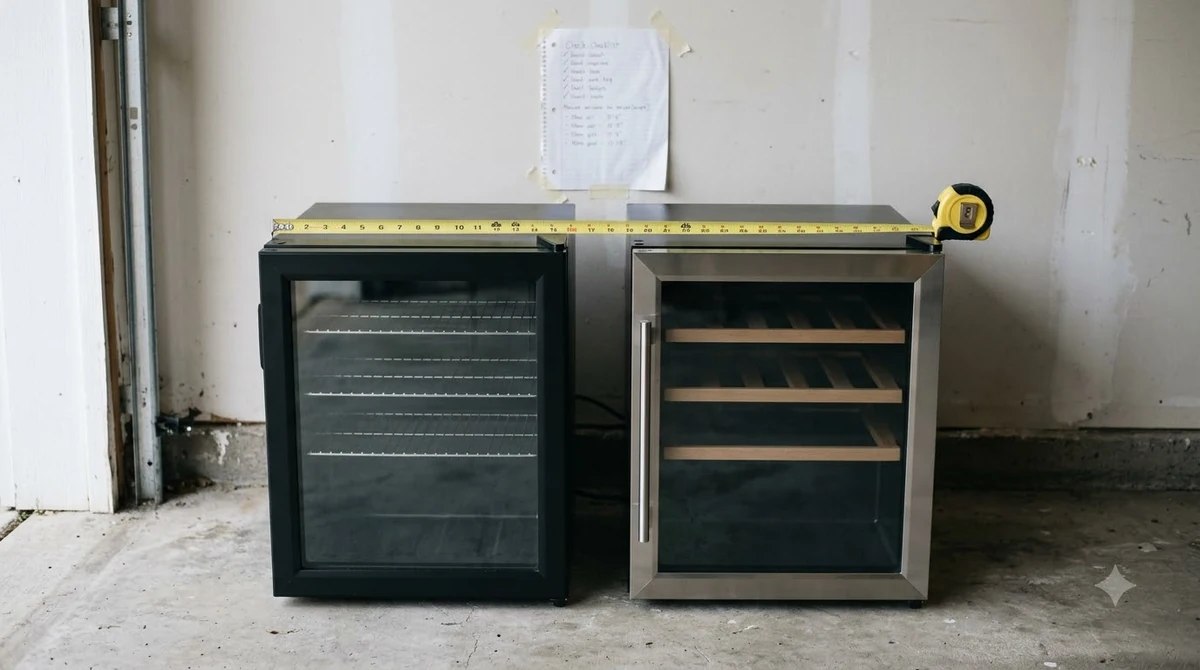
Wine refrigerators maintain cooler conditions than ordinary kitchen cabinets, but they still contain surfaces that can collect condensation. Warm, humid air entering through an open door can encounter cold interior walls, shelves, and bottles. Water droplets may then form and remain in corners or around the door seal. According to the Environmental Protection Agency, controlling moisture is the central principle of mold prevention because mold needs available moisture to grow. The EPA explains this relationship in its guidance on ten important facts about indoor mold.
Several everyday situations can contribute to the problem:
- Condensation: Repeated exposure to warm, humid room air can leave moisture on cold interior surfaces.
- Wine residue: Spilled wine, juice, or other organic material can provide a surface on which mold may develop.
- Dirty bottles: Dust, adhesive residue, and material transferred from bottle labels can introduce contaminants.
- Wet wooden shelves: Wood can retain moisture longer than smooth plastic or metal surfaces.
- Blocked ventilation: Restricted airflow can interfere with normal appliance operation and contribute to persistent dampness.
- Door-seal problems: A damaged or poorly seated gasket can allow humid air to enter repeatedly.
- Infrequent cleaning: Small spills and accumulated dust can remain unnoticed for extended periods.
Manufacturer guidance supports the importance of keeping the interior clean. Miele specifically recommends cleaning spills promptly and using only clean bottles and accessories. Its wine-storage instructions also emphasize routine interior maintenance rather than waiting for visible contamination to appear.
There is also an important distinction between condensation and a mechanical leak. A small amount of moisture after opening the door does not necessarily indicate equipment failure. However, standing water, recurring puddles, or dampness that continues after cleaning deserves further investigation.
Where Mold Commonly Appears and How to Identify It
Mold does not always begin on the refrigerator walls. It can develop on bottle labels, wooden racks, rubber seals, and other surfaces where moisture and residue collect. Identifying the affected material helps determine which cleaning method is appropriate.
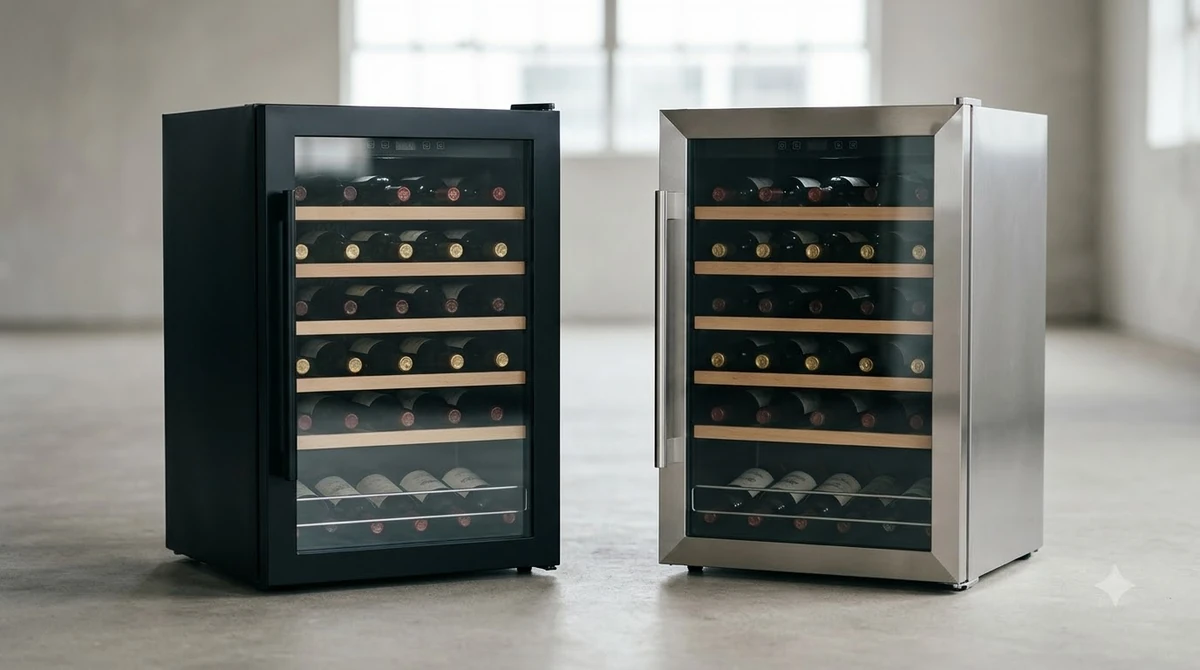
Start by inspecting the refrigerator with good lighting. Look beyond the most visible patches and examine the lower corners, shelf supports, door gasket, and areas around the cooling compartment.
Interior walls and corners
Plastic-lined walls and metal interior panels may develop small spots where condensation or spilled liquid remains. Mold can appear white, gray, green, or black, although color alone cannot reliably identify a particular mold species. Dust and mineral deposits can resemble mold, so examine whether the material appears fuzzy, spreads across damp areas, or produces a musty odor.
Wooden shelves and bottle racks
Wood deserves particular attention because it can absorb moisture. A shelf that remains damp after a spill may develop surface growth or staining. Mold can also penetrate porous materials, making complete removal more difficult than cleaning a smooth surface.
Some wine refrigerators use natural wood shelving, and these components should not be soaked. Miele’s cleaning instructions specifically recommend wiping wooden shelves with a well-wrung damp cloth rather than allowing them to become wet.
Door seals and bottle labels
The rubber gasket around the door can collect dust, condensation, and residue inside its folds. Check the corners and the contact surface where the gasket meets the cabinet. If the seal has visible cracks, gaps, or persistent dampness, cleaning alone may not solve the underlying problem.
Bottle labels can also develop mold-like growth. The Liebherr WS 1200 manual explains that mold can form on bottles and labels depending on the adhesive used. It recommends carefully cleaning adhesive residue from bottles to reduce this possibility.
Tip: Before cleaning, distinguish between growth on the refrigerator and growth limited to a bottle label. A moldy-looking label does not automatically mean the entire wine cooler is contaminated, but it is a good reason to inspect nearby shelves and bottles.
How to Clean Mold in Wine Fridge Cabinets Safely
For limited growth on compatible, nonporous surfaces, a careful cleaning with lukewarm water and a small amount of suitable detergent is a practical starting point. Remove the bottles, disconnect the appliance safely, clean affected surfaces, and dry every component before returning the wine.
Before starting, read the refrigerator’s operating manual. Cleaning instructions differ between manufacturers, especially for wooden shelves, specialized coatings, lighting assemblies, and electronic controls. Miele and Liebherr both emphasize protecting electrical components from moisture and avoiding aggressive cleaning methods.
Step 1: Remove and inspect the wine bottles
Move the bottles into a cool, stable location away from direct sunlight and heat. Keep them temporarily in an appropriate storage area, and avoid leaving them in a hot kitchen or near an oven.
Inspect the exterior of each bottle, including the label, neck, foil, and cork area. Separate visibly affected bottles from clean ones so that you do not transfer contamination while cleaning the cabinet. Remove dust, dried adhesive, and ordinary surface residue using an appropriate bottle-cleaning method.
If a bottle has mold on its exterior, the presence of growth does not by itself establish that the wine inside is contaminated. However, avoid assuming that every affected bottle is suitable for drinking. Examine damaged closures, compromised corks, leakage, and unusual signs around the opening. If the seal is compromised or the wine appears abnormal, do not consume it.
Step 2: Switch off and disconnect the appliance
Follow the manufacturer’s shutdown procedure and disconnect the power supply before cleaning. Some models have electronic controls that can switch off the cooling system without disconnecting electrical power, so using the control panel alone may not provide complete electrical isolation.
Do not pull the refrigerator forward unnecessarily or attempt to access electrical wiring, refrigerant lines, or internal mechanical components. If the plug is inaccessible or the installation makes disconnection difficult, consult the appliance instructions or a qualified technician.
Step 3: Remove removable accessories
Take out removable shelves, bottle supports, drawers, and other accessories according to the manufacturer’s instructions. Place compatible components on a clean surface for inspection.
Keep wooden shelves separate from plastic or metal accessories. Wood generally requires a more restrained cleaning approach because excessive moisture can cause swelling, warping, and prolonged drying times.
Step 4: Clean compatible hard surfaces
Use a clean sponge or soft cloth with lukewarm water and a small amount of liquid dish soap. Gently wipe the affected interior walls, plastic surfaces, and compatible removable components. Avoid spreading contaminated residue onto previously clean areas by repeatedly using the same dirty section of the cloth.
The EPA recommends scrubbing mold from hard surfaces with detergent and water, followed by complete drying. This is a useful general cleaning principle, but appliance manufacturers’ specific instructions take priority for materials and components that may react differently.
Do not automatically use bleach, concentrated vinegar, ammonia, alcohol, or commercial mold removers inside the cabinet. These products may damage coatings, seals, plastics, or metal finishes. Some cleaning chemicals may also leave residues that are inappropriate for an enclosed wine-storage environment.
Step 5: Clean wooden shelves and door seals carefully
For wooden shelving, use only the method permitted by the manufacturer. A lightly damp, well-wrung cloth may be suitable for ordinary surface cleaning, but soaking or scrubbing wood aggressively can damage the finish and drive moisture deeper into the material.
Wipe the door gasket gently with a suitable damp cloth, paying attention to folds and corners. Avoid pulling, stretching, or removing the gasket unless the manufacturer specifically provides instructions for doing so.
Step 6: Dry the refrigerator completely
Use clean, dry, soft cloths to remove remaining moisture. Pay particular attention to shelf supports, corners, the bottom of the cabinet, and the folds of the door seal. Leave the door open briefly to allow the interior to ventilate, following the manufacturer’s instructions.
Do not use a hair dryer, space heater, steam cleaner, or other heat-producing device to speed up the process. These methods can damage appliance components or create additional safety problems.
Before restoring the bottles, ensure the interior and removable accessories are fully dry. If mold remains visible, the material is damaged, or the musty odor persists, investigate further rather than simply covering the affected area.
Wine Fridge Cleaning Products and Methods to Avoid
Not every household cleaning product is suitable for a wine refrigerator. The safest approach is to use the manufacturer’s approved cleaning materials, gentle detergent, and a soft cloth while keeping liquids away from electrical components.
Although stronger chemicals may appear to offer a faster solution, they can damage surfaces and leave unwanted residues. The following comparison outlines practical considerations for common cleaning approaches.
| Cleaning method | General suitability | Important consideration |
|---|---|---|
| Lukewarm water and mild dish soap | Suitable for compatible hard surfaces | Dry completely afterward |
| Soft microfiber cloth | Suitable for routine wiping | Avoid spreading contamination |
| Well-wrung damp cloth | Suitable for some wooden shelves | Do not soak the wood |
| Bleach solutions | Not a default cleaning choice | Follow specific manufacturer instructions |
| Concentrated vinegar | Not recommended as a universal solution | May be incompatible with appliance materials |
| Ammonia-based cleaners | Generally unsuitable for routine interior cleaning | Can damage finishes and materials |
| Abrasive scouring pads | Unsuitable for delicate surfaces | Can scratch protective coatings |
| Steam cleaners | Not recommended | Steam can damage electrical and plastic components |
The classifications in this table are practical cleaning categories, not laboratory measurements or universal compatibility ratings. Always follow the cleaning instructions for the specific appliance.
Miele expressly recommends lukewarm water and a little liquid dish soap for its compatible wine refrigerator interior surfaces. Its instructions also prohibit several aggressive products, including cleaning agents containing ammonia, acids, chloride, and solvents. The manufacturer warns against steam cleaning because moisture and heat can damage internal components. Its wine storage operating instructions provide additional details about cleaning wooden shelves, removing bottles, and maintaining the appliance.
Liebherr similarly advises against concentrated cleaning products, abrasive sponges, acid cleaners, chemical solvents, and steam cleaners. Its instructions also emphasize that cleaning water must not enter electrical components.
Another important distinction is between cleaning and disinfecting. A strong chemical disinfectant is not automatically necessary for every small patch of surface mold. The EPA’s general household guidance emphasizes removing visible growth, correcting moisture problems, and drying affected surfaces completely.
How to Prevent Mold From Returning
Preventing recurring mold requires more than cleaning the visible spots. The most reliable approach combines regular maintenance, clean bottle handling, proper ventilation, and prompt attention to condensation or spills.
A clean refrigerator can develop mold again if the original source of moisture remains. For example, cleaning a wet shelf without addressing a leaking seal or blocked drainage path may provide only temporary improvement.
Keep bottles and accessories clean
Wipe bottles before placing them inside the refrigerator, particularly around labels and areas where adhesive residue has accumulated. Remove sticky spills from the bottle exterior and avoid storing accessories that have been left in dusty or damp areas.
This practice follows Miele’s recommendations for cleaning wine bottles and accessories before storage. It also addresses the bottle-label problem described in the Liebherr manual, where adhesive residue can contribute to mold developing on labels.
Establish a regular cleaning schedule
Inspect the interior periodically rather than waiting until visible mold appears. A monthly cleaning schedule is a useful reference for owners who want a consistent maintenance routine. Miele specifically recommends cleaning its wine refrigerators at least once a month.
For everyday maintenance, wipe small spills as soon as possible. Remove dust from ventilation openings and examine the gasket during routine inspections. If the appliance is used frequently, check the lower interior and shelf supports more often.
Maintain proper ventilation
Keep the refrigerator’s ventilation openings clear and follow the required installation clearances. Do not cover ventilation grilles with cabinets, storage boxes, curtains, or other household items.
The Liebherr WS 1200 manual specifically instructs owners to maintain good ventilation around the appliance and keep ventilation grilles unobstructed. Built-in wine refrigerators may require particular clearance around their designated intake and exhaust areas.
Also consider the surrounding room. Installing a wine refrigerator in a damp laundry area, an unventilated utility space, or next to equipment that releases warm moisture can contribute to condensation problems. Follow the installation guidance supplied for the specific appliance.
Address condensation and standing water
Occasional moisture does not always indicate a malfunction, but persistent wetness should not be ignored. Check the bottom of the refrigerator, the rear interior wall, and the area around the door seal for recurring droplets or pooling water.
The EPA recommends keeping indoor relative humidity below 60 percent, ideally between 30 and 50 percent. These figures refer to the surrounding indoor environment, not a universal humidity setting for every wine refrigerator. Follow the appliance manufacturer’s specifications for its internal humidity controls.
When condensation appears, dry accessible surfaces and investigate the reason. Repeatedly opening the door, humid room conditions, incorrect installation, or a faulty seal may contribute to the problem.
Clean before extended periods of inactivity
If you plan to leave the refrigerator unused, remove the bottles, clean the interior, and follow the manufacturer’s instructions for shutting down the appliance. For suitable models, leaving the door slightly open during extended storage helps air circulate and reduces odor buildup.
Miele specifically instructs owners to clean its wine refrigerator and leave the door open briefly after cleaning to ventilate the interior. This is particularly important because closing an uncleaned refrigerator for a long absence can allow unwanted microbial growth and odors to develop.
When Mold Indicates a Wine Fridge Problem
Recurring mold, persistent condensation, standing water, and unusual cooling behavior can indicate an appliance problem rather than an isolated cleaning issue. In these situations, inspect the accessible components and consider professional service before the problem spreads.
Start by checking whether the door closes fully. A bottle positioned against the door, a dirty gasket, or a damaged seal may prevent proper closure and allow humid air to enter. Inspect the visible gasket for tears, deformation, or areas that no longer make consistent contact with the cabinet.
Next, examine the ventilation openings. Dust accumulation and blocked grilles can interfere with airflow and affect cooling performance. Make sure the refrigerator has the clearances specified in its installation instructions.
Also look for signs of drainage problems. If the appliance has an accessible drain or defrost-water collection area, consult its manual for inspection and cleaning instructions. Do not insert sharp objects into drainage openings or dismantle internal panels to investigate hidden components.
Temperature instability deserves attention as well. A wine refrigerator that struggles to maintain its programmed temperature may have a mechanical or electrical problem. Persistent warm conditions, repeated temperature alarms, or excessive condensation are reasons to seek service.
When to contact a technician
Contact an appliance technician if you notice recurring standing water, persistent cooling problems, damaged seals, unusual electrical behavior, or suspected internal drainage failures. A technician can inspect components that are not intended for homeowner access.
For brand-specific troubleshooting, the guides on Allavino wine fridge not cooling and Allavino wine fridge repair can help identify related cooling and maintenance issues. Owners of Magic Chef appliances can also consult the Magic Chef wine fridge not cooling guide.
When to seek professional mold remediation
The EPA states that many homeowners can handle limited mold problems covering less than approximately 10 square feet. However, professional guidance is recommended when growth exceeds that area, extensive water damage is present, or contaminated materials cannot be cleaned safely.
That threshold is general household guidance, not a special wine refrigerator measurement. A wine cooler has enclosed components, delicate surfaces, and electrical parts that may require specialist attention even when the visible affected area is smaller.
Porous materials deserve additional caution. If wooden shelves, insulation, or other absorbent components have extensive mold penetration, ordinary surface wiping may not remove all the growth. Replacement or specialist assessment may be more appropriate than repeatedly cleaning the same material.
For additional appliance maintenance guidance, the Wine Fridge Troubleshooting resource provides another starting point for investigating storage and equipment problems.
Frequently Asked Questions
Can wine develop mold inside an unopened bottle?
A properly sealed bottle does not ordinarily develop visible surface mold inside simply because its exterior is stored in a moldy refrigerator. Mold on the outside of a bottle is a separate issue from microbial growth within the wine. A compromised closure, leaking cork, or unusual material inside the bottle requires individual assessment.
Can mold damage wine bottle labels permanently?
Yes. Paper labels can become stained, discolored, or detached when exposed to prolonged moisture and fungal growth. Adhesive composition also influences whether mold develops around a label. Removing visible growth does not guarantee that the original paper appearance can be restored.
Can a wine refrigerator develop mold even when it is running continuously?
Yes. Continuous cooling does not eliminate mold spores or prevent every instance of condensation. Moisture, residue, and suitable surface conditions can still support growth. Regular inspection remains important even when the temperature display appears normal.
Should I replace a wooden wine shelf that has developed mold?
Replacement may be appropriate if mold has penetrated the wood, the shelf remains damp, or growth returns after suitable cleaning. Porous materials can retain contamination within their internal spaces. Check whether replacement shelves are available from the appliance manufacturer before choosing an alternative material.
Does a wine refrigerator need to be defrosted manually to prevent mold?
Not necessarily. Many wine refrigerators have automatic defrost systems, although the design varies by model. The Liebherr WS 1200 manual describes an automatic defrost process in which water from the rear wall drains into a reservoir and evaporates through compressor heat. Follow the instructions for your particular appliance rather than introducing unnecessary manual defrosting.
Mold in a wine fridge is usually a sign that moisture, residue, or inadequate maintenance needs attention. Cleaning the affected surfaces, drying the cabinet thoroughly, and identifying the underlying cause are more effective than relying on stronger chemicals alone. With regular inspections, clean bottles, and proper ventilation, you can maintain a cleaner wine-storage environment and reduce the chances of recurring mold.
More in Storage & Fridge Care
 How Long Can You Store Wine in a Wine Fridge? Protect Bottle QualityUpdated Nov 20, 2026
 Can You Store Beer in a Wine Fridge? Keep Both Drinks FreshUpdated Nov 20, 2026
 Is It Worth Repairing a Wine Fridge? Spot the Cheap Fixes Before You ReplaceUpdated Nov 20, 2026
 Wine Fridge Condensation: Identify Causes and Fix Moisture ProblemsUpdated Nov 20, 2026
 Wine Fridge Too Cold: Protect Your Wine and Fix the TemperatureUpdated Nov 20, 2026
 How to Reset Wine Fridge: Restore Cooling and SettingsUpdated Nov 20, 2026