

We may earn a commission when you buy through links on this page, at no extra cost to you. Learn more.
Organic sherry is Spanish fortified or naturally sweet wine made from organically grown grapes, with certified vineyard practices and the distinctive production traditions of the Sherry region. Most examples come from the Jerez area of Andalusia, where Palomino, Pedro Ximénez and Moscatel grapes produce several different styles. Choosing a bottle means understanding both its organic certification and its wine style, because organic production does not automatically mean dry, sweet, light or low in alcohol.
Sherry has a long-established reputation for distinctive flavors, from crisp, savory Fino to rich, raisin-like Pedro Ximénez. Organic production adds another consideration for shoppers: how the grapes were cultivated and whether the finished wine meets recognized organic requirements. Although the selection is smaller than conventional Sherry, producers are developing certified organic vineyards and introducing new bottlings. Understanding the differences between the styles makes it easier to choose a bottle for an aperitif, dinner or dessert.
What Makes Organic Sherry Different?
Organic Sherry combines the regional identity and winemaking traditions of Spanish Sherry with certified organic grape-growing practices. The most important distinction is agricultural: organic certification concerns how grapes are cultivated and how the production process complies with applicable organic standards.

Organic vineyard management generally restricts synthetic chemical fertilizers, herbicides and pesticides according to the applicable certification rules. Growers instead follow approved methods for managing vineyard health, maintaining soil fertility and controlling pests and diseases. Practices can include careful pruning, encouraging beneficial organisms and managing vegetation between vine rows.
These methods do not mean that every organic vineyard follows an identical routine. Climate, soil, grape variety and disease pressure influence vineyard decisions. A grower working with Palomino in the warm, dry conditions of Andalusia faces different challenges from a producer cultivating grapes in a cooler European region.
Organic certification also should not be confused with biodynamic farming, natural winemaking or vegan production. These terms describe different approaches or requirements. A wine can be certified organic without being biodynamic, and organic status alone does not establish whether animal-derived fining materials were used.
Another important distinction concerns the finished wine. A wine made from organically grown grapes is not automatically eligible to carry an organic certification claim in every market. Certification requirements can cover cellar practices and permitted additives as well as vineyard management.
For American shoppers, the most useful approach is to look for a recognized organic certification and understand what the certification covers. An attractive description such as sustainably produced or environmentally conscious may communicate a producer’s philosophy, but it does not necessarily establish certified organic status.
The Jerez Region and Its Organic Vineyards
Authentic Sherry comes from a defined area in Andalusia, southern Spain, where geography, grape-growing conditions and traditional cellar practices determine its regional identity. The protected production area includes nine municipalities, while the principal Sherry ageing towns are Jerez de la Frontera, El Puerto de Santa María and Sanlúcar de Barrameda.
According to the Sherry regulatory council, the production zone covers just over 7,000 hectares. Its landscape includes the famous albariza soils, particularly associated with the traditional Jerez Superior vineyards. These pale soils contain substantial calcium carbonate and have physical characteristics that make them important to local viticulture.
The Atlantic influences the area’s climate, while local conditions vary between vineyard sites. Growers must consider heat, rainfall, humidity and the timing of harvest when deciding how to manage their vines. Organic farming adds additional attention to soil health and vineyard biodiversity.
The Sherry designation is not simply a geographical label. Its regulations also establish requirements concerning grape varieties, vineyard registration, production and ageing. The Consejo Regulador monitors the process, including vineyard practices, grape maturity and winery operations.
That distinction matters when buying organic Sherry. A bottle may come from an organic vineyard in Andalusia but still not qualify for the protected Sherry designation if it does not meet the region’s origin and production requirements.
One particularly useful example is Bodegas Williams & Humbert. The producer reports cultivating 23 hectares of organic vineyards in the Carrascal and Balbaína pagos, with Palomino, Pedro Ximénez and Moscatel among its grape varieties. It also describes the use of organic vineyard techniques, including appropriate pruning and soil fertility practices.
The producer’s experience illustrates how organic farming can develop alongside established Sherry traditions. Its work with organic grapes began in 2015, followed by the introduction of organic Fino and Oloroso bottlings. These examples demonstrate that organic Sherry is not limited to one particular flavor profile.
Grapes Used to Make Organic Sherry
Three grape varieties are especially important when shopping for organic Sherry: Palomino, Pedro Ximénez and Moscatel. Each contributes a different character, and understanding their typical uses provides a useful starting point for selecting a bottle.
Palomino: The Foundation of Dry Sherry
Palomino is the principal grape associated with dry Sherry styles. It generally produces relatively neutral base wines, allowing ageing, biological development and cellar techniques to shape the finished wine.
Organic Palomino is used for styles such as Fino, Manzanilla, Amontillado and Oloroso. These wines can differ considerably despite sharing the same principal grape. Fino and Manzanilla are known for their fresh, savory character, while Amontillado and Oloroso develop greater richness and complexity through different ageing processes.
When choosing an organic bottle for seafood, olives or tapas, a dry Palomino-based style is often a practical choice. Fino and Manzanilla are especially useful when a crisp, dry wine is preferable to a rich or sweet one.
Pedro Ximénez: Naturally Sweet Possibilities
Pedro Ximénez, commonly shortened to PX, is associated with intensely sweet wines featuring concentrated dried-fruit characteristics. The grapes can be dried after harvesting, concentrating their sugars before fermentation and winemaking.
Organic Pedro Ximénez cultivation has become an area of particular interest in the Jerez region. Williams & Humbert reports cultivating 7 hectares of organic Pedro Ximénez within its 35-hectare holdings of this variety in the Añina and Carrascal pagos.
The INVITEC PX project, coordinated by the Provincial Council of Cádiz with several agricultural and wine-sector collaborators, has also investigated organic cultivation and naturally sweet wine production. Its work includes studying the over-ripening of grapes and developing methods for producing naturally sweet wines. The EU CAP Network’s project overview describes its research into organic versus conventional cultivation and the development of naturally sweet PX wines.
Moscatel: Aromatic Sweetness
Moscatel is an aromatic grape variety that can produce sweet wines with floral and ripe-fruit characteristics. Depending on the wine, recognizable flavors can include orange blossom, citrus peel, honey and dried fruit.
Organic Moscatel can appeal to shoppers who prefer aromatic wines rather than the deeper, more concentrated profile of PX. It is also a useful alternative for dessert pairings, especially when the food includes fresh fruit or citrus flavors.
For comparison, shoppers interested in other organically produced grape styles can explore organic Merlot for a softer red-wine option or organic Moscato for another aromatic wine category. These wines are different from Sherry, but the comparisons help illustrate how grape variety influences the finished bottle.
Organic Sherry Styles and Their Flavors
Organic certification does not determine whether Sherry is dry or sweet. The style depends on grape selection, fermentation, fortification and ageing, so understanding the traditional categories is essential when choosing a bottle.
Fino and Manzanilla
Fino is a dry, pale Sherry that develops under a protective layer of yeast known as flor. This biological ageing process influences the wine’s flavor and helps preserve its fresh character.
Typical tasting notes include almonds, fresh dough, herbs and a saline impression. Manzanilla is a closely related dry style traditionally aged in the coastal town of Sanlúcar de Barrameda. Its maritime environment contributes to its distinctive character.
These styles are particularly useful as aperitifs. They work well with green olives, salted almonds, seafood, cured ham and lightly fried tapas.
Amontillado
Amontillado begins with biological ageing under flor before continuing its development through oxidative ageing. The resulting wine generally has more depth and complexity than a young Fino.
Its typical flavors include hazelnut, toasted almonds, dried herbs and savory spices. An organic Amontillado is a good option for roasted poultry, mushrooms, aged cheese and dishes with concentrated savory flavors.
Oloroso
Oloroso is an oxidative Sherry style with a fuller body and deeper flavors. It develops without the protective biological ageing characteristic of Fino and can show walnuts, toasted spices, dried fruit and caramel-like notes.
Although Oloroso can taste rich and powerful, traditional dry Oloroso is not necessarily sweet. Its texture and aromatic intensity should not be confused with residual sugar.
Pedro Ximénez and Moscatel
These naturally sweet styles are made from grapes with substantial sugar concentration. Pedro Ximénez typically offers flavors of raisins, dates, figs, molasses and dark caramel, while Moscatel often emphasizes floral aromas, citrus and honeyed fruit.
Sweet Sherry can be enjoyed as a dessert wine or poured in smaller quantities alongside a suitable cheese course. Its richness makes it particularly effective with desserts that have similar or greater sweetness.
For shoppers comparing sweetness across different wine categories, organic sweet red wine provides another option, although its grape varieties and winemaking methods are different from those used for Sherry.
| Sherry style | Typical sweetness | Main flavor characteristics | Suggested use |
|---|---|---|---|
| Fino | Dry | Almonds, herbs, savory notes | Seafood and tapas |
| Manzanilla | Dry | Saline notes, almonds, freshness | Olives and shellfish |
| Amontillado | Dry | Hazelnuts, toasted almonds, spices | Poultry and mushrooms |
| Oloroso | Usually dry | Walnuts, spices, dried fruit | Roasted meats and aged cheese |
| Pedro Ximénez | Very sweet | Raisins, figs, dates, molasses | Chocolate and desserts |
| Moscatel | Sweet | Floral notes, honey, citrus | Fruit desserts and pastries |
The table describes typical traditional styles rather than guaranteeing the sweetness of every individual bottle. Some Sherry categories also have different commercial variations, including blended wines. Reading the style description is therefore more useful than assuming that every bottle labeled Sherry has the same taste.
How Organic Sherry Is Produced
Organic Sherry production begins in the vineyard, but the finished wine also depends on fermentation, ageing and the decisions made by the producer. Organic certification and traditional Sherry techniques address different parts of the process, and both influence the final product.
Vineyard Management and Harvesting
Organic growers manage their vineyards according to approved agricultural standards. Rather than relying on prohibited synthetic inputs, they use permitted approaches to maintain soil fertility and manage pests and disease.
Pruning is important because it helps control vine growth and establish an appropriate balance between foliage and fruit. Soil management also matters, particularly in the albariza vineyards of Jerez, where the characteristics of the ground influence how growers approach cultivation.
Harvest timing is another important decision. Grapes intended for dry Palomino-based Sherry must reach an appropriate level of maturity while retaining the qualities required for the intended wine style. Grapes destined for naturally sweet PX production may undergo additional concentration through drying or controlled over-ripening.
Fermentation and Fortification
After harvesting, grapes are pressed and the resulting juice is fermented. Palomino generally produces a dry base wine, which can subsequently be directed toward different Sherry styles.
Traditional Sherry production uses fortification in several styles. This means adding grape-derived alcohol to adjust the wine’s strength and determine its suitability for particular ageing conditions.
Fortification is a traditional winemaking process, not an indicator of whether the grapes were grown organically. A certified organic Sherry can therefore be fortified when the applicable organic rules permit the process and the finished wine meets certification requirements.
Some naturally sweet wines follow a different approach. The organic Pedro Ximénez work undertaken through the INVITEC PX project includes investigating naturally sweet wines made through grape concentration and winemaking techniques rather than relying on traditional fortification.
Ageing and the Solera System
Many traditional Sherries develop through the criaderas y solera ageing system. This involves arranging casks in different ageing levels and gradually blending portions of older wine with younger wine to maintain a consistent house style.
Biological ageing under flor is central to Fino and Manzanilla. Oxidative ageing is important for Oloroso, while Amontillado develops through a combination of biological and oxidative stages.
These cellar practices can have a greater influence on the wine’s final flavor than the organic farming distinction alone. Two wines made from organically grown Palomino grapes can taste very different depending on whether they become Fino, Amontillado or Oloroso.
For a shopper, this means that organic certification describes an important part of production, but it does not replace the need to understand the wine’s style and ageing method.
How to Choose, Serve and Pair Organic Sherry
The best organic Sherry depends on how you plan to enjoy it. A dry Fino for an aperitif requires a different serving temperature and food pairing from a concentrated Pedro Ximénez intended for dessert.
Choosing a Bottle
Start with the sweetness level. Choose Fino or Manzanilla if you prefer dry, crisp wines. Select Amontillado or Oloroso for greater richness and nutty complexity. Choose PX or Moscatel if you want a sweet wine with concentrated fruit character.
Next, look for the organic certification information. A clear organic certification claim is more useful than general marketing language about sustainability. If the wine comes from a named producer, its website may also provide details about vineyard management and certification.
Consider the bottle size and intended occasion. Sherry is often sold in smaller bottles than standard table wine, particularly in sweeter styles. A smaller bottle can be a sensible purchase when you want to try an unfamiliar style or serve dessert wine to only a few people.
Serving Temperatures
Temperature has a noticeable effect on aroma, acidity and texture. Dry Fino and Manzanilla are generally best served well chilled, while richer styles benefit from slightly warmer serving conditions.
- Fino and Manzanilla: approximately 45-50 F.
- Amontillado: approximately 50-55 F.
- Oloroso: approximately 55-60 F.
- Pedro Ximénez and sweet Moscatel: approximately 43-50 F.
These are practical serving ranges rather than strict rules. A particularly rich Oloroso can benefit from a little time in the glass, while a very cold sweet Sherry may initially conceal some of its aromatic detail.
Food Pairing Suggestions
Dry organic Sherry is particularly versatile with salty, savory foods. Fino and Manzanilla pair naturally with shellfish, olives, salted almonds, anchovies and cured ham. Their crispness and savory qualities complement the saltiness of these dishes.
Amontillado works well with roasted chicken, mushroom dishes, soups and hard cheeses. Its nutty character provides a useful connection with browned and toasted food flavors.
Oloroso is suitable for roasted meats, braised dishes and aged cheeses. Its fuller body can stand up to stronger flavors without overwhelming the food.
Sweet PX is an excellent companion for dark chocolate, dried figs, dates and desserts with concentrated flavors. The wine should generally be at least as sweet as the dessert to avoid tasting unexpectedly sharp or thin alongside it.
Moscatel is particularly attractive with fruit-based desserts, almond pastries and citrus-flavored sweets. Its floral and aromatic profile provides a natural connection with fruit and delicate pastry flavors.
Tip: If you are buying just one bottle for a mixed tapas evening, start with an organic Fino or Manzanilla. These dry styles are versatile with olives, seafood, almonds and cured ham. Choose a separate PX or Moscatel if the meal includes dessert.
Storage After Opening
Sherry does not have one universal storage life because biological ageing, oxidative ageing and sweetness affect how the wine responds to oxygen after opening.
Keep opened bottles sealed and refrigerated. Fino and Manzanilla are generally best enjoyed within approximately 1-3 days because their fresh, delicate character can decline relatively quickly.
Amontillado and Oloroso are more resistant to oxygen exposure and can often remain enjoyable for several weeks when properly sealed and refrigerated. Sweet PX can also remain enjoyable for several weeks, although its aromas and freshness can gradually change.
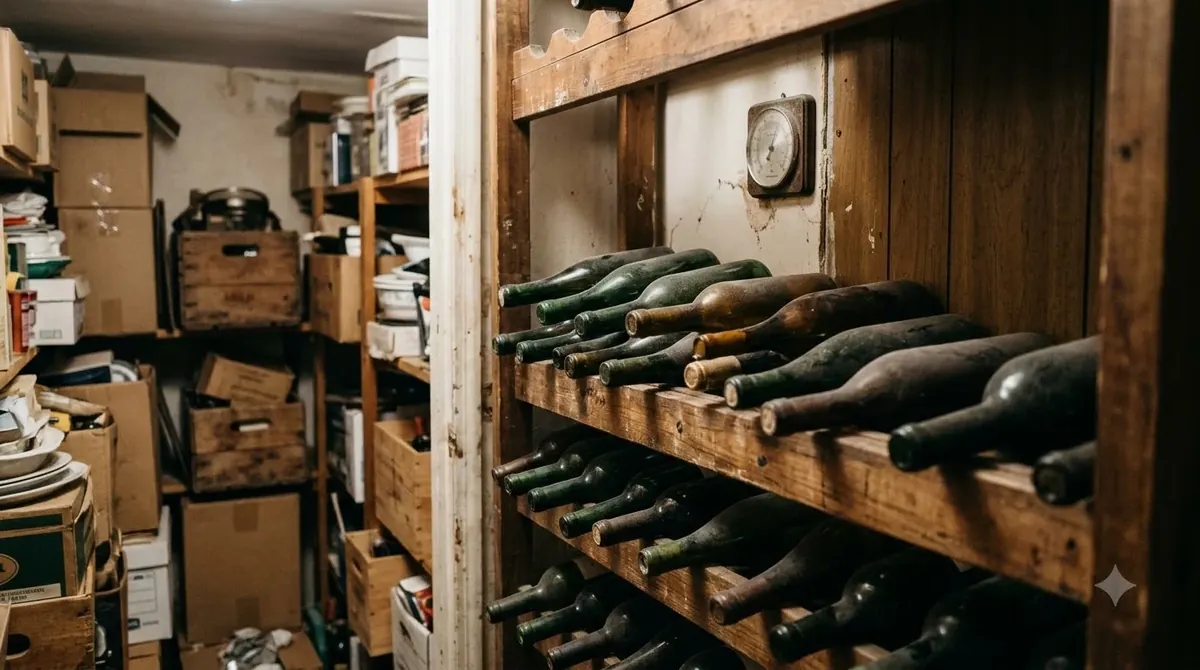
For unopened bottles, store wine away from direct sunlight, temperature fluctuations and excessive heat. A cool storage area near 55 F is a useful target for long-term storage, while bottles with traditional cork closures are generally stored horizontally when appropriate for the closure and bottle design.
Once opened, use a suitable wine stopper and return the bottle to the refrigerator promptly. Even a more stable oxidative Sherry can lose aromatic freshness if repeatedly exposed to air or kept in a warm kitchen.
Frequently Asked Questions
Is organic Sherry suitable for people who prefer vegan wine?
Not necessarily. Organic certification and vegan certification address different production requirements. Some wines may use animal-derived fining materials, while others use plant-based or mineral alternatives. Shoppers seeking vegan wine should look for a separate vegan certification or confirmation from the producer.
Can organic Sherry be used in cooking?
Yes. Dry Fino and Amontillado can add savory complexity to sauces, soups and seafood dishes, while Oloroso can work well in reductions for roasted meat. Sweet PX can be used in dessert sauces and fruit preparations. Cooking changes the wine’s flavor through heat and concentration, so a small amount is often sufficient.
Is organic Sherry always made without sulfites?
No. Organic wines can contain sulfites, either produced naturally during fermentation or added under the applicable production rules. Organic certification does not mean that a wine is completely sulfite-free. Sulfite declarations and permitted levels depend on the relevant certification and labeling regulations.
Can organic Sherry be aged for many years?
Some organic Sherries can develop over extended periods, particularly carefully produced oxidative styles such as Oloroso and Amontillado. Ageing potential depends on the wine’s structure, production method and storage conditions rather than organic certification alone. The producer’s recommendations are useful when deciding whether to cellar a particular bottle.
Does organic Sherry have to come in a dark glass bottle?
No. Organic certification does not prescribe a particular bottle color or shape. Packaging decisions are made by individual producers, and both clear and dark glass can be used depending on the wine and presentation. Sweet wines and wines intended for longer storage may be presented differently from young dry Sherries.
Organic Sherry brings together the distinctive wine styles of Andalusia and a growing commitment to certified organic grape cultivation. Whether you prefer the crisp character of Fino, the depth of Oloroso or the concentrated sweetness of Pedro Ximénez, the most useful buying decision is to consider certification alongside grape variety, sweetness and ageing style. Start with a producer that clearly explains its organic practices, choose a style that suits your food and occasion, and serve the wine at an appropriate temperature to appreciate its full character.
More in Wine Buying Guides
 Cheap Red Blend: How to Find a Flavorful Bottle for LessUpdated Nov 20, 2026
 Pinot Grigio Gift: How to Choose a Bottle They’ll EnjoyUpdated Nov 20, 2026
 Best White Wine at Total Wine for Every MealUpdated Nov 20, 2026
 Wine Fridge Replacement Shelves: Find the Right FitUpdated Nov 20, 2026
 Best Sparkling Wine Under 20: Find Bubbles Worth BuyingUpdated Nov 20, 2026
 Best Wine For Birthday Celebrations With Perfect Party PairingsUpdated Nov 20, 2026