

We may earn a commission when you buy through links on this page, at no extra cost to you. Learn more.
Rodney Strong white wine comes mainly as two bottlings: a creamy, partly oaked Chardonnay and a bright, citrus-led Sauvignon Blanc, both from a family winery in Healdsburg, California. The Chardonnay sits at about 13.5% alcohol and is best served between 50 and 55°F, while the Sauvignon Blanc is lighter in feel and suits seafood and lemony sauces. Knowing which style you are holding makes food pairing and serving temperature much easier.
Many shoppers know Rodney Strong for its reds, including a single-vineyard Cabernet Sauvignon first released in 1974. The white wines get far less attention, which is a shame, because they show a clear sense of place and careful use of oak. This guide covers where the whites come from, how the Chardonnay and Sauvignon Blanc are made, how to serve each one, and which foods suit them, so you can choose the right bottle for the table you are setting.
The Winery Behind Rodney Strong White Wine
The whites come from a family estate that has been farming Sonoma County for more than six decades, and that history shapes how the wines are made.
The winery says it was started in 1959 by Sonoma County pioneer Rod Strong, and the Klein family has led it since 1989. Today the estate farms vineyards across several appellations, including Alexander Valley, Russian River Valley, Chalk Hill, and Northern Sonoma County. Its appellations and vineyards page notes that Strong planted his first Chardonnay vines in 1965 and released the first Chalk Hill-labeled Chardonnay in 1977, and that Chalk Hill became an official AVA in 1983.
That history matters for the white range. The 2022 Chardonnay leans on cool coastal fruit, while the Sauvignon Blanc comes from a named vineyard the family planted in 1971. If you are also comparing the estate’s reds, see our rodney strong red wine notes.
The estate’s roots also shape its reputation for experimenting with cooler sites. According to the appellations page, Rod Strong was one of the first to plant Pinot Noir in the Russian River Valley in 1968, at a time when few people saw its potential. That valley is now recognized as one of the finest cool-climate growing regions in California, which helps explain why the cool-site Chardonnay style sits at the center of the lineup. The winery also describes itself as a certified sustainable winery, a point that matters for a family estate that expects to farm the same land for generations.
Chardonnay and Sauvignon Blanc: The Two Core Styles
The white range centers on two grapes that differ in body, oak use, and fruit character. Chardonnay is the rounder, richer option, and Sauvignon Blanc is the brighter one.
According to the Wine Enthusiast guide to Chardonnay, the grape is typically dry and medium- to full-bodied, with moderate acidity and alcohol, and its flavors run from apple and lemon to papaya and pineapple. Rodney Strong’s Sonoma County Chardonnay follows that general pattern, although the county name on the label does not tell the whole story. Critic Anthony Gismondi reviewed the 2022 vintage and found that its fruit came from cooler coastal sites outside Sonoma County, including Monterey and Santa Barbara. He described a bright tropical note mixed with lemon curd and pear, a creamy, spicy texture, and 13.5% alcohol.
Sauvignon Blanc plays a different role at the table. The 2021 Charlotte’s Home Sauvignon Blanc is 100% Sauvignon Blanc at 13.5% alcohol, and the winery describes it as opening with zesty grapefruit and Meyer lemon, a light grassiness, and then more tropical fruit and melon. It ends with clean, refreshing acidity, which is why it suits seafood and fresh citrus better than heavy, buttery dishes. Chardonnay gets its weight from barrel work and malolactic fermentation, while Sauvignon Blanc keeps most of its character in fresh citrus.
| Detail | Rodney Strong Chardonnay (2022) | Charlotte’s Home Sauvignon Blanc (2021) |
|---|---|---|
| Alcohol by volume | 13.5% | 13.5% |
| Barrel fermented | 60%, French oak, stirred monthly | 15%, new French oak |
| Fruit sources | Cooler coastal sites outside Sonoma County, including Monterey and Santa Barbara | Alexander Valley 38%, Dry Creek Valley 31%, Arroyo Seco 10%, Russian River Valley 11%, Knights Valley 8%, Monterey County 2% |
| Recommended serving | 50 to 55°F | 45 to 50°F |
| Winery food ideas | Grilled asparagus, seared tuna with mango-avocado salsa, apple and brie grilled cheese | Toasted brie, seared scallops, oysters with mignonette, fresh pasta with lemon cream sauce |
If you want a sense of how alcohol levels compare across other white bottles, our black box pinot grigio alcohol content guide offers a useful benchmark.
Chardonnay is often called a winemaker’s grape because it grows in many climates and responds well to decisions made in the cellar, which lets producers aim for a light, elegant wine or a full, buttery one. Sauvignon Blanc depends more on the vineyard. In the 2021 bottling, the blend of several Sonoma and Monterey sites is the first thing to read in the table, because where the fruit ripened shapes how much citrus and tropical fruit come through.
How the Chardonnay Gets Its Style
Oak and malolactic fermentation do most of the shaping in this Chardonnay, and they explain why it feels creamier than the Sauvignon Blanc.
Gismondi’s review describes the 2022 bottling as 60% barrel fermented and aged in French oak barrels that are stirred monthly, with the rest of the wine kept in stainless steel. That split matters. The barrel portion adds the texture and spice many people associate with California Chardonnay, while the stainless steel portion keeps the wine lively. Wine Enthusiast notes that oak adds vanilla and baking spice, and that the effect depends on the wood’s origin, its toast level, and how long the wine stays in contact with it.
Malolactic fermentation is the other major lever. Wine Enthusiast explains that a bacterium converts tart malic acid, which tastes like green apple, into softer lactic acid, and that this conversion produces diacetyl, the compound behind buttery character. Gismondi reports that about a quarter of the 2022 Chardonnay skips that softening step, which keeps part of the blend fresh and crisp. The result reads as both creamy and bright, rather than leaning fully toward one style.
Cooler fruit also changes the profile. Wine Enthusiast says cooler climates tend to give Chardonnay more citrus and acidity, while warmer sites produce riper, richer fruit with higher alcohol. The coastal fruit in the 2022 bottling sits toward the cooler end of that range, which helps explain the lemon curd and pear notes beside its tropical edge.
The same guide places the Sonoma Coast in its cool-climate group and says most of California is warm-climate ground. That split helps explain why a bottle built from coastal fruit can taste fresher than a warm-site Chardonnay given the same oak treatment. When you read a label, the growing region tells you as much about the wine’s acidity as the oak does.
Charlotte’s Home Sauvignon Blanc and Its Vineyard
The Sauvignon Blanc comes from a named vineyard with a long history on the estate, and that site accounts for much of its citrus character.
Rod Strong established the Charlotte’s Home vineyard in 1971 and named it in honor of his wife. The site covers 71 acres, sits between Alexander’s Crown and the Russian River, and has deep soils and gravel that favor Sauvignon Blanc. Because the gravel areas ripen first, the vineyard has to be harvested in several passes. The early picks give ripe pear and melon, while later-ripening vines on deeper soils provide crisp citrus flavors, which is one reason the wine feels both fruity and fresh.
The 2021 bottling draws from several places. Its fruit comes 38% from Alexander Valley, 31% from Dry Creek Valley, 11% from Russian River Valley, 8% from Knights Valley, 10% from Arroyo Seco, and 2% from Monterey County. The harvest ran from August 30 to September 16 after a season the winery describes as one of the driest on record in Sonoma County, and high acidity in the berries called for patience. Only 15% of the wine was barrel fermented and completed malolactic fermentation in new French oak, so oak plays a small supporting role.
Because the vineyard is picked in passes, the winemaking team has to watch the fruit closely across several weeks. The 2021 harvest window covered roughly two and a half weeks, which is a useful reminder that one bottle can represent a long stretch of careful vineyard work. For a buyer, that attention is one of the clearer signs of a producer who treats its white wines seriously.
Serving Temperature and Storage
Serving temperature changes how these wines show their fruit, oak, and acidity, so a few minutes in the refrigerator can make a real difference.
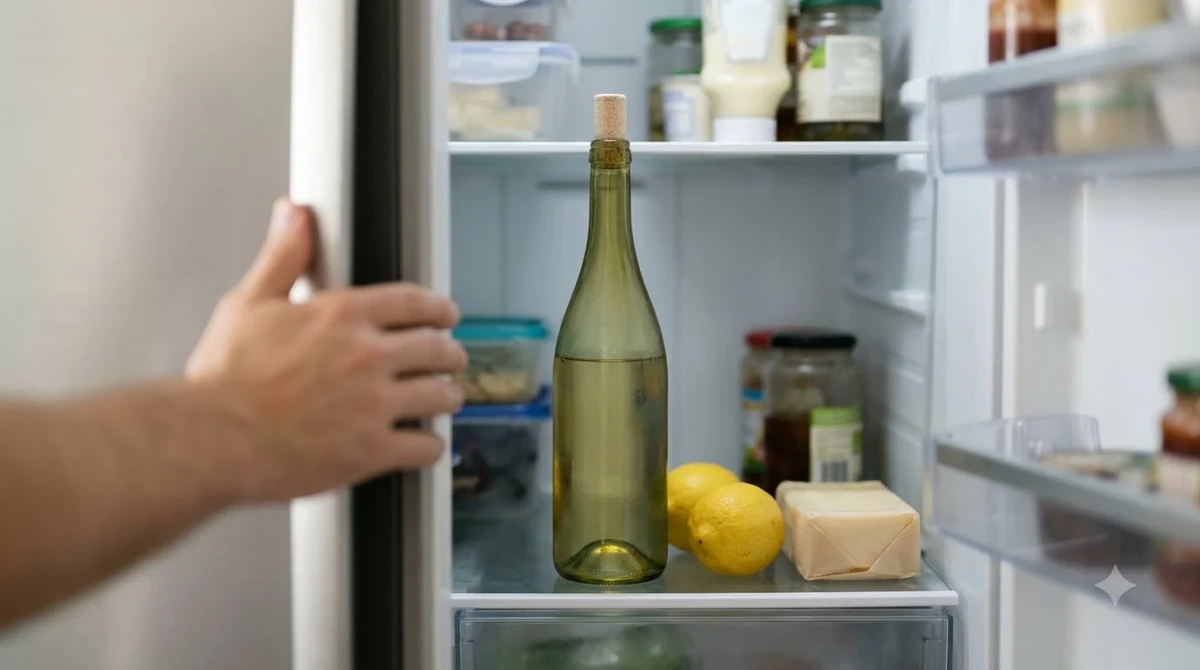
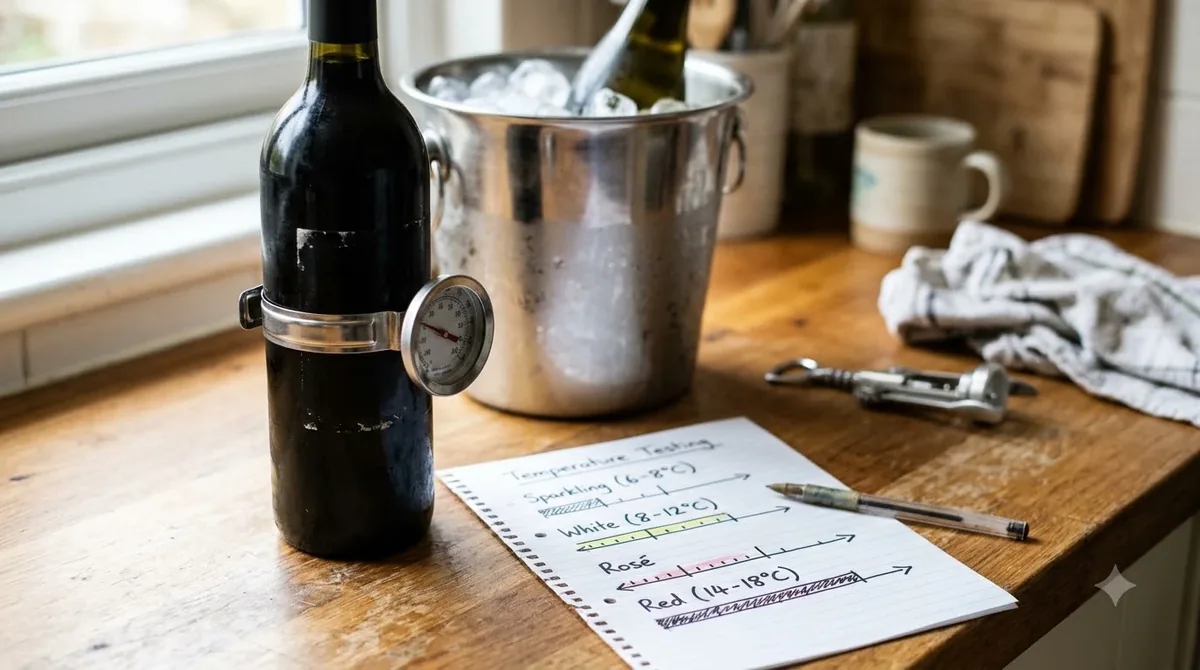
Wine Enthusiast recommends serving Chardonnay between 50 and 55°F. The same guide says you can reach that range with two hours in the refrigerator or 30 to 40 minutes in an ice-water bath. Serve it too warm and the alcohol tastes hot while the flavors blur together. Serve it too cold and the aromas and flavors go quiet. A slightly warmer pour helps the oak and creamy texture show, while a cooler pour keeps the citrus crisp.
Tip: Chill the Chardonnay for about two hours in a standard refrigerator, or 30 to 40 minutes in an ice-water bath, then pour it right away. Serve the Sauvignon Blanc a touch cooler, in the 45 to 50°F range, to keep its citrus focus sharp.
Storage after opening matters too. Wine Enthusiast says a re-corked Chardonnay stays fresh for a few days before it begins to oxidize, and after that the wine is better suited to cooking. Unopened bottles keep best on their side in a cool, steady spot near 55°F, which protects the cork and keeps the wine from swinging in temperature with the room.
Pour size is the last piece of the routine. A standard pour is about five ounces, and a 750 ml bottle holds roughly five of those glasses. If you are serving a group, plan around that number and open a second bottle rather than pouring larger glasses, since a large pour gives the wine more time to warm in the glass.
Food Pairings That Work Best
Match the weight of the food to the weight of the wine, and both bottles have clear partners on the table. Wine Enthusiast sums up the principle in exactly those terms, and it works well here.
Crisp, unoaked Chardonnay suits fresh goat cheese, oysters, shellfish, and delicate fish, according to the same guide. Medium-bodied styles handle firmer fish, chicken, and pork tenderloin, along with aged cheeses. Richer, oaky Chardonnay can take heavier cream sauces and grilled meats with more fat. The 2022 Rodney Strong Chardonnay sits in that middle-to-rich territory, which is why the winery suggests grilled asparagus, seared tuna with a mango-avocado salsa, and an apple and brie grilled cheese.
Sauvignon Blanc calls for dishes that match its acidity. Acidic food needs wine with equal or higher acidity, so the lemon cream sauce on fresh pasta with sweet peas is a natural fit, and so are seared scallops and oysters with mignonette. The winery also recommends toasted brie, because the wine’s clean finish cuts through the cheese’s richness. Keep spice in check, since alcohol amplifies chili heat, and a milder dish suits a 13.5% white better than a fiery one.
For a simple dinner, the Chardonnay works with a creamy pasta sauce or roasted chicken, while the Sauvignon Blanc works best with lighter starters. Serve the Chardonnay with aged gruyere or gouda if you are building a cheese plate, and keep the Sauvignon Blanc for fresh goat cheese, oysters, or a lemony seafood course.
Frequently Asked Questions
Here are short answers to the questions shoppers ask most often about the Rodney Strong whites.
Where does Rodney Strong grow its own Chardonnay?
The estate’s Bud’s Ranch vineyard covers 50 acres at the southern end of Alexander Valley and was established in 1973. Its deep sandy loam soils are described as ideal for Chardonnay, producing soft, rich, ripe flavors that border on tropical. The vineyard is named for Bud Klein, father of proprietor Tom Klein.
What is Chalk Hill known for?
Chalk Hill is known for ocean fog and chalky-white volcanic soils that the winery says produce Chardonnays with crisp citrus and mineral tones. Those wines also show lush floral notes and a rich baked apple character. The name comes from the reflective white soils, which are shallow and fast draining.
Who leads winemaking at Rodney Strong today?
Justin Seidenfeld serves as senior vice president of winemaking and winegrowing, and Greg Morthole is the winemaker. Together they continue the estate’s drive for innovation and devotion to Sonoma County, according to the winery. Their work covers a wide range of estate vineyards and varietals.
Does Rodney Strong make red wine too?
Yes. The Alexander’s Crown vineyard is planted mostly to Cabernet Sauvignon with a little Merlot, and the Hubbard vineyard grows classic head-trained Zinfandel alongside Petite Sirah and Touriga Nacional. Merlot from the Pine Flat vineyard often ends up in the estate’s Symmetry Meritage.
What does Cooley Ranch add to the estate?
Cooley Ranch covers 193 acres in northwestern Sonoma County and was established in 2010. Its vines range from 800 to 2,000 feet in elevation on volcanic soils that are rare in that part of the world. The winery plants Bordeaux varieties there and calls it the latest crowning achievement in Northern Sonoma.
Rodney Strong white wine gives you two clear choices: a creamy, partly oaked Chardonnay for richer dishes, and a citrus-led Sauvignon Blanc for seafood and lighter meals. Serve the Chardonnay around 50 to 55°F and the Sauvignon Blanc a little cooler, and each will show its best side. For more producers to compare, browse our Wine Brands section.
More in Wine Brands
 Louis Latour Wine Price: Compare Bottles by Style and TierUpdated Nov 20, 2026
 Yellow Tail Moscato Price: What to Expect Before You BuyUpdated Nov 20, 2026
 Sutter Home Sweet Red Review: Find the Right Food PairingsUpdated Nov 20, 2026
 Franzia Chillable Red Review: Find the Right Serving StyleUpdated Nov 20, 2026
 Veuve Clicquot Rose Review: Flavor, Food Pairings and Buying AdviceUpdated Nov 20, 2026
 Rombauer Wine Price: Compare Bottles Before You BuyUpdated Nov 20, 2026