

We may earn a commission when you buy through links on this page, at no extra cost to you. Learn more.
La Vieille Ferme Rose alcohol content is typically 12.5% ABV (alcohol by volume), making it a moderately alcoholic French rosé suitable for casual meals and warm-weather drinking. A standard 5 oz glass contains approximately 0.625 oz of pure alcohol, while a 750 ml bottle holds about 5.3 US standard drinks. The precise percentage can vary between vintages and bottling lots, so the individual bottle’s alcohol declaration is the best reference for its actual strength.
La Vieille Ferme Rosé, produced by Famille Perrin, is known for its pale pink color, fresh fruit character, and dry finish. Its 12.5% ABV sits comfortably within the range of many everyday French rosés, offering enough alcohol to support its fruit flavors without making it a particularly powerful wine. Understanding the percentage, serving size, and differences between vintages makes it easier to estimate what you are pouring and compare this bottle with other popular rosés.
La Vieille Ferme Rosé Alcohol Content and Typical ABV
La Vieille Ferme Rosé typically contains 12.5% alcohol by volume. This percentage means that 12.5% of the wine’s total liquid volume is pure alcohol, making it a moderately alcoholic still wine rather than a particularly light or high-alcohol rosé.
The official US Famille Perrin product listing identifies the wine as a dry Vin de France rosé with 12.5% ABV. It also specifies a standard 75 cl bottle, equivalent to 750 ml. This is the most useful starting point when estimating the alcohol in a typical bottle sold under the La Vieille Ferme Rosé name.
At 12.5% ABV, the wine falls into a familiar range for still rosé. Many dry rosés sit between approximately 11% and 13.5% ABV, although individual wines can fall outside that range depending on grape ripeness, growing conditions, and winemaking decisions.
Alcohol contributes more than just strength. It can add warmth and a little weight to the palate, while also influencing how fruit flavors and acidity are perceived. In La Vieille Ferme Rosé, the alcohol is balanced by fresh acidity and a fruit-forward profile featuring strawberry, raspberry, and peach.
The result is a wine that generally feels refreshing rather than heavy. Its dry finish also means that its fruity character should not be mistaken for high residual sugar. A wine can smell and taste of ripe fruit while remaining dry.
For practical comparison, 12.5% ABV is slightly above the alcohol level of some lighter rosés, but it is not unusually strong. Someone comparing it with a 10.5% rosé will find that La Vieille Ferme contains more alcohol per equal-sized pour, while a 14% rosé will contain more.
It is also important to distinguish alcohol content from sweetness. Alcohol percentage measures ethanol concentration, not the amount of sugar remaining in the finished wine. A dry rosé at 12.5% ABV can taste fruity without being sweet, and a sweeter rosé can have a lower alcohol percentage.
For the producer’s product information and current wine description, see the official Famille Perrin La Vieille Ferme Rosé listing.
How Much Alcohol Is in a Glass or Bottle?
A 5 oz serving of La Vieille Ferme Rosé at 12.5% ABV contains approximately 0.625 oz of pure alcohol. A complete 750 ml bottle contains approximately 93.75 ml of pure alcohol, equivalent to about 5.3 US standard drinks.
These calculations assume the wine is exactly 12.5% ABV and that the serving measurements are accurate. The difference between a small tasting pour and a generously filled wineglass can be substantial, even when both servings come from the same bottle.
In the United States, one standard alcoholic drink contains approximately 0.6 fluid ounces, or 14 grams, of pure alcohol. A 5 oz glass of 12.5% ABV wine contains approximately 0.625 fluid ounces, which is slightly more than one US standard drink.
The following figures show how the alcohol content changes with serving size.
| Serving size | Wine volume | Pure alcohol | Approx. US standard drinks |
|---|---|---|---|
| Small pour | 3 oz | 0.375 oz | 0.63 |
| Standard pour | 5 oz | 0.625 oz | 1.04 |
| Large pour | 6 oz | 0.75 oz | 1.25 |
| Generous pour | 8 oz | 1.00 oz | 1.67 |
| Half bottle | 375 ml | 46.88 ml | 2.66 |
| Full bottle | 750 ml | 93.75 ml | 5.28 |
The numbers are rounded, so minor differences may appear when converting between fluid ounces, milliliters, and standard drinks. The calculation uses the standard 5 oz American wine serving and a 12.5% ABV assumption.
For a quick calculation, multiply the volume of wine in fluid ounces by 0.125. For example, a 6 oz pour multiplied by 0.125 contains 0.75 fluid ounces of pure alcohol.
For milliliter measurements, multiply the wine volume by 0.125 as well. A 150 ml glass therefore contains 18.75 ml of pure alcohol. This is a useful way to compare different bottle sizes or calculate the contents of a smaller individual serving.
A 750 ml bottle contains five standard 5 oz pours, with a small amount remaining. If the bottle is divided into six equal glasses, each serving will contain 125 ml, or approximately 4.23 oz. Each glass will then contain about 15.6 ml of pure alcohol.
The amount poured matters just as much as the percentage printed on the bottle. Two people drinking the same wine can consume different amounts of alcohol simply because their glass sizes differ.
Tip: Use a measuring cup or wine measure to establish what a 5 oz pour looks like in your favorite glass. Wineglasses come in many shapes and capacities, so filling a glass halfway does not necessarily mean you have poured 5 oz.
Why the Alcohol Percentage Can Change Between Vintages
La Vieille Ferme Rosé is commonly listed at 12.5% ABV, but historical and market-specific listings show that different bottles can have different percentages. The 2017 wine reviewed by Wine Enthusiast, for example, was listed at 13% ABV rather than 12.5%.
This distinction matters because wine is an agricultural product. Grapes do not reach precisely the same sugar concentration every growing season, and the resulting alcohol level depends partly on how much natural sugar is converted into ethanol during fermentation.
Several factors can influence the final percentage:
- Weather: Warmer growing conditions can encourage grape ripening and increase sugar accumulation.
- Harvest timing: Picking grapes earlier or later can change their sugar levels and potential alcohol.
- Grape composition: Different varieties can contribute different levels of ripeness, acidity, and sugar to a blend.
- Fermentation: The amount of fermentable sugar converted into alcohol affects the final ABV.
- Blending decisions: Combining wines from different grape varieties or vineyard sources can affect the finished wine’s overall composition.
Wine Enthusiast’s listing for the 2017 La Vieille Ferme Rosé gives an alcohol percentage of 13% for that particular vintage. Its review also identifies a blend of 40% Cinsault, 40% Grenache, and 20% Syrah.
That historical listing should not be treated as proof that every bottle contains 13% alcohol. The producer’s US product information gives 12.5% ABV for its listed product, illustrating why it is important to distinguish a specific vintage from the wine’s typical current specification.
There can also be differences between markets. Importers and retailers may carry bottles from different production lots or vintages, and product databases are not always updated at exactly the same time as wine releases.
For this reason, the best approach is to use 12.5% as the typical reference figure while allowing for differences in individual bottles. The ABV declaration on the bottle is more useful for calculating its actual alcohol content than an old tasting review or a retailer listing for a different vintage.
A half-percentage-point difference may appear small, but it changes the amount of pure alcohol in a full bottle. At 12.5% ABV, a 750 ml bottle contains 93.75 ml of alcohol. At 13% ABV, the same volume contains 97.5 ml.
The difference is 3.75 ml of pure alcohol across the bottle. That is not a dramatic change in the overall drinking experience, but it is relevant when making precise serving calculations.
Grape Varieties, Winemaking, and Their Effect on Alcohol
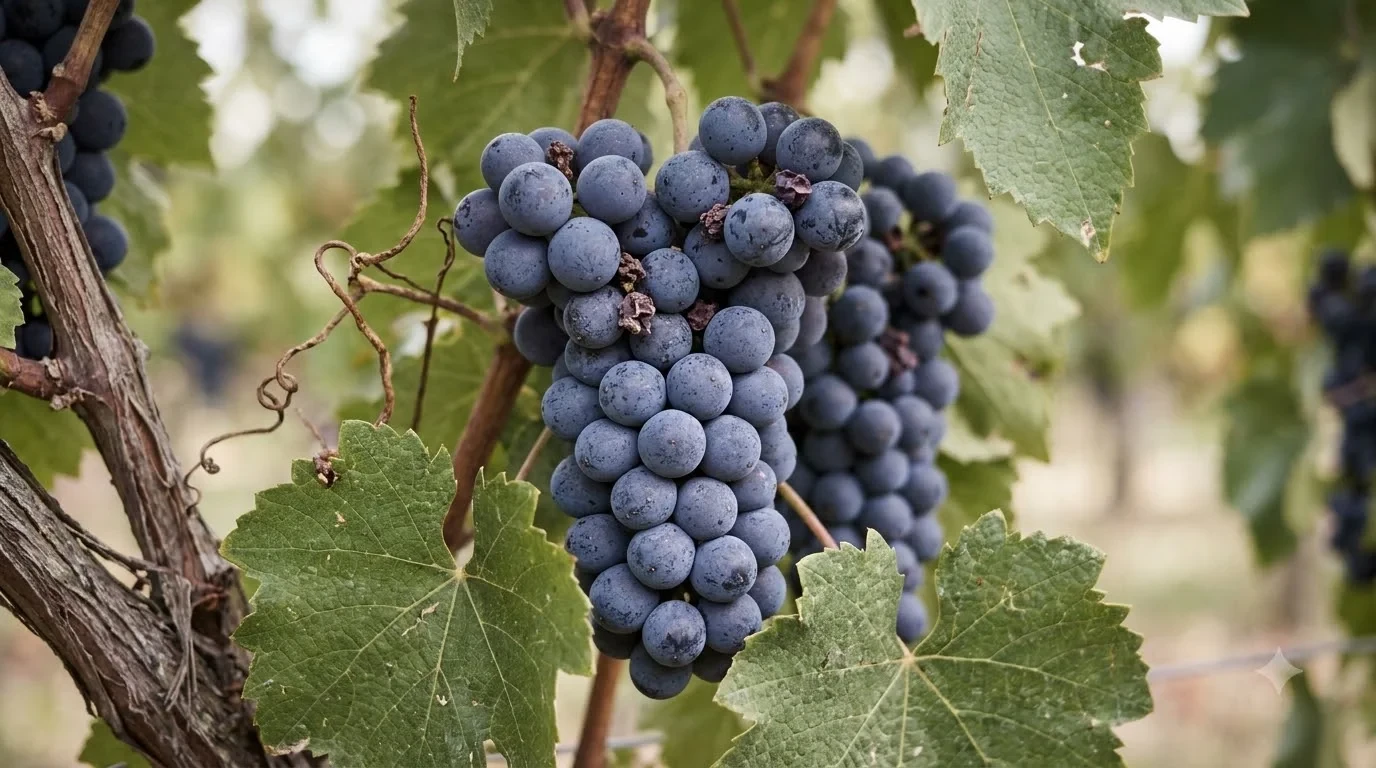
La Vieille Ferme Rosé combines Cinsault, Grenache, and Syrah, three grape varieties commonly associated with southern French wine. Their blend helps explain the wine’s fruit-driven style, fresh structure, and moderate alcohol level.
Each grape brings a different contribution to the finished wine. Although the exact proportions can change between bottlings, the combination creates a recognizable style that balances ripe fruit, freshness, and a dry finish.
Cinsault
Cinsault is widely used in southern French rosé production. It can contribute red-fruit aromas, a relatively light structure, and an approachable texture. In rosé blends, it helps create freshness and a delicate fruit character rather than an excessively heavy palate.
Its contribution is particularly useful in a wine designed for serving chilled. Strawberry-like flavors and a lighter impression of body work well alongside the wine’s crisp acidity.
Grenache
Grenache is an important grape in the southern Rhône and other Mediterranean wine regions. It can produce ripe red-fruit flavors, including strawberry and raspberry, and often contributes body and warmth to a blend.
Its natural tendency toward ripeness can also contribute to potential alcohol. The actual result depends on growing conditions, harvest timing, and fermentation rather than the grape name alone.
Syrah
Syrah adds another dimension to the blend, often contributing darker fruit characteristics and additional structure. Depending on the growing environment and winemaking approach, it can also bring subtle spice and savory elements.
In a rosé blend, Syrah helps provide depth without requiring the wine to have the weight or tannin structure of a full-bodied red.
Fermentation and freshness
The Vineyard Brands technical sheet describes an early-morning harvest, followed by pneumatic pressing and approximately 15 days of fermentation in temperature-controlled stainless steel tanks. The wine is subsequently held in stainless steel vats and lightly fined before bottling.
These production choices help preserve fresh fruit characteristics. Stainless steel fermentation does not automatically produce lower-alcohol wine, but temperature control and careful handling can support the fresh, clean style associated with this rosé.
Harvesting early in the morning also helps protect the grapes from excessive heat and oxidation. The technical sheet places the usual harvest period between the last days of August and mid-September, depending on grape maturity.
For readers interested in the finished wine’s aromas and flavor profile, the La Vieille Ferme Rosé tasting notes provide a closer look at its fruit character, acidity, and finish.
The important point is that grape varieties and production methods influence the wine’s overall character, but neither the blend nor the fermentation vessel determines a fixed ABV. The final alcohol concentration comes from the complete winemaking process.
How La Vieille Ferme Rosé Compares With Other Rosé Wines
At 12.5% ABV, La Vieille Ferme Rosé occupies a middle position among many familiar dry rosés. It is neither an especially low-alcohol option nor a particularly powerful wine, making it a useful comparison point for shoppers considering other popular bottles.
Alcohol percentages can vary with vintage, market, and bottling. The following figures are illustrative comparison points rather than guarantees for every bottle.
- La Vieille Ferme Rosé: Typically 12.5% ABV according to Famille Perrin’s US product listing.
- Whispering Angel Rosé: Commonly listed around 13% ABV, although individual vintages and markets can differ.
- Josh Cellars Rosé: Often listed around 12.5% ABV, depending on the specific release.
These wines have broadly comparable alcohol concentrations. A difference of half a percentage point is relatively modest, but it still affects the amount of pure alcohol in an equal-sized glass.
For example, a 5 oz pour of wine at 13% ABV contains 0.65 oz of pure alcohol. The same pour of La Vieille Ferme at 12.5% contains 0.625 oz. The difference is 0.025 oz per glass.
That calculation also demonstrates why comparing percentages is more useful than comparing bottle descriptions such as light, refreshing, or full-flavored. Those descriptions refer to the overall drinking experience rather than a precise measurement of alcohol.
Whispering Angel is a useful comparison for people who enjoy pale, dry rosés with a refined Mediterranean-inspired profile. The Whispering Angel Rosé alcohol content breakdown provides another reference point when comparing percentages and serving sizes.
Josh Rosé offers another familiar reference for shoppers who prefer approachable, fruit-forward American rosé. Its alcohol level is also generally close to La Vieille Ferme’s typical 12.5% specification. The Josh Rosé alcohol content article explains how its ABV translates into individual servings.
When comparing bottles, it helps to consider three separate characteristics:
- Alcohol: The percentage of ethanol in the wine.
- Body: How light or full the wine feels in the mouth.
- Sweetness: How much residual sugar remains and how sweet the wine tastes.
A wine with 12.5% ABV is not necessarily lighter-bodied or drier than a wine with 13% ABV. Grape variety, acidity, residual sugar, and winemaking all contribute to those impressions.
For additional bottles and background on producers, regions, and wine styles, browse the Wine Brands section.
Best Serving Temperature and Food Pairings
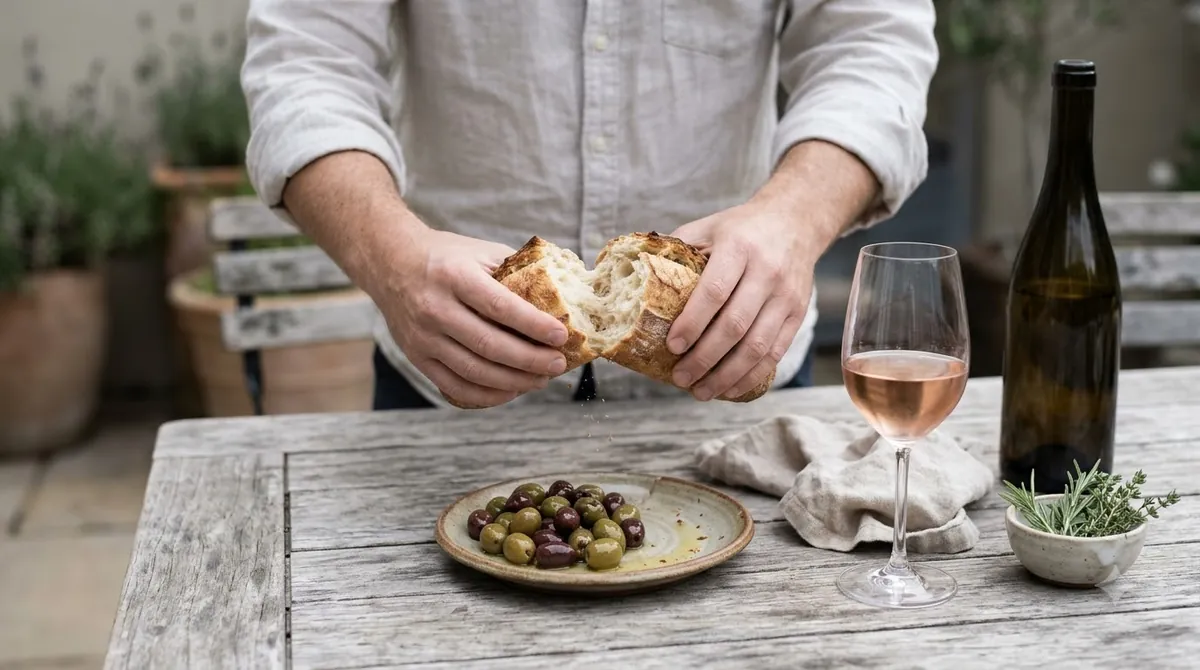
La Vieille Ferme Rosé is best served chilled at approximately 50–54°F, according to the Vineyard Brands technical sheet. This temperature range preserves the wine’s refreshing acidity and fruit aromas without making its flavors difficult to detect.
Serving temperature is particularly important for rosé because excessive warmth can make alcohol seem more prominent. A wine that feels crisp and balanced when chilled may seem softer, heavier, and more alcoholic if served too warm.
Refrigerate the bottle before serving. If it has been stored at room temperature, allow approximately 2–3 hours in a refrigerator, depending on the starting temperature and the refrigerator’s cooling performance.
If you need to chill it more quickly, place the bottle in an ice-water bath for around 20–30 minutes. Water transfers heat more effectively than ice alone, helping the bottle cool evenly.
Once opened, keep the bottle refrigerated and use a suitable closure to limit exposure to oxygen. For the freshest fruit character, it is generally best to finish an opened bottle within 3–5 days.
Seafood and lighter dishes
The wine’s fresh acidity and red-fruit profile make it a natural companion for seafood. Grilled shrimp, simply prepared white fish, and chilled shellfish can work particularly well because they do not overwhelm the rosé’s relatively delicate structure.
Acidity is important when choosing a food match. A dish with lemon, vinaigrette, or tomato benefits from a wine with enough freshness to keep the combination balanced. La Vieille Ferme Rosé’s crisp character helps it remain lively alongside these ingredients.
However, very oily fish can be challenging with more tannic red wines. A light, low-tannin rosé is generally a more suitable direction for fish dishes than a heavily structured red.
Salads and vegetables
Tomato salad is one of the combinations specifically recommended in the Vineyard Brands technical sheet. Tomatoes bring acidity and sweetness, while fresh herbs and olive oil add aromatic and savory elements that complement the wine’s fruit profile.
Other suitable dishes include Mediterranean vegetable salads, grilled zucchini, cucumber salads, and fresh mozzarella with tomatoes. The key is to avoid dressings that are excessively sweet or strongly acidic compared with the wine.
Grilled food
Grilled chicken, pork skewers, and lightly seasoned vegetables are practical choices for this rosé. The wine has enough fruit and body to complement grilled flavors without overpowering the meal.
Salt and fat can soften the perception of tannin in wine, while grilled meats often add savory flavors that work with the fruit character of rosé. For particularly spicy dishes, keep chili heat moderate because alcohol can amplify the burning sensation of capsaicin.
La Vieille Ferme Rosé is therefore particularly useful for mixed summer meals where seafood, salads, and grilled food appear together. Its combination of fruit, acidity, and moderate alcohol gives it flexibility across several courses.
Frequently Asked Questions
Is La Vieille Ferme Rosé a Provence wine?
The wine is identified as Vin de France on Famille Perrin’s US product listing rather than carrying a specific Provence appellation. Its southern French origins and pale, dry style may remind drinkers of Provence rosé, but its designation is not the same as a Côtes de Provence AOC wine.
Does La Vieille Ferme Rosé contain sulfites?
Yes. Famille Perrin identifies sulfites as an allergen on its product information. Sulfites are commonly present in commercial wines and can occur naturally during fermentation as well as being used in winemaking.
Does La Vieille Ferme Rosé come with a screwcap?
The official US product listing identifies a screwcap closure for its 750 ml bottle. This closure is practical for opening without a corkscrew and resealing an unfinished bottle. It does not indicate that the wine is lower in quality or alcohol.
How much sugar does La Vieille Ferme Rosé contain?
The LCBO listing reports 2 grams of sugar per liter for its listed product, while another market listing reports 1.4 grams per liter. These are market-specific product records, not a universal specification for every vintage. Both figures indicate a low residual-sugar level consistent with a dry style.
Can La Vieille Ferme Rosé be served in a sparkling wine glass?
Yes, although a standard white wine glass is generally a more practical choice for appreciating its strawberry, peach, and citrus aromas. A tulip-shaped glass can also help concentrate delicate aromas while leaving enough room to swirl the wine. The wine itself is still rosé, not sparkling wine.
La Vieille Ferme Rosé typically contains 12.5% ABV, placing it in the moderate range for dry French rosé. A standard 5 oz serving contains approximately 0.625 oz of pure alcohol, while a full 750 ml bottle contains about 5.3 US standard drinks. For the most accurate calculation, use the ABV printed on the individual bottle, since vintages and market listings can differ.
Its fresh acidity, strawberry and peach flavors, and approachable alcohol level make it a versatile choice for seafood, tomato salads, and grilled meals. Serving it chilled at 50–54°F helps preserve the refreshing character that defines this southern French rosé.
More in Wine Brands
 Louis Latour Wine Price: Compare Bottles by Style and TierUpdated Nov 20, 2026
 Yellow Tail Moscato Price: What to Expect Before You BuyUpdated Nov 20, 2026
 Sutter Home Sweet Red Review: Find the Right Food PairingsUpdated Nov 20, 2026
 Franzia Chillable Red Review: Find the Right Serving StyleUpdated Nov 20, 2026
 Veuve Clicquot Rose Review: Flavor, Food Pairings and Buying AdviceUpdated Nov 20, 2026
 Rombauer Wine Price: Compare Bottles Before You BuyUpdated Nov 20, 2026