

We may earn a commission when you buy through links on this page, at no extra cost to you. Learn more.
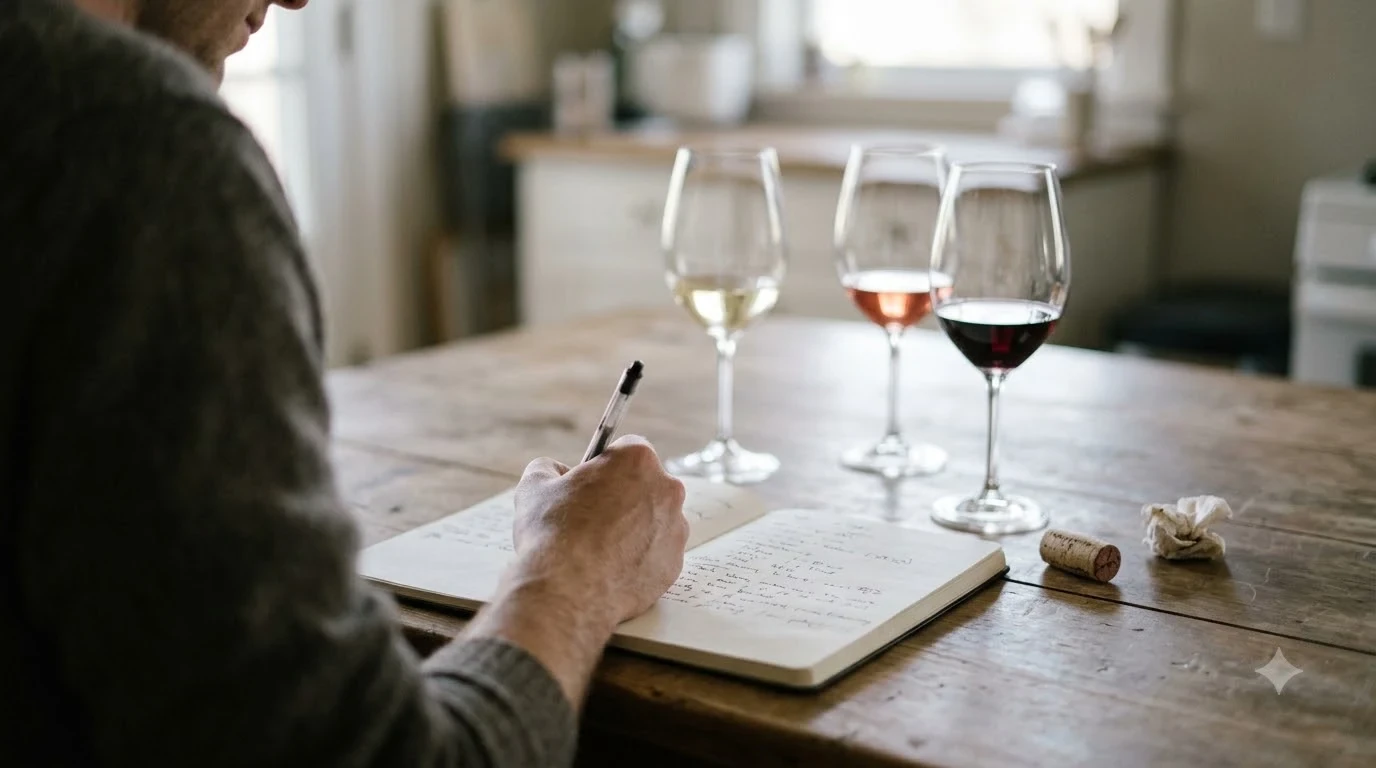
Far Niente Chardonnay tasting notes typically describe a crisp, citrus-led Napa Valley white with ripe orchard fruit, a floral lift and a silky finish. The estate skips malolactic fermentation, which keeps the wine’s natural malic acidity fresh and noticeably brighter than many California Chardonnays. Expect lemon zest, honeydew melon and nectarine on the nose, with pear, apple and a light vanilla note on the palate. Serve it at 50 to 55 F so the acidity and texture both show clearly.
Few California Chardonnays spark as much discussion as Far Niente, and the reason is simple: it manages to feel rich without feeling heavy. Drinkers who find many Napa whites too buttery often reach for this bottle first. Recent releases have also drawn strong marks from critics. Wine Enthusiast gave one recent Chardonnay 94 points, and James Suckling awarded a later bottling 93. This guide breaks down what to look for in the glass, why the vineyard and winemaking choices shape the taste, how the wine compares with other styles, and how to serve and pair it. If you are also comparing producers, our Wine Brands guide covers how different houses approach the same grape.
What the Glass Shows First
Far Niente Chardonnay usually opens with bright citrus and white floral aromas, then moves toward ripe orchard fruit and a gentle layer of vanilla. The estate’s recent tasting notes mention lemon zest, honeydew melon, nectarine and lemon verbena, which give the wine a fresh, garden-like lift before the palate fills out.
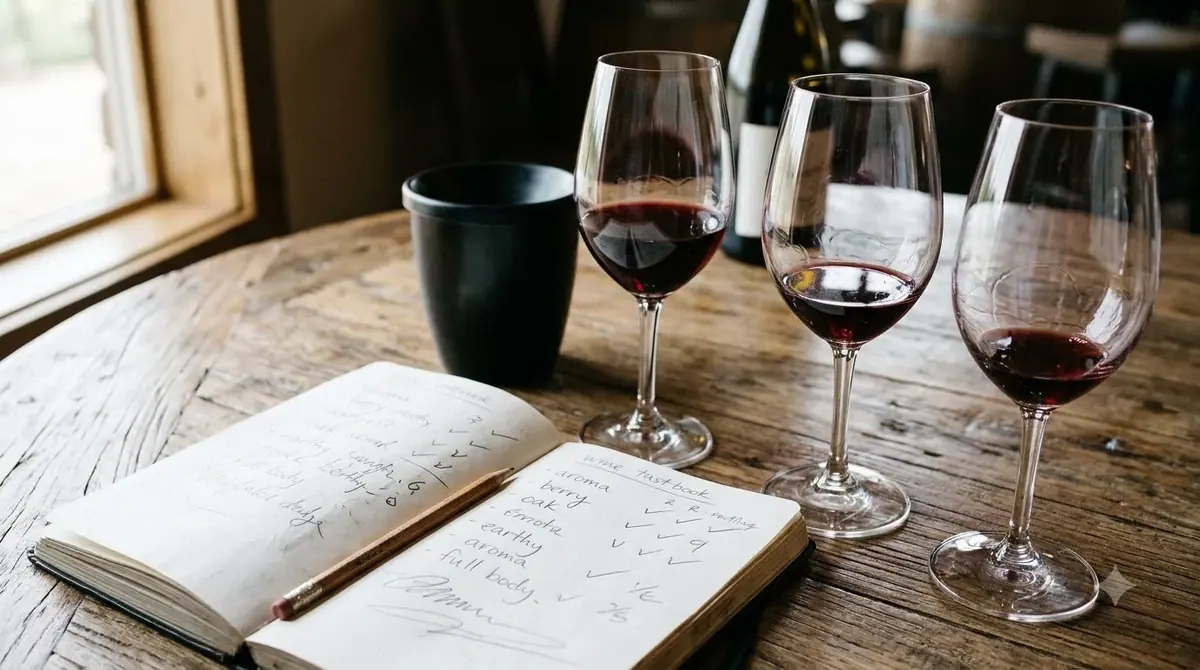
Earlier bottlings leaned in a slightly different direction. One set of winery notes described white fig and citrus blossom, with honeydew and nectarine carrying through the middle and a toasted oak note at the end. Another tasting note, from Wine Enthusiast, picked out ripe apple, mineral notes and a light touch of spice. Those shifts are typical for a single-estate Chardonnay. The core fruit stays consistent, while the floral, spice and oak accents move with each season’s weather.
On the palate, the wine is usually described as silky rather than heavy. Reviewers mention ripe pear, apple and peach, a squeeze of lemon zest and sometimes a wet-stone or flinty note. Another winery description points to a good core of fruit with an underlying power that unfolds with time in the bottle, which hints at the wine’s structure as well as its charm.
The finish matters as much as the first sip. Tasters often describe it as long and juicy, with citrus rind and a clean, mouthwatering acidity that lingers after the wine is swallowed. A finish that clean makes the wine easier to drink with food, because each sip resets the palate for the next bite.
Coombsville Fruit and the Vineyards Behind the Bottle
The Chardonnay comes from Coombsville, a cool district in southern Napa Valley, east of the city of Napa. According to the winery, the vineyards sit on volcanic ash soils, and the cooler climate helps the grapes hold onto their natural acidity. The wine’s freshness comes from that site, not from a stylistic shortcut added in the cellar.
Coombsville is sheltered by hills that keep it cooler than the warmer valley-floor sites, where Chardonnay can drift toward jammy, tropical flavors. Slower ripening keeps acid levels high at harvest, and that acidity is the foundation of the wine’s freshness. Harvest timing matters too. In one recent vintage, the winery began picking its earliest Chardonnay blocks on August 25 and finished on September 17, according to its own harvest notes. Spreading the picks across several weeks lets the team gather fruit at different ripeness levels and blend them into a wine with both bright citrus and a rounder middle.
The estate also owns two vineyards in the district: the 18-acre Barrow Lane Vineyard and the 50-acre John’s Creek Vineyard. A Please The Palate tasting write-up confirms that this fruit is where the Chardonnay is sourced. Holding two parcels in one cool area gives the winemaking team options when blending, and that is one reason the wine tastes layered rather than flat.
Why the Winery Skips Malolactic Fermentation
The biggest reason this Chardonnay tastes crisper than many Napa bottlings is that the winery does not put it through malolactic fermentation, often called malo. That secondary conversion turns tart malic acid into softer lactic acid. In Chardonnay, it also produces diacetyl, the compound behind buttery aromas and a creamy texture.
According to Wine Enthusiast’s look at buttery Chardonnay, winemakers who want a richer, rounder wine embrace malolactic fermentation, while those making a dry, crisp style use it sparingly or stop it altogether. The winery explains its own choice in a blog post on its Chardonnay house style, saying that blocking the conversion lets the textures of its proprietary Chardonnay clone show through. That is a deliberate choice about what the wine should taste like, not an accident of the cellar.
The result is a wine with more natural acid than a buttery Chardonnay. Put a fully malolactic wine beside this one and the difference shows up at once: the Far Niente style feels lean and lemony on the first sip, while the other feels round and creamy. Neither approach is wrong. If you want a point of comparison from another house, read our rombauer chardonnay tasting notes to see how a different producer handles the same grape.
Oak still plays a role, but a supporting one. The vanilla and toasted hazelnut described in recent notes are light, and they never overshadow the fruit. That balance matters. When a Chardonnay is over-oaked and loses acidity at the same time, the wine tends to lose its shape, and the fresh, mineral side disappears. This bottling protects against that by keeping its acidity intact from the start.
Acidity, Body and How It Compares
Chardonnay generally sits at medium acidity, but this bottling leans toward the fresh end of that range, which sets it apart from both lean, high-acid whites and round, buttery Chardonnays. The table below places it alongside other whites so you can compare acidity and serving temperature at a glance.
| Wine style | Typical acidity | Serving temperature | Good matches |
|---|---|---|---|
| Far Niente style Chardonnay (no malolactic) | Medium, kept fresh | 50 to 55 F | Lobster, halibut, lemon-herb chicken |
| Buttery Chardonnay (full malolactic) | Medium, softened | 50 to 55 F | Roast chicken with pan gravy, cream pasta |
| Sauvignon Blanc | High | 45 to 50 F | Goat cheese, herbs, shellfish |
| Dry Riesling | High | 45 to 50 F | Pork with apple sauce, mild Asian dishes |
Set side by side, the Far Niente style sits between two poles. Sauvignon Blanc tastes sharp and herbal, while a fully malolactic Chardonnay tastes soft and rich. This Chardonnay keeps the structure and fruit of the grape and adds a citrus snap that makes it easy to match with food. Drinkers who expect a bigger, oakier wine may find this style lighter on oak. That is intentional, since the appeal is precision and balance rather than weight.
Body is medium to full, and bottle listings put the alcohol at about 14.3 percent by volume. That gives the wine enough presence to hold up against roasted fish and cream sauces, while the acidity keeps it from feeling heavy. The texture stays silky without turning thick, which is the main difference you will notice compared with richer Napa Chardonnays that lean heavily on oak and butter.
For another Napa Chardonnay to compare against, see our cakebread chardonnay tasting notes. Taste the two at the same serving temperature, because even a few degrees can change how much acidity and texture you notice.
Food Pairings That Work With This Chardonnay
Lobster, Dungeness crab, pan-seared halibut and roasted chicken with cream sauce are classic matches for this wine. Those dishes give the Chardonnay a sweet, delicate seafood or poultry base to play against, while the acidity lifts the flavors without overwhelming them.
The main rule is that acidic food needs wine with equal or higher acidity. Lemon butter on lobster, a squeeze of lemon on halibut or a citrus salsa over crab all call for a crisp white, and this Chardonnay has the acid to keep pace. Lemon-herbed chicken and pan-fried trout are also strong choices, because the citrus notes in the wine echo the herbs and cut through the oil in the fish.
Richer dishes work too. Risotto finished with butter and Parmesan, or soft ripened cheeses such as Brie, give the creamy texture something to match, and the acidity keeps the pairing from tipping into heaviness. Vegetable-forward plates also work well, including grilled asparagus with lemon, a zucchini risotto or a green salad with goat cheese and a sharp vinaigrette. Truffle dishes can be a special-occasion match as long as the portion stays modest, so the wine does not get lost behind the earthy aroma.
Stay away from dishes sweeter than the wine. Because this Chardonnay is dry, a dessert made with sugar, honey or chocolate will make it taste thin and sour. Save it for the savory part of the meal and let the cheese course come before anything sweet.
Tip: Match the sauce, not only the main ingredient. A butter-and-lemon sauce points toward this wine, while a heavy, acidic tomato sauce calls for a brighter, leaner white.
Serving Temperature, Glassware and Storage
Serve this Chardonnay between 50 and 55 F. At that range the citrus and floral notes come through clearly, and the texture stays silky rather than thick. A wine served colder than that tends to taste tight and closed, while one served much warmer can lose its lift and feel flat.
Use a wide-bowled glass, which gives the honeysuckle and melon aromas room to open. Pour about 5 ounces per glass, so a 750 ml bottle fills roughly five glasses. Plan on one bottle for every four or five guests if this is the only white on the table.
For storage, keep unopened bottles on their side in a cool place near 55 F, away from heat and bright light. Lying the bottle down keeps the cork moist, which helps the seal over time. A cellar or wine fridge set near that temperature gives the wine the steadiest conditions.
Cellaring is a reasonable option. A Please The Palate tasting write-up described an estate bottle as young and beautifully structured, with the acidity and fruit to keep developing. Drink the wine while the citrus is still bright, and consider keeping a few bottles to see how the texture softens over several years.
Frequently Asked Questions
Who founded the Far Niente estate?
The estate was established in 1885 by John Benson, according to a Please The Palate tasting write-up. It fell into disrepair during Prohibition before Gil Nickel bought the property in 1979 and restored it. The first Chardonnay harvest came that same year.
Does Far Niente Chardonnay need decanting?
No, decanting is not needed for a white wine like this one. The 30 to 60 minute decanting window applies to young, full-bodied reds that need time to open up. Pour the Chardonnay once the bottle reaches 50 to 55 F and let it warm slightly in the glass.
How long does an opened bottle last?
Still wines usually last three to five days when re-corked and kept in the refrigerator. Keeping the wine cold slows oxidation, so the citrus and fruit stay brighter for longer. Sparkling wines last only one to three days, so keep that shorter window in mind if you open a bubbly at the same dinner.
Can I serve Far Niente Chardonnay with spicy food?
Mild spice works better than fiery heat. Chili heat is amplified by alcohol, so very hot dishes can make a full-bodied white taste harsher and hotter. Ginger, garlic and fresh herbs usually pair more comfortably with the wine’s citrus lift.
Where is the winery located?
The estate property is in Oakville, in the heart of Napa Valley, according to a Please The Palate write-up. The Chardonnay itself comes from Coombsville vineyards, so the winery and the fruit sit in different parts of the valley. Keep that split in mind when you read about where the wine is made.
The defining traits here are the Coombsville fruit and the decision to skip malolactic fermentation, which together give this Chardonnay its freshness. Serve it cool, store it on its side and pair it with lemon, butter and seafood to get the most from those tasting notes. Once you know the style, comparing it with other Napa Chardonnays becomes much easier.
More in Wine Brands
 Louis Latour Wine Price: Compare Bottles by Style and TierUpdated Nov 20, 2026
 Yellow Tail Moscato Price: What to Expect Before You BuyUpdated Nov 20, 2026
 Sutter Home Sweet Red Review: Find the Right Food PairingsUpdated Nov 20, 2026
 Franzia Chillable Red Review: Find the Right Serving StyleUpdated Nov 20, 2026
 Veuve Clicquot Rose Review: Flavor, Food Pairings and Buying AdviceUpdated Nov 20, 2026
 Rombauer Wine Price: Compare Bottles Before You BuyUpdated Nov 20, 2026