

We may earn a commission when you buy through links on this page, at no extra cost to you. Learn more.
Alamos Malbec alcohol content is typically 13.5% alcohol by volume (ABV), making it a moderately full-strength red wine from Mendoza, Argentina. A standard 5-ounce glass contains approximately 0.675 fluid ounces of pure alcohol, while a 750 ml bottle contains about 5.1 standard 5-ounce pours. The exact percentage can vary with the vintage and bottling, but 13.5% ABV is a useful reference when estimating the alcohol in a glass or comparing Alamos with other red wines.
Alamos Malbec is known for its ripe dark-fruit character, approachable structure, and flavors associated with Argentina’s Mendoza region. Its alcohol percentage helps explain why the wine feels fuller than many light-bodied reds without reaching the strength of some higher-alcohol wines. Understanding ABV, serving size, and the relationship between alcohol and wine style makes it easier to choose the right pour and plan a meal around the bottle.
Alamos Malbec Alcohol Content and Typical ABV
Alamos Malbec generally contains 13.5% alcohol by volume. This figure appears in producer technical information and independent reviews of multiple vintages, making it a reliable reference for understanding the wine’s typical strength.
The producer’s Alamos Malbec technical information lists an alcohol level of 13.5%. Wine Enthusiast also records 13.5% ABV for its review of the 2019 vintage, while Tastings.com lists the same percentage for the 2024 vintage. These independent records support 13.5% as the typical figure rather than an isolated reading from one particular bottle. You can consult the Wine Enthusiast review of Alamos 2019 Malbec for its published alcohol information and tasting description.
ABV measures the proportion of a wine’s total volume that consists of pure alcohol. For example, a wine labeled 13.5% ABV contains approximately 13.5 milliliters of pure alcohol in every 100 milliliters of wine. The remaining volume consists primarily of water and other wine components, including acids, flavor compounds, and residual sugars.
At 13.5% ABV, Alamos Malbec falls within a familiar range for Argentine red wines. It has enough alcohol to support a substantial body and ripe fruit profile, but it is not unusually strong for a dry red wine. Many everyday Pinot Noir bottles contain less alcohol, while some warm-climate Cabernet Sauvignon and Syrah wines reach 14.5% ABV or higher.
It is useful to distinguish alcohol strength from perceived sweetness. Alamos Malbec can taste generous and fruity without being a sweet wine. The 2024 review from Tastings.com describes it as dry, with dark-fruit flavors and a medium-to-full body. Ripe blackberry, black raspberry, and plum aromas can create an impression of sweetness even when the wine finishes dry.
The 13.5% figure is a practical starting point for estimating alcohol intake and comparing bottles. It should not be treated as a guarantee that every Alamos Malbec bottling has precisely the same strength. Vintage conditions, winemaking decisions, and market-specific bottlings can produce modest differences.
How Much Alcohol Is in a Glass or Bottle?
A standard 5-ounce serving of Alamos Malbec at 13.5% ABV contains approximately 0.675 fluid ounces of pure alcohol. A complete 750 ml bottle holds approximately 5.1 standard 5-ounce servings, so the amount in each glass depends on how much wine is actually poured.
To calculate the alcohol in a serving, multiply the wine volume by its ABV expressed as a decimal. For a 5-ounce pour, the calculation is 5 multiplied by 0.135, producing 0.675 fluid ounces of pure alcohol. This is a volume calculation rather than the weight of the alcohol.
Because alcohol is less dense than water, the same 5-ounce pour contains approximately 15.8 grams of pure alcohol. The calculation uses the approximate density of ethanol, 0.789 grams per milliliter. This gives a useful comparison between wine servings, although actual pours and label percentages may differ slightly.
The following table shows approximate amounts for different serving sizes using 13.5% ABV as the reference.
| Wine amount | Approximate pure alcohol | Approximate ethanol weight |
|---|---|---|
| 3 oz | 0.405 fl oz | 9.5 g |
| 4 oz | 0.540 fl oz | 12.6 g |
| 5 oz | 0.675 fl oz | 15.8 g |
| 6 oz | 0.810 fl oz | 18.9 g |
| 750 ml bottle | 101.25 ml | 79.9 g |
A 750 ml bottle is approximately 25.4 fluid ounces. Dividing that amount into 5-ounce servings produces approximately 5.1 glasses. In practical terms, a bottle provides five full standard pours, with a small amount left over.
Glass size can make a substantial difference to the amount served. A large Bordeaux-style wine glass may have a capacity of 20 ounces or more, but that does not mean it should be filled to the top. Leaving room in the glass allows the aromas of Malbec to develop and makes it easier to judge the serving size.
Restaurant pours can also differ from the standard 5-ounce reference. A 6-ounce pour contains 20% more wine than a 5-ounce pour, and therefore 20% more alcohol at the same ABV. Measuring the pour rather than relying on the apparent size of the glass gives a more reliable estimate.
Tip: Use 5 ounces as your reference when comparing Alamos Malbec with other wines. A larger glass does not change the wine’s ABV, but a larger pour increases the total amount of alcohol consumed.
How Alamos Malbec Compares With Other Red Wines
At 13.5% ABV, Alamos Malbec sits in the middle of the range commonly encountered in full-flavored red wines. Its strength is comparable to many bottles of Merlot and Pinot Noir from warmer regions, although individual wines can vary considerably.
Comparing grape varieties provides useful context, but grape names alone cannot determine alcohol content. Climate, grape ripeness, harvest timing, fermentation, and winemaking choices all influence the finished percentage. A cool-climate Pinot Noir can be lighter in alcohol than a warm-climate Pinot Noir, just as two Malbec wines from different Mendoza vineyards may not have identical ABV.
Cabernet Sauvignon often reaches similar or slightly higher alcohol levels, particularly when grapes develop substantial ripeness in warm growing conditions. Cabernet also generally has higher tannin than Malbec, creating a firmer and sometimes more structured impression. Alcohol and tannin are separate characteristics, even though both can contribute to the perception of weight and intensity.
Merlot typically has medium tannin and a softer texture than Cabernet Sauvignon. Its alcohol percentage can overlap with Alamos Malbec, so the two wines are better distinguished by their fruit, acidity, and tannin profiles than by ABV alone.
Pinot Noir generally has lower to medium tannin and relatively high acidity. Many examples are lighter in body and alcohol than Alamos Malbec, although richer Pinot Noir bottlings can reach comparable percentages. Sauvignon Blanc and Riesling commonly have higher acidity and are often lighter in body, while Chardonnay generally has medium acidity and a broad range of alcohol levels.
The comparisons below provide illustrative ranges rather than fixed limits for each grape variety.
| Wine style | Illustrative ABV range | Typical structure |
|---|---|---|
| Alamos Malbec | 13.5% typical | Medium-to-full body |
| Pinot Noir | 12.5–14% | Low-to-medium tannin, high acidity |
| Merlot | 13–14.5% | Medium tannin, softer texture |
| Cabernet Sauvignon | 13–15% | High tannin, firm structure |
| Syrah | 13–15% | Medium-plus to high tannin |
These ranges overlap, and the actual ABV of a particular bottle can fall outside them. The table is intended to explain general differences between styles, not to predict the alcohol content of every wine made from those grapes.
For comparisons with popular white wines, the black box pinot grigio alcohol content reference provides a useful example of how a lighter white wine can differ from a medium-to-full-bodied Argentine red. The cavit pinot grigio alcohol content comparison offers another way to understand how grape variety and wine style relate to alcohol strength.
Why Mendoza Malbec Has Its Characteristic Strength
Mendoza’s high-altitude vineyards help explain the ripe fruit and substantial structure associated with Alamos Malbec. The region’s combination of strong sunlight, cool nighttime temperatures, and mountain water irrigation creates distinctive growing conditions for red wine grapes.
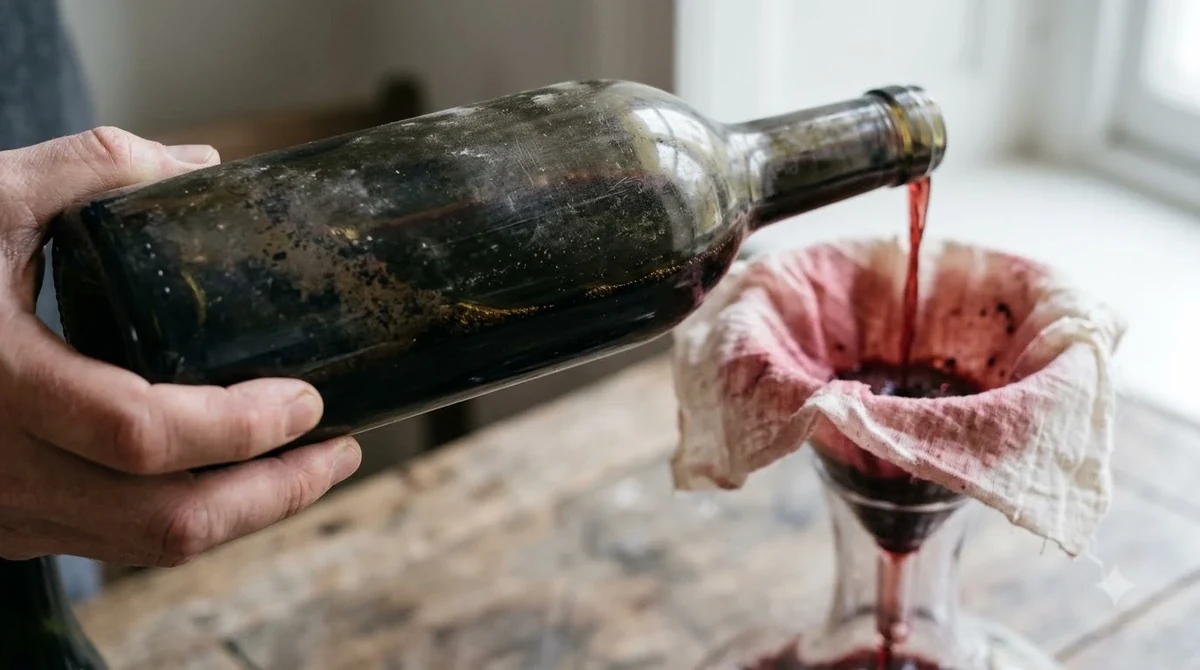
According to Alamos producer information, its grapes grow in vineyard locations at approximately 3,000 to 5,000 feet above sea level near the foothills of the Andes Mountains. At these elevations, sunlight can be intense during the day, while cooler evenings help moderate vineyard temperatures. These conditions influence grape development and the balance between ripeness and acidity.
Grape ripeness matters because yeast converts fermentable grape sugars into alcohol during fermentation. Grapes harvested with more available sugar can produce wines with higher potential alcohol, assuming the fermentation proceeds to dryness. This is one reason wines from warmer growing areas can have higher ABV than wines made from grapes harvested in cooler climates.
However, altitude does not automatically produce a specific alcohol percentage. Vineyard exposure, soil, water availability, harvest timing, grape variety, and seasonal weather all affect the final result. A 13.5% Malbec reflects the combined decisions and conditions involved in making that particular wine.
The role of blending and winemaking
The Alamos technical information page describes a blend consisting of 85% Malbec, 10% Bonarda, and 5% Syrah. These supporting varieties contribute to the wine’s overall structure and flavor profile. The blend composition should be understood as the specification for the bottling described on that producer page rather than a universal formula for every Alamos vintage.
The producer also describes a three-day cold soak before fermentation. This process allows the grape skins to remain in contact with the juice before active alcoholic fermentation, helping extract color and aromatic compounds. Fermentation is then described as taking place in upright, conical tanks for approximately one week at 85 degrees Fahrenheit.
After primary fermentation, the wine undergoes malolactic fermentation. This process converts sharper malic acid into softer lactic acid, changing the wine’s acidity and mouthfeel. It does not serve as the primary source of the wine’s alcohol.
The same producer description specifies six to eight months of aging in French oak barrels with a capacity of 225 liters. Oak aging can contribute notes of spice, vanilla, and toasted wood, depending on the barrel treatment. It can also help explain why dark-fruit flavors in Malbec sometimes appear alongside chocolate or coffee impressions.
For more background on the grapes and producers behind different bottles, the Wine Brands section provides a broader starting point for exploring wine styles and labeling information.
Does Vintage or Bottle Variation Change the ABV?
Yes, the alcohol percentage can vary between Alamos Malbec vintages and bottlings, although 13.5% is a consistent reference in several published records. Differences in growing conditions, grape maturity, blending, and fermentation can affect the final alcohol concentration.
Independent records demonstrate why it is useful to distinguish a typical figure from a guaranteed percentage. Wine Enthusiast lists the 2019 Alamos Malbec at 13.5% ABV. Tastings.com also records 13.5% for its 2024 Alamos Malbec review, showing the same figure across those two vintages.
The producer’s technical page likewise specifies 13.5%. However, technical information for an older bottling can differ from that for a later one. Different vintages and bottlings should therefore be evaluated individually rather than assumed to have identical specifications.
Such differences are normal in wine production. A variation of a few tenths of a percentage point does not necessarily indicate a major change in flavor or quality. It reflects the fact that wine is an agricultural product, and its composition depends on the grapes and production decisions behind each bottling.
Several factors can contribute to changes between vintages:
- Weather: Temperature, sunlight, and rainfall influence grape development and sugar accumulation.
- Harvest timing: Later harvesting can result in riper grapes with higher sugar levels.
- Blending: Adjusting the proportions of Malbec and supporting varieties can change the finished wine’s composition.
- Fermentation: Yeast activity and the amount of fermentable sugar determine the alcohol produced.
- Production decisions: Winemaking adjustments can influence the finished wine’s chemical composition and style.
Market differences can also complicate comparisons. Wine listings in different countries sometimes display information for different vintages or bottlings, and retailer databases may retain older specifications after a new vintage becomes available. The 13.5% figure is therefore best used as the normal reference for Alamos Malbec rather than an absolute value for every bottle.
When comparing two bottles, the vintage and the printed ABV percentage are more useful than assuming the wine has remained identical across multiple harvests. A difference between 13.3% and 13.5%, for example, is relatively small, but it still affects the precise amount of alcohol in a measured serving.
Flavor, Food Pairings, and Serving Temperature
Alamos Malbec’s 13.5% ABV works alongside its medium-to-full body, dark-fruit character, and noticeable tannin to create a substantial red wine style. Serving it at the right temperature and pairing it with food that complements its structure can make the wine feel more balanced.
Tastings.com’s 2024 review identifies black raspberry, roasted fig, dark chocolate, and cola among the wine’s aromas. Its description also mentions black currant and pen ink in the finish. Wine Enthusiast’s 2019 review describes black-fruit aromas, road tar, chocolaty oak, and herbal dark-berry flavors. The Tastings.com Alamos 2024 Malbec review also provides its published food-pairing suggestions.
These tasting descriptions illustrate the range of flavors that can appear in Alamos Malbec. The exact impression will depend on the vintage, storage conditions, serving temperature, and the individual drinker’s palate. Dark berries and plum are particularly familiar characteristics of Mendoza Malbec.
Best food pairings
Red meat is a natural match because its protein and fat complement the tannin structure of Malbec. Grilled beef, roasted lamb, and a well-seasoned burger provide substantial flavors without overwhelming the wine’s fruit. Salt and fat also soften the perception of tannin, making the combination feel smoother.
Alamos Malbec can also work well with pork dishes, including baked ham and pulled pork. Tastings.com specifically identifies baked ham and meat loaf as suitable matches for the 2024 bottling. The wine’s dark-fruit character and medium-to-full body can stand up to the savory flavors of these dishes.
Tomato-based pasta is another practical choice. Lasagna combines tomato acidity, cheese, meat, and herbs, giving the wine several complementary elements. Acidic foods generally pair best with wines that have equal or higher acidity, so a tomato sauce with balanced acidity is preferable to an extremely sharp preparation.
Hard cheeses such as aged cheddar and Parmesan can also work well. Their savory, salty flavors help soften the perception of tannin, while their concentrated character complements the wine’s dark fruit. Creamy dishes can provide a contrasting texture to the wine’s structure.
Spicy dishes require more care. Alcohol and tannin can amplify the sensation of chili heat, so heavily spiced food may make Alamos Malbec seem hotter and more aggressive. Mildly seasoned barbecue, roasted vegetables, and herb-based sauces are generally easier matches than dishes dominated by very hot peppers.
Serving temperature
Serve Alamos Malbec at approximately 60–65 degrees Fahrenheit, the recommended range for full-bodied red wines. A bottle served too warm can emphasize alcohol and make the wine feel heavier, while excessive chilling can mute its fruit aromas and make its tannins seem more pronounced.
If the bottle has been stored at room temperature in a warm home, a short period in the refrigerator can help bring it closer to the recommended range. Pouring the wine into a glass and allowing it to warm slightly is preferable to serving it directly from a very cold refrigerator.
A large red-wine glass with a reasonably wide bowl gives the wine room to release its aromas. Fill the glass to approximately one-third of its capacity rather than filling it to the rim. This leaves room to swirl the wine and makes the dark-fruit and oak characteristics easier to appreciate.
Young, full-bodied red wines can also benefit from some air exposure. A 30–60 minute decant is a useful starting point for young full reds, although Alamos Malbec does not necessarily require a lengthy decant every time it is opened. A few minutes in the glass may be sufficient for an everyday bottle.
Frequently Asked Questions
Is Alamos Malbec a dry red wine?
Yes, Alamos Malbec is generally presented as a dry red wine. The 2024 bottling reviewed by Tastings.com is specifically described as dry, with a medium-to-full body. Its ripe berry and plum flavors can suggest sweetness without indicating that the wine is sweetened.
Does Alamos Malbec contain added sugar?
Alamos Malbec is generally characterized as a dry wine, but dryness does not mean that every bottle contains absolutely zero residual sugar. Fermentation can leave a small amount of naturally occurring grape sugar in the finished wine. Tastings.com reports 1.1% residual sugar for its reviewed 2024 bottling, equivalent to approximately 11 grams per liter.
How long can an opened bottle of Alamos Malbec last?
An opened bottle of still red wine generally retains its best qualities for approximately three to five days when properly refrigerated and sealed. Oxygen exposure gradually changes its aromas and flavors, so replacing the cork or using a wine stopper helps preserve the remaining wine. Let a serving warm slightly after removing it from the refrigerator.
Can Alamos Malbec be stored for several years?
Alamos Malbec is generally positioned as an approachable wine for relatively early drinking rather than a long-term cellar investment. Its fruit-forward character is an important part of its appeal. Store an unopened bottle on its side in a cool, dark location near 55 degrees Fahrenheit, with minimal temperature fluctuations.
Does Alamos make other wines besides Malbec?
Yes. The Alamos portfolio includes other varietal wines, including Cabernet Sauvignon, Chardonnay, Torrontés, and Malbec Rosé. These styles differ in grape composition, body, acidity, and typical serving temperature, so their alcohol percentages should be compared individually rather than assumed to match the Malbec bottling.
Alamos Malbec is typically a 13.5% ABV Argentine red wine with a medium-to-full body, ripe dark-fruit flavors, and a dry finish. A measured 5-ounce glass contains approximately 0.675 fluid ounces of pure alcohol, making serving size an important part of any comparison. For the best expression of its fruit and structure, serve it at 60–65 degrees Fahrenheit with grilled beef, pork, lasagna, or aged cheese.
More in Wine Brands
 Underwood Wine Price: Compare Bottles, Cans, and Pack SizesUpdated Nov 21, 2026
 Zenato Wine Price: Compare Styles and Choose the Right BottleUpdated Nov 21, 2026
 Zuccardi Wine Price: Compare Bottles and Find the Right RangeUpdated Nov 21, 2026
 Yellow Tail Moscato Review: Taste, Sweetness and Serving TipsUpdated Nov 21, 2026
 Wolf Blass Yellow Label Review: Choose Your Best StyleUpdated Nov 21, 2026
 Wolffer Estate Rose Review: Choose the Right Bottle for Your TableUpdated Nov 21, 2026