

We may earn a commission when you buy through links on this page, at no extra cost to you. Learn more.
Pinot Grigio with pasta is an excellent pairing, particularly with seafood, pesto, light cream, lemon, and vegetable-based sauces. Its refreshing acidity, delicate citrus flavors, and generally light body complement pasta without overwhelming the ingredients. The best match depends on the sauce rather than the pasta shape, so choosing the right style of Pinot Grigio can make everything from linguine with clams to fettuccine Alfredo taste more balanced.
Pinot Grigio is a practical choice for Italian-inspired dinners because it provides freshness alongside olive oil, cheese, seafood, herbs, and moderately rich sauces. Its versatility also means it can work with some meat-based pasta dishes, although particularly heavy or strongly flavored recipes may need a wine with more body. Understanding how acidity, texture, seasoning, and regional wine styles interact makes it easier to find a satisfying combination.
Why Pinot Grigio Works So Well With Pasta
Pinot Grigio pairs particularly well with pasta because its refreshing acidity balances rich ingredients while its restrained fruit flavors complement delicate sauces. Rather than competing with garlic, herbs, seafood, or cheese, a well-chosen bottle provides freshness between bites.
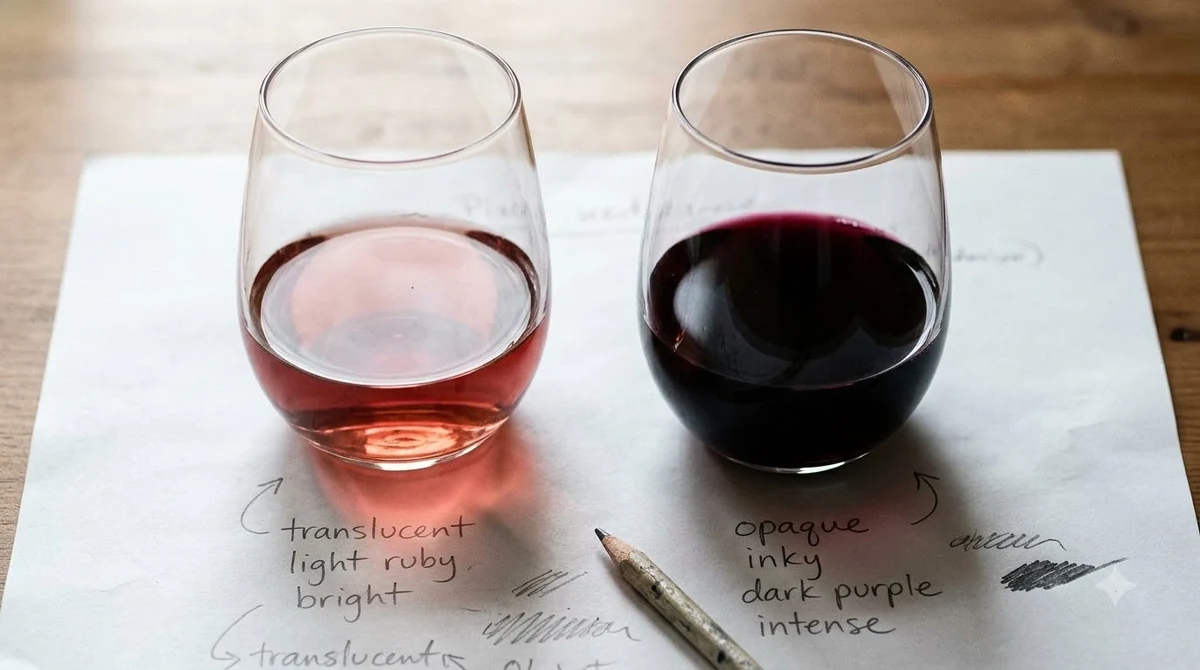
Most Italian Pinot Grigio is dry, light-bodied, and refreshing. Common flavor characteristics include lemon, lime, green apple, pear, and subtle mineral notes. These qualities make the wine especially suitable for dishes where freshness matters more than intense seasoning or substantial meat flavors.
Acidity is one of the most important elements in this pairing. Cream, butter, olive oil, and cheese can coat the palate, making a meal feel heavy after several bites. A wine with sufficient acidity refreshes the palate and creates contrast with those richer ingredients. This is why a crisp Pinot Grigio can work particularly well with fettuccine Alfredo, seafood linguine, and pasta with Parmesan.
The wine’s relatively delicate flavor also matters. A powerful, heavily seasoned sauce can overpower a lighter white wine, while a simple preparation allows the wine’s citrus and orchard-fruit characteristics to remain noticeable. For example, spaghetti with garlic, olive oil, parsley, and lemon gives Pinot Grigio room to complement the dish without competing against it.
Salt can improve the pairing, too. Parmesan, Pecorino Romano, olives, capers, and cured seafood introduce savory flavors that work naturally with a refreshing white wine. Salt also reduces the perception of bitterness, helping the fruit and acidity of the wine remain appealing.
There is also an important distinction between Pinot Grigio styles. A light, crisp bottle from Veneto may be ideal for linguine with clams, while a more textured Pinot Grigio from Friuli-Venezia Giulia can stand up to a richer pasta preparation. The grape does not produce just one uniform style.
For a broader understanding of matching wine characteristics with ingredients, the Grape x Food pairing guide provides a useful starting point.
Best Pasta Sauces to Serve With Pinot Grigio
The sauce determines whether Pinot Grigio will complement a pasta dish or disappear behind its flavors. Seafood, pesto, lemon, olive oil, and light cream are particularly dependable choices, while heavier meat sauces require more attention to the wine’s body and acidity.
Use the following combinations as practical starting points when planning dinner.
| Pasta sauce | Example dish | Best Pinot Grigio style | Pairing reason |
|---|---|---|---|
| Seafood | Linguine with clams | Light, crisp Italian | Acidity complements briny seafood and lemon. |
| Light cream | Fettuccine Alfredo | Fresh, medium-bodied | Acidity balances butter, cream, and cheese. |
| Pesto | Basil pesto linguine | Citrusy, aromatic | Freshness complements basil and garlic. |
| Olive oil | Spaghetti aglio e olio | Light, high-acid | Refreshes the palate after oily bites. |
| Tomato | Spaghetti pomodoro | Fresh, fruit-forward | Fruit and acidity complement moderate tomato intensity. |
| Vegetable | Zucchini and lemon pasta | Light, citrus-driven | Echoes fresh vegetable and citrus flavors. |
| Chicken | Chicken and spinach pasta | Medium-bodied Italian | Matches lean poultry and mild seasoning. |
| Meat ragù | Beef and tomato tagliatelle | Fuller, textured style | Provides more weight against the sauce. |
Seafood pasta is among the easiest combinations. Linguine with clams, shrimp spaghetti, scallop linguine, and crab ravioli all benefit from the freshness of a dry white wine. Garlic, parsley, lemon, and olive oil provide additional flavors that complement Pinot Grigio’s citrus character.
Cream sauces are another strong option, provided they are not excessively heavy. Alfredo made with butter, cream, and Parmesan has enough richness to benefit from a crisp wine. A lighter preparation with mushrooms, chicken, or spinach can be equally successful. The wine should have enough acidity to balance the sauce rather than match its richness with excessive oak or sweetness.
Pesto is particularly interesting because it combines basil, garlic, olive oil, pine nuts, and cheese. These ingredients create a flavorful sauce without the weight of a meat-based ragù. Pinot Grigio’s citrus and mineral characteristics offer a refreshing contrast, especially when the dish includes lemon zest or fresh cherry tomatoes.
Tomato pasta requires a little more care. Tomatoes are naturally acidic, so the wine needs sufficient acidity to avoid tasting flat beside the sauce. A fresh, fruit-forward Pinot Grigio can work with a simple pomodoro preparation, particularly when the recipe includes olive oil, basil, and moderate seasoning.
However, concentrated tomato sauces with large quantities of roasted garlic, sausage, or chili can overwhelm a delicate bottle. For these preparations, a medium-bodied red such as Pinot Noir may be a more appropriate alternative, depending on the seasoning and ingredients.
Seafood Pasta, Lemon, and Olive Oil Combinations
Seafood pasta is arguably the most natural match for Pinot Grigio because delicate fish, shellfish, citrus, and fresh herbs complement the wine’s light body and refreshing acidity. Choose a dry Italian expression for traditional coastal dishes featuring clams, shrimp, mussels, or scallops.
Spaghetti alle vongole is a classic example. This Italian preparation typically combines spaghetti with clams, garlic, olive oil, parsley, and sometimes white wine. The clam liquor provides savory depth, while parsley and lemon contribute freshness. A crisp Pinot Grigio supports these flavors without introducing excessive weight or tannin.
Shrimp scampi pasta is another dependable pairing. Butter, garlic, lemon juice, and parsley create a rich but relatively delicate sauce. Pinot Grigio’s acidity cuts through the butter, while its citrus notes complement the lemon in the recipe. The result is a combination that feels refreshing rather than heavy.
Crab linguine and scallop pasta can also benefit from this style of white wine. Both ingredients have subtle natural sweetness that can become difficult to appreciate alongside strongly oaked or highly aromatic wines. A restrained Pinot Grigio preserves the seafood’s delicate character.
Matching Different Seafood Ingredients
Consider how each seafood ingredient changes the overall dish:
- Clams: Choose crisp, mineral-driven Pinot Grigio with garlic, parsley, and olive oil.
- Shrimp: A citrus-forward bottle complements lemon butter and lightly seasoned tomato sauces.
- Scallops: Select a delicate wine that will not overpower their mild sweetness.
- Mussels: Fresh, dry Pinot Grigio works well with white wine, garlic, and herb-based sauces.
- Crab: A slightly fuller style can accompany crab ravioli and lightly creamy sauces.
- Salmon: Consider a more textured white wine or a suitable alternative with enough body for the fish.
Salmon deserves special consideration because it is richer and oilier than many white fish. A fuller Pinot Grigio can work with grilled salmon pasta, particularly when the recipe includes lemon, dill, or fresh herbs. For additional combinations, see the guide to Pinot Grigio with salmon.
Oily fish can become difficult to pair with wines that have substantial tannin, which is one reason delicate whites are often preferable to powerful reds. The sauce and cooking method still matter: grilled seafood with charred vegetables will have a different intensity from poached seafood with lemon butter.
Wine Enthusiast’s guide to pairing Pinot Grigio with food identifies light cream and seafood pasta sauces as particularly suitable combinations. Its pairing advice also emphasizes the wine’s acidity as a counterbalance to richer dishes.
Creamy, Cheesy, and Pesto Pasta Pairings
Pinot Grigio can balance the richness of cream and cheese while complementing the fresh herbs in pesto. The best results generally come from sauces that retain some freshness instead of relying exclusively on heavy dairy, butter, or concentrated cheese.
Fettuccine Alfredo is an obvious place to start. Its traditional ingredients include pasta, butter, and Parmesan, with many American versions adding heavy cream. These ingredients create a rich coating on the palate. A crisp Pinot Grigio supplies acidity that contrasts with the buttery texture and keeps each bite from feeling too heavy.
For the best result, avoid pairing an extremely delicate wine with an unusually rich Alfredo preparation. A fuller, more structured Italian Pinot Grigio is a sensible choice, especially when the recipe includes roasted garlic, mushrooms, or grilled chicken.
Carbonara is another possibility. The combination of eggs, Pecorino Romano, cured pork, and black pepper creates a savory and creamy sauce. A more substantial northern Italian Pinot Grigio can complement its richness. Traditional carbonara obtains its creamy consistency from eggs, cheese, and pasta water rather than heavy cream. Its salty pork and cheese provide enough intensity to make a more textured Pinot Grigio particularly useful.
Decanter’s northern Italian tasting coverage also identifies carbonara and crab-stuffed ravioli among suitable food partners for Pinot Grigio. These examples demonstrate that the grape can accompany more substantial preparations when the wine has enough texture and concentration.
Pesto and Herb-Based Pasta
Basil pesto offers another excellent opportunity. Its combination of basil, garlic, olive oil, pine nuts, and hard cheese creates a concentrated but fresh sauce. Pinot Grigio complements the herbal flavors while its acidity balances the olive oil and cheese.
Try these variations:
- Classic basil pesto: Pair with a crisp Italian Pinot Grigio and fresh Parmesan.
- Spinach pesto: Choose a bright wine with apple and citrus characteristics.
- Sun-dried tomato pesto: Use a fuller style that can handle the sauce’s concentrated fruit.
- Pea and mint pesto: A light, refreshing Pinot Grigio complements the sweetness of the peas.
- Walnut pesto: Choose a more textured expression to match the additional richness.
Cheese selection also influences the pairing. Mozzarella and ricotta create soft, mild textures, while Pecorino and aged Parmesan contribute more salt and intensity. Pinot Grigio’s acidity can balance these ingredients, but heavily aged cheeses may call for a fuller wine.
Tip: If a pasta recipe contains both cream and strong cheese, add lemon zest or fresh parsley to introduce brightness. These ingredients help connect the dish with Pinot Grigio’s citrus and herbal characteristics.
Choosing Between Italian Pinot Grigio and Fuller Pinot Gris
Not every bottle labeled Pinot Grigio tastes the same. Italian Pinot Grigio is generally associated with crisp acidity and restrained fruit, while some Pinot Gris from Alsace and Oregon has greater body, richer fruit, and a more textured palate. Choosing the right regional expression can improve the pairing considerably.
Northeastern Italy is an especially useful starting point. Veneto commonly produces approachable, fresh styles that work with simple seafood pasta, vegetable dishes, and light sauces. Trentino-Alto Adige is associated with alpine freshness, citrus clarity, and lively acidity. Friuli-Venezia Giulia offers a broader range of styles, including wines with greater texture and complexity.
These differences matter at the dinner table. A lighter Veneto Pinot Grigio can complement spaghetti alle vongole without distracting from the clams. A more structured bottle from Friuli can be a better partner for carbonara, creamy mushroom pasta, or crab ravioli.
Alsatian Pinot Gris is often richer and fuller-bodied, sometimes displaying ripe yellow fruit, honey, ginger, and spice. Some examples are also off-dry or sweet. This style can work with more substantial dishes, but a sweet wine may not be ideal for a savory pasta sauce unless the recipe includes enough spice or sweetness to balance it.
Oregon Pinot Gris can also provide a different expression, with riper fruit and more body than many straightforward Italian examples. This can be useful with roasted vegetables, creamy chicken pasta, and recipes containing browned butter.
What Is Ramato Pinot Grigio?
Ramato is a distinctive copper-colored style made by allowing the grape skins to remain in contact with the juice for a period of time. The Pinot Grigio grape has naturally grayish-pink skin pigments, which can contribute color and additional texture during skin contact.
The style has historical associations with Friuli-Venezia Giulia. Compared with many pale, stainless-steel-fermented examples, ramato can have more noticeable texture, spice, floral characteristics, and concentrated fruit. These qualities make it interesting with dishes that might overwhelm a very light white wine.
Decanter’s explanation of ramato Pinot Grigio describes its copper color as a result of contact between the grape skins and juice. The article also traces the style’s historical connection to Friuli and explains how skin contact contributes to its distinctive texture.
Consider ramato with mushroom pasta, roasted squash ravioli, cheesy baked pasta, or dishes containing prosciutto. It can also accompany more substantial seafood preparations. The additional structure gives the wine a stronger presence without requiring the tannin of a red wine.
For a conventional weeknight dinner, however, a fresh and dry Italian Pinot Grigio remains a reliable choice. Ramato is better viewed as an alternative when the pasta has additional texture, earthy ingredients, or richer seasoning.
Matching Pinot Grigio With Chicken, Vegetables, and Meat Sauces
Pinot Grigio can accompany pasta with chicken and vegetables because its acidity and relatively light body suit mild proteins and fresh ingredients. Meat-heavy sauces are more challenging, but a fuller wine can work with some preparations when the seasoning and texture are balanced.
Chicken and spinach pasta is a particularly easy combination. Chicken provides mild savory flavor, spinach contributes freshness, and a light cream or garlic sauce introduces richness. A medium-bodied Pinot Grigio offers enough weight for the chicken while retaining the acidity needed for the sauce.
Chicken piccata pasta is another good option. Its lemon, capers, butter, and chicken create a savory, citrus-led dish. The wine’s acidity complements the lemon, while its fruit characteristics balance the salty capers. If the recipe contains generous amounts of butter, a slightly fuller bottle can provide a better match.
For more poultry combinations, the guide to Pinot Grigio with chicken explores how preparation and seasoning influence the pairing.
Vegetable Pasta Dishes
Vegetable-based pasta is particularly suitable for Pinot Grigio when the recipe features fresh herbs, citrus, olive oil, or mild cheese. The wine’s delicate fruit character supports these ingredients without making the dish taste overly sweet.
Some useful combinations include:
- Zucchini and lemon spaghetti: Citrus and green vegetable flavors complement a crisp wine.
- Asparagus risotto-style pasta: A fresh, acidic bottle provides contrast to the creamy texture.
- Roasted vegetable penne: A medium-bodied Pinot Grigio can handle caramelized zucchini, peppers, and onions.
- Spinach and ricotta ravioli: Mild cheese and green vegetables suit a restrained white wine.
- Mushroom linguine: Choose a fuller Pinot Grigio or ramato with additional texture.
Mushrooms require a little more consideration because their earthy, savory flavor can be more pronounced than that of zucchini or spinach. A very light Pinot Grigio may seem thin beside a concentrated mushroom sauce. A structured Friuli expression or ramato style is often a better choice.
What About Bolognese and Other Meat Sauces?
Pinot Grigio is not automatically excluded from meat-based pasta. A lighter Bolognese containing moderate amounts of meat, tomato, and herbs can work with a fuller, fruitier expression. However, a slow-cooked beef ragù with concentrated tomato, substantial fat, and intense savory flavors will generally benefit from a more structured wine.
In those circumstances, Pinot Noir can be an alternative. Its relatively low-to-medium tannin and fresh acidity make it more adaptable than heavily tannic reds in many pasta pairings. A guide to Pinot Noir with pasta explains which sauces suit the grape.
Spicy sausage pasta also deserves caution. Chili heat becomes more pronounced with wines that have substantial alcohol and tannin, so a powerful red is not always the answer. If the sauce contains considerable chili, choose a less alcoholic, fruit-forward wine and keep the seasoning moderate.
Serving Temperature, Portions, and Practical Pairing Tips
Pinot Grigio should generally be served chilled, with light Italian styles tasting particularly refreshing around 45–50 degrees Fahrenheit. Correct serving temperature helps preserve the wine’s acidity and fruit while allowing its aromas to remain noticeable alongside warm pasta.
For most dry, light-bodied Italian examples, 45–50 degrees Fahrenheit is a useful target. Fuller Pinot Gris and more textured ramato wines can be served slightly warmer, around 50–55 degrees Fahrenheit, to reveal additional aromatic and structural detail.
A wine that is too warm may taste less refreshing beside a creamy sauce. Conversely, a bottle served extremely cold can seem muted, making its fruit and mineral characteristics difficult to appreciate. Allow the wine a little time in the glass if it comes directly from a very cold refrigerator.
Portion size is also important when planning a pasta dinner. A standard wine pour is approximately 5 ounces, and a 750-milliliter bottle provides about five standard glasses. For a dinner serving four people, one bottle is usually enough for a single moderate pour per guest, with additional wine needed if the meal includes a longer dinner or multiple courses.
Simple Preparation and Serving Guidelines
- Chill a light Pinot Grigio to approximately 45–50 degrees Fahrenheit.
- Serve fuller Pinot Gris or ramato around 50–55 degrees Fahrenheit.
- Use ordinary white wine glasses with enough room to appreciate the aromas.
- Pour approximately 5 ounces per serving rather than filling the glass.
- Serve seafood pasta immediately so its delicate flavors and textures remain fresh.
- Add lemon, parsley, or fresh herbs when appropriate to connect the dish with the wine.
- Keep heavy seasoning and excessive chili under control when serving a delicate white.
It is also useful to consider the order of courses. A crisp Pinot Grigio can accompany an antipasto course featuring mozzarella, olives, and grilled vegetables before continuing with seafood linguine or lemon chicken pasta. This makes the wine a practical choice for a meal with several related dishes.
Opened bottles should be resealed and refrigerated. Still white wines such as Pinot Grigio generally retain their best character for approximately three to five days after opening, although freshness and storage conditions affect the result. Keep the bottle cool between servings rather than leaving it on a warm dining table.
For storage before opening, keep bottles away from direct sunlight and major temperature fluctuations. A cool, stable environment near 55 degrees Fahrenheit is a useful target for longer-term wine storage.
Frequently Asked Questions
Is Pinot Grigio traditionally served with pasta in Italy?
Yes, Pinot Grigio is commonly enjoyed alongside Italian meals, particularly in northeastern Italy where the grape has a strong regional presence. It is especially suitable for coastal-style cooking, vegetable dishes, and lighter preparations. Local food traditions often favor wines produced in the same general region as the dishes being served.
Does Pinot Grigio need to breathe before serving?
Most young, fresh Pinot Grigio does not require decanting. Opening the bottle shortly before dinner is generally sufficient. More structured ramato wines may benefit from a little time in the glass, allowing their skin-contact aromas and texture to become more expressive.
Can Pinot Grigio pair with lasagna?
Yes, although the ingredients make a considerable difference. Vegetable lasagna with ricotta, zucchini, and spinach can work well with a fuller Pinot Grigio. Traditional meat lasagna with concentrated tomato sauce and substantial beef or sausage is generally better suited to a structured red wine. A richer ramato style is another possibility for a vegetable-forward baked version.
Is Pinot Grigio suitable for pasta primavera?
Yes. Pasta primavera often includes spring vegetables such as peas, asparagus, zucchini, and carrots, which complement the fresh fruit and acidity of Pinot Grigio. The dish is particularly successful when finished with olive oil, lemon, and fresh herbs rather than an intensely seasoned sauce. A light Italian example is an especially natural choice.
Is Pinot Grigio the same grape as Pinot Blanc?
No. Pinot Grigio, also called Pinot Gris, and Pinot Blanc are distinct grape varieties within the Pinot family. Pinot Grigio has grayish-pink skins, whereas Pinot Blanc has greenish-yellow skins. Although both can produce fresh white wines, their flavor profiles and typical expressions are not identical.
Pinot Grigio is one of the most versatile white wines for pasta, especially when the recipe features seafood, fresh herbs, lemon, pesto, or a light cream sauce. Start with a crisp Italian bottle for delicate preparations and choose a fuller or ramato expression when the dish has more richness and texture. By matching the wine to the sauce rather than simply the pasta shape, you can create a balanced combination for everything from a quick weeknight dinner to a leisurely Italian-inspired meal.
More in Food & Wine Pairing
 Risotto With White Wine Recipe: Make a Creamy Dinner at HomeUpdated Nov 20, 2026
 Wassail With Wine Recipe for a Festive Spiced Holiday DrinkUpdated Nov 20, 2026
 Spritz Veneziano Recipe: Make a Classic Venetian Aperitivo at HomeUpdated Nov 20, 2026
 Summer Wine Punch Recipe for Easy Homemade EntertainingUpdated Nov 20, 2026
 Bishop Recipe: How to Make a Bright, Citrus-Forward Red Wine CocktailUpdated Nov 20, 2026
 Wine Cupcakes Recipe: Bake Rich Chocolate Cupcakes at HomeUpdated Nov 20, 2026