

We may earn a commission when you buy through links on this page, at no extra cost to you. Learn more.
Cote Rotie wine is a red from the steep, south-facing slopes of the northern Rhône, made mainly from Syrah with a small share of Viognier. The appellation is small, roughly 200 hectares on the western bank of the river just south of Vienne, and many of its vines grow on very steep terraces. The name means “the roasted slope,” a fitting description for a site that soaks up the sun. The wines are dark, aromatic, and savory, with a texture that can range from firm and tannic to silky and elegant.
This guide covers how the Côte-Rôtie vineyards are laid out, how the two main sub-zones shape the wine, what the Syrah and Viognier add to the blend, and how to serve and pair these reds. It also explains how to choose a bottle from a producer who may make several single-vineyard wines.
Where Côte-Rôtie Comes From
Côte-Rôtie lies on the western bank of the Rhône, a short distance south of the city of Vienne. The vineyards sit in a few communes, including Ampuis, Saint-Cyr-sur-le-Rhône, and Tupin-et-Semons, and they cover a small area. The slopes are the defining feature: many vineyards are planted on inclines close to 60 degrees, and the vines generally face south or southeast to catch the sun. Stone walls and terraces hold the soil in place and limit erosion.
The steepness has a practical effect as well. Working vines on such slopes is demanding, and that effort is one reason the vineyards are kept so carefully. The appellation was established in 1940, and the vines are often old, averaging around 40 years, which yields low and concentrated fruit. Those conditions help explain why the wines are so intense in a small volume.
The Two Sub-Zones and Their Soils
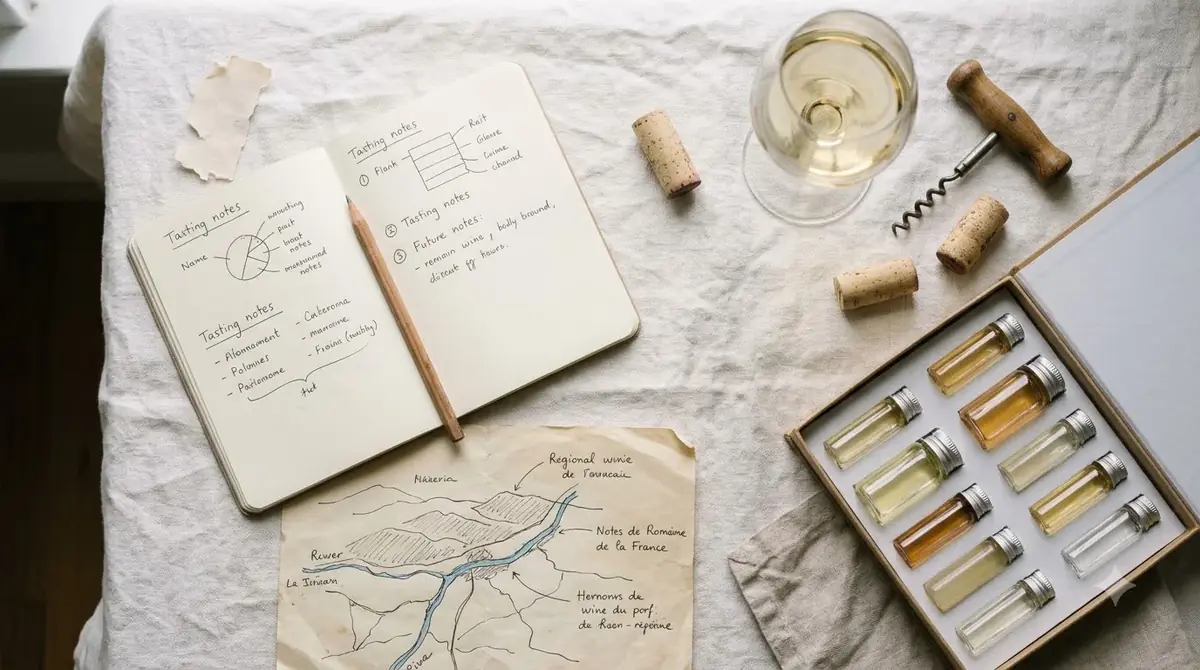
Côte-Rôtie is commonly described in two halves, and the difference between them is one of the most useful things to understand before you buy. The Côte Brune sits on iron-rich schist and produces fuller, more tannic wines that tend to age for longer. The Côte Blonde is made up of granite and schist soils and gives wines that are more balanced and elegant, and that can be enjoyed somewhat earlier.
Traditionally, many producers blended wine from both sub-zones to create a balanced final wine. Today, single-vineyard bottlings are more common, and they let the character of a particular site come through more clearly. Marcel Guigal is often credited as an early pioneer of single-vineyard bottlings in the appellation, and his influence helped establish the idea that a specific slope can be as meaningful as the broader region.
| Element | What it does | What to look for |
|---|---|---|
| Syrah | Forms the core of the wine, with dark fruit, structure, and savory depth | The principal grape in nearly every bottle |
| Viognier | Adds aroma, with floral and fresh notes | Permitted at up to 20 percent, co-fermented with the Syrah |
| Côte Brune soils | Iron-rich schist that yields fuller, tannic wines | Wines built for longer aging |
| Côte Blonde soils | Granite and schist that favor balance and elegance | Wines that open a little earlier |
What Syrah and Viognier Bring to the Glass
Syrah is one of the most recognizable red grapes in the world, and in Côte-Rôtie it shows its full range. The wines are typically dry and full-bodied, with medium-high tannins and medium acidity. The Wine Folly guide to Syrah lists flavors such as blueberry, black plum, milk chocolate, tobacco, and green peppercorn, which are a good description of what a young Côte-Rôtie can show. Expect concentrated dark fruit at the front, savory notes in the middle, and a peppery finish.
Viognier plays a supporting role. Because it is permitted at up to 20 percent and must be fermented together with the Syrah, it lifts the aroma and adds a floral lift that helps the wine feel brighter. Typical aromas in these wines include green olives, raspberry, violets, and a smoky, bacon-like note, which reflects the mix of fruit, herb, and oak that the best bottles achieve.
Côte-Rôtie is also one of the few appellations in France that allows white grapes in a red blend. That tradition shapes the texture of the wine, adding perfume and softness to a grape that can otherwise be very firm.
How to Serve and Pair Côte-Rôtie
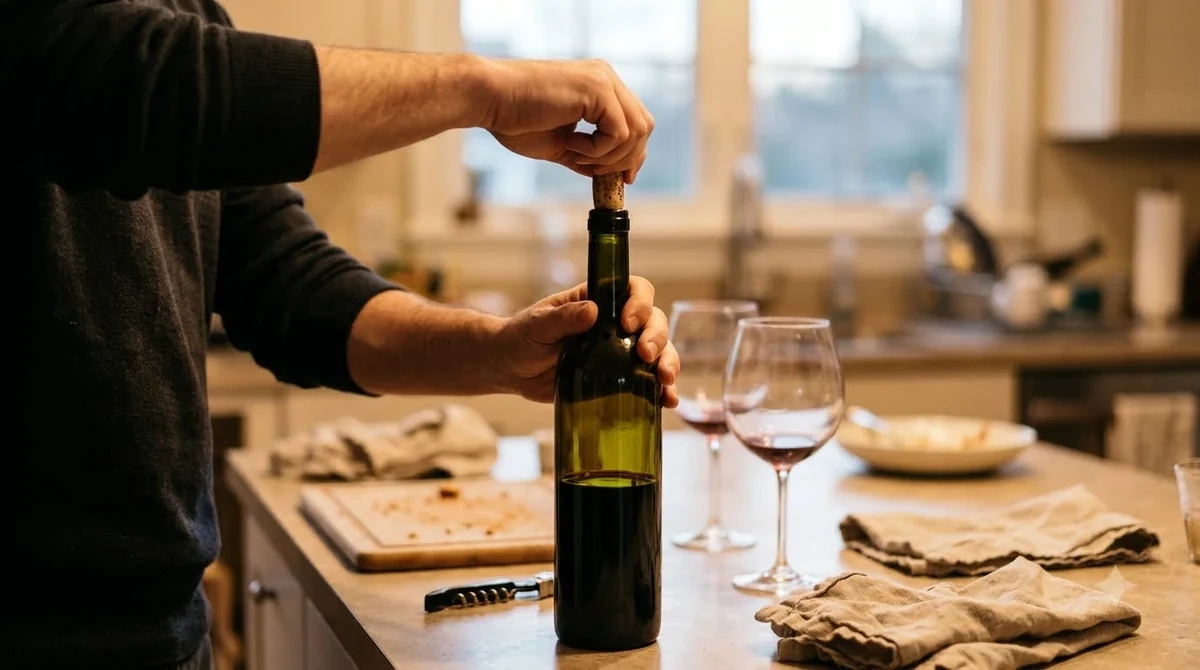
Serve Côte-Rôtie at a cool room temperature, roughly 15 to 20 degrees Celsius, or 60 to 68 degrees Fahrenheit. That range lets the aromatic lift come through without making the wine feel hot or heavy. Decanting a young, tannic bottle for about an hour can soften its edges, and older bottles usually need only a gentle pour so that any sediment stays behind.
Food should have enough weight to match the wine. Rich meats, roasted game, and boldly spiced dishes are the classic partners. Lamb is an especially good match, and so are dishes with warm spice, such as slow-cooked stews and grilled meats with a bit of char. The wine’s savory character also works with hard cheeses and mushroom dishes, which echo its earthy notes.
Single-vineyard bottlings from the steeper Côte Brune tend to need more time and a richer plate, while the more elegant Côte Blonde wines can be enjoyed with a broader range of food, including roast poultry.
How to Choose a Bottle of Côte-Rôtie
Vintage variation deserves extra attention in a site this steep. A warm season tends to bring riper, more generous fruit, while a cooler year can show more tension and acidity. Neither style is better in general, but the producer’s notes and the reputation of the vintage will tell you which direction a particular bottle has taken. Once you know the house style, the vintage becomes a useful way to explore the appellation.
Because the appellation is small, it is worth paying attention to the producer and the sub-zone. A producer who is known for a particular site will usually tell you whether the wine is a blend from both sides of the slope or a single vineyard. Both approaches can be excellent, but they taste different, and the choice depends on what you enjoy.
- Read the producer’s description for the sub-zone or vineyard, which tells you whether the wine leans toward structure or elegance.
- Check the vintage, since the balance between fruit and tannin shifts from year to year on such steep ground.
- If you are new to the appellation, try a producer’s blend first, then compare it with a single-vineyard bottling from the same estate.
For a warm-climate comparison, the Arizona wine guide shows how a sunnier setting changes Syrah and other Rhône-style grapes, while the Calistoga vineyards show how California’s warm valleys handle similar varieties. For broader background on the regions of France and beyond, the Wine Regions guide is a useful next stop.
Frequently Asked Questions
What grape is Côte-Rôtie made from?
Côte-Rôtie is mainly Syrah. Viognier may be included at up to 20 percent, and the two grapes are fermented together.
What does the name Côte-Rôtie mean?
The name is usually translated as “the roasted slope,” which describes the steep, sun-facing vineyards on the western bank of the Rhône.
How is Côte-Rôtie different from other Syrah?
The steep, schist and granite slopes give Côte-Rôtie a distinctive combination of dark fruit, savory depth, and aromatic lift. The Viognier addition and the two sub-zones also set it apart from many other Syrah wines.
How long should I age a Côte-Rôtie?
Younger, more elegant bottles from the Côte Blonde can be enjoyed earlier. Fuller, tannic wines from the Côte Brune are built for longer aging, and the producer’s notes and vintage are the best guide.
Côte-Rôtie is a wine that repays both curiosity and patience. Start with a producer’s blend to learn the appellation’s core style, then explore a single-vineyard bottle to see how the slope itself shapes the glass.
More in Wine Regions
 Willcox Wine Trail: Discover Arizona’s High-Elevation Wine CountryUpdated Nov 20, 2026
 Yakima Valley Wine Region: Find the Best Styles to TryUpdated Nov 20, 2026
 Vosne Romanee Wine Tasting: Identify Aromas and Choose Better PairingsUpdated Nov 20, 2026
 Yakima Valley Wine Festival: Find the Best Seasonal Wine EventsUpdated Nov 20, 2026
 Wales Vineyards: Discover Cool-Climate Wines and Where to VisitUpdated Nov 20, 2026
 Yountville Wine Festival: Discover Napa Wines and Local FoodUpdated Nov 20, 2026