

We may earn a commission when you buy through links on this page, at no extra cost to you. Learn more.
Pinot grigio vs white zinfandel comes down to dryness and acidity: Pinot Grigio is generally a crisp, dry white wine, while White Zinfandel is a fruity, usually semi-sweet pink rosé. Pinot Grigio offers refreshing citrus, apple, and pear flavors, making it a natural choice for seafood and lighter meals. White Zinfandel delivers strawberry, raspberry, and melon flavors with noticeable sweetness, making it appealing for casual sipping, fruit dishes, and mildly spicy food.
Both wines are approachable, widely available, and suitable for occasions when a lighter wine makes more sense than a full-bodied red. However, their differences extend beyond color. Their grapes, winemaking methods, sweetness, acidity, and food-pairing strengths create two distinct drinking experiences. Understanding those differences makes it easier to select a bottle for dinner, a summer gathering, or an afternoon glass.
Pinot Grigio and White Zinfandel: The Main Differences
The biggest distinction is that Pinot Grigio is typically a dry white wine, whereas White Zinfandel is generally a sweeter rosé. Pinot Grigio emphasizes refreshing acidity and restrained fruit, while White Zinfandel emphasizes ripe red-fruit flavors and a softer, sweeter finish.
Despite their similar reputation as easy-drinking wines, these bottles are made from completely different grape varieties. Pinot Grigio comes from a grape with naturally grayish-blue skins, while White Zinfandel comes from the dark-skinned Zinfandel grape. Their production methods explain why one usually looks pale yellow and the other has a pink or salmon-colored appearance.
Pinot Grigio is associated particularly strongly with northeastern Italy, including Veneto, Trentino-Alto Adige, and Friuli-Venezia Giulia. Italian examples are often lean, dry, and crisp. Their flavors commonly include lemon, lime, green apple, pear, and subtle mineral notes. Producers generally favor techniques that preserve freshness instead of adding substantial oak influence.
White Zinfandel is closely associated with California. It is made by allowing the juice from red Zinfandel grapes to spend a relatively short time in contact with their skins. This limited contact extracts enough pigment to produce a pink wine without the deep color and structure of a conventional red Zinfandel.
The differences become clearer when comparing their typical characteristics:
| Characteristic | Pinot Grigio | White Zinfandel |
|---|---|---|
| Wine category | White wine | Rosé wine |
| Main grape | Pinot Grigio | Zinfandel |
| Typical sweetness | Dry | Off-dry to medium-sweet |
| Body | Light to medium | Light |
| Acidity | Medium-high to high | Generally low |
| Tannin | Very low | Very low |
| Typical fruit flavors | Lemon, apple, pear, peach | Strawberry, raspberry, melon |
| Typical alcohol | Approximately 11–13.5% ABV | Approximately 8–10% ABV |
| Common color | Pale straw to light gold | Light pink to salmon |
| Best serving temperature | 45–50°F | 45–50°F |
| Common food matches | Seafood, salads, chicken | Fruit, appetizers, spicy dishes |
These figures describe common styles rather than fixed requirements for every bottle. Alcohol levels depend on grape ripeness, fermentation, and producer decisions. Sweetness also varies: a particularly fruity Pinot Grigio can taste rounder than expected, while a deliberately dry White Zinfandel can have considerably less residual sugar than the familiar supermarket style.
Another useful distinction is how the wines behave on the palate. Pinot Grigio’s acidity produces a refreshing sensation that can make food taste less heavy. White Zinfandel’s sweetness softens its overall impression and makes its fruit flavors more immediately noticeable. Neither wine has the substantial tannin structure associated with Cabernet Sauvignon or other full-bodied reds.
For someone who prefers a straightforward dry wine with dinner, Pinot Grigio is usually the safer selection. Someone who enjoys sweeter fruit flavors and a softer finish will generally prefer White Zinfandel.
Sweetness, Acidity, and Alcohol Differences
Pinot Grigio is usually the drier and more acidic option, while White Zinfandel generally has more noticeable residual sugar and lower acidity. Alcohol content often follows a similar pattern, with conventional White Zinfandel frequently containing less alcohol than Pinot Grigio.
Sweetness is one of the most important factors in choosing between these wines. A typical Italian Pinot Grigio finishes dry, meaning most of the grape sugar has been converted into alcohol during fermentation. Its ripe fruit aromas may suggest sweetness, but the actual taste is usually crisp rather than sugary.
White Zinfandel is generally made in an off-dry or medium-sweet style. Some versions contain enough residual sugar to produce an unmistakably sweet finish. This sweetness complements the wine’s strawberry and raspberry flavors, creating a softer drinking experience.
It helps to distinguish fruitiness from sweetness. A Pinot Grigio can smell strongly of ripe peach or melon without containing much residual sugar. Likewise, a White Zinfandel can have bright strawberry aromas alongside a noticeable sweet taste. Aroma alone does not establish how sweet a wine will be.
Understanding acidity
Acidity is another major difference. Pinot Grigio generally has medium-high to high acidity, particularly when it comes from cooler growing areas in northeastern Italy. Its lively acidity creates a clean finish and makes it especially suitable for dishes with lemon, tomatoes, and other ingredients that have their own natural acidity.
White Zinfandel typically has lower acidity. Its softer structure means the sweetness and fruit flavors can become more prominent. Rather than delivering the sharp, mouthwatering sensation associated with Sauvignon Blanc or Italian Pinot Grigio, it tends to feel rounder and gentler.
This difference matters during a meal. A wine with insufficient acidity can taste flat beside a dish containing plenty of lemon juice or vinegar. Pinot Grigio is usually better equipped to handle those ingredients because its acidity can match the brightness of the food.
Alcohol content and drinking style
Alcohol levels also influence the experience. White Zinfandel commonly falls around 8–10% ABV, according to Total Wine’s general style description. Pinot Grigio frequently falls around 11–13.5% ABV, although some bottles can fall outside that range.
Lower alcohol does not automatically mean lower sweetness, and higher alcohol does not automatically mean a wine tastes stronger in fruit. Fermentation determines how much grape sugar becomes alcohol, while the amount of residual sugar left behind affects sweetness.
For a relaxed afternoon gathering, a lower-alcohol White Zinfandel may be appealing. For a dinner involving shellfish, salads, or grilled vegetables, the greater acidity of Pinot Grigio may provide a more suitable match.
These characteristics also help explain why neither wine should be selected purely by its color. A pink wine is not necessarily sweet, and a pale white wine is not necessarily completely dry. The production style and remaining sugar matter more than appearance.
Flavor Profiles: Citrus and Apple Versus Strawberry and Raspberry
Pinot Grigio usually emphasizes citrus, green apple, pear, and light floral notes, whereas White Zinfandel is recognized for strawberry, raspberry, melon, and other ripe fruit flavors. Both are fruit-forward, but their aromas and finishes create different expectations.
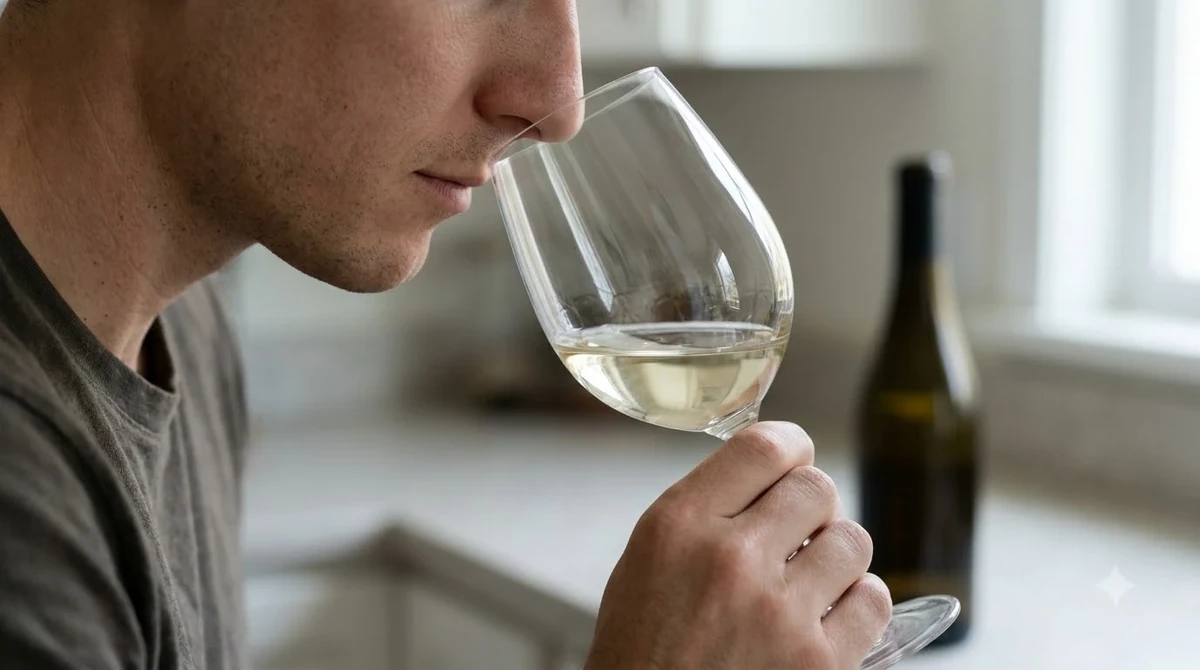
Pinot Grigio is often relatively restrained aromatically. A typical glass may reveal lemon zest, green apple, pear, white peach, and occasionally almond. Some Italian versions also show mineral or slightly saline impressions that add interest without making the wine feel heavy.
The exact profile depends on growing conditions and production decisions. Cooler vineyard locations tend to preserve acidity and produce fresher citrus and green-fruit characteristics. Warmer conditions can encourage riper peach, melon, and other orchard-fruit flavors.
Stainless steel is a common production choice because it helps preserve the grape’s fresh fruit character. Unlike an oak-aged Chardonnay, a typical Pinot Grigio does not emphasize vanilla, toast, butter, or coconut. The result is generally a cleaner, lighter expression.
White Zinfandel has a different flavor profile. Strawberry and raspberry are common, often accompanied by watermelon, citrus, and hints of melon. Depending on the producer, subtle spice impressions such as clove or nutmeg may also appear.
Its sweetness can make these flavors seem particularly pronounced. Ripe strawberry notes may be accompanied by a candy-like impression, while raspberry and melon provide additional fruit character. The overall effect is usually softer and more immediately accessible than the restrained profile of a traditional Italian Pinot Grigio.
White Zinfandel also tends to have a smoother finish because it has limited skin contact and little tannin. It does not deliver the drying sensation associated with red wines. Its fruit-driven character makes it suitable for people who prefer a gentler introduction to wine.
How the finish changes the experience
The finish is the sensation that remains after swallowing. Pinot Grigio generally finishes crisp, with refreshing acidity and a relatively clean impression of citrus or green apple. White Zinfandel usually finishes softer, with lingering berry flavors and some sweetness.
These differences can influence how much you enjoy a second glass. Someone who prefers a refreshing wine that cleanses the palate between bites may favor Pinot Grigio. Someone who enjoys ripe fruit flavors and less noticeable acidity may find White Zinfandel more satisfying.
There is also variation within each category. Pinot Grigio from Oregon can have more expressive pear and peach flavors than a particularly lean Italian example. Similarly, White Zinfandel made in a drier style can taste noticeably less sweet than the traditional medium-sweet version.
For a broader comparison with another wine made from Zinfandel grapes, see pinot grigio vs zinfandel. That comparison highlights the difference between a dry white wine and the fuller-bodied red expressions made from the same red-skinned Zinfandel grape used in White Zinfandel.
Grape Origins and How the Wines Are Made
Pinot Grigio and White Zinfandel originate from different grapes and require different winemaking approaches. Pinot Grigio is generally fermented as a white wine, while White Zinfandel begins with red grapes and uses limited skin contact to create its characteristic pink color.
Pinot Grigio: A grape with French origins
Although the name is Italian, Pinot Grigio originated in France, where it is known as Pinot Gris. It is thought to be a natural mutation of Pinot Noir. The grape’s distinctive blueish-gray skin color helps explain the French word gris, meaning gray.
Pinot Grigio became especially associated with northeastern Italy. Veneto, Trentino-Alto Adige, and Friuli-Venezia Giulia are important growing areas. Their cooler conditions and differences between daytime and nighttime temperatures help preserve the acidity that gives many Italian examples their crisp character.
Italian winemakers commonly harvest grapes with freshness in mind. After pressing, the juice is fermented without extended contact with the skins. Temperature-controlled stainless steel tanks are frequently used to maintain clean aromas and prevent excessive oxidation.
Pinot Grigio is not limited to Italy, however. Oregon, California, and Washington also produce wines from this grape. Oregon’s Willamette Valley is particularly associated with expressive examples featuring pear, peach, and citrus flavors.
In France, Pinot Gris from Alsace can be considerably different from the lean Italian style. Some versions are richer, fuller-bodied, and slightly sweet. Late harvesting and botrytis, also known as noble rot, can concentrate grape sugars and produce wines with more pronounced richness.
White Zinfandel: California’s pink wine
White Zinfandel is made from Zinfandel, a red-skinned grape widely associated with California. The name can be misleading because the finished wine is pink rather than white. Its color comes from brief contact between the juice and grape skins during production.
The history of the style is closely connected with Sutter Home and winemaker Bob Trinchero. In 1972, Trinchero bled off some juice from a red Zinfandel fermentation to concentrate the remaining red wine. The separated juice was bottled as a lighter-colored wine.
In 1975, a fermentation stopped before all the sugar had been converted into alcohol. The resulting wine retained sweetness and had a lower alcohol level. That accidental development helped establish the sweeter White Zinfandel style that became widely recognized in the United States.
The modern production process usually begins with crushed Zinfandel grapes. The juice remains in contact with the skins for a relatively short period, allowing some pigment to transfer into the liquid. The juice is then separated and fermented further without the extended skin contact used for red Zinfandel.
Producers can control the final sweetness by managing fermentation and the amount of residual sugar. This is why White Zinfandel is not necessarily identical from one producer to another. Some examples are noticeably sweeter, while others offer a drier, more restrained style.
Wine Enthusiast also describes White Zinfandel as a rosé made using the saignée method, a technique in which juice is drawn off during red-wine production. Its Zinfandel wine overview explains the grape’s different expressions, including red wine, rosé, and fortified styles.
Food Pairings: Which Wine Works Better With Dinner?
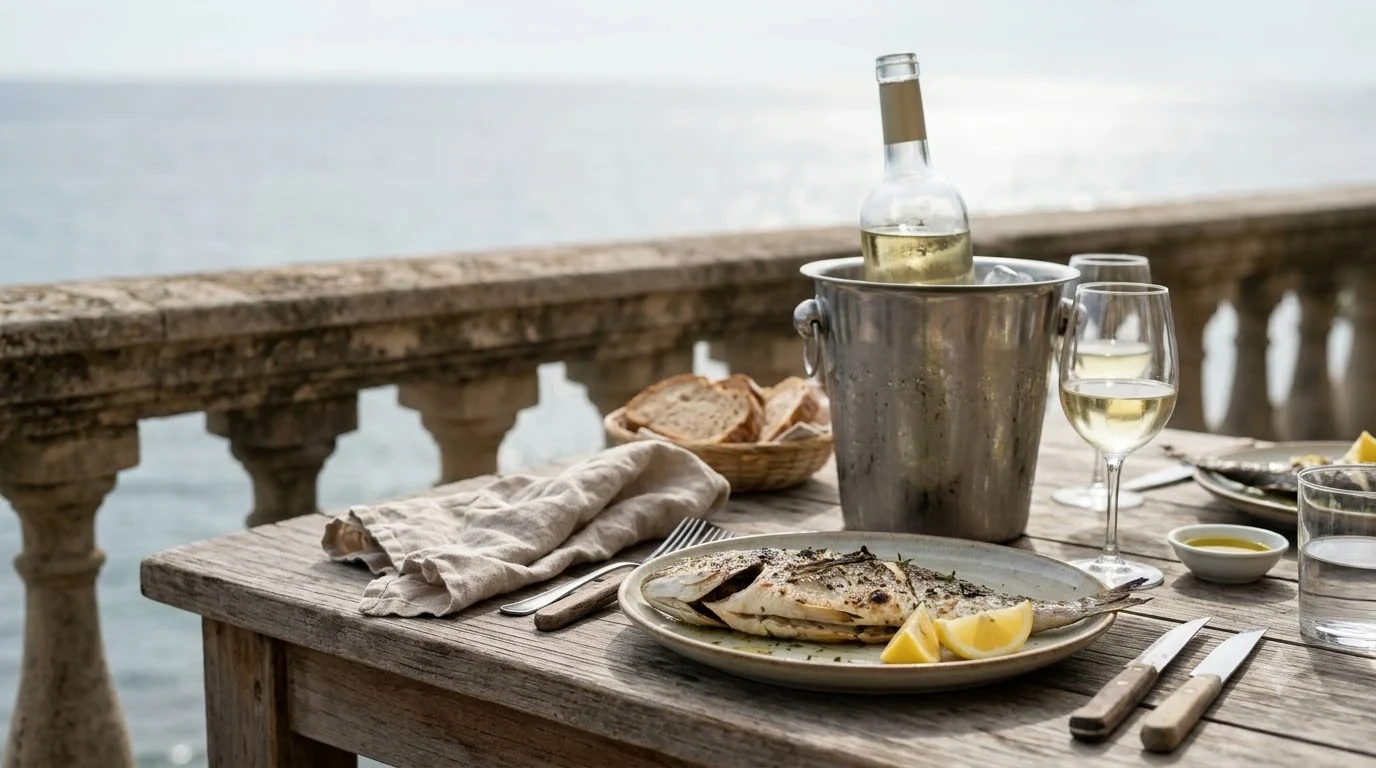
Pinot Grigio is generally the stronger choice for seafood, salads, lemon-seasoned vegetables, and delicate chicken dishes. White Zinfandel works particularly well with fruit-based appetizers, mild cheeses, lightly seasoned chicken, and moderately spicy food because its sweetness softens heat.
Choosing between the wines becomes easier when considering the dominant flavors in a meal. Pinot Grigio’s acidity provides freshness alongside bright, savory ingredients. White Zinfandel’s sweetness and berry character provide a contrasting flavor that can complement fruit, spice, and mildly salty appetizers.
Best foods for Pinot Grigio
Pinot Grigio is a natural partner for shellfish and lighter seafood. Shrimp, scallops, oysters, and simply prepared white fish can work particularly well with its citrus and apple notes. The wine’s acidity keeps the combination refreshing without overwhelming delicate seafood flavors.
Fried calamari is another good option. The acidity helps cut through the richness of the fried coating, while the wine’s relatively light body does not overpower the seafood. Grilled shrimp with lemon, garlic, and parsley also makes a suitable pairing.
Salads work well, especially when they contain ingredients such as cucumber, lettuce, herbs, and mild cheese. A vinaigrette with substantial acidity calls for a similarly lively wine, which is another reason Pinot Grigio often succeeds where a softer White Zinfandel may taste less balanced.
Italian dishes offer several possibilities. Caprese salad, vegetable risotto, light pasta with seafood, and tomato-based pasta can all work. Tomato sauces are particularly useful examples because their acidity can make a low-acid wine seem dull.
Chicken is another good match. Grilled chicken with lemon, roasted chicken breast with herbs, and lightly seasoned chicken pasta all complement the wine’s restrained fruit character. Avoid preparations with excessively rich sauces if you want the wine’s freshness to remain noticeable.
Best foods for White Zinfandel
White Zinfandel works well with dishes that benefit from a touch of sweetness. Fresh fruit platters, mild cheeses, chicken salads, and lightly seasoned appetizers are natural choices. Its strawberry and raspberry character can complement the sweetness of fresh fruit without requiring an elaborate meal.
Spicy dishes are another strong pairing opportunity. Thai curries, mildly spicy Indian dishes, and sweet-and-spicy chicken can work well with White Zinfandel because the wine’s residual sugar can soften the perception of chili heat.
However, extremely hot food can still overwhelm the wine. Alcohol and tannin can amplify chili heat, so wines with high alcohol or significant tannin are generally less suitable for very spicy dishes. White Zinfandel’s relatively low alcohol and low tannin make it a more comfortable option than a powerful red wine.
Charcuterie boards can also work, particularly when they include fresh fruit, mild cheeses, and lightly seasoned meats. Salt and fat soften tannin, although White Zinfandel has little tannin to begin with. The fruit and sweetness provide a different kind of contrast to salty appetizers.
For dessert, sweetness deserves particular attention. The wine should be at least as sweet as the dessert, or the wine may taste sour or thin beside the food. A moderately sweet White Zinfandel can work with fresh strawberries, fruit tarts, and lighter fruit-based desserts. Very sweet chocolate or caramel desserts may require a sweeter wine.
Pairing comparison
Use the following examples as practical starting points rather than rigid rules:
| Food | Better choice | Reason |
|---|---|---|
| Grilled shrimp with lemon | Pinot Grigio | Acidity complements citrus and seafood. |
| Fried calamari | Pinot Grigio | Freshness balances the fried coating. |
| Strawberry salad | White Zinfandel | Berry flavors complement the fruit. |
| Thai chicken curry | White Zinfandel | Sweetness helps balance moderate chili heat. |
| Caprese salad | Pinot Grigio | Acidity works with tomatoes. |
| Mild goat cheese | White Zinfandel | Fruit and sweetness complement mild cheese. |
| Grilled chicken with herbs | Pinot Grigio | Light body preserves delicate flavors. |
| Fresh fruit tart | White Zinfandel | Fruit flavors complement the dessert. |
Tip: If you are serving both wines at the same meal, begin with Pinot Grigio alongside seafood or salads, then serve White Zinfandel with fruit, mildly spicy appetizers, or dessert. Moving from the drier wine to the sweeter wine generally makes the progression more comfortable.
There are exceptions to every pairing suggestion. A particularly dry White Zinfandel may work with savory dishes that would normally favor Pinot Grigio. A fruitier, less acidic American Pinot Grigio may also work with dishes that have a little natural sweetness.
The best approach is to match the wine’s intensity with the food. Delicate dishes benefit from lighter wines, while strongly flavored dishes need a wine with enough flavor to remain noticeable. Neither Pinot Grigio nor White Zinfandel is designed to compete with extremely rich, heavily seasoned preparations.
For another comparison involving Pinot Grigio and a versatile white grape, see chenin blanc vs pinot grigio. Chenin Blanc can range from dry to sweet and offers a different balance of fruit, acidity, and texture.
Serving Temperature, Glassware, and Storage
Both wines are best served chilled, with a typical target of 45–50°F for a fresh, balanced experience. Pinot Grigio benefits from enough chill to preserve its crispness, while White Zinfandel should be cold enough to keep its sweetness from feeling heavy.
Serving temperature influences how much acidity, sweetness, and aroma you perceive. A wine served too warm can seem softer and more alcoholic, while excessive chilling can suppress fruit aromas and make the wine seem less expressive.
Serving Pinot Grigio
Serve Pinot Grigio around 45–50°F. This temperature preserves the refreshing acidity while allowing lemon, apple, pear, and floral aromas to remain noticeable.
A standard white wine glass is suitable. A moderately narrow opening helps retain aromas without making the wine feel confined. There is no need to decant a typical young Pinot Grigio. Open the bottle, pour, and serve.
If the wine comes directly from a refrigerator, allow it a few minutes to warm slightly if it seems excessively cold. This small adjustment can make a meaningful difference in aroma and flavor.
Serving White Zinfandel
White Zinfandel also benefits from a serving temperature around 45–50°F. A chilled glass keeps the sweetness refreshing and allows strawberry, raspberry, and melon aromas to remain pleasant.
A standard white wine glass or a simple rosé glass works well. There is no special requirement for expensive glassware. The most important factors are a clean glass and sufficient room for the wine’s aromas to develop.
White Zinfandel is generally intended for drinking young. Unlike some structured red wines, it does not normally benefit from years of bottle aging. Its fruit-forward character is best enjoyed while the flavors remain fresh.
Storing opened bottles
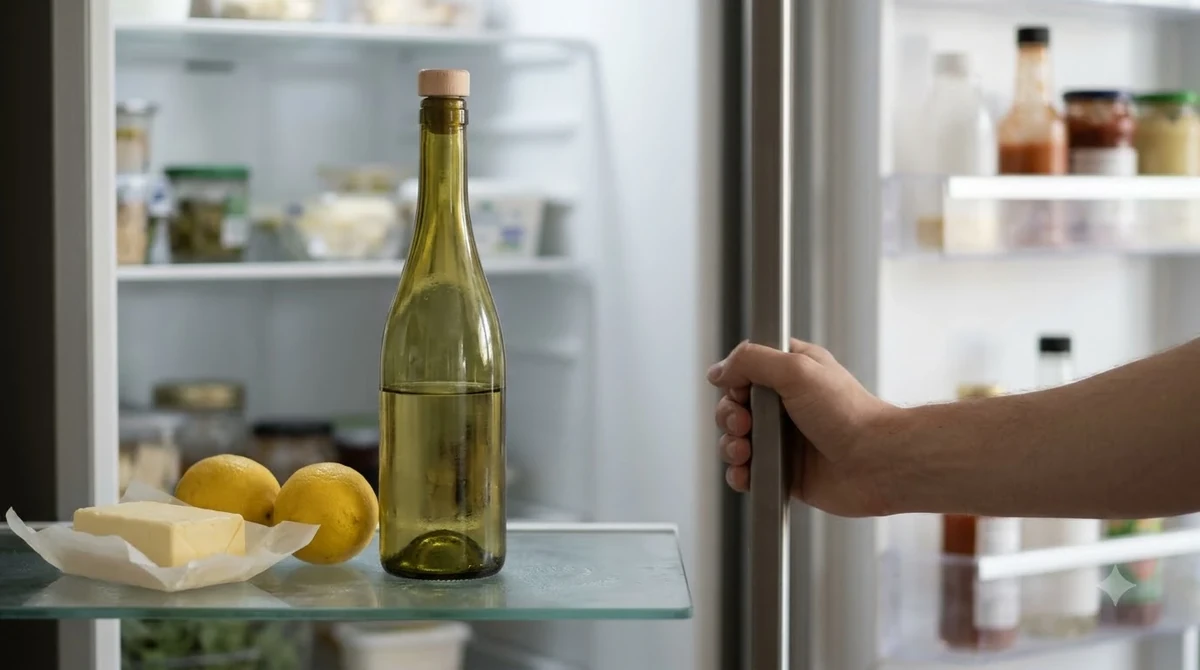
Once opened, both wines should be resealed and refrigerated. A good stopper reduces exposure to oxygen, which gradually changes the wine’s aroma and flavor. For best results, keep the bottle upright and avoid repeatedly leaving it at room temperature.
A practical guideline for opened still wines is approximately 3–5 days in the refrigerator. Pinot Grigio may gradually lose its bright citrus character, while White Zinfandel can lose some of its fresh berry aromas. The exact period depends on the wine, storage conditions, and how much air remains in the bottle.
Unopened bottles should be stored in a cool, dark place away from direct sunlight and large temperature fluctuations. A temperature near 55°F is a useful general target for wine storage. Bottles with traditional cork closures are commonly stored on their sides to keep the cork from drying out.
Neither wine needs elaborate cellar treatment. A kitchen refrigerator is suitable for short-term chilling, although its colder temperature is not ideal for long-term storage. Keep bottles in a stable environment until they are ready to serve.
Which Wine Should You Choose?
Choose Pinot Grigio if you prefer dry wine, refreshing acidity, citrus flavors, and food-friendly versatility. Choose White Zinfandel if you prefer softer acidity, ripe berry flavors, lower alcohol, and noticeable sweetness.
The decision is easiest when you begin with your usual wine preferences. Someone who regularly drinks Sauvignon Blanc, dry rosé, or crisp Italian whites will probably feel more comfortable with Pinot Grigio. Its acidity and clean finish make it familiar to drinkers who prefer refreshing rather than sweet wines.
Someone who enjoys Moscato, sweeter rosé, or fruit-forward wines may find White Zinfandel more appealing. It offers an approachable combination of strawberry, raspberry, and melon, with a gentle finish that does not require an appreciation for complex wine structure.
Food should also influence the choice. If dinner features grilled fish, shrimp, salads, or tomato-based pasta, Pinot Grigio is usually the better starting point. If the menu includes fruit, mildly spicy dishes, sweet-and-savory appetizers, or lighter desserts, White Zinfandel may provide a more enjoyable match.
Neither wine is automatically better in terms of quality. Both categories include simple everyday wines and more carefully made examples. The grape, growing conditions, harvest decisions, and winemaking approach all influence the finished bottle.
It is also useful to remember that regional differences can be substantial. An Italian Pinot Grigio may be noticeably leaner and more acidic than an American example. An Alsatian Pinot Gris can be fuller and sweeter than either. White Zinfandel also ranges from traditional medium-sweet versions to newer, drier interpretations.
If you want to explore other crisp white wines, albarino vs pinot grigio is another useful comparison. Albariño offers its own combination of citrus, acidity, and coastal food-pairing appeal, making it a particularly interesting alternative for seafood lovers.
For readers comparing different styles more generally, the Wine vs Wine section provides additional comparisons that explain the differences between grape varieties, wine styles, and their ideal occasions.
A simple rule makes the decision straightforward: pick Pinot Grigio for a dry, crisp, refreshing glass, and choose White Zinfandel for a fruity, softer, sweeter experience. If you enjoy both styles, keeping one bottle of each available gives you flexibility for different meals and occasions.
Frequently Asked Questions
Is Pinot Grigio sweeter than White Zinfandel?
Usually, no. Most Pinot Grigio is fermented dry, while traditional White Zinfandel retains noticeable residual sugar. Some American Pinot Grigio can taste fruitier and rounder than Italian examples, but fruit aromas do not necessarily indicate actual sweetness. A dry White Zinfandel can also be an exception to the usual comparison.
Is White Zinfandel actually made from white grapes?
No. White Zinfandel is made from red-skinned Zinfandel grapes. Its pink appearance results from limited contact between the juice and the grape skins. The name refers to the style of wine rather than the color of the grapes used to make it.
Which wine has more calories, Pinot Grigio or White Zinfandel?
The exact calorie content depends on alcohol level, residual sugar, and serving size. A typical 5-ounce glass of either wine may contain roughly 100–130 calories, although individual bottles can fall outside that range. Lower alcohol does not automatically mean fewer calories if the wine retains more sugar.
Can White Zinfandel be made completely dry?
Yes. Zinfandel grapes can produce dry rosé when fermentation converts nearly all available grape sugar into alcohol. The traditional White Zinfandel style is generally sweeter, but producers can make drier interpretations. A dry White Zinfandel should not be confused with the more familiar medium-sweet version.
Can Pinot Grigio and White Zinfandel be blended together?
They can be blended as a winemaking or experimental serving choice, although the resulting style is not a standard traditional wine category. Pinot Grigio can contribute freshness and acidity, while White Zinfandel can contribute berry aromas and sweetness. The proportions and individual wines determine whether the combination tastes balanced.
Pinot Grigio and White Zinfandel offer two distinct ways to enjoy lighter wine: one emphasizes dryness and crisp acidity, while the other focuses on fruit and sweetness. Consider your preferred sweetness level, the meal, and the occasion before choosing. Both can be enjoyable additions to a wine collection, particularly when you want an approachable bottle without the weight of a full-bodied red.
More in Wine vs Wine
 Chenin Blanc vs Pinot Gris: Acidity, Body, and Pairing DifferencesUpdated Nov 20, 2026
 Chianti vs Lambrusco: How Tuscany and Emilia-Romagna Reds CompareUpdated Nov 20, 2026
 Chianti vs Primitivo: Key Differences in Taste, Body, and PairingUpdated Nov 20, 2026
 Chianti vs Rioja: Key Differences in Taste, Aging, and PairingUpdated Nov 20, 2026
 Chianti vs Shiraz: How Acidity, Body, and Food Pairings CompareUpdated Nov 20, 2026
 Chianti vs Syrah: Key Differences in Taste, Body, and Food PairingUpdated Nov 20, 2026